
Reviewed · FOOD TOURS
Shimbashi Tastes & Stories A Culinary Foodie Tour By Local Guide
Tokyo gets more interesting after dark. This four-hour walk through Shimbashi takes you beyond the usual Ginza, Shibuya, and Shinjuku routes, pairing local food stops with railway history, small shrines, and the everyday world of Tokyo’s salary workers. I like the mix of sushi, seafood, Japanese wagyu, soft drinks, and dessert, and I also like that guides such as Akira and Kaori have earned praise for making the experience personal and easy to enjoy.
The main consideration is the meeting point information. One participant had trouble finding the guide because of confusion over the location, although a local resident helped connect them with the guide. At $171 per person, this is not a cheap meal, and the value depends on how much you want the food, guiding, and neighborhood context to come together in one outing.
In This Review
- Key points at a glance
- Why Shimbashi makes a good food-tour base
- Meeting at SL Square
- Old Shimbashi Station and Tokyo’s railway story
- Karasumori-jinja, a local pause in the city
- New Shimbashi Building and Tanuki Alley
- Shiodome City Center and the modern side of Shimbashi
- The food: sushi, seafood, wagyu, and dessert
- How the guides shape the experience
- Group size, walking, and timing
- Is $171 a fair price?
- Who should book this Shimbashi walk?
- Should you book Shimbashi Tastes & Stories?
- FAQ
- Where does the tour start?
- Where does the tour end?
- How long does the tour last?
- What food is included?
- Are alcoholic drinks included?
- How many people can join?
- Is the tour near public transportation?
- Is the tour conducted in English?
- Can I cancel for a full refund?
Key points at a glance
- Shimbashi beyond the train station: Walk through railway landmarks, small lanes, shrine grounds, and postwar commercial buildings that many first-time visitors skip.
- Several kinds of Japanese food: The tour includes sushi, seafood, Japanese wagyu, two soft drinks and water, plus dessert.
- A close look at salaryman culture: Shimbashi is known for its after-work dining scene, giving you a more everyday view of Tokyo.
- Small-group format: The maximum group size is 15 people, large enough for a social outing but still manageable on city streets.
- English-speaking Japanese guide: Guides including Akira and Kaori have received especially warm praise for their help, food choices, and friendly manner.
- Four hours on foot: You get a guided neighborhood walk rather than a quick restaurant crawl, so comfortable shoes matter.
Why Shimbashi makes a good food-tour base
Shimbashi sits in Minato Ward, south of Tokyo Station and about a 10-minute walk from Ginza. It is easy to reach by train, but it feels less polished and staged than Ginza’s main shopping streets. Here, railway commuters, office workers, small restaurants, old buildings, and narrow alleys all share the same few blocks.
That setting gives the tour a clear purpose. You are not simply moving between famous sights while eating familiar Japanese dishes. You are seeing the places where Tokyo’s working population gathers for meals after the office day ends. The food helps explain the neighborhood, and the neighborhood gives the food a stronger sense of place.
I particularly like this approach for a second or third day in Tokyo. If you have already seen the big districts, Shimbashi gives you a different angle. If this is your first visit, it still offers a useful introduction to city life without requiring a long journey across the capital.
The tour combines sightseeing and food rather than treating them as separate activities. The stops are free to enter, while the price covers the guide, food, drinks, and dessert. You are paying for access, explanation, and organization as much as for the meal itself.
More Food Tours in Tokyo
- Tokyo: Shinjuku Food Tour (13 Dishes at 4 Local Eateries)
★ 5.0 · 6,603 reviews - Tokyo: Shinjuku Food Tour (15 Dishes and 4 Eateries)
★ 4.9 · 2,033 reviews - Best of Shinjuku: Izakaya Food Tour (4 Stops, 14+ Tastings)
★ 5.0 · 1,863 reviews
Meeting at SL Square
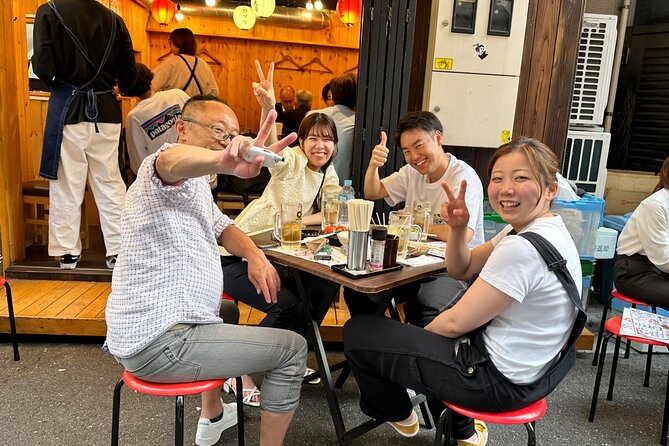
The tour begins at SL Square, near Shimbashi Station. The square was created in 1972 to mark 100 years of railway transport in Japan, and its name comes from the steam locomotive displayed there. The area also connects to the story of the railway route between Tokyo and Yokohama.
This is a useful starting point because Shimbashi’s identity is tied closely to trains and commuters. The station is a major interchange, and the square acts as a simple landmark in a busy part of town. Even so, check the exact meeting instructions carefully before setting out. One person had difficulty locating the guide because the meeting information was not clear enough, so arriving early is sensible.
The station itself can feel confusing, especially if you are coming from another train line or navigating Tokyo for the first time. A mobile ticket is provided, and the meeting point is near public transportation, but that does not remove the need to confirm which exit or part of SL Square you should use.
From the square, the guide can set the tone for the rest of the walk: Shimbashi as a railway district, a workplace neighborhood, and a food center rather than just a transit stop.
Old Shimbashi Station and Tokyo’s railway story
The first stop is Old Shimbashi Station, where the tour spends about 30 minutes. This part adds useful context before the food begins. Shimbashi was closely linked to the early development of rail transport in Japan, and the station area helps explain why the neighborhood became such an important meeting place.
You will want to listen for how transportation shaped local business. Railway stations bring people together, and in Shimbashi that means office workers, commuters, restaurant owners, and shoppers crossing paths throughout the day. The railway story is not presented as an isolated museum topic. It is part of the reason the district looks and feels the way it does.
This stop may appeal most to visitors who enjoy seeing how a city developed. If you are interested only in eating, 30 minutes of railway background could feel like a slow start. For me, though, the context improves the meal stops because you understand why restaurants cluster here and why the area became linked to Japan’s salaryman culture.
Karasumori-jinja, a local pause in the city
Karasumori-jinja is scheduled for about 45 minutes. It is described as one of the older shrines in the area and a place mainly visited by local people. That makes it a valuable counterpoint to Tokyo’s better-known shrine sites, where the experience can be shaped by crowds, souvenir shops, and sightseeing routines.
This is the kind of stop I want from a neighborhood tour. You are not being sent only to the city’s famous landmarks. You are given time to notice a quieter piece of Shimbashi and hear how it fits into local life.
The shrine also gives the walking route some variety. After railway history and commercial streets, a religious site offers a change of pace. Your guide can help explain what you are seeing and how the shrine relates to the neighborhood.
The supplied schedule allows 45 minutes here, which is generous compared with a quick photo stop. That may mean more time for explanation and a relaxed visit, though the exact flow can vary. As with any city walking tour, you should be prepared for changes in timing if food service or local conditions require it.
A completely different kind of day out:
- Tokyo Disney Resort – Tokyo Disneyland & Tokyo DisneySea Park Tickets
★ 4.8 · 99,488 reviews - SHIBUYA SKY Ticket
★ 4.7 · 46,509 reviews - JR Whole Japan Rail Pass
★ 4.8 · 29,150 reviews - Mt Fuji and Hakone 1-Day Bus Tour Return by Bullet Train
★ 5.0 · 26,383 reviews
New Shimbashi Building and Tanuki Alley
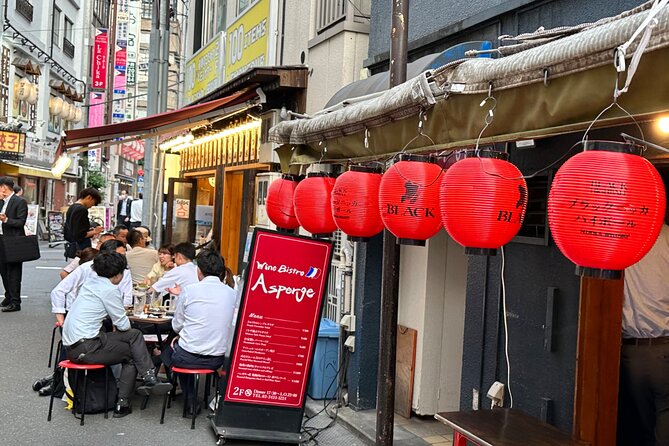
The New Shimbashi Building reveals another layer of the district. Before the building was created, the area was known as Tanuki Alley, a bar district. The redevelopment followed the 1964 Tokyo Olympics, making this stop a compact lesson in how Tokyo repeatedly rebuilt and reorganized itself.
The building is not a grand historic monument. That is precisely why it is interesting. It connects postwar urban planning with the small restaurants and drinking places that helped define Shimbashi. You get a look at the practical side of the city, where old social habits survive inside newer structures.
Allow about 30 minutes here. The guide’s role matters because the building may not mean much if you simply walk past it alone. With the background about Tanuki Alley and redevelopment, the stop becomes easier to read.
This is also a good place to think about the tour’s food focus. Shimbashi’s eating culture is tied to office life, compact restaurant spaces, and the end of the workday. The food is not just a series of tastings. It belongs to a neighborhood shaped by work, commuting, and nightlife.
Shiodome City Center and the modern side of Shimbashi
The route then reaches Shiodome City Center, including the area in front of the NTV Tower. NTV is one of Japan’s major television broadcasters, and the tower houses its studios and offices. Unless you follow Japanese television closely, the building itself may not be a major attraction, but it adds a modern contrast to the shrine and older commercial areas.
The NTV Plaza area helps show how quickly Shimbashi changes from one block to the next. You move from railway history and local religious life to large-scale business and media facilities. That contrast is one of the strongest reasons to take the tour as a walking experience rather than simply booking a restaurant meal.
The scheduled time is about 30 minutes. You should not expect a television-studio visit or an inside tour of the tower. The value is in the surrounding city view and the guide’s explanation of how this part of Tokyo developed.
The food: sushi, seafood, wagyu, and dessert
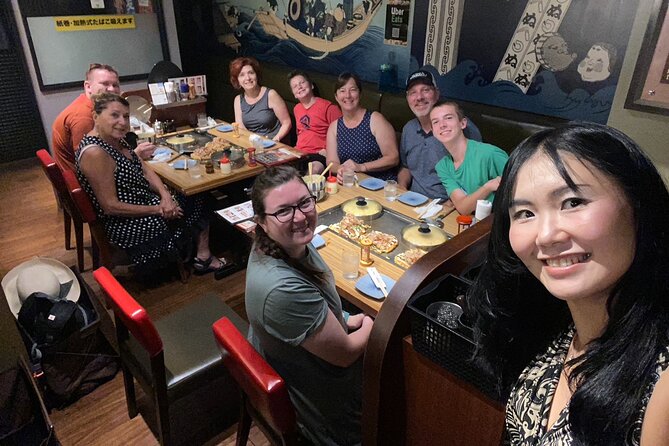
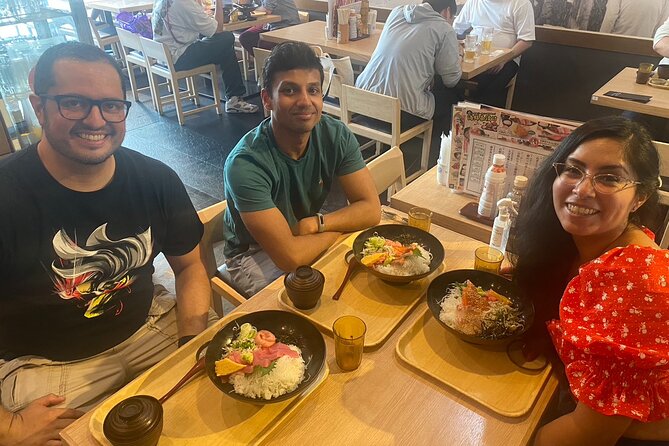
Food is the central reason to book this experience, and the included menu covers several important categories. You receive sushi, seafood, Japanese beef wagyu, two soft drinks and water, and dessert. Alcohol is not included, though you can buy alcoholic drinks separately.
The variety is helpful. Instead of committing to one long restaurant meal, you get to sample food from different eateries. That gives you a broader sense of Shimbashi’s dining culture and lets you compare settings as well as dishes.
The supplied details do not specify exact sushi pieces, seafood preparations, wagyu cuts, dessert items, or restaurant names. You should therefore book this expecting the listed food categories, not a fixed tasting menu with guaranteed dishes. Menus can change, and the guide may adjust the route or selection.
One participant described enjoying two substantial meals during the outing, which suggests this is more filling than a light snack walk. If you eat a large breakfast or lunch beforehand, you may have less room for the food. I would arrive hungry but not completely empty, since the tour lasts about four hours and includes walking.
The drinks are nonalcoholic by default. If you want beer, sake, or another alcoholic drink with the food, bring extra money for purchases. That added cost is worth considering when you compare the $171 tour price with an ordinary meal in Shimbashi.
How the guides shape the experience
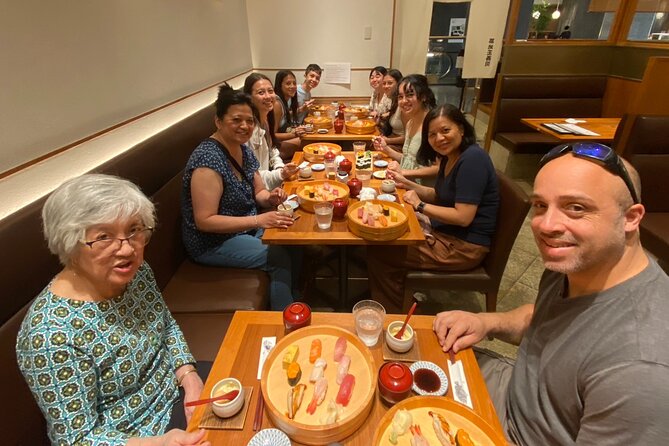
The guide is a major part of the value here. The tour uses a professional Japanese-speaking guide who can conduct the experience in English, and individual guides have received especially warm praise.
Akira has been singled out for finding excellent food places, helping with the route, and taking photos for a parent and daughter. Kaori has been praised for making the outing comfortable and enjoyable while taking visitors to places they would not have found alone. Those details suggest a friendly, attentive style rather than a rigid lecture.
The guide also helps with the less obvious parts of eating in Japan. A local restaurant may be hard to locate, its menu may be unfamiliar, and the neighborhood can be confusing when you are trying to keep up with a meal schedule. Having someone manage the route and explain the setting can save time and reduce stress.
That said, guide quality can vary from person to person. The overall rating is 4.7 from 13 ratings, with 92 percent recommending the experience, which is a strong result but not a guarantee that every group will have the same personality or pace.
Group size, walking, and timing
The tour lasts about four hours and has a maximum of 15 people. That is a reasonable ceiling for a city food walk. A smaller group may feel more personal, while a full group of 15 could make restaurant seating and street movement less intimate.
The schedule lists six stops, with time allocated to the station, SL Square, Karasumori-jinja, the New Shimbashi Building, Shiodome City Center, and Shimbashi itself. The listed stop times add up to about three and a half hours, leaving room for movement, food service, and conversation.
You should wear comfortable shoes. The route is a walking and culture tour, not a taxi-based food outing. The tour is near public transportation, and most people can participate, but anyone who dislikes walking between several city stops should consider that before booking.
The experience ends back at the meeting point. That is useful if you have plans nearby, since you will finish in the same general Shimbashi area rather than needing to find a new endpoint.
Is $171 a fair price?
At $171 per person, this experience is priced above a basic neighborhood meal. The right question is not whether you could eat sushi or wagyu for less. You probably could. The question is how much you value having several food stops, an English-speaking guide, local background, drinks, dessert, and a planned four-hour route.
I see the price as reasonable for visitors who want a guided introduction and would otherwise struggle to find the eateries alone. It is less appealing for confident Tokyo regulars who can read menus, navigate Shimbashi, and choose restaurants without help.
The included food is broad enough to make the cost easier to justify, especially if the portions amount to two substantial meals as one participant described. Still, alcohol costs extra, and the exact dishes are not listed. You should not book this expecting a luxury tasting menu or a formal culinary class.
The strongest value comes from the combination of food and local interpretation. You are paying to understand why Shimbashi looks the way it does, not merely to fill your stomach.
Who should book this Shimbashi walk?
I would recommend it most strongly to:
- First-time Tokyo visitors who want a neighborhood beyond the famous sightseeing districts
- People who enjoy trying several kinds of Japanese food in one outing
- Families or pairs who would appreciate help with navigation and photos
- Visitors curious about railway history and salaryman culture
- Anyone who prefers a guided walk to planning several restaurants alone
It may be a weaker choice for solo diners who want complete freedom over restaurant selection, people seeking a strictly high-end meal, or anyone with significant food restrictions that are not addressed in the supplied details.
The tour is also a good fit for visitors who have already spent time in Shibuya, Shinjuku, or Ginza and want to see a less obvious side of Tokyo. Shimbashi is close enough to central sightseeing areas to fit into a busy itinerary, while still offering a different atmosphere.
Should you book Shimbashi Tastes & Stories?
Book it if you want a filling, guided neighborhood experience built around sushi, seafood, wagyu, and dessert, with railway and local culture woven into the route. The strongest parts are the offbeat locations, the range of food, and the chance to see Shimbashi through the eyes of guides such as Akira and Kaori.
Think twice if $171 feels high for a meal, if you need a precise menu in advance, or if you prefer to explore independently. Confirm the meeting point carefully, arrive ready to walk, and keep money available for alcohol. For the right kind of visitor, this is a useful way to spend four hours in Tokyo without repeating the city’s standard sightseeing circuit.
FAQ
Where does the tour start?
The tour starts at SL Square, at 2-chōme-7-先 Shinbashi, Minato City, Tokyo 105-0004, Japan.
Where does the tour end?
The activity ends back at the meeting point.
How long does the tour last?
The tour lasts approximately four hours.
What food is included?
The tour includes sushi, seafood, Japanese beef wagyu, desserts, two soft drinks, and water.
Are alcoholic drinks included?
No. Alcoholic drinks are not included, but they are available to purchase separately.
How many people can join?
The maximum group size is 15 people.
Is the tour near public transportation?
Yes. The experience takes place near public transportation in the Shimbashi area.
Is the tour conducted in English?
A professional Japanese-speaking English tour guide leads the experience.
Can I cancel for a full refund?
Yes. You can cancel at least 24 hours before the start time for a full refund. Cancellations made within 24 hours are not refunded, and changes within that period are not accepted.
Just added in Tokyo
- A One-of-a-Kind Sushi Experience in a Special Place of Japan★ 5.0 · 15 reviews
- Tokyo Cute Bento Cooking Class – Make a Kawaii Character Lunchbox★ 5.0 · 126 reviews
- Japanese Home Cooking Class & Walk in Todoroki Temple Tokyo★ 5.0 · 88 reviews
- Japan Tokyo Tower Observatory Deck E-Ticket★ 4.0 · 34 reviews
- Catch a Baseball Game in Tokyo with a Local – Tickets Included★ 5.0 · 24 reviews
- JDM Experience with Fast&Furious RX-7 (English speaking Driver)★ 5.0 · 57 reviews
- Tokyo Private Day Tour by Car with English speaking Driver Guide★ 4.0 · 29 reviews
- Japan Classic 10 Day – One Life Adventures★ 5.0 · 129 reviews
Food Tours, compared.
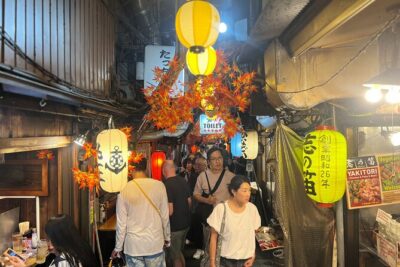
Shinjuku Food Tour (13 Dishes at 4 Local Eateries)
Read our review →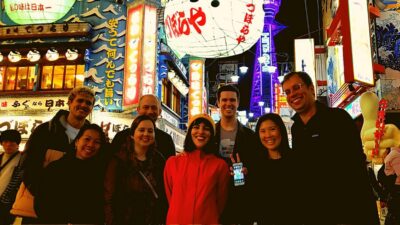
Shinsekai Food Tour with 13-15 Dishes at 5 Eateries
Read our review →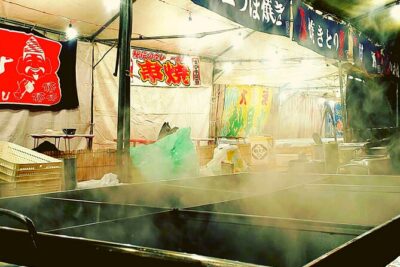
Osaka Food Tour: 13 Dishes at 5 Local Eateries
Read our review →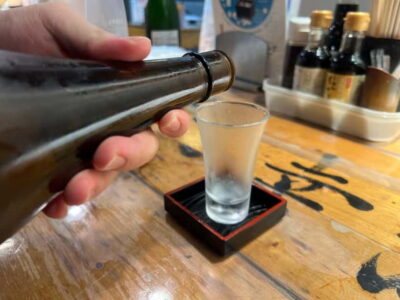
Shinjuku Food Tour (15 Dishes and 4 Eateries)
Read our review →
Best of Shinjuku: Izakaya Food Tour (4 Stops, 14+ Tastings)
Read our review →
Kyoto Night Foodie Tour in Gion (9+ dishes + 6 Sake tastings)
Read our review →
Hungry Osaka Street Food Tour:15 Tastings & 3 Drinks with a Local
Read our review →
Tokyo Night Foodie Tour in Shinjuku – Seasonal Sushi, Wagyu Beef
Read our review →Browse the lists this tour appears in