
Reviewed · ENTRY TICKETS
Shinjuku Gyoen Ticket in Tokyo
Shinjuku Gyoen gives you a welcome change of pace from central Tokyo: one moment you’re near Shinjuku’s busy streets, the next you’re walking past ponds, lawns, old trees, and carefully arranged gardens. I love the contrast between the traditional Japanese garden and the broad open lawns, and I like that a QR ticket can spare you a stop at the ticket counter.
The garden covers 58.3 hectares, so this is more than a quick lap around a flower bed. Give yourself two to three hours, wear comfortable shoes, and accept that you may only see part of it. One thing to check before you set out: Shinjuku Gyoen closes on Mondays, with a weekday closure when Monday is a public holiday, and it also closes for New Year.
In This Review
- What makes a visit worthwhile
- Entering Shinjuku Gyoen from the city
- Three garden styles, three different moods
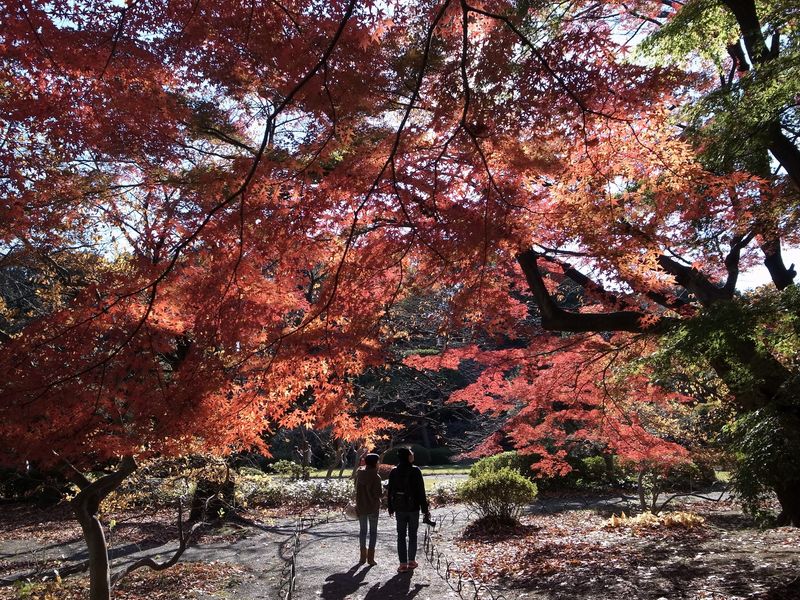
- Cherry blossoms, summer shade, and autumn color
- Greenhouse, historic buildings, and a cafe break
- How long to stay and what to bring
- Ticket value and the practical rules
- Is Shinjuku Gyoen the right Tokyo stop for you?
- FAQ
- How long should I plan for Shinjuku Gyoen?
- What is included with the advance ticket?
- How do I use the mobile ticket?
- How long is the voucher valid?
- Is the ticket refundable?
- Which days is Shinjuku Gyoen closed?
- How much does admission cost for children and seniors?
- How do I get to Shinjuku Gate?
- Are pets allowed inside the garden?
What makes a visit worthwhile
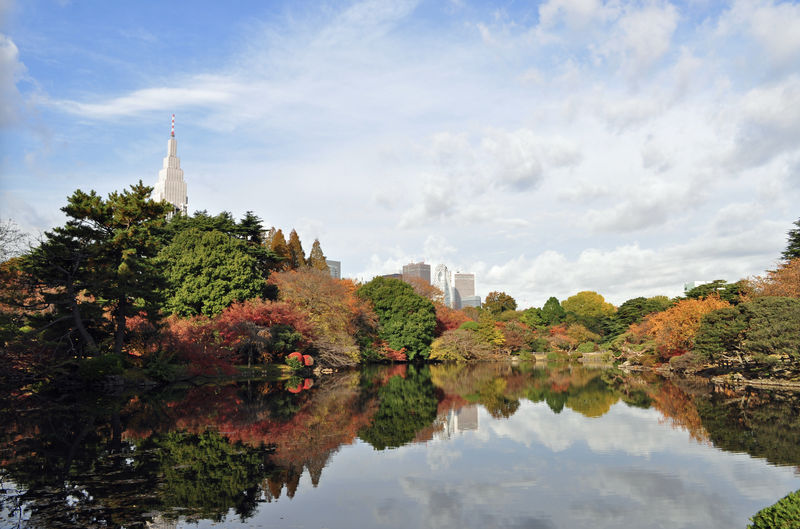
- Three garden styles in one park: Move between a Japanese strolling garden, a French formal garden centered on roses, and an English-style garden with broad lawns and scattered trees.
- A change of scenery each season: Cherry blossoms, summer greenery, autumn color, and winter views give the garden a different feel throughout the year.
- A useful pause from Shinjuku: The scale and greenery make this a good place to slow down, picnic, or simply sit for a while.
- A greenhouse for a closer look: It offers a more focused plant visit and makes a useful stop if you want more than open lawns and walking paths.
- Easy QR entry: Present your mobile voucher at the entrance for scanning. The ticket is valid for 180 days from booking confirmation, subject to the garden’s opening days and hours.
Entering Shinjuku Gyoen from the city
The easiest entry point depends on where you are coming from. Shinjuku Gate is about a 10-minute walk from Shinjuku Station’s South Exit, or about five minutes from Shinjuku-Gyoenmae Station’s Exit 1. Shinjuku-Sanchome Station also has nearby exits for this gate.
There are two other entrances to consider. Okido Gate is about five minutes from Exit 2 of Shinjuku-Gyoenmae Station. Sendagaya Gate is about five minutes from Sendagaya Station on the JR Sobu Line, and also works well from Kita-sando or Kokuritsu-Kyogijo stations.
Think about your onward plans before you choose a gate. The garden is large, and you do not need to enter and leave at the same point. If you want to return to Shinjuku Station, Shinjuku Gate is a practical choice; if your next stop is closer to Sendagaya, use that side instead.
An advance ticket is redeemed with your phone’s mobile voucher. The main convenience is avoiding the separate ticket-purchase step, which can be useful when the entrance is busy. Some people buy the ticket shortly before entering, but don’t let the convenience of on-the-spot booking distract you from checking that the garden is open.
More Entry Tickets in Tokyo
- Tokyo Disney Resort – Tokyo Disneyland & Tokyo DisneySea Park Tickets
★ 4.8 · 99,488 reviews - SHIBUYA SKY Ticket
★ 4.7 · 46,509 reviews - JR Whole Japan Rail Pass
★ 4.8 · 29,150 reviews
Three garden styles, three different moods
Shinjuku Gyoen’s appeal comes from variety. Rather than repeating one style across a huge area, the grounds shift from open lawn to clipped formality to a quieter Japanese garden. That makes a relaxed stroll more interesting, and gives you room to choose the pace and scenery you prefer.
The Japanese Traditional Garden is a natural place to slow down. Its strolling paths and carefully composed views offer a contrast to the scale of the park’s lawns. If you want a restful sit-down, this is a good area to make time for, rather than rushing through on your way to the next section.
The French Formal Garden has a rose bed at its center and rows of plane trees. It is more orderly than the Japanese garden, with a strong sense of structure. The roses make this section especially appealing when they are in season, though the formal design is worth seeing even when flowers are not at their best.
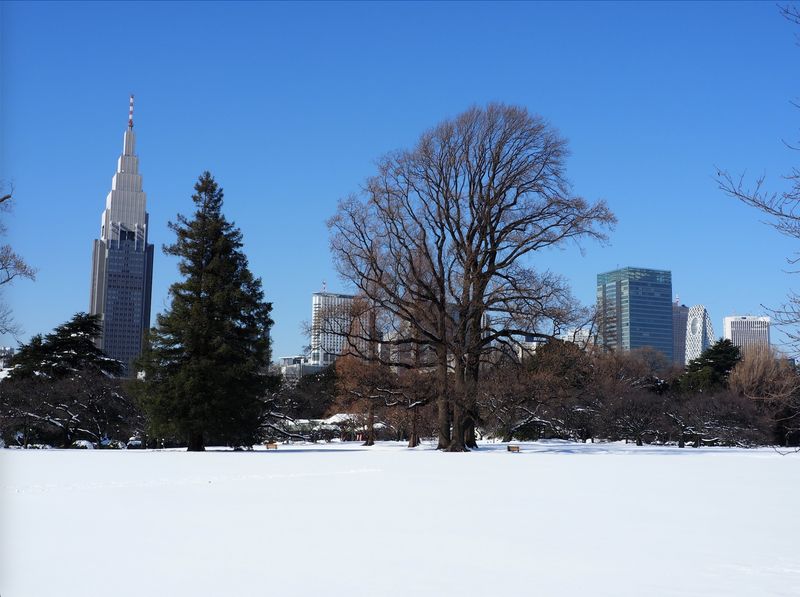
The English-style garden is the place for open space. Large trees are set across spacious lawns, giving you room to stretch out, picnic, or take a break from the more composed garden sections. If you have children, or simply want to sit on the grass, this may be the part of the visit you remember most.
The park’s size is both its strength and its catch. You can spend a leisurely two hours here without trying to see every corner, while a thorough walk may take closer to three. If you have a packed day in Tokyo, choose the areas that matter most rather than treating the entire garden as a checklist.
Cherry blossoms, summer shade, and autumn color
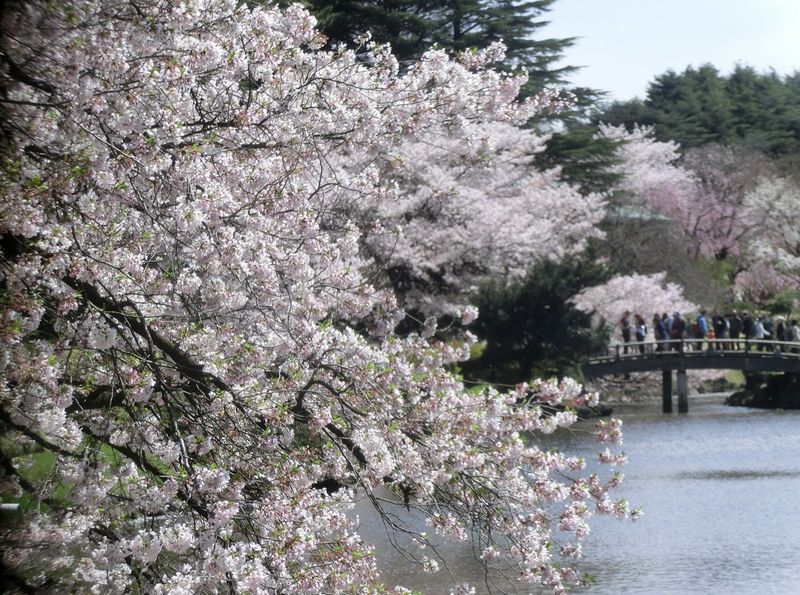
Spring is the headline season for many visitors. Shinjuku Gyoen has about 1,000 cherry trees representing roughly 65 varieties, so the blossom season is not just one brief burst of identical trees. The changing varieties can extend the sense of spring across the garden, though the exact timing and display depend on the season.
Cherry blossom season also brings practical considerations. The grounds can be busier, and tripods, reflectors, and other equipment that could obstruct movement are not allowed during this period. If your aim is a calmer walk, consider visiting outside the busiest blossom days or arriving during an early opening when one is scheduled.
Summer brings full green trees and shade, but Tokyo heat can make a long walk tiring. Take it at an easy pace, plan a cafe break, and avoid assuming you can cover the whole garden comfortably in the hottest part of the day. On particularly hot days, the garden is still a pleasant change of scene, but the weather can shape how long you want to stay.
Autumn brings foliage in a range of colors, while winter offers a quieter, more restrained visit. You will see less seasonal color in some areas, but the garden’s structure and historic features remain. The best season depends on what you value: blossoms and seasonal excitement, or more room to enjoy a peaceful stroll.
Greenhouse, historic buildings, and a cafe break
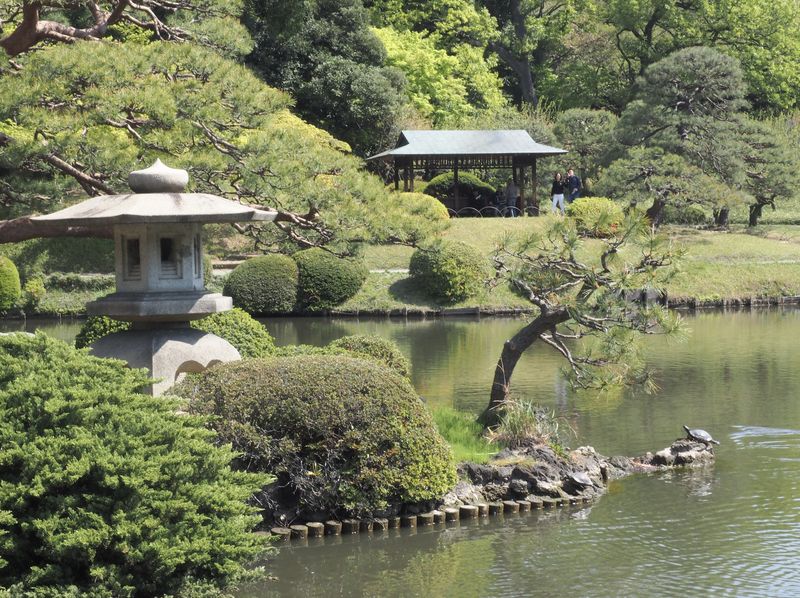
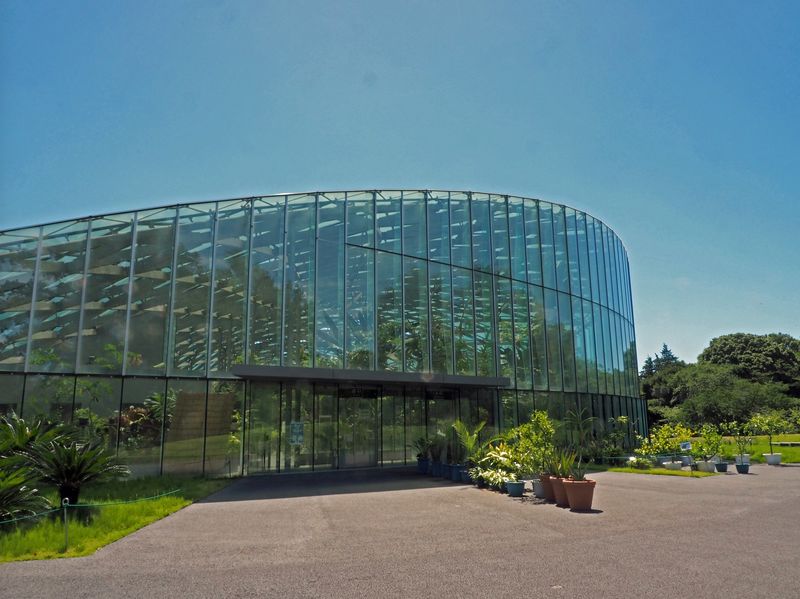
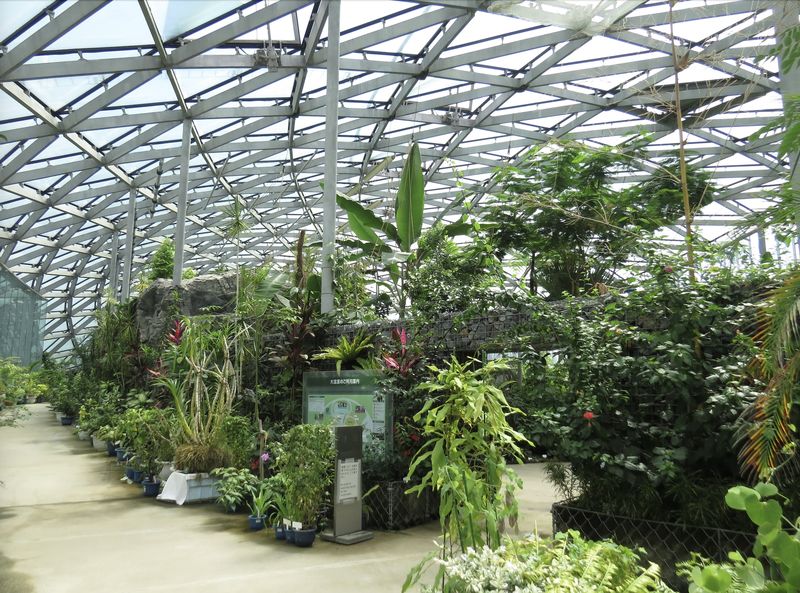
The greenhouse adds a different kind of visit to the day. Instead of looking out across lawns or garden paths, you can see a range of plants under cover. It is a worthwhile stop for plant lovers and a practical option if the weather is poor or you want a change from walking outdoors.
Historic buildings around the grounds add another layer to the visit. They give you a reason to look beyond flowers and trees, though this is not a guided history tour. The ticket is for admission, and you explore at your own pace; no guide is included.
There are restaurants and cafes inside the park, including a Starbucks noted for its garden-side setting. It can be a pleasant place to rest with a drink, but seating may be limited, so don’t build your whole visit around getting a particular table or view. The garden’s seasonal sweets and Japanese-designed souvenirs also make the gift shop a possible final stop.
Food and drink can help turn a quick walk into a slower outing, but keep the park rules in mind. Alcohol is not allowed, and drinking and smoking are prohibited inside the park. Bring a picnic if you like, but leave balls, Frisbees, tents, and anything that could disrupt the grounds at home; play equipment is restricted except in some areas.
A completely different kind of day out:
- Mt Fuji and Hakone 1-Day Bus Tour Return by Bullet Train
★ 5.0 · 26,383 reviews - TOKYO SKYTREE® Ticket
★ 4.7 · 25,136 reviews - teamLab Borderless Tickets: MORI Building DIGITAL ART MUSEUM
★ 4.7 · 24,126 reviews - teamLab Planets TOKYO Ticket
★ 4.7 · 21,663 reviews
How long to stay and what to bring
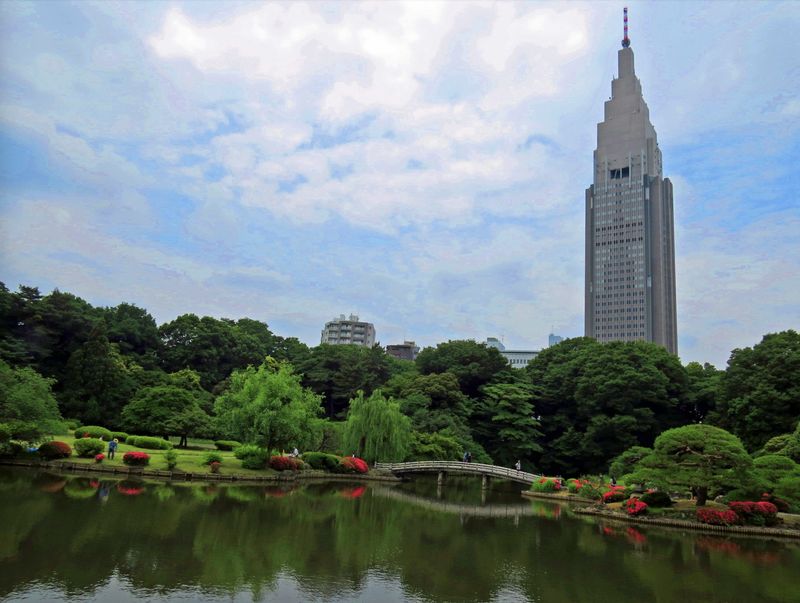
Two hours is a sensible starting point for a leisurely visit. That gives you time to see more than one garden style, pause for the greenhouse or a cafe, and sit down without feeling that you have to march across the grounds. Allow closer to three hours if you like long walks or want to explore more thoroughly.
Comfortable shoes matter. The grounds are expansive, and the paths invite more walking than a quick look at a city park. A visitor who wants a full circuit may find it tiring, especially if other plans follow immediately afterward.
There is no need to see everything. Pick a few priorities: the Japanese garden, one of the formal or open lawn sections, and the greenhouse or cafe. If you arrive with limited time, the garden still works as a half-day breather, but a focused route will feel better than hurrying from one end to the other.
Ticket value and the practical rules
The advance ticket starts at $3.15 and includes admission only. Transport and personal expenses are not included. For a modest entry cost, you get access to a large garden with several distinct styles, seasonal plant displays, historic buildings, and places to sit. It is good value if you enjoy walking and want a substantial green space in Tokyo, but less compelling if you expect a guided attraction or a tightly timed program.
Junior high school students and younger children enter free. The supplied ticket details also state that high-school-age students and adults aged 65 and over can purchase a 250-yen ticket. Check the applicable option when planning your visit, since the advance ticket described here is for admission.
The ticket is valid for 180 days from booking confirmation and expires at 23:59 on the final day. It cannot be canceled or refunded. That gives you flexibility to choose a visit date, but you still need to check opening days and seasonal hours before you go.
Shinjuku Gyoen is closed every Monday, or the following weekday if a public holiday falls on Monday, and from December 29 through January 3. Hours vary by season. From March 15 to June 30 and August 21 to September 30, the stated hours are 9:00 a.m. to 6:00 p.m., with last entry at 5:30 p.m. From July 1 to August 20, closing time is 7:00 p.m., with last entry at 6:30 p.m. From October 1 to March 14, the garden is open 9:30 a.m. to 4:30 p.m., with last entry at 4:00 p.m.
The general information also lists weekend and holiday opening at 7:00 a.m. while giving seasonal hours that start later. Early opening dates are scheduled on some days, so check the current admission guide rather than assuming an early start is available every weekend. This is especially important if you have a fixed itinerary or are visiting on a Monday.
Is Shinjuku Gyoen the right Tokyo stop for you?
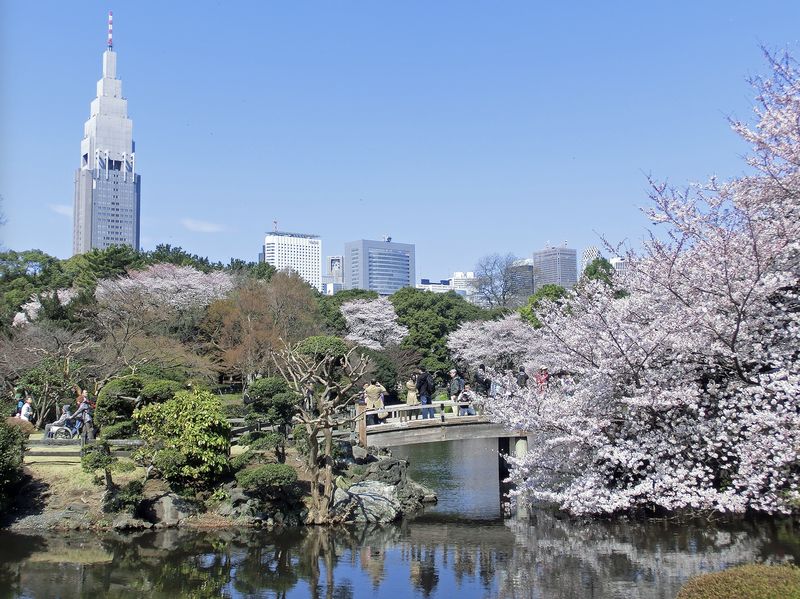
I’d choose this ticket if you want a calm, self-guided break and enjoy gardens, seasonal flowers, or a long walk. It also suits families looking for open space, couples after a quiet pause, and solo visitors who want to spend a couple of hours at their own pace.
Skip it if you have little interest in plants or walking, or if your Tokyo schedule leaves only a short window. The grounds are spacious, but that means distance, not a series of close-together attractions. If you do go, check the opening calendar, pick your entrance with your next stop in mind, and leave enough time to sit down. The garden is at its best when you don’t try to rush it.
FAQ
How long should I plan for Shinjuku Gyoen?
Plan on two to three hours for a relaxed visit. The grounds are large, so you can also choose a shorter route and see only part of the park.
What is included with the advance ticket?
The ticket includes admission to Shinjuku Gyoen. Transport and personal expenses are not included.
How do I use the mobile ticket?
Present your mobile voucher at the entrance for QR code scanning. You do not need to exchange it for a paper ticket.
How long is the voucher valid?
It is valid for 180 days from the booking confirmation date and expires at 23:59 on the final day.
Is the ticket refundable?
No. The ticket cannot be canceled or refunded.
Which days is Shinjuku Gyoen closed?
It is closed every Monday. If a public holiday falls on a Monday, it closes on the following weekday. It is also closed from December 29 through January 3.
How much does admission cost for children and seniors?
Children aged 0 to 15 and junior high school students and younger enter free. The ticket details state that high-school-age students and adults aged 65 and over can purchase a 250-yen ticket.
How do I get to Shinjuku Gate?
It is about a 10-minute walk from the South Exit of Shinjuku Station and about a five-minute walk from Exit 1 of Shinjuku-Gyoenmae Station.
Are pets allowed inside the garden?
Pets are not allowed. Service animals with valid identification are the exception.
Just added in Tokyo
- A One-of-a-Kind Sushi Experience in a Special Place of Japan★ 5.0 · 15 reviews
- Tokyo Cute Bento Cooking Class – Make a Kawaii Character Lunchbox★ 5.0 · 126 reviews
- Japanese Home Cooking Class & Walk in Todoroki Temple Tokyo★ 5.0 · 88 reviews
- Japan Tokyo Tower Observatory Deck E-Ticket★ 4.0 · 34 reviews
- Catch a Baseball Game in Tokyo with a Local – Tickets Included★ 5.0 · 24 reviews
- JDM Experience with Fast&Furious RX-7 (English speaking Driver)★ 5.0 · 57 reviews
- Tokyo Private Day Tour by Car with English speaking Driver Guide★ 4.0 · 29 reviews
- Japan Classic 10 Day – One Life Adventures★ 5.0 · 129 reviews
Entry Tickets, compared.

Tokyo Disney Resort – Tokyo Disneyland & Tokyo DisneySea Park Tickets
Read our review →





teamLab Borderless Tickets: MORI Building DIGITAL ART MUSEUM
Read our review →
Browse the lists this tour appears in