
Reviewed · CASTLES AND HISTORIC SITES
Tokyo Castle, Imperial Palace, Shogun & Garden Walking Tour
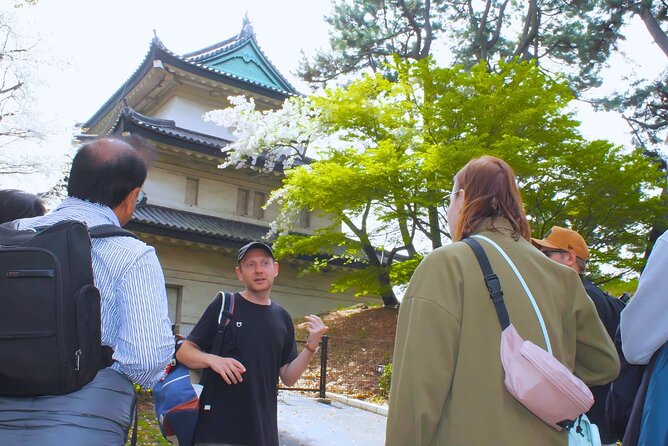
Tokyo’s old castle survives in stone. This two-hour walk through the Imperial Palace East Gardens gives you a clear introduction to Edo Castle, shogun rule, palace defenses, and modern Tokyo without forcing you to decode the grounds alone. I like the small-group format, limited to 10 travelers in the tour details, and I like that guides such as Mika, Natsumi, Lakki, and Nicolas bring maps, photographs, and lively historical stories. The main consideration is simple: you will not enter the Emperor’s palace, and much of the former castle is gone.
The tour costs $31.84 per person and begins at the Starbucks in Wadakura Fountain Park. That is fair value if you want context, direction, and someone to point out the best views. It is less compelling if you only want a quick garden stroll or expect grand palace interiors.
In This Review
- Key points to know before you book
- Meeting at Wadakura Fountain Park
- Ōtemon Gate and the first castle defenses
- Edo Castle ruins and the missing palace
- Shoguns, emperors, and Edo-era Tokyo
- Ninomaru Garden and the quieter side of Tokyo
- What the two-hour format does well
- Is $31.84 good value?
- Weather, clothing, and practical preparation
- Who will enjoy this tour most?
- Should you book the Imperial Palace walking tour?
- FAQ
- How long does the Tokyo Castle and Imperial Palace tour last?
- Where does the tour begin?
- Where does the tour end?
- Does the tour enter the Imperial Palace itself?
- What parts of the grounds are visited?
- Is admission included?
- How many people are in the group?
- Is there a dress code?
- What happens if the weather is poor?
- Can I cancel for a full refund?
Key points to know before you book
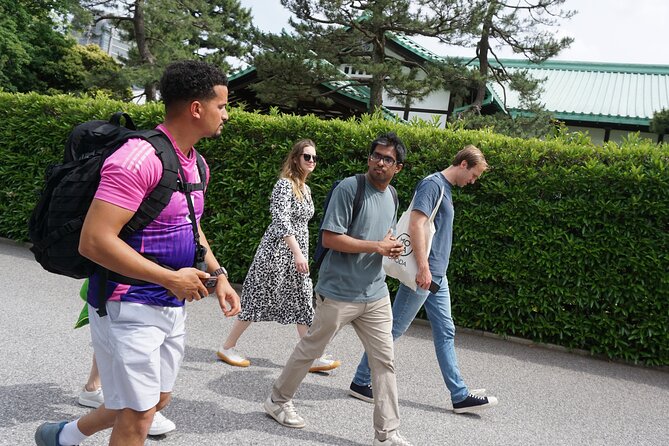
- The East Gardens are the real focus: You visit Ōtemon Gate, guardhouse remains, Edo Castle’s stone foundations, and Ninomaru Garden.
- The palace interior is not included: The Inner Palace is not open to the public, so this is an outdoor history tour.
- Guides make the ruins understandable: Maps and images help you picture the castle buildings that no longer exist.
- Small groups keep the walk personal: The advertised maximum is 10 travelers, while the headline description says up to 15, so check your booking details.
- Two hours is an easy introduction: The pace allows time for questions and photographs, but the tour does not cover every part of the huge palace grounds.
- Weather matters: The activity requires good weather and may be moved or refunded if conditions are poor.
Meeting at Wadakura Fountain Park
You start at Starbucks Coffee in Wadakura Fountain Park, at 3-1 Kōkyogaien in Chiyoda City. This is a practical meeting spot near public transportation and close to the palace grounds, so you do not waste your morning crossing half of Tokyo before the walk begins.
Arrive with your mobile ticket ready. The tour ends back at the same meeting point, which makes it easy to continue toward Tokyo Station, find lunch, or return to your hotel afterward.
The meeting area is convenient, but the palace grounds are large. I would not treat this as a casual follow the crowd activity. A guide is useful from the beginning because the correct gate and route are not always obvious to someone seeing the site for the first time.
More Castles and Historic Sites in Tokyo
- Tokyo: Imperial Palace and Shogun Historical Walking Tour
★ 5.0 · 2,251 reviews - Tokyo Castle & Imperial PalaceーShogun Walking Tour
★ 4.7 · 1,068 reviews - Tokyo: Samurai Ninja Museum Guided tour and Experience
★ 4.6 · 1,010 reviews
Ōtemon Gate and the first castle defenses
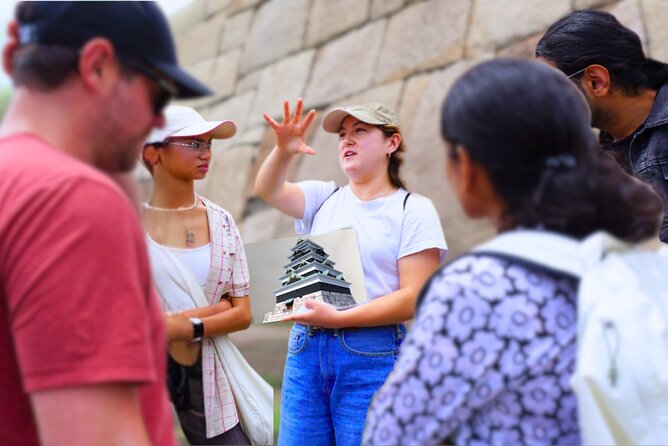
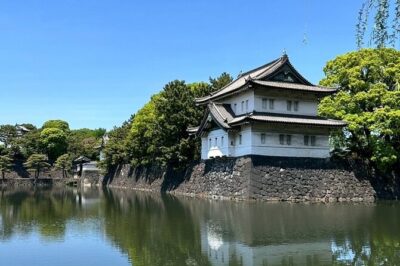
From the park, the group walks toward Ōtemon Gate, the grand entrance to the East Gardens. This is not simply a doorway into a park. It is the first clue that you are entering the former center of shogun power.
Your guide explains how the gate controlled movement into Edo Castle and points out defensive features around the entrance. The tour includes guardhouse ruins, which help you picture the military organization once needed to protect the castle compound.
This is where a guide adds real value. Without explanation, you may see a large gate, thick walls, and open paths, then move on. With a guide, those same features become part of a carefully planned system of checkpoints, guards, and controlled access.
The pace is designed for an easy walk rather than a forced march. Several comments describe enough time for photographs and questions, which matters because the palace grounds are best appreciated slowly. In summer, though, prepare for heat. In winter, bring suitable layers. The grounds are open and spacious, and the weather can shape the experience.
Edo Castle ruins and the missing palace
The most important stop is the Edo Castle ruin area. The castle was destroyed, and much of what once stood here was never rebuilt. What you mainly see today are stone foundations, walls, garden areas, and traces of former structures rather than a complete Japanese castle rising above the trees.
That fact creates the tour’s biggest strength and its biggest weakness.
If you expect a restored castle with grand rooms, painted screens, and towers, you may feel disappointed. One participant booked specifically hoping to see the palace and found only the stone base. The activity makes clear that the Inner Palace is not part of the visit, but the title could still lead some people to expect more access than is possible.
If you enjoy history, the absence of the buildings becomes part of the story. Guides use maps and images to show how the original castle was arranged and how the shogun and Emperor fit into Japan’s changing system of rule. Mika has used visual material to help people understand what they are looking at, while Natsumi has explained how Edo Castle became tied to Tokyo’s role as the country’s center of power.
I especially like this kind of interpretation because it asks you to imagine the site rather than simply photograph it. The stones are not flashy, but they are the surviving evidence of a political and military world that shaped Japan.
Shoguns, emperors, and Edo-era Tokyo
The tour connects the physical grounds with the Edo period and the shogunate. That is useful because Japanese history can feel like a long list of names and dates when you first arrive. A good guide turns it into a story about authority, castle design, military control, and the shift from shogun rule toward modern Japan.
Lakki has been praised for his explanations of shogun history, while Natsumi has tied the Edo period to the relationship between shoguns and emperors. Those subjects are central to the tour, not an afterthought added to fill time.
The guide-led format also works well for families. Mika kept children aged 11, 13, and 15 interested with historical references and a friendly style. That suggests the tour is not aimed only at serious students of Japanese history. You can ask questions, take pictures, and still enjoy a relaxed morning.
The quality may depend on the individual guide. Most available comments praise clear English, friendly explanations, and strong historical knowledge. One less positive experience described a guide who was difficult to understand and did not provide enough detail. That is worth keeping in mind when you book any guide-based activity.
More Walking Tours in Tokyo
- Tokyo Tsukiji Fish Market Food and Culture Walking Tour
★ 5.0 · 3,184 reviews - Tokyo: Shinjuku Local Bar and Izakaya Guided Walking Tour
★ 4.9 · 1,794 reviews - Tokyo: Tsukiji Fish Market Food and Walking tour
★ 5.0 · 1,724 reviews - Tokyo: Asakusa Walking Tour with Sensoji Temple Visit
★ 4.8 · 1,583 reviews
Ninomaru Garden and the quieter side of Tokyo
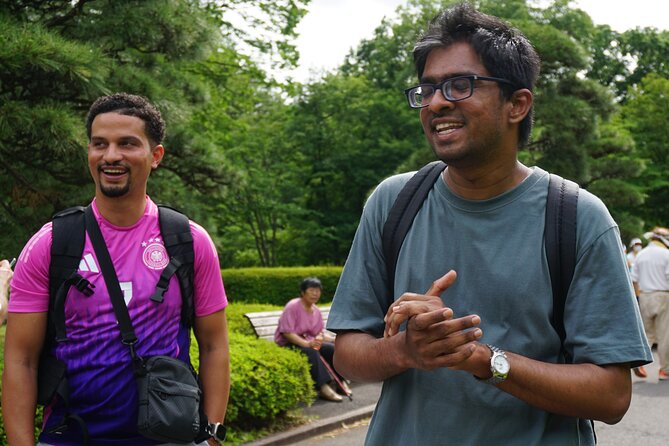
Ninomaru Garden provides a change of mood after the castle remains. Here, the focus shifts from military power to design, planting, water, and calm spaces. The gardens are often described as lush and green, with koi adding color and movement to the ponds.
This is a good break from Tokyo’s fast pace. The East Gardens offer open space and a quieter setting, even though you are near the city center. In spring, cherry blossoms can make the walk especially attractive. In winter, the gardens still offer a pleasant, peaceful stroll, though the colors are naturally more restrained.
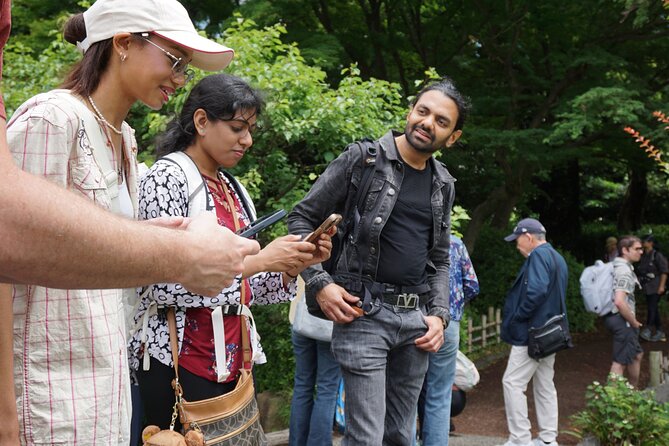
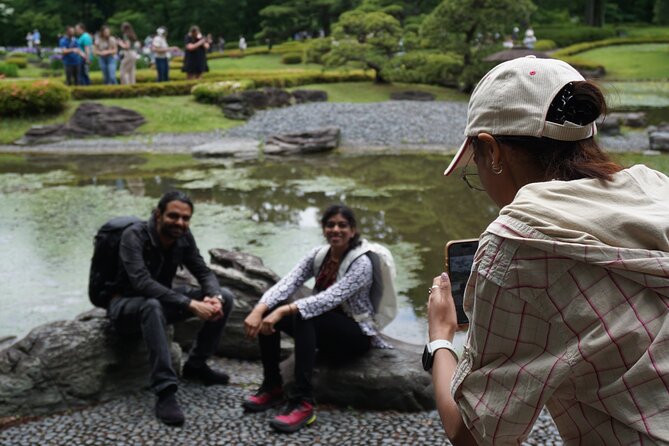
Your guide points out photo locations and can take pictures for members of the group. That small service matters for solo visitors and families who want a group photograph without handing a phone to a stranger.
Do not expect a full botanical tour. The garden is one part of a broader story about the castle and palace grounds. The guide’s main job is to explain why the gardens, walls, gates, and ruins matter together.
What the two-hour format does well
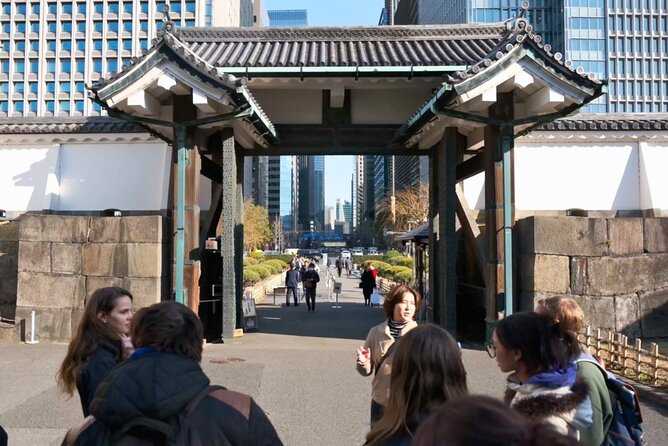
Two hours is a sensible length for a first look at the East Gardens. You get a guided route, historical background, time for photos, and a clear sense of what you are seeing without giving up an entire day of sightseeing.
The limit of 10 travelers listed in the practical details should help the group stay together and make it easier to ask questions. The main description gives a limit of 15, so there is a small inconsistency. I would check the final booking information if group size matters greatly to you.
The tour does not attempt to cover every corner of the Imperial Palace grounds. That is both a limitation and a benefit. The palace area is huge, and an unfocused walk could leave you tired without giving you a useful understanding of the site.
The guide leads you through the East Gardens and returns you to the meeting point. You do not need to plan a complicated route or spend your morning wondering which gate to use next.
Is $31.84 good value?
At $31.84, this is not the cheapest way to see a public garden. Admission to the East Gardens is described as free, so you are paying mainly for the guide, organization, small group, and interpretation.
That can be a good deal if you want to understand the ruins. The physical remains are limited, and the tour’s value comes from explaining what disappeared, how the castle worked, and why the site mattered. Several people felt they got much more from the grounds with a guide than they would have walking alone.
The price is harder to justify if you already know Edo history or prefer to read signs at your own pace. One short two-star assessment considered the cost too high for a two-hour walk with limited detail. That criticism is fair. This is not a full palace visit, a museum tour, or a long excursion.
I would see the price as reasonable for a first or second Tokyo visit when you want a structured history lesson in a manageable format. For a first-time visitor with only a day or two in Tokyo, I might place Shibuya, Asakusa, or another major city sight ahead of it. For a return visit, the Imperial Palace grounds can make a calm and worthwhile addition.
Weather, clothing, and practical preparation
There is no dress code, and tattoos are welcome. You should still wear comfortable walking shoes because the experience takes place outdoors across palace grounds, paths, garden areas, gates, and stone remains.
The activity requires good weather. If poor weather forces cancellation, you are offered another date or a full refund. Rain does not necessarily ruin the walk, as Lakki and Natsumi have led enjoyable tours in wet conditions, but you should bring protection and expect the grounds to feel different in bad weather.
Summer heat deserves special attention. The palace grounds are broad and open, and one comment specifically warned that walking in extreme summer heat or cold can be uncomfortable if you are unprepared. Carry water and plan your clothing around the forecast.
Most people can participate, and the tour is near public transportation. The supplied information does not provide a detailed accessibility assessment, so contact the provider if you need specific help with surfaces, steps, or mobility.
Free cancellation is available up to 24 hours before the start time for a full refund. Cancellations or changes inside that window are not refunded or accepted.
Who will enjoy this tour most?
I would recommend it to you if you:
- Want a clear introduction to Edo Castle and the shogunate
- Prefer a small guided walk to exploring a large site alone
- Enjoy gardens, stone walls, and historical remains
- Are visiting Tokyo with older children or teenagers
- Want a calm morning away from crowded shopping streets
- Need help finding good photo spots and understanding the layout
I would be more cautious if you:
- Expect to enter the Emperor’s residence
- Want a restored Japanese castle with intact rooms
- Have already studied Edo-period history in detail
- Prefer a completely self-guided visit
- Have only a few hours in Tokyo and want the city’s most famous modern sights
The experience is strongest when you arrive with realistic expectations. You are visiting the grounds of the Imperial Palace and the remains of Edo Castle, not touring the Inner Palace.
Should you book the Imperial Palace walking tour?
Book it if you want the stones and gardens to make sense. The guides are the main reason to choose it, with repeated praise for clear English, friendly personalities, historical explanations, practical restaurant and shrine tips, and help with photographs.
I would not book it for palace interiors, because those are not available. I would book it for a relaxed two-hour walk through an important site where the story is larger than the remains. At $31.84, it offers solid value for curious visitors, families, and repeat visitors who want context rather than another hurried photograph.
FAQ
How long does the Tokyo Castle and Imperial Palace tour last?
The walking tour lasts approximately two hours.
Where does the tour begin?
It begins at Starbucks Coffee in Wadakura Fountain Park, at 3-1 Kōkyogaien, Chiyoda City, Tokyo 100-0002, Japan.
Where does the tour end?
The activity ends back at the original meeting point in Wadakura Fountain Park.
Does the tour enter the Imperial Palace itself?
No. The Inner Palace is not open to the public, and access to the main palace buildings is not included.
What parts of the grounds are visited?
The route includes Ōtemon Gate, guardhouse ruins, Edo Castle ruins, and Ninomaru Garden in the East Gardens of the Imperial Palace.
Is admission included?
The tour information lists admission to the walking route as free. The paid portion covers the guided experience.
How many people are in the group?
The practical details list a maximum of 10 travelers. The main description gives a limit of 15, so check your confirmed booking for the applicable group size.
Is there a dress code?
No. The tour states that there is no dress code, and tattoos are welcome.
What happens if the weather is poor?
The activity requires good weather. If it is canceled because of poor conditions, you are offered a different date or a full refund.
Can I cancel for a full refund?
Yes. You can cancel at least 24 hours before the start time for a full refund. Cancellations or changes made less than 24 hours in advance are not accepted, and the amount paid is not refunded.
Just added in Tokyo
- A One-of-a-Kind Sushi Experience in a Special Place of Japan★ 5.0 · 15 reviews
- Tokyo Cute Bento Cooking Class – Make a Kawaii Character Lunchbox★ 5.0 · 126 reviews
- Japanese Home Cooking Class & Walk in Todoroki Temple Tokyo★ 5.0 · 88 reviews
- Japan Tokyo Tower Observatory Deck E-Ticket★ 4.0 · 34 reviews
- Catch a Baseball Game in Tokyo with a Local – Tickets Included★ 5.0 · 24 reviews
- JDM Experience with Fast&Furious RX-7 (English speaking Driver)★ 5.0 · 57 reviews
- Tokyo Private Day Tour by Car with English speaking Driver Guide★ 4.0 · 29 reviews
- Japan Classic 10 Day – One Life Adventures★ 5.0 · 129 reviews
Castles and Historic Sites, compared.

Imperial Palace and Shogun Historical Walking Tour
Read our review →
Tokyo Castle & Imperial PalaceーShogun Walking Tour
Read our review →
Nijo-jo Castle and Ninomaru Palace Guided Tour
Read our review →
Samurai Ninja Museum Guided tour and Experience
Read our review →Browse the lists this tour appears in