
Reviewed · SUMO EXPERIENCES
Tokyo: Challenge Sumo Wrestlers and Enjoy Meal
Sumo gets personal in this small Tokyo show. This experience gives you clear English explanations of Japan’s ancient national sport, then lets you watch former professional wrestlers demonstrate their strength at close range. I especially like the friendly, hands-on format and the chance to ask questions instead of simply sitting in a distant stadium seat.
I also like that your meal is built into the visit, with tonkatsu for lunch or sukiyaki for dinner depending on the option you choose. The main thing to consider is the price, $117 per person, and the fact that it is a staged demonstration rather than a live grand tournament or a visit to an active sumo stable. Some sessions may also run closer to two hours, even though the stated duration is 1.5 hours.
In This Review
- Key points to know before booking
- Why this Tokyo sumo show works so well
- Arriving at Kikukawa Station and finding the venue
- The opening lesson: sumo terms, customs, and culture
- The demonstration match: close-up sumo without a tournament crowd
- Your turn in the sumo costume
- Lunch or dinner: tonkatsu, sukiyaki, and the meal value
- Questions and photos with the wrestlers
- How long the experience really takes
- Who will enjoy this most
- Is $117 a fair price for this sumo activity?
- Practical tips for a smoother visit
- Should you book this Tokyo sumo experience?
- FAQ
- Where does the Tokyo sumo experience start?
- How long does the experience last?
- What meal is included?
- Can I try sumo wrestling myself?
- Do I have to wrestle?
- Are the wrestlers active professionals?
- Is the experience presented in English?
- Is transportation included?
- Can I bring my own food or drink?
Key points to know before booking
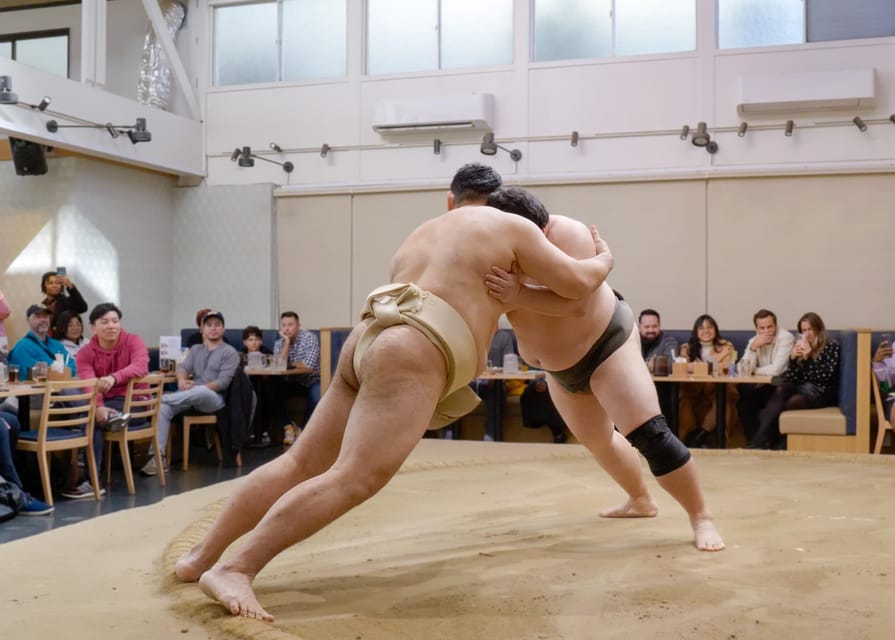
- Former professional wrestlers lead the action: You see retired sumo wrestlers demonstrate throws, shoves, footwork, and ring technique at close range.
- You can enter the ring yourself: A sumo costume lets you test your strength in a friendly bout, though taking part is optional.
- The meal depends on your booking: Choose the lunch option for tonkatsu, or the dinner option for sukiyaki with beef and vegetables.
- English commentary makes the sport easier to follow: You learn common sumo terms and the cultural rules behind the match.
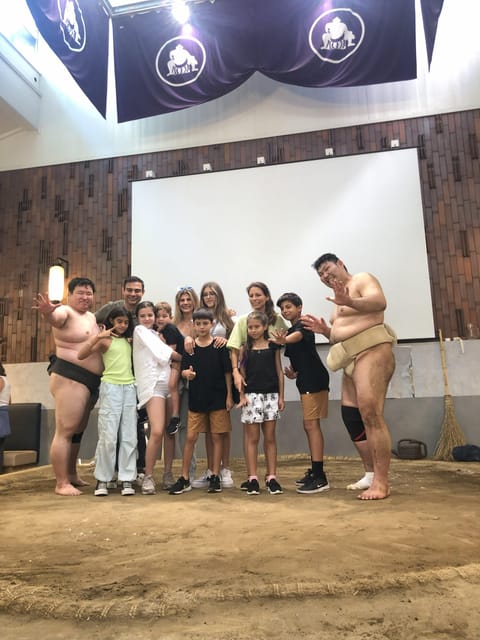
- The photo session is included: Everyone gets a chance to pose with the wrestlers at the end.
- Kikukawa Station is the starting point: From the Shinjuku Line station’s A1 Exit, allow about five to eight minutes on foot.
Why this Tokyo sumo show works so well
Sumo can look mysterious if you only see two enormous men crash together for a few seconds. The rules are simple on the surface: force your opponent out of the ring or make any part of his body other than the soles of his feet touch the ground. The skill lies in the timing, balance, grip, and explosive first move.
This event gives you enough explanation to see those details. The English-speaking host introduces basic terminology and explains what is happening during the demonstrations. That matters because a sumo bout can be over almost instantly. With some context, you begin to notice the setup, the stare-down, the foot stamping, and the way a wrestler uses position before the final push.
The tone is light and friendly. The wrestlers are there to entertain, but they are also former professionals who know the sport from the inside. That combination makes the presentation fun for children while still giving adults a useful look at sumo culture.
I would not treat this as a substitute for attending a grand tournament at Ryogoku Kokugikan. It is a more accessible introduction, especially if your Tokyo visit does not coincide with a tournament. You get personal contact, clear commentary, and a chance to ask questions, all in a short visit.
More Sumo Experiences in Tokyo
- Tokyo: Sumo Show Experience with Chicken Hot Pot and a Photo
★ 4.8 · 6,678 reviews - Tokyo: Sumo Live Show with Photo in Shinjuku
★ 5.0 · 3,438 reviews - Tokyo: Sumo Show and Dining Experience
★ 4.8 · 2,742 reviews
Arriving at Kikukawa Station and finding the venue
The meeting point is near Kikukawa Station on the Shinjuku Line. Exit through A1, then expect a walk of roughly five to eight minutes to the restaurant or hall. You are responsible for getting there and returning to your hotel, since hotel pickup, drop-off, and transportation are not included.
Give yourself extra time on your first visit. Tokyo station exits can be confusing, and an early arrival is better than rushing into a seated meal while the demonstration is getting started. Check your confirmation carefully because the available starting times depend on the date and booking option.
The activity ends back at the meeting point. That makes it easy to continue exploring eastern Tokyo afterward, though the information provided does not promise a particular neighborhood tour or nearby attraction. Plan this as a self-contained meal and cultural activity rather than part of a larger guided itinerary.
The opening lesson: sumo terms, customs, and culture
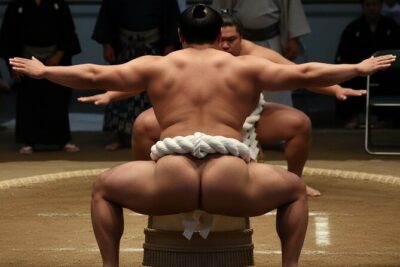
The first part introduces the sport and its connection to Japanese culture. You learn commonly used sumo words and get a basic explanation of the ring, known as the dohyo. The dohyo is more than a marked floor. It is treated as a sacred space, and the rituals around entering and preparing for a match help explain why sumo is viewed as both sport and tradition.
The host presents the information in English, with Japanese support available. The quality of the English commentary received strong praise, and that is important here. A translator who can explain both the action and the humor keeps the room involved.
You may hear about the formal gestures before a match, the importance of balance, and the techniques used to move an opponent. Do not expect a long academic lecture. The lesson is designed to get you ready for the action, not to cover every part of sumo history or wrestling rank.
That short format is a strength for families and first-time visitors. You get the facts you need without sitting through a long speech before lunch.
The demonstration match: close-up sumo without a tournament crowd
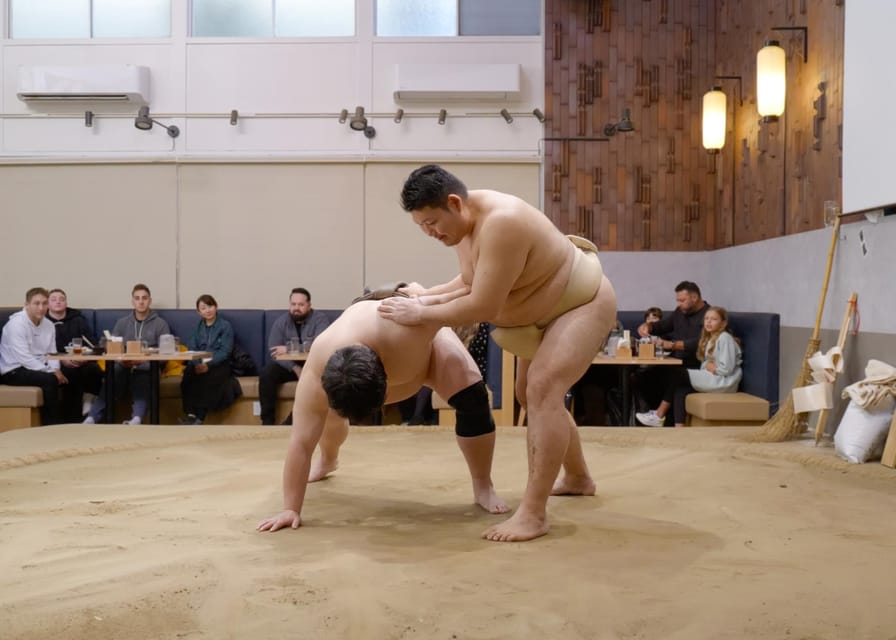
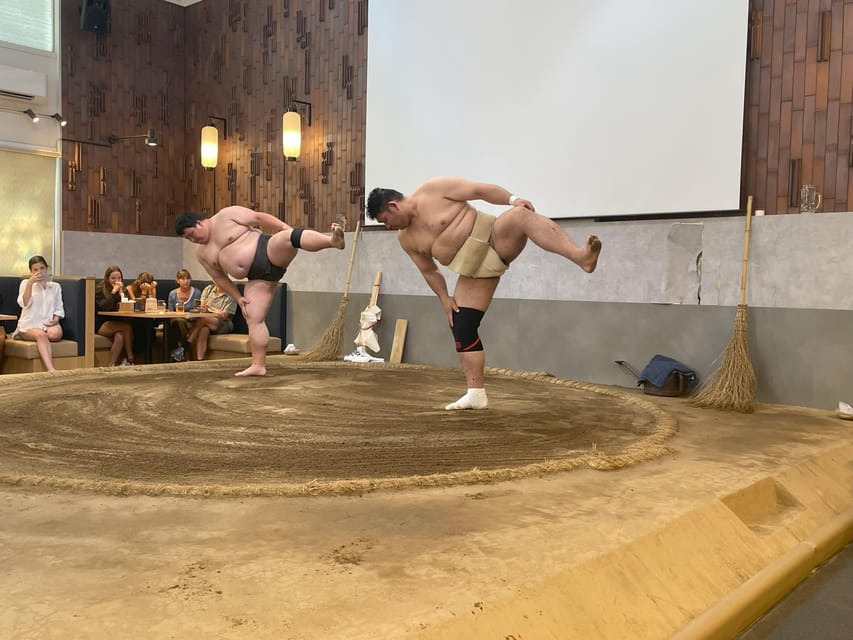
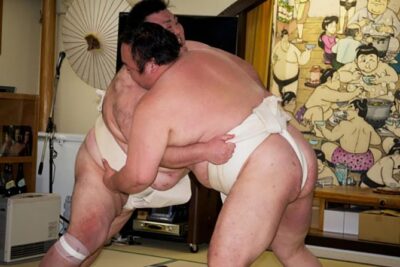
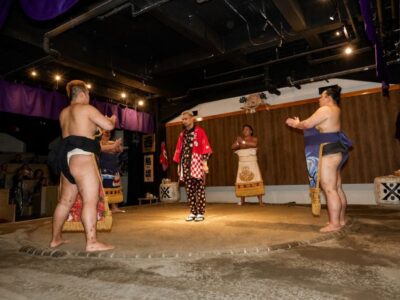
After the introduction, the retired wrestlers face each other in demonstration bouts. Their size is impressive, but the more interesting part is how quickly they move. Sumo is not just brute force. The wrestlers show how timing and leverage can decide the result before raw strength takes over.
The match is presented with humor, which keeps the mood relaxed. You might see exaggerated reactions and playful moments alongside genuine displays of athletic ability. The wrestlers are former professionals, so the demonstration still has a real physical edge even though it is arranged for an audience.
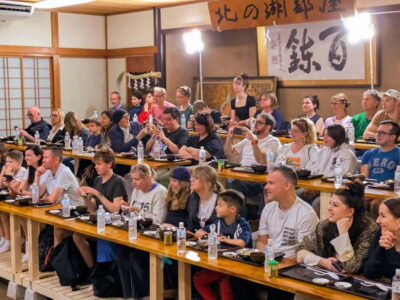
Seating can affect how much you hear. The venue is suitable for the event, but sitting near the front is useful mainly because the commentary and question-and-answer exchanges are easier to catch. A loud group behind you could make the spoken parts harder to follow. The best available seats are arranged in booking order, and larger groups may be split between different tables.
That is worth considering if your priority is hearing every explanation. The action should remain visible, but this experience is not only about watching bodies collide. The commentary, questions, and demonstrations give the visit its value.
A completely different kind of day out:
- Tokyo Disney Resort – Tokyo Disneyland & Tokyo DisneySea Park Tickets
★ 4.8 · 99,488 reviews - SHIBUYA SKY Ticket
★ 4.7 · 46,509 reviews - JR Whole Japan Rail Pass
★ 4.8 · 29,150 reviews - Mt Fuji and Hakone 1-Day Bus Tour Return by Bullet Train
★ 5.0 · 26,383 reviews
Your turn in the sumo costume
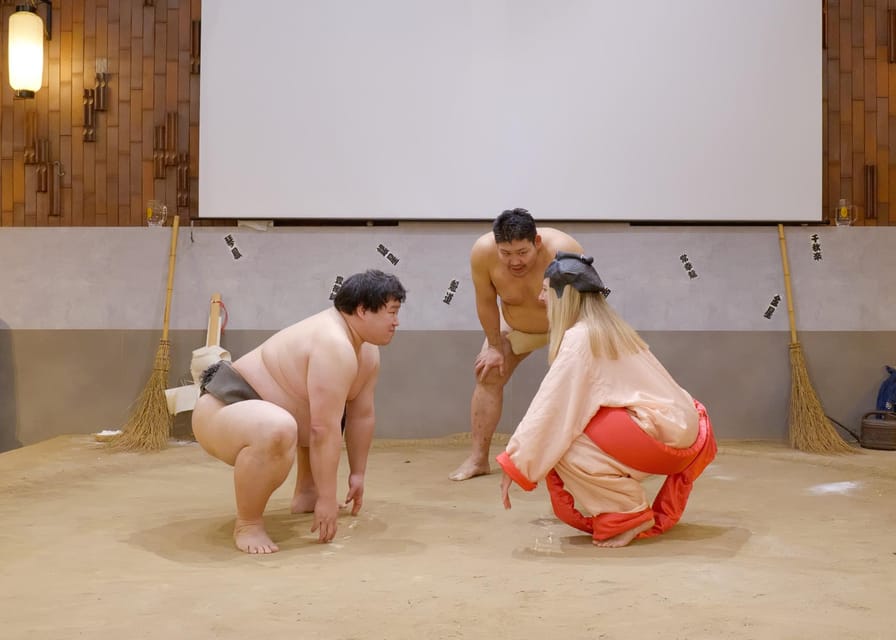
The most memorable part for many people is the chance to put on a sumo costume and step into the ring. This turns a passive show into a shared activity. You get a quick lesson in how difficult it is to move, balance, and push while dressed for the part.
You may test yourself against one of the wrestlers in a friendly bout. The wording of the experience makes clear that participants can try their sumo technique, but you should follow the staff’s directions and use good judgment. Sumo is physical, and the staff can ask anyone to leave if behavior becomes troublesome. No refund is provided in that situation.
You do not have to wrestle to enjoy the event. One useful point is that the end-of-show photo session is available to everyone, so you can skip the bout and still pose with the wrestlers. This is especially helpful for young children, anyone with physical limitations, or anyone who simply prefers watching.
For families, the format works particularly well. Children can see the match, join the costume activity if they wish, and take part in photographs. Infant rates apply only when an infant does not occupy a seat, and infant meals are not included.
Lunch or dinner: tonkatsu, sukiyaki, and the meal value
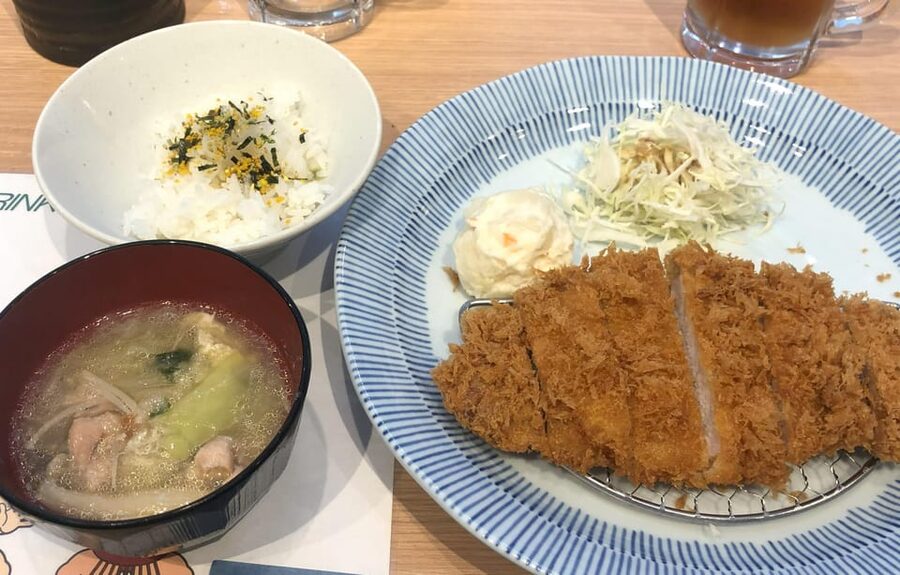
Your booking includes either lunch or dinner, but the food depends on the option selected. The lunch choice features tonkatsu, a deep-fried pork cutlet. The dinner choice features sukiyaki, a hot pot of beef and vegetables cooked in a sweetened soy broth.
A meal makes sense here. It gives the event a social rhythm and lets you continue asking questions after the demonstration. You are not paying only for a short stage show, though you should still keep your expectations sensible: this is a cultural meal connected to the activity, not a high-end restaurant tasting menu.
Food details may vary by option. One account describes a tasty Genghis Khan lunchbox, while another mentions chanko, the hearty food associated with sumo wrestlers. The safest approach is to select the exact meal listed for your chosen date and time rather than assume every session serves the same dish.
Tell the operator about dietary requirements when you book. Additional food and drinks are not included, although bringing your own food and drink is allowed. That is an unusual but useful rule for families or people with specific needs.
The meal is one reason the $117 price can make sense for the right person. In roughly 1.5 hours, you receive an English presentation, a demonstration by retired wrestlers, participation opportunities, a photo session, and lunch or dinner. If you only want to watch professional sumo, the cost may seem high. If you want an easy cultural activity with food and personal contact, the package is more convincing.
Questions and photos with the wrestlers
The question-and-answer time gives the event a personal finish. You can ask about the wrestlers’ experiences and the techniques you have just seen. The wrestlers are described as kind and accommodating, which helps make the session approachable rather than formal.
The photo opportunity is not an afterthought. It is one of the clearest keepsakes from the visit, and everyone has a chance to pose alongside the wrestlers. You do not need to take part in the physical contest to get the photograph.
Bring a phone or camera that is ready to use. The schedule is compact, so you will not want to spend the final minutes searching through a bag or dealing with a dead battery. The activity provider does not promise professional photographs, so plan to take your own.
How long the experience really takes
The listed duration is 1.5 hours, with starting times shown during the booking process. Some descriptions of the running order place the full visit closer to two hours once you include the sumo introduction, demonstration, costume activity, photographs, meal, and questions.
This difference is not necessarily a problem, but it affects your day. Do not schedule a train departure, museum reservation, or airport transfer immediately afterward. Allow extra time, particularly if the meal and questions continue beyond the advertised minimum.
The order can also vary. A typical sequence includes:
- Introduction to sumo and its terminology
- Demonstration bouts by retired wrestlers
- Optional costume activity and friendly challenge
- Photos with the wrestlers
- Lunch or dinner
- Questions and answers
The supplied details do not promise a specific group size. You may sit at shared tables, and larger parties can be placed at separate tables. Seats are assigned according to booking order, so booking earlier is sensible if being near the front matters to you.
Who will enjoy this most
I would recommend this experience to first-time visitors who want a practical introduction to sumo without committing half a day to a tournament. It is also a strong choice for families. Children can watch, laugh at the playful demonstrations, try the costume, and meet the wrestlers in one compact visit.
It suits you if you value participation over a polished theater performance. The chance to enter the ring and speak with retired wrestlers is the part you cannot get from a television broadcast.
It is less suitable if you want a quiet, formal cultural lecture. The event uses humor and audience involvement, and the room may not be silent during every explanation. It is also not the right choice if you are seeking an active stable visit or live tournament atmosphere.
People with strict dietary needs should contact the operator before booking. The provider asks you to share dietary requirements, but the supplied details do not promise specific substitutions.
Is $117 a fair price for this sumo activity?
At $117 per person, this is not a budget meal. The value depends on how you measure the visit.
The price includes direct contact with retired wrestlers, English explanation, a demonstration, the optional costume challenge, photographs, and a meal. That is a lot of separate elements in a short period. You also avoid the uncertainty of finding a stable visit that accepts children or arranging a tournament ticket during a busy travel season.
The price is harder to justify if you only care about eating tonkatsu or watching a brief performance. You could find cheaper meals and free sumo-related sights elsewhere in Tokyo. The appeal is the combination of food, instruction, physical participation, and personal contact.
I see it as a special-event purchase rather than an everyday tour. For a family or a visitor with limited time, it can be a good use of one afternoon or evening. For a solo visitor on a tight budget, compare it with the cost of a museum, neighborhood meal, or tournament ticket before deciding.
Practical tips for a smoother visit
Book early if front seating is important, since seats are arranged in booking order. If you are traveling with a group, understand that your party may not all sit at one table.
Wear something that lets you move comfortably if you plan to try the sumo costume. The information does not specify a dress code, but restrictive clothing would make the activity less pleasant.
Arrive at Kikukawa Station with enough time to walk from the A1 Exit. The operator does not provide transportation, and the activity starts at a fixed time.
Tell the provider about dietary needs at booking. Choose lunch or dinner carefully, since the included dish changes with the option.
Keep the rest of your schedule flexible. Although the stated time is 1.5 hours, the full sequence may take about two hours when the meal and questions run long.
Follow staff instructions during the physical activity. The experience is designed to be fun, but it still involves contact with large, trained athletes.
Should you book this Tokyo sumo experience?
Book it if you want an easy, family-friendly introduction to sumo with a meal and plenty of audience participation. The strongest reasons are the retired wrestlers, the clear English commentary, the chance to try the costume, and the personal photo session.
Skip it if you need the lowest-cost activity, want to attend a real tournament, or hope to observe wrestlers during ordinary stable training. This is a lively demonstration built for visitors, not a behind-the-scenes stable visit.
For most first-time Tokyo visitors, I think the experience earns its place on the schedule. You learn enough to understand the sport, see impressive athletes up close, and leave with a memorable photograph. Just allow extra time, book early for better seating, and treat the $117 price as payment for a full cultural activity rather than only a meal.
FAQ
Where does the Tokyo sumo experience start?
It starts near Kikukawa Station on the Shinjuku Line. From the A1 Exit, the walk takes approximately five to eight minutes.
How long does the experience last?
The stated duration is 1.5 hours. Some descriptions of the complete running order indicate that the visit can last closer to two hours when the meal and question period are included.
What meal is included?
The lunch option includes tonkatsu, a deep-fried pork cutlet. The dinner option includes sukiyaki with beef and vegetables in a sweetened soy broth.
Can I try sumo wrestling myself?
Yes. You can put on a sumo costume and try a friendly challenge against one of the wrestlers. You must follow the staff’s instructions and act with good judgment.
Do I have to wrestle?
No. Taking part in the wrestling challenge is optional. You can still watch the demonstrations and join the photo opportunity.
Are the wrestlers active professionals?
The experience is led by former or retired sumo wrestlers who demonstrate the sport and answer questions.
Is the experience presented in English?
Yes. Explanations are provided in English, and the host or greeter speaks English and Japanese.
Is transportation included?
No. Hotel pickup, hotel drop-off, and transportation to and from the venue are not included. You must make your own way to the meeting point and back.
Can I bring my own food or drink?
Yes. Bringing your own food and drink is acceptable. Additional food and drinks beyond the included meal are not included.
Just added in Tokyo
- A One-of-a-Kind Sushi Experience in a Special Place of Japan★ 5.0 · 15 reviews
- Tokyo Cute Bento Cooking Class – Make a Kawaii Character Lunchbox★ 5.0 · 126 reviews
- Japanese Home Cooking Class & Walk in Todoroki Temple Tokyo★ 5.0 · 88 reviews
- Japan Tokyo Tower Observatory Deck E-Ticket★ 4.0 · 34 reviews
- Catch a Baseball Game in Tokyo with a Local – Tickets Included★ 5.0 · 24 reviews
- Japan Classic 10 Day – One Life Adventures★ 5.0 · 129 reviews
- JDM Experience with Fast&Furious RX-7 (English speaking Driver)★ 5.0 · 57 reviews
- Tokyo Private Day Tour by Car with English speaking Driver Guide★ 4.0 · 29 reviews
Sumo Experiences, compared.
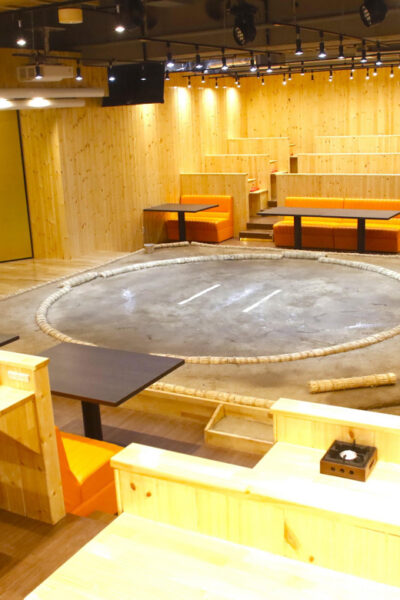
Sumo Show Experience with Chicken Hot Pot and a Photo
Read our review →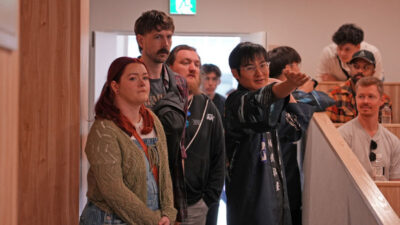
Tokyo Shinjuku Sumo Show & Experience with Photo
Read our review →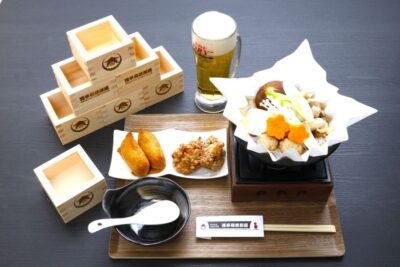
Asakusa Sumo Club Sumo Show Admission with Chankonabe in Tokyo
Read our review →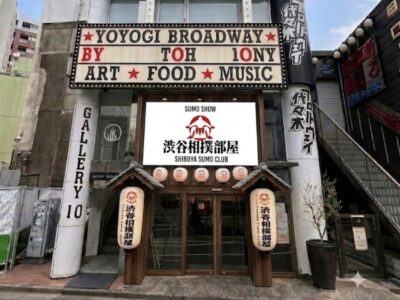
Tokyo Ginza Sumo Experience: Performance vs Pure Practice
Read our review →Browse the lists this tour appears in