
Reviewed · SUMO EXPERIENCES
Tokyo: Not a show- a professional sumo practice with experts
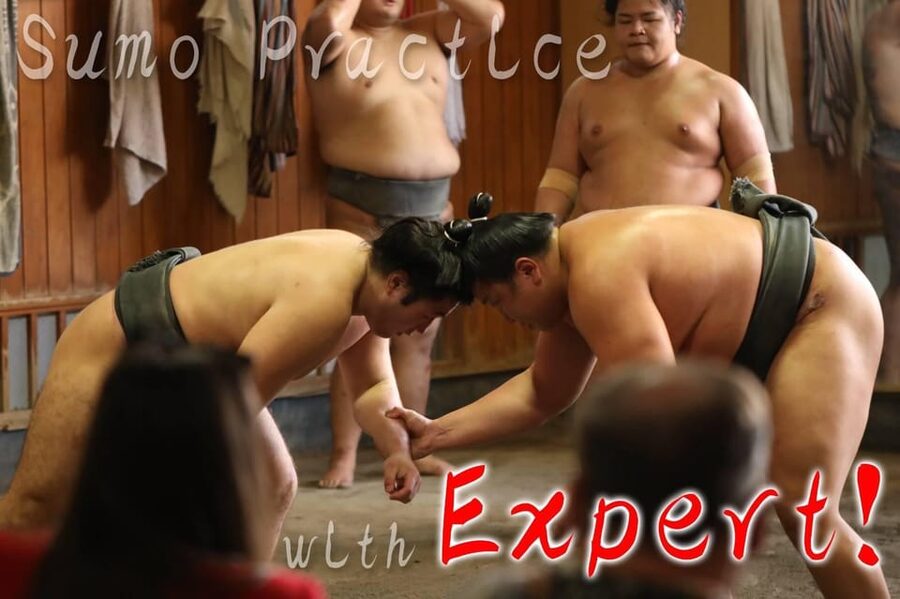
Sumo feels different from five feet away. This three-hour visit to Takasago-beya gives you a rare look at professional wrestlers during real morning training, not a staged tourist performance. I especially like the close view of the practice and the chance to ask detailed questions of Shinya, a sumo specialist and former sports journalist. The main drawback is simple: you sit on the floor for much of the visit, and that can become uncomfortable after 90 minutes.
I also like the small-group setup, limited to 10 people, and the thoughtful walk through Ryogoku afterward. This is not the best pick if you want a loud, interactive show with guaranteed demonstrations. It is better for you if you value quiet observation, cultural context, and a genuine look at how wrestlers train.
In This Review
- What makes this sumo visit special
- Why a practice session beats a staged sumo show
- Meeting at Ryogoku Station
- Inside Takasago-beya: two hours of close observation
- The rituals, discipline, and human side of sumo
- Photos with the wrestlers and the question period
- Ryogoku Kokugikan in 15 minutes
- Ryogoku Edo NOREN and the final half hour
- Is the $103 price fair?
- Practical details before you book
- Who will enjoy this most?
- Should you book the Takasago-beya practice tour?
- FAQ
- How long does the sumo practice tour last?
- How much does the experience cost?
- Where is the meeting point?
- Is the tour conducted in English?
- How large is the group?
- Can I take a photo with a sumo wrestler?
- Is food or a drink included?
- Do I sit on the floor?
- Are young children allowed?
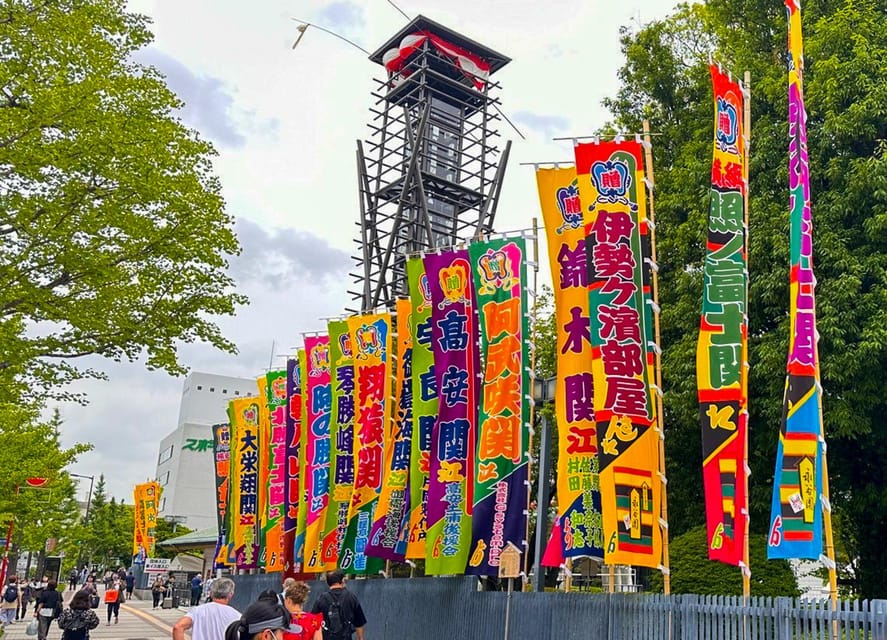
What makes this sumo visit special
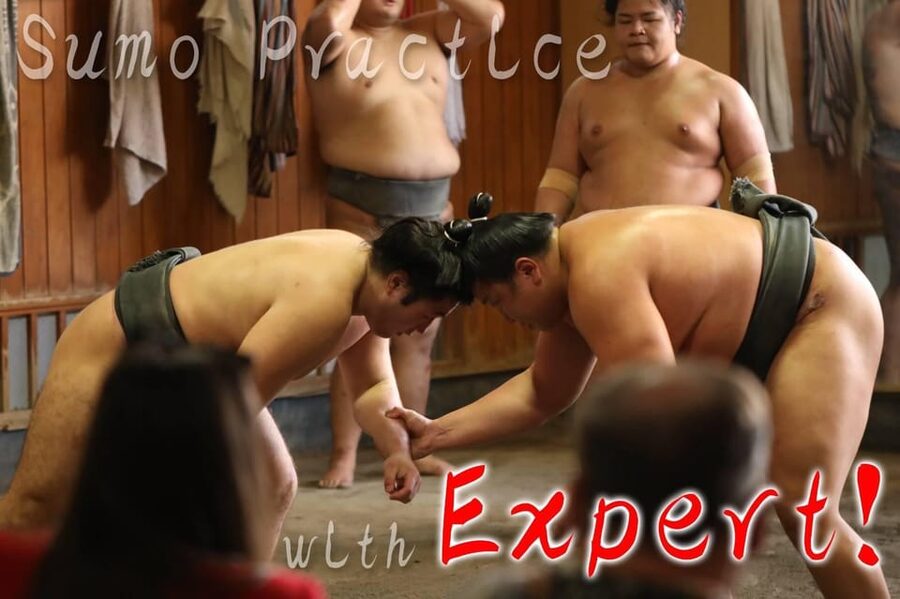
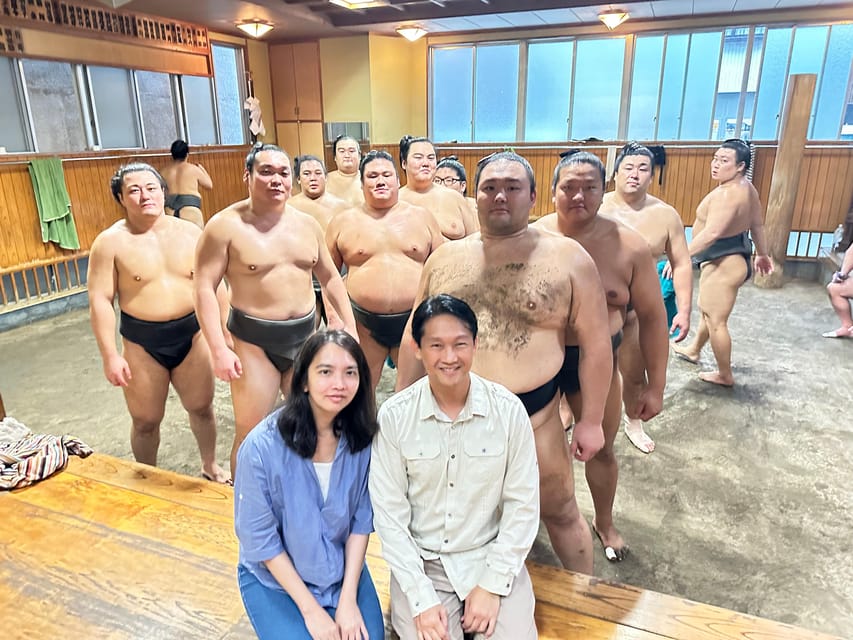
- You watch real morning practice at Takasago-beya, with the wrestlers working through warm-ups, training bouts, and other parts of their session.
- The stable is in Ryogoku, Tokyo’s traditional sumo district and home of the city’s main sumo arena.
- Shinya brings reporting experience, giving you context about wrestlers, tournaments, rituals, and the sport beyond basic tourist explanations.
- You sit close to the action, sometimes only a few inches from the wrestlers, so you can feel the force and concentration in the room.
- The tour includes a photo with a wrestler, plus time for questions after the practice.
- The final walk adds useful context, taking you to Ryogoku Kokugikan and Ryogoku Edo NOREN before ending at Ryogoku Station.
Why a practice session beats a staged sumo show
Tokyo offers several sumo-themed activities. Some are built around comedy, audience participation, or demonstrations made for tourists. Those can suit families and first-time visitors who want a light entertainment experience.
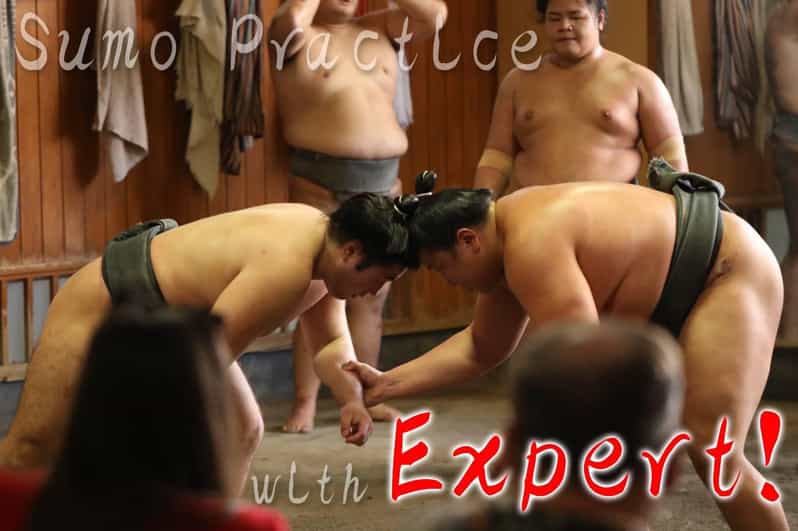
This visit takes a different route. You are entering a working sumo stable with special permission, and the wrestlers are there to train. They are not putting on a show for your group. That distinction matters.
You need to behave like a respectful observer. Keep quiet, follow the guide’s instructions, and turn off your phone. The room is close and intimate, which lets you notice the discipline of the wrestlers, the force of their practice, and the way senior wrestlers work alongside younger members.
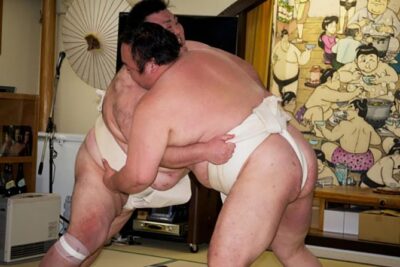
The training can be more gripping than expected. You might assume that watching practice means sitting through repetitive drills. In reality, the physical effort is intense. One session included warm-ups, sparring, and cool-downs, with the wrestlers themselves announcing when the practice had finished.
That lack of theatrical polish is part of the appeal. You are seeing an important part of the sport that many Japanese people never get to see from inside a stable.
More Sumo Experiences in Tokyo
- Tokyo: Sumo Show Experience with Chicken Hot Pot and a Photo
★ 4.8 · 6,678 reviews - Tokyo: Sumo Live Show with Photo in Shinjuku
★ 5.0 · 3,438 reviews - Tokyo: Sumo Show and Dining Experience
★ 4.8 · 2,742 reviews
Meeting at Ryogoku Station
The meeting point is by the Toei Oedo Line at Ryogoku Station, Exit A2, at ground level. The location is also about a five-minute walk from the east exit of JR Ryogoku Station.
The operator sends further meeting details before the tour date, so check your messages carefully. Arrive on time, especially because the group walks from the meeting point to the stable and the morning schedule is fixed.
One useful point is the small-group size. With no more than 10 participants, you should have a better chance of hearing the guide and asking questions than you would on a large bus tour. The walking pace can be brisk, though. One visitor found the walk difficult because the group moved quickly and some people were caught at crossing lights, so stay close to the guide.
The tour begins in the Ryogoku area, where sumo is part of the local identity. Even before entering the stable, you are in the right setting for understanding the sport.
Inside Takasago-beya: two hours of close observation
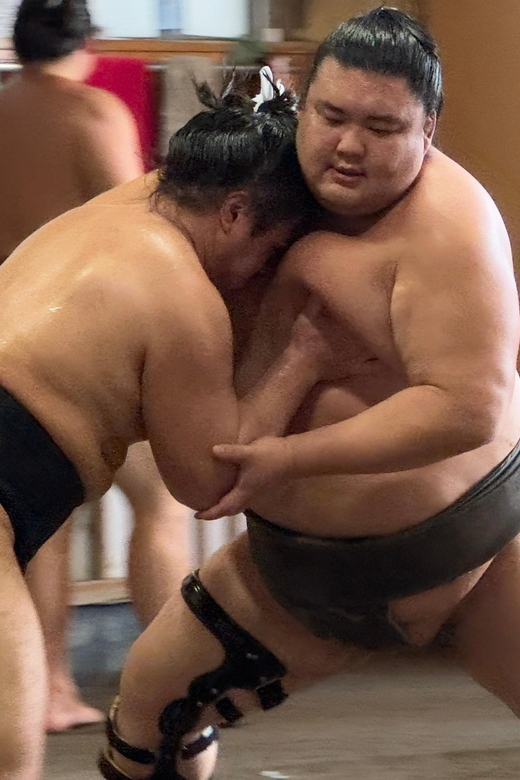
The main part of the experience lasts about two hours at Takasago-beya. This is the reason to book the tour.
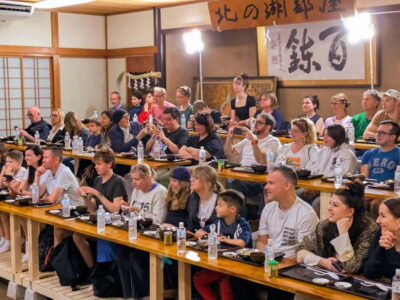
You sit on the floor and watch the practice from close range. Floor cushions are available, but do not expect normal chairs. The seating arrangement helps you remain near the action, but it also requires some flexibility. One experienced sumo fan found that the floor seating and small stools became difficult after more than 90 minutes, especially for anyone who is heavy or not very limber.
The view, however, can be excellent. One person described being only about five inches from the wrestlers. At that distance, sumo is not just a colorful ceremony. You see the impact of bodies meeting, the controlled movements before a bout, and the concentration required between exercises.
The stable may have more than one group during a session, and seating can feel crowded. Arriving early helps, since the first group in the room may have more choice about where to sit. The experience is not designed around personal space.
You also need to remember that training is not a performance. There may not be a running explanation during every ritual or practice bout. One useful improvement would be more commentary during the session, but the quiet format protects the atmosphere of the stable.
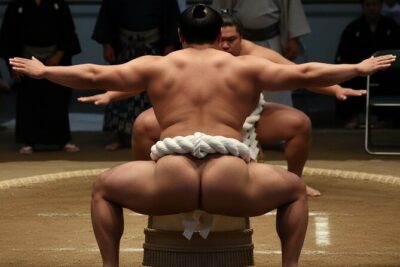
This is a good place to watch before asking questions. Notice how the wrestlers train without theatrical gestures for an audience. Pay attention to the contrast between the calm, formal setting and the hard physical work.
The rituals, discipline, and human side of sumo
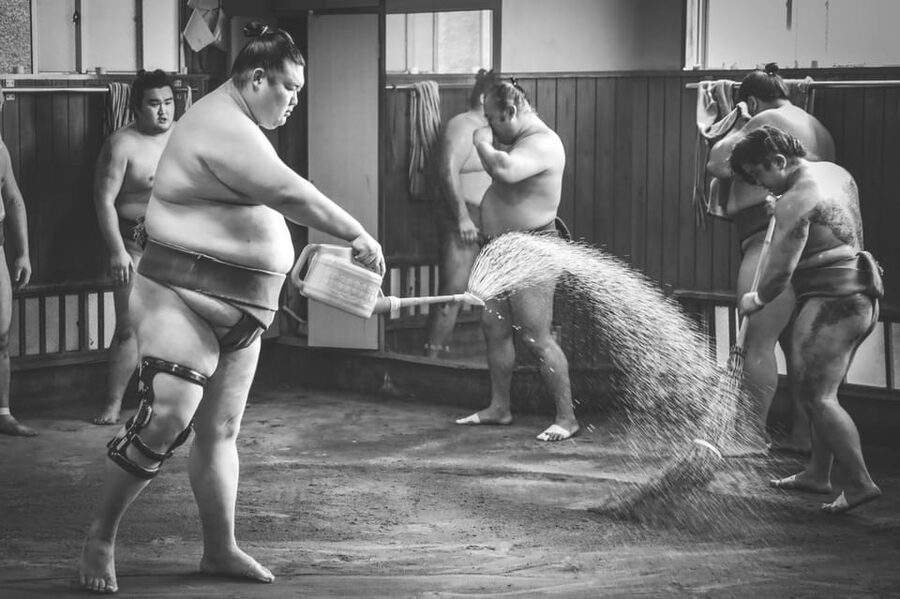
A sumo match lasts only a short time, but the training behind it takes years. This visit gives you a sense of that commitment without trying to turn it into a lecture.
You see older wrestlers helping and guiding younger members. That mentoring was one of the most interesting details noted by visitors who watched the session closely. It gives the stable a sense of hierarchy and shared responsibility.
The guide explains the customs and traditions surrounding the sport, along with details about wrestlers and tournaments. Shinya is particularly useful here. His work as a national newspaper sports journalist has given him access to the professional sumo world, and he can answer questions that go beyond simple introductions.
That background is valuable for serious fans, but you do not need prior sumo knowledge. Beginners can ask basic questions about rituals, training, and the stable system. People who already follow the sport can bring more technical questions and still find the discussion worthwhile.
English is available, though the guide’s style may be conversational rather than polished. The important strength is his enthusiasm and firsthand understanding. He uses stories, tournament details, and personal observations to make the sport easier to read.
A completely different kind of day out:
- Tokyo Disney Resort – Tokyo Disneyland & Tokyo DisneySea Park Tickets
★ 4.8 · 99,488 reviews - SHIBUYA SKY Ticket
★ 4.7 · 46,509 reviews - JR Whole Japan Rail Pass
★ 4.8 · 29,150 reviews - Mt Fuji and Hakone 1-Day Bus Tour Return by Bullet Train
★ 5.0 · 26,383 reviews
Photos with the wrestlers and the question period
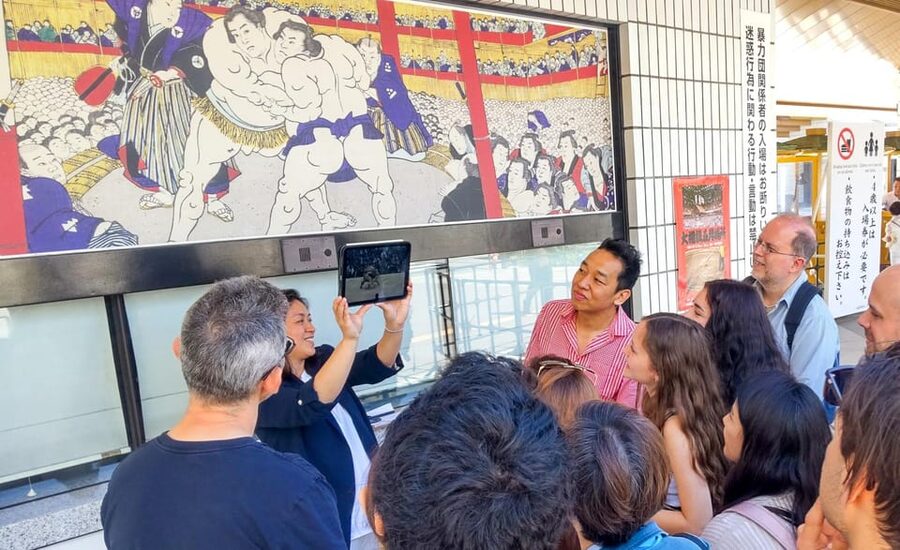
A photo with a sumo wrestler is included. It is a memorable finish to the stable visit, but approach it with the same respect as the practice itself. You are visiting the wrestlers’ workplace, not meeting entertainers at a photo booth.
The question period is one of the tour’s strongest features. You can ask about traditions, wrestlers, tournaments, training, and the culture surrounding professional sumo. The guide’s journalism background gives the discussion more depth than a standard sightseeing talk.
Be ready with questions before you arrive. You might ask about the difference between training and tournament bouts, how stable life works, or why certain rituals are performed. The available information does not promise a long formal lecture after the practice, so ask questions while the group has time with the guide.
The timing can vary slightly in practice. The published schedule allows two hours at the stable, but the later walking portions are short. If you have several detailed questions, ask them as they arise rather than saving everything for the final minutes.
Ryogoku Kokugikan in 15 minutes
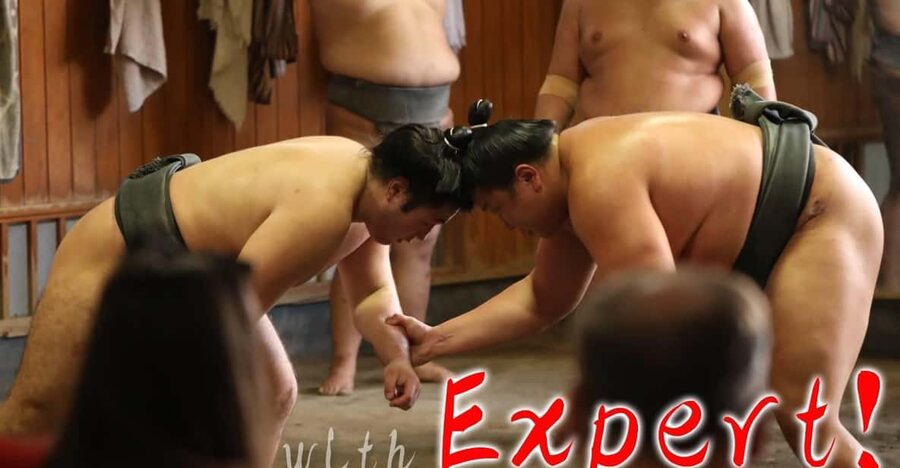
After the stable, the tour continues to Ryogoku Kokugikan, Tokyo’s major sumo arena. The guided stop lasts about 15 minutes.
Do not expect a full arena event or museum visit during this short segment. Instead, think of it as a way to connect the morning’s practice with the public side of professional sumo. The arena is where the sport reaches its tournament audience, while the stable shows you the daily work behind it.
The guide can add personal stories and sumo details here. One especially useful format reported by participants included anecdotes about past and current sumo culture, along with old videos shown after the practice.
If your main goal is to enter the arena or spend a long time with exhibits, this tour does not provide that. The stop is brief, but it works well as part of a compact introduction to Ryogoku.
Ryogoku Edo NOREN and the final half hour
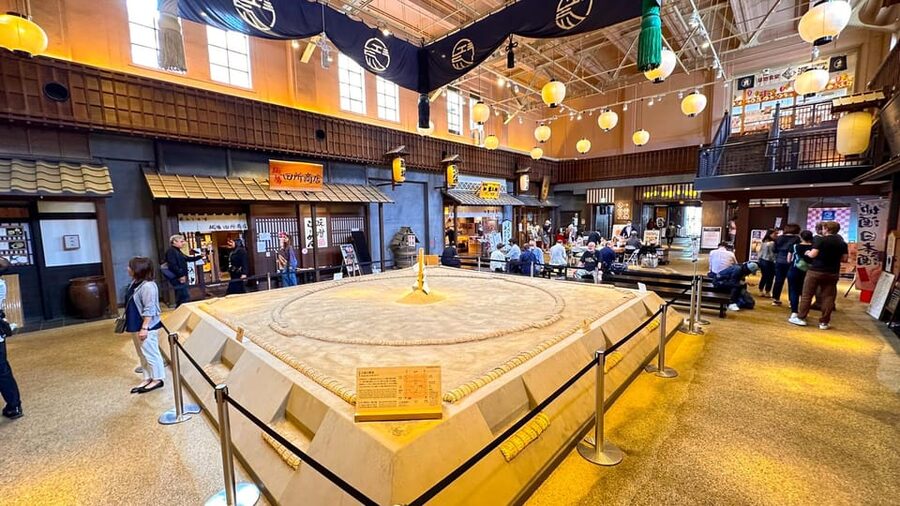
The last stop is Ryogoku Edo NOREN, where you receive a 15-minute guided visit followed by about 30 minutes for shopping and sightseeing.
This gives you time to look around at your own pace after the more structured stable visit. It also helps round out the neighborhood experience. You have seen the private training side of sumo, visited the area around the main arena, and then get a little time to explore a local commercial and cultural space.
Do not count on food or drinks being included. They are not. You should plan to buy anything you want at your own expense.
The tour finishes at Ryogoku Station, which is convenient if you plan to continue sightseeing in Tokyo. The overall route is easy to understand: meeting point, stable, arena, Edo NOREN, then the station.
Is the $103 price fair?
At $103 per person, this is not a budget activity. You are paying for access to a professional stable, a small group, an English-speaking guide, a wrestler photo, and a question session with a sumo specialist.
The value depends on what you want from sumo. If you simply want to see large wrestlers and take a quick picture, the price may feel high. You can find less expensive sumo-themed entertainment elsewhere.
I think the cost makes more sense if you care about authenticity. Tournament tickets can be difficult to obtain, and even an arena seat does not show you the private training world behind the bouts. Here, the access is the main product.
The guide is another important part of the price. Shinya’s reporting experience gives the visit a level of detail that a general city guide may not offer. That matters most if you want explanations about customs, individual wrestlers, and the way professional sumo works.
The high rating of 4.9 from 67 reviews supports the idea that the experience usually delivers what it promises. Still, value is personal. For a family that wants a playful show, another activity may be a better fit. For a serious sumo fan, this could be one of the strongest cultural experiences in Tokyo.
Practical details before you book
The tour lasts three hours and offers English and Japanese guiding. The group is limited to 10 participants, which is a good balance between shared cost and personal attention.
Children under 5 are not allowed. Older children may enjoy the experience, but they must be able to sit quietly during a real training session. The close quarters and formal setting are not suited to restless behavior.
Wear clothing that lets you sit comfortably on the floor. A cushion is provided, but the seating remains low. If your knees, hips, or back are sensitive, consider how you will feel after more than an hour in that position.
Smoking indoors is not allowed. Food, drinks, and tips are not included.
The activity offers free cancellation up to 24 hours before the start time for a full refund. You can also reserve now and pay later, which helps if you are still arranging a Tokyo itinerary.
Who will enjoy this most?
I would choose this for:
- First-time visitors who want a serious introduction to sumo
- Fans who could not get tournament tickets
- People interested in Japanese ritual, sports culture, and training
- Visitors who prefer real workplaces to staged tourist entertainment
- Adults and older children who can sit quietly and follow instructions
- Experienced sumo followers with detailed questions for the guide
I would think twice if you want a guaranteed performance, a comfortable chair, or constant commentary during the training. The best parts require patience and respect.
Should you book the Takasago-beya practice tour?
Book it if you want to see professional sumo as a working tradition rather than a tourist act. The close seating, real training, wrestler photo, and conversation with Shinya make this far more substantial than a quick sumo demonstration.
I especially recommend it during a Tokyo visit when tournament tickets are unavailable. You will not get the roar of a tournament crowd, but you may gain something more unusual: a quiet look at the discipline that creates that spectacle.
Skip it if floor seating will be painful or if you need an activity built around jokes, games, and audience participation. For everyone else, this is a thoughtful, focused way to spend a morning in Ryogoku, and likely one of the better sumo experiences available to visitors.
FAQ
How long does the sumo practice tour last?
The full experience lasts three hours. About two hours are spent at Takasago-beya, followed by short guided visits to Ryogoku Kokugikan and Ryogoku Edo NOREN, plus shopping and sightseeing time.
How much does the experience cost?
The listed price is $103 per person.
Where is the meeting point?
Meet at Exit A2 of Ryogoku Station on the Toei Oedo Line, at ground level. It is also about a five-minute walk from the east exit of JR Ryogoku Station.
Is the tour conducted in English?
Yes. Live guiding is available in English and Japanese.
How large is the group?
The tour is limited to 10 participants.
Can I take a photo with a sumo wrestler?
Yes. A photo with a sumo wrestler is included.
Is food or a drink included?
No. Food and drinks are not included. Tips are also separate.
Do I sit on the floor?
Yes. Customers sit on the floor to watch the practice, and a floor cushion is available.
Are young children allowed?
Children under 5 are not allowed to join the activity.
More Show in Tokyo
- Mt Fuji & Hakone Cruise, Drum Show Bullet Train 1 Day from Tokyo
★ 4.0 · 7,413 reviews - the SUMO show
★ 5.0 · 1,960 reviews - Tokyo Shinjuku Sumo Show & Experience with Photo
★ 5.0 · 1,750 reviews - Asakusa Sumo Club Sumo Show Admission with Chankonabe in Tokyo
★ 4.8 · 1,669 reviews
Just added in Tokyo
- A One-of-a-Kind Sushi Experience in a Special Place of Japan★ 5.0 · 15 reviews
- Tokyo Cute Bento Cooking Class – Make a Kawaii Character Lunchbox★ 5.0 · 126 reviews
- Japanese Home Cooking Class & Walk in Todoroki Temple Tokyo★ 5.0 · 88 reviews
- Japan Tokyo Tower Observatory Deck E-Ticket★ 4.0 · 34 reviews
- Catch a Baseball Game in Tokyo with a Local – Tickets Included★ 5.0 · 24 reviews
- JDM Experience with Fast&Furious RX-7 (English speaking Driver)★ 5.0 · 57 reviews
- Tokyo Private Day Tour by Car with English speaking Driver Guide★ 4.0 · 29 reviews
- Japan Classic 10 Day – One Life Adventures★ 5.0 · 129 reviews
Sumo Experiences, compared.
Sumo Show Experience with Chicken Hot Pot and a Photo
Read our review →
Tokyo Shinjuku Sumo Show & Experience with Photo
Read our review →
Asakusa Sumo Club Sumo Show Admission with Chankonabe in Tokyo
Read our review →
Tokyo Ginza Sumo Experience: Performance vs Pure Practice
Read our review →Browse the lists this tour appears in