
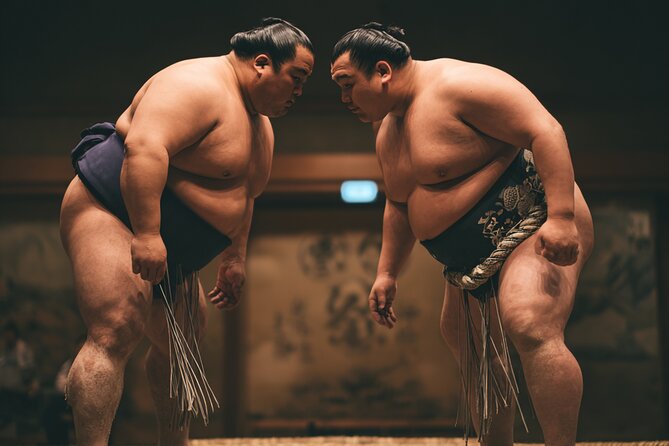
Reviewed · SUMO EXPERIENCES
Tokyo Shinjuku Sumo Show and Experience with Drinks and Photo
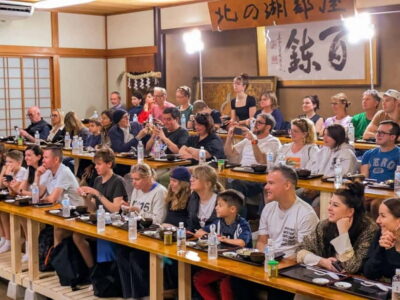
Sumo gets personal here. In a small Shinjuku venue, about 50 people sit close to the ring while a bilingual host explains the rituals, rules, and characters that make Japan’s national sport so fascinating. I like the close seating and the chance to take part in the sumo challenge, two things you cannot normally do at a major tournament. I also like that the host, Manny, makes the customs easy to follow for first-time viewers. The main drawback is that this is a staged cultural show, not a full tournament or a training session, and some people may find the $70 price high for a 90-minute program.
This experience works best if you want a friendly introduction to sumo rather than a serious day at the Kokugikan arena. You get demonstrations, short bouts, explanations, audience participation, and a photo with the wrestlers. The free drink appears to be a bottle of water, while additional drinks are available for purchase, so adjust your expectations before booking.
In This Review
- Key things to know before you book
- Why this Shinjuku sumo show feels different
- Arriving at the Shinjuku Sumo Club
- Manny’s introduction to sumo rituals
- Watching demonstrations and short sumo bouts
- The Sumo Challenge and audience participation
- Photos and the meet-and-greet
- What the drink inclusion really means
- Is $70 a fair price?
- Who will enjoy this experience most?
- Practical planning for your 90 minutes
- How this compares with a formal tournament
- Final verdict: should you book the Shinjuku Sumo Club?
- FAQ
- Where does the Tokyo Shinjuku Sumo Show begin?
- Where does the experience end?
- How long does the sumo experience last?
- How many people can attend each show?
- Is the experience available in English?
- Can I participate in the sumo challenge?
- Will I get a photo with the wrestlers?
- What drink is included?
- Can I cancel for a full refund?
Key things to know before you book
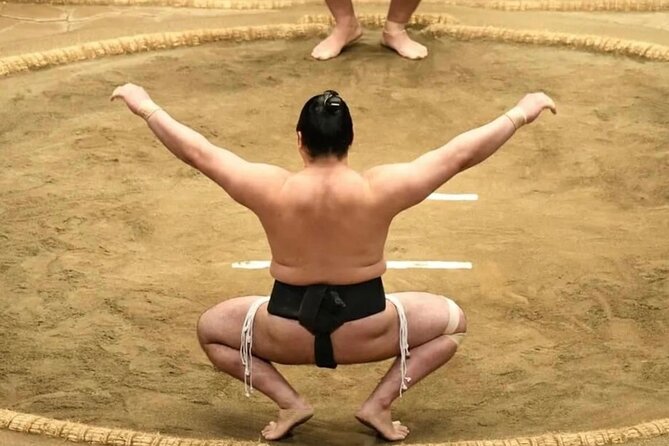
- Only about 50 people attend each show: The small room gives you a clear view of the dohyo from every seat.
- Manny provides bilingual commentary: He explains sumo history, rituals, terminology, and match tactics in an accessible way.
- You may enter the ring for the Sumo Challenge: Participation is optional, and a lottery selects six volunteers.
- The wrestlers are the stars: They demonstrate moves, perform short bouts, joke with the audience, and pose for photos.
- The program lasts about 90 minutes: It packs a lot into a short evening, but it is not a full tournament.
- The included drink is likely bottled water: Other drinks are sold separately, despite the experience being advertised with drinks and a photo.
Why this Shinjuku sumo show feels different
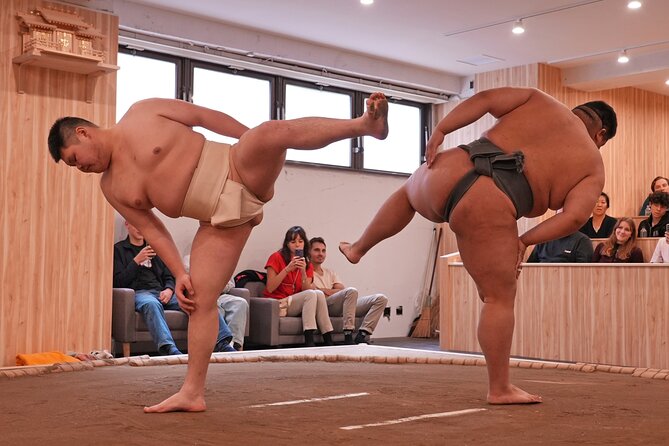
A formal sumo tournament is a large, rule-bound sporting event. You watch from your seat, follow the schedule, and accept that the wrestlers may be quite far away. The Shinjuku Sumo Club takes the opposite approach. It puts you in a compact room, close to the dohyo, with a host who explains what is happening as it unfolds.
That closeness changes the mood. You can see the wrestlers prepare, watch the force behind each movement, and notice the comic side of the performance. The setting is designed for international visitors, so you do not need prior knowledge of sumo terms or Japanese customs.
The tradeoff is important. This is not a regular professional tournament, and it is not presented as a normal practice session. The bouts are demonstrations and entertainment, with the action shaped for a short show and a mixed international audience. If you expect an unscripted contest between top-ranked rikishi, you will likely be disappointed.
If you want to understand why sumo begins with salt throwing, why wrestlers stamp their feet, and how certain moves work, the format makes sense. It gives you enough background to appreciate what you are seeing without asking you to spend several hours learning the sport first.
More Sumo Experiences in Tokyo
- Tokyo: Sumo Show Experience with Chicken Hot Pot and a Photo
★ 4.8 · 6,678 reviews - Tokyo: Sumo Live Show with Photo in Shinjuku
★ 5.0 · 3,438 reviews - Tokyo: Sumo Show and Dining Experience
★ 4.8 · 2,742 reviews
Arriving at the Shinjuku Sumo Club
The meeting point is the SEKISAKU BLDG. at 2-5-22 Okubo, Shinjuku City, Tokyo 169-0072. The activity begins and ends at this same location. It is near public transportation, which matters in Tokyo, where a simple trip can involve several rail lines and a fair amount of walking.
Allow yourself time to find the building. The supplied information does not give a detailed station exit or a precise arrival procedure, so check the booking confirmation carefully before setting out. The venue is in the Okubo area of Shinjuku, not inside a large arena with obvious event signage.
A useful detail from the experience is that an elevator is available. One attendee initially used the steep stairs and only noticed the elevator when leaving. If stairs are difficult for you, look for the lift rather than assuming the staircase is your only option.
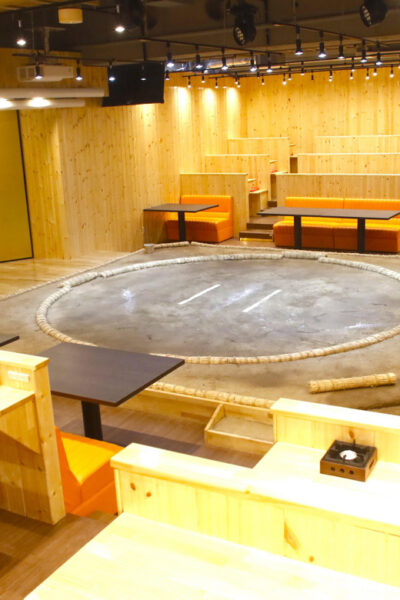
Once inside, you take a seat around the dohyo. With a maximum of 50 people, this is a far more personal setup than a stadium. Every place should offer a close view, though exact seating arrangements are not specified.
Manny’s introduction to sumo rituals
The program opens with an explanation of sumo’s background and ceremonies. Manny, the bilingual MC, has been praised for being funny, clear, and good at keeping the room involved. His role matters because sumo can look mysterious if you do not know what the wrestlers are doing before a bout begins.
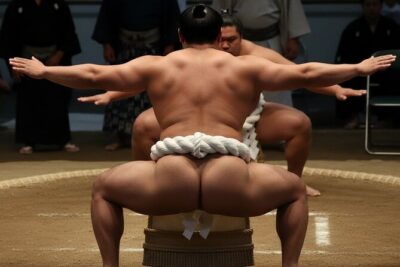
You learn about actions such as throwing salt into the ring, stamping the feet, and preparing for the clash. These movements are not filler. They reflect the ritual side of sumo, where the ceremony around the match is part of the sport’s identity.
The host also introduces basic terminology and explains the meaning behind the wrestlers’ movements. That turns a quick collision into something you can follow. Instead of seeing only two large men pushing at each other, you begin to notice balance, timing, footwork, and attempts to force an opponent out of the ring.
The opening section is described as brief, so do not expect a long lecture. That is probably a good choice for a short cultural show. The information gives you a framework, then the wrestlers make the ideas visible.
Watching demonstrations and short sumo bouts
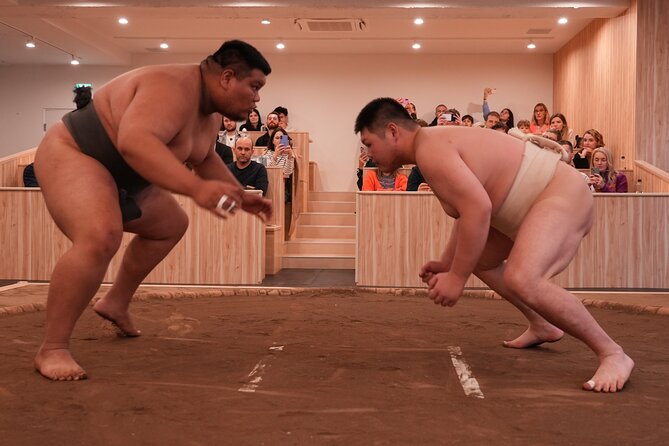
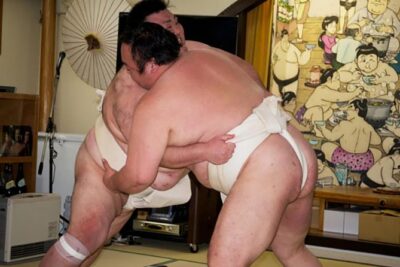
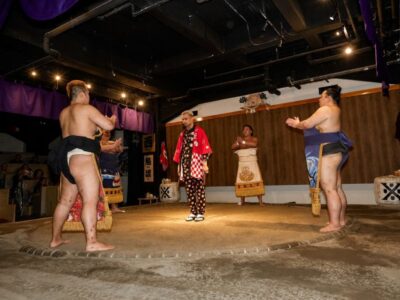
The wrestlers demonstrate powerful techniques before performing several bouts. Commentary continues during the action, helping you understand what each move means and why a wrestler gains an advantage.
This is where the experience succeeds for many first-time viewers. The wrestlers are not simply athletes going through motions. They use humor, encourage audience reactions, and show plenty of personality. The tone is light, but the physical strength is real and easy to appreciate at close range.
You should know that the matches are short. One dissatisfied attendee expected more exhibition wrestling and found the three bouts too quick. Another wanted to see the wrestlers compete against each other more often. Those concerns are fair. The show gives you a taste of sumo action, not a long series of complete matches.
The small ring also affects the presentation. It helps you see everything, but it leaves little room for a full tournament-style production. Think of the bouts as carefully prepared demonstrations that explain the sport and entertain the room.
That makes the show a good fit for families, first-time visitors, and anyone who enjoys cultural activities with humor. It is a weaker choice for a dedicated sumo fan who wants extended competition, official rankings, or the atmosphere of a major tournament.
A completely different kind of day out:
- Tokyo Disney Resort – Tokyo Disneyland & Tokyo DisneySea Park Tickets
★ 4.8 · 99,488 reviews - SHIBUYA SKY Ticket
★ 4.7 · 46,509 reviews - JR Whole Japan Rail Pass
★ 4.8 · 29,150 reviews - Mt Fuji and Hakone 1-Day Bus Tour Return by Bullet Train
★ 5.0 · 26,383 reviews
The Sumo Challenge and audience participation
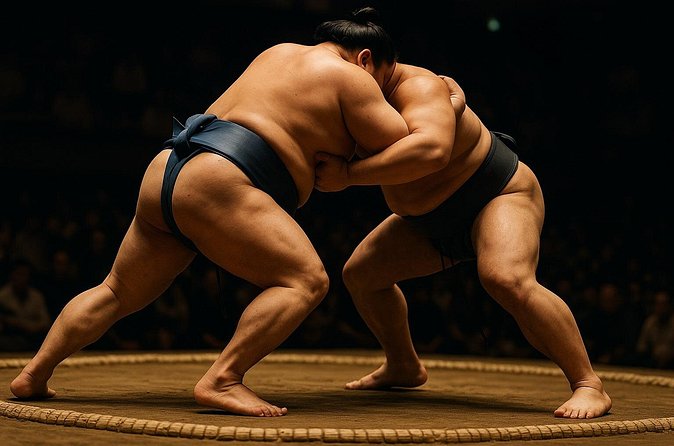
The most unusual part of the program is the Sumo Challenge. You may have the chance to step into the ring and test your strength against one of the wrestlers. Participation is optional, so you can watch if you prefer not to be the center of attention.
Only six volunteers are selected by lottery. That system keeps the activity fair, but it also means you cannot count on taking part. Everyone receives a chance to enter the lottery, and the rest of the audience can watch the selected participants try their luck.
The challenge is a fun photo opportunity as much as a test of strength. The wrestlers are described as patient, friendly, and good sports, which helps keep the mood playful rather than intimidating. You should not expect a serious athletic contest. The point is to experience the scale and force of a sumo wrestler in a safe, comic setting.
If you are shy, there is still plenty to enjoy. You can cheer, watch the attempts, and learn from the demonstrations without stepping into the dohyo. If you are traveling with children or a lively group, this portion may become the evening’s favorite memory.
Photos and the meet-and-greet
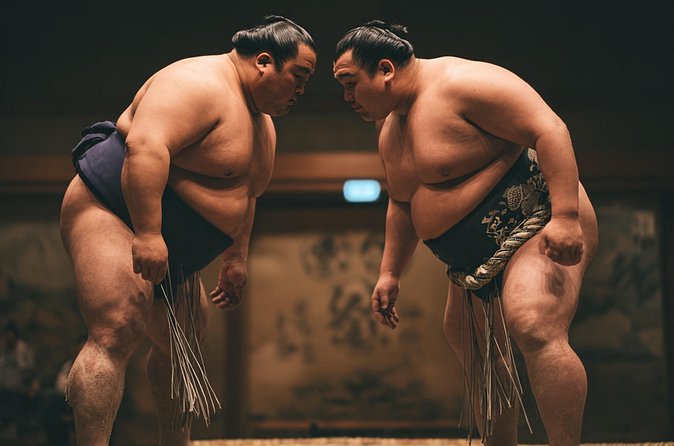
The program ends with a photo session and a chance to meet the wrestlers. Everyone is given an opportunity to have a picture taken with them, even if they are not chosen for the Sumo Challenge.
This is a real advantage over attending a standard tournament. At an official event, you watch the wrestlers from a distance and leave with your own impressions. Here, you get a personal keepsake and a brief face-to-face moment.
The wrestlers’ friendly attitude is repeatedly important to the experience. They joke with the audience, encourage support during the bouts, and remain approachable at the end. The photo session also gives the program a clear finish rather than simply stopping after the last demonstration.
Bring a phone with enough battery and storage for photos. The activity includes a photo opportunity, but the supplied details do not specify whether professional photos are provided or how images are delivered. The safest assumption is that you will use your own camera or phone unless the venue tells you otherwise.
What the drink inclusion really means
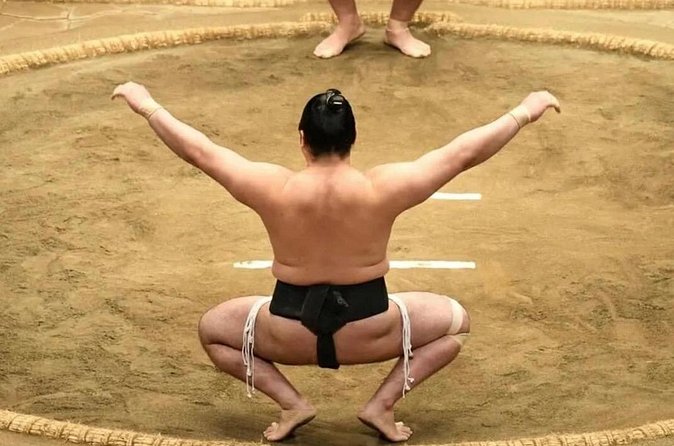
The title includes drinks, but the practical detail is modest. The included drink is a bottle of water. Other drinks are available for purchase, but they are not included in the basic price.
That is worth knowing because a $70 experience can sound like it includes a more substantial beverage service. I would treat the water as a small convenience, not a major part of the value.
The real value comes from the close-range sumo presentation, bilingual explanation, participation, and photo session. If you are mainly looking for an evening with drinks, this is not the right reason to book. If the drink is simply a useful extra during a 90-minute show, it will meet that need.
Is $70 a fair price?
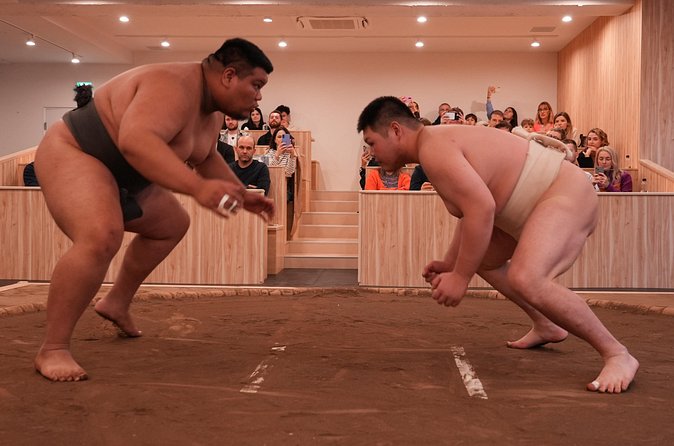
At $70 per person, this is not a bargain attraction. Tokyo offers many low-cost cultural sights, and you can spend less on a museum or neighborhood walk. The question is what you are paying for.
You are paying for a short, organized event with professional wrestlers, a bilingual host, a limited audience, a structured explanation of sumo, a participation element, and a photo opportunity. The 50-person maximum is important because the show would feel very different in a crowded hall.
I think the price is easier to justify if sumo is high on your Japan wish list or if you are traveling with people who want an activity rather than a passive performance. It is also useful for a first visit, since the host explains enough of the rules and rituals to make the sport approachable.
The value is less convincing if you expect many matches, a full training session, or a strong sense of traditional Japanese life beyond the sumo performance. One attendee felt the setting and staff experience leaned heavily toward an international tourist presentation, with only the wrestlers themselves being Japanese. That criticism points to a real limitation: the show teaches about sumo, but it may not feel like a visit to a working stable or a normal Japanese sporting event.
Who will enjoy this experience most?
I would recommend it to first-time visitors who want an easy introduction to sumo. You do not need to understand the rules in advance, and the bilingual commentary removes much of the confusion.
It also suits families, couples, coworkers, and groups with mixed interests. The show combines sport, comedy, storytelling, and audience participation, so even someone who knows little about sumo can follow along.
It may be especially good for you if:
- You want close views without spending a full day at a tournament.
- You enjoy lighthearted cultural performances.
- You would like a photo with a real sumo wrestler.
- You are willing to join the lottery for the Sumo Challenge.
- You prefer English-friendly explanations.
- You have only 90 minutes for a planned activity in Shinjuku.
I would hesitate to recommend it to serious sumo followers seeking long, competitive bouts. I would also be cautious if your main goal is to see authentic daily training or meet a broad range of Japanese staff and performers. The show is designed for visitors, and that international presentation is part of both its convenience and its limitation.
Practical planning for your 90 minutes
The experience lasts about an hour and a half, so it fits neatly into a Tokyo evening or morning plan. Since it ends at the same place where it begins, you do not need to arrange a separate pickup or worry about being left at another neighborhood.
Public transportation is nearby, but the exact route is not supplied. Use the full address and your booking confirmation when planning your arrival. Tokyo’s Okubo and Shinjuku area can feel confusing, especially if you are moving between large stations and smaller side streets.
Confirmation is provided when you book, and the activity accepts mobile tickets. Keep the ticket easy to access on your phone. The venue has a maximum of 50 people, so the limited size should help maintain the close view promised by the format.
Most people can participate, according to the supplied information. The Sumo Challenge itself is optional, and the lottery selects only six volunteers. If you have mobility concerns, remember that the room includes an elevator, though the detailed accessibility arrangements are not provided.
Free cancellation is available until 24 hours before the start time. Cancel at least a full day ahead for a refund. Changes or cancellations made later are not accepted, and the cutoff follows Tokyo local time.
How this compares with a formal tournament
A tournament gives you the real competitive structure of sumo. You see scheduled bouts, official ceremonies, rankings, and the wider atmosphere of a major sporting event. The downside is that tickets can be harder to arrange, the venue is much larger, and the explanations may be limited.
The Shinjuku show gives you access and clarity. You sit close, hear the host explain the action, and may physically enter the ring. You also finish with a photo rather than only a memory from the stands.
Neither format replaces the other. If you can attend a tournament during your visit, that is the stronger choice for serious sport. If the tournament schedule does not match your trip, or if you want a compact introduction with hands-on fun, this show fills a different role.
The key is to book the experience you actually want. Call this a sumo-themed cultural performance with real wrestlers, not a tournament substitute.
Final verdict: should you book the Shinjuku Sumo Club?
Book it if you want close-up sumo, clear English explanation, humor, and a personal photo in a compact 90-minute program. The wrestlers are engaging, Manny keeps the information lively, and the small audience makes the ring feel close.
Skip it if you want long bouts, unscripted competition, a training session, or a fully traditional Japanese setting. The matches are brief, the show is staged for entertainment, and the included drink is bottled water rather than a generous drinks package.
At $70, I see it as a convenient introduction rather than a must-do for every Tokyo visitor. For a first encounter with sumo, especially with children or friends who want to participate, it can be a good use of an evening. Go in expecting a friendly cultural show, and you are much more likely to feel you received fair value.
FAQ
Where does the Tokyo Shinjuku Sumo Show begin?
It begins at the SEKISAKU BLDG. at 2-5-22 Okubo, Shinjuku City, Tokyo 169-0072.
Where does the experience end?
The activity ends back at the same meeting point.
How long does the sumo experience last?
The program lasts approximately 90 minutes.
How many people can attend each show?
The maximum group size is about 50 people.
Is the experience available in English?
A bilingual MC explains the history, rituals, terminology, and action, making the program suitable for international visitors.
Can I participate in the sumo challenge?
You can volunteer for the Sumo Challenge, but only six participants are selected by lottery. Participation is optional.
Will I get a photo with the wrestlers?
Yes. The program concludes with a photo session, and everyone is given an opportunity to take a photo with the wrestlers.
What drink is included?
A bottle of water is provided. Other drinks are available for purchase.
Can I cancel for a full refund?
Yes, if you cancel at least 24 hours before the experience start time. Cancellations or changes made less than 24 hours in advance are not refunded or accepted.
More Show in Tokyo
- Mt Fuji & Hakone Cruise, Drum Show Bullet Train 1 Day from Tokyo
★ 4.0 · 7,413 reviews - the SUMO show
★ 5.0 · 1,960 reviews - Tokyo Shinjuku Sumo Show & Experience with Photo
★ 5.0 · 1,750 reviews - Asakusa Sumo Club Sumo Show Admission with Chankonabe in Tokyo
★ 4.8 · 1,669 reviews
Just added in Tokyo
- Tokyo Sunset Boat Party with Music Drinks and Vibes★ 5.0 · 15 reviews
- 【SUMO FESTIVAL】Tokyo Ginza: Sumo Show & Photo Experience★ 4.5 · 41 reviews
- Tokyo Sumo Experience with Live Show & Audience Challenge★ 5.0 · 38 reviews
- Premium 14-Piece Sushi & Cultural Discovery with Chef Interaction★ 5.0 · 57 reviews
- Tokyo Street Food Tour – 7 Japanese Foods★ 5.0 · 16 reviews
- Tokyo Sumo Morning Training/ Sumo Practice with Wrestlers★ 5.0 · 135 reviews
- Tokyo Morning Tour : Meiji Shrine, Asakusa and Fish Market★ 5.0 · 102 reviews
- Tokyo: Visit Sumo Morning Practice with English Guide★ 4.5 · 22 reviews
Sumo Experiences, compared.
Sumo Show Experience with Chicken Hot Pot and a Photo
Read our review →
Tokyo Shinjuku Sumo Show & Experience with Photo
Read our review →
Asakusa Sumo Club Sumo Show Admission with Chankonabe in Tokyo
Read our review →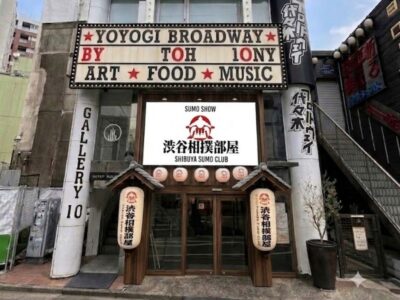
Tokyo Ginza Sumo Experience: Performance vs Pure Practice
Read our review →Browse the lists this tour appears in