
Reviewed · SUMO EXPERIENCES
Tokyo: Sumo Morning Practice -Stable Visit Tour with a Guide
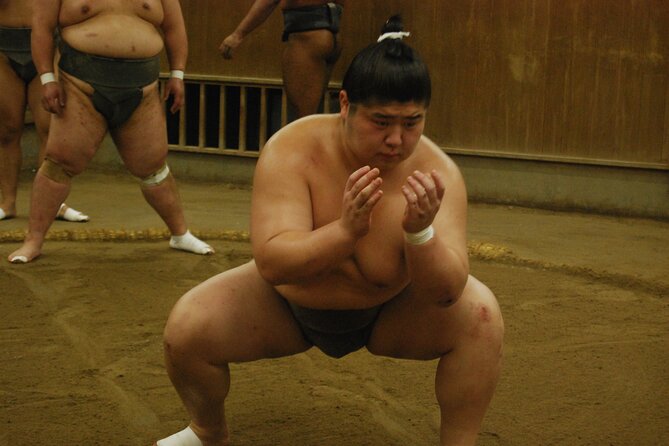
Morning sumo gets very real. At Ikazuchi Sumo Stable, you watch wrestlers train at close range, hear bodies collide, and see the focus behind Japan’s national sport. I like the small group of up to 10 people, and I like that a guide adds context with a special brochure and a question period. The main consideration is simple: you must stay quiet, skip food, and keep video and flash photography off.
This is not a polished show at the Kokugikan. It is a working practice session, held early in the day and shaped around the wrestlers’ concentration. The practice itself lasts about an hour, while the full outing takes roughly two hours. At $82, the price is not cheap, but the access is unusual, especially if you want sumo as a living sport rather than a staged performance.
In This Review
- What makes this morning sumo visit special
- Why watching practice beats only seeing a tournament
- Arriving in Sumida at 8:30 am
- Inside Ikazuchi Sumo Stable
- The one-hour practice session
- Questions and photos after training
- What the special brochure adds
- Is $82 a fair price?
- Who will enjoy this most?
- Etiquette that protects the experience
- Booking, cancellation, and group details
- Should you book this Tokyo sumo stable visit?
- FAQ
- Where does the sumo practice tour meet?
- What time does the tour start?
- How long does the experience last?
- How many people can join?
- Can I take photographs inside the stable?
- Can I eat during morning practice?
- Can I ask the sumo wrestlers questions?
- What is the cancellation policy?
What makes this morning sumo visit special
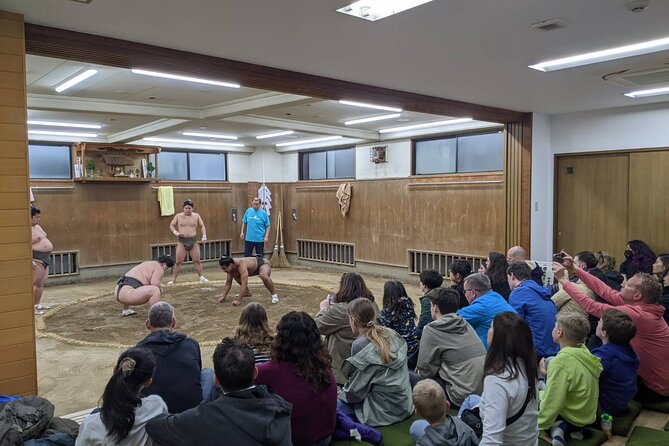
- Ikazuchi Sumo Stable: Watch wrestlers and apprentices train in their own practice space, not from distant stadium seats.
- Close-range action: You may notice breathing, facial expressions, shouted instruction, and the heavy sound of bodies meeting.
- Small group format: The maximum group size is 10, which helps keep the visit orderly and less intrusive.
- Question period and photos: After practice, you can ask questions and take photographs with the sumo wrestlers.
- Useful printed guide: A special brochure helps explain sumo and gives you more context for what you are seeing.
- Strict stable etiquette: No private conversation, food, video, or flash photography is allowed inside.
Why watching practice beats only seeing a tournament
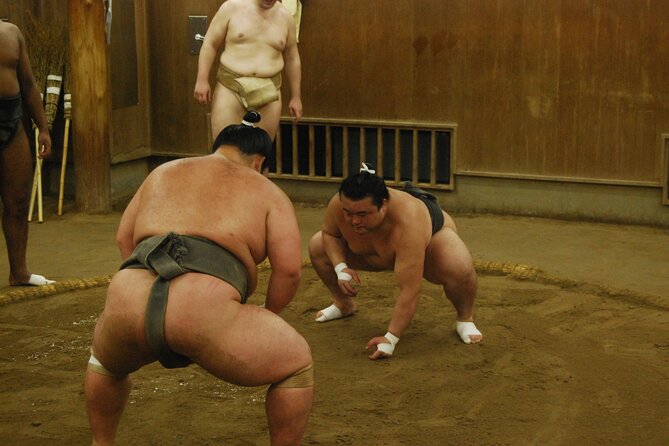
A tournament gives you ceremony, crowds, matches, and the clear drama of victory or defeat. This visit gives you something different: the repetitive work that makes those matches possible.
The wrestlers and apprentices practice every morning to preserve sumo and pass it to the next generation. You see the sport before the public spectacle begins. The movements may look simple at first, but the setting lets you notice the force, timing, and concentration packed into each exercise.
I especially like the distance. You are close enough to see facial expressions and breathing, yet the practice remains the main event. The room is not arranged for entertainment. The wrestlers are there to train, and you are there to observe respectfully.
That difference matters. At the Kokugikan, your attention naturally follows the bout and the scoreboard. Here, you watch the whole training culture: apprentices working, wrestlers repeating movements, and the coach directing the room.
More Sumo Experiences in Tokyo
- Tokyo: Sumo Show Experience with Chicken Hot Pot and a Photo
★ 4.8 · 6,678 reviews - Tokyo: Sumo Live Show with Photo in Shinjuku
★ 5.0 · 3,438 reviews - Tokyo: Sumo Show and Dining Experience
★ 4.8 · 2,742 reviews
Arriving in Sumida at 8:30 am
The meeting point is in Sumida, at Water section 1-chōme-1-1, Oshiage, Sumida City, Tokyo 131-0045. The start time is 8:30 am, and the location is near public transportation. Your mobile ticket is useful for a quick check-in, and booking confirmation arrives at the time of booking.
I would treat the early start as part of the value, not a nuisance. Morning practice is the reason you can see this side of sumo. It also means you should plan your route carefully and arrive ready to enter quietly. The tour does not begin with a long sightseeing walk. The important part is getting to the stable on time and respecting the practice schedule.
The exact timing of the session can matter because sumo practice is not a flexible public show. The advertised duration is about two hours, while the practice portion is listed at about one hour. The remaining time allows for guidance, questions, and photographs, though the rhythm of the stable comes first.
The group is limited to 10 people. That is a helpful number for a quiet indoor visit. A large crowd would make it harder to hear the coach and easier to distract the wrestlers. With a smaller group, your guide can also handle questions without turning the visit into a noisy gathering.
Inside Ikazuchi Sumo Stable
The stable is the heart of this activity. In sumo, a stable is more than a training room. It is where wrestlers and apprentices train together under a coach, build discipline, and prepare for competition.
The supplied information identifies the setting as Ikazuchi Sumo Stable. The description places strong emphasis on the trust between the coach and the rikishi who train with him. That trust helps explain the tone you may hear during practice.
The coach’s voice can sound strong and harsh. Do not mistake that intensity for a performance designed for visitors. It is part of the training relationship, and the practice depends on the wrestlers responding to direct instruction. You may find the atmosphere startling at first, especially if you expected a quiet cultural demonstration.
I see that as one of the most valuable parts of the visit. You are not watching a gentle introduction made for tourists. You are seeing a demanding training session, with all the pressure and repetition that implies. The best approach is to watch carefully and avoid trying to make the room about you.
The coach’s commands, the sound of bodies colliding, and the wrestlers’ breathing create the mood. Facial expressions become part of the lesson. You can see effort in a way that is difficult to understand from a stadium seat.
The one-hour practice session
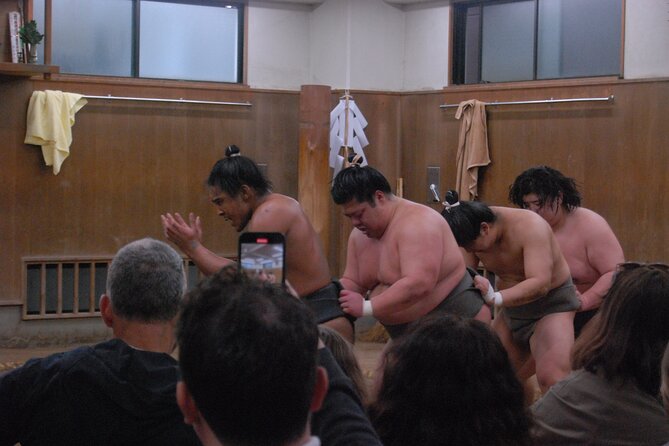
The main portion lasts about one hour. During that time, you watch the wrestlers and their apprentices train. The description does not promise a particular sequence of exercises or specific wrestlers, so you should come prepared to observe rather than expect a fixed show.
That uncertainty is normal for a working stable. The practice belongs to the rikishi, not the audience. One morning may feel different from another, and the coach’s priorities guide the session.
You should not hold private conversations during practice. This rule protects concentration, and it also keeps the room from becoming a sightseeing lounge. I recommend saving comments for after the session, even if you are excited by what you see.
No food is allowed inside. That includes snacks, bread, rice balls, and similar items. You may bring your own drink, but it must have a lid. This is a small rule with a practical purpose: you do not want crumbs, spills, or wrappers interrupting a serious training session.
Video is prohibited, as is flash photography. Still photographs without flash are allowed. If taking pictures is important to you, wait for the appropriate moment and follow the guide’s directions. The chance to take photos comes after practice, when you can also ask questions.
A completely different kind of day out:
- Tokyo Disney Resort – Tokyo Disneyland & Tokyo DisneySea Park Tickets
★ 4.8 · 99,488 reviews - SHIBUYA SKY Ticket
★ 4.7 · 46,509 reviews - JR Whole Japan Rail Pass
★ 4.8 · 29,150 reviews - Mt Fuji and Hakone 1-Day Bus Tour Return by Bullet Train
★ 5.0 · 26,383 reviews
Questions and photos after training
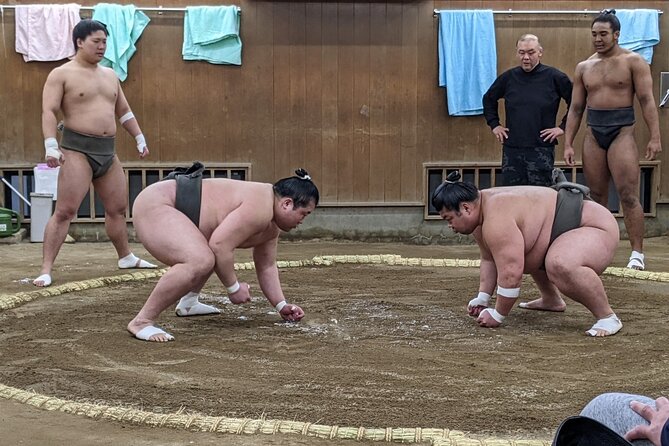
The post-practice period gives the visit a more personal finish. You can ask questions and take photographs with the sumo wrestlers. This is especially useful if you arrive with children or with little knowledge of sumo.
A question period helps turn a silent observation into a clearer understanding of what you just saw. You can use the brochure as a prompt and ask about the practice, the wrestlers, or basic sumo customs. The exact questions and answers will depend on the session, so I would prepare a few simple questions in advance.
The photo opportunity also needs a respectful approach. You have permission for photographs without flash, but that does not mean you should rush or treat the wrestlers like props. Keep the mood polite and brief. The stable is still their workplace.
The only written customer comment supplied for this activity praised the experience as a fun and very real introduction for a family with children. The question and answer period was singled out as a strong feature. That makes sense: young visitors may not follow every detail of practice, but the chance to ask questions gives the morning a clear ending.
What the special brochure adds
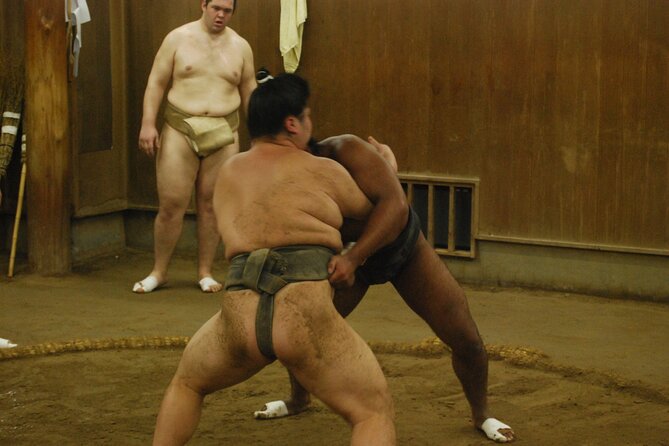
The special brochure is included with the tour. It is a modest feature, but a useful one. Sumo has its own vocabulary, rituals, ranks, and training customs, and a short guide can help you connect the actions in front of you with the wider sport.
Without context, you might focus only on the loudest collision or the coach’s voice. With some background, you can pay attention to the roles of the apprentices, the discipline of repetition, and the way the stable functions as a training community.
I would read at least part of the brochure before or during the visit, if the guide permits it. Do not read it during the most active part of practice if that means missing the action. Its best use is as a reference for the question period and as a reminder of what you saw later in the day.
Is $82 a fair price?
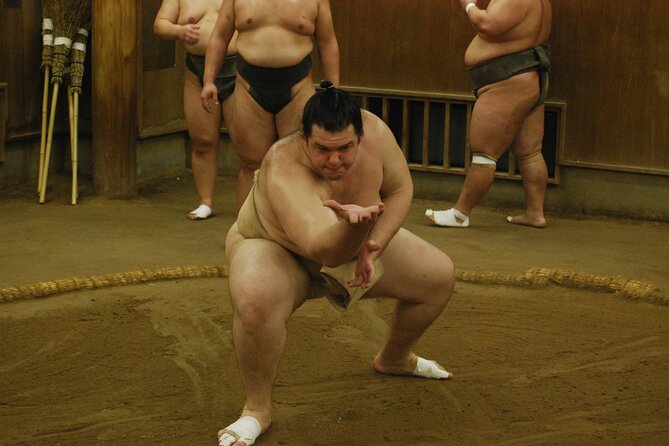
At $82, this is a premium morning activity. You are paying for a guided visit, a small group, special printed material, and access to a setting that is normally not part of a standard Tokyo sightseeing day.
The value depends on what you want from sumo. If your goal is simply to see a match, the price may feel high, and a tournament ticket would offer a different kind of experience. If your goal is to understand how wrestlers train and to watch practice close up, the price is easier to justify.
The tour also saves you from trying to arrange stable access on your own. This is not a place where you can casually walk in and expect a seat. The guide handles the visit and helps you follow the etiquette, which matters in a setting where silence, timing, and photography rules are important.
The small group improves the value. A maximum of 10 people is far better suited to a serious practice room than a large bus group. Still, do not expect a long private lesson or an extended meet-and-greet. The practice lasts about an hour, and the whole visit is only about two hours.
If you are already paying for a full Tokyo itinerary, this activity works best as a focused cultural morning. It is not an all-day attraction. You can finish with plenty of time left for Sumida and other parts of the city.
Who will enjoy this most?
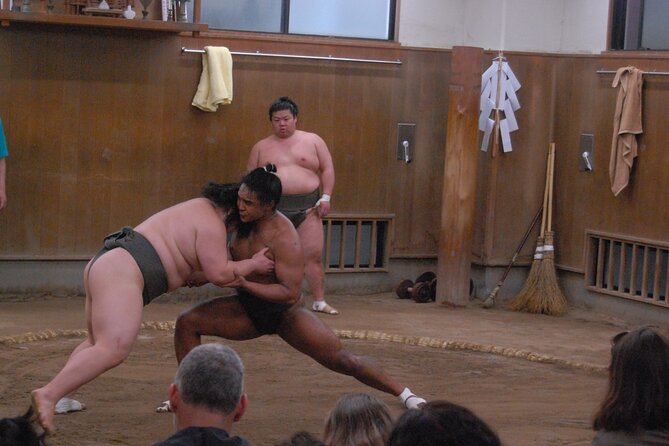
I would recommend this tour to anyone who wants an authentic look at sumo training and is comfortable following strict rules. It is a strong pick for first-time sumo viewers, families who want an activity beyond temples and shopping, and people who could not secure tickets for an official tournament.
It also suits visitors who value access over spectacle. You will not get the pageantry of a major event, but you will see the physical work and concentration behind it.
Families can enjoy it, as the supplied feedback confirms, but children need to understand the quiet rule. This is not a place for running, snacks, or constant questions during practice. The question period comes later.
I would be more cautious about recommending it to anyone who needs a flexible morning. The start is fixed at 8:30 am, and the activity depends on the stable’s practice. You should also reconsider if video is central to how you record trips, because video is not allowed inside.
Etiquette that protects the experience
The rules are not decoration. They protect the wrestlers’ concentration and help the stable continue welcoming small groups.
Keep private conversation for after practice. Silence lets you hear the coach and the physical sounds of training. It also shows respect for the effort happening in front of you.
Bring a drink only if it has a lid. Leave all snacks, bread, rice balls, and other food outside. Turn off video recording, and do not use flash. Ordinary photographs without flash are allowed.
If you feel moved to support the rikishi after practice, you may leave a tip. This is presented as optional, not as a required charge. I would carry a small amount if you think you may want to contribute, but do not feel pressured.
Above all, remember that the stable is a working place. The best visitor is quiet, attentive, and ready to let the practice unfold without trying to control it.
Booking, cancellation, and group details
Confirmation is provided when you book, and the tour accepts mobile tickets. The activity ends back at the meeting point, so you do not need to arrange a separate return transfer through the tour.
Most people can participate, and the group is capped at 10. The activity requires a minimum number of participants. If the provider cancels because that minimum is not met, you will be offered another date or experience, or receive a full refund.
You can cancel for a full refund up to 24 hours before the start time. Cancellations or changes made within 24 hours are not refunded or accepted. The cut-off follows local Tokyo time, so check the clock carefully if your plans change.
Should you book this Tokyo sumo stable visit?
Book it if you want to see the demanding, ordinary work behind professional sumo. The close view of breathing, expressions, shouted instruction, and collisions gives you a far more direct sense of the sport than a distant tournament seat.
The strongest reasons to go are the small group, the authentic training setting, and the chance to ask questions afterward. The main limits are the early start, strict etiquette, short overall duration, and $82 price.
I would choose this for a family, a first-time sumo fan, or anyone who values access to everyday Japanese culture. I would skip it if you want video footage, a flexible schedule, or the pageantry of a formal match. For the right visitor, this is a focused and memorable morning in Tokyo, with the sport shown as work first and spectacle second.
FAQ
Where does the sumo practice tour meet?
The meeting point is at Water section 1-chōme-1-1, Oshiage, Sumida City, Tokyo 131-0045, Japan.
What time does the tour start?
The tour starts at 8:30 am.
How long does the experience last?
The experience lasts approximately two hours. The morning practice itself lasts about one hour, followed by time for photographs and questions.
How many people can join?
The activity has a maximum of 10 participants.
Can I take photographs inside the stable?
Yes. Photographs without flash are allowed. Flash photography and video recording are prohibited inside the stable.
Can I eat during morning practice?
No. Snacks, bread, rice balls, and other food are not allowed. You may bring a drink if it has a lid.
Can I ask the sumo wrestlers questions?
Yes. After practice, you can ask questions and take photographs with the sumo wrestlers.
What is the cancellation policy?
You can cancel up to 24 hours before the start time for a full refund. Cancellations or changes made less than 24 hours before the start time are not accepted and are not refunded.
Just added in Tokyo
- Very popular in Harajuku♡Animal petting zoo★ 4.6 · 39 reviews
- Yokohama Port: Private Customizable Tour with Transfer★ 5.0 · 19 reviews
- Warner Bros. Studio Tour Tokyo – The Making of Harry Potter★ 4.8 · 181 reviews
- Yanaka District: Historical Walking Tour in Tokyo’s Old Town★ 4.8 · 117 reviews
- Wagyu & Sake 8 Course Tasting Dinner in Shinjuku★ 4.9 · 20 reviews
- Tokyo: Classic Tsukiji Food Tour★ 4.9 · 78 reviews
- Tokyo: Tsukiji Fish Market Tour with 6 Stops & Seafood Lunch★ 4.5 · 165 reviews
- Tokyo Wagyu & Sake Pairing Tasting Experience with Local Flavors★ 5.0 · 108 reviews
Sumo Experiences, compared.
Sumo Show Experience with Chicken Hot Pot and a Photo
Read our review →
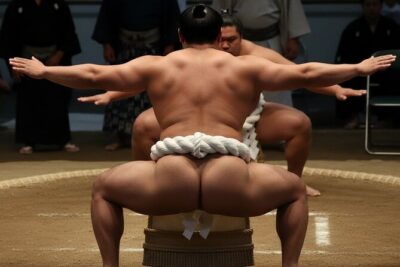
Tokyo Shinjuku Sumo Show & Experience with Photo
Read our review →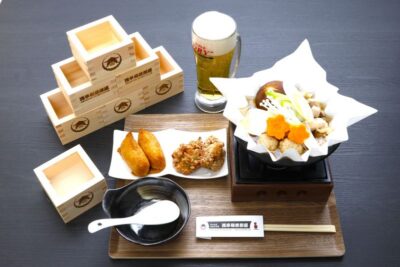
Asakusa Sumo Club Sumo Show Admission with Chankonabe in Tokyo
Read our review →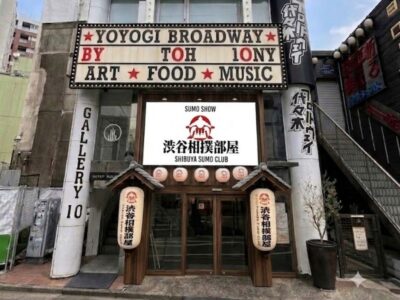
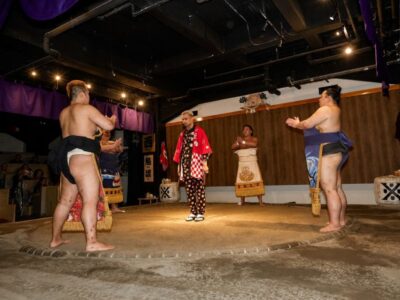
Tokyo Ginza Sumo Experience: Performance vs Pure Practice
Read our review →Browse the lists this tour appears in