
Reviewed · SUMO EXPERIENCES
Tokyo: Sumo Morning Practice Viewing Tour at a Real Stable
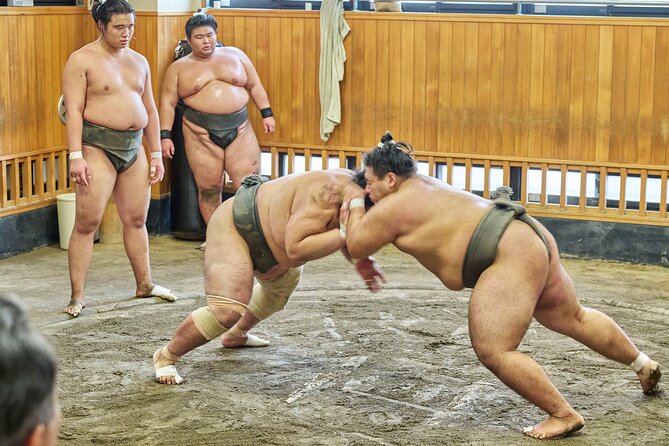
Sumo begins before the crowd arrives. This early Tokyo experience takes you into a real training stable, where you can watch wrestlers work through their morning practice rather than sit through a staged show. I especially like the close-up access and the guide’s help in explaining rules, rituals, and customs that are easy to miss on your own. The chance to take photos with sumo wrestlers adds another memorable touch.
The main consideration is the strict quiet required during training. You are there to observe, not chat, wander freely, or expect a performance. At about $118.92 per person, this is not a cheap two-hour activity, but the access to a working stable and the small window into a private sporting routine make it worthwhile for many people. Tomo and Mao have both received warm praise for their care, explanations, and help with questions.
In This Review
- Key points to know before booking
- Why a practice session beats a staged sumo show
- Starting at Kiyosumi-shirakawa at 8:30 am
- Inside the working sumo stable
- Learning the rules, rituals, and customs
- The photo opportunity with sumo wrestlers
- What the two-hour schedule means for your day
- Is $118.92 fair for this Tokyo experience?
- Who will enjoy this most?
- Booking, cancellation, and practical details
- Should you book the Tokyo sumo stable visit?
- FAQ
- Where does the sumo practice tour begin?
- What time does the activity start?
- How long does the tour last?
- Where does the tour end?
- Is this a real sumo stable?
- Can I take photos with sumo wrestlers?
- Do I need to know sumo rules before attending?
- Can I cancel for a full refund?
Key points to know before booking
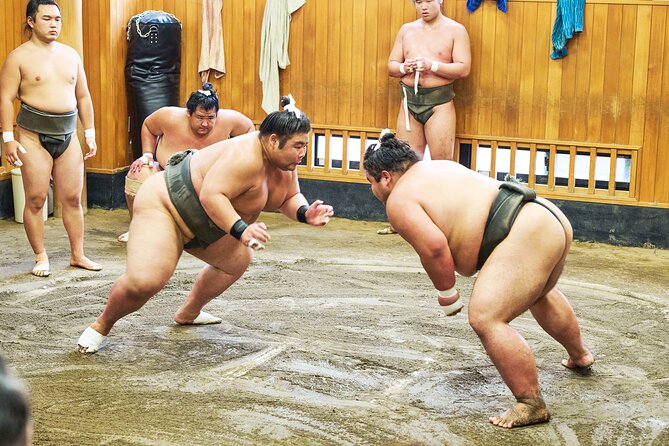
- Real morning practice: Watch wrestlers train inside an authentic working sumo stable, not a staged demonstration.
- About 1.5 hours of viewing: The practice itself lasts roughly 90 minutes, with the full activity taking about two hours.
- Silence matters: You must remain very quiet during training, so this suits people who enjoy watching closely.
- Guide support: A sumo guide explains the rules, rituals, and traditions, with some guides using WhatsApp for questions during practice.
- Photo opportunity: You may have the chance to take photos with sumo wrestlers after or around the experience.
- Easy starting point: Meet at Kiyosumi-shirakawa Station at 8:30 am, with the activity ending back at the meeting point.
Why a practice session beats a staged sumo show
A formal sumo tournament is thrilling, but it can make the sport look simpler than it is. You see the final bout, the dramatic entrance, and the quick clash. At practice, you see the work behind that moment: repetition, concentration, ritual, and physical effort.
This distinction matters. The experience is not built around entertainment in the usual tourist sense. There is no promise of a polished performance or a scripted contest for your benefit. You watch athletes train in a place where training normally takes place.
I like that honesty. If you want bright costumes, big announcements, and a tournament atmosphere, book a match instead. If you want to understand how wrestlers prepare and how a stable operates during a normal morning, this tour gives you something much harder to arrange on your own.
The close distance is another major benefit. You are not simply looking at a ring from far away. You get to see the wrestlers’ movements, the force of their practice, and the seriousness of the room. That physical presence helps explain why sumo is more than a novelty. It is a demanding sport shaped by strict tradition.
More Sumo Experiences in Tokyo
- Tokyo: Sumo Show Experience with Chicken Hot Pot and a Photo
★ 4.8 · 6,678 reviews - Tokyo: Sumo Live Show with Photo in Shinjuku
★ 5.0 · 3,438 reviews - Tokyo: Sumo Show and Dining Experience
★ 4.8 · 2,742 reviews
Starting at Kiyosumi-shirakawa at 8:30 am
The meeting point is outside Kiyosumi-shirakawa Station, at 1-chōme-6-13 Shirakawa, Koto City, Tokyo 135-0021. The start time is 8:30 am, so plan your Tokyo morning carefully. You do not want a rushed arrival, particularly if this is your first time finding the station.
Your guide meets you at the station and takes you to the stable. The meeting point is near public transportation, and the guide’s role is useful here because the stable is a working place, not a public attraction designed for casual drop-in visits.
Guide support begins before the practice starts. You can expect help getting organized, an explanation of what will happen, and an introduction to the basic rules and customs. This is important for first-time sumo watchers. Without context, the movements can seem repetitive or confusing. With a little explanation, you begin to recognize the purpose behind the actions.
The early hour is part of the appeal. You are seeing sumo as part of a working morning, not as an afternoon sightseeing stop. It also means this activity can fit neatly into a larger Tokyo day once it ends back at the station area.
Inside the working sumo stable
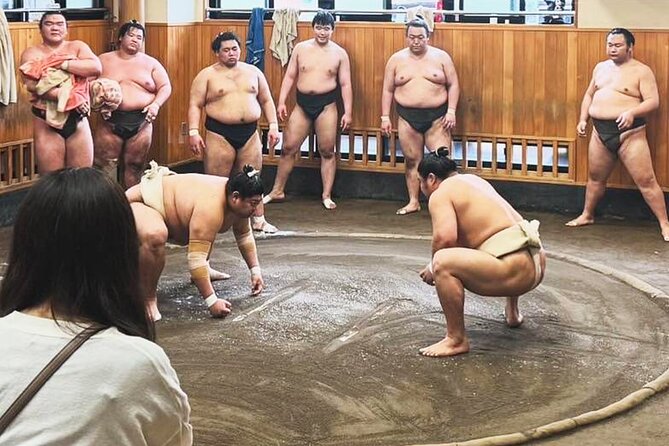
The central part of the experience is the morning training session. You watch at close range while the wrestlers carry out their normal practice. The listed viewing time is about one hour and 30 minutes, while the entire activity lasts approximately two hours.
That length feels sensible for this kind of visit. A shorter stop might leave you with only a quick glimpse. Much longer could be difficult because the room must remain quiet and the action can be physically intense to watch. Ninety minutes gives you time to settle in, notice patterns, and understand that sumo training is built on repetition.
Expect to be an observer. The training is not adjusted to suit the group, and the wrestlers are not there to explain their work. This is one of the experience’s strongest points, but also the main limitation. You need to respect the stable’s rules and let the practice unfold at its own pace.
The silence requirement deserves special attention. During training, you cannot simply ask questions whenever you like. One guide, Mao, used a WhatsApp group so participants could send questions while remaining quiet. That is a practical solution, especially if you want to understand what you are seeing without interrupting the room.
Still, you should be comfortable holding questions until the appropriate moment. Families with children can enjoy the experience, but children need to follow the quiet rule. One particularly positive account described energetic nephews staying silent throughout the session once the guide explained the expectation. That suggests the format can work well for families when the rule is made clear in advance.
Learning the rules, rituals, and customs
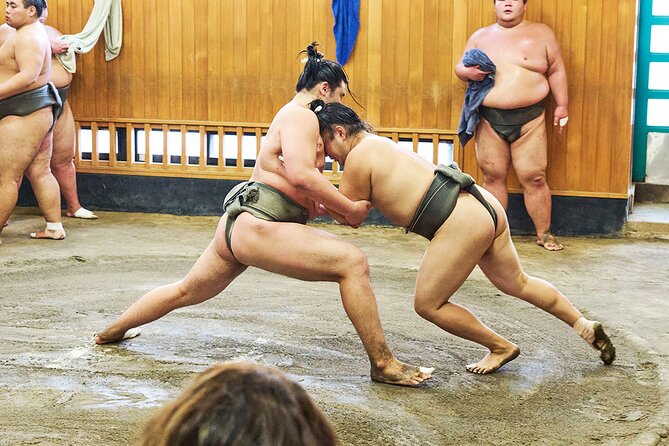
Sumo has many details that are easy to miss if you only watch a bout on television. The guide explains the rules and gives meaning to the rituals, helping you follow what is happening instead of seeing only two large athletes pushing and shoving.
You may learn how the training connects with competition, why certain movements are repeated, and how the stable’s traditions shape the wrestlers’ daily routine. The supplied details do not specify every lesson or ritual covered, so I would not book this expecting a formal lecture. Think of the explanations as helpful commentary that gives structure to what you are watching.
This is where the guide can make or break the experience. Tomo received praise for answering questions and offering useful suggestions for places to eat in Tokyo. Mao was praised for her clear information and for setting up a way to ask questions during the silent practice. Those details show the value of having a real person bridge the gap between the visitor and the stable.
The guidance also helps you show respect. A sumo stable is not a theater. You are entering a place where athletes train and where customs matter. Knowing when to stay quiet, where to look, and how to behave lets you enjoy the experience without treating it like a photo prop.
A completely different kind of day out:
- Tokyo Disney Resort – Tokyo Disneyland & Tokyo DisneySea Park Tickets
★ 4.8 · 99,488 reviews - SHIBUYA SKY Ticket
★ 4.7 · 46,509 reviews - JR Whole Japan Rail Pass
★ 4.8 · 29,150 reviews - Mt Fuji and Hakone 1-Day Bus Tour Return by Bullet Train
★ 5.0 · 26,383 reviews
The photo opportunity with sumo wrestlers
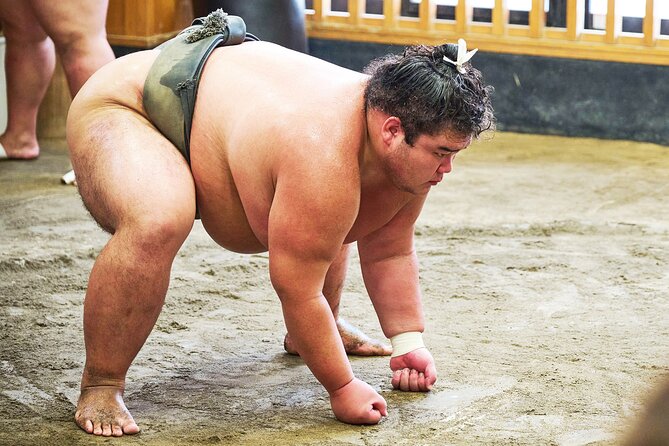
A chance to take photos with sumo wrestlers is included among the highlights. This can be a wonderful keepsake, especially if sumo is one of the reasons you came to Japan.
Keep your expectations sensible. The wording presents this as an opportunity, not a guaranteed private photo session with every wrestler. The most important part of the visit is watching practice, so treat the photo as an added benefit rather than the sole reason to book.
That distinction protects you from disappointment. The experience is valuable even if the training session becomes your main memory. The photo opportunity simply gives you a personal record of a morning that most people cannot arrange by themselves.
Have your phone ready, but do not let photography distract you from the practice. Since the room must remain quiet, follow the guide’s instructions about when photos are appropriate. Respect matters more than collecting a large number of pictures.
What the two-hour schedule means for your day
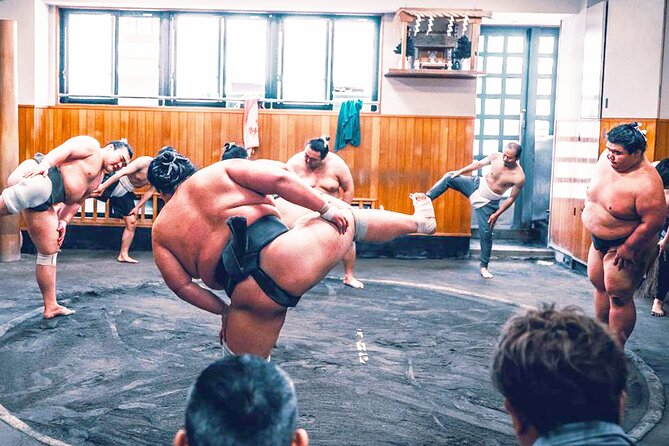
The activity starts at 8:30 am and ends back at the meeting point. The stable visit itself takes about 90 minutes, with the remaining time used for meeting, walking, introductions, and guidance.
This timing works well if you want to make the most of a Tokyo day. You can begin with sumo, then continue sightseeing after returning to Kiyosumi-shirakawa. The experience is also short enough to suit people who do not want to commit to a full-day tour.
The early start is the trade-off. If you are adjusting to a new time zone or staying far from Koto City, reaching the station by 8:30 am may require planning. The tour does not offer a late-morning alternative in the information provided.
Give yourself enough time to reach the meeting point. Kiyosumi-shirakawa Station is the clear starting place, and the guide will help from there, but arriving at the last second creates needless stress. A mobile ticket and booking confirmation make the process straightforward once you have reached the correct location.
The group can include up to 50 people. That is a fairly large possible maximum for an intimate activity, and the actual feel may depend on the day’s attendance and how the stable handles the group. The close viewing experience remains the main draw, but do not assume you will receive one-on-one attention throughout.
Is $118.92 fair for this Tokyo experience?
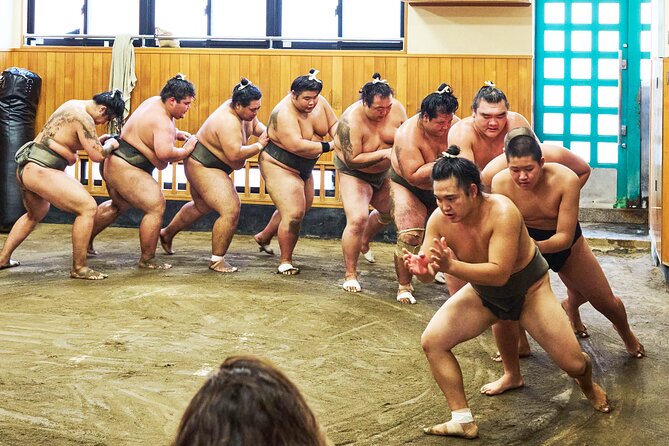
At $118.92 per person, this tour costs more than a standard sightseeing walk or a museum visit. The price pays for access that is difficult to secure independently, along with a guide who explains the setting and helps the visit run respectfully.
I see the value in three parts. First, you enter a real training stable instead of watching a staged display. Second, you receive context about rules and traditions. Third, you get a rare view of the athletes at work, potentially followed by a photo opportunity.
The price is harder to justify if you only want to see sumo once, take quick pictures, and move on. A tournament ticket may offer more spectacle, while a museum or public sumo display may cost less. This tour is aimed at curiosity, not bargain hunting.
The strong five-star record and 100 percent recommendation rate support the idea that the experience delivers what it promises. I would still judge the cost against your interests. If sumo is high on your Tokyo list, $118.92 can be a reasonable fee for access and interpretation. If you are only mildly curious, the cost may feel steep for a quiet viewing session.
Who will enjoy this most?
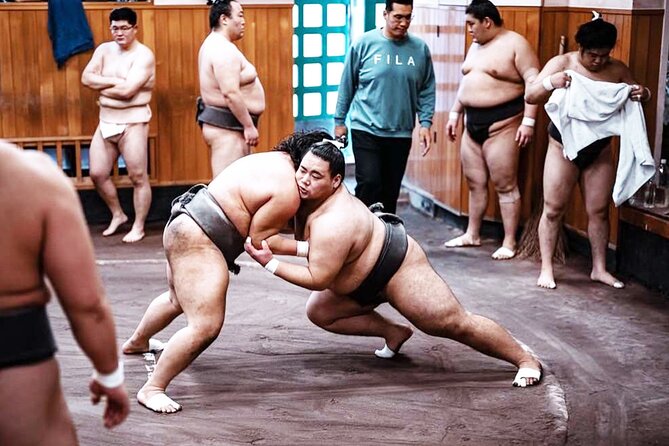
I would recommend this experience to people who want a genuine look at Japanese sporting culture. It suits first-time sumo watchers because the guide explains the basic rules and rituals without requiring you to research beforehand.
It also works well for:
- Couples looking for an unusual Tokyo morning
- Families whose children can follow a strict quiet rule
- Sports fans interested in training rather than only competition
- Photographers who value a rare personal encounter
- Visitors who prefer local settings to staged attractions
- Anyone who wants a short activity that leaves the rest of the day free
You may want to skip it if you need constant conversation, dislike early starts, or expect an interactive show. The training belongs to the wrestlers, not the audience. Your role is to watch carefully and behave respectfully.
People who want a full explanation of every part of sumo may also need more than this two-hour visit. The guide provides useful context, but this is still primarily a viewing experience.
Booking, cancellation, and practical details
Confirmation is received at the time of booking, and the ticket is mobile, so you do not need to manage a printed voucher. Most people can participate, and the meeting point is near public transportation.
Free cancellation is available if you cancel at least 24 hours before the experience start time. Cancellations made less than 24 hours before the 8:30 am start do not receive a refund, and changes inside that window are not accepted. The cut-off uses Tokyo local time.
The maximum group size is listed as 50 people. Because the activity depends on quiet observation inside a working stable, follow all instructions from the guide. Bring your curiosity, keep your phone under control during practice, and remember that the stable is not a normal sightseeing venue.
Should you book the Tokyo sumo stable visit?
Book it if you want to see sumo as work, not just spectacle. The real stable setting, close viewing distance, guide commentary, and possible photo with wrestlers give you a much fuller sense of the sport than a quick tourist display.
I would be especially comfortable recommending it to a first-time visitor who wants clear explanations and a short, focused morning activity. Tomo and Mao have shown the kind of personal care that helps, from answering questions to helping with Tokyo food suggestions and arranging silent questions through WhatsApp.
Skip it if your ideal sumo experience requires loud competition, flexible movement, or guaranteed wrestler interaction. At $118.92, you should care about the behind-the-scenes access. For the right person, this is one of Tokyo’s more memorable ways to understand a living tradition.
FAQ
Where does the sumo practice tour begin?
The tour begins at Kiyosumi-shirakawa Station, at 1-chōme-6-13 Shirakawa, Koto City, Tokyo 135-0021, Japan.
What time does the activity start?
The meeting time is 8:30 am.
How long does the tour last?
The full experience lasts approximately two hours. The morning practice viewing itself takes about one hour and 30 minutes.
Where does the tour end?
The activity ends back at the meeting point near Kiyosumi-shirakawa Station.
Is this a real sumo stable?
Yes. The experience provides access to an authentic working sumo training stable and includes observation of a real morning practice session.
Can I take photos with sumo wrestlers?
There is an opportunity to take photos with sumo wrestlers. The information provided does not state that a photo with every wrestler is guaranteed.
Do I need to know sumo rules before attending?
No. The guide explains sumo rules, rituals, and traditions during the experience.
Can I cancel for a full refund?
Yes, if you cancel at least 24 hours before the experience start time. Cancellations or changes made less than 24 hours before the start are not accepted for a refund.
Just added in Tokyo
- Very popular in Harajuku♡Animal petting zoo★ 4.6 · 39 reviews
- Yokohama Port: Private Customizable Tour with Transfer★ 5.0 · 19 reviews
- Wagyu & Sake 8 Course Tasting Dinner in Shinjuku★ 4.9 · 20 reviews
- Warner Bros. Studio Tour Tokyo – The Making of Harry Potter★ 4.8 · 181 reviews
- Yanaka District: Historical Walking Tour in Tokyo’s Old Town★ 4.8 · 117 reviews
- Tokyo: Classic Tsukiji Food Tour★ 4.9 · 78 reviews
- Tokyo: Tsukiji Fish Market Tour with 6 Stops & Seafood Lunch★ 4.5 · 165 reviews
- Tokyo Wagyu & Sake Pairing Tasting Experience with Local Flavors★ 5.0 · 108 reviews
Sumo Experiences, compared.
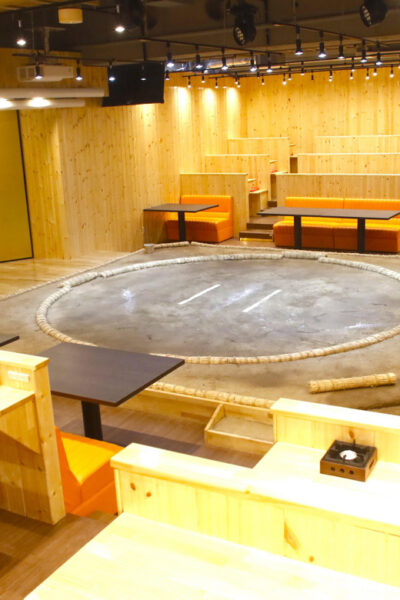
Sumo Show Experience with Chicken Hot Pot and a Photo
Read our review →
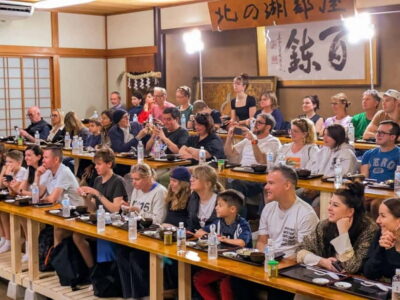
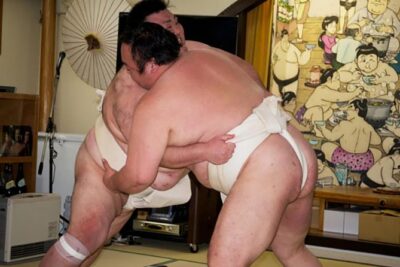
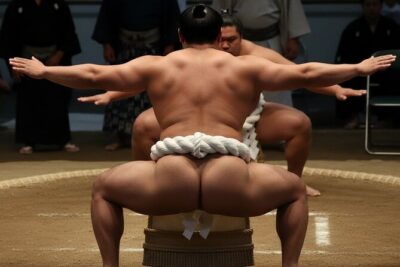
Tokyo Shinjuku Sumo Show & Experience with Photo
Read our review →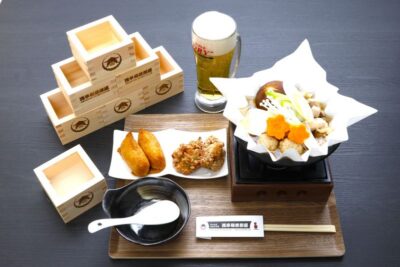
Asakusa Sumo Club Sumo Show Admission with Chankonabe in Tokyo
Read our review →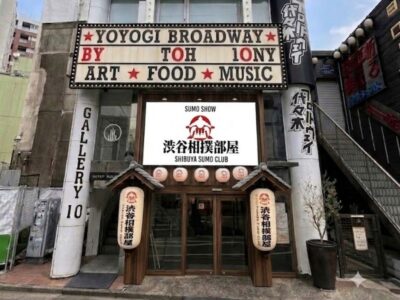
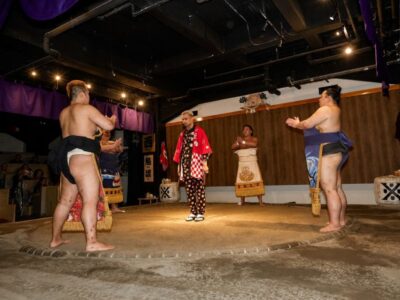
Tokyo Ginza Sumo Experience: Performance vs Pure Practice
Read our review →Browse the lists this tour appears in