
Reviewed · SUMO EXPERIENCES
Tokyo: Sumo Morning Practice with Photo Banzuke and Guide
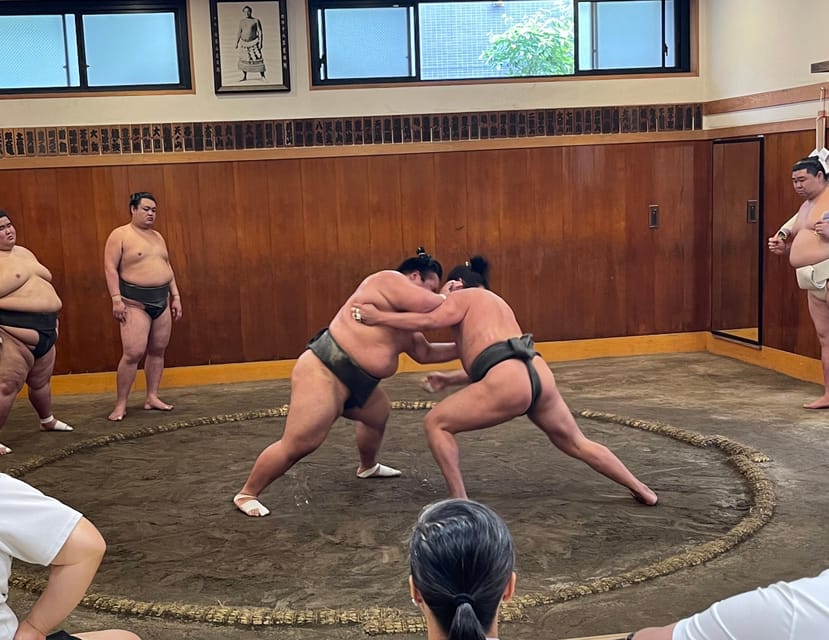
Sumo is Japan up close. This small-group morning tour takes you into a working sumo stable, where you can watch wrestlers train just a short ride from central Tokyo. I like the genuine practice setting, rather than a staged show, and the chance to see wrestlers of all sizes prepare in a sport with no weight classes. I also like the English presentation afterward, which turns a powerful but unfamiliar ritual into something you can understand.
The main caution is time. The experience is advertised as seven hours, and one visitor found it longer than expected, especially on a sunny day when Tokyo had plenty more to offer. Late arrivals can also delay the group, so arrive early at Exit B1 of Kiyosumi-Shirakawa Station, near FamilyMart.
In This Review
- What makes this sumo morning special
- Starting at Kiyosumi-Shirakawa Station
- The short introduction before practice
- Two and a half hours beside the dohyo
- Understanding sumo beyond the action
- The photo stop and the walk back
- Is $115 a fair price?
- Who will enjoy this most?
- Practical advice before you book
- Should you book this Tokyo sumo experience?
- FAQ
- Where does the sumo tour meet?
- How long does the experience last?
- How long is the sumo practice viewing?
- Do I sit during the practice?
- Is the tour conducted in English?
- How many people are in the group?
- Can children join the tour?
- Is the activity wheelchair accessible?
- What should I bring?
What makes this sumo morning special
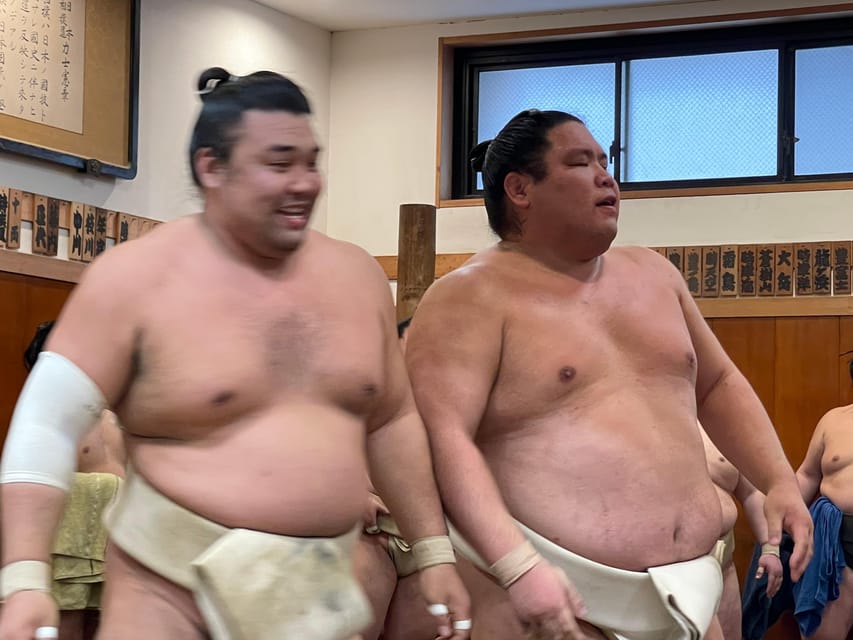
- You watch real morning training inside a traditional sumo stable, not a staged demonstration.
- The wrestlers practice at close range, giving you a clear view of their footwork, strength, balance, and ritual.
- The sport has no weight classes, so every bout shows a striking contest between different body types and techniques.
- A local English-speaking guide explains the basics, including the customs and structure behind what you see.
- The group is limited to nine people, which helps keep the setting quiet and personal.
- You sit in chairs, an important comfort detail during a long practice session.
Starting at Kiyosumi-Shirakawa Station
The meeting point is Exit B1 of Kiyosumi-Shirakawa Station, beside a FamilyMart convenience store. The location is easy to reach by train or taxi, but the instructions depend on you finding the correct station exit. One useful tip is to wait directly outside the FamilyMart area rather than simply somewhere near the station.
The tour operator places real importance on punctuality. That makes sense here. A sumo stable is a working place, and the group must enter and settle without interrupting the practice. If you are running late, contact the tour staff at once, but do not count on the group waiting for long. This is a shared tour, not a private appointment.
Kiyosumi-Shirakawa is about 14 minutes from Otemachi or Tokyo Station, according to the tour information. That makes this a practical choice if you are staying near central Tokyo. You do not need to build your whole day around a distant suburb, though you should leave extra time to find the exit.
The group size is capped at nine people. That is small enough for the guide to answer questions and keep the meeting organized. It also suits the setting. A sumo stable is not a theater built for crowds, so a compact group is less intrusive and easier to manage.
More Sumo Experiences in Tokyo
- Tokyo: Sumo Show Experience with Chicken Hot Pot and a Photo
★ 4.8 · 6,678 reviews - Tokyo: Sumo Live Show with Photo in Shinjuku
★ 5.0 · 3,438 reviews - Tokyo: Sumo Show and Dining Experience
★ 4.8 · 2,742 reviews
The short introduction before practice
The first guided portion lasts about 15 minutes. Use it to get oriented, understand the ground rules, and learn how the morning will work. The information provided does not give a full list of stable etiquette, so listen carefully to the guide before entering.
This short introduction matters because sumo practice is not a tourist performance. The wrestlers are training for future bouts, and the group is there to observe. You should expect a respectful, quiet atmosphere rather than a chance to chat with the wrestlers or move around freely.
That distinction is one of the tour’s strengths. The appeal comes from seeing a working tradition in its normal setting. You are not being handed a costume or asked to join a staged match. Instead, you watch athletes repeat movements, prepare their bodies, and test one another under the stable’s regular routine.
Two and a half hours beside the dohyo
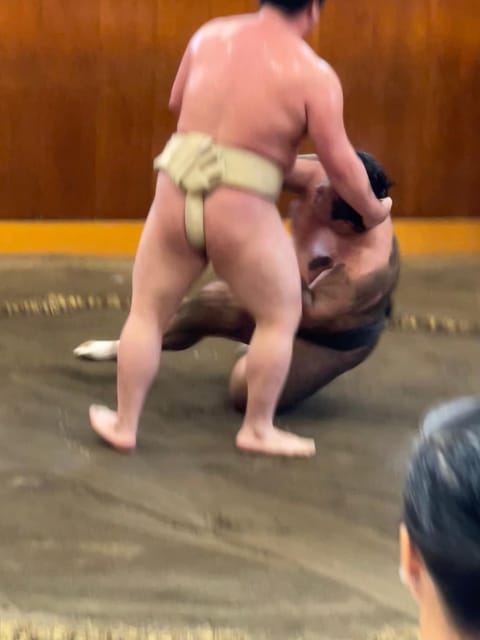
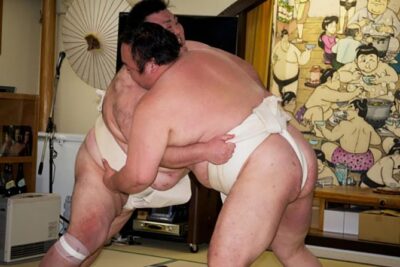
The central part of the experience lasts roughly two and a half hours. You sit in chairs and watch the wrestlers train. For many people, this will be the most memorable part of the morning because you can see the physical force of sumo without the noise and ceremony of a tournament arena.
Sumo is often reduced to two huge men pushing each other out of a ring. Practice shows more than that. You can watch wrestlers work on their moves, compete in training bouts, and prepare for their next major match. Their size is striking, but so are the speed, balance, timing, and control required to stay upright.
The lack of weight classes adds another layer. A smaller wrestler may face a much larger opponent, and the match is not decided by body size alone. You will see why technique and positioning matter so much when the wrestlers clash.
The experience gives you a glimpse into the discipline behind public tournaments. Official sumo tournaments take place only 90 days of the year, so most visitors to Japan do not have an easy chance to see the sport in a live arena. A morning stable visit offers a different kind of access. You see preparation rather than a formal tournament program.
Still, two and a half hours is a long time to sit and watch one activity. If you are new to sumo, the action may feel repetitive until the guide explains what to look for. The session also forms part of a much longer day, so this tour works best when you have a strong interest in the sport or in Japanese customs.
The chairs are a welcome detail. You are not expected to crouch on the floor for the full practice. Wear comfortable shoes, as the tour includes walking before and after the stable visit, but the main viewing period is designed with seated observation in mind.
Understanding sumo beyond the action
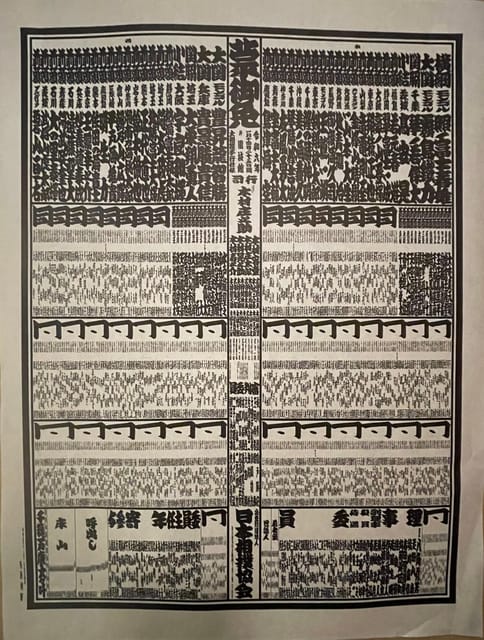
After the practice, the local guide gives a short presentation on the basics of sumo. This is where the tour earns its keep for first-time viewers. Without explanation, a practice session can be impressive but hard to read. The presentation helps you connect the movements with the sport’s rules and customs.
The guide also discusses the traditions and background of sumo. The tour information does not promise an advanced lecture, so think of this as a useful introduction rather than a specialist seminar. You should come away with enough context to recognize what you watched and to follow a future tournament more easily.
The English-speaking guides receive strong praise for being friendly and clear. One guide was described as especially good at explaining the activity and very kind. Another was praised for a friendly approach and a strong grasp of the subject. The guide is a key part of the experience because the stable itself is quiet and formal, leaving little room for casual questions during practice.
I would pay attention to the presentation even if you mainly booked the tour for photographs. The sight of enormous wrestlers training is easy to remember, but the explanations give the morning lasting value. You are not just collecting a striking image. You are learning why the practice matters.
A completely different kind of day out:
- Tokyo Disney Resort – Tokyo Disneyland & Tokyo DisneySea Park Tickets
★ 4.8 · 99,488 reviews - SHIBUYA SKY Ticket
★ 4.7 · 46,509 reviews - JR Whole Japan Rail Pass
★ 4.8 · 29,150 reviews - Mt Fuji and Hakone 1-Day Bus Tour Return by Bullet Train
★ 5.0 · 26,383 reviews
The photo stop and the walk back
The itinerary includes a photo stop of about 15 minutes after the main practice and presentation. The tour title refers to a photo banzuke, but the supplied details do not explain exactly how this part is arranged. Treat it as a short opportunity for photographs rather than expecting a separate long attraction.
The photo stop may be useful for recording the morning while the experience is still fresh. Bring a camera, as recommended. At the same time, be mindful of the setting. This is a working sumo environment, so follow the guide’s instructions about where and when photography is appropriate.
The walking portions are listed as about 10 minutes each. They appear to connect the stable visit, photo stop, and return to Kiyosumi-Shirakawa Station. Comfortable shoes are a sensible choice, especially if you plan to continue sightseeing afterward.
The complete activity is listed as seven hours, yet the clearly timed segments add up to much less than that. The extra time may include meeting, transport, waiting, the full practice schedule, the presentation, and walking. You should not book this assuming a tightly packed two-and-a-half-hour excursion. Plan for the full block.
One visitor felt the day took too long and left early to make better use of a sunny afternoon. That is fair advice. If you have timed museum tickets, a restaurant reservation, or a major Tokyo attraction later in the day, leave plenty of space. If you know in advance that you cannot stay for the whole program, tell the guide rather than slipping away without notice.
Is $115 a fair price?
At $115 per person, this is not a budget activity. You are paying for access to a stable that accepts only selected visitors, a small group of no more than nine, an English-speaking guide, and the chance to watch a real practice session rather than a public demonstration.
The value depends on your priorities. If you simply want to see what sumo looks like, a tournament ticket or a short public performance may suit you better when available. But tournament schedules cover only part of the year, and seats may be difficult to arrange. This tour fills a different need by offering access to morning training.
The price also buys interpretation. The practice itself may be silent and difficult to follow, especially for someone unfamiliar with sumo. The guide’s presentation gives structure to the morning and helps explain what your eyes are seeing.
The small group is another reason the price can make sense. Nine people is far more manageable than a large bus tour. You can hear the guide, move as a group, and avoid adding a large crowd to a place built around daily training.
Free cancellation up to 24 hours before the start and the option to reserve now and pay later reduce some booking risk. The tour is also listed as wheelchair accessible, though the details do not explain the exact arrangements inside the stable or during the walking sections. If you need specific assistance, confirm the setup before booking.
Who will enjoy this most?
I would recommend this tour to anyone with a serious interest in sumo, Japanese sport, or traditional training practices. It is also a good choice if you have visited Tokyo before and want an experience that goes beyond the usual major sights.
First-time sumo viewers can enjoy it too, especially if you value explanation. The guide helps you make sense of the action, and the close setting gives you a much clearer view than a distant arena seat.
The tour is less suitable for children under nine, who are not permitted. It may also be a poor fit for anyone with a packed sightseeing plan. Seven hours is a meaningful portion of a Tokyo day, and the long practice can feel slow if you are only mildly curious.
Photography-focused visitors should keep their expectations measured. You can bring a camera and there is a photo stop, but the main purpose is observation. The setting is not designed as a free-moving photo shoot.
Practical advice before you book
Arrive early at Exit B1. Look for the FamilyMart and confirm that you are at the correct exit. The precise meeting point matters, and clearer directions would help some visitors, so allow time to get your bearings.
Wear comfortable shoes and bring a camera. You will walk for short stretches, and the chairs make the long practice easier on your legs. Dress in a way that allows you to sit quietly for an extended period.
Keep the entire seven-hour window open. Do not pair this with a tight afternoon schedule, even though the stable is close to central Tokyo. Delays from late arrivals can affect the group, and the morning may run at the pace of the stable rather than the pace of a standard sightseeing tour.
Finally, treat the practice with respect. The wrestlers are training, not performing on request. The best experience comes from sitting quietly, watching carefully, and letting the guide explain the parts that are not immediately obvious.
Should you book this Tokyo sumo experience?
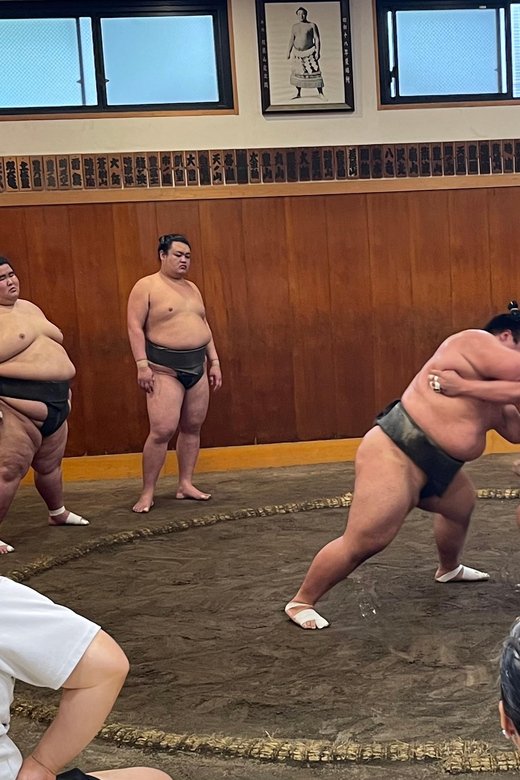
Book it if you want a close, serious look at sumo and can spare most of a day. The combination of a traditional stable, seated practice viewing, a small group, and a helpful English guide gives you far more context than a quick photo stop outside a tournament venue.
Skip it if your schedule is tight or your interest in sumo is only casual. The seven-hour commitment and long practice period may test your patience. For the right person, though, this is a rare chance to see the sport before the bright lights and formal tournament ceremony take over.
FAQ
Where does the sumo tour meet?
The meeting point is at Exit B1 of Kiyosumi-Shirakawa Station, near a FamilyMart convenience store.
How long does the experience last?
The activity is listed as seven hours. The schedule includes guided portions, about two and a half hours of practice viewing, a photo stop, walking sections, and the return to Kiyosumi-Shirakawa Station.
How long is the sumo practice viewing?
The main guided practice portion lasts about two and a half hours.
Do I sit during the practice?
Yes. The experience specifies that you sit in chairs while watching the wrestlers train.
Is the tour conducted in English?
Yes. An English-speaking live guide leads the experience and gives a presentation about the basics and traditions of sumo.
How many people are in the group?
The group is limited to nine participants.
Can children join the tour?
Children under nine are not permitted to participate.
Is the activity wheelchair accessible?
The tour is listed as wheelchair accessible. The supplied information does not explain the exact arrangements at the stable, so contact the provider if you need specific assistance.
What should I bring?
Bring comfortable shoes and a camera. You should also arrive early because the group may not be able to wait for late arrivals.
Just added in Tokyo
- Tokyo Cute Bento Cooking Class – Make a Kawaii Character Lunchbox★ 5.0 · 126 reviews
- Japanese Home Cooking Class & Walk in Todoroki Temple Tokyo★ 5.0 · 88 reviews
- A One-of-a-Kind Sushi Experience in a Special Place of Japan★ 5.0 · 15 reviews
- Japan Tokyo Tower Observatory Deck E-Ticket★ 4.0 · 34 reviews
- Catch a Baseball Game in Tokyo with a Local – Tickets Included★ 5.0 · 24 reviews
- JDM Experience with Fast&Furious RX-7 (English speaking Driver)★ 5.0 · 57 reviews
- Tokyo Private Day Tour by Car with English speaking Driver Guide★ 4.0 · 29 reviews
- Japan Classic 10 Day – One Life Adventures★ 5.0 · 129 reviews
Sumo Experiences, compared.
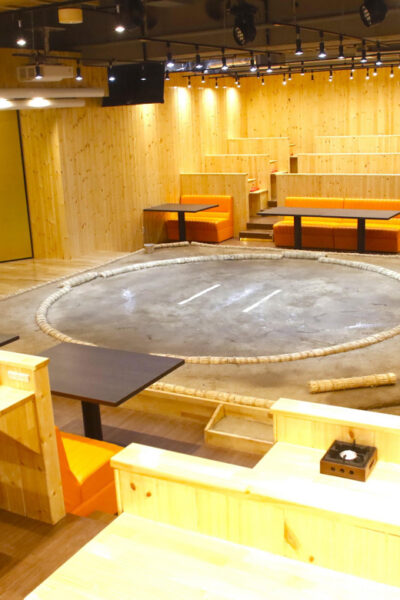
Sumo Show Experience with Chicken Hot Pot and a Photo
Read our review →
Tokyo Shinjuku Sumo Show & Experience with Photo
Read our review →
Asakusa Sumo Club Sumo Show Admission with Chankonabe in Tokyo
Read our review →
Tokyo Ginza Sumo Experience: Performance vs Pure Practice
Read our review →Browse the lists this tour appears in