
Reviewed · SUMO EXPERIENCES
Tokyo: Sumo Tournament with Guide & Assigned Reserved Seat
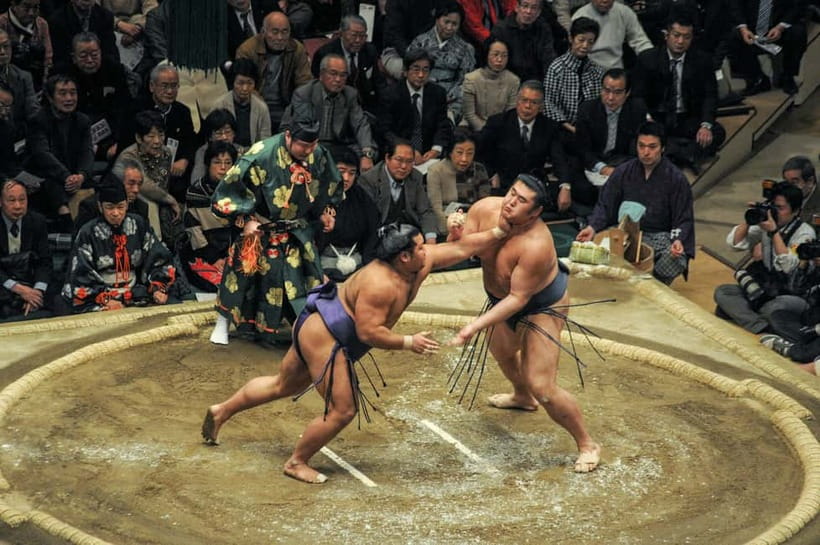
Sumo makes ancient ritual feel thrilling. This Tokyo experience gives you a reserved second-floor seat at Ryogoku Kokugikan, plus an English-speaking guide who explains the rules, rankings, ceremonies, and techniques as the tournament unfolds. I especially like the expert commentary and the chance to see sumo in its proper setting, rather than at a staged cultural show. I also like that a guaranteed ticket solves one of Tokyo’s most frustrating booking problems.
The catch is the high price. At $209 per person, this is far more than the face value of a standard B or C class ticket. The guide can add real value, but you should book only if guaranteed access and clear explanations matter more to you than getting the lowest possible price.
In This Review
- Key points at a glance
- Why a live sumo tournament is different
- Meeting near the sumo district
- The 30-minute introduction at Ryogoku Kokugikan
- Inside the arena for four hours
- Learning the ranking system and rituals
- The value of the reserved ticket
- What the group format feels like
- Food, drinks, comfort, and access
- Who will get the most from this tour?
- Is the $209 price fair?
- Should you book the Tokyo sumo tournament?
- FAQ
- How long does the sumo tournament experience last?
- Where does the experience start?
- Is the sumo tournament held at Ryogoku Kokugikan?
- What type of seat is included?
- Are seats guaranteed to be together?
- Is an English-speaking guide included?
- Are food and drinks included?
- Can I cancel the activity for a refund?
Key points at a glance
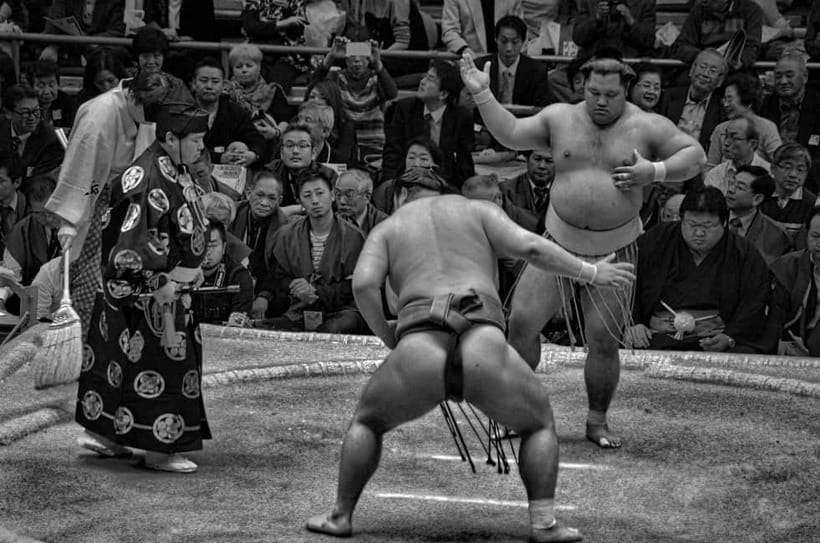
- Ryogoku Kokugikan setting: Watch an official tournament inside Tokyo’s legendary sumo venue.
- Reserved second-floor seating: Your ticket is in B or C class, with the exact seat assigned rather than chosen.
- English-speaking sumo guide: Guides such as George, Lily, Cesar, Erik, and Miki have earned praise for explaining the sport clearly.
- Four to five hours at the venue: The experience includes a short guided introduction followed by several hours inside the arena.
- Helpful cultural context: You learn about rituals, rankings, promotion, techniques, and the meaning behind what happens in the ring.
- A serious price decision: The tour is useful for first-time spectators, but the mark-up over the basic ticket can be substantial.
Why a live sumo tournament is different
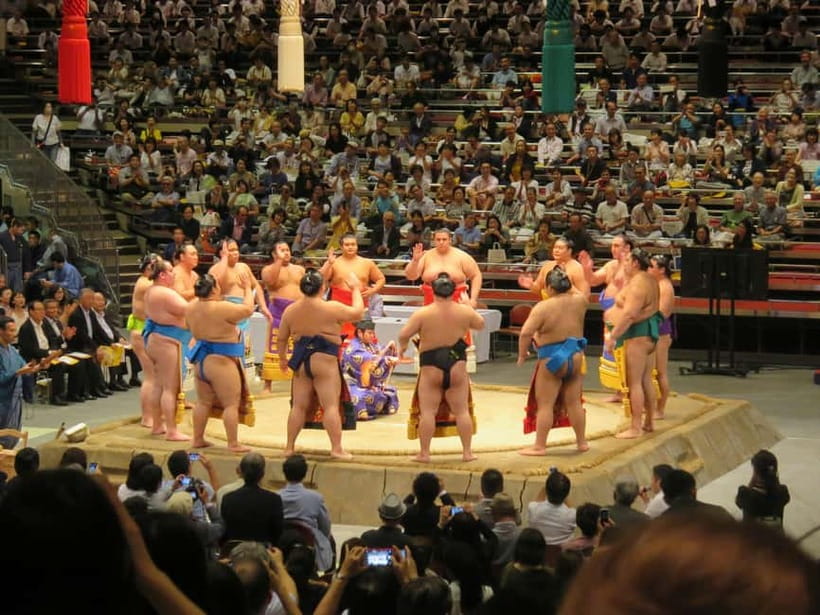
Sumo is easy to misunderstand if you see only a few seconds of it online. Two wrestlers enter the ring, perform a series of movements, and then the match may be over almost instantly. Without context, the ritual can seem long and the action surprisingly brief.
Inside the arena, those pauses begin to make sense. The salt throwing, foot stamping, crouching, staring, and repeated preparation are not filler. They are part of the formal structure of the sport. Sumo combines competition with ceremony, and the ceremony is one reason the live event feels so distinct from an ordinary sporting match.
A guide helps you read the room. You can learn why a wrestler performs a particular gesture, how rankings affect matchups, and what separates a simple push from a more technical winning move. You also gain a better sense of the wrestlers’ place within a strict professional system.
This matters most if you are new to sumo. A fan who already follows the rankings and knows the major wrestlers may need less help. For a first visit, though, the explanation can turn a puzzling afternoon into a memorable one.
More Sumo Experiences in Tokyo
- Tokyo: Sumo Show Experience with Chicken Hot Pot and a Photo
★ 4.8 · 6,678 reviews - Tokyo: Sumo Live Show with Photo in Shinjuku
★ 5.0 · 3,438 reviews - Tokyo: Sumo Show and Dining Experience
★ 4.8 · 2,742 reviews
Meeting near the sumo district
The experience has two possible starting-location options, so you need to check the exact meeting point attached to your booking. The supplied details identify the Matsuura-Bungo Mansion Site, while several participants describe meeting near a temple in the Ryogoku sumo district.
That area is a fitting place to begin. Ryogoku is closely tied to sumo, and starting nearby gives the guide a chance to set the scene before you enter the arena. The walk to Ryogoku Kokugikan is short according to the tour details and can include nearby points of interest.
Some departures have included a visit to Ekoin Temple and a garden near the stadium. These stops are not the main event, but they can help you understand the neighborhood and its connection to sumo. I would treat them as a bonus rather than a reason to book.
The opening talk may take place outdoors. One person found the street noise made it hard to hear, especially during the explanation. If you have trouble hearing in crowded places, stay close to the guide and ask questions before entering the stadium, when there may be fewer distractions.
The 30-minute introduction at Ryogoku Kokugikan
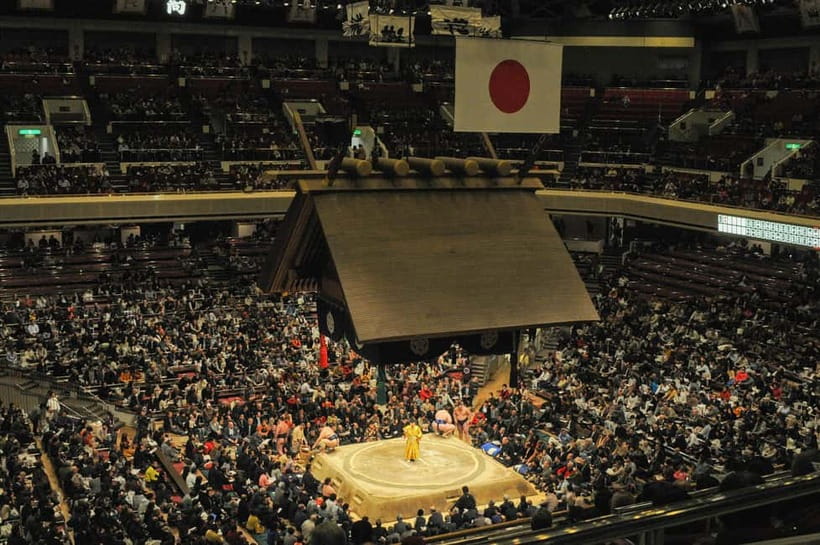
The formal guided portion at Ryogoku Kokugikan lasts about 30 minutes. This is where the guide explains the basic structure of the tournament and prepares you for the action.
Expect information on:
- Sumo rules and legal ways to win
- The ranking system and how wrestlers move up
- Rituals performed before a bout
- The significance of the ring and ceremonial movements
- Common techniques and how they differ
- The cultural role of sumo in Japan
The quality of this section depends partly on your guide. George, also referred to as Jorge in some feedback, is repeatedly praised for his humor, clear explanations, and strong grasp of the sport. Lily is praised for her energy, kindness, and good English. Cesar receives similar praise for answering questions and explaining wrestlers, traditions, and tournament details.
Guide assignments change, so you cannot count on a particular person. That said, the pattern is encouraging. Names including Erik, Miki, Francesco, and Mili also receive positive comments for friendliness and clear explanations.
I would like a little more emphasis on match techniques in the introduction. One participant felt the tour spent too much time on buildings and not enough on the rules, fighting methods, and meaning of the rituals. If technique is your main interest, ask direct questions early.
Inside the arena for four hours
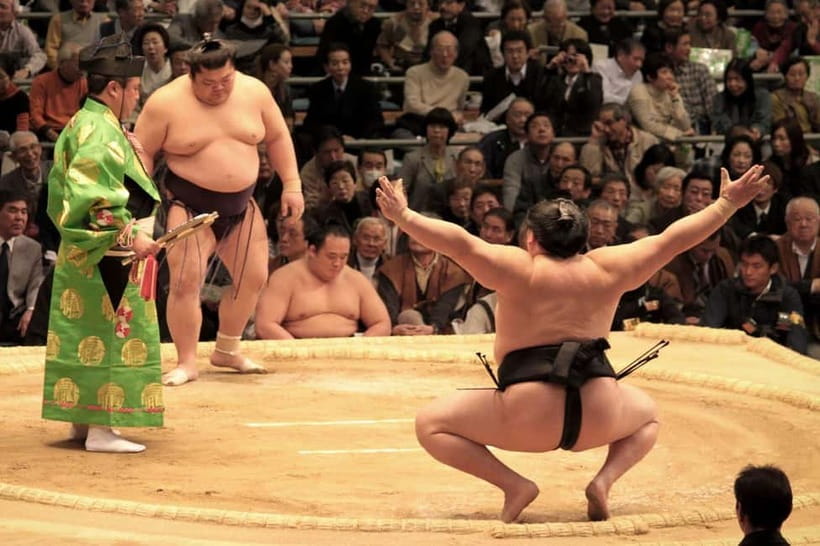
After the introduction, you spend about four hours visiting the stadium and watching the tournament. That is a substantial stretch of time, but sumo is not arranged like a short theater performance. The event unfolds over many bouts, with changing energy as higher-ranked wrestlers appear.
Your B or C class seat is on the second floor. The exact seat is assigned, and you do not select a specific place from a seat map. The location is described as good by several participants, with a clear view of the bouts and enough distance to take in the arena atmosphere.
The trade-off is control. If you book with a family or partner, the seats may not be together. One participant specifically noted that seating was random and split up, although the guide tried to speak with different sections of the group during the event.
You should also understand what the guide can and cannot do during the matches. A guide may circulate, answer questions, and explain what is happening, but a large group makes constant commentary difficult. One person found the group size sometimes made it hard to hear.
This is still a useful arrangement for first-time spectators. You get the security of an assigned ticket and the chance to ask questions, while retaining plenty of time to watch the bouts on your own. If you prefer total quiet and uninterrupted concentration, the group format may feel less ideal.
A completely different kind of day out:
- Tokyo Disney Resort – Tokyo Disneyland & Tokyo DisneySea Park Tickets
★ 4.8 · 99,488 reviews - SHIBUYA SKY Ticket
★ 4.7 · 46,509 reviews - JR Whole Japan Rail Pass
★ 4.8 · 29,150 reviews - Mt Fuji and Hakone 1-Day Bus Tour Return by Bullet Train
★ 5.0 · 26,383 reviews
Learning the ranking system and rituals
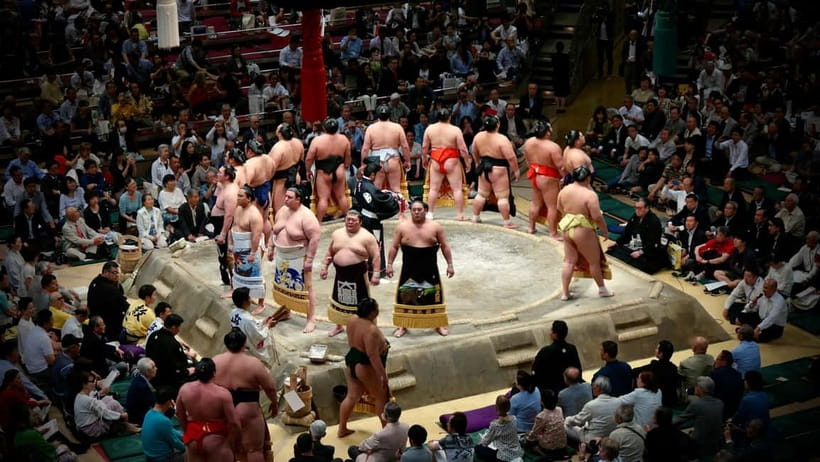
For me, the ranking system is one of the strongest reasons to choose this experience. Sumo is organized around a formal hierarchy, and a wrestler’s rank affects status, matchups, and future opportunities. If you do not understand that structure, the importance of a bout can be easy to miss.
The pre-match rituals also reward explanation. Sumo asks you to pay attention to gestures, timing, posture, and repeated actions. The formal pace contrasts sharply with the speed of the actual fight. Once you know what to watch, the buildup becomes part of the drama.
A guide can also point out names and rivalries as the tournament progresses. Several people valued guides who could identify wrestlers and explain what was happening beyond the basic win or loss. That kind of running context is especially helpful if this is your first grand tournament.
Still, the amount of detail may vary. Some guides focus more on history and cultural background, while others answer technical questions in depth. I recommend arriving with two or three questions ready, such as how promotion works, how a bout is won, or why a specific ritual is performed.
The value of the reserved ticket
The reserved seat is the practical heart of this experience. Official sumo tickets can be difficult to secure, particularly for visitors planning from overseas. Several people say that obtaining a guaranteed seat was the main reason they accepted the higher price.
That convenience has a real value. You do not have to gamble on finding a ticket at the last moment, and you can build your Tokyo schedule around a confirmed tournament date. The booking process is described as simple, with clear tournament dates, quick confirmation, and assigned seat information shortly after purchase.
But the cost deserves an honest look. At $209, you are paying a large premium over the ticket itself. Comments put a basic B or C class seat at roughly ¥5,000 to ¥6,000, or about $30 to $40 depending on exchange rates. Prices can change, but the gap remains the central issue.
The premium pays for more than a chair. It covers access during a difficult-to-book event, tour organization, and the guide. The guide can be worth a lot if sumo is unfamiliar to you. The price is harder to defend if you already understand the sport or are comfortable trying to buy directly.
My advice is simple: book early if you want to reduce the chance of paying even more elsewhere, and compare the date and seat category carefully before paying. You should see this as a convenience and interpretation package, not as a normal-priced sumo ticket.
What the group format feels like
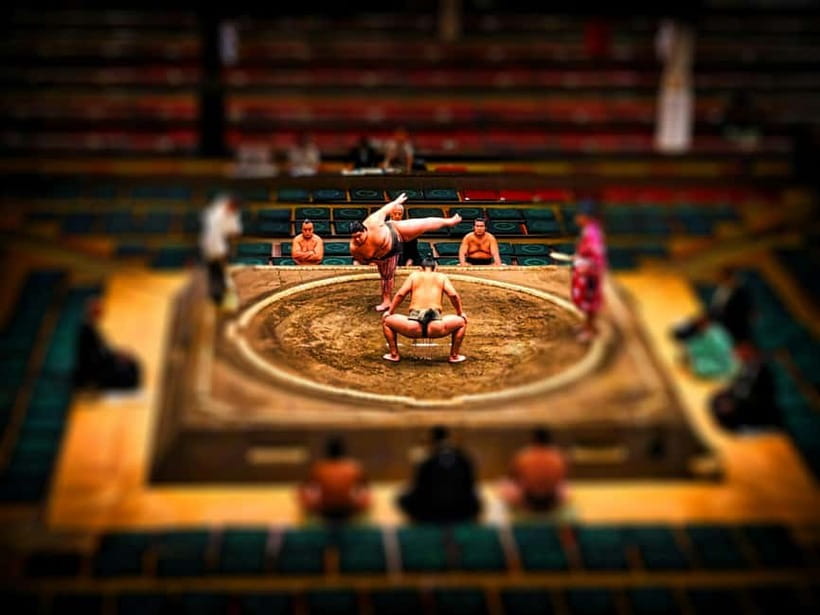
This is a guided group experience rather than a private tour. The group can be large enough that the guide cannot stand beside every person throughout the entire tournament. Some people found that perfectly workable, while others wanted quieter explanations and more personal attention.
The guide’s presence remains useful before the bouts and during breaks. You can ask questions, check what a ritual means, and get help understanding the ranking system. During a noisy match, however, you may need to wait until the action settles.
I like the balance for most first-time visitors. You get structure without being escorted through every minute. Once you understand the basics, you can watch independently and use the guide when something catches your attention.
For a better experience, stay alert for announcements and keep track of your assigned seat. If your group is split, agree on the easiest place to reconnect during a break. The tour staff makes an effort to speak with as many people as possible, but you should not expect a private lecture throughout four hours.
Food, drinks, comfort, and access
Food and drinks are not included, and the activity information says they are not allowed. Plan accordingly and do not arrive expecting a meal as part of the package. The long venue visit makes this worth checking before you go.
The experience lasts four to five hours, including the guided introduction and tournament time. You will spend much of that period in a stadium environment, so consider your own comfort with a long sporting event before booking.
The activity is not suitable for people with mobility impairments. The supplied information gives no further detail about seating access or assistance, so you should contact the provider before paying if you have specific mobility needs.
The meeting point can vary by booking option. Read your confirmation carefully, since a correct start time is not enough if you go to the wrong location.
Cancellation is non-refundable. That makes date selection especially important, particularly if your Tokyo plans are still changing.
Who will get the most from this tour?
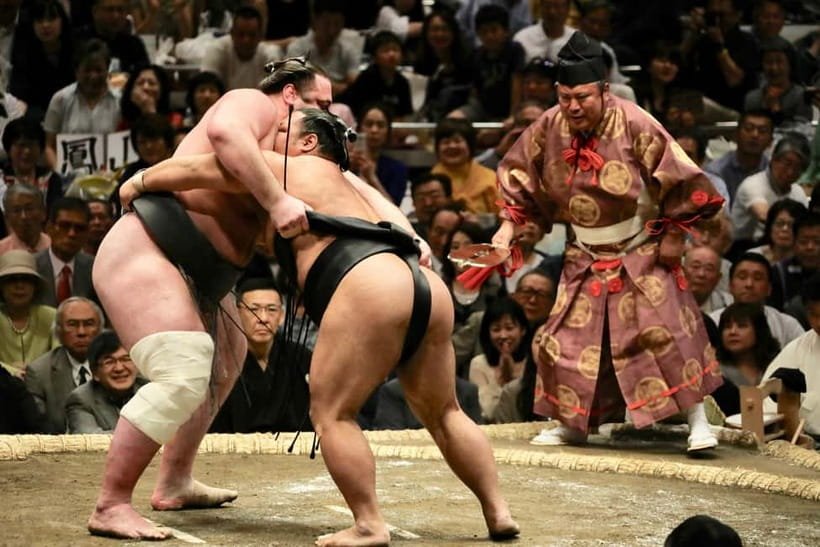
I think this experience works best for:
- First-time sumo spectators who want the basic rules explained
- Visitors who could not obtain official tickets directly
- People who value cultural background as much as the match itself
- Solo visitors who want a planned route and a guaranteed seat
- Fans who want to attend an official tournament rather than a demonstration
You may want to skip it if your main goal is the lowest possible ticket price. It may also disappoint you if you require adjacent seats, want to select your exact location, or prefer a private guide.
Families and groups should pay close attention to the assigned-seat policy. Seats may be separated, so do not assume everyone will sit together simply because you make one booking.
The experience is also a good choice for people who like to understand what they are seeing. If you know little about sumo, the guide can explain enough to make the tournament feel less mysterious. If you already follow the sport closely, the guaranteed ticket may be the main benefit.
Is the $209 price fair?
Fairness depends on what you are buying. The basic admission price appears much lower, so there is no honest way to call this a bargain. The surcharge is substantial, and some people consider it excessive.
At the same time, buying an official ticket may be difficult, and a sold-out tournament is not much use to someone standing outside the stadium. A guaranteed seat has practical value, especially when you have traveled a long way and have only one chance to attend.
The guide is the strongest argument for paying more. George, Lily, Cesar, Erik, and Miki are all praised for making the event easier to understand and more enjoyable. The best guides do not merely point out the ring. They explain why the formal movements matter and help you follow the wrestlers’ progress.
I would judge the price by your priorities. If you see sumo as a major Tokyo goal, $209 may be acceptable for certainty and guidance. If sumo is only a casual possibility, the cost is hard to justify.
Should you book the Tokyo sumo tournament?
Book this tour if attending an official Tokyo tournament is high on your list and you want a guaranteed second-floor seat with English explanations. The atmosphere, formal rituals, and live bouts offer something a screen cannot reproduce, and a strong guide can make the entire afternoon click.
Before booking, accept three limits: the price is high, the exact seat is assigned, and a group may be larger than you expect. Check the meeting point, tournament date, and seating category, then ask yourself how much you value certainty.
My call: book it for a once-in-a-trip sumo experience, especially if direct tickets have disappeared. Skip it if saving money or sitting together matters more than expert guidance.
FAQ
How long does the sumo tournament experience last?
The activity lasts approximately four to five hours. This includes about 30 minutes of guided information at Ryogoku Kokugikan and roughly four hours at the venue.
Where does the experience start?
There are two possible starting-location options. The listed location is the Matsuura-Bungo Mansion Site, but the exact meeting point may vary depending on the option booked.
Is the sumo tournament held at Ryogoku Kokugikan?
Yes. The experience includes a guided visit and tournament attendance at Ryogoku Kokugikan in Tokyo.
What type of seat is included?
The ticket includes an assigned B or C class reserved seat on the second floor. You do not choose the exact seat.
Are seats guaranteed to be together?
The information does not guarantee adjacent seats. Assigned seating may result in members of a group being separated.
Is an English-speaking guide included?
Yes. An English-speaking live guide is included, with explanations of sumo traditions, rituals, rankings, rules, and techniques.
Are food and drinks included?
No. Food and drinks are not included, and the activity information says they are not allowed.
Can I cancel the activity for a refund?
No. The activity is non-refundable, so check your date and meeting point carefully before booking.
Just added in Tokyo
- A One-of-a-Kind Sushi Experience in a Special Place of Japan★ 5.0 · 15 reviews
- Tokyo Cute Bento Cooking Class – Make a Kawaii Character Lunchbox★ 5.0 · 126 reviews
- Japanese Home Cooking Class & Walk in Todoroki Temple Tokyo★ 5.0 · 88 reviews
- Japan Tokyo Tower Observatory Deck E-Ticket★ 4.0 · 34 reviews
- Catch a Baseball Game in Tokyo with a Local – Tickets Included★ 5.0 · 24 reviews
- JDM Experience with Fast&Furious RX-7 (English speaking Driver)★ 5.0 · 57 reviews
- Tokyo Private Day Tour by Car with English speaking Driver Guide★ 4.0 · 29 reviews
- Japan Classic 10 Day – One Life Adventures★ 5.0 · 129 reviews
Sumo Experiences, compared.
Sumo Show Experience with Chicken Hot Pot and a Photo
Read our review →
Tokyo Shinjuku Sumo Show & Experience with Photo
Read our review →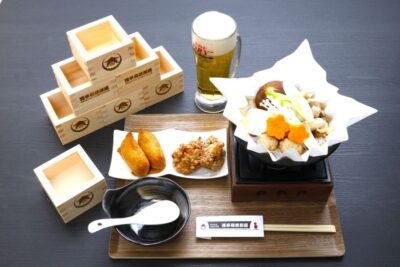
Asakusa Sumo Club Sumo Show Admission with Chankonabe in Tokyo
Read our review →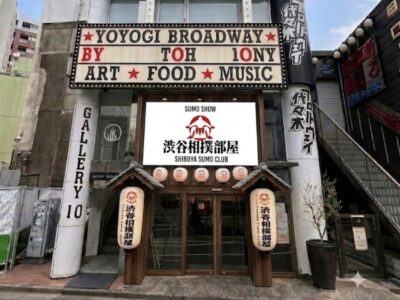
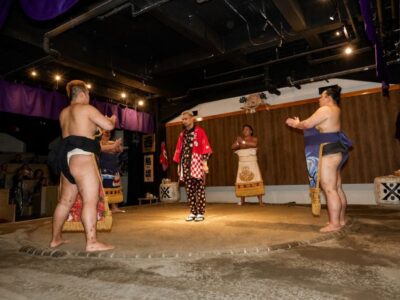
Tokyo Ginza Sumo Experience: Performance vs Pure Practice
Read our review →Browse the lists this tour appears in