
Reviewed · FOOD TOURS
Tokyo Your Way A Tailored Full Day Friendly Food Tour With Guide
Tokyo rewards a flexible plan. This six to seven-hour outing pairs local food with major city sights, using trains and subways instead of a private bus. I like the small group, capped at eight people, and the chance to shape the day around three or four places that fit your interests. The included lunch, dinner, soft drinks, water, and Wagyu add real value.
I also like the human touch. Guides such as Chisato, often called Chi, and Hamada have helped visitors connect food with Tokyo’s shrines, daily life, and local customs. The main point to consider is that this is primarily a walking and public-transport tour, so it may feel tiring if you want a slow day or have difficulty with long periods on your feet.
In This Review
- What makes this Tokyo day different
- A useful first day in Tokyo
- Shibuya Crossing: Tokyo in motion
- MEGA Don Quijote: A practical shopping stop
- Akihabara GiGO: Games and pop culture
- Pokémon Mega Center Tokyo: A focused pop culture visit
- Takeshita Street: Harajuku’s playful side
- Ameyoko Shopping Street: Market Tokyo under the tracks
- Where the food fits into the day
- Tokyo by train and subway
- The value of a small group and local guide
- Who should book this experience?
- Should you book Tokyo Your Way?
- FAQ
- Where does the tour take place?
- How long does the experience last?
- What time does the tour start?
- How many people can join the tour?
- Is hotel pickup available?
- Is transportation included?
- Are meals included?
- Are drinks included?
- Can the tour be customized?
- What is the cancellation policy?
What makes this Tokyo day different
- You choose three or four locations: The day is tailored rather than locked to every listed stop.
- Wagyu meals are included: Lunch and dinner are part of the price, along with soft drinks and water.
- Public transport replaces a tour bus: You move through Tokyo much as local residents do.
- The group is limited to eight people: That gives you a better chance to ask questions and adjust the pace.
- Food and culture share the same stage: Historic sites, shopping streets, games, anime, and Japanese meals can all fit into one day.
- Hotel pickup and drop-off may be available: A central accommodation meetup can also be arranged.
A useful first day in Tokyo
At $255.75 per person, this is not a budget walking tour. But the price includes six to seven hours with a local host, food, non-alcoholic drinks, and entry tickets. It also includes the convenience of pickup options and two substantial meals, including Wagyu.
I see the value most clearly for a first visit. Tokyo can be hard to organize because its districts are spread across the city and each has a different mood. A good guide can save you from spending half the day figuring out train connections, deciding where to eat, and wondering if a famous place is worth your time.
The flexible format matters. You can choose from three or four locations according to your interests, rather than racing through every neighborhood listed in the standard plan. If you want shopping and pop culture, focus on Shibuya, Harajuku, Akihabara, and the Pokémon Center. If you prefer markets, food, and older Tokyo, ask about Asakusa and Ameyoko.
One caution: the advertised stops include six areas, but the included details say you select three or four. Ask at booking or at the start of the day which places are realistic. Tokyo distances can make an ambitious wish list feel more like a checklist than a pleasant day.
More Food Tours in Tokyo
- Tokyo: Shinjuku Food Tour (13 Dishes at 4 Local Eateries)
★ 5.0 · 6,603 reviews - Tokyo: Shinjuku Food Tour (15 Dishes and 4 Eateries)
★ 4.9 · 2,033 reviews - Best of Shinjuku: Izakaya Food Tour (4 Stops, 14+ Tastings)
★ 5.0 · 1,863 reviews
Shibuya Crossing: Tokyo in motion
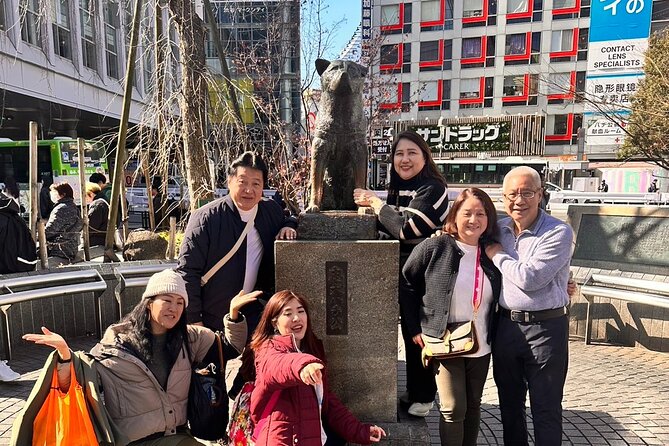
Shibuya Crossing is the classic opening scene for modern Tokyo. When the lights change, pedestrians stream across from every direction in front of Shibuya Station’s Hachikō exit. You get about 30 minutes here, with no admission charge.
That half hour is enough to see the crossing, take photographs, and get a feel for Shibuya’s scale. It is not enough for a long neighborhood walk, so think of this as an introduction rather than a full exploration.
I like beginning here because the crossing gives you an instant sense of Tokyo’s energy without requiring a museum visit or a long explanation. Your guide can also help you understand where to meet and how to navigate the station area, which can be confusing on a first day.
If crowds make you uncomfortable, tell the guide. The crossing is the point of the stop, so it cannot become a quiet visit, but the small group makes it easier to stay together.
MEGA Don Quijote: A practical shopping stop
The MEGA Don Quijote Shibuya Main Store is a 45-minute stop for affordable goods, daily items, and souvenirs. Don Quijote stores are famous for their crowded shelves and wide mix of products. This branch is aimed partly at international shoppers, so you may find it easier to browse than a smaller neighborhood shop.
This is a useful stop if you want snacks, inexpensive gifts, or an entertaining look at Japanese retail culture. You might find everything from food and household goods to novelty items in one building.
Forty-five minutes gives you time to browse, but not enough for a relaxed shopping spree. If shopping is your main goal, tell the guide before the tour so this location can receive more attention. If it is not important to you, it may be one of the stops worth replacing with a temple, shrine, or food-focused area.
Akihabara GiGO: Games and pop culture
Akihabara GiGO Building 3 offers a quick look at Tokyo’s game-center culture. The venue includes UFO catchers, video games, sticker photo machines, and music games. You get approximately 30 minutes, with no admission fee listed.
This stop suits you if you enjoy arcade games, anime-related culture, or the colorful side of Tokyo. Even if you are not a serious gamer, the machines and atmosphere show a part of city life that is easy to miss on a traditional sightseeing route.
The short visit is both a strength and a weakness. You can sample the scene without spending half a day indoors, but you may not have time to play much. Any money spent on games or prizes would be your own expense, since the included features mention entry tickets, food, drinks, and guiding, not arcade credits.
A completely different kind of day out:
- Tokyo Disney Resort – Tokyo Disneyland & Tokyo DisneySea Park Tickets
★ 4.8 · 99,488 reviews - SHIBUYA SKY Ticket
★ 4.7 · 46,509 reviews - JR Whole Japan Rail Pass
★ 4.8 · 29,150 reviews - Mt Fuji and Hakone 1-Day Bus Tour Return by Bullet Train
★ 5.0 · 26,383 reviews
Pokémon Mega Center Tokyo: A focused pop culture visit
The Pokémon Mega Center is another 30-minute stop. Pokémon Centers sell a wide range of Pokémon products, and the Tokyo location is a natural choice for fans who want souvenirs or exclusive-looking retail displays.
This stop is very specific. If Pokémon is important to you, it can be a highlight. If you are traveling without an interest in the brand, thirty minutes may feel better used elsewhere.
The custom format helps here. You do not have to treat every listed stop as mandatory. Ask for this location if you want Pokémon goods, or ask for a different neighborhood if your interests lean toward food, temples, markets, or architecture.
Takeshita Street: Harajuku’s playful side
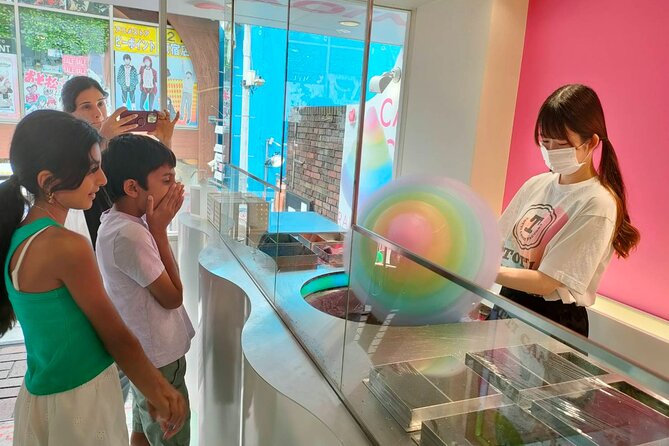
Takeshita Street runs through Harajuku and is known for window shopping, youth fashion, sweet street food, and a youthful crowd. The planned visit lasts around 30 minutes, and admission is free.
I would treat this as a quick taste of Harajuku rather than a full shopping trip. The street is compact enough to sample, but the shops can easily tempt you into stopping at every doorway. If you want to buy clothing or try additional snacks, you may need to choose this area over another stop.
The food tour element is important here. Street food may be available, but the included meals are separately described as lunch and dinner, with Wagyu included. Do not assume every snack at Takeshita Street is covered. Ask your guide what is included before ordering.
Ameyoko Shopping Street: Market Tokyo under the tracks
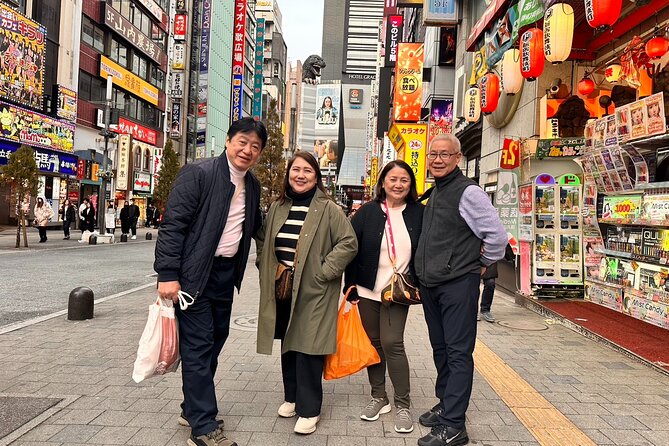
Ameyoko runs beneath the rail line between JR Ueno and Okachimachi stations. More than 400 shops sell seafood, clothing, dried foods, sweets, and other goods. The planned stop lasts about 30 minutes.
This is one of the stronger choices for a visitor who wants a market setting rather than polished department stores. You get a look at everyday commerce, food displays, and the busy corridor under the railway. It also fits naturally with a food-focused day.
The limitation is time. Thirty minutes lets you walk through and sample the atmosphere, but it does not allow for detailed browsing across hundreds of shops. If food and markets matter more to you than games or character merchandise, ask to make Ameyoko a priority.
Where the food fits into the day
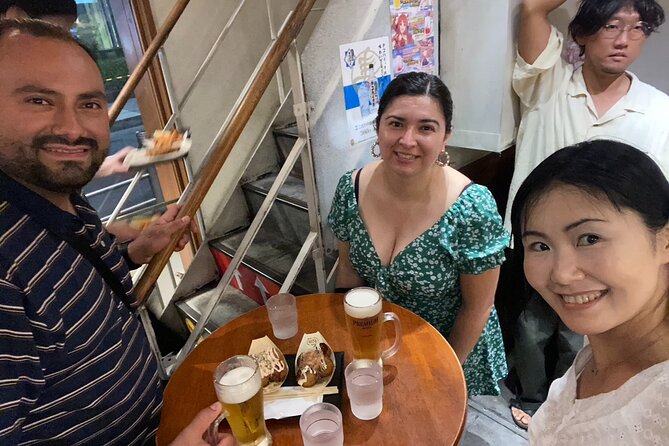
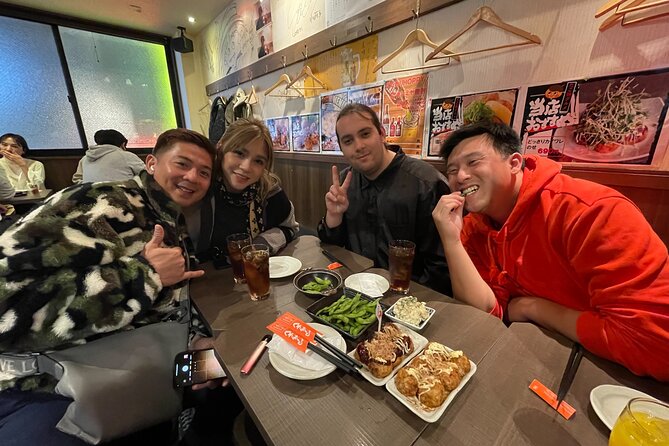
Food is not an add-on here. Lunch and dinner are included, and the package specifically includes Wagyu. Soft drinks and water are also covered. Alcohol is not included, though you can buy it separately.
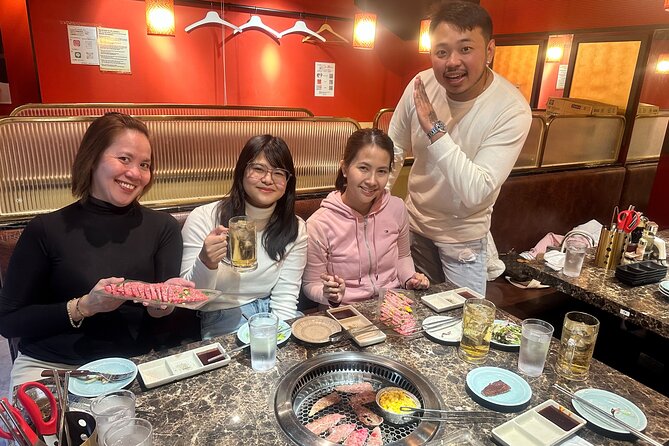
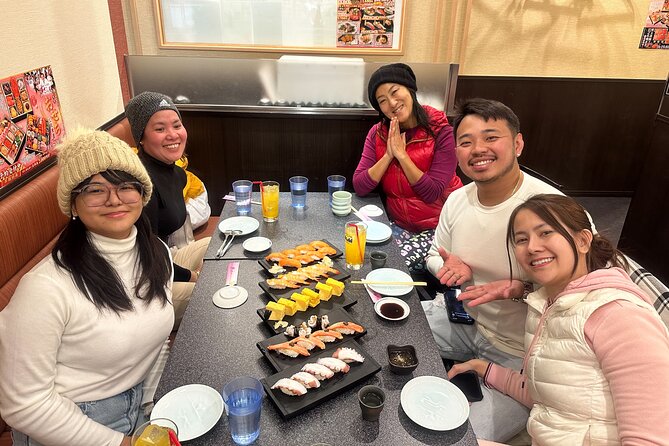
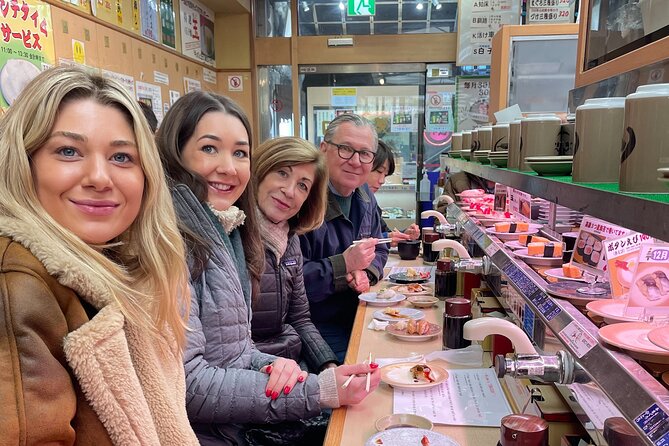
The food stops are one of the strongest reasons to consider this experience. One detailed account described two included meals, barbecue and sushi, while another praised several food stops paired with historic sites. Exact restaurants and dishes can vary because the tour is tailored, so you should not book expecting a fixed menu.
That flexibility is useful if you have strong preferences. Tell the guide if you care most about sushi, barbecue, market food, or cultural background. Also explain any food limits before the day begins. The provided details do not promise vegetarian, allergy-friendly, or religious dietary arrangements, so you should confirm those needs before paying.
A guide who understands your interests can make the meal stops feel less random. Hamada was praised for joining food with explanations of Tokyo’s past and visits to shrines. Chisato was praised for listening to personal interests and planning the outing around them. Those details suggest that the guide’s role is more than pointing out restaurants.
Tokyo by train and subway
The tour is primarily on foot, though public transport may be used. The experience specifically encourages getting around like local residents rather than traveling in a private vehicle.
That is a major benefit in Tokyo. You see how districts connect, learn the basic rhythm of the city, and avoid sitting in road traffic. Using public transportation also puts you closer to ordinary city life than a coach tour does.
The tradeoff is comfort. You may walk between stations, wait for trains, stand during a ride, and change lines. Pickup and drop-off can make the day easier, but the tour still involves movement once sightseeing begins.
The tour starts at 11:00 a.m. That is a sensible time for a food-centered day, but it means your morning is free for a nearby activity. Since the experience lasts six to seven hours, you should expect to finish in the late afternoon or early evening, depending on the final schedule and transport.
The value of a small group and local guide
The maximum group size is eight. That is small enough for a guide to hear what you want, answer questions, and adjust the order of the day. It also reduces the chance of being lost in a large crowd at a station or crossing.
The strongest praise centers on the guides. Hamada was described as combining food stops with historic sites and shrine visits while explaining Tokyo’s past. Chisato was praised for being organized, friendly, and attentive to individual interests. One person referred to her as Chi, so you may see both names used.
Those comments point to the tour’s central strength: the guide can connect separate parts of Tokyo. Shibuya, Akihabara, Harajuku, and Ueno can otherwise feel like unrelated stops. Food, transit, local customs, and history give the day a clearer shape.
Still, a custom tour depends on communication. Tell your guide what you want early. If you say only that you want to see everything, the day may become rushed. Give two or three priorities and let the guide build around them.
Who should book this experience?
I would recommend it most strongly to first-time visitors who want a broad introduction without planning every train ride and meal themselves. It also suits couples, families, and small groups who want a personal day rather than a large organized outing.
Food-focused visitors get a particularly good package because Wagyu meals, drinks, and several food-related areas are included. Pop culture fans can request Akihabara and the Pokémon Center. Shoppers can favor Don Quijote, Takeshita Street, and Ameyoko.
You may want something else if you prefer a private car, a slow museum day, or a fixed historical tour. The public-transport format is part of the experience, not just a way to move between attractions. You should also think carefully about the walking if you tire easily.
Free cancellation is available up to 24 hours before the 11:00 a.m. start time. Cancellations or changes made inside that window are not refunded or accepted, and poor weather can lead to a different date or a full refund.
Should you book Tokyo Your Way?
Book it if you want Tokyo explained by a local guide, with good meals and the freedom to choose your focus. The included Wagyu, two meals, drinks, small group, and public-transport format make the $255.75 price easier to justify than a basic sightseeing walk.
Before booking, decide which three or four places matter most and confirm how pickup, meals, dietary needs, and transport will work. I would choose historic sites and Ameyoko for a food-and-culture day, or Shibuya, Harajuku, Akihabara, and Pokémon for a modern Tokyo day.
The tour is at its best when you use the customization. Do not treat the six listed neighborhoods as a promise to visit all of them. Give your guide clear priorities, leave room for the included meals, and you will get a much more useful first look at Tokyo.
FAQ
Where does the tour take place?
The tour takes place in Tokyo, Japan, with stops that can include Shibuya, Akihabara, Harajuku, Ueno, and other areas selected with the guide.
How long does the experience last?
The experience lasts approximately six to seven hours.
What time does the tour start?
The tour starts at 11:00 a.m.
How many people can join the tour?
The maximum group size is eight people.
Is hotel pickup available?
Pickup and drop-off from Tokyo hotels are offered, and an optional meetup at a central accommodation location may also be arranged.
Is transportation included?
The tour is primarily walking-based, and public transportation may be used. There is no private vehicle.
Are meals included?
Yes. Lunch and dinner are included, and Wagyu is specifically included in the meal package.
Are drinks included?
Soft drinks and water are included. Alcoholic drinks are not included but can be purchased separately.
Can the tour be customized?
Yes. You can choose three or four locations according to your preferences.
What is the cancellation policy?
You can cancel up to 24 hours before the experience for a full refund. Cancellations or changes made less than 24 hours before the start time are not accepted for a refund. If poor weather causes cancellation, you will be offered another date or a full refund.
Just added in Tokyo
- Very popular in Harajuku♡Animal petting zoo★ 4.6 · 39 reviews
- Yokohama Port: Private Customizable Tour with Transfer★ 5.0 · 19 reviews
- Wagyu & Sake 8 Course Tasting Dinner in Shinjuku★ 4.9 · 20 reviews
- Warner Bros. Studio Tour Tokyo – The Making of Harry Potter★ 4.8 · 181 reviews
- Yanaka District: Historical Walking Tour in Tokyo’s Old Town★ 4.8 · 117 reviews
- Tokyo: Classic Tsukiji Food Tour★ 4.9 · 78 reviews
- Tokyo: Tsukiji Fish Market Tour with 6 Stops & Seafood Lunch★ 4.5 · 165 reviews
- Tokyo Wagyu & Sake Pairing Tasting Experience with Local Flavors★ 5.0 · 108 reviews
Food Tours, compared.
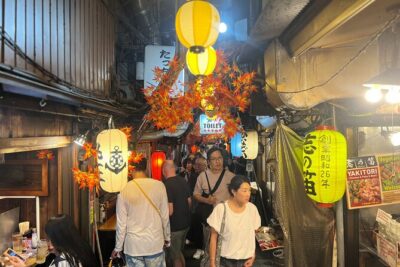
Shinjuku Food Tour (13 Dishes at 4 Local Eateries)
Read our review →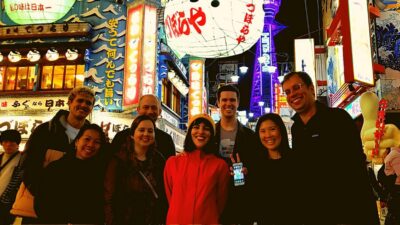
Shinsekai Food Tour with 13-15 Dishes at 5 Eateries
Read our review →
Osaka Food Tour: 13 Dishes at 5 Local Eateries
Read our review →
Shinjuku Food Tour (15 Dishes and 4 Eateries)
Read our review →
Best of Shinjuku: Izakaya Food Tour (4 Stops, 14+ Tastings)
Read our review →
Kyoto Night Foodie Tour in Gion (9+ dishes + 6 Sake tastings)
Read our review →
Hungry Osaka Street Food Tour:15 Tastings & 3 Drinks with a Local
Read our review →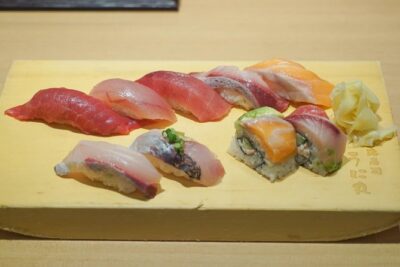
Tokyo Night Foodie Tour in Shinjuku – Seasonal Sushi, Wagyu Beef
Read our review →Browse the lists this tour appears in