
Reviewed · SUMO EXPERIENCES
Ultimate Sumo Tournament: Tokyo, Osaka, Nagoya, Fukuoka
Sumo makes more sense once someone explains it. This four-hour experience gives you reserved seats at an official tournament in Tokyo, Osaka, Nagoya, or Fukuoka, with an English-speaking sumo expert explaining the rituals, rankings, techniques, and wrestlers through an audio headset. I especially like the access to hard-to-get tournament tickets and the clear running commentary, which turns a fast, unfamiliar sport into something you can follow. I also like the optional chanko hot pot dinner, a fitting way to continue the sumo theme after the matches.
The main catch is price. At about $184.38 per person, you are paying for the ticket, ticket arrangement, guide, seating allocation, and cultural explanation, not just admission. Standard seats are on the second floor, and the group can include up to 20 people, so this is not the intimate ringside experience shown in some promotional images.
In This Review
- Key points to know before booking
- Why a sumo tournament is worth your afternoon
- Tokyo at Ryogoku Kokugikan
- Osaka, Nagoya, and Fukuoka tournament choices
- What you actually see during the four hours
- Standard group seats versus private seats
- The chanko dinner option
- The off-season stable practice alternative
- What the guide adds to the experience
- Is $184.38 a fair price?
- Who should book this sumo experience?
- FAQ
- How long does the sumo tournament experience last?
- Which cities offer the official tournament experience?
- What seats are included in the standard tour?
- Does the tour include transportation or hotel pickup?
- Is dinner included?
- What happens during the off-season option?
- Should you book it?
Key points to know before booking
- Six official tournaments each year: Tokyo hosts January, May, and September, while Osaka, Nagoya, and Fukuoka host the March, July, and November tournaments.
- Reserved seats solve a real problem: Tournament tickets can sell out within minutes through the official website.
- Audio headsets make a difference: You can hear the guide over the crowd and arena noise.
- Standard and private seating differ: Group tours use second-floor B or C seats, while private tours use closer S or A seats.
- Chanko dinner adds local flavor: The hot pot meal can include meat, fish, or a vegetarian substitute if requested in advance.
- Off-season dates are different: The stable visit includes morning practice and lunch, but no tournament ticket.
Why a sumo tournament is worth your afternoon
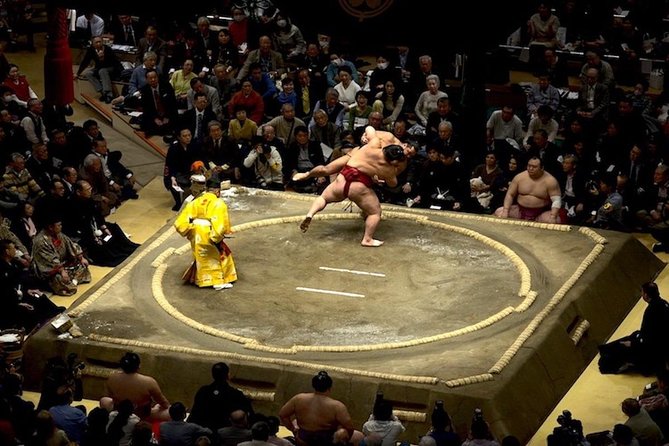
A sumo tournament is not simply two large men pushing each other out of a circle. The match may last only seconds, but the ceremony around it gives the sport its force.
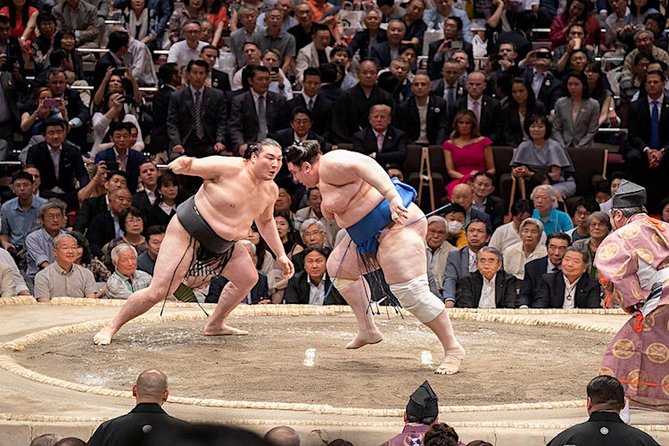
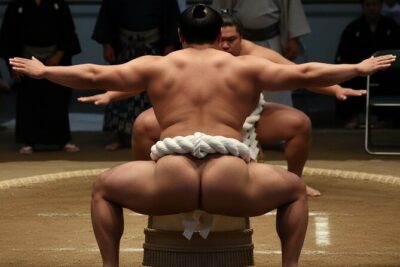
Before a bout, wrestlers enter the ring, stamp their feet, spread their arms, and perform other formal movements. Salt is thrown into the ring. Names and rankings matter. A wrestler’s stable, age, recent record, and style all help explain why a short match can carry so much weight.
Without guidance, you can still enjoy the noise and spectacle, but you may miss what is happening. The guide helps explain the banzuke ranking table, the difference between divisions, famous wrestlers, and techniques used in the ring. Guides such as Myoko, Hiro, Yumi, Taku, Izumi, Junka, Duke, Seizo, and Shunsuke have been praised for making the sport easier to understand and more enjoyable for first-time viewers.
I like this format because the guide does not need to talk over every second of every match. You get explanations before bouts and commentary during important moments, then free time to watch, eat, shop, or use the facilities. That balance matters during a four-hour visit.
More Sumo Experiences in Tokyo
- Tokyo: Sumo Show Experience with Chicken Hot Pot and a Photo
★ 4.8 · 6,678 reviews - Tokyo: Sumo Live Show with Photo in Shinjuku
★ 5.0 · 3,438 reviews - Tokyo: Sumo Show and Dining Experience
★ 4.8 · 2,742 reviews
Tokyo at Ryogoku Kokugikan
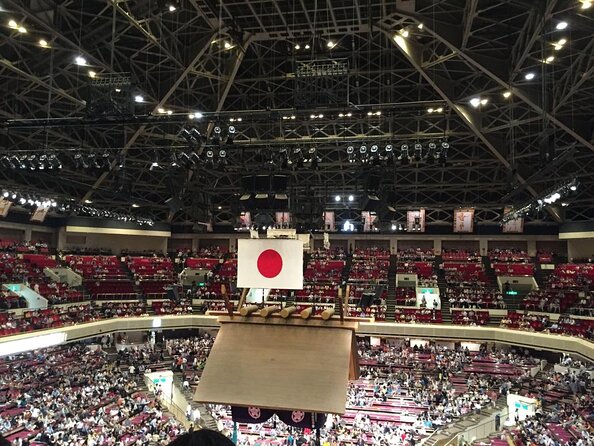
Tokyo’s official sumo hall, Ryogoku Kokugikan, is the natural choice if your trip falls during the January, May, or September tournament. The Ryogoku district is closely tied to sumo, and the arena is the best-known setting for the sport in Japan.
The meeting time is listed as 2:00 pm, though your final meeting point is sent by email at least one week before the date. You do not receive hotel pickup, so you must make your own way to the arena. The location is near public transportation, but allow enough time to find the exact meeting point and regroup with the guide.
The visit may begin with a short orientation around the arena. Depending on congestion, you might also see the Sumo Museum. The museum can become crowded, and the guide may ask you to visit it on your own rather than lead a large group through a packed space.
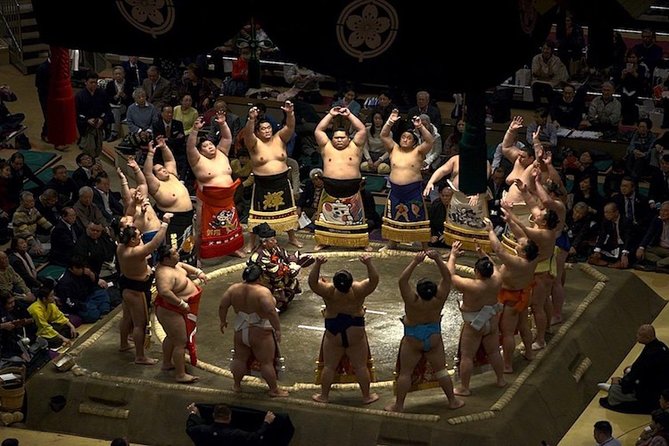
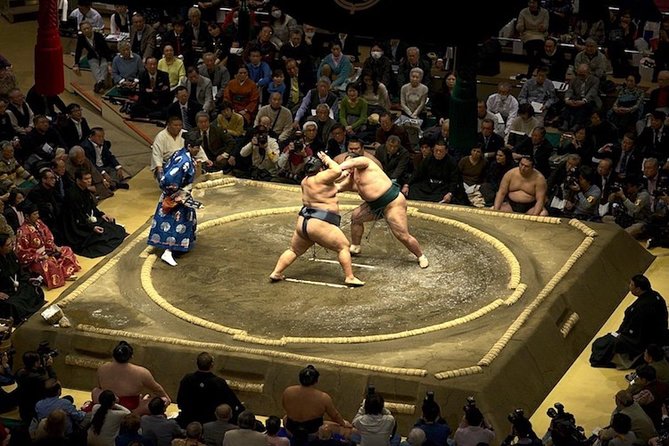
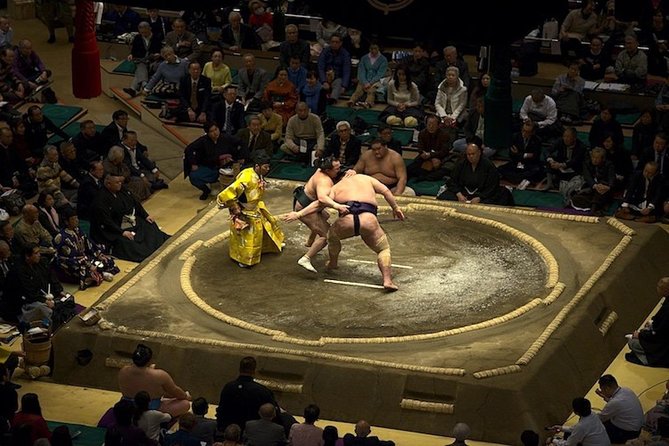
Standard group seating is on the second floor, usually B chair seats in rows 7 through 11 or C chair seats. These are not the closest seats, but they give you a useful view of the entire ring and the surrounding ceremony. A group of up to 20 people sits in the same area with the guide.
One practical warning: the Tokyo arena can feel warm. Dress lightly, especially if you are attending during a mild or hot month. Food and drinks cannot be brought in from outside, but vendors inside sell refreshments, including popular arena snacks and soft-serve ice cream.
Osaka, Nagoya, and Fukuoka tournament choices
The same basic format is offered in three other tournament cities, but each date is tied to a specific annual event.
Osaka’s March tournament takes place at EDION Arena Osaka. This is the only official basho held in Osaka, and the four-hour guided visit gives you the same general benefits as the Tokyo option: a reserved seat, an English-speaking sumo expert, cultural explanations, and headset commentary. Admission is arranged as part of the experience, but transportation to the arena is not included.
Nagoya’s July tournament is held at IG Arena. If your Japan trip falls in midsummer, this is your chance to see the official tournament outside Tokyo and Osaka. The format is again about four hours, with guidance on the wrestlers, rules, rituals, and match action.
Fukuoka’s November tournament takes place at Fukuoka Kokusai Center. It is the final official tournament of the year and gives you a chance to see the season’s closing competition. The four-hour visit includes the same guided support, though the exact seat arrangement depends on whether you select the group or private option.
You do not attend all four arenas on one tour. You choose the city and date that match your itinerary. The annual schedule is easy to remember:
- January: Tokyo
- March: Osaka
- May: Tokyo
- July: Nagoya
- September: Tokyo
- November: Fukuoka
Each basho lasts 15 days, beginning and ending on a Sunday. The exact dates change each year, so check the tournament calendar before building your Japan schedule around it.
What you actually see during the four hours
The event is not limited to one short headline match. You can expect to see all of the top division bouts, known as Makuuchi, plus about half of the second division bouts, known as Juryo. That gives you plenty of action and lets you see how the atmosphere builds as the higher-ranked wrestlers appear.
The guide may explain the wrestlers’ current form, rank, age, style, and past records. This is particularly useful because sumo bouts move quickly. A match can begin and finish before a first-time viewer has worked out which wrestler had the advantage.
The headset is one of the most useful pieces of equipment provided. Arena noise can be strong, and one guide specifically warned that the headset volume may feel loud even at its lowest setting. If you are sensitive to sound, bring an earplug or another simple way to reduce the volume.
You also get a sumo information pamphlet and a banzuke ranking table. Keep the ranking sheet handy. It helps you understand where wrestlers sit within the sport and gives the guide a useful reference point when discussing the competitors.
There is free time during the event. You can buy food and drinks from arena vendors, shop, use the bathroom, or simply watch the matches without constant instruction. That is a good feature, since a guided sports event can become tiring if every moment is scheduled.
A completely different kind of day out:
- Tokyo Disney Resort – Tokyo Disneyland & Tokyo DisneySea Park Tickets
★ 4.8 · 99,488 reviews - SHIBUYA SKY Ticket
★ 4.7 · 46,509 reviews - JR Whole Japan Rail Pass
★ 4.8 · 29,150 reviews - Mt Fuji and Hakone 1-Day Bus Tour Return by Bullet Train
★ 5.0 · 26,383 reviews
Standard group seats versus private seats
The standard tour uses B-class or C-class seats on the second floor. The group may include up to 20 people sitting together, with the guide nearby. These seats are the lower-cost choice and should suit you if your main goals are getting inside the arena and understanding what you are watching.
The private option includes S-class or A-class seats closer to the ring. The price will depend on the date and availability, but the closer view can matter if you care about seeing the wrestlers’ expressions, footwork, and ring action at close range.
I would choose the standard option for a first visit if the private upgrade stretches your budget. A higher seat gives you proximity, but the raised view can help you follow the entire ring and ceremonial movement. If you are a serious sumo fan, or this is your one and only tournament, private seating has a stronger case.
The photographs used to sell sumo experiences can sometimes suggest a closer view than the standard seats provide. Read the seat description carefully and confirm which class you are buying. The standard tour is not a ringside package.
The chanko dinner option
Chanko nabe is the stew associated with sumo stables. It is made in a large pot so many people can eat together, with chicken stock traditionally used as the base along with vegetables and other ingredients.
Adding dinner gives the day a satisfying cultural finish. It is not just a meal after a sporting event. Chanko is connected to the daily life of sumo wrestlers and helps explain how the sport’s food culture works.
Dinner does not automatically include drinks, and meals are otherwise excluded unless you select the add-on during checkout. If you want a vegetarian meal, state that in the special requirements field. Traditional broth often contains pork or chicken, and the restaurant may substitute the broth, but you must make the request ahead of time.
Dietary changes cannot be made one week before the tour date after the dinner request has been accepted. That is worth taking seriously if your diet is strict.
The off-season stable practice alternative
On dates when no official tournament is taking place, the experience changes completely. Instead of an arena ticket, you visit a sumo stable near Warabi Station, about 30 minutes from Tokyo Station.
The morning practice runs from 8:00 am to noon. You watch wrestlers train at an authentic stable while an English-speaking guide explains what you are seeing through an audio headset. The group size is listed as eight to 16 people, smaller than the tournament group.
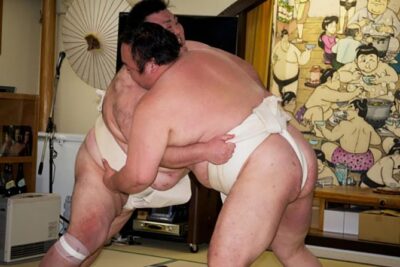
A chanko lunch follows the practice session. For someone interested in the daily discipline of sumo, this may be more revealing than a tournament. You see training rather than a polished public event, and the smaller group should make it easier to hear and ask questions.
The key limitation is simple: this option does not include a tournament seat. It is only available during the off-season, when no official basho is taking place. The meeting point near Warabi Station is sent about one week before the date.
Do not book the stable visit expecting arena action. Choose it because you want a closer look at practice, routine, and the sumo stable environment.
What the guide adds to the experience
The guide is the reason to choose this over buying a ticket alone. A good guide explains not only who won, but why the match mattered and what the rituals mean.
Past guide experiences have included detailed explanations from Myoko, Hiro, Yumi, Taku, Izumi, Junka, Duke, Seizo, and Shunsuke. Hiro has been especially praised for steady headset commentary and for helping organize the optional meal, including meat, fish, and vegan choices. Shunsuke has been noted for explaining the sport’s cultural and spiritual side, while Myoko has made the history and traditions accessible to families with no previous sumo knowledge.
The quality of a live guide can vary by person and group dynamics. One participant felt the explanations were too limited and wanted more information about the tournament schedule, traditions, and action. That is a fair caution. The tour promises expert guidance, but the amount of commentary may not feel constant to everyone.
If you want a lecture every minute, make your expectations clear at the start. If you prefer a mix of explanation and independent viewing, the structure should work well.
Is $184.38 a fair price?
The price is high compared with an ordinary sightseeing attraction, but the ticket problem changes the calculation. Official sumo tickets can sell out very quickly, sometimes within minutes of going on sale. This experience bundles ticket arrangement, seating allocation, a local English-speaking guide, the ranking chart, headset, and admission.
You are paying for convenience and interpretation as much as for the seat. That is valuable if you are visiting Japan for a short time and cannot risk missing the tournament.
The value drops if you mainly want the cheapest possible seat or if you already understand sumo well. It also drops if you assume dinner is included, since chanko is an optional extra and drinks are not included.
Book early. Three months before your date is recommended, and one month is the minimum suggested window. Group tickets are released by the Sumo Association four to seven weeks before the tournament. If tickets cannot be obtained, you should be notified within four weeks and offered another date or a full refund, but do not build a tightly packed itinerary around an unconfirmed tournament date.
The booking is non-refundable and cannot normally be changed. If the operator cancels because of poor weather or because the minimum group size is not met, you are offered another date or a full refund.
Who should book this sumo experience?
I would recommend it most strongly if you are new to sumo, have limited time, or want help securing a ticket. Families also benefit from the explanations, since the rituals and rankings can otherwise be confusing for children and adults alike.
It suits you if you enjoy cultural activities that are not built around a staged performance. This is an official sporting event with local fans, real rankings, real pressure, and bouts that can end almost as soon as they begin.
You may want to skip it if you dislike group tours, prefer complete independence, or are uncomfortable paying a premium for ticket access. You should also avoid the off-season stable option if your main goal is watching a tournament.
FAQ
How long does the sumo tournament experience last?
The guided tournament visit lasts approximately four hours. The listed start time is 2:00 pm, and the exact meeting point is sent by email at least one week before the tour date.
Which cities offer the official tournament experience?
Official tournament dates are available in Tokyo, Osaka, Nagoya, and Fukuoka, depending on the season. Tokyo hosts tournaments in January, May, and September. Osaka hosts March, Nagoya hosts July, and Fukuoka hosts November.
What seats are included in the standard tour?
The standard group tour uses B-class or C-class chair seats on the second floor. B seats are generally in rows 7 through 11 or in another C-seat area, with up to 20 people sitting together.
Does the tour include transportation or hotel pickup?
No. Hotel pickup and transportation are not included. The meeting point is near public transportation, and the exact location is sent in the tour details before the date.
Is dinner included?
Dinner is optional. If selected during checkout, it is usually a chanko hot pot meal without drinks. Vegetarian meals and other dietary requirements must be requested in advance.
What happens during the off-season option?
The off-season option visits a sumo stable near Warabi Station for morning practice from 8:00 am to noon. It includes a guide, headset, and chanko lunch, but it does not include a tournament ticket.
Should you book it?
Book this experience if seeing live sumo is high on your Japan wish list and you want the ticket, seating, and explanations handled together. The combination of authentic competition and clear guide commentary makes the sport far easier to appreciate, especially on a first visit.
Choose the standard group tour for the best balance of cost and access. Pay for the private option if sitting close to the ring matters more than budget. Add the chanko dinner if you want the day to continue into sumo food culture.
The one rule is to match the booking to your goal. Choose a tournament date for live bouts. Choose the stable visit for morning practice. Done that way, this is a memorable and practical way to see an important part of Japanese culture without trying to decode it alone.
Just added in Tokyo
- A One-of-a-Kind Sushi Experience in a Special Place of Japan★ 5.0 · 15 reviews
- Tokyo Cute Bento Cooking Class – Make a Kawaii Character Lunchbox★ 5.0 · 126 reviews
- Japanese Home Cooking Class & Walk in Todoroki Temple Tokyo★ 5.0 · 88 reviews
- Japan Tokyo Tower Observatory Deck E-Ticket★ 4.0 · 34 reviews
- Catch a Baseball Game in Tokyo with a Local – Tickets Included★ 5.0 · 24 reviews
- JDM Experience with Fast&Furious RX-7 (English speaking Driver)★ 5.0 · 57 reviews
- Tokyo Private Day Tour by Car with English speaking Driver Guide★ 4.0 · 29 reviews
- Japan Classic 10 Day – One Life Adventures★ 5.0 · 129 reviews
Sumo Experiences, compared.
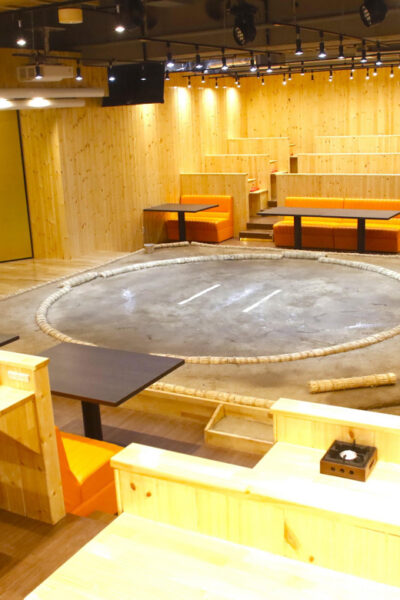
Sumo Show Experience with Chicken Hot Pot and a Photo
Read our review →
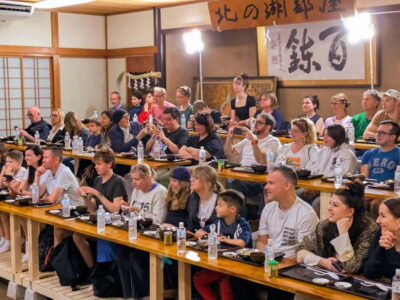
Tokyo Shinjuku Sumo Show & Experience with Photo
Read our review →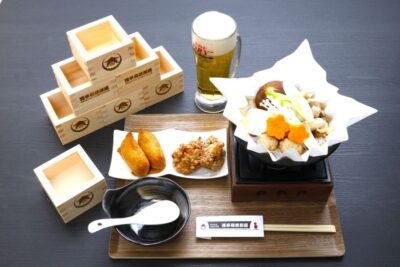
Asakusa Sumo Club Sumo Show Admission with Chankonabe in Tokyo
Read our review →
Tokyo Ginza Sumo Experience: Performance vs Pure Practice
Read our review →Browse the lists this tour appears in