Reviewed · MULTI-DAY TOURS THAT VISIT HAKONE
10-Day Highlights of Japan & South Korea by Intertrips Review
Tokyo’s food stalls and temples, a Lake Ashi cruise beneath Mount Fuji, Kyoto’s old quarters, and Seoul’s palaces make a lively ten-day introduction to Japan and South Korea. I like the mix of iconic sights and free time, and the included flight between countries avoids the hassle of arranging that leg yourself.
I also like that the trip includes daily breakfasts and several major transfers, while keeping optional sightseeing optional. You can add a Tokyo tour, Nara and Osaka, or a DMZ visit, rather than paying for every excursion upfront.
The trade-off is the pace and the geography: you spend long stretches on the road, and the Tokyo hotel may be in Narita or near Tokyo Bay rather than central Tokyo. Some airport transfers, meals, and popular tours cost extra, so the starting price is not the whole budget.
- Lake Ashi and the Komagatake Ropeway pair a mountain tram ride with a cruise for possible Mount Fuji views.
- Kyoto has two nights, with optional visits to the Golden Pavilion, Fushimi Inari Shrine, and Gion.
- The Kyoto to Tokyo coach ride takes seven to eight hours; the Shinkansen upgrade cuts that to about two and a half hours for an extra fee.
- Seoul’s full-day sightseeing is included, while a half-day DMZ tour is optional.
- The tour is partly guided, with English-speaking guidance during listed activities and independent time on free days.
- Budget beyond the advertised starting price for airport transfers, optional tours, lunches, dinners, insurance, and possible local gratuities.
In This Review
- A cross-country introduction, with some fine print
- Tokyo starts with a location question
- Hakone brings the mountain views
- Kyoto gives you time to choose
- The ride back is a real choice
- Seoul adds palaces, markets, and a border visit
- What the price includes, and what it doesn’t
- Who should book this Japan and Korea route
- FAQ
- Is the tour guided for all ten days?
- Are meals included?
- Is the flight from Tokyo to Seoul included?
- Are Tokyo airport transfers included?
- Is the Seoul airport arrival transfer included?
- How much time does the Kyoto to Tokyo journey take?
- Which optional tours can I add?
- What hotels does the tour use?
- Is the tour suitable for children?
A cross-country introduction, with some fine print
This tour is built for people who want a first look at two countries without planning every hotel and intercity connection themselves. Over ten days, you move from Tokyo through the Mount Fuji area and Kyoto, return to Tokyo, then fly to Seoul for two nights of sightseeing and free time.
The route offers a good contrast: Japan’s temples, shrines, and efficient transport sit alongside Seoul’s palace grounds, markets, and contemporary city life. But the schedule is more of a sampler than a slow cultural stay. You will change hotels several times, and the long coach transfers can eat into the day.
The group size is listed as 10 to 30, and the activity level is low. That makes the trip manageable for a range of ages, including families, though hotel rooms in Japan can be small. Tour guidance is not continuous: an English-speaking guide accompanies scheduled activities, but free time belongs to you.
Tokyo starts with a location question
On arrival day, you go to the hotel independently. Depending on the hotel assigned, you may be able to use a complimentary hotel shuttle from Narita, or you may need to buy an Airport Limousine Bus ticket. The Tokyo hotel is listed as APA Hotel & Resort Tokyo Bay Makuhari or similar, but the final accommodation can change, and some arrivals may be placed near Narita.
That matters more than it might sound. A hotel near the airport is handy after a long flight, but it can leave you with a longer ride into central Tokyo. Confirm the actual hotel and the transfer plan before departure, and leave room in your budget for the airport ride if it is not included.
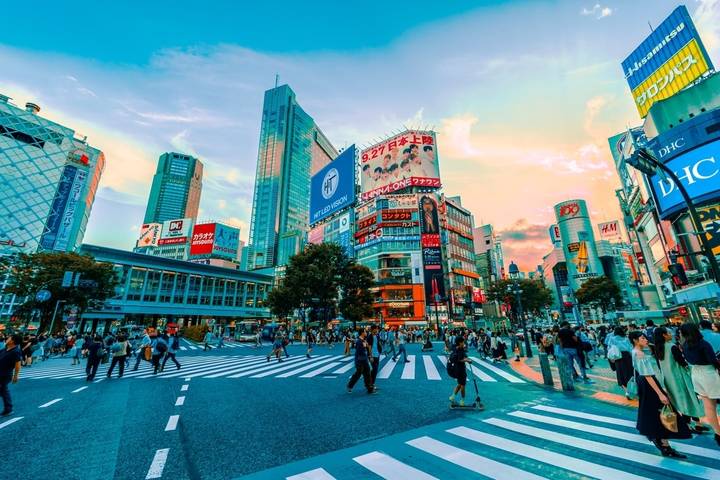
Day 2 is open for you to explore on your own. The optional Tokyo Discovery Tour costs $99 and visits Tsukiji Fish Market, Odaiba Seaside Park, Sensoji Temple in Asakusa, and Kabukicho in Shinjuku. It’s a useful sampler if you prefer a guide and transport between far-flung stops. Tsukiji’s food shops and restaurants are a good place to notice how much Japanese food culture happens at the counter, while Sensoji gives you an early look at a major Buddhist temple.
Odaiba adds a modern waterfront view and a miniature Statue of Liberty replica. Kabukicho brings a different side of the capital, with entertainment venues and nightlife. The drawback is that this is a packed set of stops, not a deep visit to any one neighborhood. If you already know Tokyo, use the free day to follow your own interests instead.
A few more options to weigh up in Tokyo
- Tokyo Disney Resort – Tokyo Disneyland & Tokyo DisneySea Park Tickets
★ 4.8 · 99,488 reviews - SHIBUYA SKY Ticket
★ 4.7 · 46,509 reviews - JR Whole Japan Rail Pass
★ 4.8 · 29,150 reviews
Hakone brings the mountain views
On Day 3, the group leaves Tokyo by coach for the Hakone and Five Lakes area, with lunch bought at a highway service area. Japanese service stops can be more than a quick coffee break, and the range of snacks and meals gives you a chance to try local food without arranging a restaurant stop. Still, lunch is not included, so carry some cash and allow time for the stop.
The main outing is the Komagatake Ropeway, an aerial tram that gives you a bird’s-eye view of Hakone and Lake Ashi. A cruise across the crater lake follows, with Mount Fuji visible in the distance when weather and visibility cooperate. The pairing is a strong feature of the tour: you see the area from above and from the water without having to work out separate local connections.
A Fuji view is never something a schedule can guarantee. Clouds can obscure the peak, so treat it as a welcome possibility rather than a promise. You stay overnight in Shizuoka or Aichi, with Hamamatsu hotels among the examples. That positions you for the next drive, but it does not mean you are staying beside Mount Fuji.
Kyoto gives you time to choose
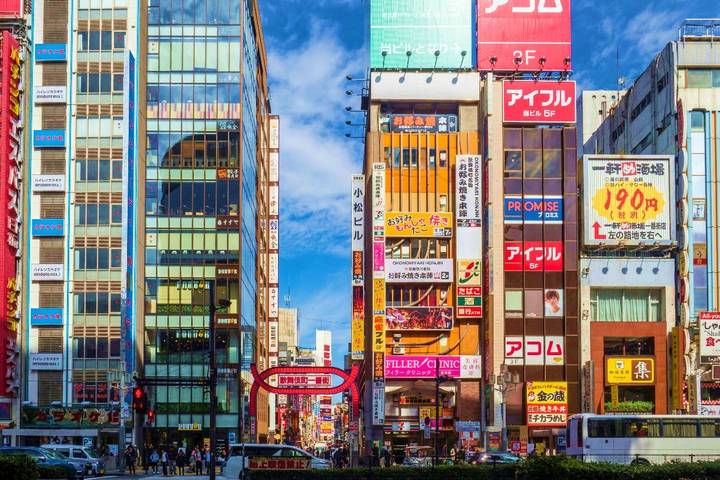
Day 4 takes you by coach to Kyoto, Japan’s former capital for more than a thousand years. Its temples, shrines, palaces, and old streets offer a marked shift from Tokyo’s scale. You have two nights here, which is welcome, though the first day’s sightseeing is optional rather than included.
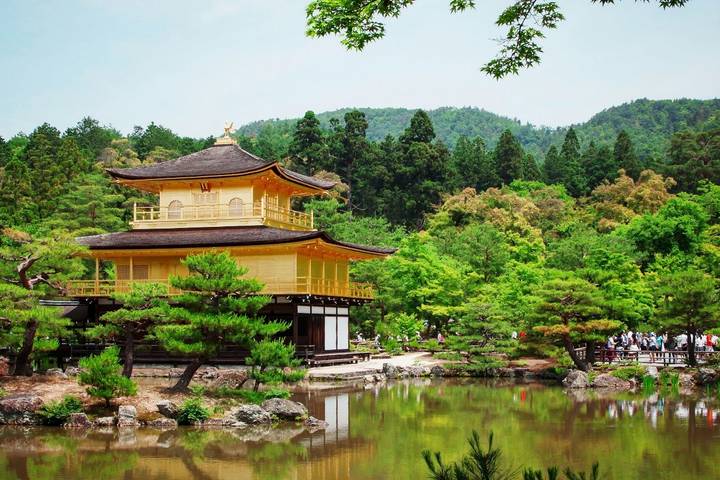
The $89 Kyoto Discovery Tour visits Kinkakuji, the Golden Pavilion, Fushimi Inari Shrine, and Gion. Kinkakuji is known for its upper floors covered in gold leaf. Fushimi Inari’s many vermilion gates line walking trails behind the main shrine buildings, making it one of the city’s most recognizable sights. Gion is associated with traditional entertainment and historic streets, with sites such as Yasaka Shrine and Kennin-ji Temple in the wider district.
The tour is a practical choice if this is your first Kyoto visit and you want help getting between the sights. The downside is that these are popular places, and a group schedule can limit the time you spend at each one. If you would rather linger, spend the day independently and choose fewer stops.
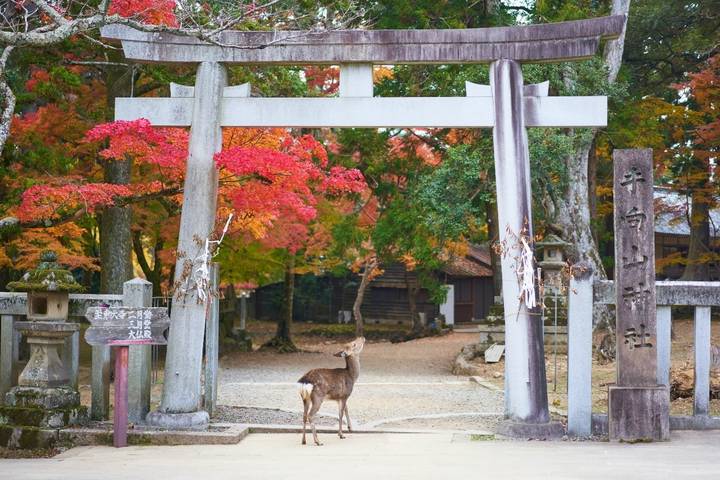
Day 5 is free in Kyoto, or you can take the $130 full-day Nara and Osaka excursion. In Nara, the program includes Kasuga Taisha Shrine and Nara Park, where you can buy traditional crackers to feed the deer. Osaka Castle Park adds seasonal gardens and city history; Dotonbori and Shinsaibashi offer a change of pace, with shops, food, and the famous jumble of large signs.
The excursion requires at least ten participants. Check that it is confirmed before building your plans around it. It also makes for a long day across two cities. If you want a slower Kyoto visit, staying put may be the better bargain.
The ride back is a real choice
Day 6 returns you to Tokyo. By coach, the trip along the Tomei Expressway takes about seven to eight hours, including a stop where lunch is at your own expense. That is a substantial travel day, and you should not count on having much time to explore after arrival.
The Shinkansen option costs $180 and takes about two and a half hours. It is not just a time-saving upgrade: Japan’s high-speed train is a notable part of the travel experience, with reclining seats and views along the route. If you value time in Kyoto or Tokyo, the extra charge may be worthwhile. Confirm precisely how the upgrade changes your coach arrangements and timing before paying.
A completely different kind of day out:
- Mt Fuji and Hakone 1-Day Bus Tour Return by Bullet Train
★ 5.0 · 26,383 reviews - TOKYO SKYTREE® Ticket
★ 4.7 · 25,136 reviews - teamLab Borderless Tickets: MORI Building DIGITAL ART MUSEUM
★ 4.7 · 24,126 reviews - teamLab Planets TOKYO Ticket
★ 4.7 · 21,663 reviews
Seoul adds palaces, markets, and a border visit
On Day 7, you travel from Tokyo to Seoul by included flight. The flight details are provided closer to departure, and you will need to get yourself to the Tokyo airport. An Airport Limousine Bus is suggested, but its ticket is at your own expense. In Seoul, an arrival transfer to the hotel is included, a welcome bit of help after an international flight.
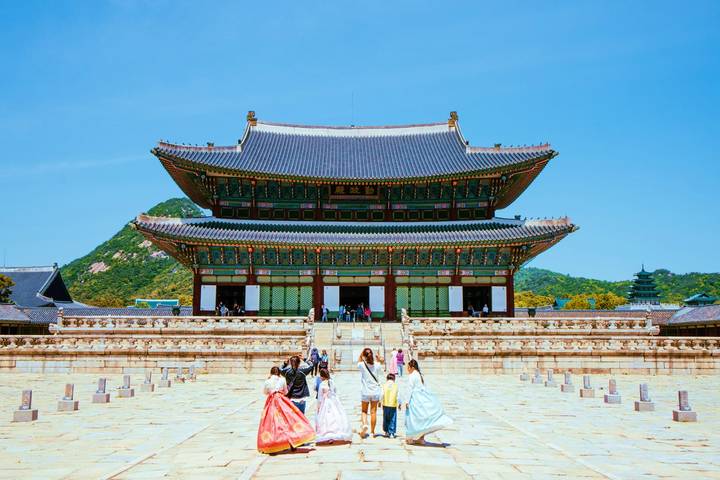
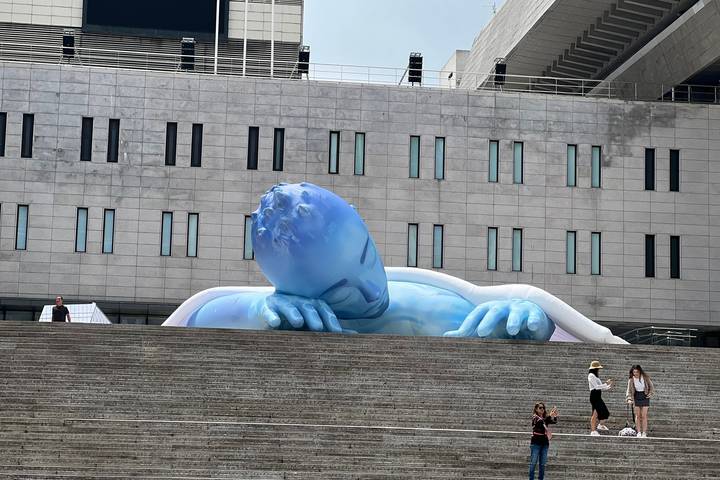
Day 8 is the main guided sightseeing day in Seoul. Stops include Gyeongbokgung Palace, the Korean Folklore Museum, Jogyesa Temple, the Presidential Office, Jongmyo, Gwangjang Market, and Bukchon Hanok Village. Together they give you a useful overview of royal, religious, and everyday culture. Gwangjang Market adds a food-focused stop, while Bukchon’s traditional houses offer a striking contrast with the modern city around them.
The schedule is full, so don’t expect long stretches at each stop. The tour also includes a Ginseng Shopping Center, which is a shopping visit rather than a historic site. An English-speaking guide is provided for scheduled touring. A recent July trip had a guide who explained the sights and helped with photos, a small but useful kindness when you are trying to get the whole group into the frame.
Day 9 is free, or you can book the $79 half-day DMZ tour. It includes Imjingak Pavilion, Freedom Bridge, the 3rd Infiltration Tunnel, a theater, Dora Observatory, Dora Train Station, and Unification Village, with an Amethyst Factory visit also listed. The DMZ is a restricted border region, so visiting it requires an organized tour. The sites offer context on the division of the Korean peninsula, but access and the precise order of stops can depend on local conditions.
If the DMZ is a priority, verify the operating details close to your date. Otherwise, the free day gives you time to explore Seoul on your own. On Day 10, you depart independently by Airport Limousine Bus, at your own expense; confirm the schedule and ticket details with the hotel reception.
What the price includes, and what it doesn’t
The advertised price starts at $2,199, but the final amount depends on date, room basis, and current availability. A specific quoted package price was $2,399 per person, with a $180 local service fee or gratuity charge noted for that departure. Treat those figures as examples, not guaranteed current pricing, and ask for a written total before booking.
The package includes hotels, daily breakfast, the Tokyo to Seoul flight, a Seoul arrival transfer, listed coach transportation and activities, and the Komagatake Ropeway. Hotel examples include APA Hotel & Resort Tokyo Bay Makuhari in Tokyo, a Hamamatsu hotel near the Mount Fuji area, a Kyoto hotel, and Ibis Styles Ambassador Seoul Myeongdong or a similar property. Final hotels may change until several weeks before departure.
Lunch and dinner are not included, nor are travel insurance, optional excursions, the Shinkansen upgrade, Tokyo arrival transport, or departure airport transfers. Personal costs and gratuities may also add up. The value is strongest if you want the hotel and country-to-country logistics handled for you, and are content to pay separately for the days you want more sightseeing.
Intertrips has operated since 2002 and lists a 4.1 out of 5 operator rating across 73 reviews. One July 2026 account praised attentive customer support, visa assistance, and a friendly guide; visa help should be confirmed for your own booking rather than assumed as a standard inclusion. The operator’s prompt response rate is useful when you need details, but the itinerary’s hotel and flight specifics are finalized near departure.
Who should book this Japan and Korea route
I’d choose this trip if you want a guided framework for your first visit to both countries, value having hotels and the Japan-to-Korea flight arranged, and are comfortable with free days and some independent transfers. Families can join, but two adults and two children may need two rooms, and the operator advises that rooms are generally smaller than standard US rooms.
I would look elsewhere if you want central Tokyo hotels guaranteed, all meals included, a guide with you every hour, or a relaxed stay in each city. For the best balance, budget for at least one or two optional tours and consider the Shinkansen upgrade if long coach days are not your idea of a holiday. Before paying, get the final hotel list, full fees, and airport transfer plan in writing.
FAQ
Is the tour guided for all ten days?
No. English-speaking guidance is provided during listed activities, but you explore independently during free time. It is partly guided rather than escorted throughout.
Are meals included?
Daily hotel breakfast is included. Lunch and dinner are not included, and you pay for meals during highway stops.
Is the flight from Tokyo to Seoul included?
Yes. The economy flight from Tokyo to Seoul is included. Flight details are expected closer to departure, with final information provided about two to three weeks before travel.
Are Tokyo airport transfers included?
No general arrival transfer in Japan is included. If your hotel is in Narita, it may offer a complimentary shuttle; otherwise, you may need to buy an Airport Limousine Bus ticket. Confirm your hotel and transfer plan.
Is the Seoul airport arrival transfer included?
Yes. A transfer from Seoul airport to the hotel is included. The departure transfer from the Seoul hotel to the airport is not included.
How much time does the Kyoto to Tokyo journey take?
The coach takes about seven to eight hours. The optional Shinkansen journey takes about two and a half hours and costs $180 per person.
Which optional tours can I add?
Options include the Tokyo Discovery Tour for $99, Kyoto Discovery Tour for $89, Nara and Osaka for $130, the Shinkansen for $180, and the DMZ half-day tour for $79 per person. The Nara and Osaka tour requires at least ten participants.
What hotels does the tour use?
Listed examples include APA Hotel & Resort Tokyo Bay Makuhari or similar, a Hamamatsu-area hotel, an Ariston or similar hotel in Kyoto, and Ibis Styles Ambassador Seoul Myeongdong or similar. Hotels can change, and final details are provided before departure.
Is the tour suitable for children?
All ages are welcome, and no age restriction is listed. For two adults and two children, two rooms are recommended for comfort and safety; hotel rooms may be smaller than typical US rooms.
Just added in Tokyo
- Mt. Fuji & Hakone Cherry Blossom private One Day Tour★ 4.5 · 35 reviews
- Fish Market & Tokyo Skyline Private Walking Tour★ 5.0 · 14 reviews
- 25-Min Downtown Helicopter Tour : Tokyo Skytree and Tokyo Tower★ 5.0 · 19 reviews
- Private Tour with a Local Guide – Learn about daily life in Japan★ 5.0 · 22 reviews
- Tokyo: 3-Hour Bike/E-Bike Tour of the City’s Highlights★ 5.0 · 209 reviews
- Official Japan Go-Kart Through Tokyo Bay / Ginza (IDP Required)★ 4.5 · 71 reviews
- 30-Min Tokyo Central Private Heli Tour– Asakusa, Skytree, Shibuya★ 5.0 · 13 reviews
- Tokyo 2-Hour Genuine Samurai Experience: Kendo in Japan★ 5.0 · 112 reviews
Multi-Day Tours That Visit Hakone, compared.

Japan Essentials 9 Day – One Life Adventures: Tokyo to Osaka
Read our review →

Tokyo to Osaka by Rail – Private Tour (14 Days) with Explore!
Read our review →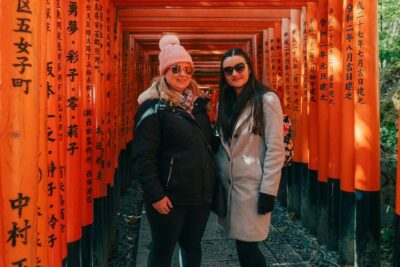

Japan: Land of the Rising Sun 12-Day Tour by Intrepid Travel
Read our review →