Reviewed · GUIDED
2.5 Hour-Guided Cycle Tour in the Central Tokyo
Quiet Tokyo is worth the ride. This 2.5-hour guided cycle tour swaps famous avenues for riverside paths, residential lanes, small temples, and everyday shopping streets. I like the gentle pace and the chance to see Tokyo from street level, especially around the Sumida River and beneath Tokyo Skytree. I also like that guide Takeshi adapts to the group and shares local details rather than simply leading a procession. The main consideration is the compact folding bike, which suits riders from 140 to 180 centimeters tall, but may feel small or less comfortable if you are taller.
The tour begins at Hikifune Station and returns there, making it easy to fit into a Tokyo day. You will ride with a maximum of six people, wear a provided helmet, and stop often enough for temples, photos, and short walks. Rain can affect the outing, so keep your schedule flexible, especially during unsettled weather.
In This Review
- Key points to know before you book
- Why a bicycle works so well in eastern Tokyo
- Meeting at Hikifune Station
- Riding beside the Sumida River
- Honryuin Matsuchiyama Shoden and its unusual symbols
- Imado Shrine and Tokyo’s love connections
- Senso-ji, with bikes parked nearby
- Watching candy take shape at Asakusa Amezaiku Ameshin
- Kyojima Minami Park and everyday neighborhood life
- How Takeshi shapes the experience
- Price, group size, and what you receive
- Who should choose this ride?
- Should you book the Tokyo Backstreets Bike Tour?
- FAQ
- How long does the cycle tour last?
- Where does the tour begin?
- Where does the tour end?
- How many people can join the tour?
- Are helmets provided?
- What size riders can use the rental bikes?
- Can I request a tandem bike?
- Are the temple and shrine stops included without admission fees?
- What happens if the weather is poor?
Key points to know before you book
- A quiet side of Tokyo: Ride through residential streets, along the Sumida River, and around Kyojima instead of spending the whole morning in crowded sightseeing districts.
- Takeshi is the key advantage: He has been praised for safe riding, local insight, thoughtful pacing, and taking photos for guests.
- Several sights in one short outing: Visit Honryuin Matsuchiyama Shoden, Imado Shrine, Senso-ji, a traditional candy workshop, and Kyojima Minami Park.
- Easygoing rather than athletic: The ride is described as gentle and suitable for recreational cyclists, including a family with children aged 13 and 16.
- Small-group feel: The maximum is six people, and the tour is presented as private for your group, allowing more room for questions and a flexible pace.
- Check the bike size: Folding bikes have 14 to 20-inch wheels and are intended for riders 140 to 180 centimeters tall. Ask ahead about a tandem bike or if you are taller than 180 centimeters.
Why a bicycle works so well in eastern Tokyo
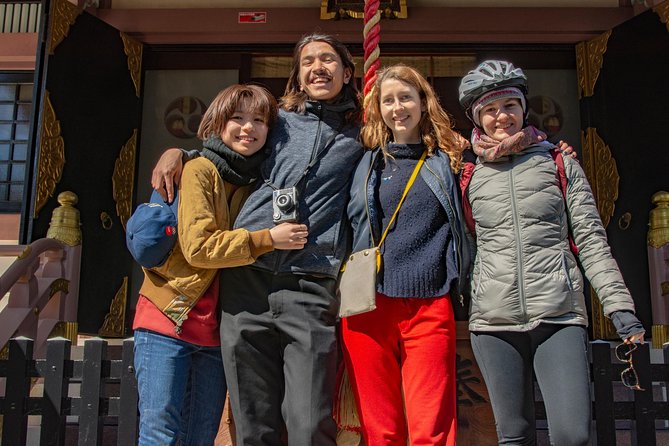
Tokyo can feel enormous on foot. One neighborhood may be packed with shops and commuters, while a few turns later you are beside a river, passing modest homes and neighborhood temples. A bicycle gives you that change of scene without spending the day on trains.
This ride focuses on the eastern side of central Tokyo, around the Sumida River, Asakusa, Hikifune, and Kyojima. It is not designed as a grand survey of the entire city. Instead, you get a close look at smaller places that are easy to miss if you stay on the usual route between major stations.
I especially like the balance between sights and ordinary life. You will see a major temple in Senso-ji, but you will also pass through streets where people shop, work, and live. That mix gives the tour more character than a simple list of famous monuments.
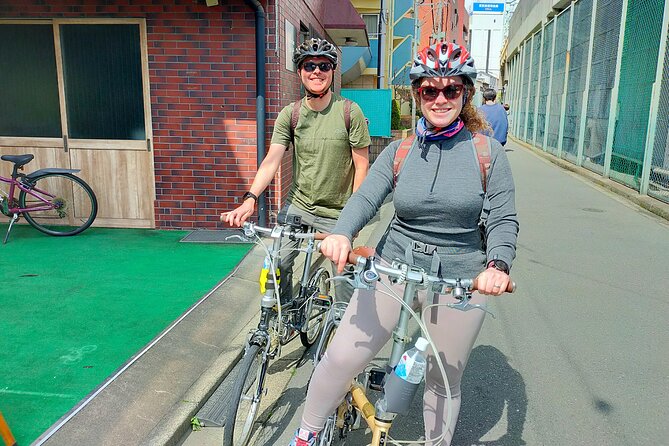
The cycling itself sounds manageable for recreational riders. The route includes riverbank riding, bridge crossings, backstreets, and some walking with the bikes parked. You should still be comfortable cycling in an urban setting and following a guide, but this is not presented as a demanding athletic trip.
A few more options to weigh up in Tokyo
- Tokyo Disney Resort – Tokyo Disneyland & Tokyo DisneySea Park Tickets
★ 4.8 · 99,488 reviews - SHIBUYA SKY Ticket
★ 4.7 · 46,509 reviews - JR Whole Japan Rail Pass
★ 4.8 · 29,150 reviews
Meeting at Hikifune Station
The meeting point is inside the shared office called Synapse, at 2-chome 24-14 Higashimukojima, Sumida City, Tokyo 131-0032. The tour begins and ends at this same location, so you do not need to work out a second pickup point after the ride.
Because the starting point is near public transportation, getting there should be straightforward, but allow time to find the office entrance. The meeting point is not at a headline attraction such as Senso-ji, and that is part of the appeal: you begin in a local neighborhood rather than in the middle of Tokyo’s busiest sightseeing zone.
You receive a helmet for the ride. The rental bikes are folding models with 14 to 20-inch wheels. The stated rider range is 140 to 180 centimeters, so contact the operator before booking if you are taller. A tandem bike may also be available if you request it at least three days before your tour date.
Riding beside the Sumida River
One of the first memorable sections is cycling along the bank of the Sumida River. In spring, the area is known for its cherry blossoms, so the timing of your visit can change the feel of this part of the route.
The river gives you a more open view than the narrow city streets. It is also a pleasant introduction to the tour because you can settle into the bike while seeing Tokyo from a less familiar angle. You will later cross the Sumida River by bridge, with wide views of the water and city around you.
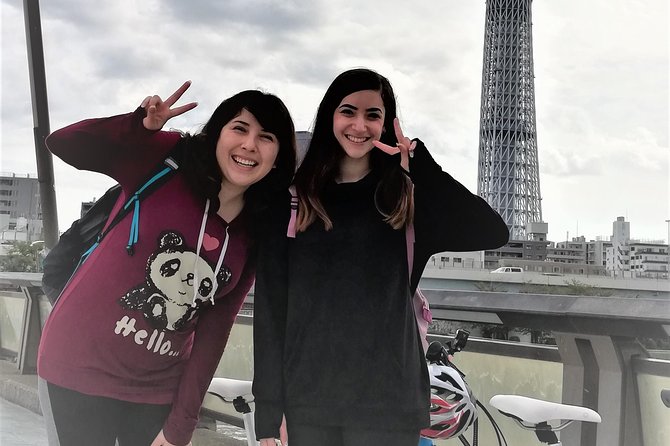
The route also passes under Tokyo Skytree. This is a clever way to experience the tower. You are not simply looking up at it from a distant plaza. You move through the neighborhoods around it and see how such a huge modern landmark fits into the older streets below.
The Skytree views are one of the tour’s most repeated pleasures. Guide Takeshi has been praised for showing the tower from different angles and for taking a photo with it, which is especially useful if you are traveling alone and want a picture of yourself rather than another tower shot.
Honryuin Matsuchiyama Shoden and its unusual symbols
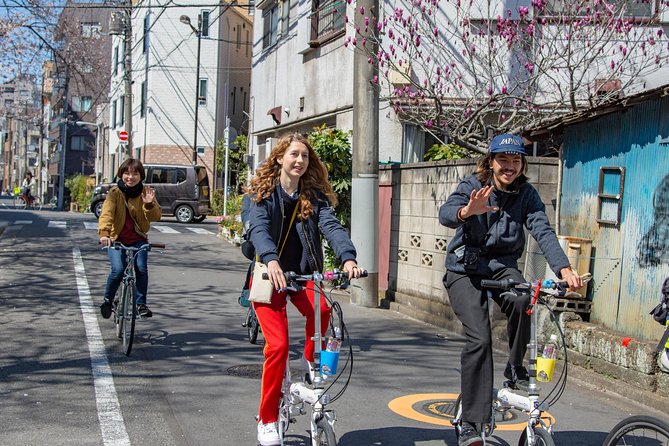
The first temple stop is Honryuin Matsuchiyama Shoden, a temple connected with Senso-ji and founded in 595. You have about 20 minutes here, with no separate admission charge.
The temple is known for repeated images of a daikon, or Japanese radish, and a pouch. These are not random decorations. The daikon represents minds trapped in ignorance and releasing poison, while the pouch has its own religious meaning within the temple’s imagery.
This is exactly the sort of stop that benefits from a guide. Without explanation, you might notice the radishes and simply find them amusing. With context, the symbols become a doorway into Japanese Buddhist ideas and local religious practice.
Do not expect a huge complex or a long formal visit. The stop is short, and the value comes from the story, the quiet setting, and the contrast with the much larger Senso-ji later in the route.
A completely different kind of day out:
- Mt Fuji and Hakone 1-Day Bus Tour Return by Bullet Train
★ 5.0 · 26,383 reviews - TOKYO SKYTREE® Ticket
★ 4.7 · 25,136 reviews - teamLab Borderless Tickets: MORI Building DIGITAL ART MUSEUM
★ 4.7 · 24,126 reviews - teamLab Planets TOKYO Ticket
★ 4.7 · 21,663 reviews
Imado Shrine and Tokyo’s love connections
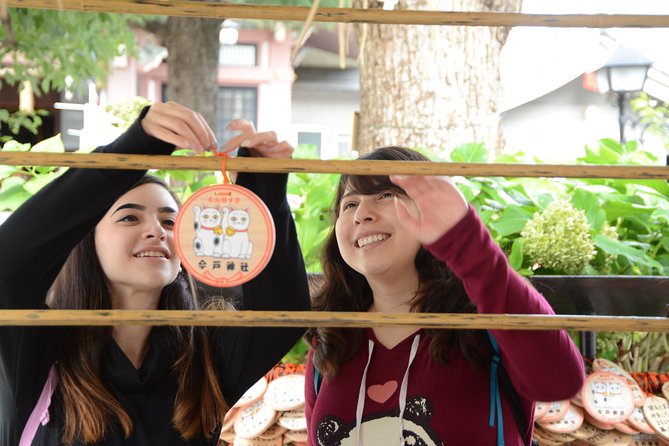
Imado Shrine dates from 1063 and is now known as a power spot for people seeking love or marriage partners. You spend about 15 minutes here, again without an admission charge.
The shrine adds a different flavor to the temple visits. It is tied to personal hopes and relationships, rather than only to historical interest. If you are curious about the everyday role of shrines in Japan, this is a useful stop.
The visit is brief, so you will not spend much time studying the site. Still, the guide can explain why people come here and how the idea of a sacred power spot fits into modern Tokyo life. That short explanation may be more valuable than a long stop without context.
Together, Honryuin Matsuchiyama Shoden and Imado Shrine make a good pair. One is notable for unusual religious symbols, the other for its connection with romance and marriage. Both are quieter than Senso-ji, giving you a calmer look at local worship.
Senso-ji, with bikes parked nearby
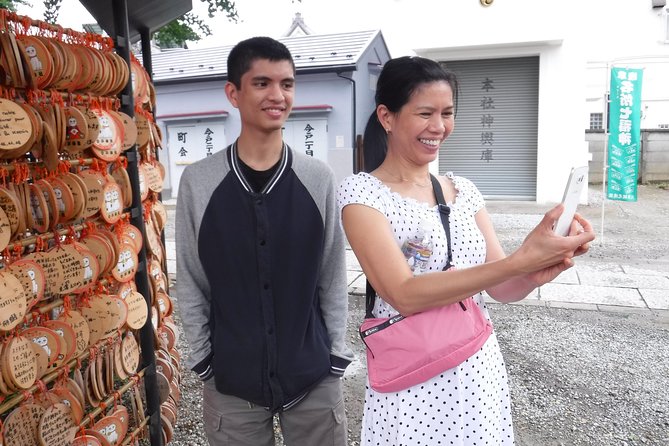
The tour then reaches Senso-ji, Tokyo’s best-known Buddhist temple. You park the bikes near the temple and stroll inside for about 30 minutes.
This is the busiest and most famous stop on the route, so the pace changes here. After riding through smaller streets, you enter a major cultural and religious landmark with a much larger public profile. Half an hour is enough to see the main area without turning the entire bicycle tour into a temple visit.
The practical advantage is that you do not need to arrive at Senso-ji independently, find the best approach, and then work out where to go next. The guide handles the transition and keeps the visit connected to the rest of the route.
Still, you should set your expectations correctly. Thirty minutes is a useful introduction, not a full study of Senso-ji. If this is your first visit and you want to explore every lane, shop, and hall around the temple, plan to return on your own another time.
Watching candy take shape at Asakusa Amezaiku Ameshin
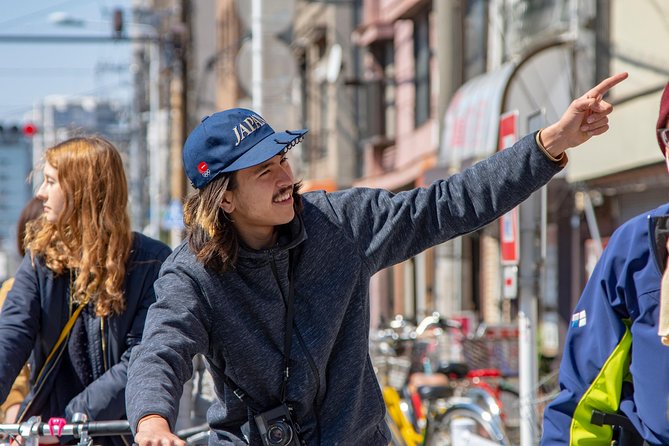
At Asakusa Amezaiku Ameshin, you can watch Japanese traditional craft candy being made. The work is artistic, and the stop lasts about 15 minutes with no admission fee listed.
This is a welcome change from temples and cycling. Amezaiku is not just ordinary sweets handed over in a wrapper. The candy is shaped into detailed forms, so the appeal is in watching the maker work as much as in buying something.
The short visit works well within a two-and-a-half-hour itinerary. You get a glimpse of a traditional craft without using up the afternoon. If you want to purchase candy, bring some spending money, since the tour price does not necessarily cover personal purchases.
Kyojima Minami Park and everyday neighborhood life
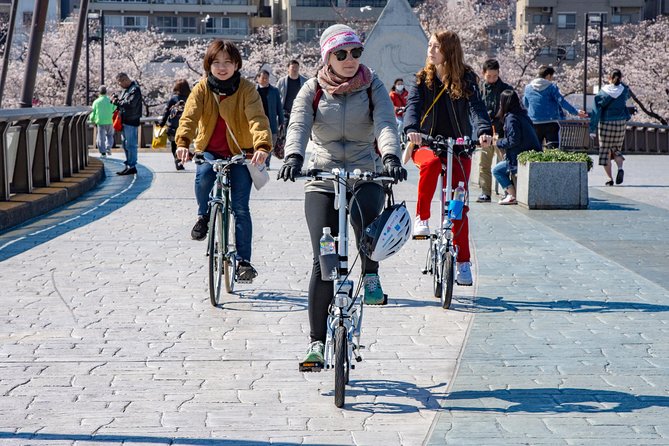
The final listed stop is Kyojima Minami Park, where you spend about 20 minutes. The nearby old-fashioned shopping mall offers a look at daily Japanese life, away from the polished shopping areas most first-time visitors seek.
This may be the most useful stop for understanding the tour’s purpose. Senso-ji and Skytree are famous, but a local shopping street shows how the neighborhood actually functions. You might find the setting more modest than central Tokyo’s headline attractions, but that is precisely why it feels different.
The tour does not pretend every stop is a grand monument. Instead, it gives you small pieces of a neighborhood: a park, a shopping area, residential roads, and the river. I would value this section most if I had already seen the major Tokyo sights and wanted a closer look at ordinary surroundings.
How Takeshi shapes the experience
The guide can make or break a bike tour, and Takeshi receives especially strong praise for three things: safety, local information, and flexibility.
A cautious rider may feel uneasy about cycling in a large city. Takeshi has been praised for keeping the ride safe and making the outing comfortable for a solo cyclist. He has also supplied raincoats on wet, cold days and kept an eye on the group’s safety when conditions were unpleasant.
His communication before the tour also matters. When rain was forecast, he contacted a booked group to ask about changing the cycling date. That does not guarantee a change will always be possible, but it shows useful attention to weather and comfort.
Families can also find the pace suitable. A family riding with children aged 13 and 16 described the trip as not too strenuous and well suited to recreational cyclists. You should still judge your own group honestly, especially if some members rarely ride bikes.
The photo help is a small but valuable touch. Takeshi has taken and emailed photos after tours, including pictures of solo riders with Tokyo Skytree. If you want a record of the day, ask him about photos during the ride.
Price, group size, and what you receive
The listed price is $50.08 per person. For roughly 2.5 hours, that is a fair price if you value the bike, helmet, guide, route planning, and local interpretation. You are also covering the convenience of seeing several districts without arranging rentals and navigation yourself.
The value improves for a small private group. With a maximum of six people, the guide can answer questions and adjust the pace more easily than on a large bus or mass walking tour. Group discounts are available, so check the total if you are booking for several people.
The price does not appear to include food purchases at street stalls or the traditional candy shop. Bring money if you want to buy snacks or sweets. The listed temple and shrine visits do not require separate admission fees.
This is not the cheapest way to move around Tokyo, and you could visit Senso-ji and the Skytree area by train. But public transportation will not give you the same easy connection between riverside paths, quiet streets, temples, a candy-making stop, and a local shopping area.
Who should choose this ride?
I would recommend it to first-time visitors who want more than Tokyo’s biggest names, families with older children, solo visitors who want a guide and photos, and recreational cyclists who prefer a gentle outing.
It is also a good choice for a spare morning or afternoon. The tour uses about 2.5 hours, leaving the rest of the day open for Senso-ji, another neighborhood, dinner, or a return visit to a favorite stop.
You may want to think twice if you are taller than 180 centimeters, strongly prefer a full-size bicycle, or want a hard workout. The folding bikes are compact, and the route is built around sightseeing rather than speed.
The weather is another real consideration. The activity requires good weather, and poor conditions can lead to a new date or a full refund. Free cancellation is available up to 24 hours before the start time. Inside that window, refunds and changes are not accepted, so avoid placing this tour on a day when your schedule is likely to shift.
Should you book the Tokyo Backstreets Bike Tour?
Book it if you want to see Tokyo at a human pace, with quiet streets between the major sights. The strongest reasons are the small group, the gentle route, the mix of religious sites and everyday neighborhoods, and Takeshi’s careful approach to safety and weather.
I would not book it solely to see Senso-ji or Tokyo Skytree. You can visit those independently. Book this experience for the connections between places, the riverside riding, the unusual daikon symbols at Honryuin Matsuchiyama Shoden, the candy craft, and the glimpse of local life around Kyojima.
At $50.08, it offers good value for an easy, guided introduction to a less familiar side of Tokyo. Just check your height against the bike range, allow time to find the Hikifune meeting point, and keep your plans flexible if rain is possible.
FAQ
How long does the cycle tour last?
The tour lasts approximately 2 hours and 30 minutes.
Where does the tour begin?
It begins at Tokyo Backstreets Bike Tour, inside the shared office called Synapse, at 2-chome 24-14 Higashimukojima, Sumida City, Tokyo 131-0032.
Where does the tour end?
The activity ends back at the meeting point.
How many people can join the tour?
The tour has a maximum of six travelers. It is presented as a private tour for your group.
Are helmets provided?
Yes. A helmet is provided for the ride.
What size riders can use the rental bikes?
The folding bikes have 14 to 20-inch wheels and are suitable for people between 140 and 180 centimeters tall. You should inform the operator in advance if you are over 180 centimeters.
Can I request a tandem bike?
Yes, but you must inform the operator at least three days before the booked tour date.
Are the temple and shrine stops included without admission fees?
Yes. The listed visits to Honryuin Matsuchiyama Shoden, Imado Shrine, Senso-ji, and Kyojima Minami Park have no admission ticket charge shown.
What happens if the weather is poor?
The experience requires good weather. If it is canceled because of poor weather, you will be offered another date or a full refund.
Just added in Tokyo
- A One-of-a-Kind Sushi Experience in a Special Place of Japan★ 5.0 · 15 reviews
- Tokyo Cute Bento Cooking Class – Make a Kawaii Character Lunchbox★ 5.0 · 126 reviews
- Japanese Home Cooking Class & Walk in Todoroki Temple Tokyo★ 5.0 · 88 reviews
- Japan Tokyo Tower Observatory Deck E-Ticket★ 4.0 · 34 reviews
- Catch a Baseball Game in Tokyo with a Local – Tickets Included★ 5.0 · 24 reviews
- JDM Experience with Fast&Furious RX-7 (English speaking Driver)★ 5.0 · 57 reviews
- Tokyo Private Day Tour by Car with English speaking Driver Guide★ 4.0 · 29 reviews
- Japan Classic 10 Day – One Life Adventures★ 5.0 · 129 reviews
Guided, compared.
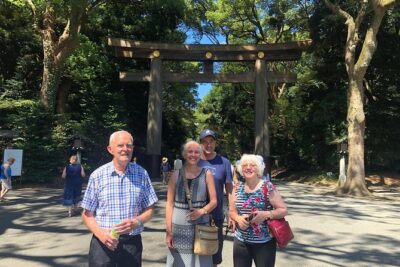
Tokyo 6hr Private Tour with Government-Licensed Guide
Read our review →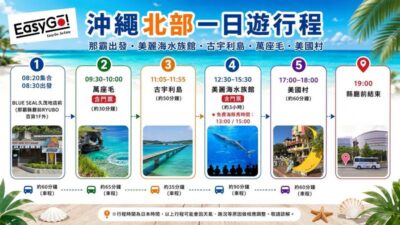
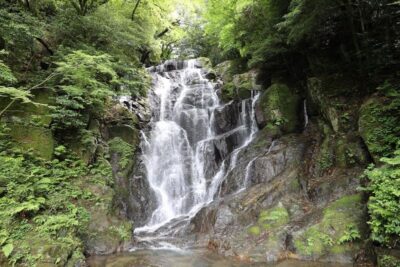
Shiraito Falls & Forest Cafe & Handmade Flower Salt Pudding & Grilled Seafood & Totoro Forest & Sakurai Futamigaura & Angel’s Wings & Coconut Tree Swing Day Tour (Departing from Hakata Station, with Mandarin, English, and Cantonese speaking guide)
Read our review →
Shinjuku Local Bar and Izakaya Guided Walking Tour
Read our review →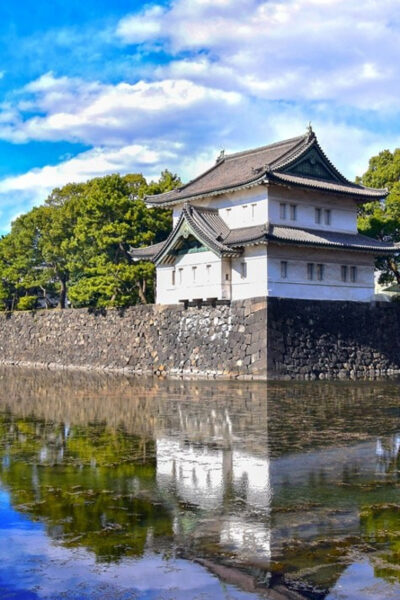
Private City Highlights Tour with Local Guide
Read our review →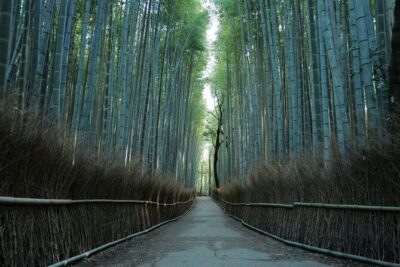
Kyoto Early Morning Tour with English-Speaking Guide
Read our review →