Reviewed · MULTI-DAY TOURS THAT VISIT HAKONE
8-Day Japan Premium Mini Group Tour with 3/4 Stars Hotels by Agate Travel – Reviews & Prices
A six-person group is a practical way to tackle Japan’s big-name sights without joining a busload of strangers. In eight days, you travel from Tokyo to Osaka, with Hakone, Kyoto, Nara, Hiroshima, and Miyajima Island on the route. The small-group cap keeps the experience personal, but the schedule still covers a lot of ground.
I like two things in particular: the blend of famous sights and everyday food stops, from Tsukiji Outer Market to Nakamise-dori, and the way the tour takes care of hotel bookings, admission fees, and much of the local transport. English-speaking guides add context at key sites, while a few independent train rides leave room to travel at your own pace.
The trade-off is a packed, walking-heavy schedule. You’ll carry your own luggage between cities, and some rail journeys are independent rather than guided door to door. If you want slow mornings or long breaks, ask Agate Travel about a gentler custom plan before booking.
- Small group, big route: The group has 2 to 6 people, and the tour covers several major regions in just eight days.
- Mt. Fuji is a view, not a promise: Hakone’s ropeway and Lake Ashi cruise offer chances to see the mountain, but visibility depends on the weather.
- Rail travel is part of the experience: Some journeys are guided, while the Tokyo to Kyoto and Osaka to Hiroshima train rides are independent.
- Breakfast and major admissions are covered: Lunch, dinner, international flights, and Osaka airport transport are not.
- Hotel class affects the price: The starting rate is based on three-star hotels; ask about the four-star option.
- Expect plenty of walking: The route includes station transfers, temple grounds, city streets, and busy sightseeing days.
In This Review
- A quick route through Japan’s greatest hits
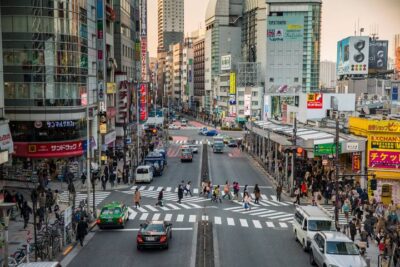
- Tokyo’s markets, shrines, and crowded streets
- Hakone, Owakudani, and the Mt. Fuji gamble
- Kyoto’s Golden Pavilion and old Gion lanes
- Fushimi Inari and Nara’s friendly deer
- Nijo Castle and Osaka after dark
- Hiroshima and Miyajima in one demanding day
- Hotel choices, meals, and what the price covers
- Who will enjoy this pace, and who should pause
- Should you book this Japan tour?
- FAQ
- How many people are in the group?
- Does the tour include flights?
- Is airport transport included?
- Which train journeys are independent?
- Are meals included?
- Are hotel upgrades available?
- Is Mt. Fuji guaranteed to be visible?
- Is this tour suitable for someone with mobility limitations?
- Can the tour be customized?
A quick route through Japan’s greatest hits
This is a highlights tour, not a slow cultural retreat. You spend three nights in Tokyo, two in Kyoto, and two in Osaka, taking day trips to Hakone, Nara, Hiroshima, and Miyajima. That efficient pattern lets you see a wide range of Japan without changing hotels every night, though the long days can catch up with you.
The maximum group size of six is a real advantage in crowded places. A guide can keep a small party together more easily at busy temples and stations, and you’re less likely to spend precious time waiting for a large group to reassemble. The trade-off is that the schedule moves quickly and isn’t designed around extended free time.
Agate Travel has an operator rating of 4.8 out of 5 across 231 ratings, while this particular tour has a 4.7 average from 13. Praise has focused on careful organization, helpful communication, hotel comfort, and guides who explain the cultural setting. Past departures have featured guides named Koko and Tracia in Kyoto and Yoshi in Osaka, but guide assignments can change.
Tokyo’s markets, shrines, and crowded streets
Your first day is deliberately light. A shared car takes you from the airport to your hotel, then the evening is yours. The pickup service runs only until 20:30; if you land later, arrange your own way to the hotel or book a private pickup.
On Day 2, Tsukiji Outer Market gives you an early look at Tokyo’s food culture. It’s a good place to sample local snacks, but it’s also a working market area, so follow your guide and be ready for crowds. Lunch is not included, giving you a chance to choose what appeals to you.
Meiji Jingu offers a calmer change of pace. Set aside a moment to notice the contrast between the shrine’s quiet setting and the city outside it. At the Imperial Palace, your guide introduces the site’s connection to Japan’s feudal rulers. The palace grounds are extensive, so the visit involves walking even before you reach Senso-ji.
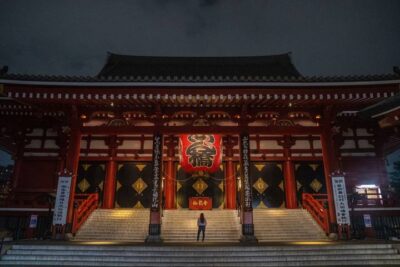
Senso-ji and Nakamise-dori bring the day to a busy finish. The temple combines Buddhist and Shinto influences, while the approach street is lined with shops and local snacks. It’s a fun place to try something new, though the crowds can make a relaxed wander difficult. Your guide returns you to the hotel afterward.
A few more options to weigh up in Tokyo
- Tokyo Disney Resort – Tokyo Disneyland & Tokyo DisneySea Park Tickets
★ 4.8 · 99,488 reviews - SHIBUYA SKY Ticket
★ 4.7 · 46,509 reviews - JR Whole Japan Rail Pass
★ 4.8 · 29,150 reviews
Hakone, Owakudani, and the Mt. Fuji gamble
Day 3 is a full out-and-back excursion from Tokyo. You take a bullet train to Odawara, then transfer to the Hakone mountain train and ropeway. The change in transport is part of the day’s appeal, but it also means several connections and steady movement between stops.
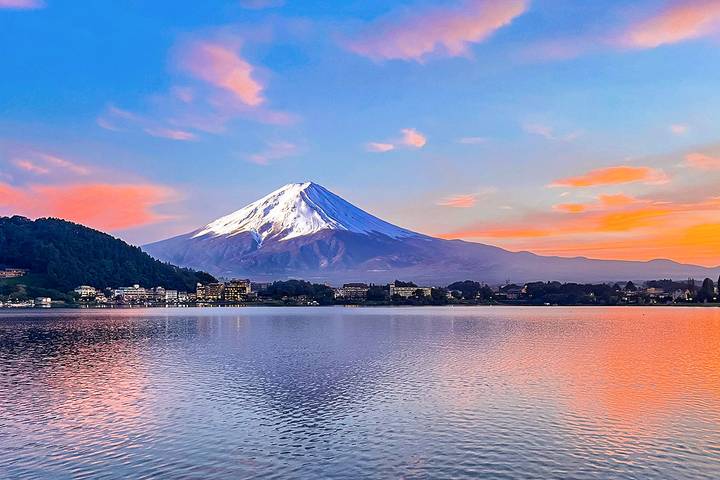
Owakudani is known for its steaming volcanic scenery, a striking contrast to the city temples you’ve just seen. From the ropeway, you may catch a view of Mt. Fuji’s snow-capped peak. Clouds can hide the mountain, as one past departure discovered, so treat Fuji as a possible bonus rather than a guaranteed sight.
The day ends with a 30-minute cruise on Lake Ashi. Your ticket includes first-class seating on the second floor, with access to the top deck. That’s a thoughtful upgrade for a short cruise, especially if the weather opens up a view across the lake. The guide takes you back to Tokyo in the evening, so expect a long day from hotel pickup to return.
Kyoto’s Golden Pavilion and old Gion lanes
On Day 4, you travel from Tokyo to Kyoto by train using pre-booked tickets, but the ride is independent. Your guide meets you at Kyoto Station. This arrangement is straightforward if you’re comfortable reading station signs and following a meeting plan, but it isn’t a guided transfer from one hotel lobby to the next.
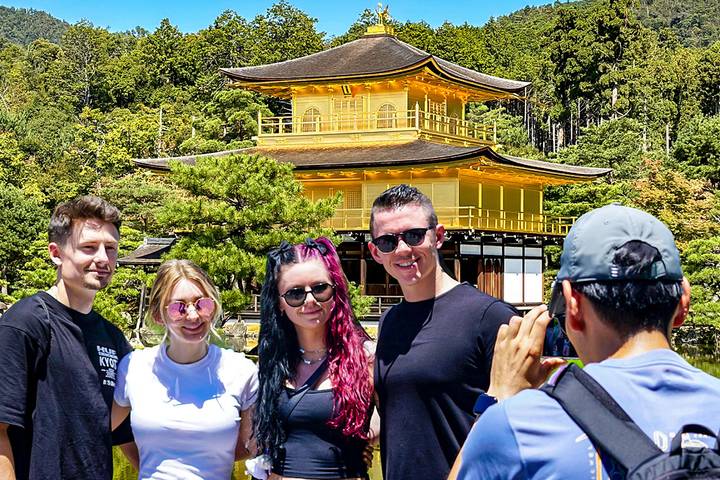
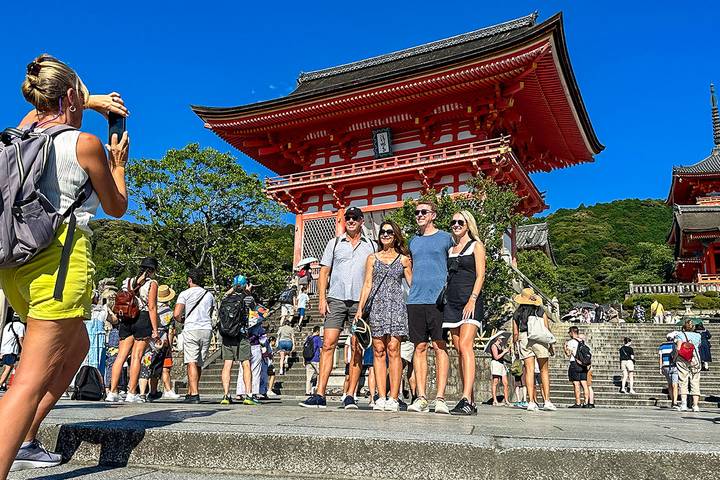
Kinkaku-ji, the Golden Pavilion, is one of Kyoto’s most memorable sights. Its reflected image across the water is a classic view, though the grounds can be crowded and the visit follows a set route. The tour then heads to Kiyomizu-dera, described in the schedule as the Pure Water Temple, a UNESCO World Heritage site where visitors pray for hopes such as longevity, love, and academic success.
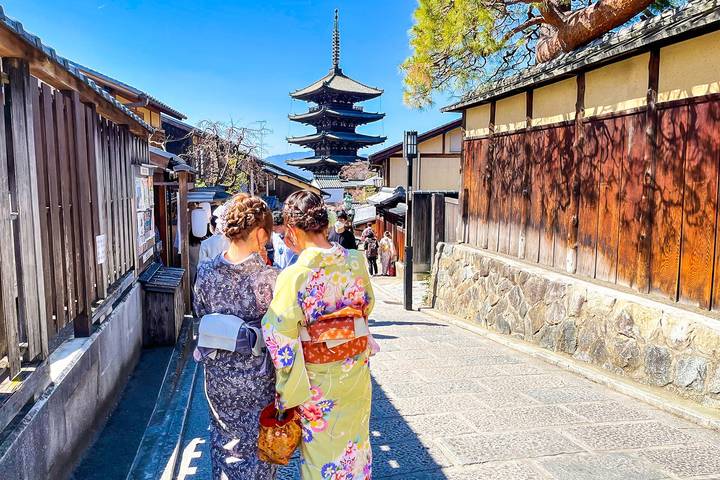
Sannenzaka and Ninenzaka lead toward Gion through traditional wooden buildings and shops. This is one of the more atmospheric walks of the week, but it’s popular, so don’t expect empty lanes. You may spot performers in kimono, but a sighting of a geisha is never guaranteed. After the guided portion, you can explore Gion independently or return to your hotel with the guide.
Fushimi Inari and Nara’s friendly deer
Day 5 begins at Fushimi Inari Shrine, known for its rows of red torii gates climbing the hillside. The site is large, and the full route uphill takes time, so ask your guide how much walking the group plans to do. Even a shorter visit gives you a sense of why the gates are such a familiar image of Japan.
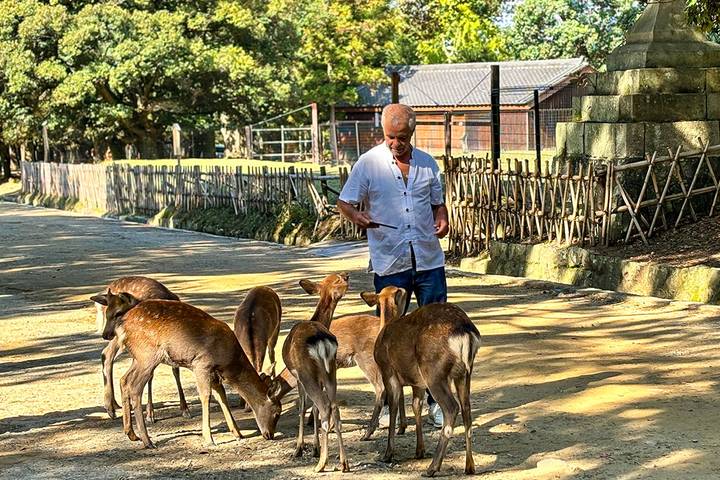
A short train ride brings you to Nara. At Nara Park, you can buy crackers to feed the deer, which are famous for bowing. They’re entertaining, but keep your food secure and follow the guide’s advice; the deer are eager participants.
Todai-ji is the day’s architectural and spiritual centerpiece, with a huge bronze Buddha inside its main hall. Kasuga Taisha adds a quieter stop, with lantern-lined paths leading through a wooded setting. If time and energy allow, the schedule may also include Goryo Shrine and Naramachi Lattice House, a chance to see older residential architecture. These last stops are not guaranteed parts of the day, so don’t build a must-see plan around them.
A completely different kind of day out:
- Mt Fuji and Hakone 1-Day Bus Tour Return by Bullet Train
★ 5.0 · 26,383 reviews - TOKYO SKYTREE® Ticket
★ 4.7 · 25,136 reviews - teamLab Borderless Tickets: MORI Building DIGITAL ART MUSEUM
★ 4.7 · 24,126 reviews - teamLab Planets TOKYO Ticket
★ 4.7 · 21,663 reviews
Nijo Castle and Osaka after dark
On Day 6, you visit Nijo Castle before taking the train to Osaka. The castle’s grounds and interior offer a look at the power and ceremony of Japan’s shogun era. Then the pace changes: Osaka Castle, followed by Dotonbori and Shinsaibashi, puts you among shops, restaurants, and bright commercial streets.
Hozen-ji Temple offers a quieter pause amid the shopping districts. That contrast is useful: Osaka is not only about food and crowds, and a small temple stop can reset the day. Your guide can walk you back to the hotel, or you can stay out longer and return on your own. The hotel is about a 10-minute walk from Shinsaibashi Street.
The Osaka hotel’s location makes independent evening wandering easier. Still, after a day of sightseeing, you may prefer a simple dinner and an early night. Meals beyond breakfast are on your own, so the city’s food options are a welcome chance to choose your own pace and budget.
Hiroshima and Miyajima in one demanding day
Day 7 starts with an independent bullet train ride from Shin-Osaka to Hiroshima, about 1.5 hours. You receive your tickets from the Osaka guide the day before, and a Hiroshima guide meets you at the station. The arrangement works well if you’re comfortable managing a station journey; it does mean the morning begins without a guide beside you.
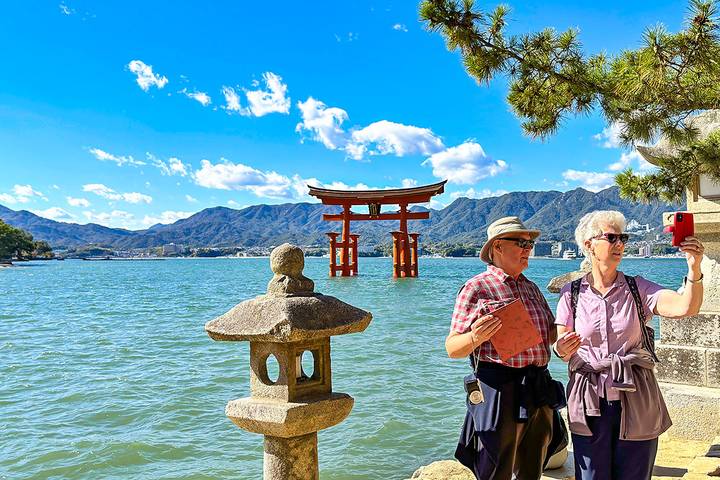
A boat takes you to Miyajima Island and Itsukushima Shrine, dedicated to three sea goddesses. The island is a memorable change from the urban stops, but this is only part of a long day, not an overnight visit. Afterward, you return to central Hiroshima for the Atomic Bomb Dome, Peace Memorial Park, and Peace Memorial Museum.
Give the museum the attention it deserves. The artifacts and photographs document the 1945 atomic bombing in a direct, often painful way. It’s an important visit, but not a light one, and you then travel back to Osaka by train. If you prefer more time in Hiroshima, ask about extending the trip rather than trying to fit everything into this schedule.
Hotel choices, meals, and what the price covers
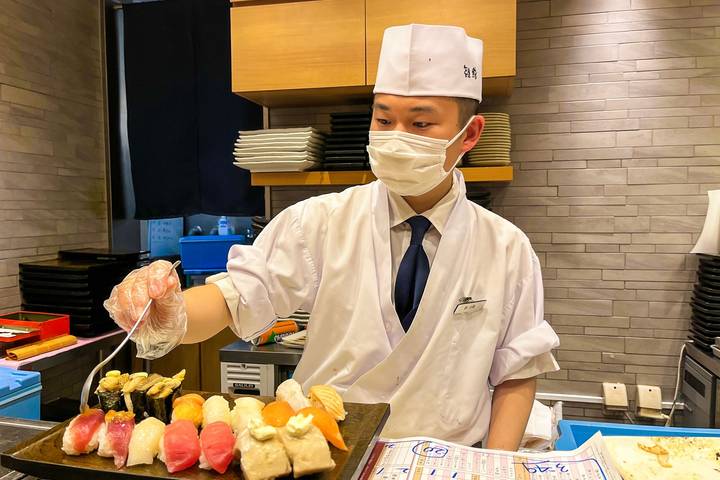
The starting price is from $4,319, based on the three-star hotel option and the cheapest room basis. The listed three-star hotels are Keio Presso Inn Otemachi in Tokyo, Hotel Keihan Kyoto Hachijoguchi in Kyoto, and Henn Na Hotel Osaka Shinsaibashi. Four-star alternatives include Mitsui Garden Hotel Kyobashi, Rihga Gran Kyoto, and DEL style Osaka Shinsaibashi by Daiwa Roynet Hotel. Confirm the price difference before booking.
For the price, the package includes seven hotel nights, daily breakfast, an English-speaking guide, entrance fees for included sights, local public transport, the specified train journeys, and a shared airport pickup on arrival. The first-class Lake Ashi cruise ticket is also included. These inclusions take much of the planning burden off your shoulders, especially when you’re crossing cities and visiting several paid sites.
The cost does not include international flights, lunch or dinner, travel insurance, personal expenses, or your trip to Osaka airport on departure day. There may also be holiday or festival surcharges. The tour offers vegetarian food on request, but that does not mean all meals are prepaid: breakfast is included, while you arrange and pay for other meals yourself.
One practical point often missed in a fast-moving route: you handle your own luggage between destinations. There is no included luggage transfer service. Pack light enough to manage stations and train connections without turning every transfer into a workout.
Who will enjoy this pace, and who should pause
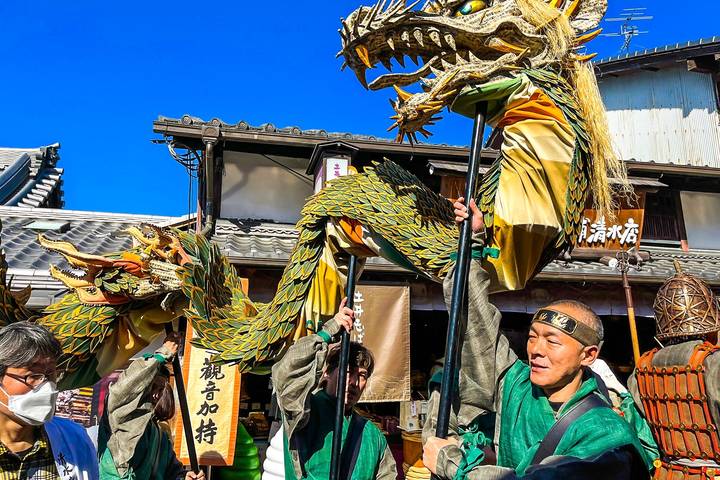
This tour suits first-time visitors who want to see Japan’s main cultural and city sights in one organized trip. It’s also a good fit for families who value a guide and a small group. One family traveling with children and parents over 70 found the logistics and airport pickup helpful, but the walking was difficult for the older members. That is a useful warning: a full day can mean repeated walks through station corridors, temple grounds, and busy streets.
The activity level is rated medium, and the tour is not suitable for wheelchair users or people over 80. If anyone in your party has limited stamina, ask Agate Travel about a private-car version or a slower custom schedule. The operator has discussed private options, extra days, and tailored arrangements, but those change the price and the nature of the group tour.
The tour is described as guaranteed with at least two participants, but it cannot be confirmed for a solo traveler if there are not enough people. For a group of six, custom changes may be possible. Ask about changes before paying, especially if you want an extra night, a different city, or a lighter walking schedule.
Should you book this Japan tour?
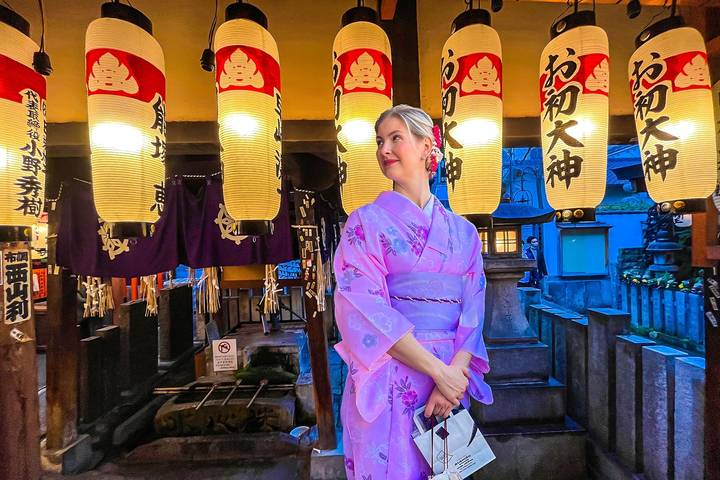
Book it if you want a compact introduction to Japan, value a guide’s help at major sights, and are comfortable with train travel and busy days. The six-person limit, included admissions, breakfast, and well-planned city sequence make the price easier to assess than a bare hotel-and-transport package.
Think twice if you want long, unplanned days, dislike carrying bags, or need frequent rest. Before you commit, confirm the three- or four-star hotel level, clarify which train legs are independent, and ask for a realistic walking plan. Those questions can make the difference between a satisfying snapshot of Japan and a week that feels like a race.
FAQ
How many people are in the group?
The group size is 2 to 6 people. The tour is guaranteed to depart with at least two participants, but it cannot be confirmed for one person alone if no other participant has booked.
Does the tour include flights?
No. International flights into Tokyo and out of Osaka are not included.
Is airport transport included?
A shared car transfer from the Tokyo airport to your hotel is included on arrival. Shared pickups run until 20:30. The trip to Osaka airport on departure day is not included.
Which train journeys are independent?
You travel independently from Tokyo to Kyoto using pre-booked tickets. On Day 7, you also take the train from Shin-Osaka to Hiroshima on your own, then meet a local guide at Hiroshima Station.
Are meals included?
Daily hotel breakfast is included. Lunch and dinner are not included. Vegetarian food can be requested from Agate Travel.
Are hotel upgrades available?
Yes. The starting price is based on three-star hotels. Four-star hotels are offered as alternatives, and you should ask Agate Travel to confirm the added cost.
Is Mt. Fuji guaranteed to be visible?
No. The Hakone ropeway and Lake Ashi cruise provide opportunities to view Mt. Fuji, but cloud and weather conditions can block the view.
Is this tour suitable for someone with mobility limitations?
The tour is rated medium intensity and involves considerable walking. It is not suitable for wheelchair users or people over 80. Ask Agate Travel about a private-car option or a slower customized plan if needed.
Can the tour be customized?
Custom changes may be possible, particularly for a group of six. Agate Travel has also discussed private tours and added days. Contact the operator to confirm what can be changed and how it affects the price.
Just added in Tokyo
- Fish Market & Tokyo Skyline Private Walking Tour★ 5.0 · 14 reviews
- Mt. Fuji & Hakone Cherry Blossom private One Day Tour★ 4.5 · 35 reviews
- 25-Min Downtown Helicopter Tour : Tokyo Skytree and Tokyo Tower★ 5.0 · 19 reviews
- Private Tour with a Local Guide – Learn about daily life in Japan★ 5.0 · 22 reviews
- Tokyo: 3-Hour Bike/E-Bike Tour of the City’s Highlights★ 5.0 · 209 reviews
- Official Japan Go-Kart Through Tokyo Bay / Ginza (IDP Required)★ 4.5 · 71 reviews
- 30-Min Tokyo Central Private Heli Tour– Asakusa, Skytree, Shibuya★ 5.0 · 13 reviews
- Tokyo 2-Hour Genuine Samurai Experience: Kendo in Japan★ 5.0 · 112 reviews
Multi-Day Tours That Visit Hakone, compared.

Japan Essentials 9 Day – One Life Adventures: Tokyo to Osaka
Read our review →

Tokyo to Osaka by Rail – Private Tour (14 Days) with Explore!
Read our review →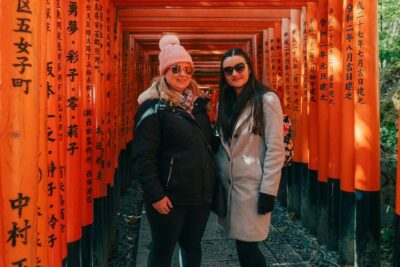

Japan: Land of the Rising Sun 12-Day Tour by Intrepid Travel
Read our review →