Reviewed · TOKYO TOURS
Create Your Akihabara Tour! Anime, Games & Local Tips
Akihabara rewards curiosity. This private walking tour gives you Mune’s undivided attention, a flexible route through anime shops, game centers, and a historic shrine, plus practical help with Japanese manners. I especially like the freedom to shape the outing around your interests and the mix of shopping, games, and culture. The main consideration is time: at about 1 hour 40 minutes to 2 hours, you will get a useful introduction, not a full survey of every shop in Electric Town.
The price is $91.31 per person, which is a fair deal for a private tour if you want help choosing where to go or need someone to explain how Japanese game centers work. It is less attractive if you already know Akihabara well and prefer to browse at your own pace. Food, drinks, and transportation are extra, and the tour returns to its starting point.
In This Review
- Key points to know before booking
- Why a private guide helps in Akihabara
- Meeting at atré Akihabara
- Radio Kaikan: 45 minutes among anime and cards
- GiGO Akihabara 1st: learn the arcade rhythm
- Super Potato: a compact trip to retro gaming
- Kanda Shrine: a welcome change of pace
- What the $91.31 price really buys
- Who will enjoy this tour most
- Practical details that matter
- Should you book the Akihabara private tour?
- FAQ
- How long does the Akihabara tour last?
- Is this a private tour?
- Can the itinerary be tailored to my interests?
- What places are visited?
- Are food, drinks, and transportation included?
- Where does the tour begin and end?
Key points to know before booking
- Private and flexible: Your group is the only group on the tour, and the route can be adjusted to your anime, manga, card, or gaming interests.
- Four contrasting stops: You visit Radio Kaikan, GiGO Akihabara 1st, Super Potato, and Kanda Shrine.
- Mune gets high praise: His clear meeting instructions, friendly manner, and attentive guidance are major strengths.
- Good for first-time visitors: The tour acts as a shortcut through a district that can feel confusing at first.
- Free cancellation until 24 hours before: Changes or cancellations inside that window are not accepted for a refund.
- A little local support is included: Japanese Manners 101 and Wi-Fi come with the experience.
Why a private guide helps in Akihabara
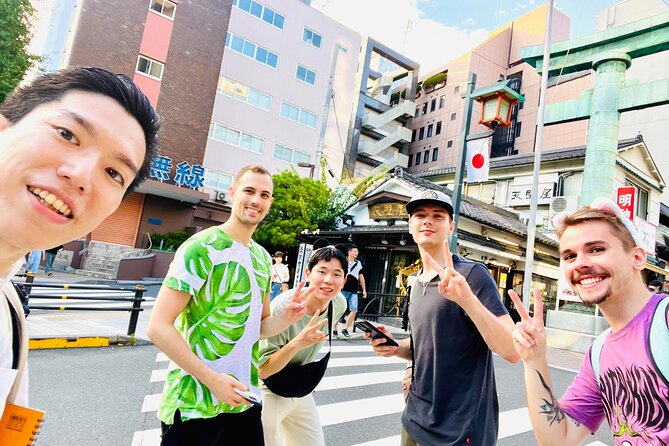
Akihabara is easy to reach, but it is not always easy to read. Shops occupy several floors, signs may be aimed at dedicated fans, and a building that looks modest from the street can hold a whole collection of anime goods, cards, games, and collectibles.
That is where this tour earns its keep. Instead of spending your first hour simply figuring out which building to enter, you have a local guide who can point you toward places that match your interests. You can ask for anime merchandise, retro games, arcade play, or a little of everything.
The private format matters. You are not being pulled along with a large group on a fixed schedule. If you want more time with vintage consoles, you can say so. If you would rather focus on anime shops or learn how to use a Japanese arcade machine, the guide can adjust the emphasis.
Mune is the guide named in the experience, and the strongest praise focuses on his personal approach. He communicates clearly about the meeting point, arrives promptly, and gives friendly, attentive help. One particularly appealing detail is his willingness to show returning visitors places they did not reach the first time. That tells you this is meant to be an introduction shaped around your interests, not a rigid checklist.
A few more options to weigh up in Tokyo
- Tokyo Disney Resort – Tokyo Disneyland & Tokyo DisneySea Park Tickets
★ 4.8 · 99,488 reviews - SHIBUYA SKY Ticket
★ 4.7 · 46,509 reviews - JR Whole Japan Rail Pass
★ 4.8 · 29,150 reviews
Meeting at atré Akihabara

The tour begins at atré Akihabara, at 11-chōme-17-6 Sotokanda in Chiyoda City. The location is near public transportation, which makes it a practical starting point for a short walking experience.
Pay close attention to Mune’s meeting instructions. The meeting area is in a busy part of Tokyo, and clear directions are useful when you are trying to find the right entrance or landmark. His communication before the tour has been singled out as a strength, so use that contact if you need help confirming where to meet.
The experience ends back at the same meeting point. That is convenient if you have left luggage, a shopping bag, or plans nearby. It also means you should allow extra time after the tour if you want to continue shopping, eat, or visit another part of Tokyo.
The tour includes Wi-Fi, but transportation costs are not included. Since the experience is a walking tour, your main transport concern is getting to and from the meeting point.
Radio Kaikan: 45 minutes among anime and cards
Radio Kaikan is the longest stop, with about 45 minutes set aside for shopping and browsing. That is sensible. The building is one of Akihabara’s best-known landmarks, with floors filled with anime shops, card stores, and related merchandise.
I like this stop because it gives you a quick way to understand Akihabara’s indoor shopping culture. Rather than treating the district as one giant store, you get a look at how different floors and shops serve different interests. The guide can help explain what you are seeing and direct your attention to the types of goods you actually want.
For an anime fan, this may be the most important stop. You might find character goods, collectible cards, and other merchandise, but the exact selection can change. The experience does not promise a specific purchase, so think of the stop as guided browsing rather than a shopping guarantee.
Radio Kaikan has also appeared in popular anime, which adds a fun layer for fans who recognize it. Mune can connect the physical building with the anime world that makes Akihabara so appealing.
The drawback is familiar to anyone who likes to shop: 45 minutes can pass quickly. If you see something you want, you may have to choose between buying it immediately and keeping pace with the rest of the tour. Ask Mune at the start if you have a particular item or shop in mind.
GiGO Akihabara 1st: learn the arcade rhythm

The next stop lasts about 25 minutes at GiGO Akihabara 1st, one of the district’s popular game centers. The focus here is play, not just looking.
You can try claw machines, rhythm games, or fighting games. Mune also explains how to play in a Japanese arcade, which is useful if you have never used one. Even a familiar game can feel different when you are learning the local setup, controls, or unwritten manners.
This stop gives the tour some energy after the shopping at Radio Kaikan. It also helps you understand why Akihabara is more than a place to buy anime goods. The district has a strong play culture, and a game center offers a direct way to take part.
Twenty-five minutes is enough for an introduction, but it is not a long arcade session. If you are serious about claw machines or rhythm games, you may want to return on your own after the tour. The private format still helps because you can ask Mune which type of game suits your experience and interests.
The included Japanese Manners 101 is especially useful here and at Kanda Shrine. You are not left to guess how to behave. That practical touch can make the tour feel more comfortable for first-time visitors to Japan.
A completely different kind of day out:
- Mt Fuji and Hakone 1-Day Bus Tour Return by Bullet Train
★ 5.0 · 26,383 reviews - TOKYO SKYTREE® Ticket
★ 4.7 · 25,136 reviews - teamLab Borderless Tickets: MORI Building DIGITAL ART MUSEUM
★ 4.7 · 24,126 reviews - teamLab Planets TOKYO Ticket
★ 4.7 · 21,663 reviews
Super Potato: a compact trip to retro gaming

Super Potato receives about 25 minutes. This is the stop for nostalgia, with classic consoles, vintage games, and arcade machines from earlier eras.
If modern game centers are not your thing, Super Potato may be your favorite part. You can browse the older side of Japanese gaming and see how the country’s video game culture developed through familiar machines and titles. The shop offers a different mood from GiGO, moving from current arcade play to the past.
The time limit is again worth noting. Twenty-five minutes lets you look around and enjoy the arcade machines, but a devoted collector may want much longer. The store can easily tempt you into reading labels, comparing games, or searching for a particular console.
I would use this stop as a scouting visit. If you find something you want, make a note of the shop and return after the guided walk. That way you can shop without watching the clock. You also avoid turning a short tour into a rushed buying decision.
Because Mune knows your interests in advance, tell him if retro gaming is your main reason for booking. The flexible route may allow the guide to give this stop more attention, though the supplied schedule lists about 25 minutes.
Kanda Shrine: a welcome change of pace
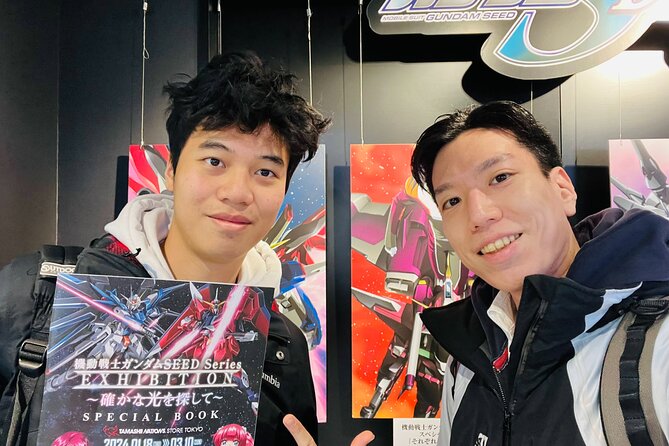
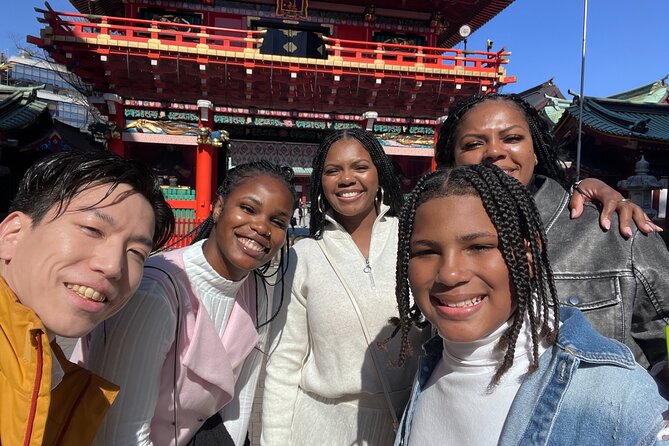
Kanda Myojin, also called Kanda Shrine, receives about 20 minutes. After three stops built around shopping and games, the shrine adds a traditional side of Tokyo.
The shrine is known for an otaku-friendly connection and has appeared in popular anime. That makes it a natural fit for this particular tour. You can enjoy the setting without feeling that the cultural stop has been added at random.
Mune guides you through the proper way to pray at a shrine. This is one of the most useful parts of the tour for someone who wants to take part respectfully but does not know the steps. The Japanese Manners 101 included with the experience supports the same goal.
Twenty minutes is short, but it works as a focused visit. You get a pause from the bright shops and arcade sounds, a look at Japanese religious practice, and a chance to connect Akihabara’s fan culture with older local traditions.
The shrine also helps keep the tour from becoming a shopping errand. If your group includes someone who is less interested in anime or games, this stop provides a more familiar cultural point of interest.
What the $91.31 price really buys
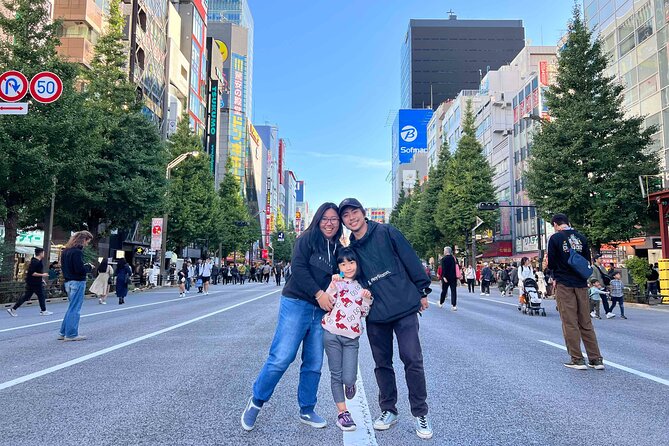
At $91.31 per person, this is not the cheapest way to walk around Akihabara. You are not paying for admission to the four stops, since the listed admission cost is free and the tour does not include food or drinks.
You are paying for time saved, local direction, and privacy. That can be good value if you have only a short stay in Tokyo or feel unsure about where to begin. The guide can help you avoid wandering through unrelated shops and can answer questions as you go.
The value is strongest for:
- First-time visitors to Akihabara
- Anime, manga, and gaming fans who want tailored help
- Couples or families with different interests
- Visitors who want arcade guidance in addition to shopping
- Anyone who wants shrine etiquette explained in person
The value is weaker for an experienced Akihabara shopper who already has a long list of stores. That person may prefer to spend two hours browsing without a guide or time limits.
A perfect 5.0 rating from 20 ratings, with 100 percent recommending the experience, supports the idea that the personal service is its strongest feature. The praise centers on Mune’s warmth, clear communication, attentiveness, and ability to make guests feel welcome. One booking was even arranged as a birthday gift for an anime-loving husband, and the guide was praised for explaining the background of each stop and making the couple comfortable.
That kind of service is hard to measure in a price comparison. If you want a private introduction rather than a simple route map, the cost becomes easier to justify.
Who will enjoy this tour most
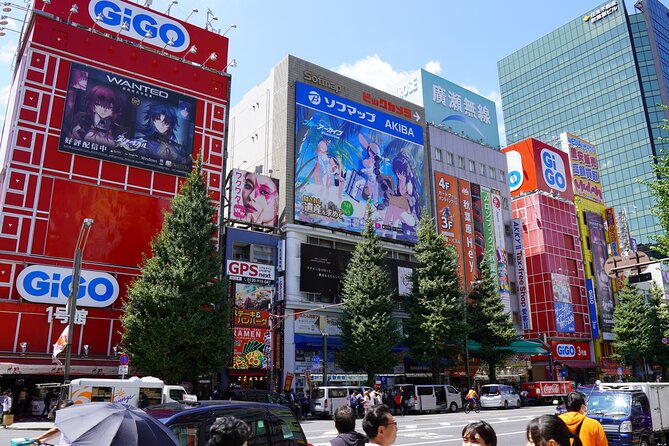
I would recommend this experience to someone visiting Akihabara for the first time, especially if anime or gaming is a major reason for the trip. You get four distinct experiences in a compact period, and the guide can explain how to approach each one.
It is also a smart choice for a couple with one avid fan and one curious companion. The shrine, local stories, and manners guidance give the less dedicated fan something to enjoy beyond merchandise and arcade machines.
Families may appreciate the private format as well. Your group can ask questions without worrying about holding up strangers, and you can tell Mune what kinds of games or shops suit your group.
I would be more cautious about booking if you want a long shopping session. The entire experience lasts less than two hours, and the scheduled time at each stop is limited. Consider the tour your orientation, then return to your favorite places afterward.
The same applies to serious collectors. A guide can point you toward relevant places, but the tour does not promise a particular item or enough time for careful buying. Use the visit to learn the area, then shop independently if you need more time.
Practical details that matter
Confirmation is provided at booking, and the experience is available as a mobile ticket. Most people can participate, and it takes place near public transportation.
The tour is private, so only your group takes part. That is the key difference from a general sightseeing walk. You receive a personal guide rather than a standard script delivered to a mixed crowd.
Free cancellation is available until 24 hours before the local start time for a full refund. Cancellations or changes made less than 24 hours before the start are not refunded or accepted, so keep your Tokyo schedule settled before the cutoff.
Wear shoes suitable for walking and leave room in your schedule for browsing after the tour. The supplied details do not state a required dress code or a specific food stop, so plan your own meal separately.
Should you book the Akihabara private tour?
Book it if you want a friendly local guide to make sense of Akihabara quickly. The best reasons are the flexible private format, Mune’s attentive style, the mix of anime shopping and arcade play, and the shrine visit with proper prayer guidance.
Skip it if you already know the district well or want to spend the whole afternoon shopping at your own speed. The short duration and free admission at the stops mean the tour’s value depends almost entirely on how much you want personal guidance.
For a first visit, I think the experience makes a strong introduction. You get a clear starting point, a useful look at several sides of Electric Town, and enough local help to return on your own with confidence.
FAQ
How long does the Akihabara tour last?
The experience lasts approximately 1 hour 40 minutes to 2 hours.
Is this a private tour?
Yes. Only your group participates in the activity.
Can the itinerary be tailored to my interests?
Yes. The itinerary is flexible and can be adjusted around your interests.
What places are visited?
The tour includes Akihabara Radio Kaikan, GiGO Akihabara 1st, Super Potato, and Kanda Shrine.
Are food, drinks, and transportation included?
No. Food, drinks, and transportation costs are not included. Wi-Fi is included.
Where does the tour begin and end?
It begins at atré Akihabara, 11-chōme-17-6 Sotokanda, Chiyoda City, Tokyo 101-0021, Japan, and ends back at the same meeting point.
Just added in Tokyo
- Tokyo Cute Bento Cooking Class – Make a Kawaii Character Lunchbox★ 5.0 · 126 reviews
- Japanese Home Cooking Class & Walk in Todoroki Temple Tokyo★ 5.0 · 88 reviews
- A One-of-a-Kind Sushi Experience in a Special Place of Japan★ 5.0 · 15 reviews
- Japan Tokyo Tower Observatory Deck E-Ticket★ 4.0 · 34 reviews
- Catch a Baseball Game in Tokyo with a Local – Tickets Included★ 5.0 · 24 reviews
- JDM Experience with Fast&Furious RX-7 (English speaking Driver)★ 5.0 · 57 reviews
- Tokyo Private Day Tour by Car with English speaking Driver Guide★ 4.0 · 29 reviews
- Japan Classic 10 Day – One Life Adventures★ 5.0 · 129 reviews
Tokyo Tours, compared.

Tokyo Disney Resort – Tokyo Disneyland & Tokyo DisneySea Park Tickets
Read our review →
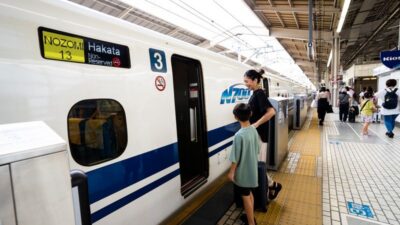

Mt Fuji and Hakone 1-Day Bus Tour Return by Bullet Train
Read our review →

teamLab Borderless Tickets: MORI Building DIGITAL ART MUSEUM
Read our review →