
Reviewed · MULTI-DAY TOURS THAT VISIT KAMAKURA
Essential Japan and Hakone end Hiroshima (including Hakone) 10-Day Tour by Europamundo Review
Japan’s big contrasts make this route appealing: one day you’re looking across Tokyo from a tower, a few days later you’re soaking in a mountain-area onsen, and near the end you’re standing beside Hiroshima’s Peace Memorial Park. I especially like the Mount Fuji area overnight and the thoughtful pairing of Kyoto’s temples with Hiroshima’s memorial sites.
I also like that many major admissions, some meals, and the long-distance coach transport are included, so you don’t have to arrange every stop yourself. The trade-off is pace: ten days cover a lot of ground, and a past account raised concerns about short stops, noisy coach journeys, and limited explanations when the group was chatty.
In This Review
- Key points to know
- A fast-moving route through Japan
- Tokyo’s temples, crossings and city views
- Kamakura’s temples and the road to Odawara
- Mount Fuji, Hakone and a night in a ryokan
- A village museum, waterfalls and a Toyota stop
- Kyoto’s gardens, shrines and crowded highlights
- Nara’s great Buddha and Osaka after dark
- Himeji Castle, Korakuen and Kurashiki
- Hiroshima’s memorials and Miyajima’s shrine
- What the price covers, and where to look closely
- Who should book this Japan tour?
- FAQ
- Where does the tour start and end?
- Are flights included?
- What is the starting price?
- What meals are included?
- Is the tour guided in English?
- How large can the group be?
- Is Mount Fuji’s Fifth Station guaranteed?
- Is a ryokan stay included?
- Is the tour physically demanding?
- Are the hotels luxury properties?
Key points to know
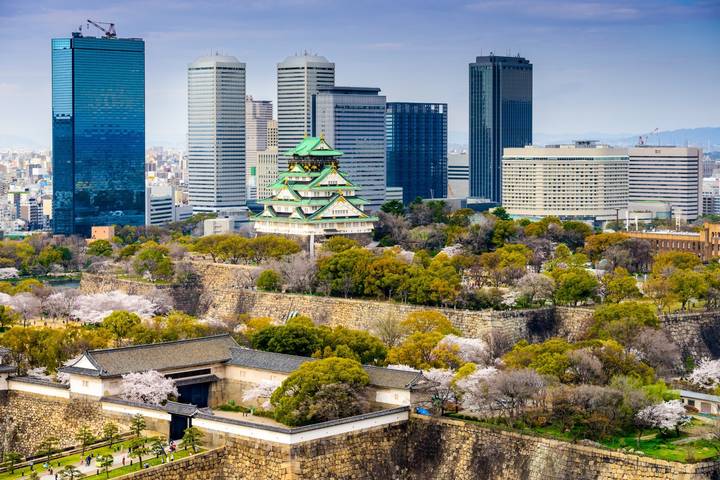
- Tokyo begins with a full day of headline sights: Skytree, Meiji Shrine, Asakusa and an evening walk in Shinjuku.
- The Mount Fuji section includes a ryokan night: Dinner and public onsen access are included, with a boat ride on Lake Kawaguchiko.
- Kyoto gets a full sightseeing day: Expect Arashiyama, Fushimi Inari, the Imperial Palace and Kinkakuji.
- The route adds rewarding stops beyond the major cities: Kamakura, Himeji, Kurashiki and Nara each bring a different side of Japan.
- Hiroshima and Miyajima share the final full day: You visit the Peace Memorial Museum and Itsukushima Shrine before the tour ends after breakfast the next morning.
- The group can be large: It may range from 2 to 72 people, and some departures may use bilingual guiding.
A fast-moving route through Japan
This 10-day coach tour starts in Tokyo and finishes in Hiroshima, with a ferry excursion to Miyajima Island on Day 9. The listed price starts at $3,240, based on the cheapest room; flights are not included. For that price, the package includes hotel stays, breakfast buffets, basic travel insurance, an arrival transfer, several meals, many admissions and transport between destinations.
The route is built for coverage, not long stays in each place. You change cities regularly, and some days combine several sites with substantial coach travel. That makes the tour useful if you want a first overview without planning trains, hotels and attraction tickets yourself. If you prefer to spend hours in one garden or neighborhood, you may find the schedule tight.
Europamundo describes the trip as low intensity, and it welcomes all ages. Still, low intensity does not mean motionless: expect repeated walks through temple grounds, gardens and city districts, plus full sightseeing days. The group size can reach 72, so the experience may feel less personal than a small-group tour.
A few more options to weigh up in Tokyo
- Tokyo Disney Resort – Tokyo Disneyland & Tokyo DisneySea Park Tickets
★ 4.8 · 99,488 reviews - SHIBUYA SKY Ticket
★ 4.7 · 46,509 reviews - JR Whole Japan Rail Pass
★ 4.8 · 29,150 reviews
Tokyo’s temples, crossings and city views
Your first day is mostly practical. A shared shuttle takes you from the airport to the hotel, then the afternoon is free to recover from the flight. The hotel is assigned from a list that includes Shinagawa Prince Hotel, Tokyo Dome Hotel and Moxy Tokyo Kinshicho. The exact property matters for your sense of neighborhood, so check the confirmed hotel details before making separate plans.
Day 2 packs in Tokyo’s contrasts. At Zojoji Temple, you get a memorable view of Tokyo Tower framed by the temple grounds. The small stone Jizo figures, dressed with knitted hats and bibs, add a quiet human detail to a city otherwise known for its scale and speed.
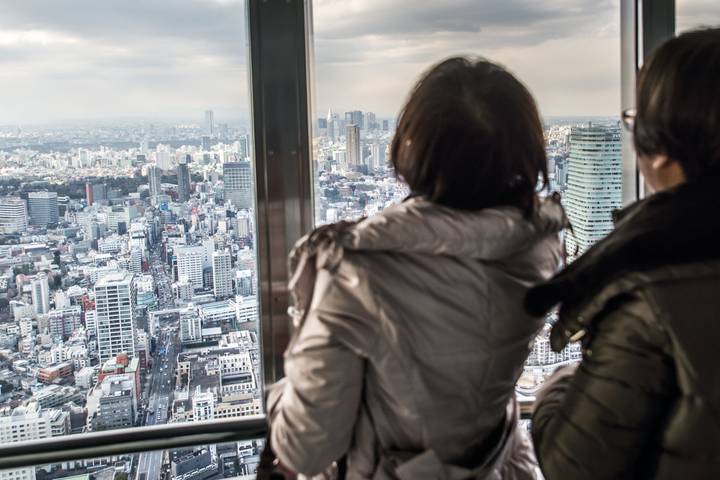
You’ll see Shibuya Crossing from the bus, rather than stopping for a long visit. Meiji Shrine offers a calmer change of mood, while the included Tokyo Skytree admission takes you to its Tembo Deck, 350 meters up. The tour then heads to Asakusa for Sensoji Temple and Nakamise Street, a traditional shopping lane. Akihabara and Ginza are passed on the return drive, so don’t count on a full visit to either.
The evening visit to Shinjuku includes subway tickets, a guided walk and dinner at a local restaurant. This is a practical way to experience the district after dark without navigating the metro alone on your first full day. The day is long, and the Shibuya stop is brief, so allow time on another day if you want to explore that area on foot.
Kamakura’s temples and the road to Odawara
On Day 3, the coach leaves Tokyo for Kamakura, a former Japanese capital with a strong concentration of temples and shrines. At Hokoku-ji, the bamboo grove and included green tea give the visit a more settled pace. Sugimoto-dera, founded in 734, adds a historical stop before you see Kamakura’s Great Buddha, or Daibutsu.
The Pacific coast drive toward Enoshima is a welcome shift from temple visits. You have free time on the island for lunch and a walk, but the length of that break will shape how much you can see. The day ends in Odawara with an included visit to its restored castle. You overnight in Odawara or the Hakone area, depending on the hotel assigned.
Mount Fuji, Hakone and a night in a ryokan
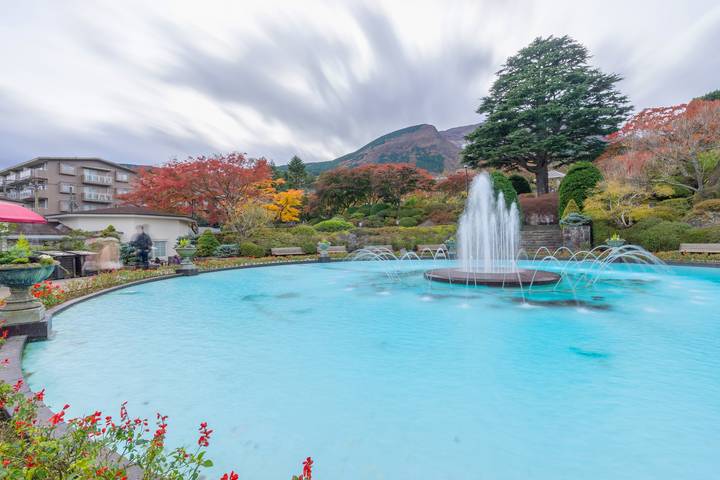
Day 4 is one of the route’s strongest days. Owakudani, a volcanic valley with steam vents and bubbling mud, gives you a look at the region’s geothermal activity. Conditions can close the area; if that happens, the alternative is Kitaguchi Hongu Fuji Sengen Shrine. This flexibility is sensible, but it means the exact day’s character can change.
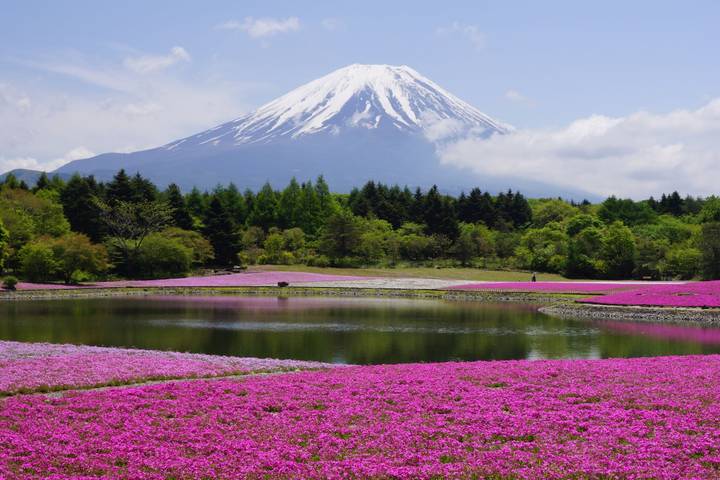
At Oshino Hakkai, eight ponds sit in a small village with views toward Mount Fuji. A boat ride on Lake Kawaguchiko adds a different angle on the surrounding mountains. Later, the coach climbs to Mount Fuji’s Fifth Station at 2,305 meters, weather permitting. In winter, snow or road conditions can limit how far the group goes.
You stay at a traditional ryokan in the Kawaguchiko area, with dinner and access to a public onsen included. Rooms may be Japanese-style with tatami or Western-style, and a Western-style hotel may sometimes replace the ryokan. If the traditional inn experience is a priority, ask what is expected for your departure before booking. A previous account singled out the Mount Fuji stay as a high point, and it is easy to see why: this is the tour’s clearest chance to slow down amid the mountain scenery.
A completely different kind of day out:
- Mt Fuji and Hakone 1-Day Bus Tour Return by Bullet Train
★ 5.0 · 26,383 reviews - TOKYO SKYTREE® Ticket
★ 4.7 · 25,136 reviews - teamLab Borderless Tickets: MORI Building DIGITAL ART MUSEUM
★ 4.7 · 24,126 reviews - teamLab Planets TOKYO Ticket
★ 4.7 · 21,663 reviews
A village museum, waterfalls and a Toyota stop
Day 5 begins at Iyashi no Sato Nenba, a reconstructed village whose traditional houses now hold shops and cultural exhibits. The village was rebuilt after a typhoon destroyed it in 1966. It offers a visual sense of older rural architecture, though the shops mean the visit has a commercial side too.
Shiraito Falls is the day’s natural stop, with water dropping about 20 meters. Then the coach continues to Nagoya for the Toyota Museum before carrying on to Kyoto. The museum can add welcome variety if you’re interested in industrial design or cars; if not, it may feel like an unusual break in a temple-and-landscape itinerary. This is also a long transfer day, so think of the museum as a stop along the route rather than a full Nagoya visit.
Kyoto’s gardens, shrines and crowded highlights
Kyoto gets a full day, beginning in Arashiyama at Togetsukyo Bridge and Tenryuji Temple. The temple gardens and nearby bamboo forest are among the trip’s best-known sights, but they can be busy. The tour gives you a guided introduction and a walk through the bamboo grove, rather than an open-ended stretch of time.
The day continues to Fushimi Inari Shrine, the Imperial Palace and Kinkakuji, the Golden Pavilion. These are important and very different sites, but fitting them into one day means moving on before you can linger. The order can vary, too, depending on operations.
After the guided portion, you have time to explore Gion, Kyoto’s traditional district, known for its evening atmosphere and geisha culture. The tour includes an evening transfer, which is helpful for reaching the area, though the schedule does not promise an extended guided walk there. I’d treat Gion as your chance to wander and choose a meal at your own pace.
Nara’s great Buddha and Osaka after dark
The coach takes you from Kyoto to Nara on Day 7. At Todaiji, the huge bronze Buddha and the temple hall make a striking pair. Deer roam in Nara Park, where you’ll have time for photos and a walk. The animals are a famous part of the visit, but remember that this is a living park, not a staged attraction.
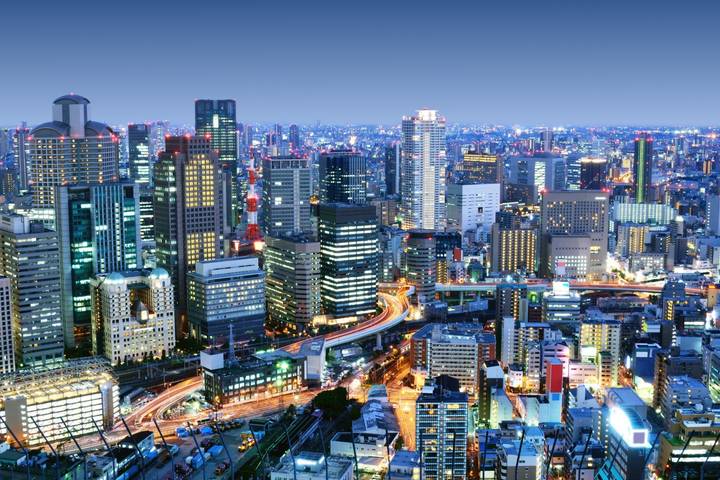
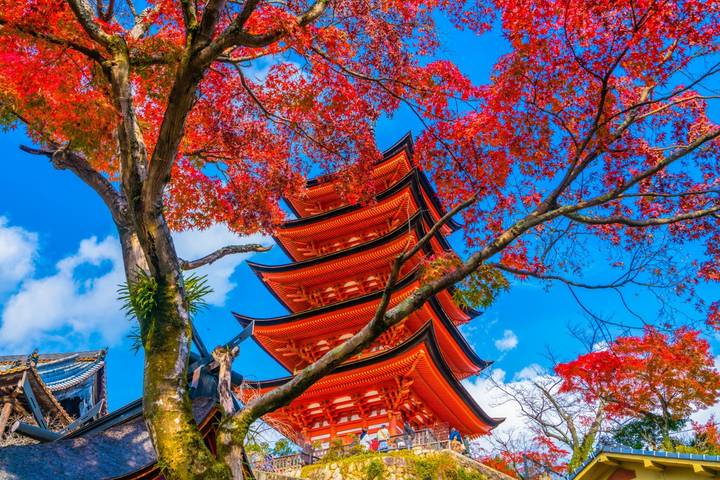
Lunch is included in Nara. Later, Horyu-ji offers a quieter, more architectural stop: its complex includes old monasteries and one of the world’s oldest wooden pagodas. The day ends in Osaka with a visit to Dotonbori, a neon-lit entertainment district that’s a fine place to see a different side of Japan after days of temples.
Osaka accommodation is selected from several hotels, including Candeo Osaka Namba, Holiday Inn Express Osaka City Centre – Midosuji and Moxy Osaka Honmachi. Room standards and dimensions vary between properties, and one stay on this route was described as small and below expectations. Keep expectations practical rather than assuming every hotel will feel spacious.
Himeji Castle, Korakuen and Kurashiki
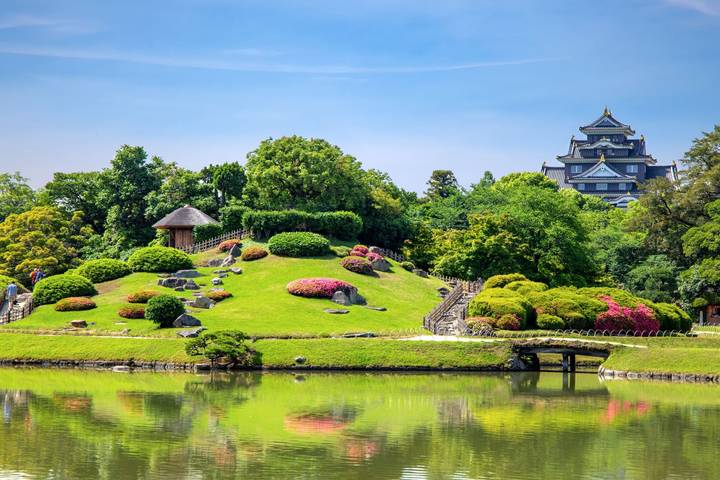
Day 8 starts at Himeji Castle, where admission to the castle complex is included. Its scale and traditional design make it one of the route’s most impressive built sights. Lunch at a local restaurant is included before the coach continues to Okayama.
Korakuen Garden is the main stop there, with lakes, waterfalls and teahouses arranged across broad grounds. You can cross a pedestrian bridge to see Okayama Castle, but entry to the castle interior is not included. There is also free time in Okayama, though the amount depends on the day’s schedule. On some departures, the overnight stay may be in Fukuyama or Kurashiki instead.
The next morning brings a walk through Kurashiki’s preserved historic center. Its older streets give the route another change of pace, but time is limited because Hiroshima and Miyajima are also scheduled that day. If an unhurried visit to Kurashiki matters to you, this itinerary may not provide enough time to explore it in depth.
Hiroshima’s memorials and Miyajima’s shrine
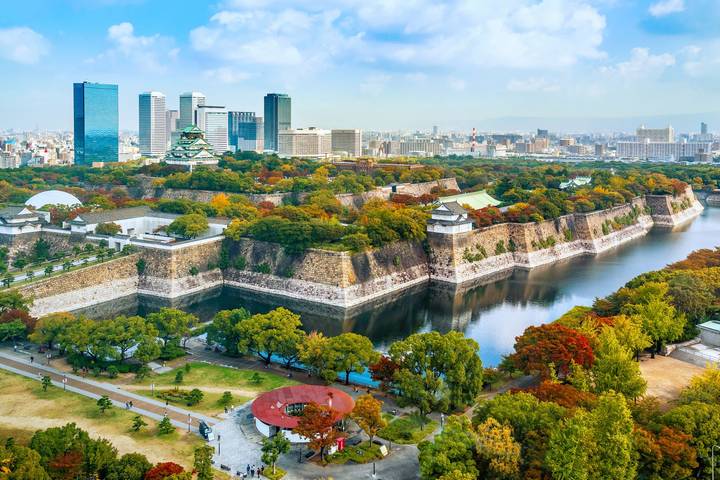
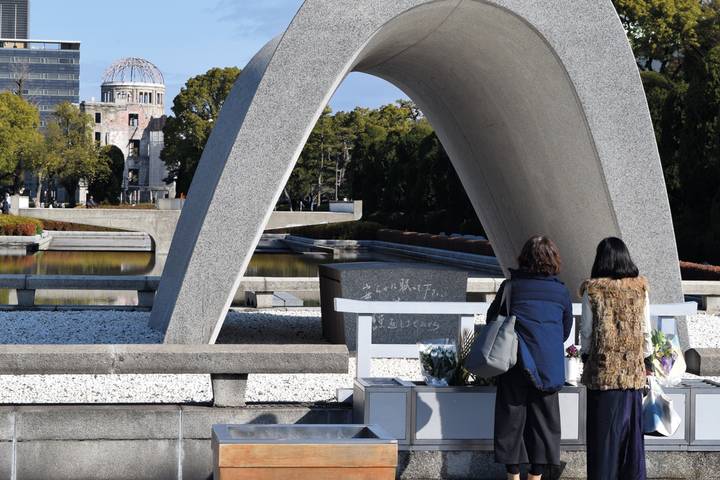
In Hiroshima, you visit Peace Memorial Park, the Atomic Bomb Dome and the Peace Memorial Museum. The museum presents the effects of the 1945 bombing, and this part of the tour calls for time and attention. The sequence of visits can change, but the core sites remain on the program.
A ferry takes you to Itsukushima Island, commonly called Miyajima. Itsukushima Shrine is partly built over the water and is dedicated to the guardian of the seas. You have time for the shrine, the town center and lunch before returning to Hiroshima for dinner.
The final morning is breakfast and departure. Although the tour is described as ending in Miyajima Island in some details, the actual final night is in Hiroshima and the Day 10 departure is after breakfast there. Plan onward transport from Hiroshima, and confirm your exact meeting and end-point arrangements.
What the price covers, and where to look closely
At a starting price of $3,240, the value comes from combining hotels, coach transport, many key admissions and a lot of logistics in one package. Included admissions cover major sites such as Tokyo Skytree, the Great Buddha, Himeji Castle, Kyoto temples, Hiroshima’s Peace Memorial Museum and Itsukushima Shrine. Breakfast is included daily, with three lunches and three dinners listed.
The package does not include flights or every meal. You’ll need to budget for additional lunches and dinners, personal spending, and any activities outside the scheduled visits. Hotel choices vary, and the operator notes that properties are generally selected for quality, price and access to public transport, not luxury.
Guide arrangements deserve a close look. English-language guiding is specified in Tokyo and Kyoto, while the tour is also described as English-guided overall. Europamundo notes that some departures may use bilingual English and Spanish service, with one or two tour leaders depending on group size. Guide names are not provided, and the guide may change during the trip.
A past account also described difficulty hearing the guide on a noisy coach and felt that some stops were too short for meaningful exploration. That is worth weighing alongside the tour’s broad coverage. If you want a deeper explanation at every site, a large group and quick transitions may frustrate you; if you want a managed overview, they may be a reasonable trade.
Who should book this Japan tour?
I’d consider this tour if you want to see Japan’s best-known city, temple, mountain and memorial sights in ten days without arranging each connection yourself. The included Mount Fuji area overnight, Kyoto day, Himeji Castle and Hiroshima visit give it a strong range, while meals and admissions help keep daily planning simple.
I’d hesitate if you want small-group conversation, long unstructured visits or detailed guiding at every stop. Before booking, confirm the likely hotel assignments, whether your departure is bilingual, and the Mount Fuji accommodation format. If those details suit you, this is a practical first route through Japan, with a particularly memorable middle section around Kawaguchiko and a serious, worthwhile finish in Hiroshima.
FAQ
Where does the tour start and end?
The tour starts in Tokyo, with a shared shuttle transfer from the airport to the hotel. The final night is in Hiroshima, and the tour ends after breakfast on Day 10. Miyajima Island is visited on Day 9.
Are flights included?
No. Flights are not included in the tour price.
What is the starting price?
The listed price starts at $3,240, based on the cheapest room. The final price may depend on departure and room choice.
What meals are included?
Breakfast buffet is included, along with three lunches and three dinners. The listed lunches are in Tokyo, Nara and Himeji; dinners are in Tokyo, Kawaguchiko and Hiroshima.
Is the tour guided in English?
English-language guiding is specified for Tokyo and Kyoto, and the tour is described as English-guided. Some departures may use bilingual English and Spanish guiding.
How large can the group be?
The group size is listed as 2 to 72 people.
Is Mount Fuji’s Fifth Station guaranteed?
No. Weather and winter road conditions can limit access. The tour aims to reach the Fifth Station at 2,305 meters when conditions allow.
Is a ryokan stay included?
A traditional ryokan stay in the Kawaguchiko area is planned, with dinner and public onsen access. Some rooms are Japanese-style and some Western-style, and a Western-style hotel may sometimes be used instead.
Is the tour physically demanding?
It is rated low intensity. The route still includes walking at temples, gardens and city sites across several full sightseeing days.
Are the hotels luxury properties?
No. The accommodation is selected for quality, price and location, rather than luxury. Room size, bed size and facilities can vary between hotels.
Just added in Tokyo
- Mt. Fuji & Hakone Cherry Blossom private One Day Tour★ 4.5 · 35 reviews
- Fish Market & Tokyo Skyline Private Walking Tour★ 5.0 · 14 reviews
- 25-Min Downtown Helicopter Tour : Tokyo Skytree and Tokyo Tower★ 5.0 · 19 reviews
- Private Tour with a Local Guide – Learn about daily life in Japan★ 5.0 · 22 reviews
- Tokyo: 3-Hour Bike/E-Bike Tour of the City’s Highlights★ 5.0 · 209 reviews
- 30-Min Tokyo Central Private Heli Tour– Asakusa, Skytree, Shibuya★ 5.0 · 13 reviews
- Tokyo 2-Hour Genuine Samurai Experience: Kendo in Japan★ 5.0 · 112 reviews
- Official Japan Go-Kart Through Tokyo Bay / Ginza (IDP Required)★ 4.5 · 71 reviews
Multi-Day Tours That Visit Kamakura, compared.


Tokyo to Osaka by Rail – Private Tour (14 Days) with Explore!
Read our review →
Highlights of Japan 13-Day Tour by Travel Chasers
Read our review →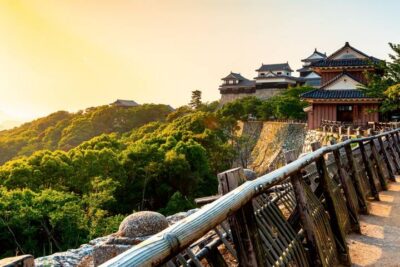
Japanese Scenes and Mount Fuji 19-Day Tour by Europamundo
Read our review →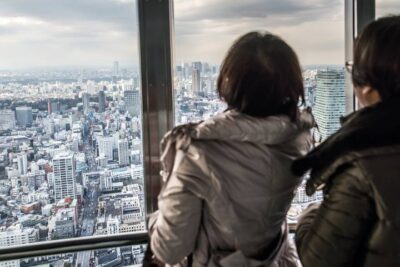
Discovering Kamakura and Mount Fuji by Europamundo – 2-Day Tour
Read our review →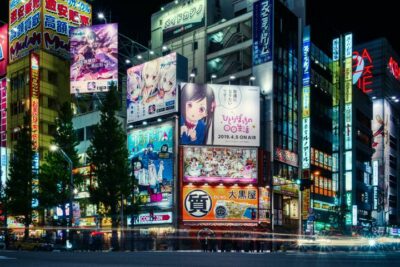
Japanime: 7-Day Tour of Tokyo’s Anime Scene by The Dragon Trip
Read our review →
Essential Japan and Hakone 8-Day Tour by Europamundo
Read our review →Browse the lists this tour appears in