
Reviewed · COOKING CLASSES
Exclusive Sushi Making Experience with a Master Chef – Osaka Area
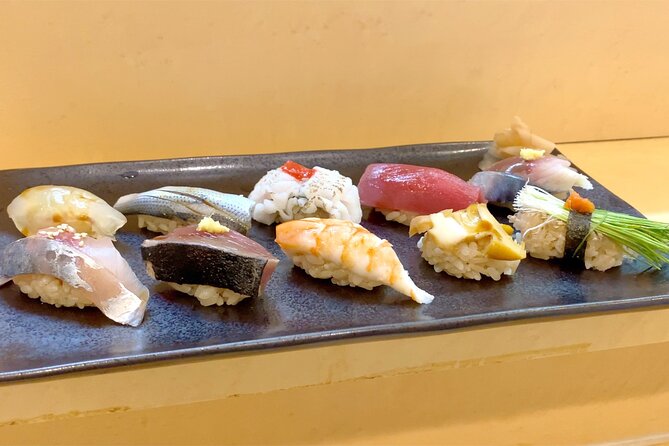
Sushi is better when you make it. This private Hyogo class gives you three hours with a professional sushi chef, fresh ingredients, and a full introduction to shaping nigiri in a personal home setting. I especially like the one-group-per-day format, which means the instruction can move at your pace, and I like that you eat the sushi you make rather than simply watching a demonstration. The main drawback is location: you are in Ashiya, not central Osaka, so you need to allow travel time.
At $115 per person, this is not a cheap meal, but it includes lunch or dinner, all tools, tea or water, and hands-on instruction from a chef with more than 40 years of experience. Mika and Keitaro are praised for their warm hosting, though the home setting may feel less polished than a formal cooking school. That is also part of its charm.
In This Review
- Key Points to Know Before You Book
- Why This Private Ashiya Class Feels Different
- Shaping Rice Before You Handle the Fish
- Fresh Fish, Simple Tools, and Your Own Nigiri
- What the Three-Hour Schedule Gives You
- A Home Setting With Real Advantages and Limits
- Is $115 a Fair Price?
- How to Plan the Ashiya Location
- Who Will Enjoy This Most?
- Final Verdict: Book It for the Skill and the Personal Welcome
- FAQ
- Where does the sushi-making experience take place?
- How long does the experience last?
- What start times are available?
- Is the activity private?
- What is included in the price?
- Can children join the class?
- What is the cancellation policy?
Key Points to Know Before You Book
- One private group per day: You will not share the class with unrelated participants, so the chef can focus on your group.
- Four traditional nigiri techniques: You practice Tate-Gaeshi, Kote-Gaeshi, Honte-Gaeshi, and Itte-Nigiri.
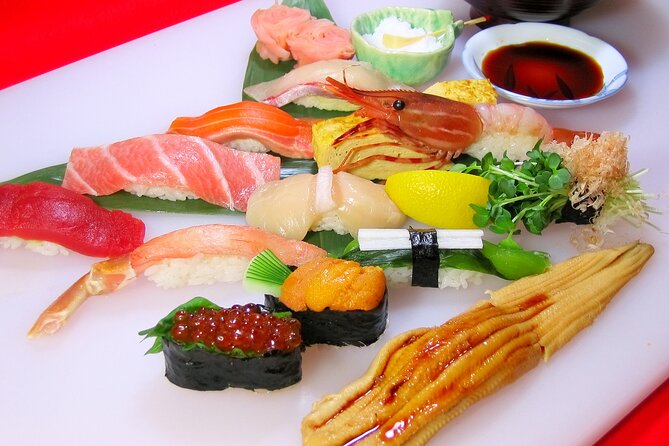
- Fresh fish and a full meal included: Your sushi lesson ends with you eating the nigiri you prepare.
- Convenient for three major cities: Ashiya is within about an hour of Osaka, Kobe, and Kyoto.
- Children ages 0 to 9 join free: Families can bring young children, and stroller help is available upstairs.
- Two useful start times: Begin at 11:00 AM for lunch or 5:00 PM for dinner.
Why This Private Ashiya Class Feels Different
Many sushi classes give you a quick demonstration, a few ingredients, and a short turn at the counter. This one is built around personal instruction. Only one group takes part each day, and that changes the feel of the class. You can ask questions, repeat a hand movement, and take more time with the rice without worrying about holding up a large room.
The class takes place at 17-18 Iwazonochō in Ashiya, Hyogo Prefecture. It is near public transportation and sits in a useful position between Osaka, Kobe, and Kyoto. You are not signing up for a central-city attraction, but the setting offers a more personal look at Japanese food culture.
The hosts, Mika and Keitaro, receive especially warm praise for preparing everything before arrival and making visitors feel welcome in their home. That personal touch matters. You are not just learning how sushi is assembled. You are spending time in a real domestic setting with people who have made the food a central part of their lives.
I would choose the 11:00 AM start if you want the class to replace lunch. The 5:00 PM option works well after a day of sightseeing and gives you a dinner made by your own hands. The stated operating hours are 11:00 AM to 2:00 PM and 5:00 PM to 8:00 PM, although the experience allows a start between 10:00 AM and 6:00 PM by arrangement. Confirm your desired time when booking.
More Cooking Classes in Japan:
- Sushi Making Tokyo Roll and Authentic Japanese Sushi Class
★ 5.0 · 3,971 reviews - Tokyo: Roll and Authentic Sushi Making Class in Asakusa
★ 4.9 · 1,957 reviews - Ramen Cooking Class at Ramen Factory in Kyoto
★ 5.0 · 1,937 reviews
Shaping Rice Before You Handle the Fish
The class begins with the foundation of nigiri: rice. It is easy to underestimate this step. Sushi rice must hold together without becoming a heavy lump, and the shape must support the fish without crushing it.
You first practice finding the form that feels right in your hands. This makes the lesson useful for beginners because you are not expected to produce a perfect piece on your first try. The chef can watch your grip and correct it before you start working with the fish.
The instruction covers four named techniques:
- Tate-Gaeshi
- Kote-Gaeshi
- Honte-Gaeshi
- Itte-Nigiri
The value here is not only learning four labels. Each technique gives you another way to control the rice, turn the piece, and create a neat finished shape. With a chef who has spent more than four decades practicing sushi, small movements receive proper attention.
You also wear sanitary gloves while making the nigiri. That keeps the process clean and may make first-time cooks more comfortable. The class is designed to show that home sushi is possible with simple tools and a little practice, rather than presenting it as a craft reserved for restaurant professionals.
Fresh Fish, Simple Tools, and Your Own Nigiri
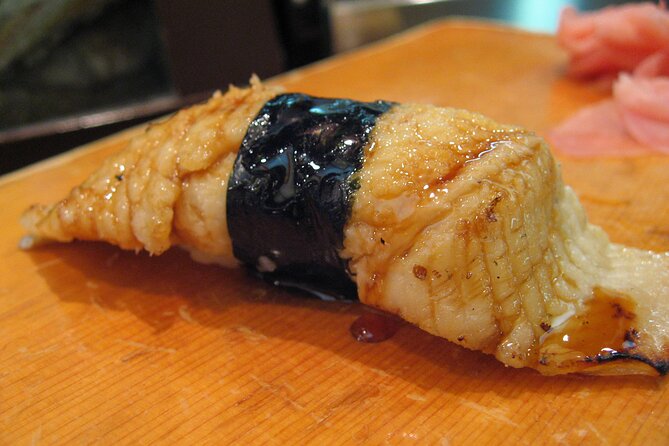
Once you have practiced the rice, you make nigiri step by step under the chef’s guidance. The ingredients are described as fresh and high quality, which is one reason you need to reserve at least 24 hours in advance. The preparation depends on having the right food ready for your group.
You do not need to bring knives, plates, utensils, or other equipment. All tools and gear are provided. Bring yourself, your appetite, and a phone or camera if you want pictures of the finished sushi.
This is where the class becomes more than a technical workshop. You handle the ingredients, shape the rice, place the fish, and then eat what you have made. One of the strongest praises for the experience is the generous amount of food. If you are expecting only a few sample pieces, you may be surprised by how much sushi is prepared.
That can be a plus for hungry diners, but it is worth keeping in mind if you have a small appetite. The supplied food is part of your lunch or dinner, so this is not a short lesson followed by a separate restaurant meal.
The hosts also explain how to recreate sushi at home with ingredients that are easy to find. That practical advice adds real value. You are not simply taking photographs and leaving the technique behind in Japan. You can try the process again in your own kitchen, even if your first homemade pieces are less tidy than the chef’s.
What the Three-Hour Schedule Gives You
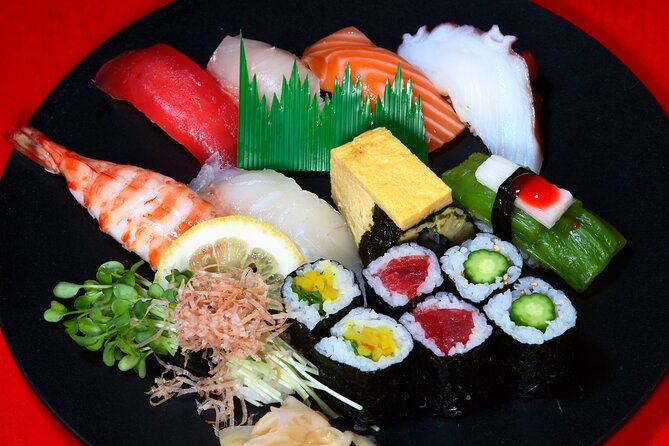
The experience lasts about three hours, enough time for explanation, practice, preparation, and eating without making the class feel rushed. The exact flow can vary because the activity is private, but you should expect a hands-on session rather than a passive demonstration.
A typical visit includes:
- Arrival and preparation: The tools, ingredients, and work area are ready for your group.
- Sushi background: You learn about the history and traditions connected to sushi.
- Rice practice: The chef shows you how to shape and control the rice.
- Technique training: You work through Tate-Gaeshi, Kote-Gaeshi, Honte-Gaeshi, and Itte-Nigiri.
- Nigiri preparation: You make sushi step by step with fresh fish and expert correction.
- Meal and photographs: You enjoy your finished sushi and take pictures with your phone or camera.
- Home cooking advice: You receive tips for making similar sushi with accessible ingredients.
I like this order because it gives you context before the practical work. Sushi can look simple, but its neat appearance depends on precise handling. Learning a little about tradition and technique helps you understand why the chef does not simply hand you a mold and send you to the table.
The private format also means families and mixed-age groups can work at a comfortable pace. Children ages 0 to 9 join free, though the information does not specify a separate children’s program. I would see this as a family-friendly food activity, not a childcare service. Adults should remain responsible for young children throughout the class.
A completely different kind of day out:
- Tokyo Disney Resort – Tokyo Disneyland & Tokyo DisneySea Park Tickets
★ 4.8 · 99,488 reviews - Universal Studios Japan Studio Pass
★ 4.8 · 89,883 reviews - Universal Studios Japan Express Pass
★ 4.7 · 53,138 reviews - SHIBUYA SKY Ticket
★ 4.7 · 46,509 reviews
A Home Setting With Real Advantages and Limits
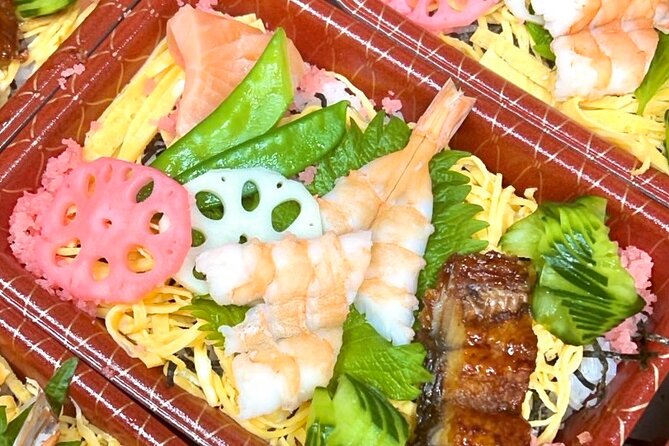
The strongest part of this activity may be its setting. Being welcomed into a private home creates a more intimate experience than a large commercial cooking studio. The hosts can speak with you directly, answer questions, and share the food in a relaxed environment.
It also means you should adjust your expectations. This is not a formal restaurant meal, and you should not book it for luxury décor or a grand dining room. The home setting is the point. You are there to learn, handle food, and spend time with the hosts.
There is a comfortable couch or similar seating available. If you bring a stroller, the hosts can help carry it upstairs. Those details are useful for families, especially since stairs can be an issue in private homes.
The experience ends back at the meeting point. Private transportation is not included, so you must arrange your own route to Ashiya. The location is near public transportation, but you should check your route carefully if you are trying to fit this between other reservations in Osaka, Kobe, or Kyoto.
Is $115 a Fair Price?
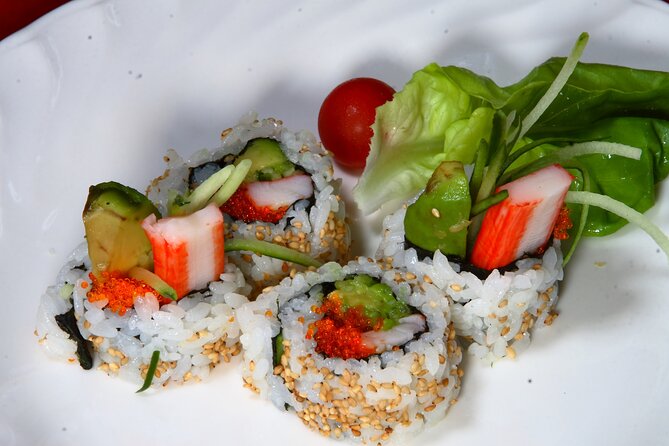
At $115 per person, the class costs more than a basic sushi meal. The price makes more sense when you count what is included: about three hours of private instruction, fresh ingredients, a full lunch or dinner, use of all equipment, complimentary Japanese tea or water, and the chance to ask questions throughout.
The one-group-per-day structure is the main reason to consider the cost. You are paying for access to the chef’s time, not just a seat in a standard class. A larger group lesson might be cheaper, but you would likely receive less individual correction and less freedom to repeat the techniques.
The meal also has real value. You are not paying $115 for a short cooking demonstration and then buying dinner elsewhere. The sushi you make is part of the experience, and the quantity may be generous.
Group discounts are available, which could make the price easier to justify for families or friends. Since children ages 0 to 9 join free, a family with young children may find the total cost more manageable than the per-person figure first suggests.
I would book this for the food lesson and personal attention, not as the cheapest way to eat sushi. If your main goal is a low-cost meal, a sushi restaurant will serve you better. If you want skills, conversation, and a private cultural activity, the price is reasonable.
How to Plan the Ashiya Location
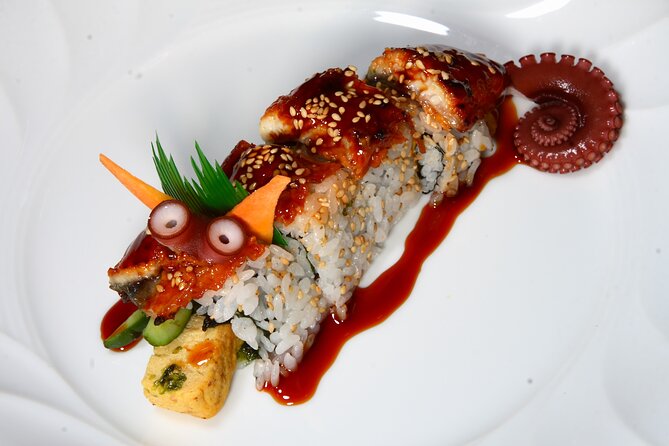
Ashiya is in Hyogo Prefecture and is described as less than an hour from Osaka, Kobe, and Kyoto. That makes the class workable from any of those cities, but you should still protect enough time for the journey. A private class has a fixed start, and arriving late could cut into your instruction.
The meeting point is:
17-18 Iwazonochō, Ashiya, Hyogo 659-0013, Japan
The activity is offered every day during the stated season, from October 1, 2025, through January 23, 2027. The listed sessions run from 11:00 AM to 2:00 PM and from 5:00 PM to 8:00 PM.
I would choose lunch if you are staying in Osaka or Kyoto and want to return for an evening meal. Dinner is better if you plan to spend the day in Ashiya or Kobe, or if your sightseeing schedule is already full in the morning.
Fresh ingredients require preparation, so reserve at least 24 hours ahead. Confirmation is provided at booking unless you reserve within one day of the activity. Last-minute reservations are subject to availability.
Free cancellation is available when you cancel at least 24 hours before the start time. Cancellations or changes inside that period are not accepted for a refund.
Who Will Enjoy This Most?
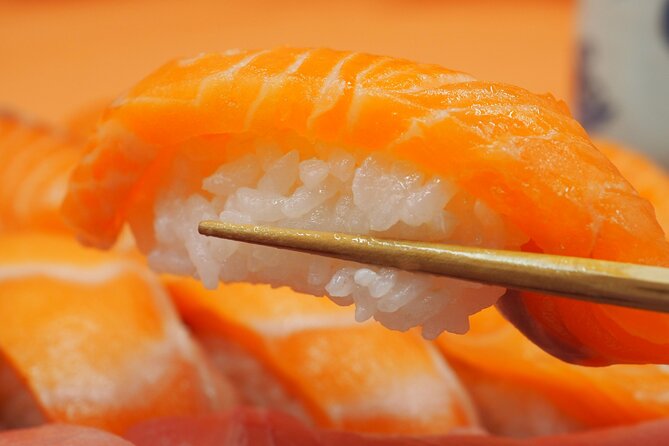
I would recommend the experience to:
- First-time sushi makers who want patient instruction
- Sushi fans curious about the hand movements behind nigiri
- Couples seeking a private food activity
- Families with young children
- Friends who want a shared meal and a practical skill
- Visitors based in Osaka, Kobe, or Kyoto who can spare half a day
The class is especially good for people who enjoy taking photos and trying the same dish again at home. You leave with more than a meal. You leave knowing the names of the techniques, how the rice should feel, and how to approach homemade nigiri with basic ingredients.
I would think twice if you dislike hands-on cooking, need a highly formal dining environment, or have a packed schedule with no room for travel to Ashiya. The private format is personal, but it is not designed for a quick stop between major attractions.
Final Verdict: Book It for the Skill and the Personal Welcome
You should book this sushi class if you want a genuine, small-scale food experience rather than another restaurant reservation. The chef’s 40 years of experience, the four nigiri techniques, the fresh fish, and the chance to eat your own work give the class substance.
The most convincing reasons to go are the private format and the warm home setting with Mika and Keitaro. Just plan your transport, reserve at least 24 hours ahead, and remember that the $115 price buys instruction and a meal, not simply dinner.
For a first sushi-making class in the Osaka area, this is a strong choice. It offers enough guidance for beginners, enough detail for serious food lovers, and a relaxed setting that can become one of the more personal memories of your time in Japan.
FAQ
Where does the sushi-making experience take place?
It takes place at 17-18 Iwazonochō, Ashiya, Hyogo 659-0013, Japan. The location is near public transportation.
How long does the experience last?
The class lasts approximately three hours.
What start times are available?
The experience can start between 10:00 AM and 6:00 PM. The listed sessions are 11:00 AM to 2:00 PM and 5:00 PM to 8:00 PM. 11:00 AM is suggested for lunch, while 5:00 PM works well for dinner.
Is the activity private?
Yes. Only your group takes part, with one group scheduled per day.
What is included in the price?
Lunch or dinner, all tools and equipment, and complimentary Japanese tea or water are included.
Can children join the class?
Yes. Children ages 0 to 9 join free. Stroller assistance is available for carrying a stroller upstairs.
What is the cancellation policy?
You can cancel for a full refund if you do so at least 24 hours before the experience start time. Cancellations or changes made less than 24 hours before the start time are not accepted for a refund.
Just added in Japan
- Manga Lesson with a Professional Japanese Manga Artist in Nakano★ 5.0 · 77 reviews
- Making a bento box with cute character look in Japan★ 5.0 · 15 reviews
- Tokyo/Ikebukuro Manga drawing workshop by pro-Manga artists★ 5.0 · 65 reviews
- Luxury Tokyo Sake, Cocktail, Whisky and Pairing Tour★ 5.0 · 18 reviews
- Tokyo Ueno Food & Nature & Localtown Tour: 10Dishes+ Drinks★ 5.0 · 34 reviews
- Make Your Own Bonsai with a Professional Bonsai Artist in Tokyo★ 4.5 · 18 reviews
- Make Traditional Nerikiri Sweets & Matcha experience in Shibuya★ 5.0 · 130 reviews
- Daikoku Parking Tokyo Drift & APIT Car Meet JDM Culture Tour★ 5.0 · 79 reviews
Cooking Classes, compared.
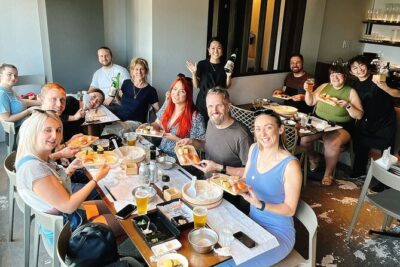
Sushi Making Tokyo Roll and Authentic Japanese Sushi Class
Read our review →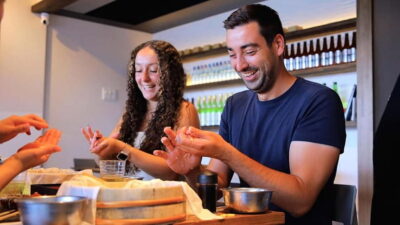
Roll and Authentic Sushi Making Class in Asakusa
Read our review →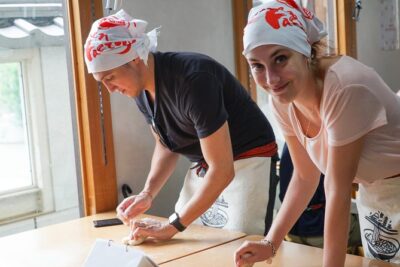
Ramen Cooking Class at Ramen Factory in Kyoto
Read our review →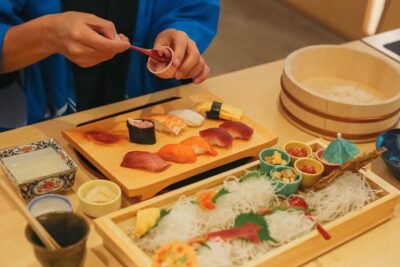
Sushi Making Class in a Happi Coat near a Famous Spot
Read our review →
Sushi Making Osaka Roll and Authentic Japanese Sushi Class
Read our review →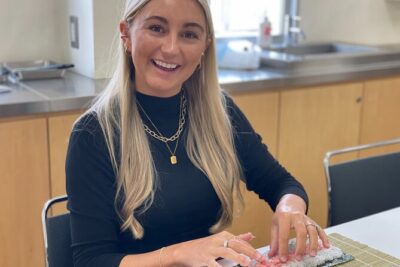
Tokyo Sushi Making Class in Tsukiji with Professional Chef
Read our review →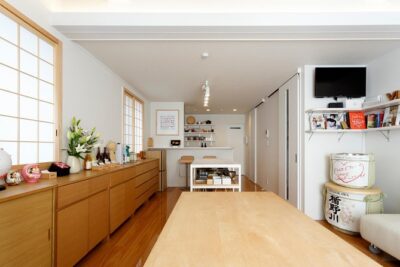
Ramen & Gyoza Cooking Class in Tokyo with Local Supermarket Visit
Read our review →Browse the lists this tour appears in