
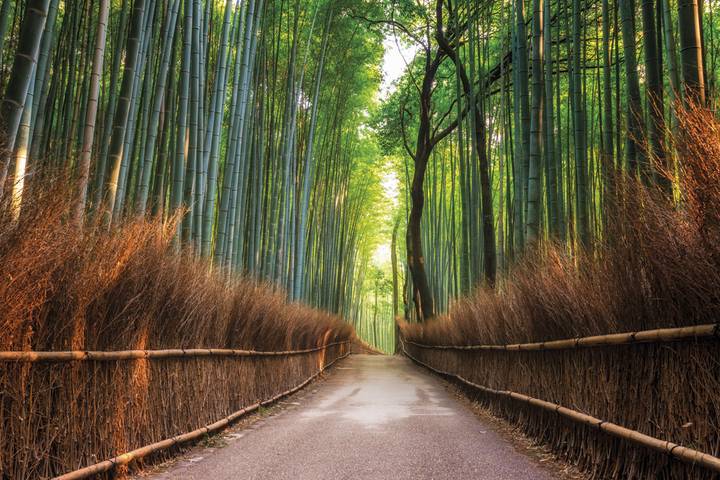
Reviewed · MULTI-DAY TOURS THAT VISIT TAKAYAMA
Feudal Japan with Japanese Alps by Europamundo – 10-Day Tour – Reviews & Prices
From Tokyo’s Shibuya Crossing to snow-country farmhouses and macaques soaking in hot springs, this tour links Japan’s big-city icons with places that take more planning to reach on your own. I like its strong city-to-country contrast and the way it mixes major sights with smaller stops such as Ainokura, Eihei-ji and Hida Furukawa.
I also like that the route handles the long transfers for you, with a bullet train to Kyoto and a coach through the mountain towns. The trade-off is pace: several days start early and pack in multiple stops, and English explanations may vary in quality. If you want time to linger at every temple, this is a sampler, not a slow stay.
In This Review
- The route at a glance
- Tokyo: temples, towers and Shinjuku after dark
- Kyoto: an ambitious day of classics
- From Kyoto to Kanazawa: Zen, fossils and a giant Buddha
- Kanazawa: samurai lanes and garden craft
- Gokayama and Shirakawa-go: houses built for heavy snow
- Takayama to Nagano: festival floats and a black castle
- Nagano to Ikaho: a temple ritual and hot-spring macaques
- Nikko and the return to Tokyo
- Hotels, meals and what the price covers
- Pace, guiding and who will enjoy it
- Should you book this Japan tour?
- FAQ
- How long is the Feudal Japan with Japanese Alps tour?
- What is the starting price?
- Which months does the tour run?
- Is the tour guided in English?
- How large can the group be?
- What meals are included?
- Is transport included?
- Which hotels are used?
- How physically demanding is the tour?
The route at a glance
- Tokyo gets a full guided day: See Zojoji Temple, Meiji Shrine, Tokyo Skytree and Asakusa, then explore Shinjuku with your guide over dinner.
- Kyoto arrives by bullet train: Visit Fushimi Inari, the Golden Pavilion, the Imperial Palace and Gion in one busy day.
- The Alps bring village life into view: Walk around Ainokura and Shirakawa-go, then see restored Edo-period homes at Hida Folk Village.
- History takes varied forms: The route includes Zen temples, samurai lanes, a dinosaur museum, castles and a Buddhist good-fortune ceremony.
- A ryokan night adds a different kind of stay: In Ikaho, you’ll have access to hot-spring baths and a traditional Japanese dinner.
- The schedule has limited slack: A group can range from 2 to 72 people, and early departures help cover a lot of ground.
Tokyo: temples, towers and Shinjuku after dark
Your first day is deliberately quiet. A shared shuttle takes you from the airport to your hotel, and the rest of the day is free. That breathing space matters after a long flight, especially since the sightseeing begins early the next morning.
The seven-hour Tokyo tour offers a broad first look at a city that can feel daunting to navigate alone. At Zojoji Temple, you’ll see Tokyo Tower behind the temple grounds and rows of small Jizo statues dressed in knitted hats and bibs. The bus passes Shibuya Crossing, so you get a look at the famous intersection without stopping to cross it.
Meiji Shrine offers a different mood, set apart from the city’s commercial districts. Later, the included visit to Tokyo Skytree takes you up to the Tembo Deck at 350 metres. Weather can limit the view or access, in which case an alternative city viewpoint is offered.
The tour finishes its daytime route in Asakusa, where Nakamise Street leads toward the temple precinct. You’ll also pass Akihabara and Ginza on the return to the hotel, though passing through is not the same as having time to explore either district.
In the evening, your guide takes the group by subway to Shinjuku for a walk and included dinner at a local restaurant. This is a useful introduction to Tokyo’s transit system, and the escorted ride makes the first evening easier if you are still learning your way around. The day is full, so don’t plan a late night unless you’re comfortable starting the next morning after a short rest.
A few more options to weigh up in Tokyo
- Tokyo Disney Resort – Tokyo Disneyland & Tokyo DisneySea Park Tickets
★ 4.8 · 99,488 reviews - SHIBUYA SKY Ticket
★ 4.7 · 46,509 reviews - JR Whole Japan Rail Pass
★ 4.8 · 29,150 reviews
Kyoto: an ambitious day of classics
The bullet train carries you from Tokyo to Kyoto in just over two hours, covering nearly 500 kilometres. It is an efficient way to make the long jump between Japan’s two main urban stops, and it leaves most of the day for sightseeing.
That day includes Fushimi Inari Shrine, the Imperial Palace and Kinkakuji, the Golden Pavilion, followed by time in Gion. Each is worth seeing, but together they make a packed introduction. Fushimi Inari is known for its long rows of red shrine gates; a short visit gives you a taste, while a longer walk would take more time than this schedule allows.
Kinkakuji’s gold-covered pavilion and garden are a memorable contrast to the city streets, and Gion gives you a glimpse of Kyoto’s older wooden streets and geisha culture. The itinerary offers free time after the guided visits, but it does not promise an extended stay in each place. If Kyoto is your main reason for visiting Japan, consider adding nights before or after the tour.
From Kyoto to Kanazawa: Zen, fossils and a giant Buddha
The coach day from Kyoto to Kanazawa begins at Lake Biwa, with a stop at the small Shirahige shrine by the water. It is a change of pace before Eihei-ji, a Zen temple-monastery founded in 1244. Monks still practise meditation there, and the visit offers a look at a working religious centre rather than only a historic structure.
Katsuyama brings an unexpected stop: the Dinosaur Museum, set at Japan’s largest dinosaur fossil site. More than 40 skeletons are among the exhibits, and there is time for lunch and a look around. This can be a welcome change of subject for families or anyone who has reached their daily temple limit.
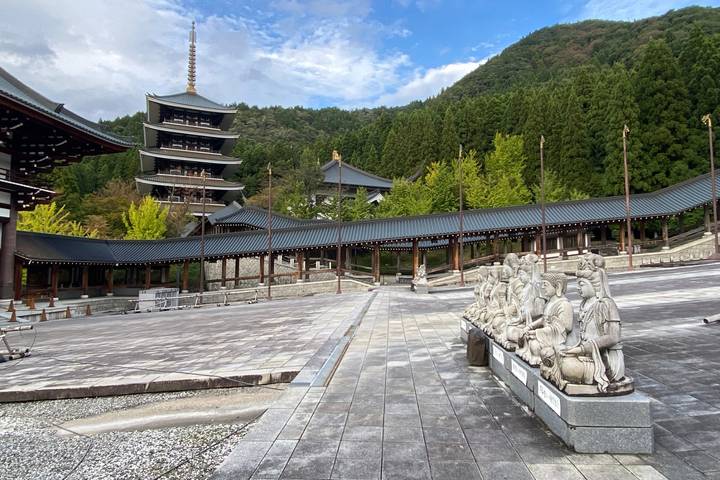
The Great Buddha of Echizen and its temple round out the day. You can climb the five-storey pagoda for views before continuing to Kanazawa. With several distinct stops and a long transfer, this is one of the days when the coach is practical but the pace may feel brisk.
Kanazawa: samurai lanes and garden craft
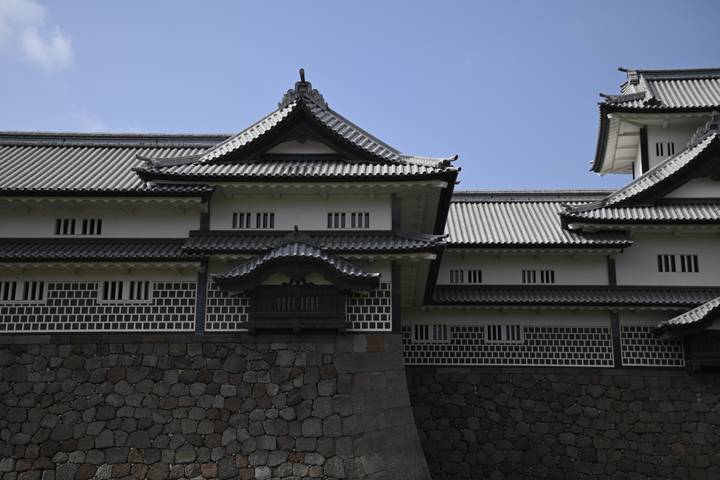
Kanazawa gets a guided morning and a free afternoon. The tour covers the castle area, the Nagamachi samurai district, Kenrokuen garden and Omicho Market. Nagamachi’s narrow lanes, earthen walls and old residences make it easier to picture the city as a place where samurai families lived, rather than treating the past as a collection of museum objects.
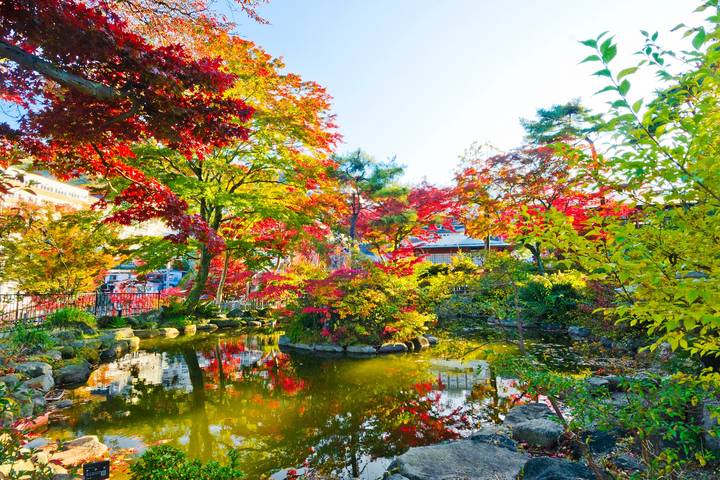
Kenrokuen is one of Japan’s three celebrated gardens, and admission is included. Allow yourself time to notice the designed details, not just the overall view. The stop at Omicho Market is well placed for lunch, with local options and a chance to choose your own meal.
The free afternoon is a useful counterweight to the previous day’s coach itinerary. You can revisit a favourite area or explore at your own speed, though the tour does not specify optional activities or extra guided visits. Kanazawa is one of the better places on this route for a little independent wandering.
A completely different kind of day out:
- Mt Fuji and Hakone 1-Day Bus Tour Return by Bullet Train
★ 5.0 · 26,383 reviews - TOKYO SKYTREE® Ticket
★ 4.7 · 25,136 reviews - teamLab Borderless Tickets: MORI Building DIGITAL ART MUSEUM
★ 4.7 · 24,126 reviews - teamLab Planets TOKYO Ticket
★ 4.7 · 21,663 reviews
Gokayama and Shirakawa-go: houses built for heavy snow
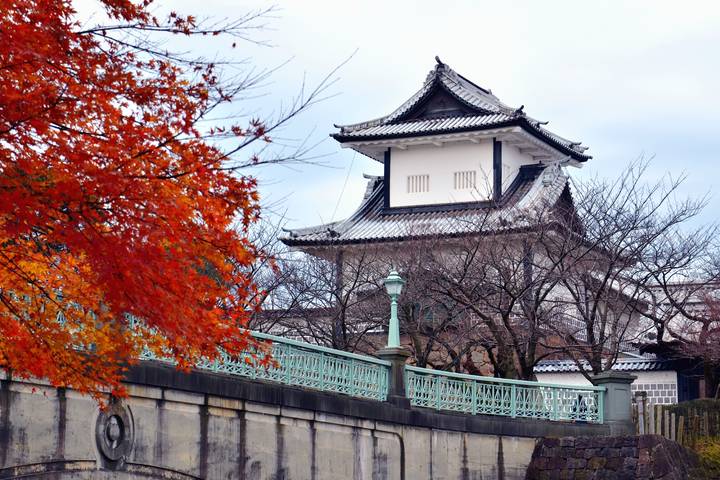
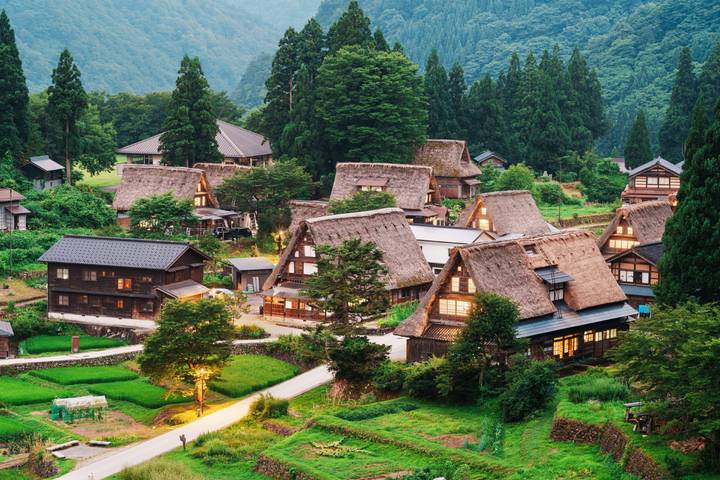
The drive from Kanazawa to Takayama passes through mountain scenery and two UNESCO-listed village areas. In Ainokura and Shirakawa-go’s Ogimachi district, you’ll see steep-roofed houses designed to cope with heavy winter snowfall. Their roof shape gives them the familiar praying-hands appearance.
Ainokura is the smaller village stop; Shirakawa-go is larger and more popular. You’ll have time to walk and eat lunch, but don’t expect an overnight stay or a long rural retreat. These villages are a highlight for their architecture and setting, though a coach visit cannot offer the unhurried feel of staying in the area.
Later, the Hida Folk Village Museum near Takayama presents more than 30 traditional houses from the Edo period, relocated to form an open-air museum. The buildings and household tools help explain how people lived in this mountain region. The evening is free to explore Takayama’s old town, known for wooden buildings and traditional shops.
Takayama to Nagano: festival floats and a black castle
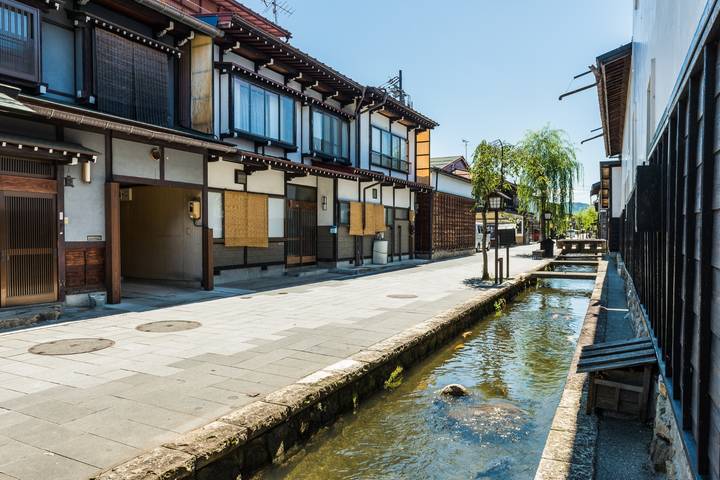
The morning begins in Hida Furukawa, where you’ll walk through the old town and visit a museum dedicated to its festival. The displays include floats, costumes and drums. The festival has UNESCO recognition as an Intangible Cultural Heritage, so the museum gives context to a tradition you may otherwise see only in photographs.
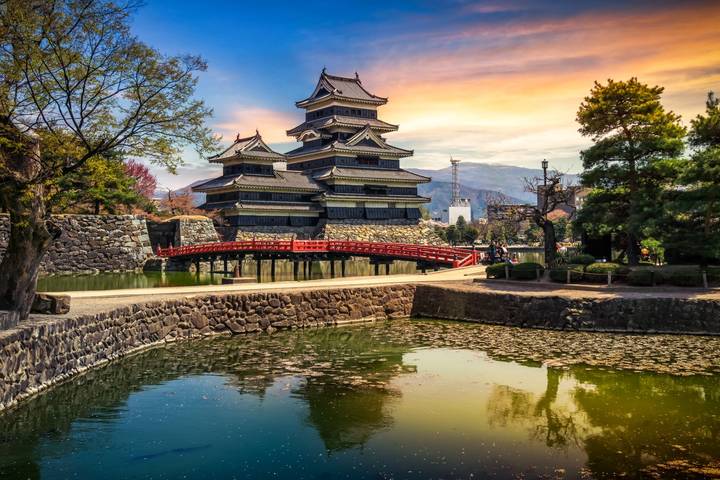
The coach then crosses the Japanese Alps to Matsumoto. Its 16th-century castle is called Crow Castle for its black exterior. You’ll have time for lunch and to explore before continuing to Nagano. This is another transfer-heavy day, but Matsumoto breaks it up with a substantial historic stop.
Nagano to Ikaho: a temple ritual and hot-spring macaques
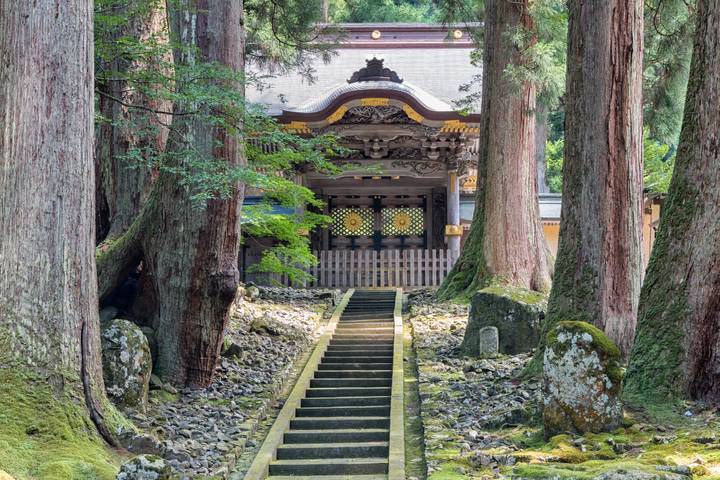
At Zenko-ji Temple, an important pilgrimage site, you’ll take part in a Gomakuyo ceremony intended to bring good fortune. It is a distinctive part of the itinerary: rather than only viewing a religious site, you get to participate in a traditional ritual.
Next comes Jigokudani Monkey Park. Reaching the area involves walking on forest trails beside rivers and hot springs, where Japanese macaques may bathe in the warm water. The visit depends on the animals’ movements. In autumn, food availability can affect whether they come down to the park, and the stop may be cancelled if they do not.
The route then crosses high mountain country, reaching 2,172 metres, and passes semi-active volcanoes before Kusatsu. You’ll stroll through the town’s central area and park, which includes open-air hot springs, with free time for lunch. From November to April, weather can lead to the Kusatsu visit being cancelled.
The day ends in Ikaho, where you’ll walk its old centre and traditional stone stairways before staying at Hotel Moriaki Ryokan. The package includes a traditional Japanese dinner and access to hot-spring baths. This is a welcome change from standard hotel nights, though it is still one night rather than a long stay at an onsen inn.
Nikko and the return to Tokyo
The final sightseeing day takes you to Nikko. At Nikko-Toshogu, you’ll visit the lavish temple complex and the room known for its dragon sound. Taiyuinbyo Mausoleum provides a quieter contrast, while the walk along Kanmangafuchi Abyss passes hundreds of Jizo statues beside the river.
There is free time in town before the coach returns to Tokyo, with arrival expected around 6:30 p.m. That gives you an evening in the city, but it is not a relaxed final day: you’ll have travelled from Ikaho, visited several sites and then driven back. The tour ends after breakfast the following morning.
Hotels, meals and what the price covers
The starting price is $3,180, based on the cheapest room option. Flights before and after the tour are not included, nor is lunch on most sightseeing days. The package does include hotel accommodation, breakfasts and dinners as scheduled, plus the airport arrival transfer and selected local transport.
The named hotels are Shinagawa Prince in Tokyo, New Miyako in Kyoto, Mystays Premier in Kanazawa, Mercure Hida Takayama, Metropolitan Nagano and Hotel Moriaki Ryokan in Ikaho. They are four-star properties, but the tour notes that comfort standards, room size and bed size vary. Most hotels are not in the city centre, though they are described as having public transport nearby.
For the price, the main value is logistical: you cover a wide stretch of Japan, including several mountain towns that require multiple connections if arranged independently. The bullet train, coach transport, guided sightseeing and entry to listed attractions reduce planning work. The trade-off is less freedom to linger, plus the cost of flights, lunches and personal extras.
There is a point to clarify before booking: the general services mention basic travel insurance, while the exclusions say travel insurance is not included. Ask Europamundo what, if anything, is covered and arrange your own policy if needed.
Pace, guiding and who will enjoy it
The tour is rated low intensity, but that does not mean every day is effortless. Expect walking at temples, in old districts, through villages and on the forest route to the monkey park. The early bullet train and several multi-stop coach days make the schedule demanding in time, even if the walks are generally light.
Groups may range from 2 to 72 people. That is a wide range, and a larger group can mean more time gathering and moving between stops. English guidance is offered in Tokyo, Kyoto and Kanazawa, and the tour is described as fully guided overall. Guides may change during the trip, and some departures may use bilingual English and Spanish explanations. English quality is therefore worth checking if detailed interpretation is important to you.
The clearest strengths are the itinerary, transport, accommodation, food and guiding, all of which have received very strong category scores in the available feedback. One assessment particularly praised the mix of city and rural stops, the friendly, professional guides and the ryokan night. A more critical note flagged very early starts, rushed schedules and room to improve English explanations. Those are fair cautions for a route this ambitious.
Should you book this Japan tour?
Book it if you want a wide-ranging first trip with Tokyo, Kyoto, alpine villages, temples, castles, hot springs and Nikko handled in one package. It is especially useful if you value transport and a guide more than choosing every stop and meal yourself.
Think twice if your priority is slow travel, long independent stays or detailed English commentary at every site. The route moves quickly, and Tokyo and Kyoto receive limited time compared with what each city can fill. If you can accept that trade, the mix of famous sights and quieter regional stops makes this a practical way to see several sides of Japan in ten days.
FAQ
How long is the Feudal Japan with Japanese Alps tour?
The tour lasts 10 days, starting in Tokyo and ending in Tokyo after breakfast on Day 10.
What is the starting price?
The listed starting price is $3,180, based on the cheapest room option. Flights before and after the tour are not included.
Which months does the tour run?
Departures are offered from April through November: April, May, June, July, August, September, October and November.
Is the tour guided in English?
English guidance is specified for Tokyo, Kyoto and Kanazawa. Guides may change during the trip, and some departures may use bilingual English and Spanish explanations.
How large can the group be?
The stated group size ranges from 2 to 72 people.
What meals are included?
Breakfast and dinner are included as scheduled. Lunch is generally at your own expense, with free time for lunch on several days.
Is transport included?
Yes. The tour includes an arrival transfer, coach travel on the regional route, a bullet train from Tokyo to Kyoto and the specified evening transfer to Shinjuku. The Tokyo subway tickets for that evening are included.
Which hotels are used?
The scheduled hotels are Shinagawa Prince Hotel in Tokyo, New Miyako Hotel in Kyoto, Mystays Premier Kanazawa, Mercure Hida Takayama, Metropolitan Nagano and Hotel Moriaki Ryokan in Ikaho.
How physically demanding is the tour?
It is rated low intensity. You should still expect walking at temples, villages and historic districts, plus forest trails at Jigokudani Monkey Park.
Just added in Tokyo
- Wonders Of Japan 10-Day Tour by Travel Talk★ 4.5 · 14 reviews
- Wonders of Japan end Tokyo GO 15-Day Tour by Europamundo★ 4.2 · 10 reviews
- Wonders of Japan end Tokyo 15-Day Tour by Europamundo★ 4.2 · 10 reviews
- Wonders of Japan End Osaka by Europamundo – 12-Day Tour★ 4.2 · 58 reviews
- Wonders of Japan End Osaka (including Fukuyama) 12-Day Tour by Europamundo★ 4.2 · 58 reviews
- Wonders of Japan End Osaka GO by Europamundo – 12-Day Tour★ 4.2 · 58 reviews
- Walk Japan – Kumano Kodo Trail 12-Day Tour by Explore!★ 4.7 · 20 reviews
- Visions of Japan with Hiroshima & Osaka 15-Day Tour by Globus★ 5.0 · 75 reviews
Multi-Day Tours That Visit Takayama, compared.



Tokyo to Osaka by Rail – Private Tour (14 Days) with Explore!
Read our review →
Japan: Land of the Rising Sun 12-Day Tour by Intrepid Travel
Read our review →
Stunning Japan with Shirakawa-go by Stunning Tours – 8-Day Osaka to Tokyo Tour
Read our review →
Visions of Japan with Hiroshima & Osaka 15-Day Tour by Globus
Read our review →
Best of Japan by Contiki – 13-Day Tokyo to Osaka Tour
Read our review →
14 Days Japan Panoramic (Private 3 Star Hotels) by Stunning Tours
Read our review →Browse the lists this tour appears in