
Reviewed · FOOD TOURS
Flavours of Tokyo: A Journey Through Time – Small Group Food Tour
Tokyo tastes better with a timeline. This five-and-a-half-hour food walk links Nihonbashi, Ginza, Tokyo Station, and Akihabara through dishes that show how Japan eats. I like the past, present, and future theme, and I like the small maximum of nine people, which gives guides such as Yasu, Miko, and Keiko room to answer questions.
The main consideration is pace. You cover about 6.5 kilometers, use the subway twice, and climb plenty of station stairs. The food is varied and plentiful for many people, but several portions are meant for tasting or sharing, so this works best as a cultural food walk rather than a sit-down feast.
In This Review
- Key points to know before booking
- Why the past, present, and future theme works
- Nihonbashi: dashi, preserved flavors, and old Tokyo
- Ginza and Yurakucho: food beneath the railway tracks
- Tokyo International Forum and Marunouchi: a brief architectural pause
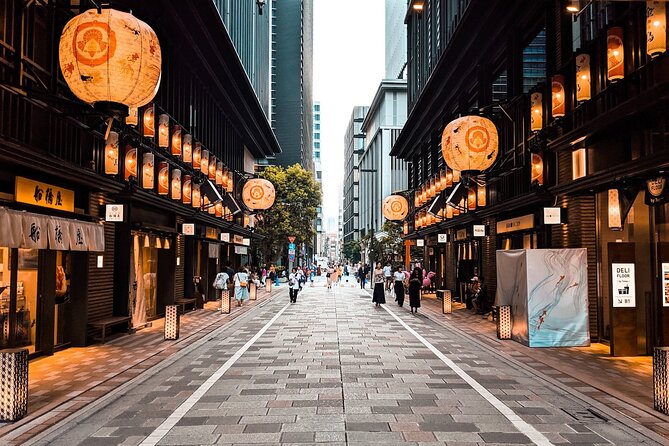
- Tokyo Station: the commuter’s tamagoyaki and fruit sando
- Akihabara: traditional sweets meet modern Tokyo
- What you actually eat during the 5.5 hours
- Walking, subway rides, and the real pace of the day
- Is the $176 price fair?
- Who should book this Tokyo food walk?
- FAQ
- How long does the tour last?
- Where does the tour begin?
- Where does the tour end?
- How many people can join the tour?
- How far will I walk?
- Are subway fares included?
- What food and drinks are included?
- What happens if the weather is poor?
- Should you book it?
Key points to know before booking
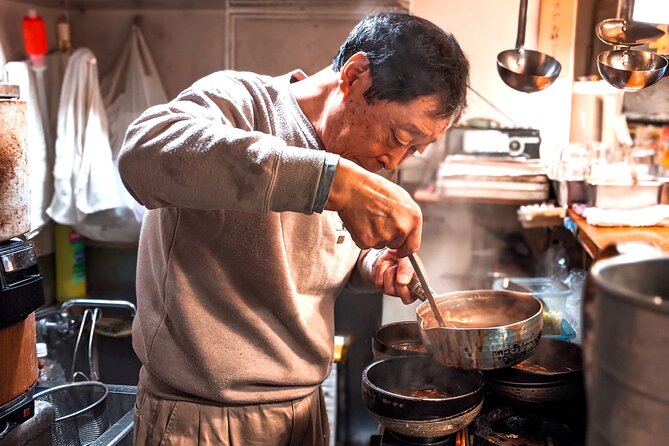
- Fourteen tastes across four central Tokyo areas: Sample dashi, yakitori, tempura soba, tamagoyaki, fruit sandwiches, sweets, and more.
- A small group of no more than nine: The size makes conversation easier and helps your guide manage subway transfers and food stops.
- A food lesson told through time: Nihonbashi covers old ingredients and Edo-era cooking, Ginza shows postwar change, and Akihabara looks toward modern food culture.
- Lunch is included, but portions vary: Yakitori, tempura soba, tamagoyaki, and fruit sando form the main meal, while other items are snacks or shared tastes.
- The route ends in Akihabara: You finish with desserts that mix traditional Japanese flavors with newer food trends.
- Plan for stairs and extra transport costs: Two short subway rides are part of the route, but your fares are not included.
Why the past, present, and future theme works
Many Tokyo food tours focus on one neighborhood or a single meal. This one uses food as a way to explain how the city changed. That gives the long walking route a clear purpose.
In Nihonbashi, you look at the building blocks of Japanese flavor. In Ginza and Yurakucho, the story shifts toward railways, postwar industry, and the salaryman culture that produced small restaurants beneath the tracks. Tokyo Station brings in food bought during the commute home, while Akihabara turns toward anime, electronics, novelty, and new combinations.
I like this structure because the route does not treat Japanese cuisine as frozen in the past. You get traditional ingredients such as kombu, katsuobushi, and matcha beside fruit sandwiches, bubble tea, and Pokemon-shaped taiyaki.
The guide is a major part of the experience. Yasu is praised for making history easy to follow and for handling small problems, such as a missing Suica card or a difficult subway exit. Miko has used a booklet with ingredient notes and old photographs, and she has sent participants the names of dishes and group photos afterward. Keiko is described as warm and clear when explaining culture.
Guide quality can vary from day to day, of course, but this tour depends on having someone who can connect food, streets, and social change. If you prefer to eat quickly with little explanation, the format may feel slow. If you want context with your lunch, it makes sense.
More Food Tours in Tokyo
- Tokyo: Shinjuku Food Tour (13 Dishes at 4 Local Eateries)
★ 5.0 · 6,603 reviews - Tokyo: Shinjuku Food Tour (15 Dishes and 4 Eateries)
★ 4.9 · 2,033 reviews - Best of Shinjuku: Izakaya Food Tour (4 Stops, 14+ Tastings)
★ 5.0 · 1,863 reviews
Nihonbashi: dashi, preserved flavors, and old Tokyo
The tour begins at 11:30 a.m. near the Nihonbashi 1-chome Mitsui Building. The meeting point is close to public transport, but allow extra time to find the correct building and exit. One participant found the location confusing because the address was clearer than the subway directions, so checking the Nihonbashi Station exit, B12, before setting out is a sensible move.
Nihonbashi is the opening chapter, focused on the ingredients that underpin Japanese cooking. You learn about dashi, the stock used in many dishes, and taste components such as kombu and katsuobushi. These are not flashy foods, but they explain why Japanese dishes can taste full and layered without heavy sauces.
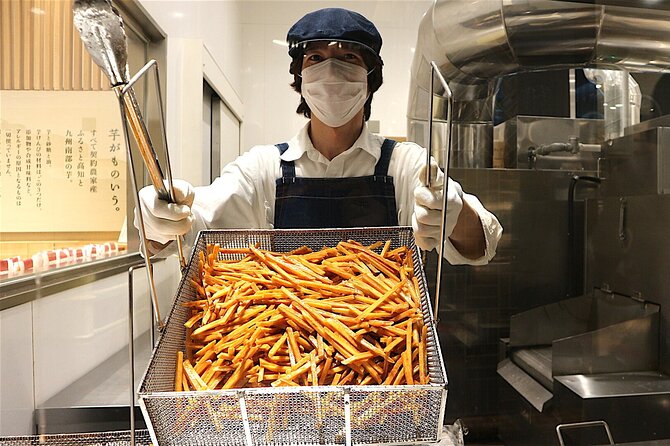
The included tastings here also feature satsuma-age, amazake, imo kenpi, and either daifuku or dorayaki. This is a useful introduction for anyone who has eaten Japanese food but has not yet sorted out the difference between the ingredients, sweets, and cooking methods.
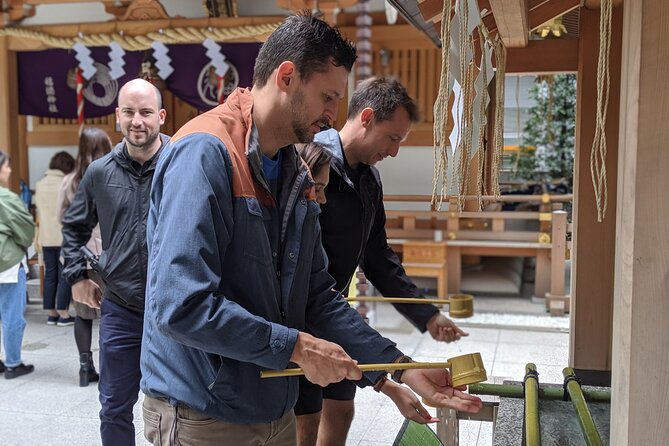
The route includes Nihonbashi Bridge and a stop at Fukutoku Shrine. At the shrine, your guide explains the difference between Shinto shrines and Buddhist temples, then shows you how to cleanse yourself and pray. It is a short stop of about 10 minutes, but it gives the food lesson a cultural setting.
Do not expect a long shrine visit or a major sightseeing detour. The value is in the explanation. The stop also gives you a change of pace before the next food section.
Ginza and Yurakucho: food beneath the railway tracks
After Nihonbashi, the group moves toward Ginza and Yurakucho. Here the subject changes from traditional ingredients to Japan after industrialization and the growth of the salaryman.
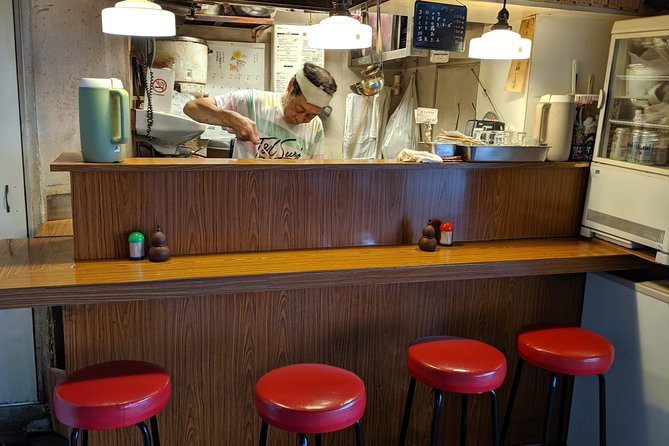
The gado shita restaurants beneath the railway tracks are central to this part of the tour. These compact bars and eateries grew around the working life created by modern industry and the rail network. Their setting is practical rather than polished, and that is part of the appeal.
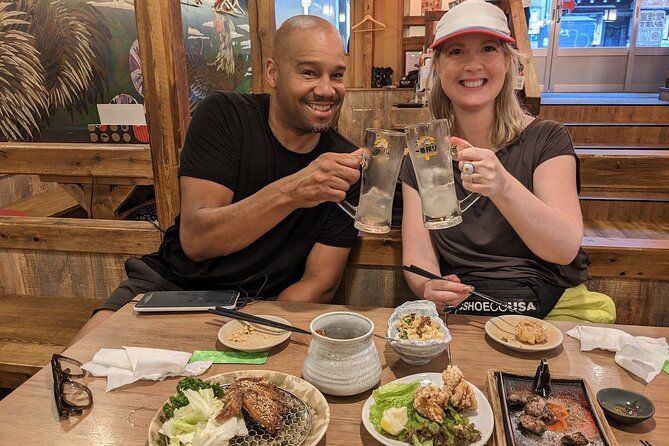
The food includes yakitori, a lemon sour, and tempura soba. Yakitori brings a casual drinking-food tradition into the route, while the lemon sour gives you a taste of a common Japanese alcoholic drink. The tempura soba adds a more substantial lunch item.
The listed timing for Ginza and Yurakucho is about 1 hour and 10 minutes. You are not simply being moved from restaurant to restaurant. Your guide explains why these places developed and how the railway shaped the neighborhood.
This section suits you if you like seeing ordinary city spaces with an explanation attached. It may be less satisfying if you want a polished restaurant setting or a full meal at every stop. Some foods are served as tastes, and at least a few items are shared. The operator says the pickles and candied potato are shared because a full portion would be too much for one person.
Tokyo International Forum and Marunouchi: a brief architectural pause
From the railway tracks, the group walks toward Tokyo Station, passing the Tokyo International Forum. The stop lasts about 15 minutes and adds an architectural break to the food route.
You also pass through the Kitte Marunouchi building, with a listed stop of about 10 minutes. These pauses are short, but they help connect the older railway-side dining culture with the formal Marunouchi district around Tokyo Station.
This is one reason the tour takes five and a half hours. Not every stop is a food counter. Some are there to explain how Tokyo’s districts fit together and how the city’s working, commercial, and transport centers changed over time.
If your priority is maximum eating time, these sightseeing pauses may seem like an interruption. I see them as part of the bargain. You are buying a walking lesson in Tokyo as much as a series of snacks.
A completely different kind of day out:
- Tokyo Disney Resort – Tokyo Disneyland & Tokyo DisneySea Park Tickets
★ 4.8 · 99,488 reviews - SHIBUYA SKY Ticket
★ 4.7 · 46,509 reviews - JR Whole Japan Rail Pass
★ 4.8 · 29,150 reviews - Mt Fuji and Hakone 1-Day Bus Tour Return by Bullet Train
★ 5.0 · 26,383 reviews
Tokyo Station: the commuter’s tamagoyaki and fruit sando
At Tokyo Station, the food story becomes more everyday. You try items associated with the journey home after work: tamagoyaki and a fruit sando.
Tamagoyaki is Japanese rolled omelet, with a soft texture and lightly sweet character. The fruit sando is made with Japanese milk bread, fresh fruit, and whipped cream. It is a good example of how Japanese food can take a familiar format and make it feel distinctly local through texture and presentation.
The listed Tokyo Station and Daimaru Tokyo stops total about 20 minutes each. You may taste the foods around the station and department-store area rather than sit down for a long restaurant lunch. That keeps the tour moving and shows you the kind of food people can buy during a normal city day.
This is also where the question of fullness matters. The tour includes a generous range of food, but not every item is a full serving. One lower-rated account found the tasting portions too small and left hungry, while the operator said most later groups found the total amount filling and changed the drink portion to a full bottle.
The practical lesson is simple: do not assume every food stop equals a meal. The combined menu is substantial, but appetite varies. If you need a large lunch, consider having a light breakfast and keeping a little money aside for food afterward.
Akihabara: traditional sweets meet modern Tokyo
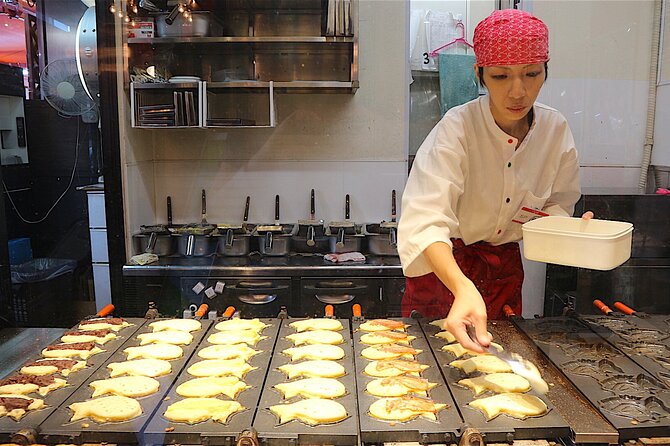
The final district is Akihabara, known for electronics, maid cafes, and anime culture. Here the guide asks what food in Japan might look like in the future.
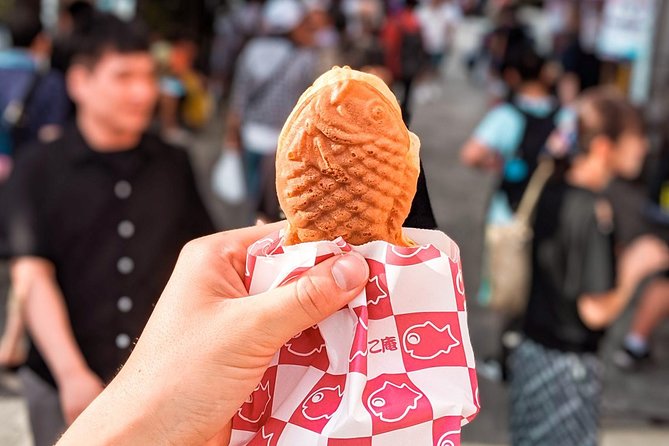
The dessert selection brings together old and new. You may try Pokemon taiyaki, a fish-shaped cake filled in a modern character design, along with matcha bubble tea or matcha ice cream. Daifuku or dorayaki also connect the ending to familiar Japanese sweets.
The stop lasts about 45 minutes, making it longer than the shrine, architecture, and Marunouchi pauses. That gives you time to consider the contrast between traditional flavors and the novelty-driven food associated with contemporary Akihabara.
I like ending here. The route does not pretend that authentic Japanese food must be austere or ancient. Character sweets, milk bread, whipped cream, and green tea can all belong to the same food culture. Akihabara makes that point in a place where new ideas are part of the scenery.
What you actually eat during the 5.5 hours
The included food list is broad:
- Dashi, katsuobushi, and kombu
- Satsuma-age
- Amazake
- Imo kenpi
- Daifuku or dorayaki
- Yakitori
- Tempura soba
- Tamagoyaki
- Fruit sando
- Pokemon taiyaki
- Matcha bubble tea or matcha ice cream
- Lemon sour
That is a lot of variety. You move from stock ingredients and preserved snacks to noodles, grilled food, omelet, sweets, and a modern drink or dessert.
The route also has a good balance of textures. You get chewy sweets, soft bread, crisp or fried elements, noodles, grilled chicken, and the smooth texture of matcha ice cream or bubble tea.
The main weakness is that the menu is not presented as one continuous restaurant meal. Some items are small tastes, and three items are shared. The lemon sour was once shared as a sample, but the operator says it was changed to a full bottle for each person after feedback.
Dietary needs are not described in the supplied information, so you should ask before booking rather than assume substitutions are available. The tour includes alcohol, seafood-based dashi ingredients, noodles, dairy, fruit, and sweets.
Walking, subway rides, and the real pace of the day
You should expect roughly four miles of walking, or 6.5 kilometers, over the full tour. The route also includes two short subway rides, with fares paid separately.
The walking is not described as strenuous hiking, but it is steady group walking through central Tokyo. You must also handle a large number of stairs at subway stations. A moderate level of physical fitness is required, and late arrival can cause problems because the group cannot wait indefinitely.
Some people find the five-and-a-half-hour pace comfortable, especially because the route changes neighborhoods and includes food breaks. One account found the tour too slow and thought it could be completed much faster. The operator’s response was that cutting it to 90 minutes would remove the stories, district changes, and relaxed eating that define the experience.
That is the key choice. You can take a shorter food tour focused mainly on eating, or you can spend half a day connecting food with Tokyo’s development. I would choose this tour when you have time to spare and want your guide to explain what you are seeing.
Wear comfortable shoes. Keep your transit card ready, and do not schedule a fixed attraction immediately after the tour. The endpoint is Akihabara Station, but the group may still need to walk between food stops and subway entrances.
Is the $176 price fair?
At $176 per person, this is not a cheap way to grab lunch. You are paying for food, a five-and-a-half-hour guided route, historical and cultural explanation, local transport planning, and a small group capped at nine people.
The value improves if you would otherwise spend time guessing where to eat in three districts. You also get a wide sample of food without ordering full dishes that you may not recognize. For a first visit, that guidance can prevent a lot of uncertainty.
The price is less attractive if you only want to eat as much as possible. Some foods are samples, several stops are not food stops, and subway fares are extra. You may also want another meal later if you have a large appetite.
The 99 percent recommendation rate and 5 out of 5 overall score suggest a strong record, with guides such as Yasu, Miko, Keiko, Paiva, and Sidney receiving especially warm praise. The recurring strengths are friendly guidance, clear cultural explanation, varied districts, and the intimacy of a small group.
Who should book this Tokyo food walk?
I would recommend it to first-time visitors who want a broad introduction to central Tokyo. It is also a good fit if you enjoy learning why a dish matters, not only deciding if it tastes good.
It suits curious eaters who want to try unfamiliar snacks, people who like walking between neighborhoods, and couples or solo visitors who enjoy meeting a small group. The tour can also help you get oriented around Nihonbashi, Ginza, Tokyo Station, and Akihabara early in a trip.
I would hesitate if you have limited time, dislike stairs, need a fast pace, or want a single large sit-down meal. It may also disappoint you if you consider a food tour successful only when you leave completely stuffed.
Book more than a week ahead if possible. The experience is often booked about 53 days in advance, which gives you a useful sense of demand. The cancellation information supplied with the tour is inconsistent: one section describes partial or full refunds based on how early you cancel, while another says the experience is non-refundable. Confirm the current terms before paying.
FAQ
How long does the tour last?
The tour lasts approximately 5 hours and 30 minutes.
Where does the tour begin?
It begins at the Nihonbashi 1-chome Mitsui Building, 1-chome-4-1 Nihonbashi, Chuo City, Tokyo. The start time is 11:30 a.m.
Where does the tour end?
The tour ends at Akihabara Station in the Sotokanda area of Chiyoda City.
How many people can join the tour?
The maximum group size is nine people.
How far will I walk?
You should expect to walk about 6.5 kilometers, or 4 miles, in total. The route also includes many subway-station stairs.
Are subway fares included?
No. You take two short subway rides, but the transport costs are payable by you.
What food and drinks are included?
Included items include dashi, katsuobushi, kombu, satsuma-age, amazake, imo kenpi, daifuku or dorayaki, yakitori, tempura soba, tamagoyaki, fruit sando, Pokemon taiyaki, matcha bubble tea or ice cream, and a lemon sour.
What happens if the weather is poor?
The tour requires good weather. If it is canceled because of poor weather, you will be offered another date or a full refund.
Should you book it?
Book this experience if you want Tokyo explained through food, neighborhoods, railways, and changing daily life. The small group, strong guide feedback, and wide range of tastings make it a useful first or early-trip activity.
Skip it if you want a quick food crawl or a large restaurant lunch. The best reason to choose this tour is not one spectacular dish. It is the way dashi in Nihonbashi, railway-side yakitori in Yurakucho, commuter snacks at Tokyo Station, and matcha sweets in Akihabara become parts of one clear story about Tokyo.
Just added in Tokyo
- Very popular in Harajuku♡Animal petting zoo★ 4.6 · 39 reviews
- Yokohama Port: Private Customizable Tour with Transfer★ 5.0 · 19 reviews
- Wagyu & Sake 8 Course Tasting Dinner in Shinjuku★ 4.9 · 20 reviews
- Warner Bros. Studio Tour Tokyo – The Making of Harry Potter★ 4.8 · 181 reviews
- Yanaka District: Historical Walking Tour in Tokyo’s Old Town★ 4.8 · 117 reviews
- Tokyo: Classic Tsukiji Food Tour★ 4.9 · 78 reviews
- Tokyo: Tsukiji Fish Market Tour with 6 Stops & Seafood Lunch★ 4.5 · 165 reviews
- Tokyo Wagyu & Sake Pairing Tasting Experience with Local Flavors★ 5.0 · 108 reviews
Food Tours, compared.
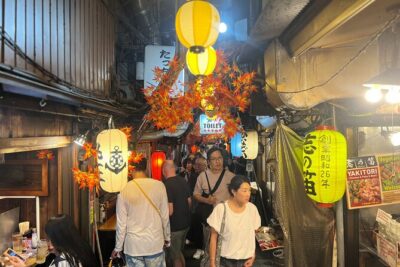
Shinjuku Food Tour (13 Dishes at 4 Local Eateries)
Read our review →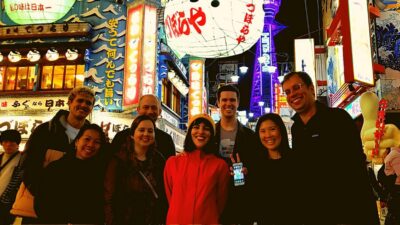
Shinsekai Food Tour with 13-15 Dishes at 5 Eateries
Read our review →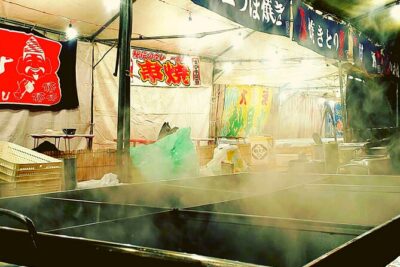
Osaka Food Tour: 13 Dishes at 5 Local Eateries
Read our review →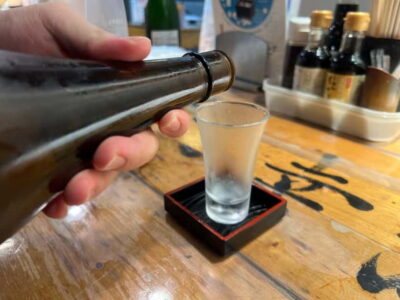
Shinjuku Food Tour (15 Dishes and 4 Eateries)
Read our review →
Best of Shinjuku: Izakaya Food Tour (4 Stops, 14+ Tastings)
Read our review →
Kyoto Night Foodie Tour in Gion (9+ dishes + 6 Sake tastings)
Read our review →
Hungry Osaka Street Food Tour:15 Tastings & 3 Drinks with a Local
Read our review →
Tokyo Night Foodie Tour in Shinjuku – Seasonal Sushi, Wagyu Beef
Read our review →Browse the lists this tour appears in