
Reviewed · WALKING TOURS
From Osaka: Sakai Knife Maker or Blacksmith Walking Tour
Sakai makes kitchen tools the old way. This four-hour walk links a traditional sweet shop, a small craft museum, and a working knife workshop, giving you a useful look at the city beyond Osaka’s main sights. I especially like the hands-on sharpening lesson and the chance to order a knife made to your preferences. The stop at the old mochi shop is another bright spot, with one sweet included.
The main thing to watch is the schedule. Tuesdays and Thursdays are generally for the Yamawaki knife maker, while Wednesdays are for the De Sakai blacksmith. The blacksmith visit is usually the more expensive option, but it offers the rare chance to watch, and sometimes help with, traditional forging. The museum can also close for inventory on the third Tuesday of the month.
In This Review
- The best parts of this Sakai craft walk
- Why Sakai is worth leaving Osaka for
- First stop: an old Sakai sweet shop
- The craft museum puts the knives in context
- Tuesdays and Thursdays: inside Yamawaki Hamono
- Wednesdays: the De Sakai blacksmith workshop
- Choosing the right day
- The guides make the walking time count
- Is $64 good value?
- Practical details before you book
- Who should book this Sakai experience?
- Should you book it?
- FAQ
- Where does the tour begin?
- How long does the experience last?
- Which days visit the knife maker?
- Which day visits the blacksmith?
- Is a knife included in the tour price?
- Is knife sharpening included?
- Is French guaranteed?
- Can one person book the tour?
- What happens if the museum is closed?
The best parts of this Sakai craft walk
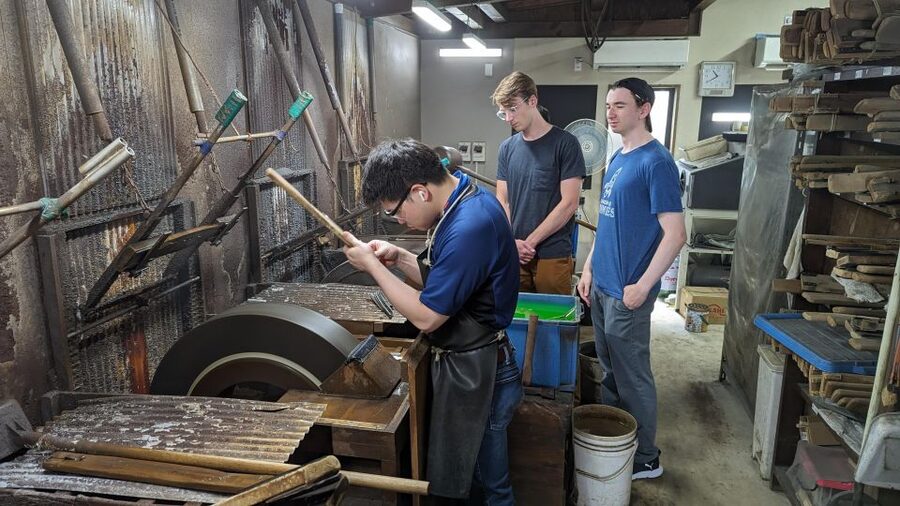
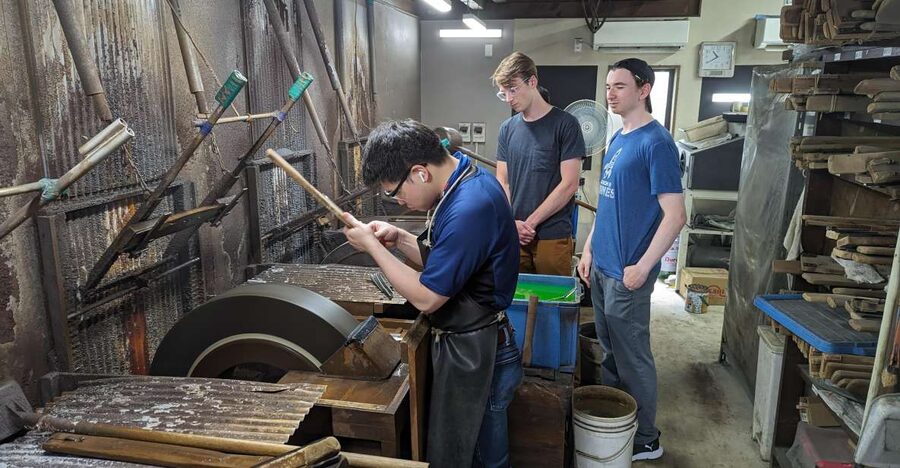
- A real working knife shop: At Yamawaki Hamono, you see blades being sharpened, finished, and turned into cooking knives.
- A rare blacksmith visit: The Wednesday route leads to De Sakai, where an artisan explains old forging methods and may let you hammer glowing steel.
- Traditional Sakai sweets: The tour stops at Yao Gen Raikodo, an old sweet shop where you receive one snack to try.
- Useful knife skills: You learn the traditional Japanese sharpening technique rather than only watching a demonstration.
- A custom knife option: You can order a knife with your chosen features and watch part of the making process.
- A quieter side of Osaka: Sakai is only about 25 minutes from Osaka Namba by train, yet the walk takes you into ordinary streets and small workshops.
Why Sakai is worth leaving Osaka for
Sakai sits south of central Osaka and has long been associated with skilled craft work. Its knife industry grew from older metalworking traditions, and the city remains one of Japan’s best places to learn how professional kitchen knives are produced.
This tour begins at Nankai Sakai Station. That matters because you do not need to arrange complicated transport once you leave Osaka. Meet your guide at the station, then set off on foot through the local streets.
The walk lasts about 210 minutes, with roughly 40 minutes of total walking listed between the stops. It is not a strenuous hike, but you should wear comfortable shoes. The route works well for someone who wants local context rather than a quick factory sales visit.
English is available on every tour. Some guides also speak French, but French is not guaranteed on a shared departure. If French matters to you, contact the operator before booking. Private and small-group options are available, which may be useful if you want more time for questions or help choosing a knife.
More Walking Tours in Osaka
- Osaka: Hotspots & Hidden Gems Walking Tour Private or Group
★ 4.9 · 1,300 reviews - Osaka Local Foodie Walking Tour in Dotonbori and Shinsekai
★ 5.0 · 985 reviews - Osaka Bar Hopping Night Walking Tour in Namba (3 bars, 6 tastes)
★ 5.0 · 958 reviews
First stop: an old Sakai sweet shop
After about 15 minutes on foot, you reach Yao Gen Raikodo, a traditional sweet shop with a long local connection. This is not filler. It gives the walk a human start before the focus shifts to steel, blades, and workshop technique.
You receive one sweet, while extra food and drinks are up to you. Specific treats mentioned on the tour include poppyseed mochi and cinnamon mochi. The shop visit lasts about 20 minutes, enough time for a taste, a short look around, and an explanation of why these sweets matter in Sakai.
I like this stop because it prevents the outing from becoming a narrow shopping trip. You get a small piece of local food culture, meet a traditional shopkeeper, and see how craft traditions extend beyond knife making.
The limitation is simple: if you are not interested in sweets, this part may feel less important than the workshop. Still, it is short, and the included snack makes it a pleasant break.
The craft museum puts the knives in context
A five-minute walk brings you to the Sakai Traditional Crafts Museum and Knife Shop. The planned museum visit lasts about 30 minutes and is listed as self-guided, so do not expect a long formal lecture from the guide inside.
The museum helps explain what makes Sakai knives different from mass-produced kitchen tools. You can see the city’s craft tradition presented alongside products available for purchase. That background becomes more useful later, when you watch sharpening, finishing, or forging in person.
The museum has one scheduling weakness. On the third Tuesday of every month, it may close for inventory without notice. If that happens, your guide takes you directly to the knife company and covers the cutlery background while walking and at the office.
That change should not ruin the tour, but it does mean the museum portion is not guaranteed. If the museum is central to your plans, avoid the third Tuesday when possible.
Tuesdays and Thursdays: inside Yamawaki Hamono
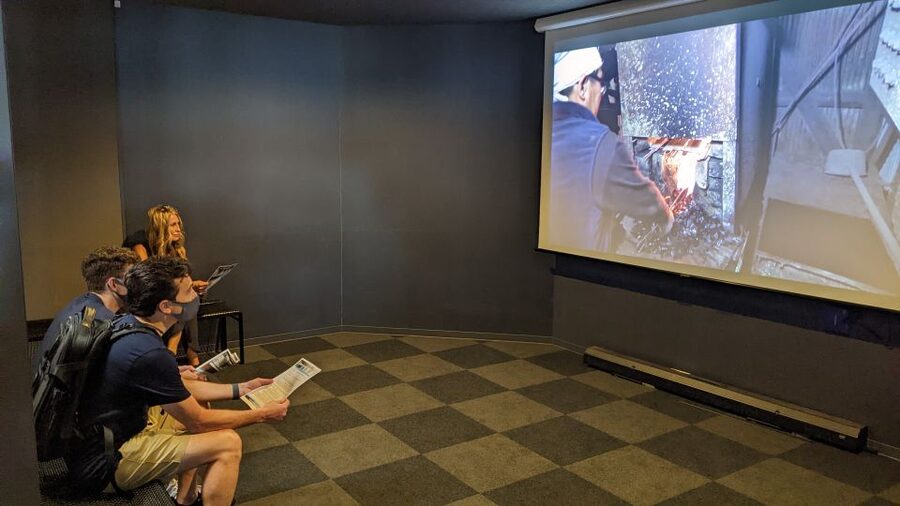
On the knife-maker route, the walk continues to Yamawaki Hamono. This company has more than 100 years of history and receives raw blades directly from the blacksmith. That detail helps you understand the relationship between the two crafts. The blacksmith creates and shapes the blade, while the knife maker turns it into a finished cooking tool.
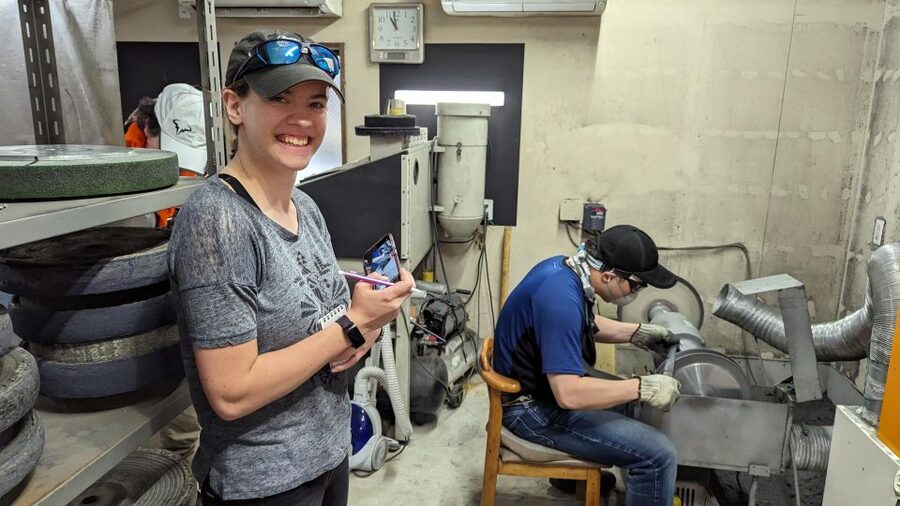
The visit lasts about 90 minutes. You see the sharpening station, the main office, and the production work that transforms a raw blade into a proper handmade kitchen knife. This is the part for anyone who wants to understand the stages between forged steel and a knife ready for a home kitchen.
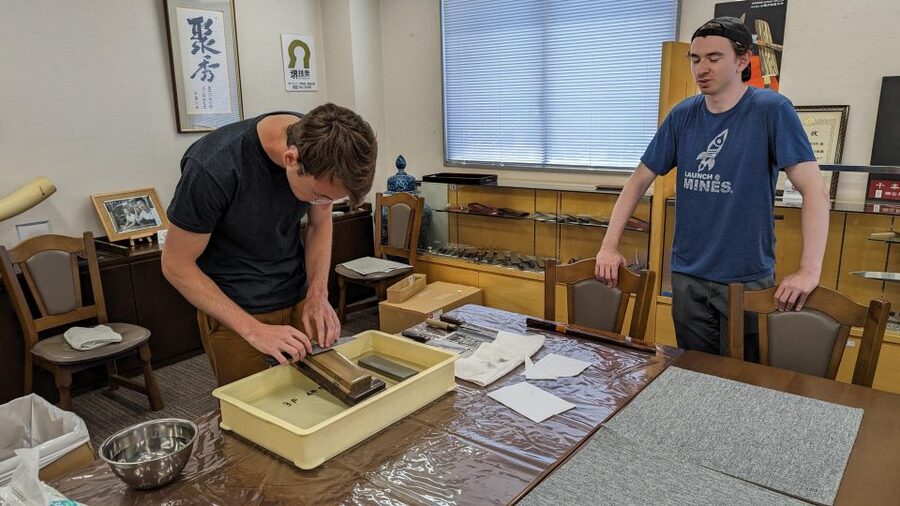
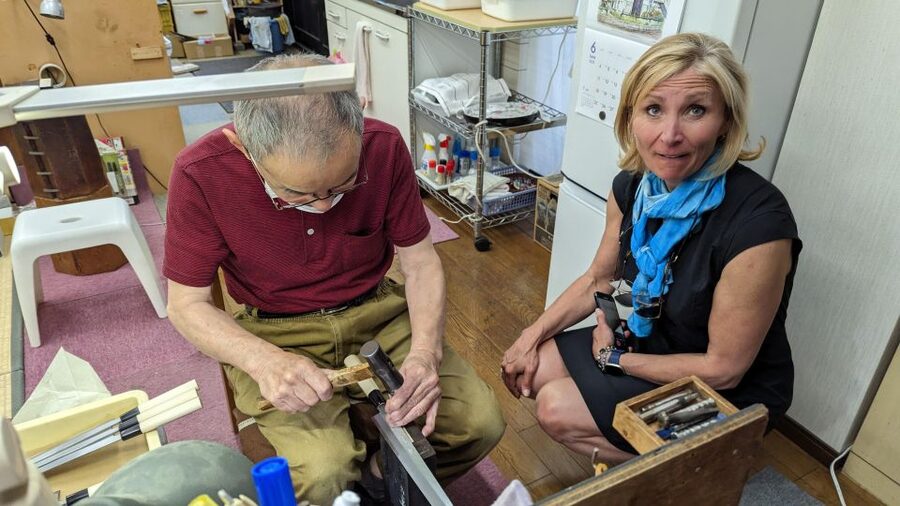
The most useful feature is the sharpening lesson. A trained guide shows you the traditional Japanese technique and gives you a chance to practice it. That makes the visit practical, not just visual. You leave with a better sense of how a fine knife needs to be maintained.
You can also order a customizable knife. The guide helps with the purchase, and you may watch the knife being made in front of you. The exact price of an individual knife is not included in the tour cost, so budget separately if you want to buy one.
I would not treat the $64 tour price as the price of a Japanese knife. It pays for the guide, the sweet, the museum and workshop access, shopping time, and the sharpening lesson. Your final cost depends on what you order.
One useful warning comes from the route itself: this is focused on kitchen knives. If you are looking for hunting knives, pocket knives, or general blades, you may find the visit too specialized. For cooks and people interested in Japanese food preparation, that focus is a benefit.
More Walking Tours in Japan:
- Kyoto Geisha Walking Tour: Gion District & Hidden Gems
★ 4.7 · 3,273 reviews - Tokyo Tsukiji Fish Market Food and Culture Walking Tour
★ 5.0 · 3,184 reviews - Kyoto: Gion Magical Night Walking Tour with Geisha Trivia
★ 4.9 · 2,393 reviews - Tokyo: Imperial Palace and Shogun Historical Walking Tour
★ 5.0 · 2,251 reviews
Wednesdays: the De Sakai blacksmith workshop
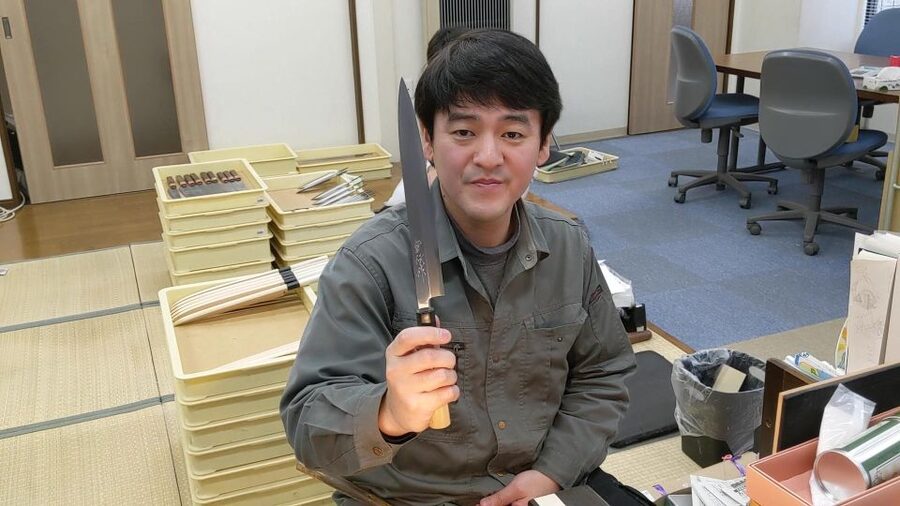
The Wednesday route changes the emphasis from finishing to forging. At the De Sakai cutlery forge, you enter a private blacksmith workshop and learn how a blade begins.
The workshop visit is scheduled for about one hour. The blacksmith explains the forging process and techniques directly, with detailed instruction in English and French from the artisan himself when French service is available. This is a much less polished setting than a showroom, which is exactly why it feels special.
You may see the steel heated and shaped, and some departures include the chance to hammer glowing steel as the first stage of making a knife. That hands-on moment is a major reason to choose Wednesday. It gives you a physical sense of the force, timing, and care needed to shape a blade.
The blacksmith option costs more than the standard knife-maker route according to the supplied tour details. For someone who simply wants to buy a knife, that added cost may not be necessary. For someone fascinated by traditional metalwork, it can be money well spent.
The schedule includes a photo stop, guided instruction, free time, shopping, and workshop activity. Keep your expectations realistic: you are visiting an active craft space, not taking home a finished knife in one hour.
Choosing the right day
Your choice of day shapes the experience more than almost any other booking detail.
Choose Tuesday or Thursday for knife finishing and sharpening. You will see the Yamawaki operation, learn how to sharpen, and have the clearest route to ordering a customizable cooking knife.
Choose Wednesday for forging and direct contact with the blacksmith. You may see the steel being hammered and take part in the process under instruction. This is the better match for people who care about how a blade starts.
There is a special schedule notice for March 6 through April 6, 2026. During that period, only the blacksmith route is available. Tuesdays and Wednesdays may still offer the blacksmith visit at the knife-maker rate, which creates a useful discount. Confirm the exact date and option before paying, since the normal weekly pattern does not fully apply during those dates.
The guides make the walking time count
The guide is important here because several parts of the tour are not formal performances. You are walking through Sakai, entering a small shop, looking through a museum, and speaking with craftspeople. A good guide connects those pieces.
Guides named in the supplied material include Remy, Scott, Jean-Yves, and Eric Chevallier. Remy has lived in Japan for more than 15 years and is praised for explaining both Sakai and knife making with warmth. Scott is described as especially good at bringing a mixed group together and offering useful local suggestions, including a restaurant tip for lunch.
Jean-Yves is noted for his enthusiasm and clear explanations. Eric Chevallier is the blacksmith associated with the hands-on forging route. His small, old-style workshop is a key part of the Wednesday experience.
Because guide assignments can vary, you should not book expecting one particular person unless the operator confirms it. French-speaking service also needs advance confirmation. All guides speak English, and English remains the safest language to expect.
Is $64 good value?
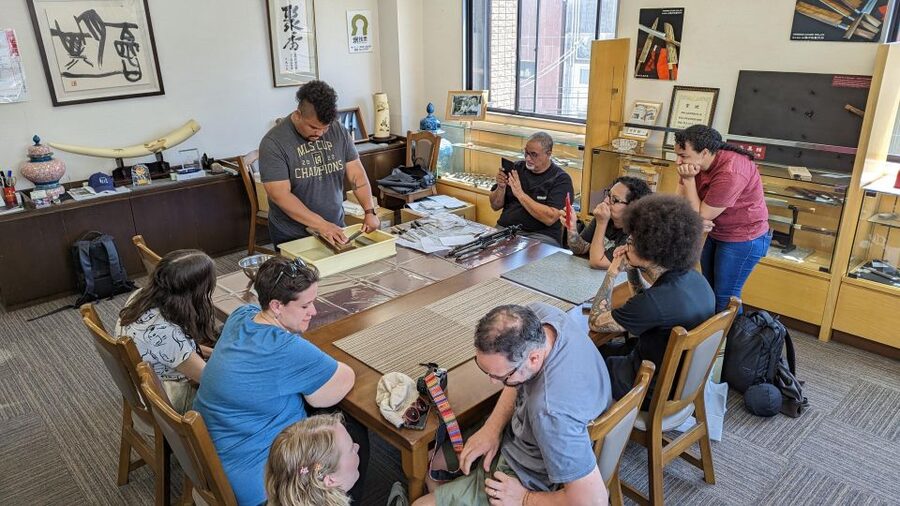
At $64 per person, this is not the cheapest way to spend an afternoon in Osaka. It is also more than a simple museum visit. You are paying for a local guide, the sweet tasting, access to a working knife business or forge, shopping assistance, and a sharpening lesson.
The value is strongest if you would struggle to arrange workshop access on your own. The knife companies are private working businesses, and the tour gives you an introduction that ordinary sightseeing does not provide.
The price also makes more sense for couples, families, or small groups who want one focused activity. A teenage family member can take part, and the mixture of food, local streets, museum displays, and tools keeps the subject from becoming too technical.
Your shopping budget is separate. Extra sweets, drinks, souvenirs, and any custom knife cost more. The guide can help you understand the choices, which is valuable if you are unsure what kind of kitchen knife suits you.
The tour allows free cancellation up to 24 hours before departure and offers reserve-now, pay-later booking. A single person can reserve, but the tour needs at least two participants to operate. If no second participant joins, the operator may cancel and offer a new date or a full refund.
Practical details before you book
Bring your passport or another form of identification. You will spend much of the time on foot, so comfortable shoes are sensible.
The meeting and drop-off point is Sakai Station, though the exact meeting point can vary by option. The tour ends back at Sakai Station, with two listed drop-off locations there.
The experience is wheelchair accessible, but the route includes walking between several stops and entry into working craft spaces. If you need specific assistance, confirm the details before booking.
The tour runs for three and a half hours. Allow extra time afterward if you plan to shop, eat lunch, or travel back toward Osaka. Guides can offer restaurant suggestions, but food beyond the included sweet is not part of the price.
This is a small-group or private experience, so the atmosphere may be more personal than a large bus excursion. It also means the tour depends on the workshop schedule and on the minimum number of participants.
Who should book this Sakai experience?
You should book it if you cook, collect Japanese tools, enjoy traditional crafts, or want to see a working side of Japan that is easy to miss from Osaka’s main tourist areas.
It is particularly good for someone planning to buy a Japanese kitchen knife. The museum and guide help you make a more informed choice, while the sharpening lesson gives you a skill you can use at home.
Families can enjoy it too, especially if children or teenagers like making things. The forging route offers a memorable physical activity, while the knife-maker route is better for careful observation and practical instruction.
I would skip it if you want a fast shopping stop, a broad Osaka sightseeing tour, or a finished knife included in the price. The walking, craft explanations, and workshop time are the point. You need to give them your attention.
Should you book it?
Yes, if you want an authentic craft-focused afternoon outside central Osaka. I would choose Wednesday for the blacksmith experience, especially if you like seeing raw materials shaped by hand. Choose Tuesday or Thursday if your priority is buying a cooking knife and learning traditional sharpening.
Check the date carefully, confirm French availability if needed, and remember that the museum may close on the third Tuesday. With those details settled, this is a thoughtful, well-priced way to connect Sakai’s sweets, local culture, and famous kitchen knives in one compact outing.
FAQ
Where does the tour begin?
The tour begins at Nankai Sakai Station, south of Osaka. The exact meeting point may vary depending on the option booked.
How long does the experience last?
The tour lasts 210 minutes, or three and a half hours.
Which days visit the knife maker?
Tuesdays and Thursdays are generally scheduled for Yamawaki Hamono, the knife-making company.
Which day visits the blacksmith?
Wednesdays are generally scheduled for the De Sakai blacksmith forge.
Is a knife included in the tour price?
No. You can order a customizable knife as an optional purchase, but the knife cost is separate. Shopping, souvenirs, extra food, and drinks are also not included.
Is knife sharpening included?
Yes. The tour includes a lesson in the traditional Japanese knife-sharpening technique, with a chance to practice.
Is French guaranteed?
No. All guides speak English, while French-speaking guides are subject to availability. Contact the operator before booking if you need French on a shared tour.
Can one person book the tour?
A single person can book directly, but at least two participants are required for the tour to operate. If the minimum is not reached, the operator may offer rescheduling or a full refund.
What happens if the museum is closed?
The museum may close for inventory on the third Tuesday of the month. If it closes, the guide takes you directly to the knife company and explains the cutlery background during the walk and at the office.
Just added in Japan
- A One-of-a-Kind Sushi Experience in a Special Place of Japan★ 5.0 · 15 reviews
- Tokyo Cute Bento Cooking Class – Make a Kawaii Character Lunchbox★ 5.0 · 126 reviews
- Japanese Home Cooking Class & Walk in Todoroki Temple Tokyo★ 5.0 · 88 reviews
- Japan Tokyo Tower Observatory Deck E-Ticket★ 4.0 · 34 reviews
- Catch a Baseball Game in Tokyo with a Local – Tickets Included★ 5.0 · 24 reviews
- JDM Experience with Fast&Furious RX-7 (English speaking Driver)★ 5.0 · 57 reviews
- Tokyo Private Day Tour by Car with English speaking Driver Guide★ 4.0 · 29 reviews
- Japan Classic 10 Day – One Life Adventures★ 5.0 · 129 reviews
Walking Tours, compared.
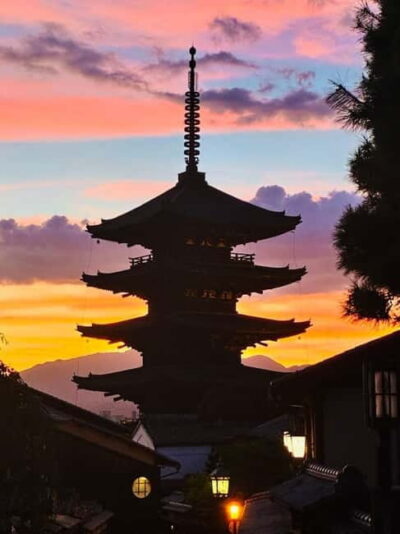
Kyoto Geisha Walking Tour: Gion District & Hidden Gems
Read our review →
Tokyo Tsukiji Fish Market Food and Culture Walking Tour
Read our review →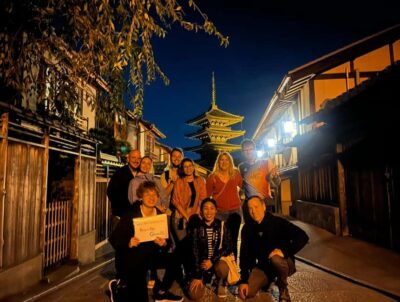
Gion Magical Night Walking Tour with Geisha Trivia
Read our review →
Imperial Palace and Shogun Historical Walking Tour
Read our review →
Gion Geisha District Walking Tour – Stories of Geisha
Read our review →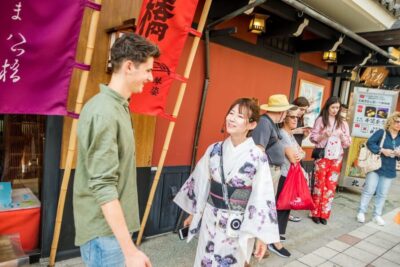

Shinjuku Local Bar and Izakaya Guided Walking Tour
Read our review →
Browse the lists this tour appears in