
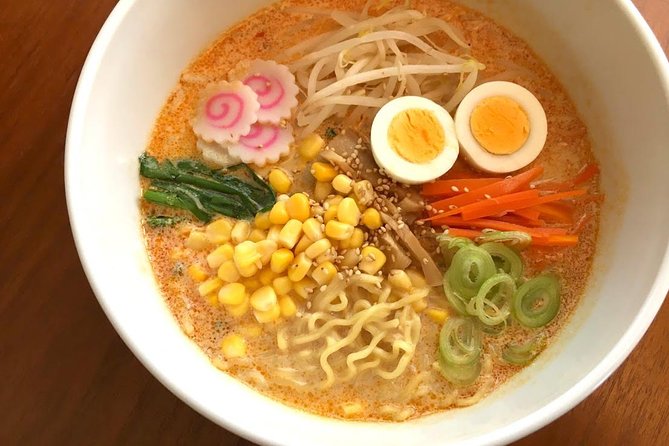
Reviewed · WORKSHOPS
Hands-on Japanese Cooking in a Shinjuku Home Kitchen with Satoru
Skip the restaurant for one meal. This private cooking class takes you from JR Shinjuku Station to Satoru’s simple, cozy apartment, where you prepare Japanese homestyle food in a small but efficient kitchen. I like the private setting and the chance to ask about ingredients such as dashi and organic honey. I also like that the class ends with a shared meal and local alcohol, not a rushed goodbye.
The main point to consider is the fixed weekly menu. Sunday through Tuesday focuses on a Japanese set meal, while Wednesday through Friday brings dishes such as okonomiyaki, karaage, yakisoba, katsu curry, ramen, or gyoza. You need to tell Satoru about dietary needs or menu changes at least one week ahead, or you will receive that day’s menu.
In This Review
- Key Points to Know Before You Book
- Meeting Satoru at Shinjuku Station
- Entering a Small Shinjuku Home Kitchen
- Cooking Two to Five Japanese Dishes
- Choosing Between Teishoku and Popular Japanese Favorites
- Sitting Down for the Meal
- The Japanese Utensil and Ingredient Gift
- Is $130 Per Person Good Value?
- Who Will Enjoy This Class Most?
- Practical Planning Tips for Shinjuku
- Should You Book This Shinjuku Cooking Class?
- FAQ
- Where does the cooking class meet?
- Where does the activity end?
- How long does the experience last?
- How much does the cooking class cost?
- Is the class private?
- What is included in the price?
- What food is prepared on Saturday through Tuesday?
- What food is prepared on Wednesday through Friday?
- Is a vegetarian option available?
- When should dietary needs or menu changes be requested?
Key Points to Know Before You Book
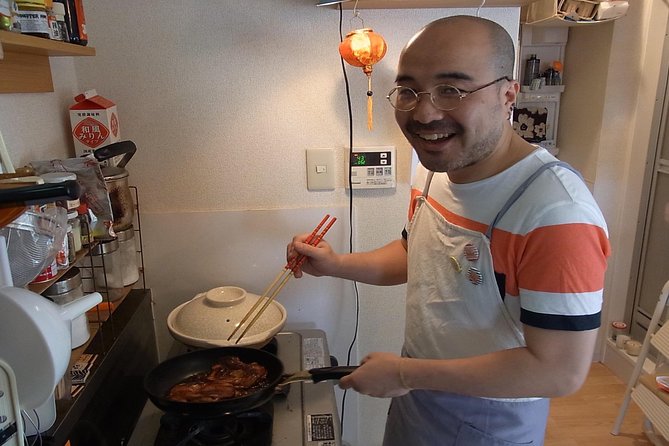
- Satoru welcomes you at JR Shinjuku Station: You walk together from the station to his apartment in central Shinjuku.
- The class is private: Only your own group takes part, making it a better fit for families, couples, and small groups than a large cooking school.
- You cook before you eat: Allow about 90 minutes for hands-on preparation, followed by a shared meal and conversation.
- Menus change by day: Teishoku is served Saturday through Tuesday, while popular dishes such as ramen, gyoza, and okonomiyaki are offered Wednesday through Friday.
- You receive a small Japanese gift: The experience includes a Japanese utensil and an ingredient to take home.
- The class costs $130 per person: That is a sizable price, but it covers a private lesson, the meal, one or two alcoholic drinks, station pickup, and a personal home visit.
Meeting Satoru at Shinjuku Station
The meeting point is JR Shinjuku Station at 3-chōme-38-1 Shinjuku, Shinjuku City. Satoru meets you there and walks with you to his apartment, so you do not need to find a private residential address on your own.
That short walk matters. Shinjuku can feel confusing, with several station exits and a maze of streets around the rail hub. Meeting at the station gives you a clear starting point and lets the host handle the final directions.
The class ends back at the meeting point. Hotel pickup and drop-off are not included, so you need to make your own way to Shinjuku and continue your day from there. Since the activity lasts about two and a half hours, it can fit neatly into a morning or afternoon in Tokyo.
The mobile ticket is useful for a phone-based booking, and confirmation is sent within 48 hours, subject to availability. I would avoid scheduling a tight connection right after class. Cooking times can vary, and the meal itself is meant to be enjoyed at an easy pace.
A few more options to weigh up in Tokyo
- Tokyo Disney Resort – Tokyo Disneyland & Tokyo DisneySea Park Tickets
★ 4.8 · 99,488 reviews - SHIBUYA SKY Ticket
★ 4.7 · 46,509 reviews - JR Whole Japan Rail Pass
★ 4.8 · 29,150 reviews
Entering a Small Shinjuku Home Kitchen
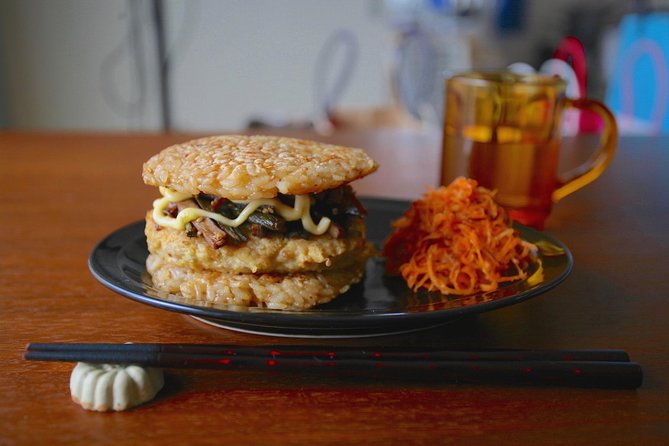
Satoru’s apartment is described as simple and cozy, with a small but efficient kitchen. That setting is a major part of the experience. You are not entering a polished culinary studio with rows of identical workstations. You are seeing how an ordinary Japanese home kitchen can handle a proper meal.
Space may feel close, especially for a larger group. The tradeoff is a more personal class, with direct access to Satoru rather than a demonstration at the front of a room. You can ask questions as you work and get an explanation tied to the actual food in front of you.
Satoru teaches with patience and humor. He is especially good at explaining the ingredients and the reasons behind his choices. That makes the class suitable for people who want more than a recipe sheet. Families with teenage children are a strong match because the activity gives everyone a task, while Satoru’s friendly approach keeps the lesson from feeling formal.
You should expect conversation as part of the class. Ask about the difference between ingredients, the role of dashi in savory cooking, or why organic honey appears in a particular dish. Satoru connects those ingredients to small stories and practical tips, which gives the food more meaning than simply following instructions.
Cooking Two to Five Japanese Dishes
The class description places the hands-on cooking at about an hour and a half. It says you will prepare two or three homestyle dishes, while the more detailed schedule allows for two to five dishes depending on the menu. In practical terms, plan on a multi-dish meal rather than one single recipe.
The cooking begins from scratch. That gives you a chance to handle the ingredients and see the steps behind familiar Japanese food. You might work on rice, miso soup, side dishes, or a popular comfort food, depending on the day you choose.
The pace should suit beginners. The strongest part of the teaching is not speed or technical showmanship. It is Satoru’s patience, explanations, and willingness to make the food understandable. If you have never cooked Japanese food before, you can ask questions without feeling lost.
The class also works for people who already know their way around a kitchen. You can focus on details that are easy to miss in a restaurant, such as the flavor of dashi, the balance of a set meal, or the handling of a dish like gyoza or karaage.
Choosing Between Teishoku and Popular Japanese Favorites
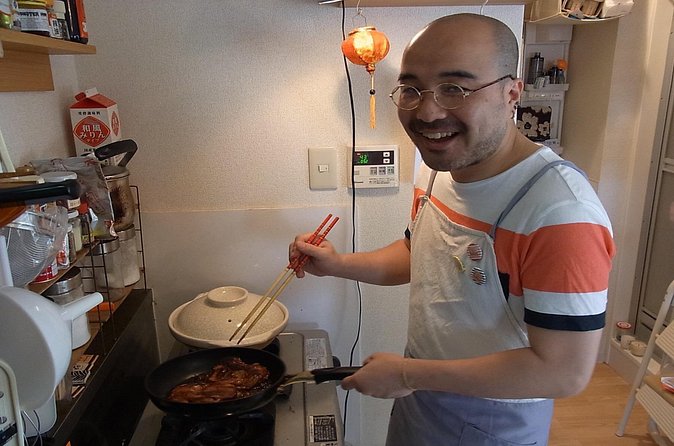
Your day of booking determines the broad menu:
- Saturday through Tuesday: Japanese teishoku, or a set meal, with miso soup, rice, and two side dishes.
- Wednesday through Friday: One popular Japanese dish, such as okonomiyaki, karaage, yakisoba, katsu curry rice, ramen, or gyoza.
Teishoku is the better choice if you want to understand the structure of an everyday Japanese meal. Rice, soup, and side dishes give you a wider lesson in balance and presentation. It is also a good option for a family group with different tastes, since the meal includes several parts.
The Wednesday through Friday menu is more focused on recognizable favorites. Okonomiyaki offers the appeal of a savory Japanese pancake, while karaage brings crisp fried chicken. Yakisoba, katsu curry, ramen, and gyoza each give you a different look at casual Japanese comfort food.
Menus can change with the season. You should check the available menu before booking instead of assuming that a particular dish will be offered. If you have your heart set on ramen or gyoza, confirm the day and tell Satoru your preference.
Most important, share dietary requirements in the special requirements box when you book. A vegetarian option is available, but you need to request it. If you want changes or have restrictions, provide that information one week in advance. Otherwise, Satoru will prepare the scheduled menu for that day.
A completely different kind of day out:
- Mt Fuji and Hakone 1-Day Bus Tour Return by Bullet Train
★ 5.0 · 26,383 reviews - TOKYO SKYTREE® Ticket
★ 4.7 · 25,136 reviews - teamLab Borderless Tickets: MORI Building DIGITAL ART MUSEUM
★ 4.7 · 24,126 reviews - teamLab Planets TOKYO Ticket
★ 4.7 · 21,663 reviews
Sitting Down for the Meal
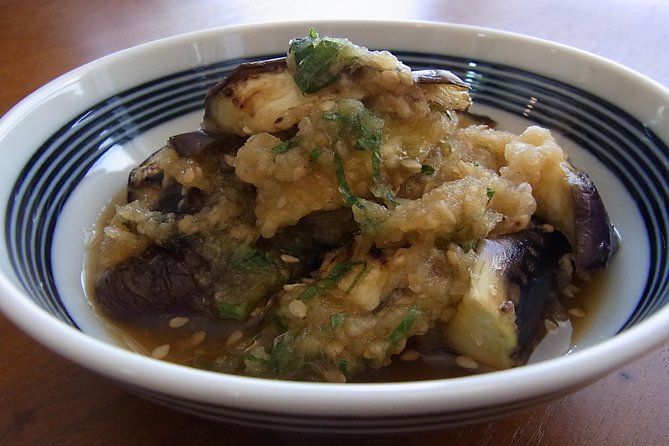
After roughly 90 minutes of preparation, you sit down with Satoru to eat what you made. This is not just a practical finish to the lesson. It is the social heart of the experience.
You can continue asking about the ingredients and the food while eating. The meal gives you time to talk with Satoru about Japanese cooking in a relaxed way, rather than trying to squeeze every question into the busy preparation period.
One or two glasses of local alcohol are included. That adds a small taste of Japanese dining culture, though you should not book this expecting a long sake tasting or a drinking-focused evening. The drink is part of the meal and conversation.
The food itself is the clearest reward. Preparing it yourself helps you notice how the dishes fit together, and sharing the result makes the class feel like a visit rather than a standard lesson. The experience is especially appealing if you value conversation and home cooking over a formal restaurant meal.
The class has received uniformly positive ratings, with particular praise for Satoru’s patience, humor, and ability to keep teenagers involved. One family activity included two teenage daughters, and the format worked well for the whole group. That is useful evidence for parents looking for an activity that does not reduce older children to passive spectators.
The Japanese Utensil and Ingredient Gift
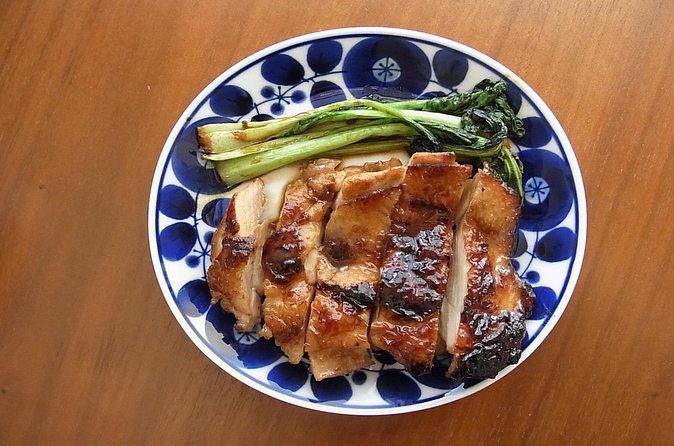
Before you leave, you receive a Japanese utensil and an ingredient. The exact items are not specified, so I would treat this as a thoughtful extra rather than a reason to book on its own.
Still, a small cooking-related gift fits the experience well. It gives you something practical to remember the lesson and may help you recreate part of the meal at home. The ingredient also extends the class beyond the apartment, especially if Satoru has explained how and why it is used.
Is $130 Per Person Good Value?
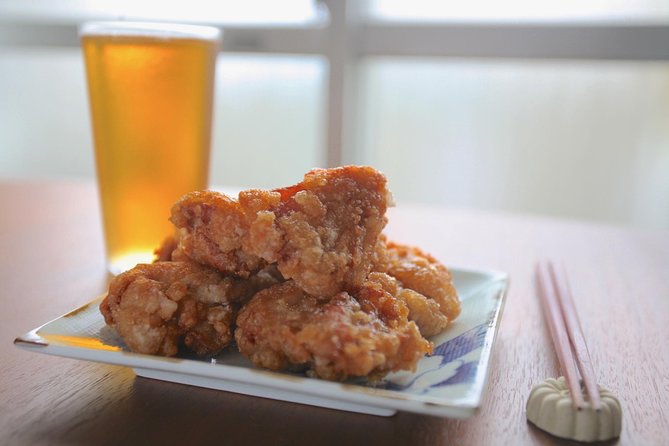
At $130 per person, this is not a cheap meal or a budget cooking lesson. You are paying for a private class, a personal host, the prepared food, one or two glasses of local alcohol, a station pickup, and the chance to enter a local home in central Tokyo.
The value depends on what you want from your time in Japan. If you simply want to eat Japanese food, Shinjuku offers less expensive choices. If you want a private activity with direct conversation, hands-on instruction, and a meal you helped prepare, the price is easier to justify.
The private format is important. Only your group participates, so you do not have to share the class with strangers or compete for the instructor’s attention. For a couple or family, that privacy can make the cost feel more reasonable. For a solo participant, the price is harder to defend unless the personal exchange is a central part of your trip.
The gift and alcohol add value, but they are minor extras. The real purchase is time with Satoru in his home kitchen. You are paying for access to an everyday setting and for the chance to ask questions that a restaurant server may not be able to answer.
Who Will Enjoy This Class Most?
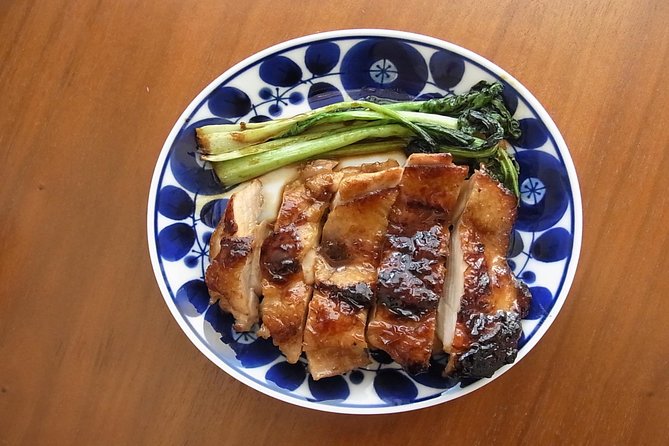
I would recommend this experience to you if you want a cultural activity that is active, personal, and easy to fit into a Tokyo schedule. It suits:
- Families with teenagers who enjoy learning by doing
- Couples looking for a private food experience
- Visitors who want homestyle cooking rather than restaurant dining
- Beginners who appreciate patient instruction
- Anyone interested in ingredients, cooking methods, and Japanese meal structure
It may not be right for you if you need a highly flexible menu, dislike entering a private home, or want a large professional kitchen with lots of room. The small apartment setting is part of the appeal, but it also means you should expect a close, informal environment.
You should also think carefully about menu timing. The class is not a blank cooking session where you choose anything on the spot. The day sets the menu, and dietary changes need advance notice.
Practical Planning Tips for Shinjuku
Book early if your Tokyo dates are fixed. The experience is often reserved about 72 days ahead, which suggests that popular dates can disappear well before a Japan trip begins.
Choose the day according to the food you want. Saturday through Tuesday gives you teishoku, with miso soup, rice, and two side dishes. Wednesday through Friday gives you the popular-food menu. Check the exact menu before paying if one dish matters to you.
Leave enough time around the class. The stated duration is approximately two hours and 30 minutes, and the activity ends at the meeting point rather than at the apartment. Add time for reaching Shinjuku Station, finding the correct meeting spot, and continuing to your next destination.
Tell Satoru about vegetarian needs or other restrictions at booking. For changes to the menu, allow a full week. Waiting until the day of the class may leave you with the scheduled dish.
Cancellation is simple if your plans change early. You can receive a full refund by canceling at least 24 hours before the start time. Cancellations or changes made inside that window are not accepted for a refund, and the cut-off follows Tokyo local time.
Should You Book This Shinjuku Cooking Class?
Book it if you want a genuine home visit, patient instruction, and a meal shared with a friendly host. Satoru’s humor and clear explanations are the strongest reasons to choose this class, and families with teenagers appear particularly well matched to the format.
I would make the menu your first decision. Pick teishoku for a broad lesson in everyday Japanese dining, or choose a Wednesday through Friday date for a favorite such as ramen, gyoza, okonomiyaki, or karaage. Then send all food requests at least one week ahead.
Skip it if $130 feels too high for a meal, or if you prefer a restaurant where you can order exactly what you want. For everyone else, this is a warm, hands-on way to see a side of Tokyo that a standard food tour cannot provide.
FAQ
Where does the cooking class meet?
You meet Satoru at JR Shinjuku Station at 3-chōme-38-1 Shinjuku, Shinjuku City, Tokyo 160-0022, Japan.
Where does the activity end?
The activity ends back at the meeting point at JR Shinjuku Station.
How long does the experience last?
The experience lasts approximately two hours and 30 minutes.
How much does the cooking class cost?
The price is $130 per person.
Is the class private?
Yes. Only your group participates in the activity.
What is included in the price?
The price includes the private cooking class with Satoru, one or two glasses of local alcohol, and pickup from JR Shinjuku Station. A Japanese utensil and ingredient are also provided as gifts.
What food is prepared on Saturday through Tuesday?
The menu is teishoku, a Japanese set meal with miso soup, rice, and two side dishes.
What food is prepared on Wednesday through Friday?
The menu may include okonomiyaki, karaage, yakisoba, katsu curry rice, ramen, or gyoza. The exact menu can vary.
Is a vegetarian option available?
Yes. You need to request the vegetarian option when booking.
When should dietary needs or menu changes be requested?
You should provide dietary requirements when booking and request menu changes at least one week in advance. Otherwise, the menu scheduled for that day will be prepared.
Just added in Tokyo
- Exclusive Ramen Kitchen Experience★ 5.0 · 13 reviews
- Experience Award-Winning Spa Treatments in Downtown Tokyo★ 5.0 · 21 reviews
- Japanese Wine Omakase in Shibuya – Guided Tasting, Not Sake★ 5.0 · 15 reviews
- Tokyo – Grand Sumo Tournament★ 4.5 · 76 reviews
- Enjoy plus size Kimono★ 4.5 · 14 reviews
- Tokyo’s Authentic and Finest Taiko Drumming Workshop★ 5.0 · 22 reviews
- Tokyo: Exclusive Geisha Dinner Experience★ 5.0 · 14 reviews
- Calligraphy on T-shirt or lantern near Skytree Tokyo★ 5.0 · 43 reviews
Workshops, compared.
Sushi Making Tokyo Roll and Authentic Japanese Sushi Class
Read our review →
Gion Make Your Own Chopsticks with Engraving Option
Read our review →
Roll and Authentic Sushi Making Class in Asakusa
Read our review →
Ramen Cooking Class at Ramen Factory in Kyoto
Read our review →
Tokyo Asakusa Chopsticks Workshop: Make Your Own Pair
Read our review →
Ring Making Workshop : Vintage Japanese Coin Ring
Read our review →Browse the lists this tour appears in