
Reviewed · WORKSHOPS
Hiroshima:Private lacquer workshop experience tour(gift included)
Craft has a quiet power. This two-hour Hiroshima workshop brings you into the world of lacquer with artist Naoya Takayama, whose work connects Buddhist altar craftsmanship with tableware made for daily life. I especially like the small group of no more than six and the chance to try lacquer painting yourself, not just watch a demonstration. I also like that the experience includes a gift made by the instructor.
The main consideration is price. At $287.41 per person, this is a serious spend for two hours, even with the private setting, expert instruction, and included artwork. You should book it for close contact with Japanese craft, not as a cheap activity to fill a spare morning.
In This Review
- Key points to know before booking
- Why this Hiroshima workshop feels different
- Meeting the Takayama lacquer tradition
- From Buddhist altars to everyday tableware
- What happens during the two-hour session
- The artist demonstration is the heart of the experience
- Is $287.41 good value for two hours?
- Location, timing, and group size
- Who will appreciate this most?
- Practical advice before you reserve
- Should you book the Hiroshima lacquer workshop?
- FAQ
- Where does the lacquer workshop begin?
- Where does the activity end?
- How long does the experience last?
- How many people can join the workshop?
- Is public transportation available near the meeting point?
- Can I cancel for a full refund?
Key points to know before booking
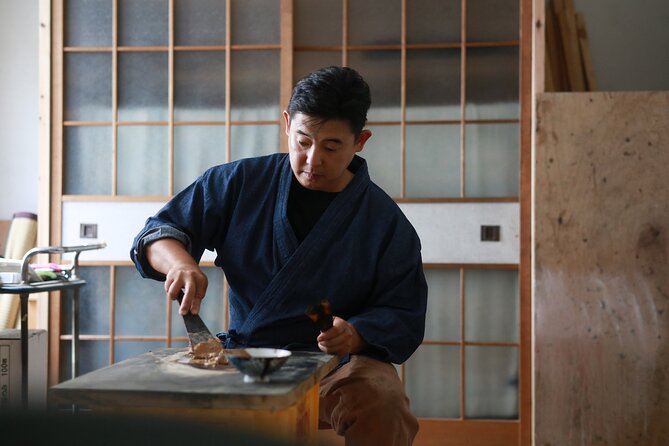
- Learn from a leading Hiroshima lacquer artist: Naoya Takayama developed his skills through Kyoto lacquer painting and later refined his own roiro, or wax-color, technique.
- See a traditional craft in transition: The workshop explains Hiroshima Buddhist altar craftsmanship and the current decline of traditional skills.
- Try lacquer painting yourself: You receive practical instruction and take part in the creative process.
- Small groups keep the lesson personal: The maximum group size is six, useful when you want time for questions and guidance.
- The gift adds lasting value: You receive a piece made by the instructor, giving you a tangible reminder of the experience.
- Convenient central meeting point: The activity starts and ends at 2-17 Horikawachō in Hiroshima’s Naka Ward, near public transportation.
Why this Hiroshima workshop feels different
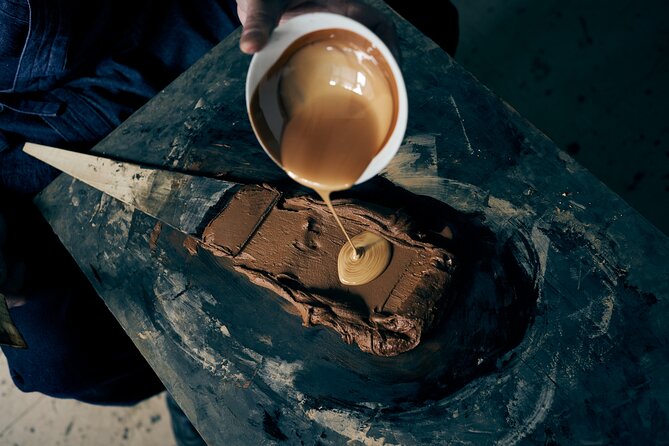
Many craft activities give you a quick demonstration, a few minutes of hands-on work, and a finished object that looks much like everyone else’s. This experience promises something more focused. You are introduced to the ideas behind Hiroshima Buddhist altar craft, then shown how those skills can be used on objects for everyday life.
That connection matters. Lacquer is not presented only as a decorative finish. It is part of a working tradition, shaped by the needs of temples, Buddhist altars, artisans, and households. Naoya Takayama’s approach links that older practice with contemporary tableware, so you can see how a traditional skill might continue in modern homes.
I like this balance. You are not asked to treat craft as a museum relic, and you are not rushed straight into a tourist craft project. The workshop places the technique in its cultural setting before asking you to make something.
The group limit of six should help keep the session conversational. It is small enough for the artist or studio staff to guide participants individually, while still allowing you to share the experience with a few others. That is especially useful when learning a delicate process that may require close observation.
A few more options to weigh up in Hiroshima
- Peaceful Hiroshima & Miyajima UNESCO 1 Day Bus Tour
★ 5.0 · 5,309 reviews - Hiroshima Peace Memorial Museum Ticket
★ 4.8 · 2,727 reviews - Hiroshima: Hiroshima and Miyajima UNESCO Sites 1-Day Tour
★ 4.9 · 2,330 reviews
Meeting the Takayama lacquer tradition
The workshop introduces the work of Naoya Takayama, who learned traditional Kyoto lacquer-painting methods before developing his own style. His work also uses the roiro, or wax-color, technique, which gives his pieces a distinctive finish and appearance.
The information shared during the activity also reaches back to Kiyoshi Takayama, the founder of the company and an important figure in preserving the traditional techniques. It is worth paying attention to this family and studio connection. You are not simply meeting a craft instructor who teaches a one-off class. You are being introduced to a body of work shaped by inherited skills and newer ideas.
Naoya Takayama’s reputation adds weight to the session. His pieces have received awards, and his work was selected as a gift at the G7 Summit. That does not guarantee that every part of a short workshop will match the depth of a full studio apprenticeship, of course. It does mean you are learning within a serious professional practice rather than a generic craft class.
I would listen closely during the artist’s introduction. The most valuable part of the session may be the way he explains decisions that are easy to miss when you only look at a finished piece: surface, texture, color, and the relationship between old methods and daily use.
From Buddhist altars to everyday tableware
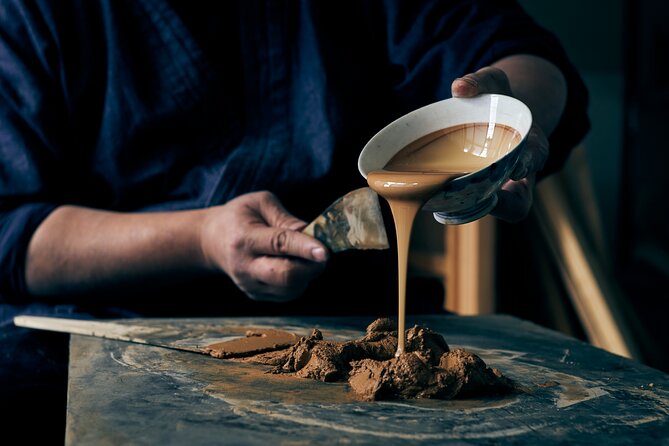
One of the strongest ideas in this experience is the movement from sacred objects to familiar household pieces. Hiroshima’s Buddhist altar craftsmanship has its own traditions and techniques, but Takayama applies that skill to tableware used in ordinary life.
That shift gives you a useful way to understand craft preservation. A tradition can survive in a museum, but it has a better chance of staying active when people continue to use the results. The workshop explains the pressures facing traditional crafts and discusses ideas for sustaining them.
This part may appeal most to anyone interested in how Japanese culture changes without losing its roots. You will hear about the decline of traditional crafts, but the message is not simply gloomy. The studio’s work shows one possible response: preserve the skill while adapting the objects and their purpose.
The use of natural materials is another point worth noting. The everyday lacquerware connected with this practice is made with natural materials and valued for the refined texture produced by lacquering. You may find that this changes the way you look at a simple cup, bowl, or tray later in your trip. The surface is no longer just a color or shine. It represents time, handwork, and a process that cannot be reduced to a factory finish.
What happens during the two-hour session
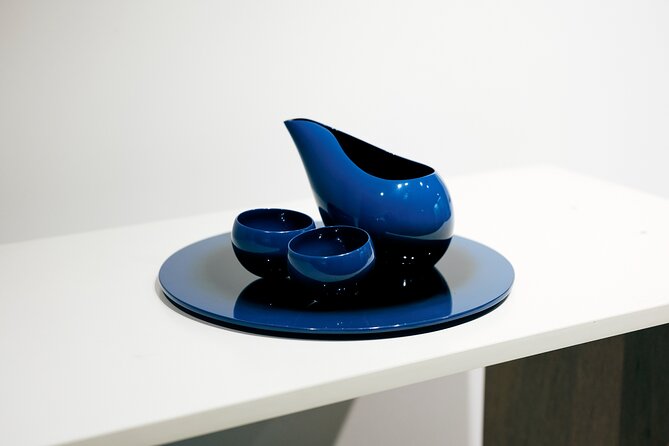
The activity lasts about two hours, so expect a compact introduction rather than a full-day course. The session begins with an explanation of the origins and techniques of Hiroshima Buddhist altar craft. This gives you the vocabulary and context to understand the demonstration that follows.
Next comes an introduction to Naoya Takayama’s award-winning work. His pieces selected as gifts at the G7 Summit provide a clear example of how a traditional craft can reach a high professional level while still serving modern purposes.
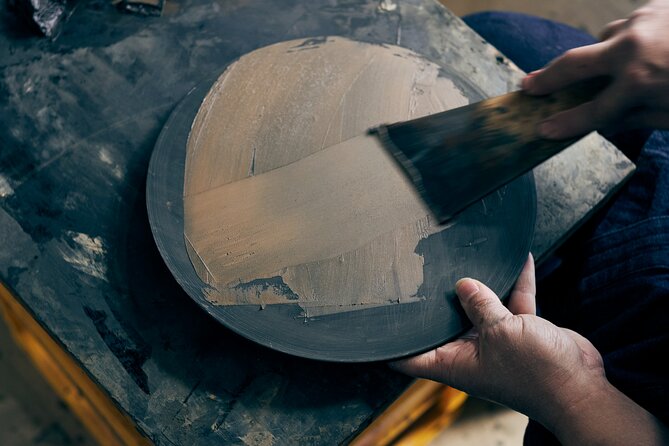
The practical portion allows you to try lacquer painting. The available information does not specify the exact object you paint, the design choices, or how much of the finished process is completed during the session. Keep that in mind if you are booking because you want to produce a particular souvenir. The reliable expectation is that you will receive instruction and have the chance to try the technique yourself.
That hands-on step is important. Watching an artist work can be fascinating, but handling the process gives you a better sense of its demands. You may notice how much patience and control are required, even for a simple mark or small area of color.
The activity ends back at the meeting point. You also receive a gift made by the instructor, separate from the value of trying the technique yourself. That gift makes the session feel less temporary and gives you something connected to the artist’s own practice.
A completely different kind of day out:
- Hiroshima Peace Memorial Museum Admission
★ 4.6 · 1,308 reviews - Hiroshima / Miyajima Full-day Private Tour with Government Licensed Guide
★ 5.0 · 1,298 reviews - Hiroshima Historical Walking Tour – Why A-Bomb was Dropped
★ 4.8 · 893 reviews - Hiroshima Peace (Heiwa) Walking Tour at World Heritage Sites
★ 5.0 · 872 reviews
The artist demonstration is the heart of the experience
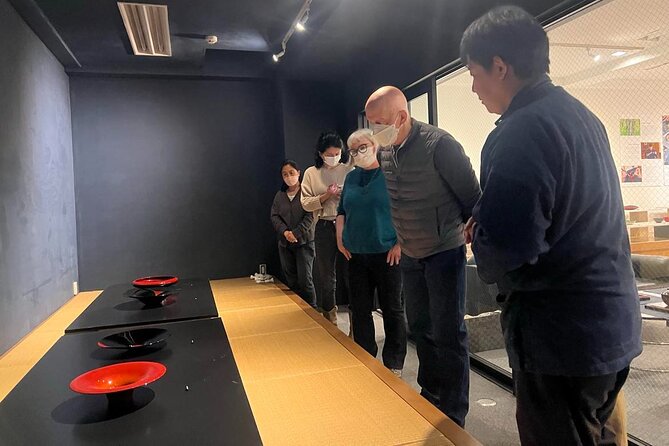
The most praised part of the session is the chance to watch an artisan at work. One comment described the lacquer work as stunning and the process as fascinating. Another called the experience an excellent introduction to the techniques of traditional urushi lacquerware.
I can understand why this earns such strong praise. A finished lacquer object can look simple, but the workshop lets you see the choices and skill behind that surface. You are watching a working artist explain a craft that has been practiced and refined over time.
The experience also appears to be welcoming and well guided. Studio staff have been described as warm, and participants have had the opportunity to try some techniques themselves. Guide Michi was singled out for being kind and professional, so you may encounter her during the visit. The available information does not guarantee a particular guide for every date, but her role is worth noting if she is assigned to your session.
You should allow yourself to ask questions. With only six places, the format should be more personal than a large group demonstration. If you are interested in materials, the difference between altar work and tableware, or how the artist developed the roiro method, this is the time to speak up.
Is $287.41 good value for two hours?
This is not a bargain activity. At $287.41 per person, the cost is high when measured only by duration. You are paying about $143.71 per hour, before placing a value on the gift or the instruction.
The better question is what kind of souvenir and memory you want from Hiroshima. If you want a low-cost introduction to Japanese culture, this workshop is difficult to justify. You can find less expensive activities that last longer or include more stops.
If you collect handmade objects, study Japanese design, or value direct contact with an artist, the calculation changes. The fee covers a small-group session, instruction connected to a respected studio, a practical lacquer-painting experience, and a work made by the instructor. The G7 connection and the artist’s awards also give the session a level of professional context that a casual craft class may not offer.
I would think of it as a specialist experience. It is closer to paying for access to a master’s studio and a personal lesson than buying a standard sightseeing ticket. The price makes sense for the right person, but not for everyone.
The gift is a useful part of the value, especially because it is made by the instructor. The details of the item are not specified, so do not book expecting a particular shape, color, or size. Treat it as a crafted keepsake whose exact form may vary.
Location, timing, and group size
The meeting point is 2-17 Horikawachō, in Hiroshima’s Naka Ward, at postal code 730-0033. The location is near public transportation, and the activity returns to that same point when it ends.
That simple arrangement helps. You do not need to coordinate a separate return journey or plan around several sites. The central meeting point also makes it practical to place the workshop between other Hiroshima plans, provided you leave enough time to reach the studio.
The experience is booked an average of 39 days ahead, which suggests that you should not assume you can arrange it at the last minute. The maximum of six people is likely one reason dates can fill early. If this is important to your Hiroshima schedule, reserve before your trip rather than waiting until you arrive.
A mobile ticket is available. Confirmation is provided when you book. Most people can participate, and the activity is near public transportation, but the supplied details do not describe specific accessibility arrangements. If you need special assistance, confirm those details before paying.
Who will appreciate this most?
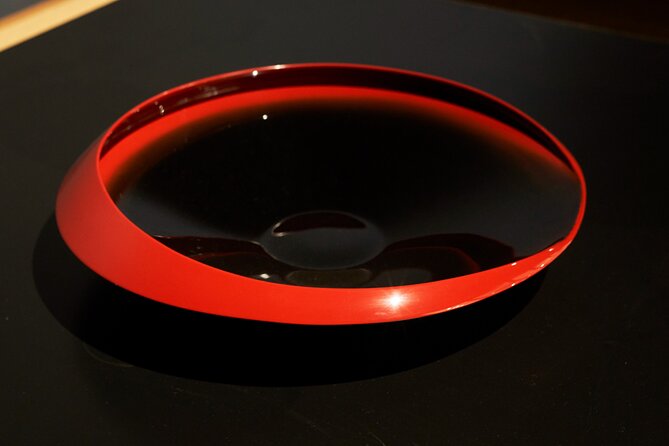
I would recommend this workshop to you if you enjoy:
- Japanese art, design, and traditional materials
- Small-group cultural activities
- Meeting or learning from a working artist
- Handwork and practical demonstrations
- Buying fewer souvenirs, but choosing something with a clear connection to place and maker
- Understanding how older skills can survive in modern life
It is also a good fit for repeat visitors to Japan who have already seen major temples, memorials, and gardens. Hiroshima has plenty of important sightseeing, but this activity offers a closer look at a local craft tradition.
Families may appreciate the hands-on element, although the supplied information does not give a minimum age or specific child policy. Couples, solo visitors, and friends who enjoy art should find the small group format comfortable.
I would be more cautious if your schedule is packed with Hiroshima’s major sights. Two hours is not long, but the meeting point, transport, and fixed start time still require planning. You should also skip it if you are mainly looking for a broad overview of Hiroshima. This is a focused workshop about lacquer, not a general city tour.
Practical advice before you reserve
Book ahead, especially if you need a particular date. The average booking lead time is 39 days, and only six places are available per session.
Plan to arrive ready to listen as well as make something. The history of Hiroshima Buddhist altar craft and the discussion of its decline are central to the experience. If you only want a quick painting activity, part of the session may feel more detailed than expected.
Do not judge the value by the finished object alone. The point is the instruction, the demonstration, the connection to the studio, and the chance to understand why lacquer work takes skill. The included gift is a bonus, not the entire reason to go.
Free cancellation is available until 24 hours before the start time for a full refund. Cancellations or changes made less than 24 hours in advance are not accepted for a refund, and the cut-off uses Hiroshima local time. That gives you some flexibility, but you should check your schedule carefully once the final day approaches.
Should you book the Hiroshima lacquer workshop?
I would book this experience if you want a personal, art-focused side of Hiroshima and are comfortable paying a premium for expert access. The strongest reasons are the six-person limit, the chance to work with lacquer yourself, the connection to Buddhist altar craftsmanship, and the instructor-made gift.
I would pass if you are watching your budget or want a longer activity with several sights. Two hours and $287.41 is a lot for a short session.
For the right person, though, this can become one of the most memorable parts of a Japan itinerary. You leave with more than an object. You leave with a clearer sense of how a traditional Hiroshima craft is being carried into everyday life.
FAQ
Where does the lacquer workshop begin?
The workshop begins at 2-17 Horikawachō, Naka Ward, Hiroshima, 730-0033, Japan.
Where does the activity end?
The activity ends back at the meeting point.
How long does the experience last?
The workshop lasts approximately two hours.
How many people can join the workshop?
The activity has a maximum of six travelers.
Is public transportation available near the meeting point?
Yes. The meeting point is near public transportation.
Can I cancel for a full refund?
Yes. You can cancel at least 24 hours before the experience start time for a full refund. Changes or cancellations made less than 24 hours in advance are not accepted for a refund.
Just added in Hiroshima
- Hiroshima Peace Memorial Museum Ticket★ 4.8 · 2,727 reviews
- Hiroshima Peace Memorial Museum Admission★ 4.6 · 1,308 reviews
- Private Full Day Hiroshima Tour★ 4.5 · 29 reviews
- The Peace Memorial to Miyajima : Icons of Peace and Beauty★ 4.5 · 31 reviews
- Shore Excursion from Hiroshima Port : Private Tour in Hiroshima★ 5.0 · 17 reviews
- Hiroshima & Miyajima All-Inclusive Tour w/Licensed guide Pancho★ 5.0 · 54 reviews
- Okunoshima Rabbit Island Cycling Tour with Local Guide★ 4.5 · 17 reviews
- Hiroshima Country Cycling: Explore Rural Life 1 HR from City★ 5.0 · 22 reviews
Workshops, compared.

Sushi Making Tokyo Roll and Authentic Japanese Sushi Class
Read our review →
Gion Make Your Own Chopsticks with Engraving Option
Read our review →
Roll and Authentic Sushi Making Class in Asakusa
Read our review →
Ramen Cooking Class at Ramen Factory in Kyoto
Read our review →
Tokyo Asakusa Chopsticks Workshop: Make Your Own Pair
Read our review →
Ring Making Workshop : Vintage Japanese Coin Ring
Read our review →Browse the lists this tour appears in