
Reviewed · MARKETS AND FOOD HALLS
Inside Tokyo’s Kitchen: Tsukiji Market, Food & Culture Tour
Tokyo tastes best before breakfast. This three-hour walk pairs fresh sushi and market snacks with visits to two small shrines and the Kabuki-za area. I like the intimate group size, capped at six, and the way a local guide helps you understand unfamiliar foods and signs. The main thing to consider is that the amount and timing of included food can vary, and extra drinks or purchases cost more.
The $83.35 price is easiest to justify if you want help finding the best corners of Tsukiji Outer Market rather than simply wandering through it. I also like that the experience works for non-fish eaters, with sweets, omelet, vegetables, and other snacks in the mix. Still, anyone expecting a long sit-down sushi meal may find the tasting format too light or uneven.
In This Review
- Key points to know before you book
- Starting beside Kabuki-za at 8:00 am
- Finding your way through Tsukiji Outer Market
- What you might taste at Tsukiji
- Why the food culture explanations matter
- Namiyoke Inari Shrine gives the tour a quiet finish
- Is $83.35 a fair price?
- Who will enjoy this market walk?
- Practical details that shape the morning
- Should you book the Tsukiji food tour?
- FAQ
- Where does the tour begin?
- What time does the tour start?
- How long does the experience last?
- How large is the group?
- What food is included?
- Are vegetarian and vegan options available?
- Are drinks and extra food included?
Key points to know before you book
- Six-person maximum: A small group makes it easier to ask questions, follow your guide through tight lanes, and get help with translations.
- Early 8:00 am start: You reach Tsukiji during the market’s active morning hours, but you must be ready to navigate central Tokyo early.
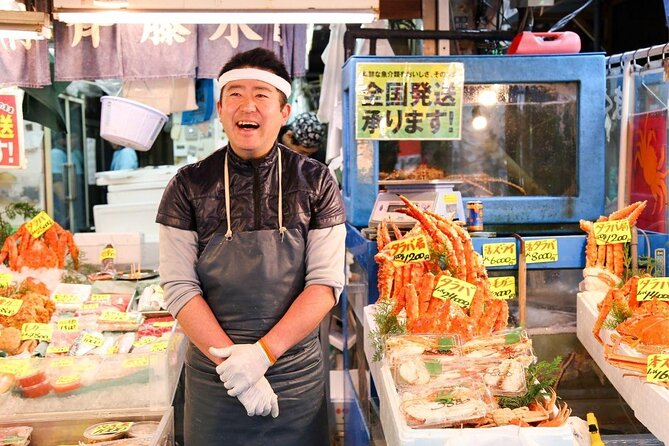
- More than raw fish: Tastings can include sushi, sashimi, tamagoyaki, fish cake, dried anchovies, wagashi sweets, fruit, and other local treats.
- Two cultural stops: Kabuki Inari Shrine and Namiyoke Inari Shrine give the food walk a useful cultural frame.
- Vegetarian and vegan choices exist: The selection is limited, so this tour works better for flexible eaters than for strict dietary needs.
- Wear practical shoes: Closed-toe sneakers are recommended because some market floors may be wet.
Starting beside Kabuki-za at 8:00 am
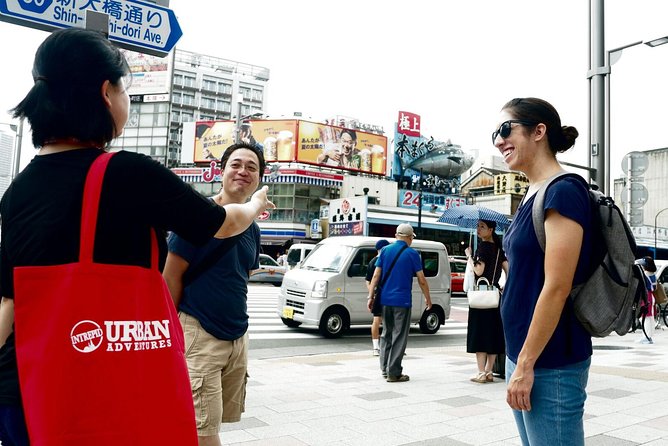
The meeting point is Kabuki Inari Shrine, in front of Kabuki-za at 4 Chome-12 Ginza. That location gives the tour a good opening: you are not dropped straight into a wall of seafood stalls. Instead, you begin with a glimpse of Kabuki, Japan’s distinct combination of drama and dance, along with the ornate Kabuki-za building.
The shrine stop lasts about 10 minutes and is free. It is brief, but useful. Your guide can explain why the shrine sits beside the theater and point out details you might otherwise pass without noticing. If you arrive early, make sure you confirm the exact shrine entrance rather than relying only on the theater’s large facade.
The meeting point deserves care. Tokyo’s streets can be confusing, especially around Ginza, and one person missed the group after walking past the spot and arriving about five minutes late. The tour starts at 8:00 am, so give yourself extra time and keep the operator’s contact information ready. A mobile ticket is provided, and confirmation arrives when you book.
More Markets and Food Halls in Tokyo
- Tokyo Tsukiji Fish Market Food and Culture Walking Tour
★ 5.0 · 3,184 reviews - Tokyo: Tsukiji Fish Market Food and Walking tour
★ 5.0 · 1,724 reviews - Senkyaku Banrai Toyosu Manyo Club Onsen Experience in Tokyo
★ 4.7 · 1,690 reviews
Finding your way through Tsukiji Outer Market
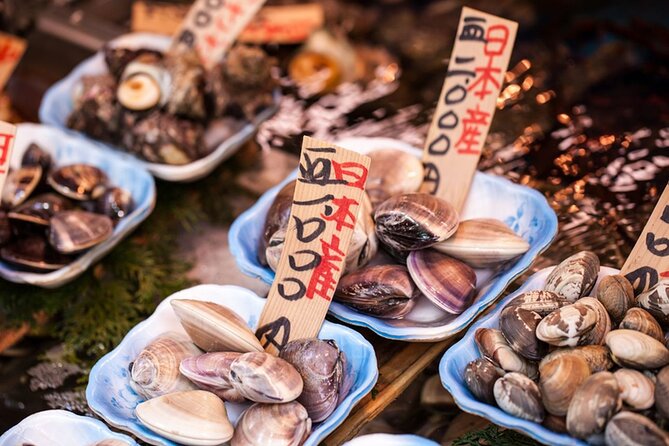
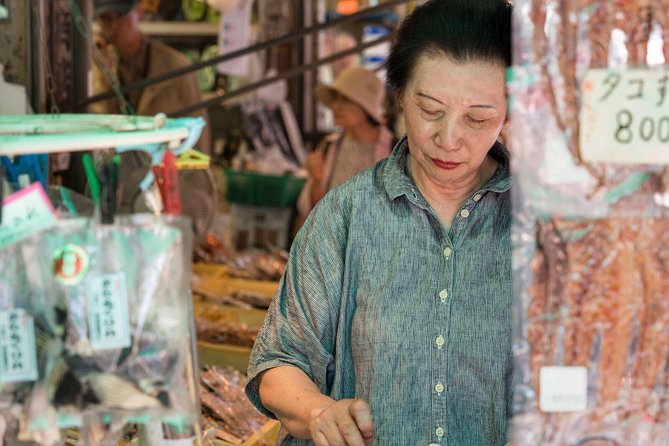
From Kabuki-za, the walk moves toward Tsukiji Outer Market. The market is not one tidy hall with a clear route. It is a web of narrow lanes, small shops, food counters, seafood sellers, produce stalls, and places selling cooking tools and specialty ingredients.
That is where the guide adds real value. You can stop at something that looks unfamiliar without knowing its name, preparation, or proper way to eat it. A guide can translate, explain what you are seeing, and help you avoid spending the whole morning circling the same few streets.
The market portion lasts about two hours. This is the heart of the experience, so expect most of your time to be spent walking, stopping, tasting, and listening. You are not simply escorted from one restaurant to another. The point is to see the food at its source and learn how ingredients fit into Japanese cooking.
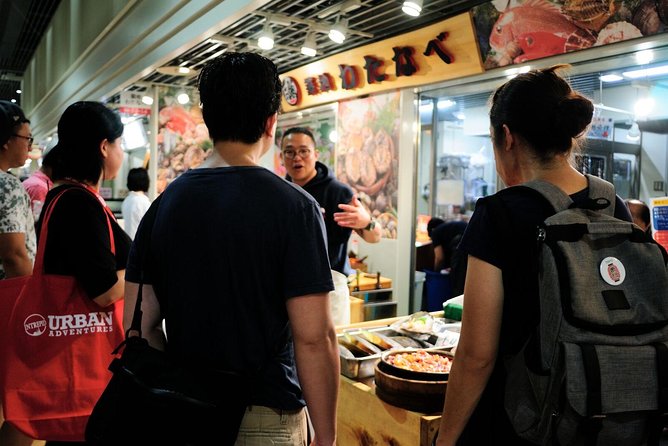
The small group matters here. With no more than six people, you should have a better chance of hearing your guide in tight lanes and asking about a particular fish, snack, or cooking method. A large group would be harder to manage in this setting, where people are shopping and working around you.
What you might taste at Tsukiji
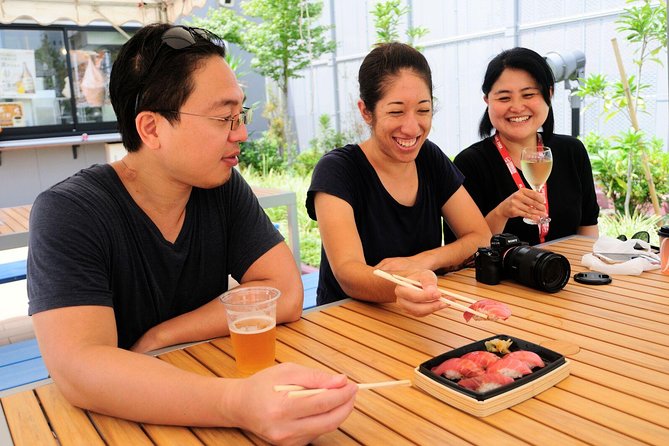
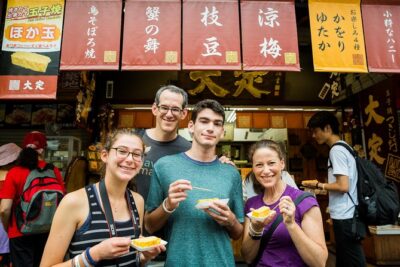
The food is the strongest reason to book this walk, but you should think of it as a series of tastings rather than a fixed meal. The published inclusions cover freshly made sushi, local snacks, and wagashi sweets. The exact lineup may shift with availability and the guide’s choices.
Fish lovers have plenty to look forward to. Past tastings have included tuna sashimi in lean, medium-fatty, and fattier cuts, assorted tuna nigiri, sea eel rolls, and fresh sushi. One guide, Yuri, brought a tool for grinding real wasabi, allowing the group to taste freshly grated wasabi with the sushi. That is a small but memorable detail, since it shows the difference between fresh wasabi and the familiar green paste served in many restaurants.
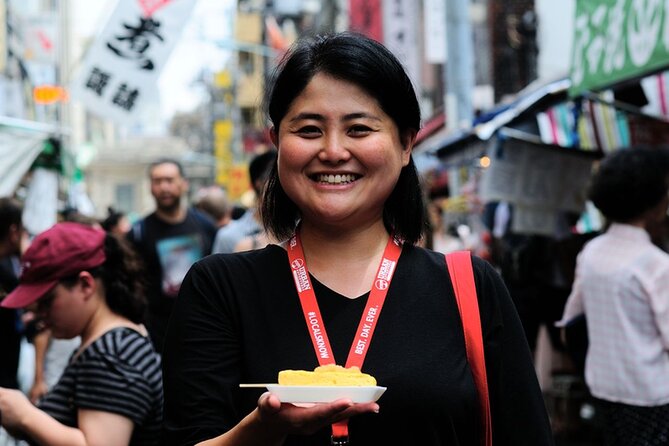
Other food examples give the tour a wider range. You might try satsumaage, a fried fish cake, and tamagoyaki, the sweet-savory Japanese omelet often associated with sushi shops. Dried anchovies, fish-broth omelet on a stick, sweetened rice balls, white strawberries, and wagashi sweets have also appeared during the walk.
Wagashi is especially useful for non-fish eaters. These traditional sweets are made to look appealing as well as taste good, and they offer a look at Japanese ideas about season, shape, and presentation. You may also find vegetable-based snacks or other sweets, but the food selection is not designed around a fully vegetarian or vegan menu.
The amount of food is the uncertain part. Some outings have produced a generous spread, enough to leave people with a full belly. Other accounts describe only a small amount of food, with snacks arriving at odd times. One less satisfying version included packaged tuna sushi and fried tuna instead of sushi prepared directly in front of the group, while the participant had hoped to eat at a market counter.
That inconsistency is worth keeping in mind. If you want a predictable lunch with a set menu, choose a restaurant meal instead. If you enjoy sampling many small bites and do not mind an occasional packaged item, the tour offers more variety and context than a single meal.
Drinks and additional food are not included. Bring money if you want sake, tea, a second serving, or something special from a stall. Tips for the guide are also separate.
Why the food culture explanations matter
Tsukiji is easy to treat as a photo stop. You see trays of fish, colorful sweets, and busy shopfronts, then move on. The better use of this tour is to ask why certain foods matter and how they are prepared.
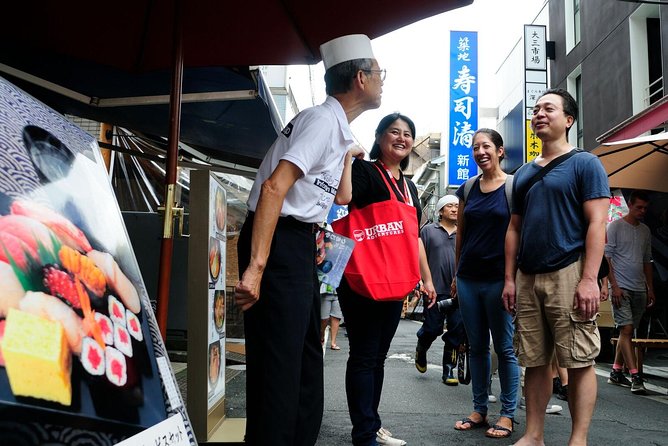
Your guide can help you identify fish as you walk and explain Japanese food customs without a language barrier. That is particularly useful if you have never ordered sushi in Japan or cannot tell one local snack from another. You might learn why tuna is divided into different cuts, how tamagoyaki is made, or how a fish cake differs from a sushi topping.
The cultural side keeps the tour from becoming a simple eating route. You are shown food, but you are also introduced to shopping habits, ingredients, shrine traditions, and the relationship between Tokyo’s older neighborhoods and its food trade.
The strongest guide experiences appear to come from people who add personal touches. Aya explained different varieties of fish and arranged tastings that included tuna sashimi, assorted nigiri, sea eel roll, satsumaage, and tamagoyaki. Shino was praised for creating a welcoming walk and for sharing information about the market and its foods. Mihari was singled out for answering questions and taking extra care with the group.
Koz also led an outing that included white strawberries, fish-broth omelet, dried anchovies, sweet rice balls, sashimi, and sake. These details show why the guide can shape the day. The market itself supplies the raw material, but the guide decides how well you understand it.
A completely different kind of day out:
- Tokyo Disney Resort – Tokyo Disneyland & Tokyo DisneySea Park Tickets
★ 4.8 · 99,488 reviews - SHIBUYA SKY Ticket
★ 4.7 · 46,509 reviews - JR Whole Japan Rail Pass
★ 4.8 · 29,150 reviews - Mt Fuji and Hakone 1-Day Bus Tour Return by Bullet Train
★ 5.0 · 26,383 reviews
Namiyoke Inari Shrine gives the tour a quiet finish
The final stop is Namiyoke Inari Shrine, near Tsukiji. After two hours among food stalls and narrow lanes, this quieter pause gives you a chance to slow down and consider the area beyond its role as a market.
The shrine stop lasts about 10 minutes. It is not a major sightseeing visit with a long formal explanation, but it adds context to the neighborhood and gives the tour a more rounded ending. You finish in the Tsukiji area, with Tsukiji Station on the Hibiya Tokyo Metro Line as the nearest practical transport point.
The stated end point is Tsukiji Outer Market, followed by about a 10-minute walk to the nearest station. That makes the tour convenient if you plan to continue sightseeing in central Tokyo. You can also stay in the area for more shopping or an additional meal, although anything else you buy is at your own expense.
Is $83.35 a fair price?
At $83.35 per person, this is not the cheapest way to eat at Tsukiji. You can purchase individual snacks yourself for less, and confident visitors may enjoy making their own route through the market.
The price pays for more than the food. You are also paying for a guide who knows the lanes, translates when needed, selects stops, explains ingredients, and keeps a group of six moving through a difficult setting. For a first visit to Tokyo, that help can save time and reduce the chance of missing the market’s best-known foods.
Value depends on your priorities. I think the price makes sense for a first-time visitor who wants an organized introduction and likes trying several small portions. It is less appealing if you already know Tsukiji, speak Japanese well, or mainly want one large sushi breakfast.
Food quantity also affects the calculation. Some outings include enough tastings to feel like breakfast and lunch combined. Others may leave you wanting more, especially if you skip fish and choose from the limited vegetarian or vegan options. Treat the included food as a guided sample of the market, not a guaranteed full meal.
The 4.9 rating from 162 ratings and 98 percent recommendation rate suggest a consistently well-liked experience, but the lower scores point to the main weakness: food expectations are not always identical from one outing to the next. That is a useful warning, not a reason to dismiss the tour.
Who will enjoy this market walk?
I would recommend it most strongly to first-time visitors who want a gentle introduction to Tsukiji. The market can feel overwhelming, and a good guide helps you get your bearings fast, understand what you are seeing, and taste items you might not choose alone.
It also suits curious eaters who want more than standard sushi. The combination of fish, sweets, omelet, fruit, fish cake, and shrine visits creates a broad introduction to Tokyo food culture.
Families can join, and children under six participate free. The three-hour length is manageable for many families, though the narrow lanes and wet floors mean you should keep children close and dress them in practical shoes.
Fish lovers will have the widest choice. You can sample several tuna cuts, sushi, sashimi, and eel, and possibly see market preparation in action. One outing happened to catch a tuna weighing more than 250 pounds being turned into sushi, but that was a lucky sight rather than something you should expect on every visit.
Vegetarians and vegans can participate, but the choices are limited. If you follow a strict diet, contact the provider before booking and keep your expectations modest. This is a food tour in a seafood market, not a dedicated plant-based tasting.
You should also be comfortable walking and standing for much of the three hours. Closed-toe shoes are required, and sneakers are the sensible choice. Avoid footwear that you would dislike getting damp or dirty.
Practical details that shape the morning
The tour begins at 8:00 am and lasts about three hours. That early start is important because it places you in the market during the morning food trade, but it also means your hotel should be reasonably close to Ginza or connected by an easy train route.
The group maximum is six people. That is small enough for direct conversation, but it does not guarantee that every person will receive the exact same attention at every stall. Market conditions, shop hours, and food availability can affect the pace.
Wear closed-toe shoes with good grip. The supplied instructions warn that inner market floors can be wet, even though the route centers on the outer market. A compact bag is easier than a large suitcase or bulky backpack in the narrow lanes.
Free cancellation is available until 24 hours before the local start time. Cancellations or changes made inside that window are not accepted for a refund. Most people book about 38 days ahead, so reserve early if your Tokyo dates are fixed, then note the cancellation deadline.
Should you book the Tsukiji food tour?
Book it if you want a small, guided first look at Tsukiji, especially if you are unsure what to order or want explanations with your tastings. The shrine visits, Kabuki-za meeting point, translation help, and range of snacks give the morning more substance than a quick market visit on your own.
Go in expecting samples, not a guaranteed restaurant meal. The best outings can include sushi, sashimi, tuna in several cuts, tamagoyaki, fish cake, wagashi, fruit, and even fresh wasabi. But the food can be lighter or less freshly prepared than hoped, and drinks and extra purchases are not included.
For most first-time visitors, the $83.35 cost is reasonable because the guide saves you from guessing your way through a complicated market. Experienced Tokyo eaters may prefer to explore independently. For everyone else, this is a useful, flavorful start to a day in central Tokyo.
FAQ
Where does the tour begin?
It begins at Kabuki Inari Shrine in front of Kabuki-za, at 4 Chome-12 Ginza, Chuo City, Tokyo 104-0061, Japan.
What time does the tour start?
The tour starts at 8:00 am.
How long does the experience last?
The experience lasts approximately three hours.
How large is the group?
The maximum group size is six people.
What food is included?
Included tastings feature freshly made sushi, local snacks, and wagashi sweets. Examples can include sashimi, tuna nigiri, sea eel roll, tamagoyaki, fish cake, dried anchovies, fruit, and sweet rice treats.
Are vegetarian and vegan options available?
Yes. Vegetarian and vegan options are available, but the selection is limited.
Are drinks and extra food included?
No. Drinks, additional food, and guide gratuities are not included.
Just added in Tokyo
- Very popular in Harajuku♡Animal petting zoo★ 4.6 · 39 reviews
- Yokohama Port: Private Customizable Tour with Transfer★ 5.0 · 19 reviews
- Wagyu & Sake 8 Course Tasting Dinner in Shinjuku★ 4.9 · 20 reviews
- Warner Bros. Studio Tour Tokyo – The Making of Harry Potter★ 4.8 · 181 reviews
- Yanaka District: Historical Walking Tour in Tokyo’s Old Town★ 4.8 · 117 reviews
- Tokyo: Classic Tsukiji Food Tour★ 4.9 · 78 reviews
- Tokyo: Tsukiji Fish Market Tour with 6 Stops & Seafood Lunch★ 4.5 · 165 reviews
- Tokyo Wagyu & Sake Pairing Tasting Experience with Local Flavors★ 5.0 · 108 reviews
Markets and Food Halls, compared.
Tokyo Tsukiji Fish Market Food and Culture Walking Tour
Read our review →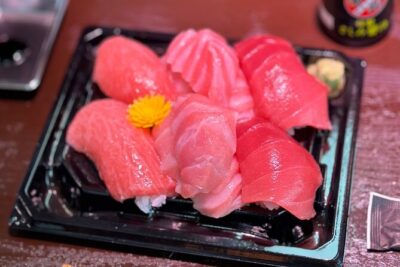

Senkyaku Banrai Toyosu Manyo Club Onsen Experience in Tokyo
Read our review →
Nishiki Market Brunch Walking Tour (7 Tastings + Brunch)
Read our review →
Tokyo Sushi Making Class in Tsukiji with Professional Chef
Read our review →
Tsukiji Fish Market Guided Tour and Sushi Making with Pro Chef
Read our review →Browse the lists this tour appears in