Reviewed · MULTI-DAY TOURS THAT VISIT KOYASAN
Japan: From neon light to monk chanting by journaway DACH – 14-Day Tour: Itinerary & Reviews
Tokyo’s neon districts and Koyasan’s early-morning prayers make an unusually satisfying pair: one trip takes you from crowds and city lights to a temple stay high in the mountains. The route also stops at Kanazawa, Kyoto, Himeji, Hiroshima and Miyajima, so you get more than a quick Tokyo-and-Kyoto sampler.
I like the contrast between the seven-day Japan Rail Pass and independent travel, which give you room to explore at your own pace, and the one-night shukubo stay, with a vegetarian dinner and morning ceremony. One thing to plan for: the trip is self-guided, and several admission fees and local transport costs are extra. The listed accommodation adds up to 11 nights, so confirm the full night-by-night arrangements before booking.
- Tokyo gets four nights: Explore Shibuya, Harajuku, Asakusa and Akihabara without trying to fit the city into a single stopover.
- Kanazawa adds a change of pace: See geisha and samurai districts, Kanazawa Castle and Kenrokuen Garden.
- Kyoto’s big sights take two days: The plan includes Fushimi Inari, Gion, Arashiyama and a choice of golden or silver pavilion.
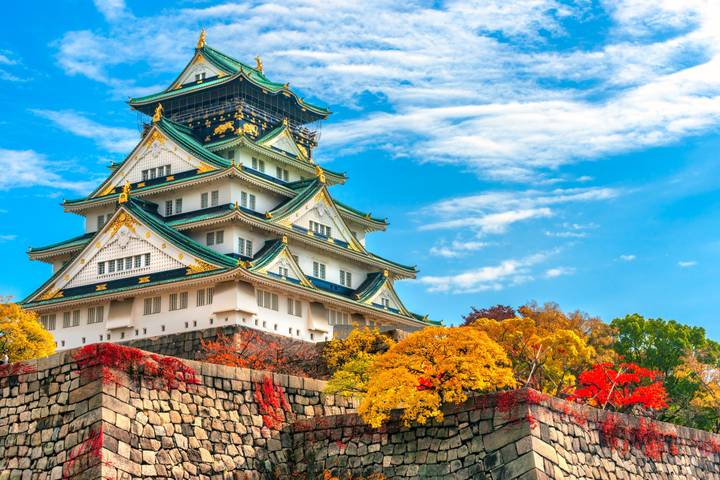
- Himeji breaks up the rail journey: Visit the famous white castle en route to Hiroshima.
- Miyajima brings a memorable island day: See Itsukushima Shrine’s torii at high and low tide, with an optional cable car or Mount Misen hike.
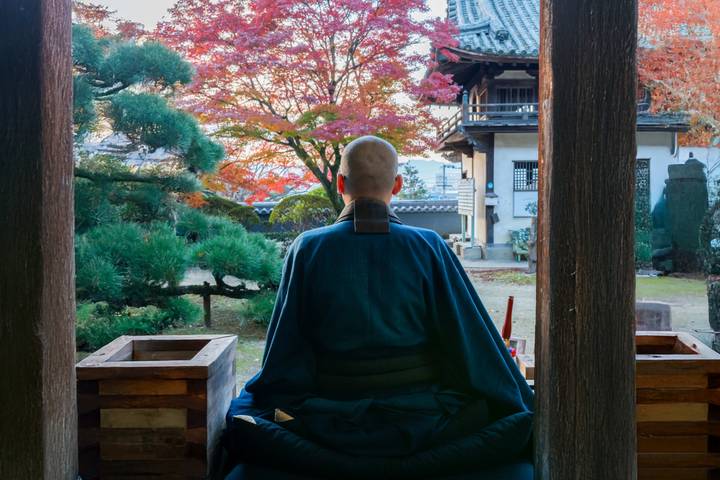
- Koyasan is the defining experience: Sleep in temple lodging, eat shojin-ryori and attend the monks’ morning service.
In This Review
- Tokyo starts with neon, temples and room to roam
- Kanazawa is a useful pause between megacities
- Kyoto rewards early starts and selective sightseeing
- Himeji and Hiroshima make a long, meaningful day
- Koyasan trades city lights for temple bells
- Osaka is a short final stop, not a full city stay
- What the package covers, and what to budget for
- Who should book this Japan route?
- FAQ
- Is this a guided tour?
- Where does the tour start and end?
- How many nights of accommodation are listed?
- Is the Japan Rail Pass included?
- Are meals included?
- Are travel insurance and sightseeing admission fees included?
Tokyo starts with neon, temples and room to roam
The first two days are mostly about getting there and getting settled. You fly overnight, exchange your Japan Rail Pass voucher at the airport, then take a train to your Tokyo hotel on your own. A prepaid data SIM and a 24-hour emergency hotline are included, useful support when you are navigating a new city without a tour leader.
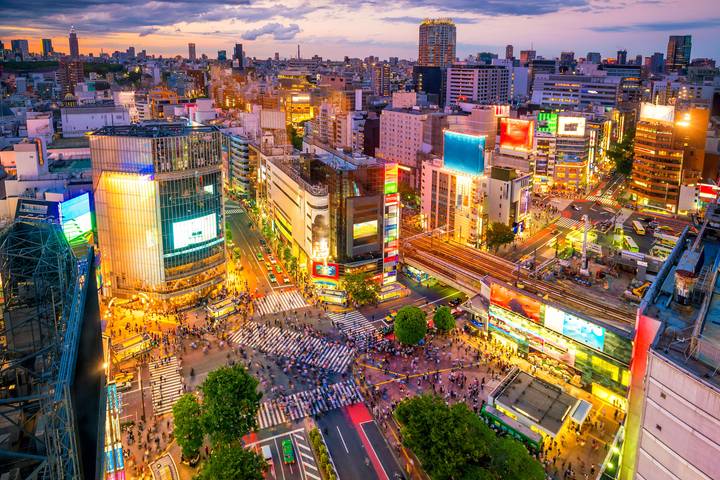
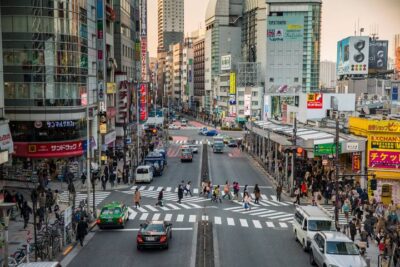
Four nights in Tokyo give you time to see different sides of the capital. On day three, the route moves from Shibuya Crossing to Harajuku, then to the quieter paths of Yoyogi Park and Meiji Shrine. Shinjuku closes out the day with izakayas, yakitori and sake. It is a good introduction to the trip’s central pleasure: one moment you are amid city crowds, the next you are walking among trees at a shrine.
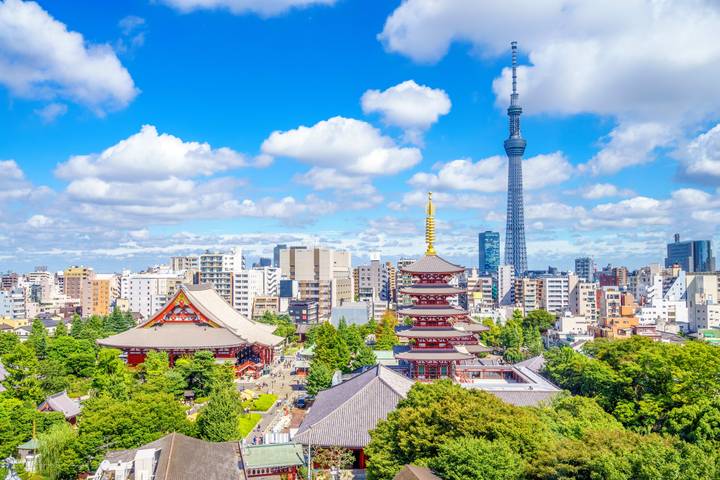
Day four begins at Tsukiji’s outer market, where the plan is to sample seafood. The tuna auctions are in Toyosu, not Tsukiji, so treat this as a food-and-market visit rather than an auction stop. From there, you have the Imperial Palace gardens, Senso-ji in Asakusa and, if you want to pay extra, the Tokyo Skytree observation deck. That is a full day. You may want to choose between lingering over food and adding the tower, rather than trying to hurry through both.
Akihabara gets a dedicated day, which suits anyone interested in anime, manga, games or electronics. If those are not your main interests, use the freedom of a self-guided trip to explore another Tokyo neighborhood instead. The itinerary offers no guided sightseeing, and there is no named guide to meet you.
Kanazawa is a useful pause between megacities
On day six, you travel by Shinkansen to Kanazawa. The itinerary describes views toward Mount Fuji on the way, though the exact view depends on conditions and route. Once in the city, the plan links Higashi Chaya’s historic geisha quarter with Nagamachi’s samurai district, Kanazawa Castle and Kenrokuen Garden.
This is a welcome change from Tokyo’s scale. The districts and garden give you a sense of how historic Japan fits into a modern city, while the overnight stay keeps the pace from becoming a long day trip. A traditional tea ceremony in Gyokusen Inmaru Garden is offered at extra cost. It is a good optional choice if you want a slower, more focused cultural activity, but the core day already includes several stops.
A few more options to weigh up in Tokyo
- Tokyo Disney Resort – Tokyo Disneyland & Tokyo DisneySea Park Tickets
★ 4.8 · 99,488 reviews - SHIBUYA SKY Ticket
★ 4.7 · 46,509 reviews - JR Whole Japan Rail Pass
★ 4.8 · 29,150 reviews
Kyoto rewards early starts and selective sightseeing
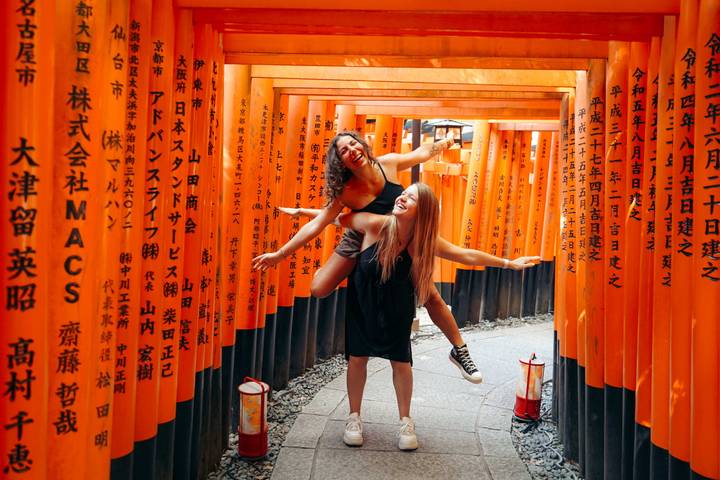
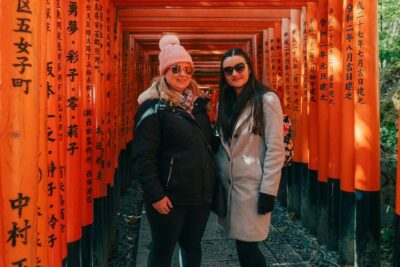
Day seven takes you by Shinkansen to Kyoto, then straight to Fushimi Inari. Its rows of red torii gates climb Mount Inari, and the walk to the Yotsutsuji viewing platform adds a physical stretch to what might otherwise be a temple-and-city day. Kiyomizudera follows, then the lanes of Higashiyama and Gion in the evening.
This is an ambitious arrival day. You will get more from it if you travel light and accept that you may not linger at every stop. The route also includes a hike, so comfortable shoes matter. Gion is best approached as a historic neighborhood to walk through, not as a promise of spotting a geisha.
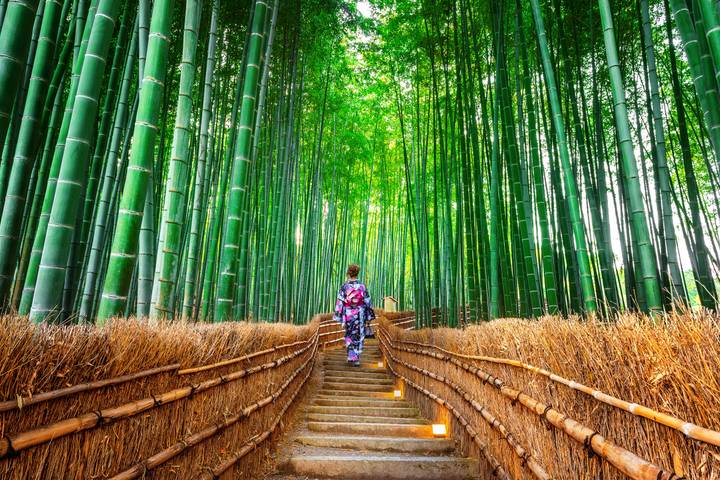
Day eight takes you west to Arashiyama’s bamboo forest and Tenryu-ji’s Zen garden. The forest is most appealing early, before the day fills up, so an early start is sensible. The itinerary then gives you a choice between Kinkaku-ji, the Golden Pavilion, and Ginkaku-ji, the Silver Pavilion. They are not adjacent, and you do not need to force both into one day. Pick the one that fits your interests and energy.
Pontocho, a narrow dining alley by the Kamo River, is the evening stop. Restaurant costs are not included, and the trip does not specify a meal booking. That flexibility is useful if you want to choose your own dinner, but you will need to manage the details yourself.
Himeji and Hiroshima make a long, meaningful day
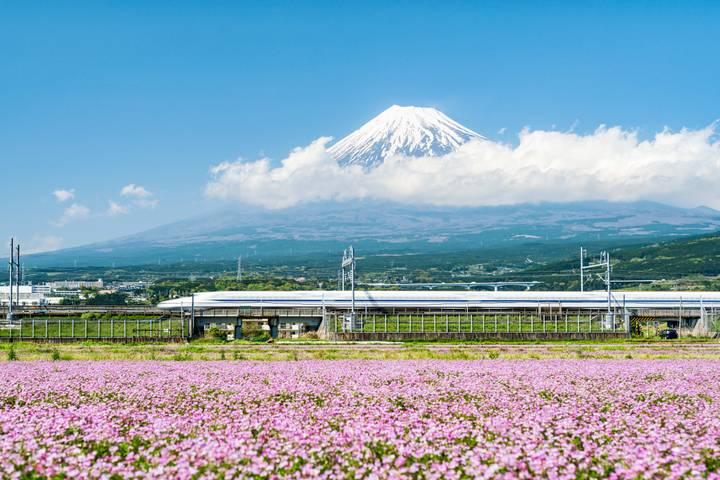
The Shinkansen journey from Kyoto to Hiroshima includes a stop at Himeji Castle. The white, multi-level castle is the main event, with six floors to explore and views from the top. You can also add the Japanese garden or a meal in Himeji, both at your own expense.
The day continues to Hiroshima, where the plan includes Peace Memorial Park, the museum and Atomic Bomb Dome, followed by Hiroshima Castle. This is a lot to absorb after a castle visit and a train ride. If the Peace Memorial Museum matters to you, allow enough time to see it thoughtfully rather than treating it as another box to tick. The itinerary does not give visit durations, so check opening times and train connections as you plan the day.
Hiroshima has two nights listed, which makes the next day’s Miyajima visit practical without changing hotels. The ferry crossing is included in the Japan Rail Pass, according to the tour details. On the island, Itsukushima Shrine’s torii changes character with the tide: at high tide it appears to float, while at low tide you can walk out to it.
You can take the cable car to Shishiiwa viewpoint for an extra fee, or hike toward Mount Misen. The listed walk to the summit is about 30 minutes on foot, but the route and effort may vary, so check local guidance before setting out. Omotesando Street is the suggested place to try Momiji Manju, a local sweet, before the return to Hiroshima.
Koyasan trades city lights for temple bells
Day eleven is one of the most distinctive parts of the trip, and also one of its longest travel days. You go from Hiroshima to Osaka, then continue by train, funicular and bus to Koyasan, at about 800 meters. The changes in transport are part of the journey, but they require attention and some patience, especially with luggage.
The one-night shukubo stay is included, along with a traditional vegan shojin-ryori dinner. The meal is not just a convenient dinner stop; it gives you a taste of Buddhist temple cooking. You also visit Okunoin, a large cemetery beneath cedar trees, with more than 200,000 moss-covered gravestones. Set aside time to walk slowly here. Its atmosphere is central to the Koyasan experience.
Before dawn the next morning, you can attend the monks’ chanting ceremony, followed by a vegan breakfast. This is the trip’s clearest chance to take part in a daily religious practice rather than simply visit a landmark. The early start may be a challenge, but it is the reason the overnight stay is more than a bed between train rides. Kongobuji Temple is an optional visit, with entry payable locally.
A completely different kind of day out:
- Mt Fuji and Hakone 1-Day Bus Tour Return by Bullet Train
★ 5.0 · 26,383 reviews - TOKYO SKYTREE® Ticket
★ 4.7 · 25,136 reviews - teamLab Borderless Tickets: MORI Building DIGITAL ART MUSEUM
★ 4.7 · 24,126 reviews - teamLab Planets TOKYO Ticket
★ 4.7 · 21,663 reviews
Osaka is a short final stop, not a full city stay
After the morning service, you return to Osaka by funicular and bus. The listed accommodation includes one night there, followed by an Osaka departure day. If your flight timing leaves room, the itinerary suggests the Umeda Sky Building’s Floating Gardens or shopping in Shinsaibashi. These are optional ideas, not included visits.
The trip’s strength is its range, but Osaka has little time of its own. If you want a deeper look at the city, check your flight schedule and consider adding a night. The tour ends in Osaka, while the return flight is included from there, with a transfer possible.
What the package covers, and what to budget for
The package includes scheduled flights to Tokyo and back from Osaka, checked and hand baggage according to the airline, a prepaid high-speed data SIM, a 24-hour emergency hotline and a seven-day Japan Rail Pass. The Miyajima ferry is also included in the pass. Accommodation is described as being of your choice, with optional upgrades available, and meals depend on the accommodation selected. The Koyasan stay specifically includes dinner and breakfast.
No tour guide is included. The experience is described as private and self-guided, so you travel with your own party and handle day-to-day sightseeing yourself. German is listed as the language, but do not mistake that for an escorted tour. The operator says it responds to inquiries within three days, with a 50 percent response rate. The operator rating is 4.6 out of 5 across 109 reviews, while this particular trip has a single 4-out-of-5 rating.
That one trip account describes an enjoyable journey with few problems and prompt replies to questions, but notes that travel documents arrived only about five days before departure. The suggested and booked activities were generally considered interesting and informative. That is useful context, not a guarantee: request your documents early and check the rail, hotel and activity details before departure.
There is no tour price in the information provided, so I cannot judge the exact cost. To assess value, compare the package against booking flights, accommodation and rail travel separately. Then add the likely extras: local transport outside the rail pass, admission fees, meals not included, optional activities and travel insurance. The Japan Rail Pass and flights can simplify planning, while the self-guided format gives you control. The trade-off is that you must keep track of connections and costs yourself.
One practical point deserves a direct question to the operator: the listed accommodation totals 11 nights, while the trip lasts 14 days and includes an overnight flight and a return-home day. Ask for a dated hotel schedule showing where you sleep each night. Also confirm how the seven-day pass is timed and which local train or bus legs are outside its coverage.
Who should book this Japan route?
I would consider this trip if you want a broad first visit to Japan, can manage independent train travel, and value variety over a slow stay in any one city. The route gives you major urban sights, historic districts, a castle, a memorial, an island shrine and a temple overnight. The Koyasan ceremony and meal add an experience that is quite different from ordinary sightseeing.
It suits couples, families or friends traveling together who are comfortable making their own daily decisions. The physical rating is low, but there are still walking days, stairs at sights and an early morning at Koyasan. If you need a guide to lead each day, or want more time in Osaka, Kyoto or Hiroshima, this plan may feel too independent and tightly packed.
Before paying, confirm the 11-night accommodation schedule, what the German-language service means in practice, and the rail pass coverage for each leg. If those details work for you, this is a compelling way to connect Japan’s bright city centers with a quieter, more reflective overnight on Koyasan.
FAQ
Is this a guided tour?
No tour guide is included. The trip is self-guided, and you explore independently with support from an emergency hotline. German is listed as the language.
Where does the tour start and end?
It starts in Tokyo and ends in Osaka. Scheduled flights to Tokyo and a return flight from Osaka are included, with a transfer possible.
How many nights of accommodation are listed?
The accommodation details list four nights in Tokyo, one in Kanazawa, two in Kyoto, two in Hiroshima, one in Koyasan and one in Osaka, for 11 nights total. Confirm the full night-by-night schedule because the trip lasts 14 days.
Is the Japan Rail Pass included?
Yes. A seven-day Japan Rail Pass is included, and the Miyajima ferry is listed as covered by the pass. Public transport outside the pass is not included.
Are meals included?
Meals depend on the accommodation you select. The Koyasan temple stay includes a traditional vegan dinner and breakfast.
Are travel insurance and sightseeing admission fees included?
Travel insurance is not included. Optional activities and entrance fees, local taxes and fees, and public transport outside the Japan Rail Pass are also not included.
Just added in Tokyo
- Mt. Fuji & Hakone Cherry Blossom private One Day Tour★ 4.5 · 35 reviews
- Fish Market & Tokyo Skyline Private Walking Tour★ 5.0 · 14 reviews
- Tokyo: 3-Hour Bike/E-Bike Tour of the City’s Highlights★ 5.0 · 209 reviews
- 25-Min Downtown Helicopter Tour : Tokyo Skytree and Tokyo Tower★ 5.0 · 19 reviews
- Private Tour with a Local Guide – Learn about daily life in Japan★ 5.0 · 22 reviews
- Official Japan Go-Kart Through Tokyo Bay / Ginza (IDP Required)★ 4.5 · 71 reviews
- 30-Min Tokyo Central Private Heli Tour– Asakusa, Skytree, Shibuya★ 5.0 · 13 reviews
- Tokyo 2-Hour Genuine Samurai Experience: Kendo in Japan★ 5.0 · 112 reviews
Multi-Day Tours That Visit Koyasan, compared.


Japan Express – Osaka to Tokyo 9-Day Tour by G Adventures
Read our review →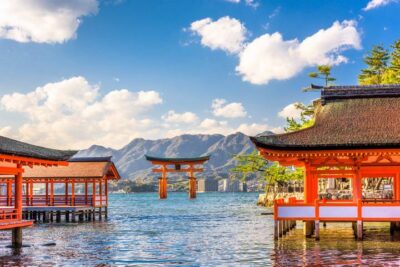
Best of Japan by Contiki – 13-Day Tokyo to Osaka Tour
Read our review →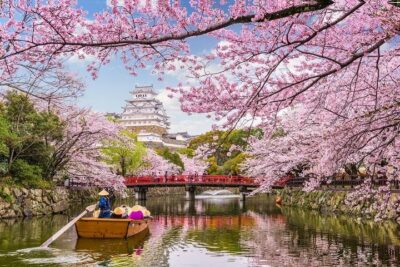
Ultimate Japan-2025 by Travel Talk – 14-Day Tokyo to Osaka Tour
Read our review →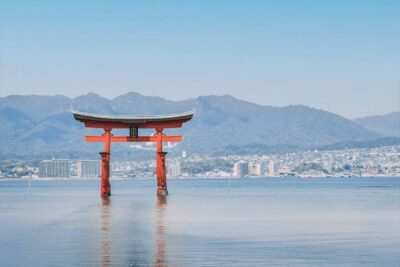
Japan Adventure 17 Day by INTRO Travel – Tokyo to Kyoto
Read our review →