Reviewed · OSAKA TOURS
Japanese Calligraphy Experience in Osaka
Brush, ink, and a little patience. This 90-minute Osaka calligraphy class turns a traditional art into a friendly hands-on activity, with instructor Ryusho guiding you from basic strokes to a finished kanji artwork. I like the clear, step-by-step teaching and the fact that you take home a framed piece rather than a disposable souvenir.
I also like the small group size, capped at 10 people, and the easy location just one minute from a subway station in Shinsaibashi. The main consideration is the short format: you learn the essentials and make one finished work, but this is an introduction, not a full course in Japanese calligraphy.
In This Review
- Key details at a glance
- Why this Osaka calligraphy class is worth your time
- Finding the class in Shinsaibashi
- Step 1: Understanding Japanese writing and calligraphy
- Step 2: Learning how to handle the brush
- Step 3: Choosing one kanji from 16 options
- Step 4: Practicing before the final artwork
- Step 5: Completing and framing your calligraphy
- Tea, sweets, and a quiet finish
- Group size, timing, and overall pace
- Is $51.24 a fair price?
- Who will enjoy this experience most?
- Should you book the Osaka calligraphy class?
- FAQ
- Where does the Japanese calligraphy experience take place?
- What time does the class start?
- How long does the calligraphy class last?
- How many people can join the class?
- Do I take home the artwork I create?
- Are tea and sweets included?
- Can I cancel for a full refund?
Key details at a glance
- Choose one of 16 popular kanji: Pick a character prepared for international visitors, then practice it before writing your final piece.
- Learn from an instructor with 27 years of experience: Ryusho explains the letters, tools, brush handling, and basic strokes in clear stages.
- Create a portable framed artwork: Your finished kanji is mounted on a special board measuring 242 by 273 millimeters and placed in a foldable display case.
- Enjoy tea after the brushwork: Green tea and Japanese sweets provide a quiet finish and a taste of traditional hospitality.
- Meet in central Shinsaibashi: The class begins at 2:00 pm on the first floor of a hotel at 1-chōme-1-3 Higashishinsaibashi.
- Plan for a small class: The maximum group size is 10, which gives the lesson a more personal feel than a large workshop.
Why this Osaka calligraphy class is worth your time
Osaka offers plenty of food, shopping, and city energy. A calligraphy lesson gives you a different kind of memory. Instead of simply looking at Japanese culture, you use the tools yourself, slow down, and produce something you can display at home.
Japanese calligraphy has been practiced for more than a thousand years. The appeal is not only the final character on the page. The process asks you to control your breathing, hold the brush correctly, and make each stroke with care. Even in a short class, that change of pace can be welcome after a busy day in Osaka.
I especially like the balance between explanation and practice. You are not expected to arrive knowing the difference between a horizontal and diagonal stroke. The lesson starts with the basics, then lets you try the brush before you work on the final board.
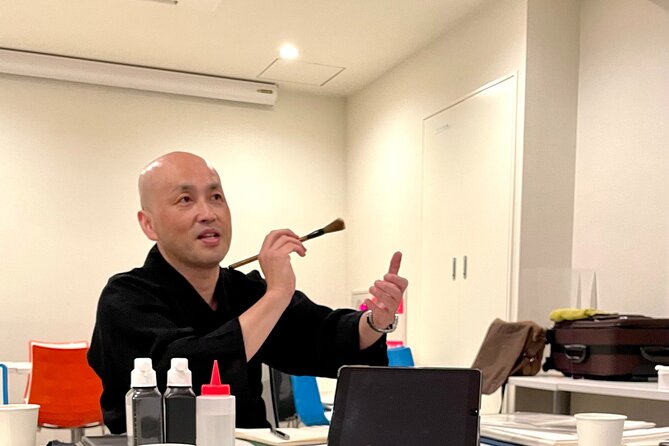
The instructor, Ryusho, has 27 years of experience teaching calligraphy. The feedback about his class repeatedly points to his patient demonstrations and easy-to-follow instruction. The teaching seems designed for beginners, including people who cannot read Japanese.
A few more options to weigh up in Japan
- Universal Studios Japan Studio Pass
★ 4.8 · 89,883 reviews - Universal Studios Japan Express Pass
★ 4.7 · 53,138 reviews - Osaka Amazing Pass
★ 4.7 · 21,697 reviews
Finding the class in Shinsaibashi
The meeting point is on the first floor of a hotel at 1-chōme-1-3 Higashishinsaibashi, in Osaka’s Chuo Ward. It is in Shinsaibashi, one of central Osaka’s best-known areas, and the location is about a one-minute walk from a subway station.
That short walk matters. You do not need to set aside a large part of the afternoon for transport, and the central setting makes it simple to pair the class with other plans in the area. The scheduled start is 2:00 pm, so you can use the morning for sightseeing, lunch, or a visit to another part of the city.
The experience begins and ends at the same meeting point. A mobile ticket is accepted, and confirmation is provided when you book. I would still allow a little extra time to locate the hotel and reach the first floor without rushing. Calligraphy is about concentration, and arriving late would make the opening explanation harder to follow.
Step 1: Understanding Japanese writing and calligraphy
The first part introduces Japanese letters and the place of calligraphy in Japanese culture. This is useful because a kanji character is more than a decorative shape. Its meaning, structure, and brushwork all matter.
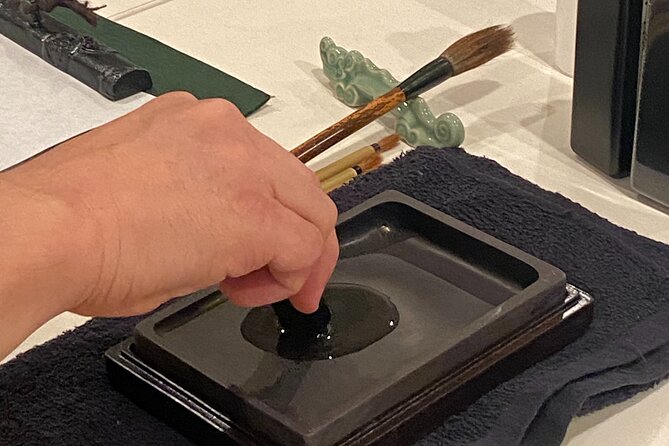
You receive an explanation of the calligraphy tools before using them. The class is not just a quick photo opportunity with a brush. You learn what the tools are for and how they work together.
The introduction also gives you a little context for the artwork you are about to make. That helps you choose a character for its meaning rather than picking one only because it looks attractive. Since the prepared selection includes 16 kanji popular with people from overseas, you have guidance without being overwhelmed by a full writing system.
This part should suit families, couples, and solo visitors who want a cultural activity without a long lecture. It is educational, but the lesson moves toward doing rather than simply listening.
Step 2: Learning how to handle the brush
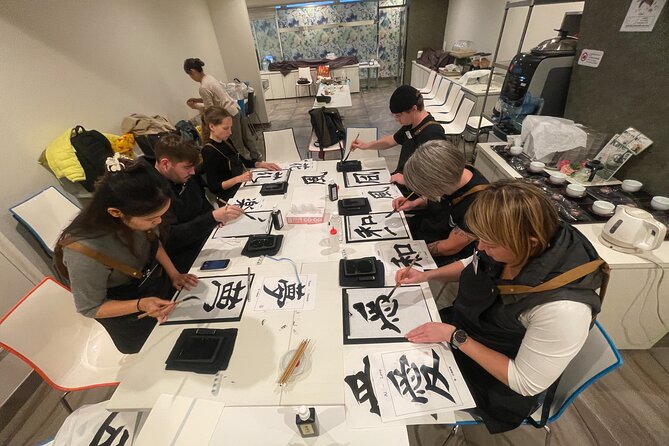
Next comes the practical work. Ryusho demonstrates how to use the calligraphy brush and shows the basic movements one stroke at a time. You practice horizontal, diagonal, and other simple strokes before attempting the final character.
This practice is important. A brush does not behave like a ballpoint pen. Pressure, direction, and timing affect the shape of every mark. Your first attempts may be uneven, and that is part of the lesson rather than a problem.
The class gives you a chance to get used to the brush before you work on your final board. That makes the experience more approachable for beginners. You are not thrown directly into the finished artwork and told to hope for the best.
The available feedback highlights how engaged participants became during this section. One particularly useful point is that the teacher encouraged students who were already handling the brush well, while still giving beginners a clear starting point. You can expect a supportive atmosphere rather than a formal test.
A completely different kind of day out:
- Tokyo Disney Resort – Tokyo Disneyland & Tokyo DisneySea Park Tickets
★ 4.8 · 99,488 reviews - SHIBUYA SKY Ticket
★ 4.7 · 46,509 reviews - Mt. Fuji Instagram-Worthy Spots Day Tour: Ladder Town, Oshino Hakkai, Lake Kawaguchi, Lawson Convenience Store (Departing from Tokyo Station or Shinjuku Station)
★ 4.8 · 35,467 reviews - JR Whole Japan Rail Pass
★ 4.8 · 29,150 reviews
Step 3: Choosing one kanji from 16 options
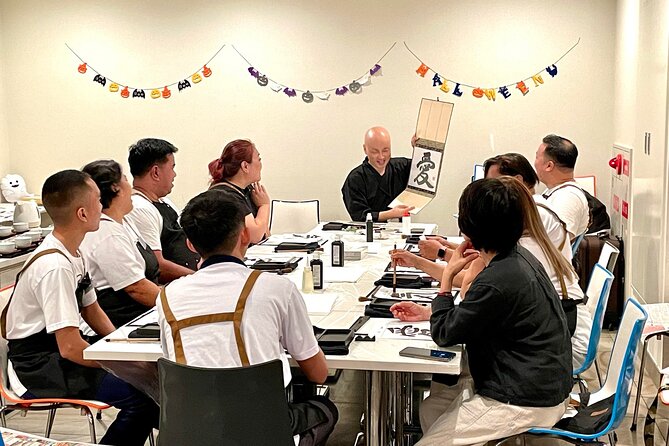
Once you have practiced, you select one kanji from a set of 16 popular choices. The exact character you choose will shape the finished souvenir, so take a moment to think about what you want it to represent.
The selection approach keeps the class manageable. You do not need to search through thousands of characters or worry about choosing something too difficult. You get a focused set of options that have appeal for people visiting Japan.
This is also where the personal side of the activity comes in. A character connected to happiness, strength, peace, love, or another meaningful idea can remind you of the trip long after you return home. The supplied information does not list the 16 choices, so you should not assume a particular character will be available. You choose from the samples provided during the class.
If you are unsure, ask for help before committing to your final work. The instructor’s role is not only to show brush technique but also to make the activity understandable and enjoyable.
Step 4: Practicing before the final artwork
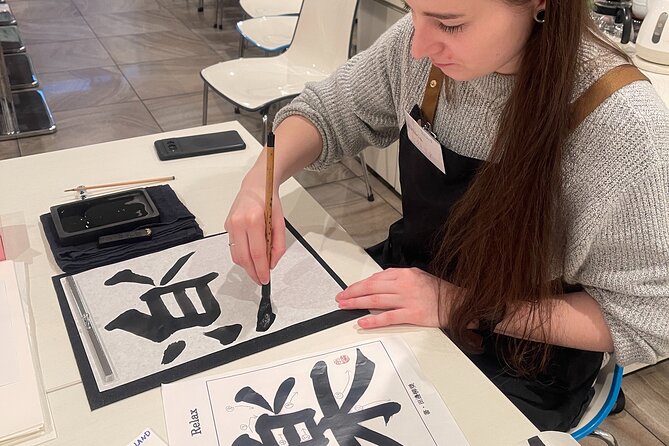
After selecting your kanji, you practice writing it. The goal is not perfect Japanese penmanship in one afternoon. The goal is to understand the movement of the brush and create a character with your own hand.
This is the most hands-on part of the experience. You work through the strokes, adjust your brush use, and build confidence before making the final version. The process gives you a better sense of why calligraphy is treated as an art rather than ordinary handwriting.
I like that the class allows practice before the final piece. It takes away some of the pressure, especially if you have never held a calligraphy brush. You can focus on the movement instead of worrying that your first attempt must become the souvenir.
The finished result may show small variations from the demonstration. That is not a flaw. It is what makes the board your own work. The experience is valuable because you create it yourself, not because you reproduce a machine-perfect design.
Step 5: Completing and framing your calligraphy
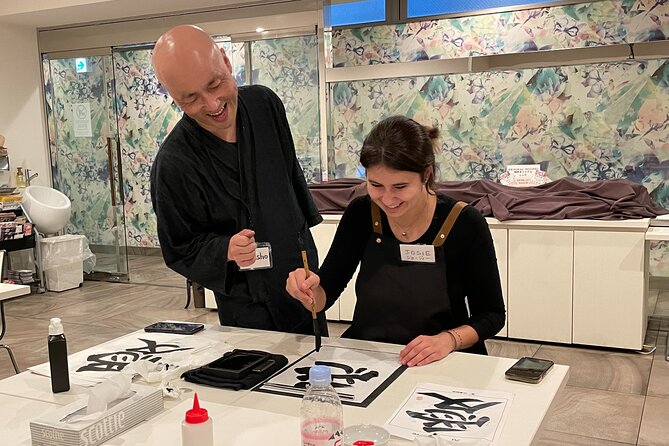
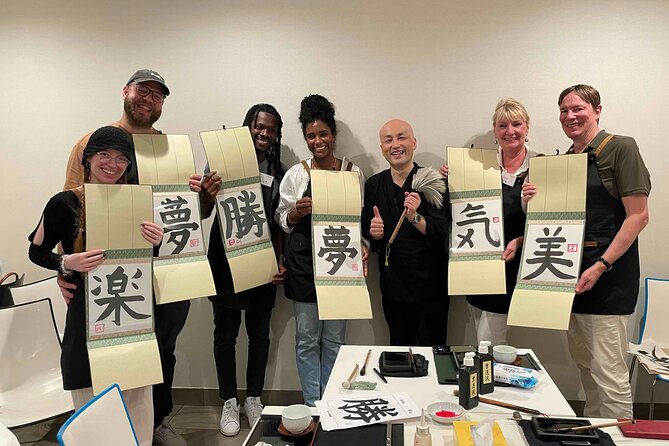
At the end, you write your chosen kanji on a special board measuring 242 by 273 millimeters. You then sign your name and place the work into a display case designed to resemble a hanging scroll.
This is one of the strongest features of the class. Many short cultural activities end with a photograph and little else. Here, you leave with an original piece of art that you made during the lesson.
The display case is foldable, which makes it easier to carry in your luggage. That practical detail matters if you still have several days of sightseeing ahead. The finished board is substantial enough to display at home, but the foldable design helps prevent it from becoming an awkward travel burden.
The instructor’s follow-up comments encourage participants to display their work in their rooms. That is good advice. The artwork becomes a reminder of Osaka and of the concentration required to create it, rather than something forgotten in a suitcase.
Tea, sweets, and a quiet finish
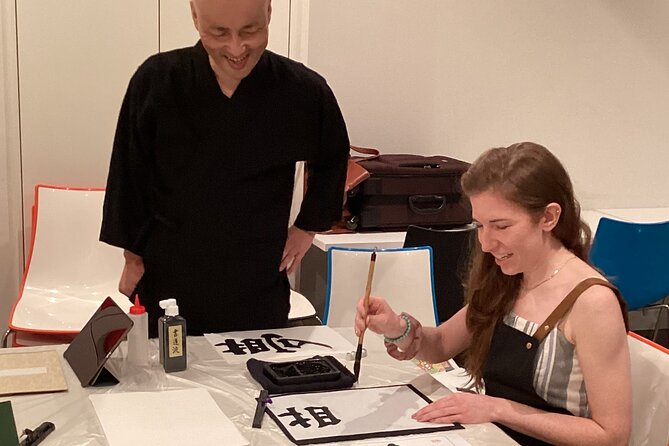
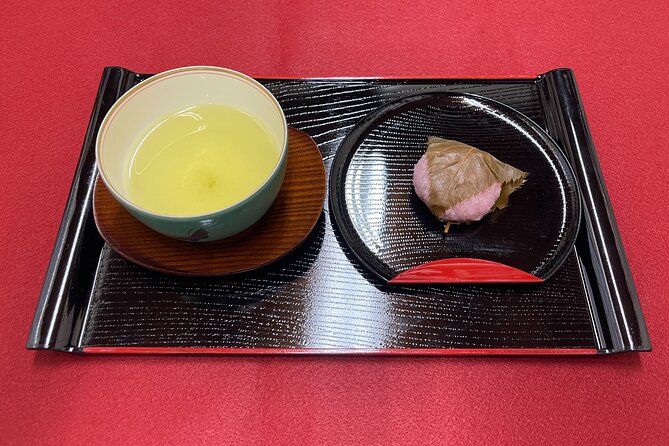
The class ends with Japanese green tea, Japanese sweets, and a commemorative photograph. This closing moment gives you time to look at the completed artwork and enjoy the cultural setting at a slower pace.
The tea and sweets are not the main reason to book the activity, but they round it out nicely. After concentrating on each brush stroke, sitting down for a small refreshment feels fitting. It also gives the class a clear ending instead of stopping immediately after the final character.
The commemorative photo adds another easy way to remember the afternoon. You can appreciate the work you made, take a picture, and leave with both a physical souvenir and a record of the experience.
This final portion may appeal most to visitors who enjoy gentle, reflective activities. If you want constant action, the pace may feel calm. That is part of the point, though. Calligraphy rewards patience, and the ending follows the same rhythm.
Group size, timing, and overall pace
The class lasts about 1 hour and 30 minutes and allows a maximum of 10 participants. That is long enough to cover the cultural background, tool explanation, demonstration, practice, final artwork, framing, tea, and photo without taking up your entire day.
A group of 10 is small enough to feel personal, though the exact amount of individual instruction may depend on how many people attend. The instructor must divide attention among the participants, so do not expect a private lesson at this price.
The 2:00 pm start works well within a sightseeing schedule. You can visit another area earlier, then reach Shinsaibashi for the afternoon session. Since the activity returns to the starting point, you are well placed to continue exploring central Osaka afterward.
Most people can participate, and the class is near public transport. The information provided does not describe specific accessibility arrangements, so contact the operator if you need detailed assistance.
Is $51.24 a fair price?
At $51.24 per person, this is not the cheapest souvenir activity in Osaka. Its value comes from the full package: instruction from an experienced teacher, use of traditional tools, practice time, a finished board, a foldable display case, green tea, Japanese sweets, and a photograph.
You are paying for participation, not simply for a calligrapher to write a character for you. That difference is important. If you only want a professionally written kanji, buying artwork may cost less and require less time. If you want to learn the basics and make the piece yourself, the price is easier to justify.
The small maximum group size also supports the cost. A large tourist workshop can feel rushed and impersonal. With no more than 10 people, you have a better chance of following the demonstration and receiving useful direction.
The activity is often booked about 39 days in advance, which suggests that planning ahead is sensible. Free cancellation is available until 24 hours before the 2:00 pm start time. Changes or cancellations inside that window are not accepted for a refund, so check your Osaka schedule before booking.
Who will enjoy this experience most?
I would recommend this class to you if you want a hands-on cultural activity, a meaningful souvenir, or a calm break from Osaka’s busy streets. It works especially well for first-time visitors who want an introduction to Japanese calligraphy without committing to a long workshop.
It also suits people who like creative activities but do not consider themselves artistic. The class begins with basic brush handling, and the instructor demonstrates the movements before you try them. You do not need to read Japanese to take part.
Families and couples may enjoy creating side-by-side artworks, while solo visitors can focus on the process and leave with a personal keepsake. The small group limit helps the activity feel more intimate than a large sightseeing stop.
You may want to skip it if you prefer fast-paced tours, dislike seated creative work, or want advanced instruction in Japanese calligraphy. The 90-minute session covers the foundation and one final character, not a broad study of calligraphic styles.
Should you book the Osaka calligraphy class?
Book it if you want to slow down, learn a traditional Japanese art, and take home something you made yourself. The clear teaching, central Shinsaibashi location, small group size, and framed kanji artwork make the $51.24 price reasonable for a hands-on cultural experience.
Skip it if your main goal is a professional artwork made by an expert, or if your Osaka schedule is too tight for a relaxed afternoon activity. For most visitors seeking a personal souvenir and an easy introduction to Japanese culture, this is a practical and memorable choice.
FAQ
Where does the Japanese calligraphy experience take place?
It takes place on the first floor of a hotel at 1-chōme-1-3 Higashishinsaibashi, Chuo Ward, Osaka, 542-0083, Japan.
What time does the class start?
The experience starts at 2:00 pm.
How long does the calligraphy class last?
The activity lasts approximately 1 hour and 30 minutes.
How many people can join the class?
The maximum group size is 10 participants.
Do I take home the artwork I create?
Yes. You complete an original kanji artwork on a 242 by 273 millimeter board, sign it, and place it in a foldable display case designed like a hanging scroll.
Are tea and sweets included?
Yes. The experience ends with Japanese green tea and Japanese sweets, along with a commemorative photograph.
Can I cancel for a full refund?
Yes, if you cancel at least 24 hours before the experience start time. Cancellations made less than 24 hours in advance are not refunded, and changes inside that period are not accepted.
Just added in Japan
- A One-of-a-Kind Sushi Experience in a Special Place of Japan★ 5.0 · 15 reviews
- Tokyo Cute Bento Cooking Class – Make a Kawaii Character Lunchbox★ 5.0 · 126 reviews
- Japanese Home Cooking Class & Walk in Todoroki Temple Tokyo★ 5.0 · 88 reviews
- Japan Tokyo Tower Observatory Deck E-Ticket★ 4.0 · 34 reviews
- Catch a Baseball Game in Tokyo with a Local – Tickets Included★ 5.0 · 24 reviews
- JDM Experience with Fast&Furious RX-7 (English speaking Driver)★ 5.0 · 57 reviews
- Tokyo Private Day Tour by Car with English speaking Driver Guide★ 4.0 · 29 reviews
- Japan Classic 10 Day – One Life Adventures★ 5.0 · 129 reviews
Osaka Tours, compared.




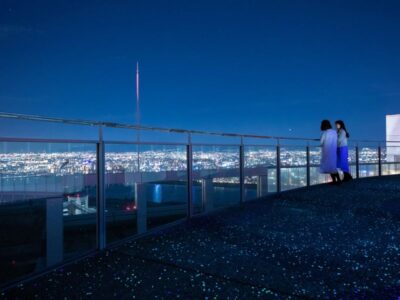
Umeda Sky Building & Kuchu Teien Observatory Ticket in Osaka
Read our review →