
Reviewed · WORKSHOPS
Japanese paper Notebook and Mizuhiki Belt Bookmark Workshop
Small paper, plenty of character. This private 150-minute workshop turns washi paper and mizuhiki cord into a handmade A6 notebook, notebook belt, and bookmark. I like the freedom to choose your own paper and colors, and I like that the class explains why mizuhiki still matters in Japanese ceremonies. The tea and sweets add a pleasant cultural touch.
The main consideration is the price: $113 per person is a serious spend for stationery. You are paying for a private class, quality materials, patient instruction, refreshments, and a personal keepsake, not just a quick craft session. Also note the stated age rule: children under 10 are not suitable, even though one past booking included a 9-year-old.
In This Review
- Key points to know before you book
- Why this paper workshop feels different from ordinary sightseeing
- Choosing washi for an A6 notebook
- Making the notebook cover and pages
- Learning three mizuhiki knots
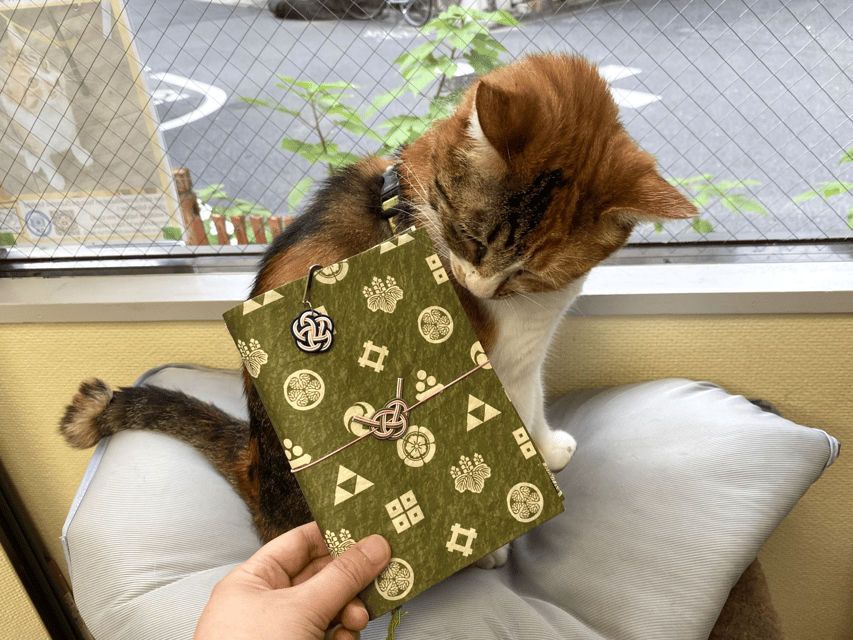
- Tea, sweets, and the studio cat
- The value of a $113 private class
- Who will enjoy the 150-minute format
- What to plan before arriving
- The best keepsake is the one you actually use
- Final verdict: book it if the making matters
- FAQ
- How long does the Japanese paper notebook workshop last?
- How much does the workshop cost?
- What will I make during the class?
- What is mizuhiki?
- How many mizuhiki knots will I learn?
- Is the class available in English?
- Are tea and sweets included?
- Can children attend the workshop?
- Is transportation to the store included?
- Can I cancel the booking?
Key points to know before you book
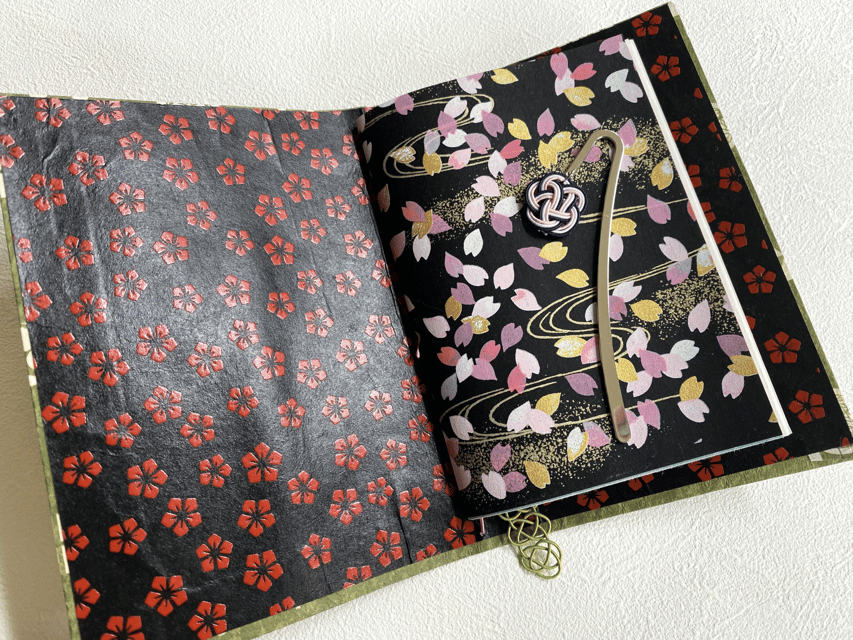
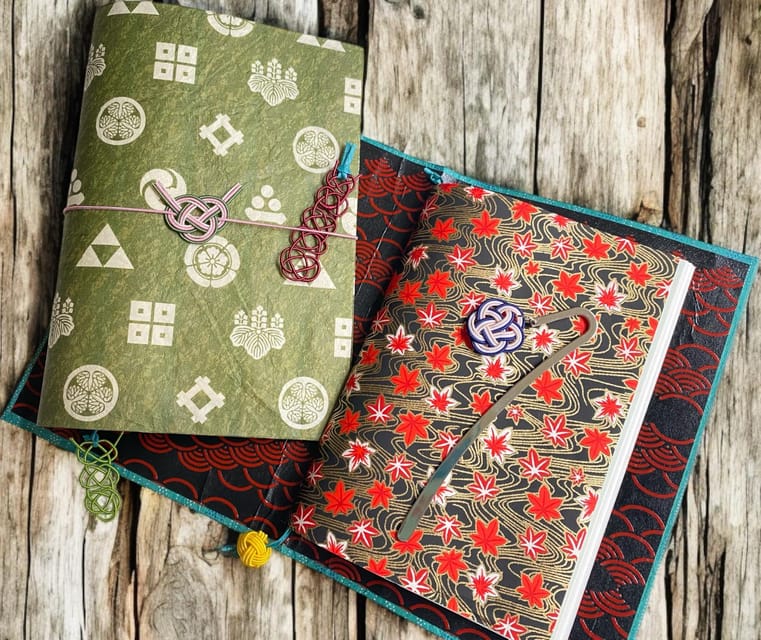
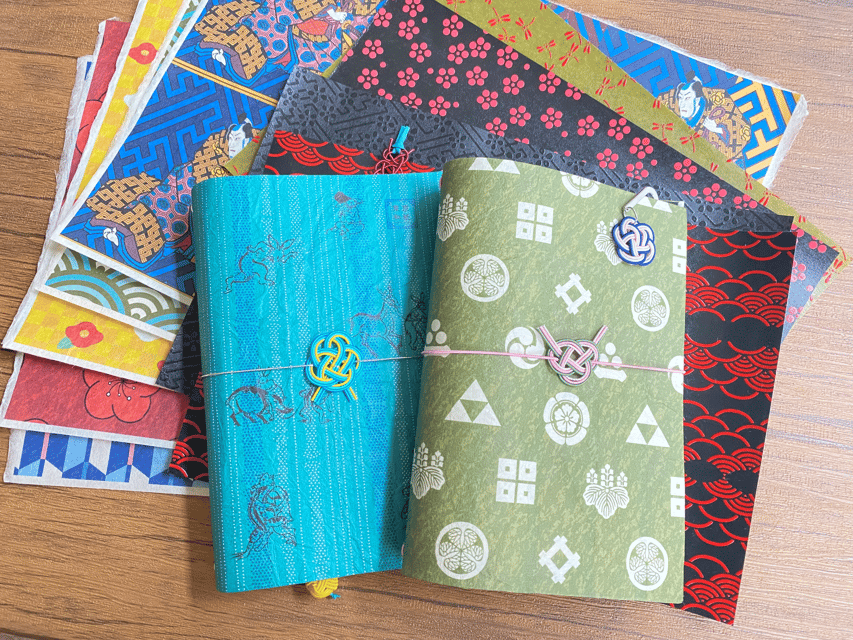
- Your notebook is made in A6 size: The finished book has the look of a Traveler’s notebook or junk journal, with a cover you create yourself.
- You learn three mizuhiki knots: These traditional paper cords become both a notebook belt and a bookmark.
- The class is private: You receive individual help rather than working in a large sightseeing group.
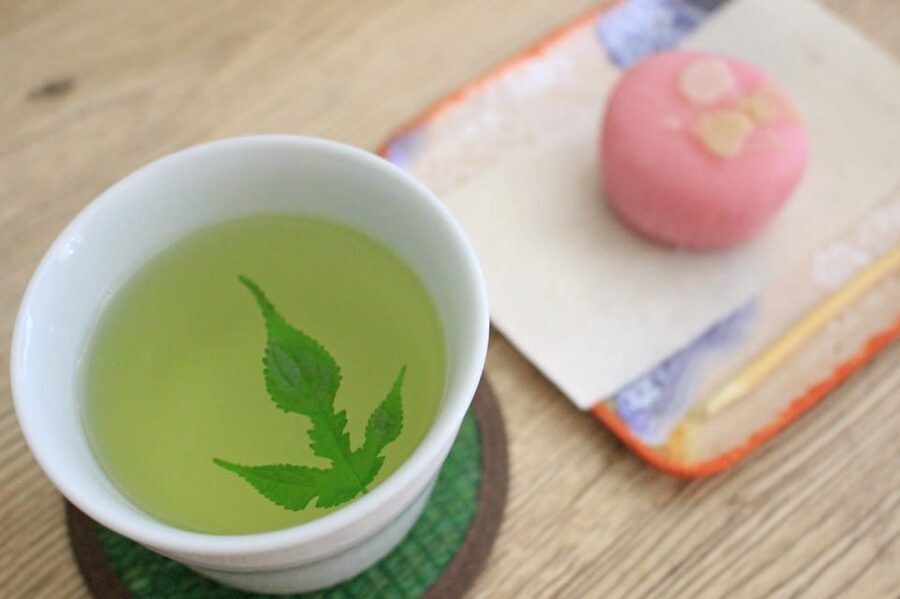
- Tea and sweets are part of the experience: The refreshments include Japanese tea and handmade-style snacks, with one account noting sandwiches as well.
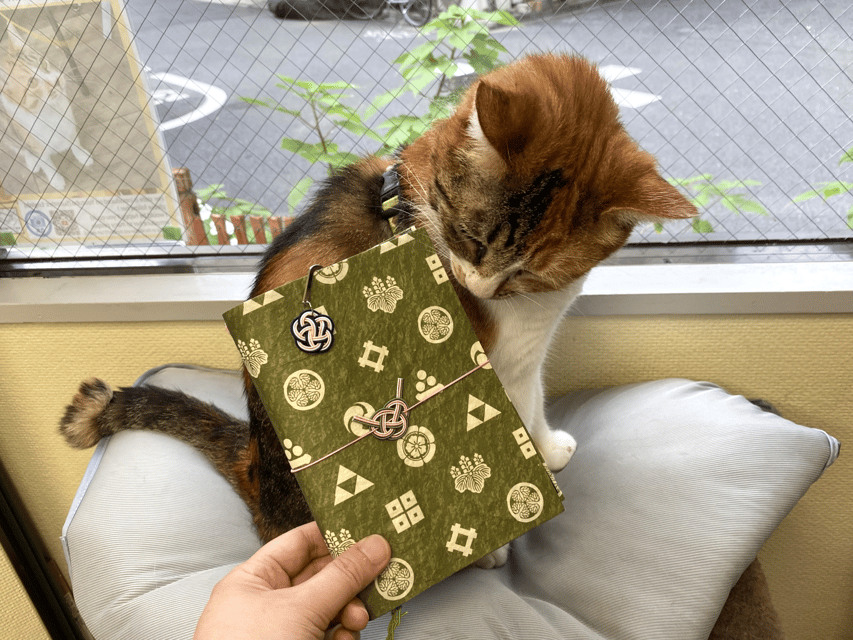
- The cat may be part of the memory: If you like cats, you may be able to take a picture with the studio’s mascot.
- Sharp tools are used carefully: The instructor explains safe handling before you begin.
Why this paper workshop feels different from ordinary sightseeing
Many Japanese cultural activities give you something to take home. This one gives you something you can keep using. That small difference matters. Your notebook is not just a souvenir to place on a shelf. It can hold travel notes, sketches, tickets, recipes, or the loose thoughts that tend to appear when you slow down.
The workshop also connects two crafts rather than presenting a single technique. Washi gives you the paper surface and cover. Mizuhiki adds the belt and bookmark, along with a lesson in the meaning of decorative knots. The result feels personal because you make practical choices throughout the process.
Mizuhiki is a traditional paper string with about 680 years of use in Japan. It remains part of wedding and funeral ceremonies, so the knotting lesson has cultural weight beyond its decorative appeal. The workshop reportedly explains the importance of Awaji knots in particular, and you learn three knots during the session. If you already know the basic knot, you may be able to try a harder version.
That is the right scale for a short craft class. You do not need to master an entire art form in one afternoon. Instead, you leave with a clear sense of how the material works and why the finished forms matter.
A few more options to weigh up in Tokyo
- Tokyo Disney Resort – Tokyo Disneyland & Tokyo DisneySea Park Tickets
★ 4.8 · 99,488 reviews - SHIBUYA SKY Ticket
★ 4.7 · 46,509 reviews - JR Whole Japan Rail Pass
★ 4.8 · 29,150 reviews
Choosing washi for an A6 notebook
The session begins with the central creative decision: choosing Japanese paper for your notebook cover. The available papers come in different colors and designs, so your notebook can be quiet and simple or more decorative. The important point is that you are not handed an identical kit and told to copy a sample.
Washi is often valued for its texture and strength, and here it gives the notebook a distinctly Japanese feel. The paper becomes part of the design rather than a blank background. I would take your time at this stage, since the cover is the part you will see every time you use the book.
The finished notebook is A6 size. That is compact enough for a bag or day pack, but still useful for short notes. It has the general look of a Traveler’s notebook or junk journal, so you should expect an artistic, handmade object rather than a perfectly uniform commercial notebook.
The practical appeal is strong. You can use it as a travel diary, a small sketchbook, or a place for small paper keepsakes. One person found the notebook took close to two hours to complete, which fits the stated 150-minute session. This is not a quick glue-and-go activity. You need patience for the work to come together.
Making the notebook cover and pages
Once you choose your paper, the instructor guides you through the notebook construction. The exact order may vary with the design, but the process involves preparing the cover, assembling the pages, and using the required tools with care.
This is where a private class earns its keep. Folding, aligning, and finishing paper can look simple until one edge refuses to sit straight. The instructor is available to show each step and help with the more difficult parts. A parent who attended with children described the teacher as patient and accommodating, especially when the notebook became harder to assemble.
English instruction is available, as is Japanese. The English may be practical rather than polished in every detail, but the class has been described as clear enough to explain the process properly. Because this is hands-on work, demonstrations and direct help matter as much as spoken explanation.
Safety guidance is included before you use sharp tools. That should reassure anyone who enjoys crafts but does not want to guess how to handle unfamiliar equipment. You still need to pay attention and work carefully. The activity is creative, but it is not entirely risk-free simply because it involves paper.
The notebook-making portion can be calming. You work with your hands, repeat small movements, and watch a useful object take shape. If you prefer fast-paced sightseeing, the slow rhythm may test your patience. If you like making things, it is one of the strongest reasons to book.
Learning three mizuhiki knots
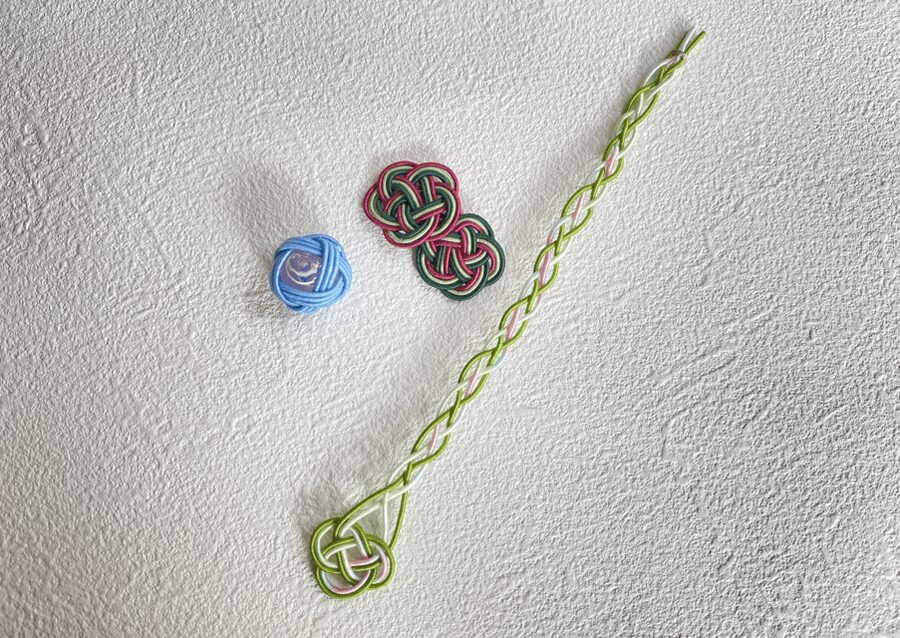
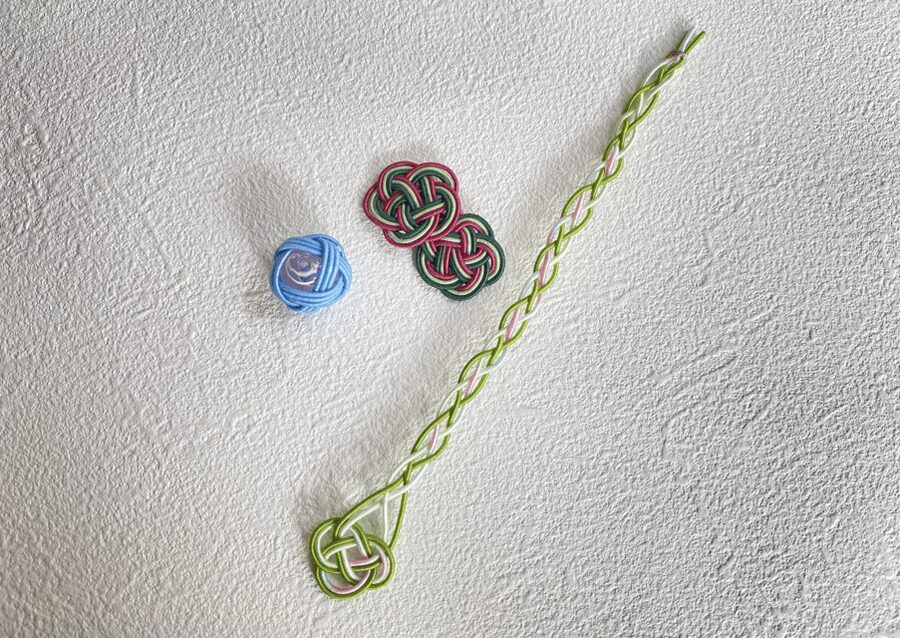
The mizuhiki portion gives the workshop its most distinctly Japanese character. Mizuhiki cords are made from paper and are shaped into decorative knots. In this class, you use the knots to create a belt for the notebook and a bookmark to go with it.
You learn three knots, with the option of trying a slightly more difficult knot if you already know the basic technique. That built-in choice is useful. Beginners can focus on getting the form right, while experienced crafters have a chance to work beyond the introductory level.
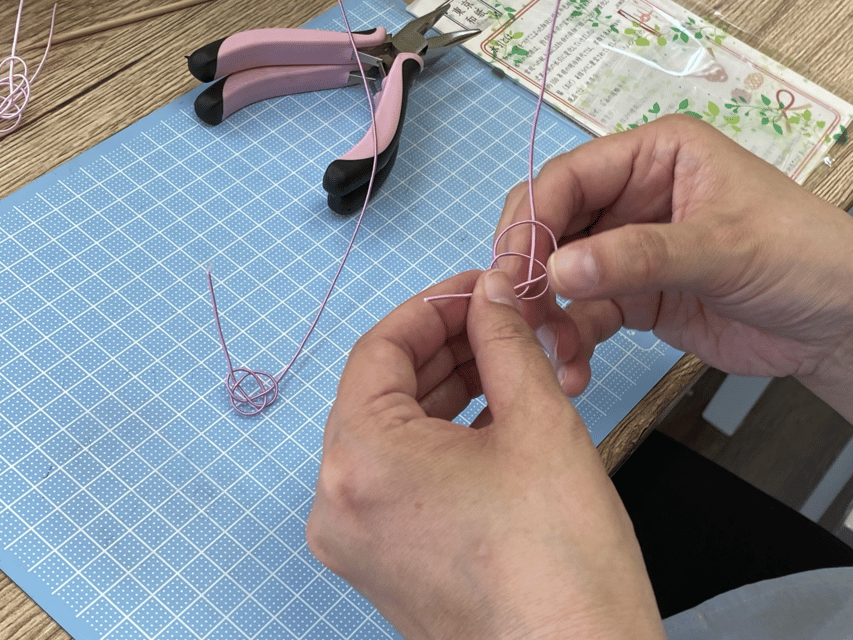
Do not expect the knots to fall into place immediately. Cord has its own stubborn logic, and small changes in tension can alter the result. The teacher’s patience matters here. One craftsperson was praised for guiding participants through challenging sections without rushing them, which is exactly what this kind of lesson needs.
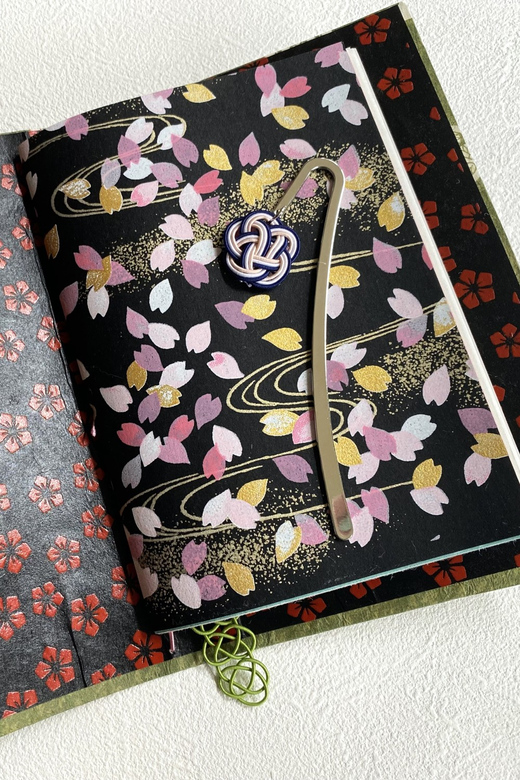
The finished belt is also practical. It can help hold the notebook closed, while the bookmark gives you a second handmade piece to use or share. Together, they make the workshop feel more complete than a notebook-only class.
The cultural explanation is just as important as the technique. Mizuhiki appears in important Japanese ceremonies, including weddings and funerals. Learning to tie it in a relaxed studio setting gives you a small window into how objects, gestures, and presentation carry meaning in Japan.
A completely different kind of day out:
- Mt Fuji and Hakone 1-Day Bus Tour Return by Bullet Train
★ 5.0 · 26,383 reviews - TOKYO SKYTREE® Ticket
★ 4.7 · 25,136 reviews - teamLab Borderless Tickets: MORI Building DIGITAL ART MUSEUM
★ 4.7 · 24,126 reviews - teamLab Planets TOKYO Ticket
★ 4.7 · 21,663 reviews
Tea, sweets, and the studio cat
The refreshments are not the main event, but they improve the pace of the afternoon. Coffee or tea is included, along with sweets. One account specifically praised a light, refreshing tea, while another described tea, sandwiches, and snacks during a Valentine’s Day visit.
That range suggests the food service may vary. You should think of it as a thoughtful break rather than a full meal. If you need lunch, make separate plans. The tea gives you a chance to pause, look at your work, and talk with the instructor without holding tools or concentrating on a knot.
The studio cat is another small but memorable feature. If you like cats, you may be able to take a picture with it. The cat has been described as the studio mascot, and meeting it added charm to the visit for several participants.
Of course, a cat is an animal, not a guaranteed scheduled activity. Do not book the class only for the photograph. Consider it a possible bonus that gives the workshop a more personal feel than a formal museum demonstration.
The value of a $113 private class
At $113 per person, this is expensive compared with buying a notebook or attending a basic drop-in craft session. The price makes more sense when you count the full package: 150 minutes, a private group, an English or Japanese instructor, required materials, premium Japanese paper, mizuhiki cords, tea, sweets, and individual guidance.
You are also paying for access to an artisan-led activity rather than a mass-produced souvenir. The instructor shares the process and the cultural meaning behind it, and you make decisions about the finished design. That combination is valuable if you care about how an object is made.
The price is harder to justify if you want a cheap family activity or a quick introduction lasting less than an hour. It is also less appealing if you have little interest in stationery, paper, knotting, or handmade design. The notebook itself may be small, and you should not expect a large finished product for the cost.
For couples, close friends, or solo visitors who enjoy crafts, the private format can make the fee worthwhile. You do not have to keep pace with strangers, and the instructor can spend time on your particular knot or paper-folding problem. A private class also suits anyone who values conversation and personal attention over a polished group performance.
Who will enjoy the 150-minute format
I would recommend this activity to:
- Adults who enjoy paper crafts, journaling, or bookmaking
- Couples looking for a shared cultural activity
- Families with children aged 10 and older
- Visitors who want a useful handmade souvenir
- People interested in Japanese ceremonial customs
- Anyone who prefers a quiet, focused afternoon to a packed sightseeing schedule
The age restriction needs careful attention. The activity is listed as unsuitable for children under 10. One past booking included a 9-year-old who loved the class, but that does not change the stated rule. If you are booking for a child close to the age limit, confirm the policy before paying.
The session is also a good match for a rainy day or a break from crowded sightseeing. You can settle into one place and work with your hands. I would not choose it for someone who dislikes detailed tasks or becomes frustrated when a handmade item is not perfectly even.
What to plan before arriving
Transportation to the store is not included, so you need to arrange and pay for your own route. The supplied information identifies the setting as Honshu, Japan, and the provider as Washi labo TOKYO, but it does not give a specific station, neighborhood, or meeting point here. Check the exact store address and allow enough time to arrive calmly.
The class lasts 150 minutes, so avoid booking it immediately before a train, flight, or timed attraction. Paper construction and mizuhiki knotting can take longer when you are learning for the first time. One finished notebook took about two hours, but the full session allows time for instruction, finishing touches, and refreshments.
Wear something that lets you work comfortably. The provided information does not state a dress code, so there is no reason to expect formal clothing. Still, you will be handling paper, cords, and tools, and comfort is more useful than looking ready for a fancy dinner.
You can cancel for a full refund up to 24 hours before the activity, and the reserve-now, pay-later option keeps the booking flexible. Those terms are helpful when your Japanese itinerary is still changing. Check the conditions at the time of booking, especially if your plans depend on transport.
The best keepsake is the one you actually use
A handmade notebook has a practical advantage over many souvenirs. It does not need to sit untouched. You can fill it with the rest of your trip, then use it at home for lists, sketches, or notes.
The mizuhiki belt and bookmark make the notebook feel finished. They also preserve the connection between the materials and the lesson. You are not simply decorating a ready-made object. You are learning how paper and cord can be shaped into something useful and meaningful.
The class may be especially memorable for families. A private session gives parents and older children a shared project, and the finished notebooks become reminders of the day. At the same time, the tools and detailed construction mean adults should help children stay focused and follow safety instructions.
I also like that the keepsake does not pretend to be an ancient artifact. It is a modern notebook made with traditional materials and techniques. That makes it easier to use and easier to explain when someone asks where you got it.
Final verdict: book it if the making matters
I would book this workshop if you want more than a quick photo stop and you genuinely enjoy making things. The strongest features are the private instruction, the choice of washi paper, the three mizuhiki knots, and the chance to take home a notebook you designed yourself. The tea, sweets, and possible cat photo add warmth without replacing the craft lesson.
I would skip it if $113 feels too high for a small notebook, if you need a fast activity, or if your schedule cannot spare two and a half hours. You also need to arrange your own transport and follow the age rule for children.
For the right person, this is a thoughtful way to spend part of a Japan trip. You leave with a useful object, a few knotting skills, and a better understanding of why Japanese paper crafts still matter.
FAQ
How long does the Japanese paper notebook workshop last?
The workshop lasts 150 minutes, or two and a half hours.
How much does the workshop cost?
The price is $113 per person.
What will I make during the class?
You will make an A6 notebook with a washi paper cover, plus a mizuhiki notebook belt and bookmark.
What is mizuhiki?
Mizuhiki is a traditional paper string used in Japan for about 680 years. It remains important in wedding and funeral ceremonies.
How many mizuhiki knots will I learn?
The workshop teaches three knots. If you already know the basic knot, you may be able to try a more difficult one.
Is the class available in English?
Yes. Instruction is available in Japanese and English.
Are tea and sweets included?
Yes. Coffee or tea and sweets are included. Specific refreshments may vary, and one visit included sandwiches and snacks.
Can children attend the workshop?
Children under 10 are listed as unsuitable for the activity. The information provided does not give a different age policy for older children.
Is transportation to the store included?
No. You must arrange and pay for transportation to the store yourself.
Can I cancel the booking?
Yes. Cancellation up to 24 hours in advance allows a full refund, according to the stated booking terms.
Just added in Tokyo
- A One-of-a-Kind Sushi Experience in a Special Place of Japan★ 5.0 · 15 reviews
- Tokyo Cute Bento Cooking Class – Make a Kawaii Character Lunchbox★ 5.0 · 126 reviews
- Japanese Home Cooking Class & Walk in Todoroki Temple Tokyo★ 5.0 · 88 reviews
- Japan Tokyo Tower Observatory Deck E-Ticket★ 4.0 · 34 reviews
- Catch a Baseball Game in Tokyo with a Local – Tickets Included★ 5.0 · 24 reviews
- JDM Experience with Fast&Furious RX-7 (English speaking Driver)★ 5.0 · 57 reviews
- Tokyo Private Day Tour by Car with English speaking Driver Guide★ 4.0 · 29 reviews
- Japan Classic 10 Day – One Life Adventures★ 5.0 · 129 reviews
Workshops, compared.

Sushi Making Tokyo Roll and Authentic Japanese Sushi Class
Read our review →
Gion Make Your Own Chopsticks with Engraving Option
Read our review →
Roll and Authentic Sushi Making Class in Asakusa
Read our review →
Ramen Cooking Class at Ramen Factory in Kyoto
Read our review →
Tokyo Asakusa Chopsticks Workshop: Make Your Own Pair
Read our review →
Ring Making Workshop : Vintage Japanese Coin Ring
Read our review →Browse the lists this tour appears in