
Reviewed · WORKSHOPS
Japanese Pottery Class in Tokyo
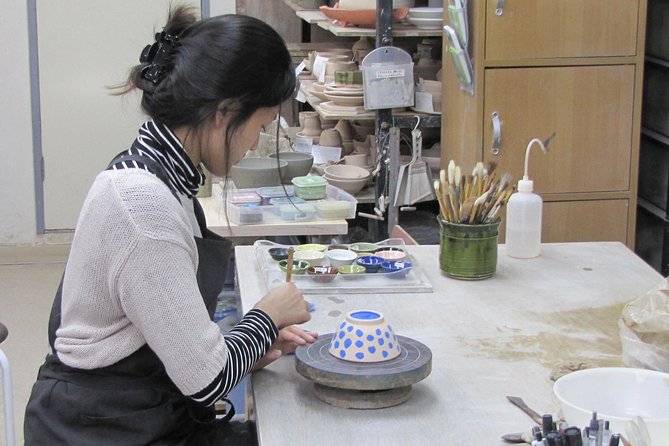
Clay makes Tokyo slow down. This one-hour class gives you a hands-on way to meet Japanese craft, with patient instruction, a calm studio, and the chance to shape two or three pottery pieces of your own. I especially like the central Minato location near public transportation and the friendly English support from instructors such as Ruth, Stephen, Vicki, and Mr. Hoshi. The main catch is important: the $26.73 price covers the class only, not firing or optional shipping.
You will not leave with finished pottery in your bag. The studio needs about one month to fire and prepare selected pieces, and you pay a separate firing fee for each item. That makes this a fine-value creative break, but you should budget extra and plan how your work will reach you afterward.
In This Review
- Key points to know before booking
- Why this one-hour pottery class works in Tokyo
- Arriving in Shiba, near Tokyo Tower
- What happens during the first class
- The teaching style and studio atmosphere
- What you can make, and what you should expect
- Firing, glazing, and shipping costs
- Is the $26.73 price good value?
- Who should book this experience?
- Should you book the Tokyo pottery class?
- FAQ
- How long does the Japanese pottery class last?
- How many pottery pieces can I make?
- Is the firing fee included in the price?
- Can I choose the color of my pottery?
- When will my pottery be ready?
- Is shipping included?
- Can the studio ship pottery to Brazil?
- Where does the class meet?
- How far in advance can I cancel for a refund?
Key points to know before booking
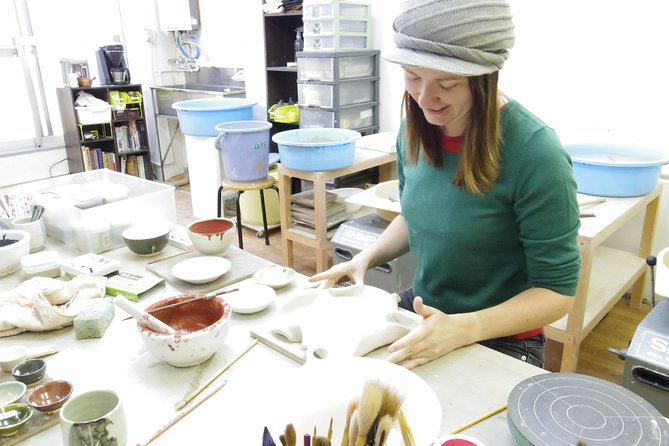
- You shape your own pottery: The first class includes a demonstration, then about one hour to make roughly two or three works.
- Patient instruction is the star: Instructors offer clear guidance in English and Japanese, while still letting you decide what to make.
- Your pieces need time: Works take about one month to prepare after the class.
- Firing costs extra: You choose which pieces to keep for firing and pay a separate fee for each selected work.
- Shipping is optional: EMS delivery is available for an additional fee, but restrictions apply to some destinations, including the United States and Brazil.
- The studio is easy to reach: The meeting point is in Shiba, Minato City, close to a Metro station and near Tokyo Tower.
Why this one-hour pottery class works in Tokyo
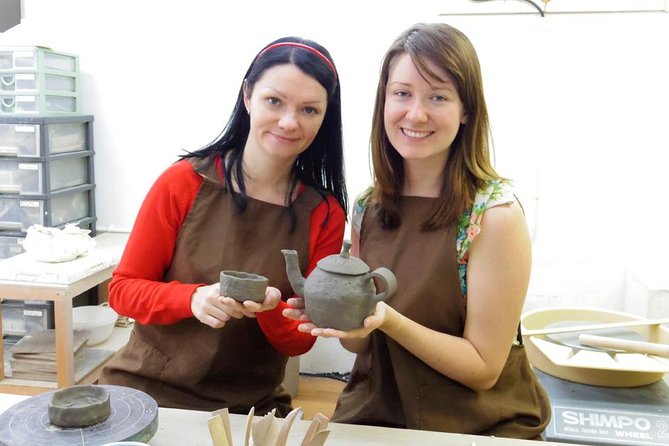
Tokyo can fill every minute with temples, department stores, neon, and trains. A pottery lesson gives you a different kind of hour. You sit at the clay, listen to the instructor, and focus on pressure, shape, and balance. It is a welcome change from simply looking at Japanese art behind glass.
The activity is made for beginners, though people with some pottery experience can enjoy the freedom too. You do not need to arrive with a design in mind. The instructor first makes a sample, then helps you get started. After that, you have room to try a plate, cup, rice bowl, or another small form.
I like that the class does not appear to force every participant into one identical project. The instruction covers the basics, but you can shape your own objects. That matters because a handmade souvenir feels far more personal than a factory-made item picked up in a station shop.
The class is advertised as a small-group experience with a maximum of 15 people. Additional booking information gives a maximum of 25, so group size may vary by session. If individual attention is your main reason for booking, confirm the expected size before you pay.
A few more options to weigh up in Tokyo
- Tokyo Disney Resort – Tokyo Disneyland & Tokyo DisneySea Park Tickets
★ 4.8 · 99,488 reviews - SHIBUYA SKY Ticket
★ 4.7 · 46,509 reviews - JR Whole Japan Rail Pass
★ 4.8 · 29,150 reviews
Arriving in Shiba, near Tokyo Tower
The meeting point is Shimizu House, 3-chome 29-11 Shiba, Minato City, Tokyo 105-0014. The studio is described as close to a Metro station, and the area is near Tokyo Tower, giving you an easy landmark for planning the outing.
This is a useful location for a half-day plan. You can place the pottery class before or after sightseeing around Minato rather than spending a long ride crossing the city. The activity ends at the same meeting point, so you do not need to arrange a separate return location.
The address includes Japanese characters, so keep the full meeting details available on your phone. A mobile ticket is provided, and confirmation arrives when you book. I would still allow a little time to find the entrance, especially if you are coming straight from a busy sightseeing schedule.
What happens during the first class
The session follows a practical sequence. You begin by filling out an application form. This is ordinary paperwork, but it gives the studio a chance to record your choices and explain what happens after you leave.
Next, the instructor makes a sample. Watch closely here. The demonstration is your clearest guide to how the clay should be handled, how much pressure to use, and how quickly a rough lump can become a vessel or plate.
You then make about two or three works within the one-hour class. Some people manage more. One participant described creating around six pieces, but that will depend on your pace, the forms you choose, and how much help you need. For a first session, I would focus on making one or two shapes you are proud of rather than racing through a stack of wobbly cups.
The instructors let you try the work yourself after the demonstration. That is a good balance. You get real control over the clay, but help is available when a wall collapses or a shape starts leaning. The teaching has been described as patient, friendly, and clear, with instructors correcting pieces without taking the whole project away from you.
Once you finish, you choose which works you want fired. You also choose the colors. This is when the cost becomes more important, since each selected piece carries a separate firing charge. Ask about the price of every piece before making your final selection.
The class ends with cleaning and payment. The pottery is not finished at this point, so do not expect to carry a glazed bowl straight back to your hotel.
The teaching style and studio atmosphere
The strongest part of this experience is the human contact. Ruth is described as an especially patient instructor, and Stephen is praised for explaining the throwing process in clear English. Vicki has helped first-time students make plates, while Mr. Hoshi is known for careful, traditional instruction.
The staff can speak English and Japanese, which removes much of the worry for international visitors. One instructor even recommended a local pottery supply store, a nice extra for anyone who becomes interested in continuing the craft after the class.
The tone is relaxed rather than formal. The studio has been described as peaceful, welcoming, and friendly, with mellow instrumental music and plenty of laughter. That atmosphere matters because beginners often spend the first few minutes worrying about doing something wrong. Here, you are encouraged to experiment.
I would not mistake the calm mood for a passive demonstration. You are expected to work. Pottery is harder than it looks, and clay can collapse quickly when your hands press unevenly. The class is enjoyable partly because the instructor helps you solve those small problems instead of expecting a perfect result.
The experience also suits families with children, according to the information provided. Most people can participate, and service animals are allowed. The central point is simple: this is an active craft class, not a museum talk.
A completely different kind of day out:
- Mt Fuji and Hakone 1-Day Bus Tour Return by Bullet Train
★ 5.0 · 26,383 reviews - TOKYO SKYTREE® Ticket
★ 4.7 · 25,136 reviews - teamLab Borderless Tickets: MORI Building DIGITAL ART MUSEUM
★ 4.7 · 24,126 reviews - teamLab Planets TOKYO Ticket
★ 4.7 · 21,663 reviews
What you can make, and what you should expect
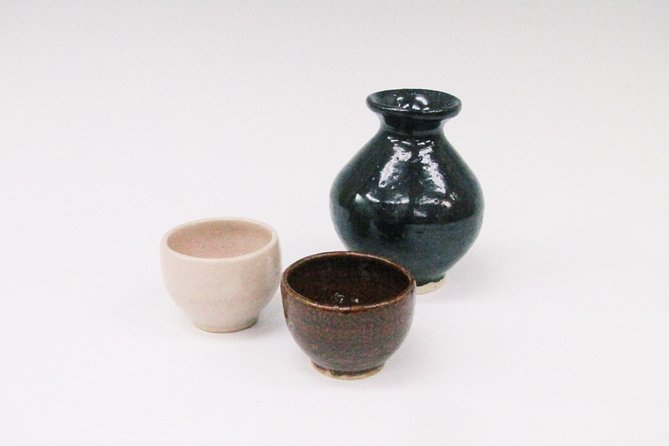
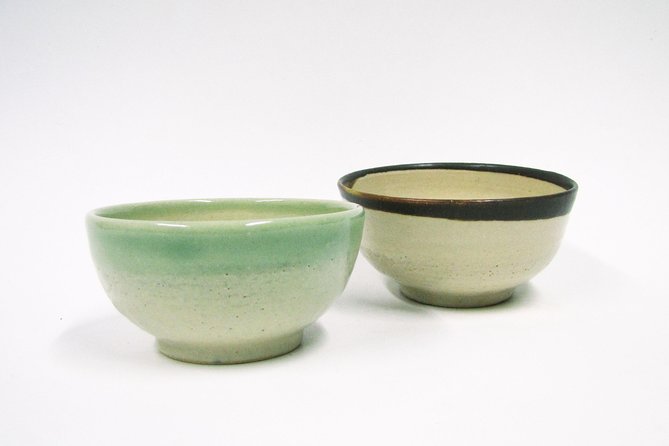
The basic class gives you a chance to make several small works. Possible forms mentioned in the experience include plates, cups, and rice bowls. You choose what to attempt, within the limits of one hour and your own skill.
A first pottery lesson rarely produces perfectly symmetrical objects. That is part of the charm, but it is also worth saying plainly. If you want a flawless Japanese tea cup, buy one from a specialist shop. If you want a slightly crooked bowl shaped by your own hands in Tokyo, this class makes much more sense.
One useful feature is the freedom to make different shapes. You can test an idea, change direction, and ask for advice. The class is not only about producing a souvenir. It gives you a short introduction to how pottery feels in practice.
The color selection happens after you choose the pieces for firing. Since the finished work will arrive later, you need to remember what you selected. Take a quick photo of your pieces and color choices before leaving. This is practical advice rather than a studio rule, and it can help you remember what is coming.
Firing, glazing, and shipping costs
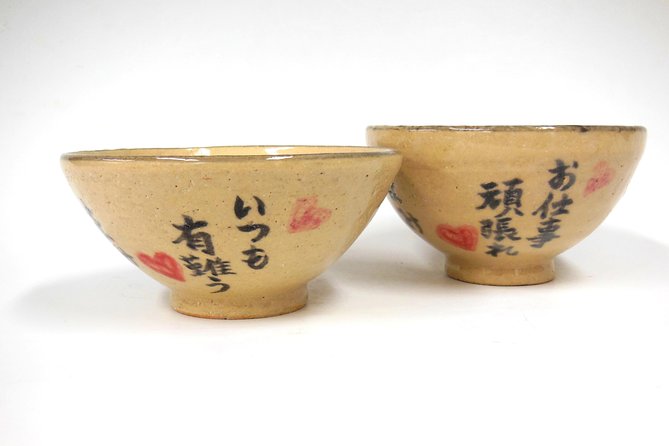
This is the part to understand before booking. The $26.73 basic fee pays for the pottery trial class. It does not include the firing fee for each work you select, and EMS shipping is optional.
The studio takes about one month to prepare the pottery after you make it. The work must be fired and finished before it can be sent, so this is not an instant souvenir. If your trip lasts several weeks, ask whether collection is possible, but the supplied details specifically describe shipping as an optional route rather than promising hotel delivery or local pickup.
Shipping availability also depends on your destination. The information specifically warns that delivery to Brazil has become difficult because of strict customs rules, and it asks people in Brazil to contact the studio before booking. One class participant also noted that shipping to the United States was not currently available. Policies can change, so check your own country before assuming EMS is possible.
The extra charges do not make the basic price misleading, as long as you understand what you are buying. At $26.73, the class is affordable for a guided, hands-on activity in central Tokyo. The final cost depends on how many pieces you keep, the firing charges, the glaze choices, and shipping.
For the best value, decide in advance how many finished pieces you really want. Making several objects during class is fun, but firing every one can add up. I would choose the two or three pieces that best show your personality and leave the rest with the studio if the additional fees feel too high.
Is the $26.73 price good value?
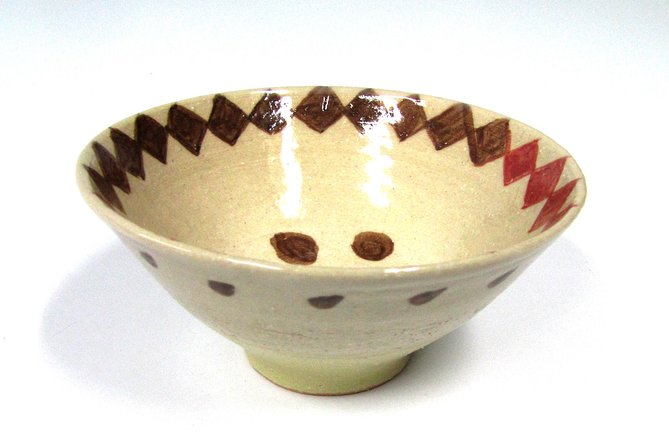
Yes, for the class itself. You receive instruction, clay work time, access to a central studio, and a cultural activity that produces something personal. It costs less than many longer craft workshops, though the short one-hour format means you are getting an introduction rather than a full pottery course.
The value improves if you want an activity that works for different ages and interests. A couple can make different objects side by side. Friends can compare shapes. Families can take a break from sightseeing without spending a whole day indoors.
The price is less attractive if you expect a finished item with no further payment. The firing fee and possible EMS charge are not minor details. Read the inclusions carefully and ask the studio for current costs if your budget is tight.
I also like that the class can inspire a longer interest in pottery. Several instructors have encouraged students to continue creating at home, and the pottery supply store recommendation is useful if you want to explore Japanese tools or materials after the lesson.
Who should book this experience?
I would recommend it to first-time potters, couples looking for a shared activity, families with children, and anyone who wants a quieter hour in Tokyo. It is also a good choice if you enjoy making souvenirs rather than shopping for them.
People who already know how to throw clay may appreciate the chance to work independently, though a one-hour trial class may feel brief. You have freedom in what you make, but the session is still designed as an introduction.
This is not the right pick if you need a finished object immediately, dislike paying later for firing and shipping, or have a tight departure schedule. The one-month preparation time makes it better for people comfortable receiving the pottery after the trip.
You should also check your destination before booking if you are from Brazil or the United States. The shipping information includes restrictions, and it would be frustrating to make a treasured bowl without a clear way to receive it.
Cancellation is free if you cancel at least 24 hours before the start time. Cancellations or changes made later are not accepted for a refund, and the cut-off follows Tokyo local time.
Should you book the Tokyo pottery class?
Book it if you want an affordable, personal introduction to Japanese pottery and you are happy to pay extra for firing and delivery. The patient teaching, English support, relaxed studio, and freedom to make your own shapes give this short class real character.
Skip it if your schedule allows no room for a one-month wait or if you want a guaranteed finished souvenir at the advertised price. For everyone else, this is a thoughtful way to spend an hour near Tokyo Tower, with a handmade reminder of Japan on the way afterward.
FAQ
How long does the Japanese pottery class last?
The class lasts approximately one hour.
How many pottery pieces can I make?
The first class allows you to make about two or three works within the hour. The exact number depends on your pace and the forms you choose.
Is the firing fee included in the price?
No. The basic fee covers the pottery trial class only. Firing is charged separately for each selected work.
Can I choose the color of my pottery?
Yes. After choosing which works you want to keep for firing, you choose the colors.
When will my pottery be ready?
The studio says it takes about one month to prepare the works after the class.
Is shipping included?
No. EMS shipping is optional and costs extra.
Can the studio ship pottery to Brazil?
Shipping to Brazil has become difficult because of strict customs rules. If you are located in Brazil, contact the studio before booking to discuss possible alternatives.
Where does the class meet?
The meeting point is Shimizu House, 3-chome 29-11 Shiba, Minato City, Tokyo 105-0014. The activity ends at the same location.
How far in advance can I cancel for a refund?
You can cancel for a full refund up to 24 hours before the experience start time. Changes or cancellations made less than 24 hours before the start are not accepted for a refund.
Just added in Tokyo
- Very popular in Harajuku♡Animal petting zoo★ 4.6 · 39 reviews
- Yokohama Port: Private Customizable Tour with Transfer★ 5.0 · 19 reviews
- Wagyu & Sake 8 Course Tasting Dinner in Shinjuku★ 4.9 · 20 reviews
- Warner Bros. Studio Tour Tokyo – The Making of Harry Potter★ 4.8 · 181 reviews
- Yanaka District: Historical Walking Tour in Tokyo’s Old Town★ 4.8 · 117 reviews
- Tokyo: Classic Tsukiji Food Tour★ 4.9 · 78 reviews
- Tokyo: Tsukiji Fish Market Tour with 6 Stops & Seafood Lunch★ 4.5 · 165 reviews
- Tokyo Wagyu & Sake Pairing Tasting Experience with Local Flavors★ 5.0 · 108 reviews
Workshops, compared.

Sushi Making Tokyo Roll and Authentic Japanese Sushi Class
Read our review →
Gion Make Your Own Chopsticks with Engraving Option
Read our review →
Roll and Authentic Sushi Making Class in Asakusa
Read our review →
Ramen Cooking Class at Ramen Factory in Kyoto
Read our review →
Tokyo Asakusa Chopsticks Workshop: Make Your Own Pair
Read our review →
Ring Making Workshop : Vintage Japanese Coin Ring
Read our review →Browse the lists this tour appears in