
Reviewed · BREWERIES
Kanazawa Historic Brewery: Fermentation Tour, Tasting, Lunch
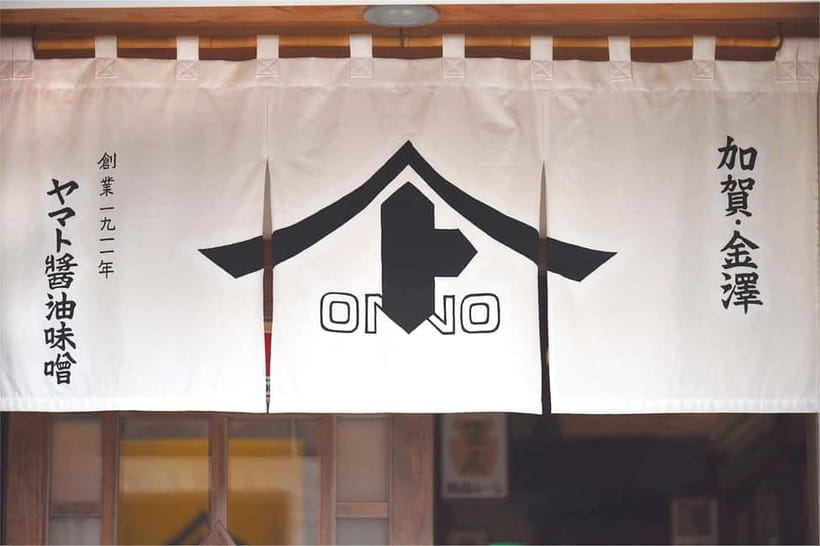
Koji turns ordinary food into something special. At Yamato Soy Sauce & Miso, you learn how this humble mold shapes miso, soy sauce, amazake, and other Japanese staples. I like the mix of hands-on tasting and old brewery charm, especially the red brick boiler, tall chimney, and wooden storehouses near Kanazawa Port.
I also like how much food is built into the 150-minute visit. You make miso soup with two aged pastes, sit down to a generous fermented-food lunch, and finish with two flavored doburoku tastings. Guides such as Yukiko explain the science in clear English, while fourth-generation owner Yamamoto brings a personal link to the place.
The main point to consider is access. The brewery is about 15 minutes by car from Kanazawa Station, but the bus ride takes around 30 minutes and requires a short walk at the far end. Also, this is an exterior and history tour, not a walk inside the working miso or soy sauce production rooms.
In This Review
- Key points to know before you go
- Why this Kanazawa brewery visit is different
- Koji Park and the 12:00 introduction
- Making miso soup with two aged pastes
- The 1:00 fermented-food lunch
- Doburoku tasting and the gentle buzz
- Shopping at Koji Park after the tour
- Getting there from Kanazawa Station
- What the $77 price includes
- Who will enjoy this most
- My verdict: book it if food and place matter
- FAQ
- How long does the Kanazawa Historic Brewery tour last?
- Where does the tour meet?
- How do I reach the brewery from Kanazawa Station?
- Is the tour available in English?
- Does the tour enter the working miso and soy sauce factory?
- What food and drinks are included?
- Can people under 20 join the activity?
Key points to know before you go
- A 1911 brewery with photogenic old buildings: See the red brick boiler, chimney, and wooden storehouses at the historic Yamato complex.
- Koji explained in plain English: Learn what this fermentation starter does and why it matters in Japanese cooking.
- Two misos, one homemade soup: Compare pastes aged for six to twelve months, then prepare your own bowl.
- A full fermented-food lunch: The usual meal is a Koji Beef Steak Lunch Course with koji and other fermented ingredients.
- Two doburoku tastings included: Try yuzu and black currant versions of this cloudy fermented rice drink.
- Small groups make the visit personal: The tour is limited to eight people and runs in English or Japanese.
Why this Kanazawa brewery visit is different
Kanazawa is known for gardens, samurai districts, seafood, and traditional crafts. This tour takes you out toward Oonomachi, a port-side area with a different feel and a strong connection to soy sauce making.
Oonomachi has been known since the Edo period as one of Japan’s five major soy sauce-producing regions. Yamato Soy Sauce & Miso began here in 1911, and the company still works from a complex shaped by that past.
The setting helps the tour. You are not sitting in a generic classroom looking at fermentation diagrams. You walk around an old industrial site, with wooden storehouses adapted for production spaces and shops. The red brick boiler and chimney add visual character, while views toward Kanazawa Port and the distant Hakusan and Tateyama ranges give the visit a sense of place.
The meeting point is Hishiho-Gura, the product showroom at Yamato Koji Park. That matters because the tour begins and ends among the things you have just learned about. You can look at miso, soy sauce, amazake, sake, beauty products, sweets, and other goods after the formal program ends.
A few more options to weigh up in Kanazawa
- Shirakawa-go & Takayama Old Town Day Tour (Optional Hida Beef Lunch)
★ 4.6 · 3,936 reviews - Bike Tour Exploring North Kyoto plus Lunch
★ 5.0 · 1,087 reviews - Tokyo: Mt.Fuji & Lake Kawaguchiko 1-Day Bus Tour w/Optional Lunch
★ 4.5 · 839 reviews
Koji Park and the 12:00 introduction
The first half hour is a guided Koji Park tour and talk, scheduled from noon to 12:30. The focus is koji, the fermentation starter made by cultivating mold on grains such as rice. It may sound like a small ingredient, but it drives much of the flavor development in miso, soy sauce, sake, and related foods.
A good guide makes this subject approachable, and Yukiko has been praised for presenting it with warmth and humor. Owner Yamamoto also speaks English well, making it easier for an international audience to follow the explanations without getting lost in technical terms.
The talk covers three main questions:
- What koji is
- How fermentation works
- How fermented foods relate to intestinal health
I like this order. You first learn the basic ingredient, then the process, then why people care about it. The explanations give the tastings a purpose. Instead of simply being told that one miso is sweeter or stronger than another, you have a better idea of why aging changes flavor.
The outdoor portion depends on weather. On a wet or unpleasant day, the outside walk may be limited, so you should not book this expecting a full open-air tour in every season. The historic buildings are still part of the setting, but the exact route can change.
One important clarification: you do not enter the rooms where Yamato actually produces miso or soy sauce. You tour the exterior of the factory complex and learn about its past. If you want to see production scenes, the company provides online videos, but the live activity itself is about the site, the food, and the fermentation story rather than observing workers at the production line.
Making miso soup with two aged pastes
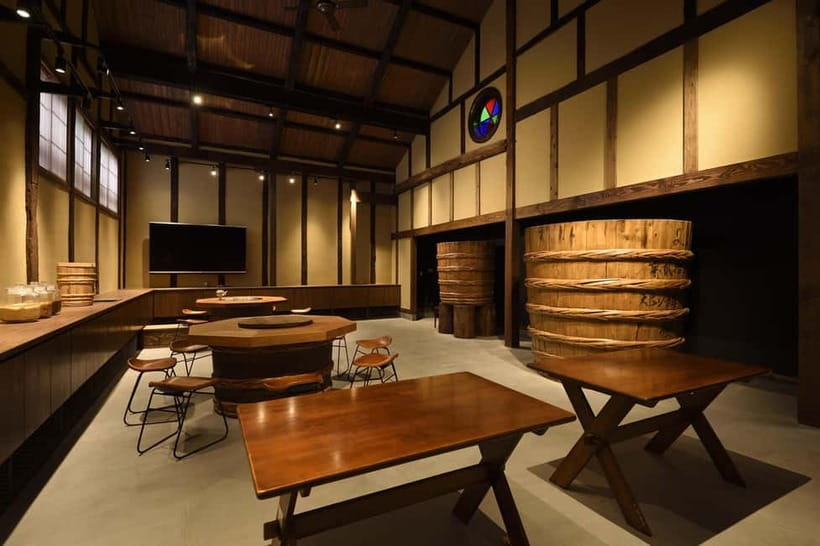
From 12:30 to 1:00, you make and taste miso soup. The ingredients and utensil rental are included, so you do not need to bring anything.
The useful part is the comparison. You work with two miso pastes aged for different lengths of time, from six to twelve months. Even without advanced food knowledge, you can notice how aging affects color, aroma, saltiness, and depth.
This is a simple activity, but it gives you a practical takeaway. You can taste the difference between the two pastes and decide which style suits you. The lesson is not just about Japanese food in theory. It shows you how a small change in fermentation time can alter an everyday dish.
I would pay attention here, since the tasting may shape what you buy in the showroom later. Miso is easy to purchase in Japan, but the labels and varieties can feel confusing. Knowing which flavor you prefer makes the shopping stop more useful.
The activity also works well for people who already eat Japanese food but want a clearer picture of what lies behind it. Miso soup is familiar to many visitors, yet the fermentation process is often invisible. This session brings that process into the bowl.
The 1:00 fermented-food lunch
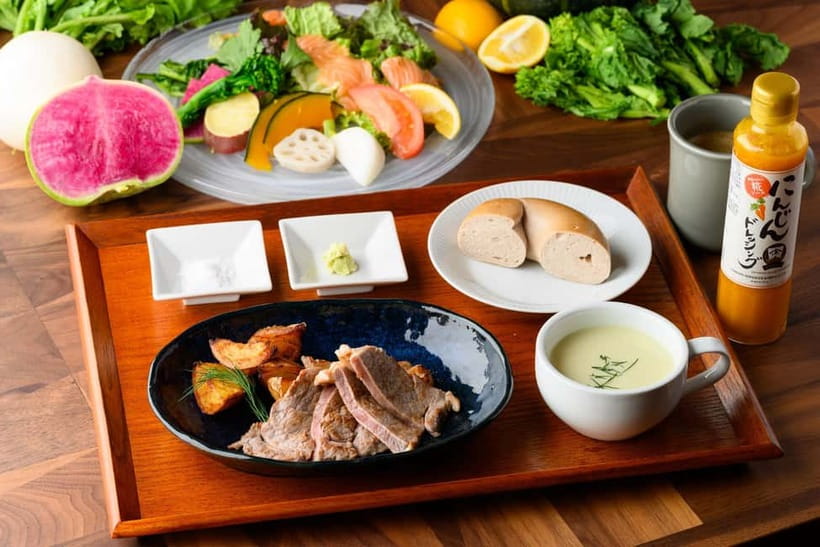
Lunch runs from 1:00 to 2:00 and is one of the strongest reasons to choose this activity. The standard meal is a Koji Beef Steak Lunch Course, though the exact dishes may include several fermented ingredients across a multi-course meal.
Past meals described by participants included salad, soup, steak, and even a bagel, with ingredients such as koji salt and amazake worked into the dishes. The point is not simply to serve a steak beside a small cup of miso. The meal shows how fermentation can appear in different forms throughout a menu.
The lunch is described as generous, and the meal takes place in a private area rather than a large canteen in another building. That gives the middle of the tour a calmer pace. You have time to eat, discuss what you have tasted, and ask questions instead of rushing from one sample to the next.
The food is also where the earlier explanation becomes practical. You can look for the savory depth of koji, the sweetness of amazake, or the seasoning effect of koji salt. I find this more valuable than a long lecture because your palate gets a chance to connect the idea with a real meal.
Dietary restrictions require advance contact by email after booking. The default lunch contains beef, so do not assume that a vegetarian, allergy-friendly, or other special meal will be arranged automatically. Ask before the day of your visit.
A completely different kind of day out:
- World Heritage Shirakawa-go and Experience Tours from Kanazawa
★ 5.0 · 4,049 reviews - Kanazawa: Kenrokuen Tea Ceremony Experience
★ 4.8 · 1,139 reviews - Kanazawa Half Day Tour (Private Guide)
★ 5.0 · 361 reviews - Kanazawa Full Day Tour (Private Guide)
★ 5.0 · 323 reviews
Doburoku tasting and the gentle buzz
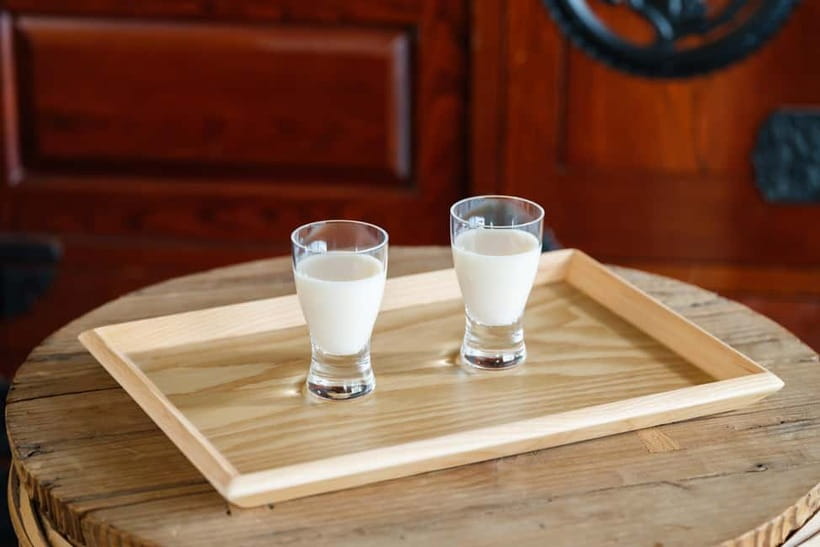
The final scheduled section runs from 2:00 to 2:30. You taste two types of doburoku, a cloudy fermented rice beverage made with koji, yeast, and lactic acid bacteria.
The tasting includes craft versions flavored with yuzu and black currant. These are presented as easy-to-drink options, with bright fruit flavors that can make doburoku more approachable if you are unfamiliar with it.
Doburoku is not the same as clear, filtered sake. Its cloudy appearance comes from the fermented rice solids left in the drink. That texture and fuller character make it a fitting final tasting after learning about koji all morning.
The alcohol is worth taking seriously. The program describes a gentle buzz, and the activity is for people aged 20 and over. You should plan your return trip with that in mind, especially if you intend to shop afterward or rely on the bus.
This closing tasting gives the tour a convivial finish, but it will not suit everyone. If you do not drink alcohol, the main value of the activity remains in the tour, miso making, lunch, and food tastings. Still, you should confirm with the provider if you need a nonalcoholic substitute, since one is not specified in the available information.
Shopping at Koji Park after the tour
You can continue browsing at the Koji Park facility once the formal 2.5-hour program ends. The showroom sells the products connected to the tour, including miso and soy sauce, along with other food and beauty items.
Specific products highlighted by past participants include amazake, sake, hand cream, sauces, and fermented-food ingredients. The soy sauce ice cream, cheesecake, and pudding have also received special praise. The ice cream sounds unusual, but it is exactly the sort of small local experiment that makes the stop more memorable.
This is a good place to buy souvenirs that are tied to the activity rather than generic Kanazawa merchandise. Fermented ingredients can be more useful than decorative objects, though you should consider how you will pack liquids and pastes for the rest of your trip.
The shop also lets you revisit flavors you may not have decided on during the tasting. If one miso appealed to you, or you preferred the yuzu doburoku, you can take that preference home in a more practical form.
Getting there from Kanazawa Station
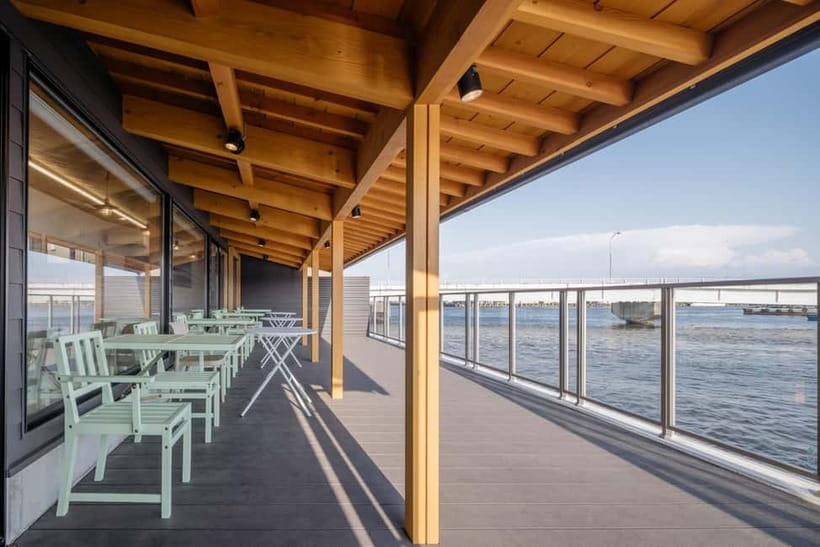
Yamato Koji Park is at 4-I-170 Oonomachi, Kanazawa, Ishikawa 920-0331. By car, the facility is roughly 15 minutes from Kanazawa Station.
Public transport takes more planning. From the West Exit of Kanazawa Station, walk about three minutes to the Nakabashi bus stop beneath the Nakabashi overpass. Take Hokutetsu Bus Line 61 toward Ono. The ride takes about 30 minutes, and Ono is the final stop.
From Ono, walk three to eight minutes toward Minato Bridge. The return route uses Line 34 toward Takao or Kanazawa Institute of Technology, getting off at Nakabashi for the trip back to the station.
The bus is possible, but this is not a turn-up-and-go attraction beside Kanazawa’s main sights. Check the current Hokutetsu timetable before you leave, and allow enough time for the walk from the final stop. The bus connection is the clearest practical drawback, particularly if your tour begins at noon and you dislike navigating an unfamiliar route under time pressure.
A taxi is the simpler option for many people, especially when splitting the fare with others. The supplied information does not give a fixed taxi price, so check locally before setting out.
The brewery is closed Tuesdays and Wednesdays, as well as during the New Year holiday period. Check the available date before arranging your Kanazawa day around it.
What the $77 price includes
At $77 per person, this is not a quick tasting-room stop. The price covers a guided tour and talk, a hands-on miso soup activity with ingredients and utensils, a full lunch course, and two doburoku tastings.
That makes the value fairly strong if you would otherwise pay separately for lunch and seek out several tastings around Kanazawa. You are also paying for access to a historic company site, small-group guidance, and an English-language explanation of a food tradition that can be difficult to understand from labels alone.
The value is less clear if you only want to see the inside of a working factory. That is not what this program offers. You do not enter the actual miso or soy sauce production rooms, so visitors expecting machinery, vats, or a production-floor walk should adjust their expectations.
The small group limit of eight improves the economics in another way. A guide can answer questions, and the activity is less likely to feel like a large commercial demonstration. Several participants described the hosts as friendly and generous with their time, including waiting while people finished lunch before explaining the shop products.
The price also includes food that is more substantial than a few crackers and spoonfuls. The lunch is a real part of the experience, not an afterthought.
Who will enjoy this most
I would recommend this for anyone curious about Japanese food beyond sushi and ramen. It is especially useful if you want to understand miso, soy sauce, amazake, sake, and koji as connected parts of one food culture.
It suits adults who enjoy tasting, asking questions, and learning through a meal. The English guidance is a major benefit for international visitors, and the small group format should feel more personal than a large scheduled attraction.
Food-focused visitors will get the most from the tour, but it also works for anyone looking for a different side of Kanazawa. The old brewery buildings, port setting, and mountain views give you a break from the city’s better-known temples, gardens, and traditional neighborhoods.
I would think twice if you have little interest in fermented foods, cannot drink alcohol, or need a factory-floor visit. The lunch may still appeal, but the central subject appears throughout the program.
The tour is not suitable for anyone under 20. Dietary restrictions should be raised by email after booking, rather than left to chance on the day.
My verdict: book it if food and place matter
You should book the Kanazawa Historic Brewery tour if you want a social, food-centered half day with real local context. The best parts are the clear koji explanation, the two-miso comparison, the substantial lunch, and the chance to taste doburoku in the place where fermentation is central to the company’s work.
I especially like the human scale of the visit. Yukiko’s lively English explanations and Yamamoto’s connection as the fourth-generation owner can make the old buildings feel like a living workplace rather than a museum display.
Book it with realistic expectations. You will tour the exterior of the factory complex, not the active production rooms, and you need to plan the bus or taxi ride from Kanazawa Station. If those limits are acceptable, the $77 cost buys a well-filled 150 minutes and a memorable meal.
FAQ
How long does the Kanazawa Historic Brewery tour last?
The activity lasts 150 minutes, or two and a half hours. The schedule runs from 12:00 to 12:30 for the Koji Park tour, 12:30 to 1:00 for miso soup making, 1:00 to 2:00 for lunch, and 2:00 to 2:30 for doburoku tasting.
Where does the tour meet?
The meeting point is Hishiho-Gura, the product showroom at Yamato Koji Park. The address is 4-I-170 Oonomachi, Kanazawa, Ishikawa 920-0331, Japan.
How do I reach the brewery from Kanazawa Station?
Walk about three minutes from the station’s West Exit to the Nakabashi bus stop under the Nakabashi overpass. Take Hokutetsu Bus Line 61 toward Ono, get off at the final stop, and walk three to eight minutes toward Minato Bridge.
Is the tour available in English?
Yes. The tour is offered in English and Japanese. The group is limited to eight participants.
Does the tour enter the working miso and soy sauce factory?
No. The program tours the exterior of the factory complex and explains its history. It does not include entry into the rooms where miso or soy sauce are actually produced.
What food and drinks are included?
The activity includes miso soup making and tasting with two miso pastes, a fermented-food lunch, and tastings of two doburoku varieties. The standard lunch is the Koji Beef Steak Lunch Course.
Can people under 20 join the activity?
No. The activity is not suitable for people under 20 years old.
Just added in Kanazawa
- Taste of Kanazawa (Food tasting in Omicho Market & Higashi Chaya)★ 5.0 · 58 reviews
- Kanazawa: Sushi & Japanese Cooking Class at a Historic School★ 5.0 · 66 reviews
- Shirakawago & Kanazawa from Kanazawa★ 5.0 · 51 reviews
- Takayama and Shirakawago/Photoshoot by professional photographer★ 5.0 · 67 reviews
- Private Tour of Shirakawago from Kanazawa (Half Day)★ 5.0 · 24 reviews
- Kanazawa private 1 day/Photoshoot by professional photographer★ 5.0 · 33 reviews
- Private Tour of Shirakawago and Gokayama from Kanazawa★ 5.0 · 50 reviews
- Kanazawa private half day/Photoshoot by professional photographer★ 5.0 · 38 reviews
Breweries, compared.
3-Hour Kyoto Insider Sake Brewery Tour with Tastings & Pairings
Read our review →
Arashiyama Bamboo, Temple, Monkeys, or Secret Sake Brewery
Read our review →
Insider Sake Brewery Tour with Sake and Food Pairing
Read our review →
KOBE Sake Tasting Tour at Breweries (tasting fee included)
Read our review →
Hiroshima Saijo Sake Tasting Tour with visit to 7 Breweries
Read our review →
Takayama: Authentic Sake Tasting at a Historic Brewery
Read our review →
Browse the lists this tour appears in