

Reviewed · TEMPLES AND SHRINES
Miyajima Highlights: Itsukushima Shrine & Island Nature
Miyajima rewards those who slow down. This private five-hour outing pairs Itsukushima Shrine and its famous floating torii gate with quieter island paths, Daisho-in, Senjokaku Pavilion, and local stories from guides such as Masa, Aya, Yuka, and Masayo. I like the personal approach and the chance to understand why Miyajima is sacred, not simply photograph its best-known sights. I also like the calm pace, which leaves room for questions, pictures, and small discoveries beyond the main route.
The main drawback is time. About two hours go to the train and ferry in both directions, leaving roughly three hours on Miyajima. The $138 price also excludes public transport, Miyajima’s visitor tax, food, and drinks. Still, for a private group that wants cultural context and easy guidance, the cost can make sense.
- Local guides with personal ties to Hiroshima: Guides including Masa, Aya, Yuka, and Masayo bring family stories, local memory, and strong English skills.
- Itsukushima Shrine at the center: Learn about the shrine’s symbolism, sacred setting, and famous torii gate.
- Daisho-in gets a full hour: This is the longest stop and a chance to explore one of Miyajima’s most important temple complexes.
- A flexible private format: The route can lean toward history, photography, nature, or a slower, more reflective visit.
- Public transport is part of the day: Allow about 45 minutes by train and 15 minutes by ferry each way.
- Useful practical care: Guides can provide photography, extra help in hot weather, and pickup on foot from central Hiroshima.
In This Review
- Why This Miyajima Tour Works So Well
- Getting From Hiroshima to Miyajima
- First Steps on Miyajima Island
- Seeing the Floating Torii Gate at the Right Tide
- Itsukushima Shrine and the Meaning Behind the Architecture
- Spending an Hour at Daisho-in
- Senjokaku Pavilion and Miyajima’s Open Views
- Omotesandō Shopping Street: Food, Souvenirs, and a Busier Finish
- What $138 Buys You, and What It Does Not
- Pace, Weather, and Accessibility
- Who Should Book This Miyajima Experience?
- Should You Book It?
- FAQ
- How long does the Miyajima tour last?
- How long does it take to reach Miyajima?
- Is transportation included in the price?
- Can the guide pick me up at my hotel?
- Is the floating torii gate guaranteed to appear surrounded by water?
- Can I hike Mt. Misen during the tour?
- Are food and drinks included?
- Is the tour wheelchair accessible?
- What languages are available?
Why This Miyajima Tour Works So Well
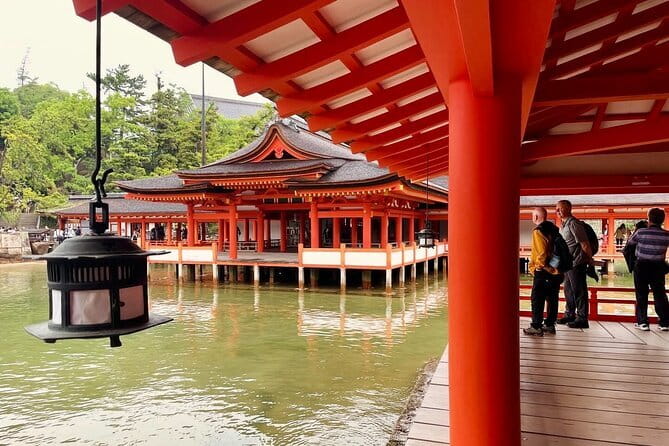
Miyajima is easy to visit on your own, but it is not always easy to understand. You can walk through the shrine, snap the torii gate, browse Omotesandō Shopping Street, and return to Hiroshima with a camera full of impressive pictures. What you may miss is the meaning behind the island’s sacred status, the way shrine and temple traditions fit together, and the local connection to Hiroshima’s past.
That is where this tour earns its keep. You are accompanied by a Japanese guide from Hiroshima who can explain the island through local life, family history, and cultural memory. The strongest praise has gone to the guides’ kindness, preparation, and ability to answer questions without making the day feel like a lecture.
Masa, also known as Masayo Kobayashi, received especially warm praise for her care and preparation. On a very hot day, she brought extra parasols and neck coolers. Aya was praised for her passion and kindness, while Yuka helped guests find places they would not have reached alone. Those details matter because Miyajima involves a fair amount of walking, changing weather, crowds, and open sun.
This is a private group tour, so you are not tied to the needs of strangers. You can ask for more history, pause for photos, or move on when you have had enough of a particular site. The guide can adjust the emphasis, but you should communicate special interests in advance, especially if you want Mt. Misen hiking or an optional workshop.
Getting From Hiroshima to Miyajima
The tour begins with pickup on foot from a range of central Hiroshima locations. Listed options include Hotel Granvia Hiroshima, Sheraton Grand Hiroshima Hotel, Hilton Hiroshima, RIHGA Royal Hotel Hiroshima, Hiroshima Peace Memorial Museum, Hiroshima Station, Hiroshima Port Cruise Terminal, and several other central hotels.
If your hotel or Airbnb is not listed, you can request pickup by email if you are staying in central Hiroshima City. The guide may use public transportation or a taxi if you prefer, but the transportation cost is yours to pay.
The train takes about 45 minutes. The ferry takes another 15 minutes. These transfers are not just minor details. Together, they account for around two hours of the five-hour outing, so you should plan this as a Miyajima-focused half day rather than a combined Hiroshima and Miyajima tour.
The tour information is clear on this point: trying to fit the Peace Memorial Museum into the same schedule can make both visits feel rushed. One guest did manage to see Miyajima and make it through the museum, but that should be treated as an exception made possible by a well-organized guide, not the standard plan.
If you want a proper visit to the Peace Memorial Museum, allow separate time. The guide can take you there, but combining both major sights may stretch the day beyond what you expect.
More Temples and Shrines in Hiroshima
- Hiroshima and Miyajima Day Trip with Itsukushima Shrine & Ferry
★ 5.0 · 378 reviews - Miyajima: Cultural Experience in Zen Temple
★ 5.0 · 258 reviews - Day Trip to Hiroshima & Miyajima with Itsukushima Shrine
★ 4.6 · 124 reviews
First Steps on Miyajima Island
Once you reach Miyajima, the tour begins with about 20 minutes of walking and orientation. This is a useful moment to get your bearings before the major sights appear.
The guide can explain how Miyajima functions as more than a scenic stop. It is a living community with spiritual traditions, local routines, and a long relationship with Hiroshima. The value here is not just seeing a pretty island. You begin to understand why the island has been treated as sacred for centuries.
The quieter corners are an important part of the plan. The central sightseeing routes can be busy, especially around the shrine and shopping street. A local guide can help you step away from the most obvious path and notice natural scenery or everyday local details that you might otherwise pass without a second look.
The tour does not promise a long hike or a strenuous mountain outing. If you want to climb Mt. Misen, tell the guide ahead of time. It is not something to add casually to this five-hour schedule.
Seeing the Floating Torii Gate at the Right Tide
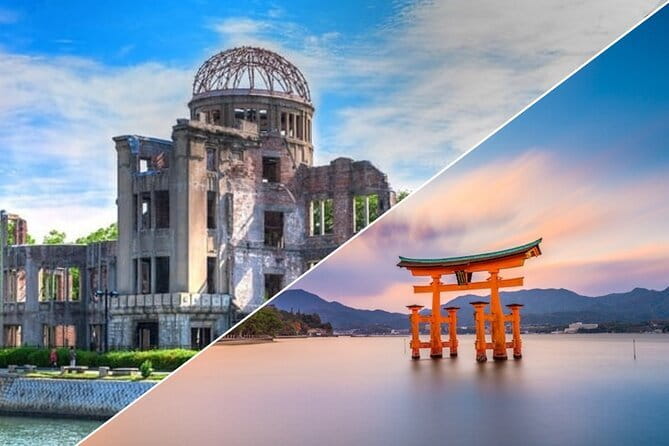
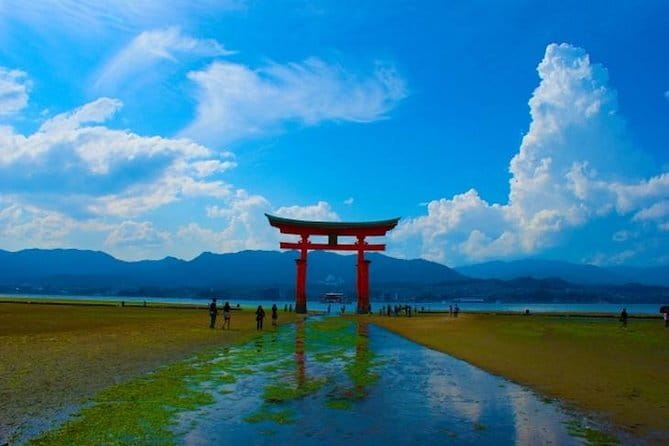
The Itsukushima Floating Torii Gate is the image most closely linked with Miyajima. The tour includes a guided photo stop of about 10 minutes, giving you time to frame the gate and hear why it carries such symbolic weight.
There is one important condition: the tide controls how the gate looks. At high tide, it appears to float offshore. At low tide, you may be able to see the ground around it and walk closer, but the famous floating effect is reduced. The guide will do the best possible job with the timing, yet the tide cannot be controlled.
Set your expectations accordingly. This is a short photo stop, not a guarantee of a particular view. If the gate is your top priority, check the tide schedule before booking and discuss timing with the guide.
The best part of having a guide here is the context. Instead of treating the torii as an isolated monument, you can learn how it relates to the shrine’s sacred setting and Miyajima’s traditions.
Itsukushima Shrine and the Meaning Behind the Architecture
The visit to Itsukushima Shrine lasts about 30 minutes. The shrine is a UNESCO World Heritage Site, and its setting gives the visit much of its power. Its buildings, walkways, and water-facing design create a sense that the shrine belongs to both land and sea.
Thirty minutes is enough for an introduction and guided sightseeing, but it is not a long, unhurried study of every detail. If you want to linger for photography or spend extra time reading signs, tell your guide. The private format makes that request easier than it would be in a large group.
This is where the tour’s cultural focus matters most. You learn about symbolism and long-standing spiritual practices instead of only hearing dates and construction details. Your guide can explain the island as a sacred place shaped by belief, local custom, and the daily lives of people who live there.
The guides’ English has been praised repeatedly, and that is especially useful at a site where small details can be easy to miss. Masa was praised for explaining how the shrines and temples were built and for connecting their past to the meaning they hold for people in Hiroshima today.
A completely different kind of day out:
- Peaceful Hiroshima & Miyajima UNESCO 1 Day Bus Tour
★ 5.0 · 5,309 reviews - Hiroshima Peace Memorial Museum Ticket
★ 4.8 · 2,727 reviews - Hiroshima: Hiroshima and Miyajima UNESCO Sites 1-Day Tour
★ 4.9 · 2,330 reviews - Hiroshima Peace Memorial Museum Admission
★ 4.6 · 1,308 reviews
Spending an Hour at Daisho-in
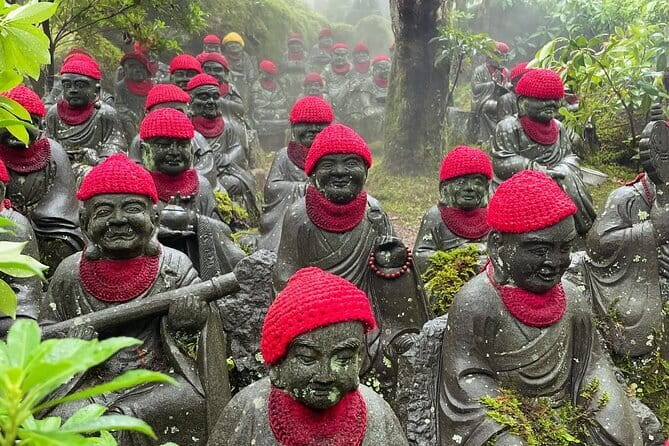
Daisho-in receives the most time on the island, about one hour. That is a smart choice. The temple gives you room to move beyond the single famous image of Miyajima and see another side of its religious life.
Your guide leads you through the temple area, points out details, and explains its traditions. There is also time for photographs and questions. For many people, this will be the most rewarding stop because the pace is slower than at the shrine.
The hour does not mean you will cover every possible part of Daisho-in or the wider island. It gives you a meaningful visit without turning the tour into a full-day temple study. You can ask the guide to focus on architecture, religious symbolism, or photography.
The site also provides a change of mood. Itsukushima Shrine is the headline attraction, while Daisho-in offers a quieter setting for reflection. I like that the itinerary gives the temple enough time to breathe rather than rushing you through it for the sake of checking off another stop.
Senjokaku Pavilion and Miyajima’s Open Views
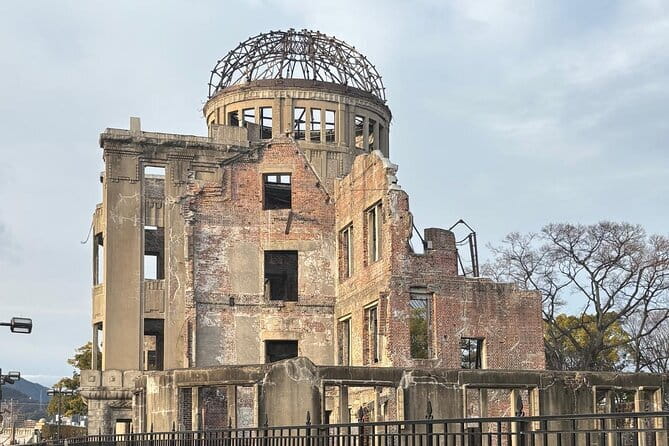
The route then includes a roughly 10-minute photo stop and guided visit at Senjokaku Pavilion. The name refers to the pavilion’s large interior space, and the stop gives you another view of Miyajima’s religious and architectural character.
Ten minutes is brief, so think of this as an orientation and photo opportunity rather than a long visit. It works well after Daisho-in because you have already had a fuller temple experience and can now take in another important landmark without losing too much time.
Your guide can help explain why the pavilion matters and point out details that might not be obvious from a quick look. If photography is your main interest, mention that in advance so the timing can be handled thoughtfully.
Omotesandō Shopping Street: Food, Souvenirs, and a Busier Finish
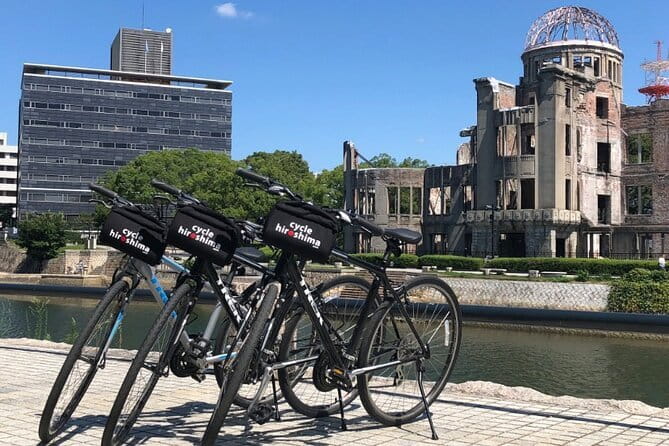
The tour allows about 40 minutes at Miyajima Omotesandō Shopping Street. This is the liveliest section of the route, with shops, snacks, and souvenirs.
Food and drinks are not included, so this is the place to budget for your own purchases. The time is long enough to browse and sample something if you wish, but your guide can also help you keep an eye on the clock before the return ferry.
The shopping street provides a useful contrast to the shrine and temple visits. Miyajima is not only a sacred site preserved for sightseeing. It is also a place where people work, sell local products, meet visitors, and maintain everyday routines.
I would not treat this as the main reason to book the tour. You can browse a shopping street without a private guide. Its value comes from the balance it adds to the day, especially after several cultural sites and a lot of walking.
What $138 Buys You, and What It Does Not
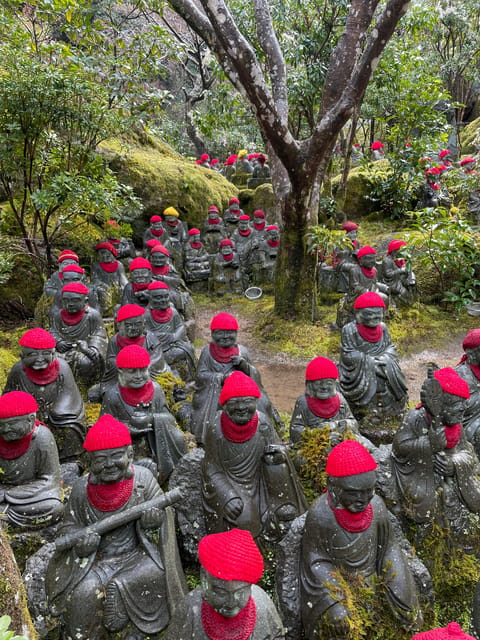
At $138 per person, this is not the cheapest way to reach Miyajima. You still pay transportation, the visitor’s tax to Miyajima, and your own food and drinks. Optional activities, such as workshops or direct boats between the Peace Memorial area and Miyajima, cost extra.
The price makes more sense if you are traveling as a private group and want a guide who can shape the visit around you. You are paying for local guidance, pickup on foot, advance communication, cultural explanation, flexibility, and photography with the data provided afterward.
The guide’s personal care also adds value. Extra parasols and neck coolers helped one group manage severe heat, and several guides were praised for being kind, patient, and attentive to families. That sort of help is difficult to price, but it can change the day when weather or mobility becomes a problem.
If you are comfortable reading about Miyajima beforehand, handling trains and ferries, and exploring at your own pace, you can spend less by going alone. If you want to ask questions constantly, avoid navigation stress, and see less obvious corners, the private rate is easier to justify.
Pace, Weather, and Accessibility
The tour is listed as wheelchair accessible, but it remains a walking tour with public transportation and several site visits. If you use a wheelchair or have mobility concerns, communicate your needs before the day so the guide can discuss the route and transport arrangements.
Weather deserves attention. Miyajima can feel hot, and one guide came prepared with parasols and neck coolers during an unusually warm outing. Wear comfortable shoes, carry water, and tell the guide if you need more pauses.
The relaxed format helps, but the schedule is still compact. Train and ferry transfers take time, and the route includes several major sites plus a shopping street. You should not expect a long break unless you arrange one with the guide.
Photography is included, with the data provided afterward. This is a nice extra for families or couples who want a few photographs together rather than taking turns behind the camera.
Who Should Book This Miyajima Experience?
I would recommend this tour to first-time visitors who want a clear introduction to Miyajima without reducing it to a checklist. It also suits families, since the private setting lets the guide adjust explanations and keep a group together. Masa was specifically praised for handling a large family group well.
It is a good match for anyone interested in Japanese religious traditions, Hiroshima’s local memory, photography, or the connection between famous sights and ordinary community life. It also works for people who have visited Miyajima before but want more meaning from the same landmarks.
I would hesitate if your main goal is Mt. Misen hiking, extended shopping, or a slow full-day exploration. The advertised five hours include two hours of travel, and the island schedule is carefully packed. Ask about an altered plan before booking if you have a special activity in mind.
The tour can be conducted in English or Japanese. The English ability of the guides has received strong praise, and their personal stories add something a standard audio guide cannot provide. Masayo, in particular, has shared family connections to Hiroshima’s wartime experience, allowing the city’s past to be discussed with care rather than as a detached history lesson.
Should You Book It?
Book this tour if you want Miyajima explained by a local person who can connect the shrine, temple, island traditions, and Hiroshima’s memory. The strongest reasons are the guides’ warmth, the private pace, the hour at Daisho-in, and the chance to see more than the main photo stops.
Skip it if you prefer independent sightseeing, need a full day for Mt. Misen, or want to combine Miyajima and the Peace Memorial Museum without rushing. For everyone else, the $138 cost is reasonable when personal guidance, local stories, flexible pacing, and photography matter as much as transportation.
FAQ
How long does the Miyajima tour last?
The tour lasts five hours, including the train and ferry journeys between central Hiroshima and Miyajima.
How long does it take to reach Miyajima?
The train journey takes about 45 minutes, followed by a ferry ride of about 15 minutes. The same travel times apply on the return journey.
Is transportation included in the price?
No. Transportation fees are not included. The tour uses public transportation, or a taxi if you request that option.
Can the guide pick me up at my hotel?
Pickup on foot is included from listed locations in central Hiroshima. If your hotel or Airbnb is not listed, you can contact the provider by email to request pickup if you are in central Hiroshima City.
Is the floating torii gate guaranteed to appear surrounded by water?
No. The view depends on the tide. The guide will do their best to show you the gate, but it may be low tide during the visit.
Can I hike Mt. Misen during the tour?
You need to tell the guide in advance if you want to hike Mt. Misen. The standard schedule focuses on the main Miyajima sights and does not list the hike as a regular stop.
Are food and drinks included?
No. Food and drinks are not included, so you should budget separately for anything you buy on Miyajima.
Is the tour wheelchair accessible?
Yes, the activity is listed as wheelchair accessible. You should communicate your specific needs in advance because the tour includes walking, a train, and a ferry.
What languages are available?
The live guide is available in English or Japanese.
Just added in Hiroshima
- Hiroshima Peace Memorial Museum Ticket★ 4.8 · 2,727 reviews
- Hiroshima Peace Memorial Museum Admission★ 4.6 · 1,308 reviews
- Private Full Day Hiroshima Tour★ 4.5 · 29 reviews
- The Peace Memorial to Miyajima : Icons of Peace and Beauty★ 4.5 · 31 reviews
- Shore Excursion from Hiroshima Port : Private Tour in Hiroshima★ 5.0 · 17 reviews
- Hiroshima & Miyajima All-Inclusive Tour w/Licensed guide Pancho★ 5.0 · 54 reviews
- Hiroshima Country Cycling: Explore Rural Life 1 HR from City★ 5.0 · 22 reviews
- Hiroshima Saijo Sake Tasting Tour with visit to 7 Breweries★ 5.0 · 104 reviews
Temples and Shrines, compared.
![[Kyoto & Nara Day Tour] Sagano Scenic Railway & Nara Park & Fushimi Inari Taisha Thousand Torii Gates & Togetsukyo Bridge & Bamboo Grove & Kimono Forest (Departing from Osaka)](https://media.japanvisits.com/wp-content/uploads/kyoto-nara-day-tour-sagano-scenic-railway-nara-park-fushimi-inari-taisha-thousand-torii-gates-togetsukyo-bridge-bamboo-grove-kimono-forest-departing-from-osaka-k110001-400x257.jpg)
Kyushu One-Day Tour: Yufuin no Mori Train & Yufuin Town & Nyoirin-ji Temple & Dazaifu & Hell Hot Springs (Departing from Fukuoka)
Read our review →
Fushimi Inari, Kinkakuji, Bamboo Grove 1 Day Bus Tour
Read our review →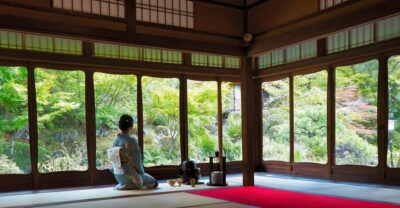
Tea Ceremony in a Traditional Tea House in Kiyomizu
Read our review →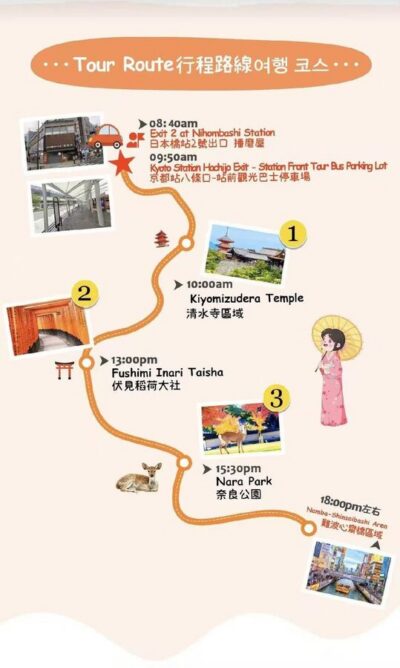
Kyoto Nara Day Trip │ Kiyomizu-dera Temple + Fushimi Inari-taisha Shrine + Nara Park (Departing from Osaka/Kyoto)
Read our review →
Browse the lists this tour appears in