
Reviewed · TEMPLES AND SHRINES
Miyajima: Cultural Experience in Zen Temple
Quiet tradition beats island crowds. Tokujuji Temple gives you a calm, hands-on way to experience Miyajima beyond the famous torii gate. I love choosing a kimono and having it carefully fitted with an obi, and I like that the calligraphy leaves you with a personal souvenir rather than a quick photo alone. The main consideration is that the experience requires removing your shoes and is not suitable for children under six or people with limited mobility.
The tea ceremony is held in Ryurei style, using tables and chairs, so you do not need to kneel on the floor. The English instruction is clear, and staff take photographs during the session before sending them by email or AirDrop. Allow up to two hours, especially if you choose several activities.
In This Review
- Key Points
- Why Tokujuji Temple Feels Different From Central Miyajima
- Choosing and Wearing a Kimono
- Garden Photographs Without the Usual Rush
- The Tea Ceremony: Matcha With Meaning
- Calligraphy You Can Take Home
- Amulet Making With Kimono Fabric
- How the Activities Fit Together
- Is $90 a Fair Price?
- Who Should Book This Experience?
- Practical Tips Before You Go
- FAQ
- How long does the Miyajima temple experience last?
- What languages are available?
- Can children participate?
- Do I need to kneel during the tea ceremony?
- What is included in the tea ceremony?
- Can I take anything home?
- Should You Book It?
Key Points
- Tokujuji Temple offers a quiet break from Miyajima’s busiest sights, with a garden used for photographs.
- You choose your own kimono, then receive help selecting the obi and other matching details.
- The tea ceremony explains the purpose behind each movement, from greeting and preparing the tools to drinking matcha.
- Calligraphy is taught step by step, with time to practice Kanji and write your name in Hiragana or Katakana.
- Amulet making uses handmade kimono fabric, Kumihimo cord, and a mini rice scoop marked with your chosen wish.
- The $90 price is strongest when you select several activities, since clothing, instruction, sweets, tea, photographs, and handmade souvenirs are included.
Why Tokujuji Temple Feels Different From Central Miyajima
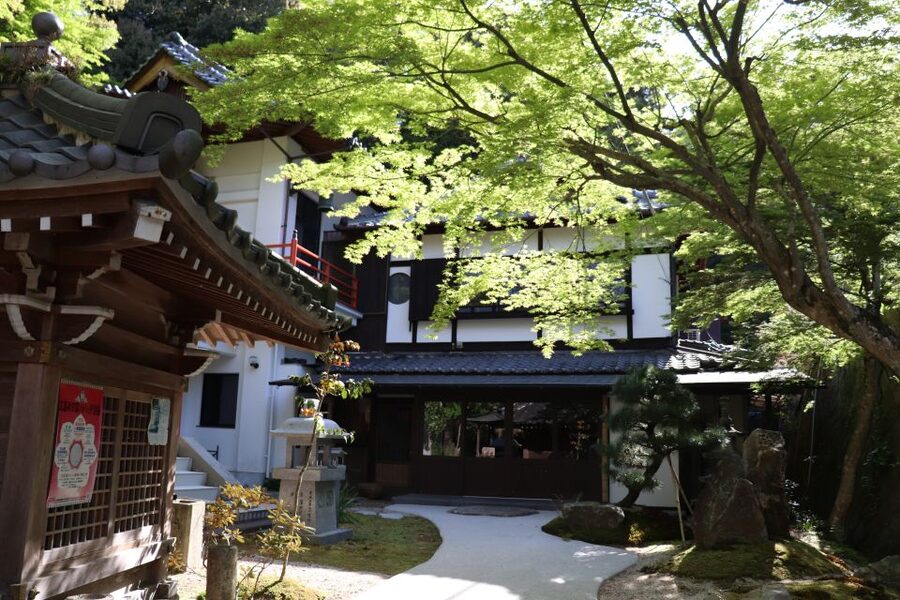
Miyajima is famous for its shrine, deer, sea views, and crowded lanes near the ferry area. This activity gives you a reason to walk away from the busiest stretch and spend time inside a more peaceful temple setting.
That change of pace matters. Instead of simply looking at Japanese culture, you take part in several small traditions. You handle the tea tools, hold a calligraphy brush, dress in a kimono, or assemble an amulet with your own choices.
The setting also helps. The garden is not just a backdrop for a hurried photograph. It gives the session a slower rhythm, with time to pose, look around, and enjoy the temple grounds. The staff take pictures for you, which means you can concentrate on the experience instead of asking a companion to document every moment.
The meeting point can vary according to the option you book, so check your confirmation carefully. That is a small but important detail on an island where it is easy to lose time near the main sights.
More Temples and Shrines in Hiroshima
- Hiroshima and Miyajima Day Trip with Itsukushima Shrine & Ferry
★ 5.0 · 378 reviews - Day Trip to Hiroshima & Miyajima with Itsukushima Shrine
★ 4.6 · 124 reviews - Hiroshima & Miyajima 6.5h Guided Tour – Dome, Park & Shrine
★ 4.9 · 83 reviews
Choosing and Wearing a Kimono
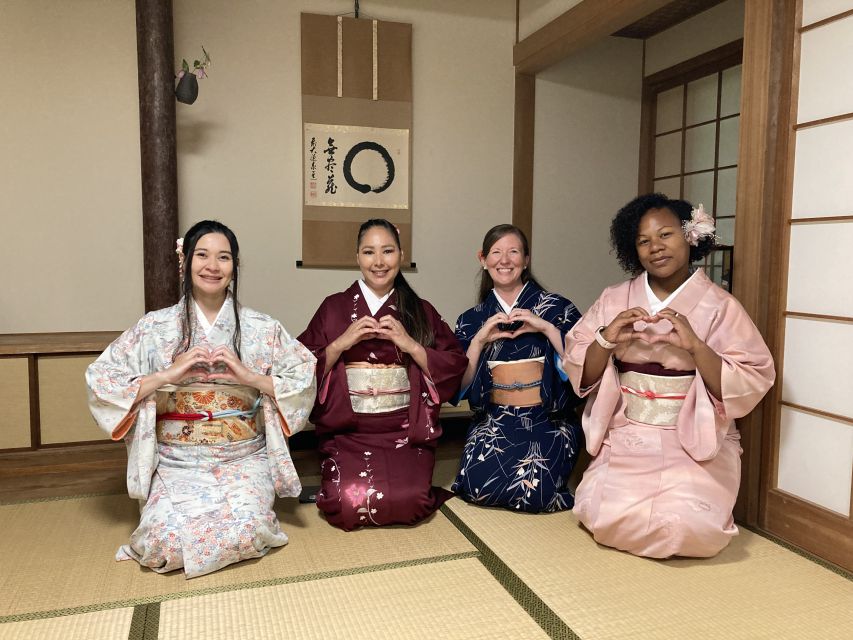
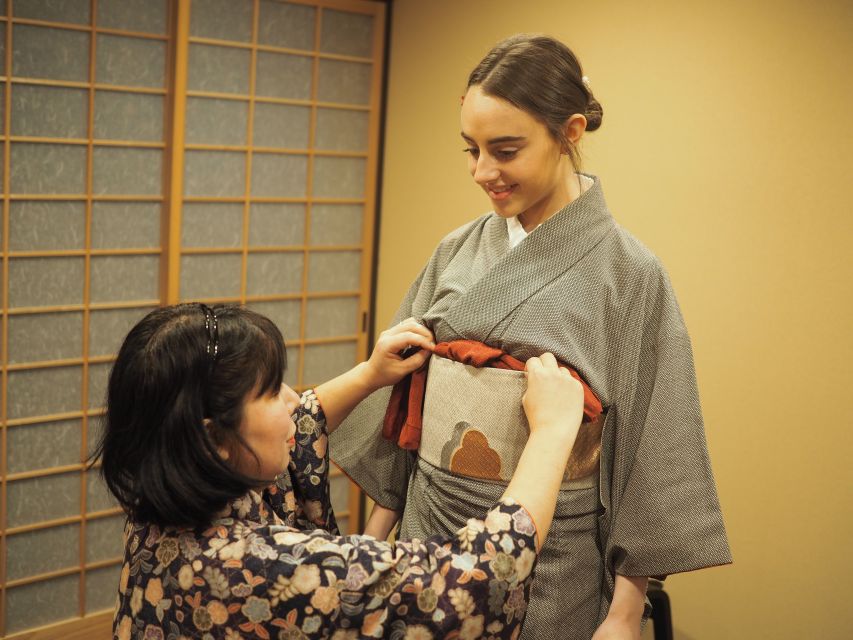
The kimono portion is one of the most praised parts of the experience, and I can see why. You select your favorite design from the available clothing, then the staff help dress you properly and tie the obi.
This is not simply a costume placed over your regular clothes. The dressing process shows how much care goes into the finished appearance. Staff help with the obi, scarves, and color combinations so the outfit looks balanced in garden photographs.
Several people especially enjoyed having someone else handle the dressing. It can feel formal and ceremonial, but the atmosphere is described as kind and relaxed rather than stiff. The patient approach is useful if you have never worn Japanese clothing before.
You should allow extra time if your booking includes several activities. One scheduled 90-minute session lasted more than two hours because the group was not rushed through the dressing, photographs, tea, and calligraphy. That sounds like a benefit, but it also means you should avoid scheduling your ferry departure too tightly.
The clothing is available for the activity, but the information does not specify the exact range of sizes or styles. If that matters to you, contact the provider before booking.
Garden Photographs Without the Usual Rush
Once you are dressed, you have time for photographs in the Japanese garden. The staff take pictures as well as allowing you to use your own camera or phone.
This is a practical advantage. You do not need to rely on a stranger to take one hurried picture of your whole group. Staff can suggest poses and locations, and they know how to show the kimono and obi clearly.
The photographs are sent by email or AirDrop on site. Make sure you can receive files before you arrive, and check that your phone has enough storage.
Light can affect the results. One useful point is that some garden positions may leave your face in shadow, depending on the sun. If you care about portraits, ask the staff to try more than one angle rather than accepting the first spot.
The garden is also where the experience feels least like a lesson. You can simply enjoy wearing the clothing and being in a quiet traditional space. For many people, that relaxed photo time becomes the lasting memory of the visit.
The Tea Ceremony: Matcha With Meaning
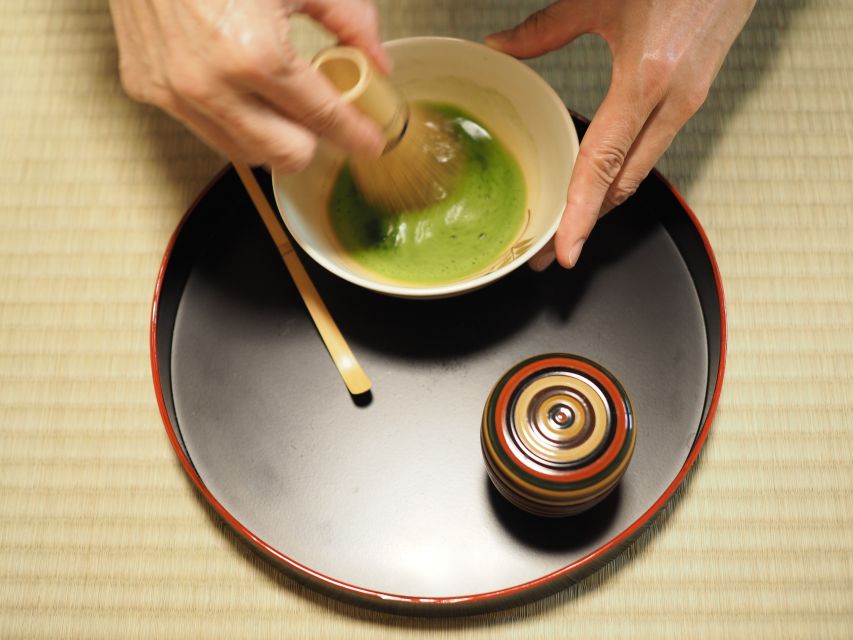
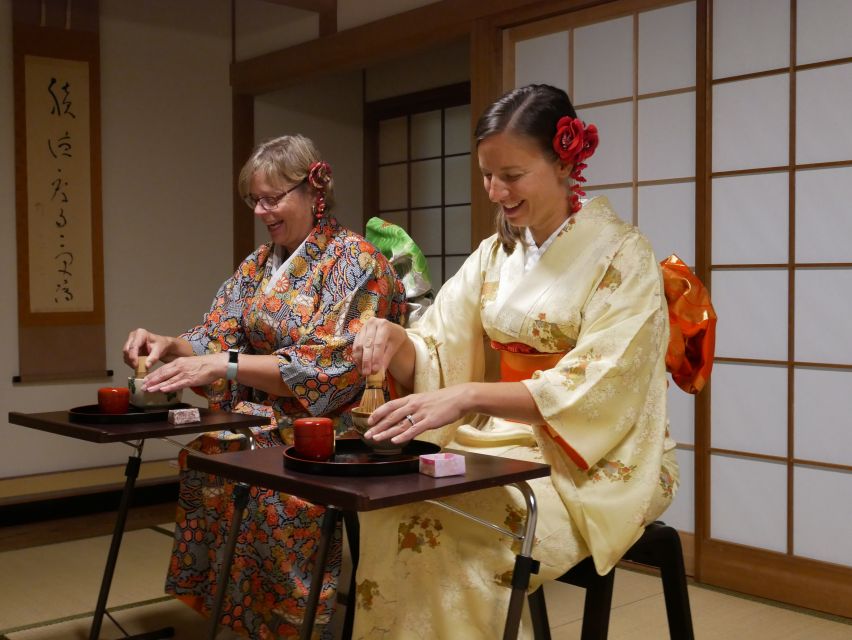
The tea ceremony follows a set order. It begins with a greeting, then the tea master purifies the tools, prepares the matcha, cleans the equipment, and closes the ceremony.
The point is not just to drink green tea. You are shown how to receive and drink the tea correctly, and you learn how to prepare it yourself. The repeated movements may seem simple, but the ceremony explains how attention and respect are built into each step.
The session uses Ryurei style, which means the ceremony takes place at a table with chairs. That makes it more comfortable for people who would find floor seating difficult, although the whole activity is still not recommended for people with limited mobility.
Two bowls of matcha and two types of sweets are included. The sweets provide a pleasant contrast to the bitter tea, and one family group specifically enjoyed the pairing with chocolate. The serving is part of the lesson, not a separate café stop, so expect a modest tasting rather than a full snack.
English instruction is available, and Yoko has been specifically praised for speaking fluent English. The staff explain the ceremony in a way that lets you ask questions without feeling out of place.
You should also know that the tea ceremony can feel formal. If you want only a quick cup of matcha, this may be more procedure than you expect. If you are interested in why the ceremony has so many rules, the structure is exactly what makes it worthwhile.
A completely different kind of day out:
- Peaceful Hiroshima & Miyajima UNESCO 1 Day Bus Tour
★ 5.0 · 5,309 reviews - Hiroshima Peace Memorial Museum Ticket
★ 4.8 · 2,727 reviews - Hiroshima: Hiroshima and Miyajima UNESCO Sites 1-Day Tour
★ 4.9 · 2,330 reviews - Hiroshima Peace Memorial Museum Admission
★ 4.6 · 1,308 reviews
Calligraphy You Can Take Home
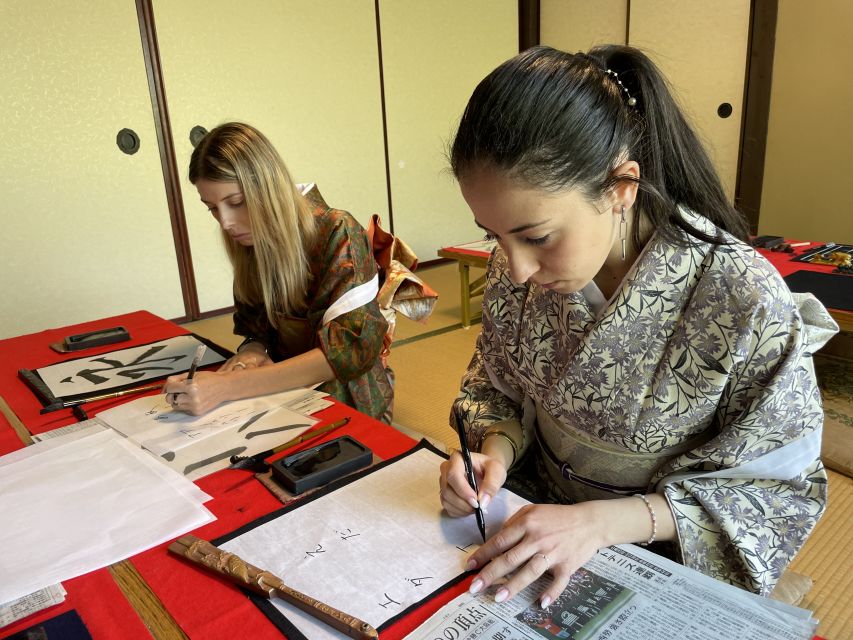
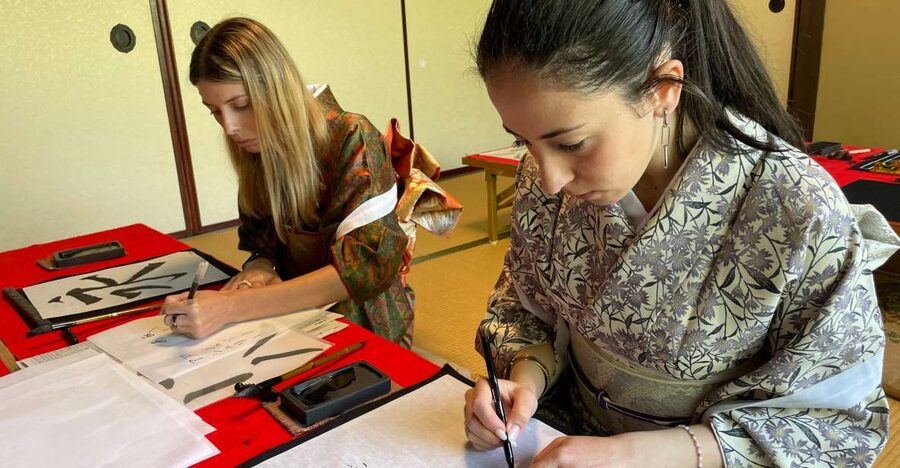
The calligraphy lesson is practical and well suited to beginners. Your instructor demonstrates how to make the lines, then guides you through the brushwork one step at a time.
You have time to practice one or more Kanji, the Chinese characters used in Japanese writing. The teacher also prepares a sample of your name, then helps you write your name using either Hiragana or Katakana, the Japanese syllabaries.
That sequence is helpful because you are not asked to copy a mysterious character without context. You practice basic strokes first, then work toward a finished piece. The lesson also gives you a small look at the concentration required in Japanese brush writing.
You sign your work in Japanese and wrap it carefully to take home. The finished piece is more personal than a shop-bought souvenir, even if your brush lines are not perfect. In fact, the small irregularities show that you made it yourself.
I particularly like that the calligraphy can suit different ages and interests. Children old enough to participate can practice with encouragement, while adults often find the slow brushwork calming. The staff have been praised for helping children without turning the class into a rushed family photo opportunity.
All calligraphy tools are included. The information does not promise that you can choose every character or phrase, so ask what options are available when the lesson begins.
Amulet Making With Kimono Fabric
Amulet making is another activity option, and it adds a different kind of personal meaning. You choose from more than 300 handmade amulet bags made from kimono fabric.
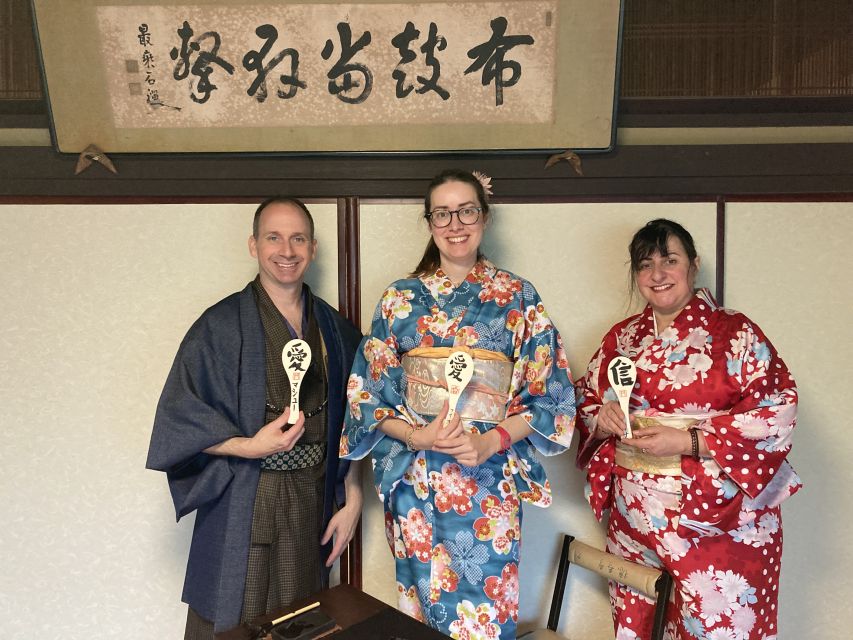
The large selection gives you room to choose based on color, pattern, or the feeling you want the finished piece to have. You then select a Kumihimo cord, a braided cord tied in a special way, and choose a wish to write or stamp onto a miniature rice scoop.
The rice scoop carries your wish, and you put the pieces together to create a one-of-a-kind amulet. When it is complete, you greet Kinseki Jizou, the temple’s Buddha, to report that you have come to make a wish.
This activity is less about producing a polished craft and more about following a small ritual from start to finish. It is a good choice if you want a souvenir connected to the temple rather than another printed postcard.
Amulet making takes place in the temple’s main hall. That gives it a different atmosphere from the garden photography and the table-based tea ceremony. You should choose this option if the idea of selecting materials and assembling something appeals to you.
The available information describes amulet making as an alternative option, so do not assume every booking includes all activities. Check the exact combination before paying.
How the Activities Fit Together
The booking options appear to combine different parts of the experience. You might choose kimono dressing with tea ceremony and calligraphy, or select amulet making as part of your visit. The exact meeting point and schedule depend on the option reserved.
A common flow begins with entering the temple, removing your shoes, and choosing your kimono. Staff then dress you and help with the obi before taking photographs in the garden.
After that, you may sit at the table for the tea ceremony. The instructor demonstrates the process, serves the sweets and matcha, and gives you a chance to prepare tea yourself.
Calligraphy can follow the tea ceremony, with practice sheets leading to your final Kanji and Japanese name. If you choose amulet making, you may spend time in the main hall selecting the bag, cord, and wish before greeting Kinseki Jizou.
The pace is intentionally gentle. That is a strength if you want a meaningful cultural activity, but it may not suit you if your main goal is to see every corner of Miyajima in one afternoon.
Is $90 a Fair Price?
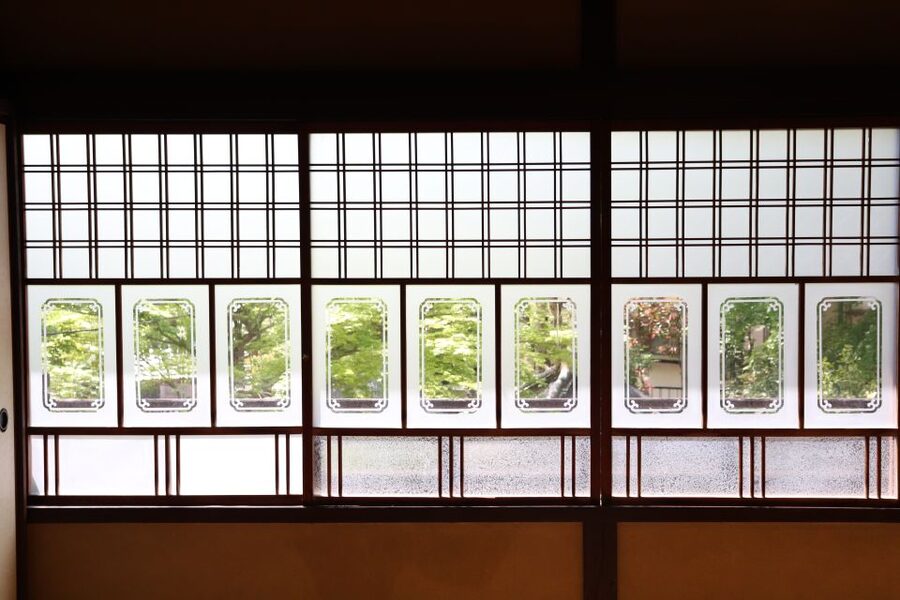
At $90 per person, this is not the cheapest short activity on Miyajima. The value depends on what your booking includes and how much time you place on personal instruction, clothing, and photographs.
The price is easier to justify if you choose several activities. You receive the use of a kimono, dressing assistance, access to the garden, instruction from English or Japanese-speaking staff, matcha, sweets, calligraphy materials, and photographs sent afterward. Amulet making also includes the materials needed to create your own piece when that option is selected.
You are paying for staff time as much as for the materials. Dressing a group carefully, explaining tea procedures, correcting brush technique, helping with Japanese names, and taking photographs all require attention.
The experience also fills one to two hours with more than a single demonstration. You leave with photographs and, depending on your option, a calligraphy piece or amulet. That makes it better value for people who want an activity rather than a short viewing stop.
I would not book it solely for the tea. The matcha serving is part of a formal lesson, not a large tasting. I would book it for the combination of culture, personal instruction, and memories you can take home.
Who Should Book This Experience?
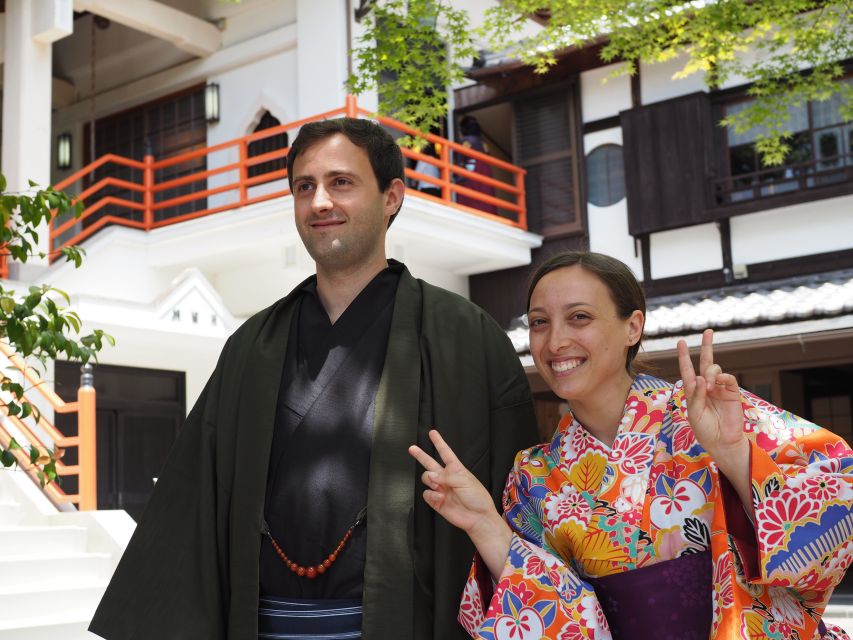
This is a strong choice for first-time visitors to Japan who want a respectful introduction to several traditions without needing specialist knowledge. You do not need previous experience with tea ceremony, calligraphy, Japanese clothing, or craftwork.
Families can also do well here, provided every child is at least six. The activities give different ages something to focus on, and the staff have been praised for patiently encouraging younger participants and teenagers.
It suits couples and solo visitors too. A solo booking may have more time for individual attention, while couples can photograph each other as well as use the staff’s camera help.
You should think twice if you have limited mobility, since the activity is not recommended for people with mobility impairments. You must remove your shoes to enter, and the traditional clothing may not be comfortable for everyone.
It is also less suitable for a tightly planned Miyajima day. Give yourself enough time to reach the meeting point, complete the activity, and continue to the ferry or your next sight without worry.
The instructors speak English and Japanese. English explanations have been praised as clear, including by people who wanted to ask detailed questions about the tea, calligraphy, or amulets.
Practical Tips Before You Go
Check the booked option, since not every session necessarily includes tea, calligraphy, and amulet making together. The meeting point may change with the option.
Wear clothing that will be manageable under a kimono, and remember that you must remove your shoes before entering. The information does not specify what footwear is provided, so plan for the required indoor arrangement.
Keep your schedule flexible. The stated duration is one to two hours, and a relaxed session can run longer than the planned 90 minutes.
Have a working email address or AirDrop-ready device for the photographs. Staff send the pictures on site or by email, so this is the easiest time to confirm that you received them.
If you want the best garden portraits, ask about the light. The garden is attractive, but bright sun and shade can affect faces in photographs.
Cancellation is free up to 24 hours before the activity for a full refund. You can also reserve now and pay later, which helps if your Miyajima plans may change.
FAQ
How long does the Miyajima temple experience last?
The experience lasts one to two hours. Some sessions may take longer than 90 minutes if you choose several activities and the pace remains relaxed.
What languages are available?
Instruction is available in English and Japanese. Yoko is specifically noted for speaking fluent English.
Can children participate?
Children under six cannot participate. Children aged six and older may join, and the activities can suit families when the children are old enough to follow the instructions.
Do I need to kneel during the tea ceremony?
No. The tea ceremony uses Ryurei style, with a table and chairs.
What is included in the tea ceremony?
You receive two bowls of matcha and two types of sweets. The lesson also explains how to drink the tea and prepare it.
Can I take anything home?
You can wrap and take home your calligraphy work. If you choose amulet making, you create an original amulet from a handmade kimono-fabric bag, Kumihimo cord, and a miniature rice scoop carrying your chosen wish.
Should You Book It?
I would book this experience if you want Miyajima to be more than a quick visit to the shrine and torii gate. The strongest combination is kimono dressing, garden photographs, tea ceremony, and calligraphy, since each part offers a different kind of memory.
The amulet option is especially appealing if you prefer making something with a personal wish attached. The tea ceremony is best for you if you enjoy quiet ritual and explanation rather than a quick drink.
At $90, the activity is a considered purchase, but the value is solid when several elements are included. Book it if you can spare two unhurried hours, meet the footwear and mobility requirements, and want kind guidance through Japanese traditions in a beautiful temple setting.
Just added in Hiroshima
- Hiroshima Peace Memorial Museum Ticket★ 4.8 · 2,727 reviews
- Hiroshima Peace Memorial Museum Admission★ 4.6 · 1,308 reviews
- Private Full Day Hiroshima Tour★ 4.5 · 29 reviews
- The Peace Memorial to Miyajima : Icons of Peace and Beauty★ 4.5 · 31 reviews
- Shore Excursion from Hiroshima Port : Private Tour in Hiroshima★ 5.0 · 17 reviews
- Hiroshima & Miyajima All-Inclusive Tour w/Licensed guide Pancho★ 5.0 · 54 reviews
- Hiroshima Country Cycling: Explore Rural Life 1 HR from City★ 5.0 · 22 reviews
- Hiroshima Saijo Sake Tasting Tour with visit to 7 Breweries★ 5.0 · 104 reviews
Temples and Shrines, compared.
![[Kyoto & Nara Day Tour] Sagano Scenic Railway & Nara Park & Fushimi Inari Taisha Thousand Torii Gates & Togetsukyo Bridge & Bamboo Grove & Kimono Forest (Departing from Osaka)](https://media.japanvisits.com/wp-content/uploads/kyoto-nara-day-tour-sagano-scenic-railway-nara-park-fushimi-inari-taisha-thousand-torii-gates-togetsukyo-bridge-bamboo-grove-kimono-forest-departing-from-osaka-k110001-400x257.jpg)
Kyushu One-Day Tour: Yufuin no Mori Train & Yufuin Town & Nyoirin-ji Temple & Dazaifu & Hell Hot Springs (Departing from Fukuoka)
Read our review →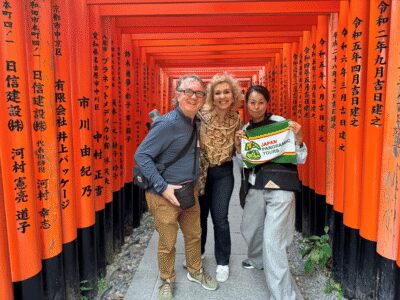
Fushimi Inari, Kinkakuji, Bamboo Grove 1 Day Bus Tour
Read our review →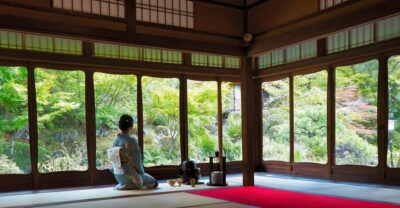
Tea Ceremony in a Traditional Tea House in Kiyomizu
Read our review →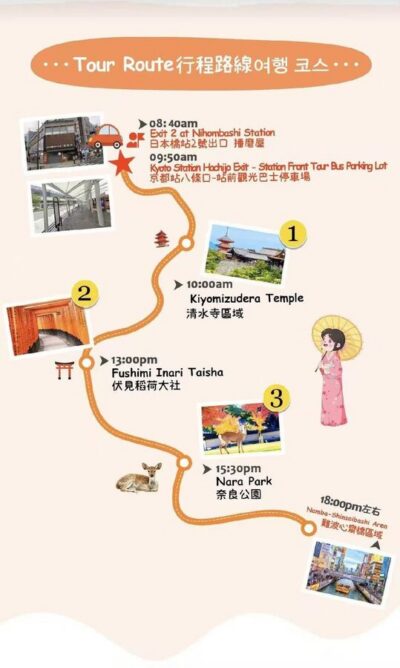
Kyoto Nara Day Trip │ Kiyomizu-dera Temple + Fushimi Inari-taisha Shrine + Nara Park (Departing from Osaka/Kyoto)
Read our review →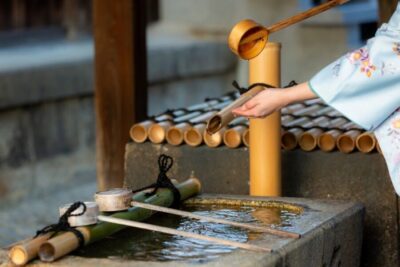
Browse the lists this tour appears in