
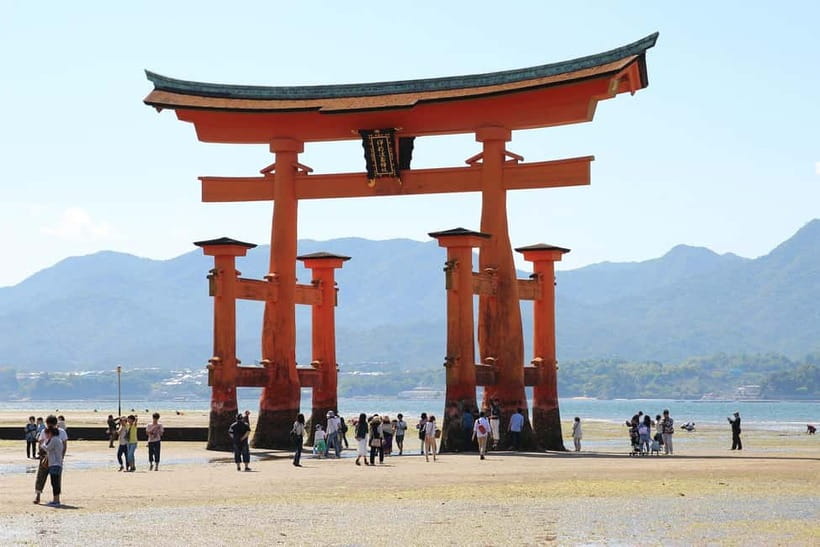
Reviewed · TEMPLES AND SHRINES
Day Trip to Hiroshima & Miyajima with Itsukushima Shrine
Miyajima gives you Japan’s postcard moment. I like the easy mix of ferry views and island scenery, and I value the chance to pair Itsukushima Shrine with Hiroshima’s Peace Memorial Park. The main drawback is time: fitting both places into one day leaves little room for wandering, especially when crowds or summer heat slow you down.
The bilingual guides are a real strength. Past departures have featured guides including Alex, Alan, Alejandro, Ally, and Pastor, with praise for clear explanations, thoughtful answers, and a respectful approach to Hiroshima’s painful past. If you choose the Miyajima-only option, you get a gentler, shorter outing, but you miss the emotional weight of the Peace Park.
In This Review
- Key points to know before booking
- Why pair Miyajima with Hiroshima?
- Starting from Hiroshima Station or Miyajima-guchi
- The ferry ride to Miyajima
- Inside Itsukushima Shrine
- One hundred minutes to explore Miyajima
- Returning to Hiroshima by ferry and coach
- Hiroshima Peace Memorial Park and the Atomic Bomb Dome
- Transport, language, and pace
- Is $39 a good value?
- Who should book this day trip?
- Should you book it?
- FAQ
- How much does the Hiroshima and Miyajima tour cost?
- How long does the experience last?
- What languages does the guide speak?
- Where does the combined tour meet?
- Where does the Miyajima-only option meet?
- Is lunch included?
- What should I bring?
- Is the tour suitable for wheelchair users?
- Can I cancel the booking?
Key points to know before booking
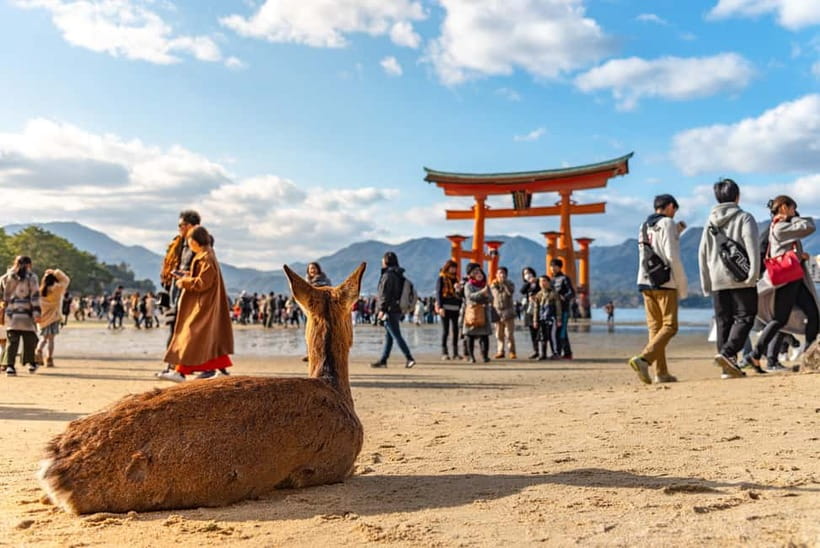
- The famous torii gate changes with the tide: Itsukushima’s great gate appears to float offshore when the water is high, while low tide can reveal the muddy flats around it.
- You get two very different Japanese experiences: Miyajima brings shrines, deer, food, and sea views; Hiroshima brings memorials, history, and quiet reflection.
- The tour can be bilingual in English and Spanish: Guides speak in both languages, so commentary may take longer than on an English-only tour.
- Free time matters here: The shrine has about 30 minutes with a guide and free time, followed by roughly 100 minutes to explore Miyajima independently.
- The $39 price is strong value: Transport, the ferry, shrine admission, and a live guide are included, while lunch is not.
- This is not a wheelchair-friendly outing: Expect transfers, ferry boarding, walking, and uneven or crowded areas.
Why pair Miyajima with Hiroshima?
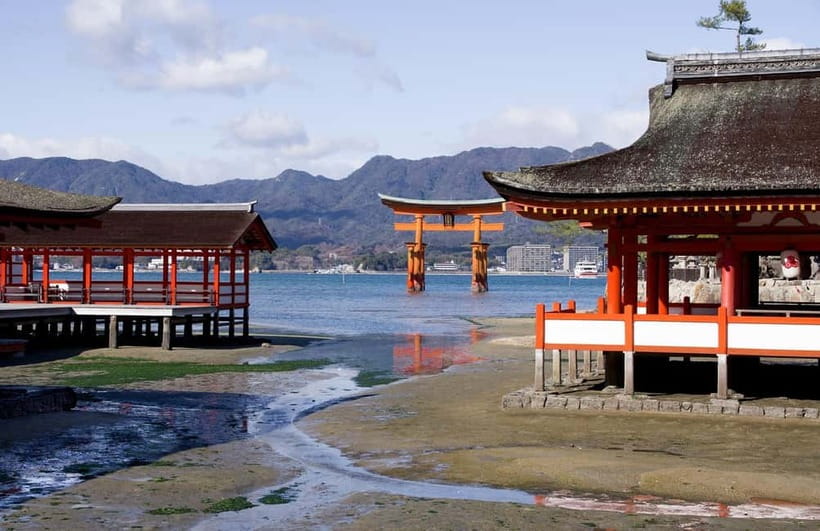
Miyajima and Hiroshima work well together because they show two sides of the region. The island is scenic and lighthearted, with deer wandering through the streets, maple-leaf pastries in shop windows, and oysters served in local restaurants. Hiroshima is quieter and more serious, asking you to think about the human cost of war and the meaning of peace.
I like that the day usually begins with Miyajima before moving to the Peace Memorial Park. That order gives you time to enjoy the island’s beauty before visiting a place that can feel emotionally heavy. One guide, Alan, was specifically praised for explaining Hiroshima in a way that was both moving and clear, then leaving time for independent exploration.
You should know that this is a highlights tour, not a slow island stay. You will see the central sights, but you will not have hours to hike Mount Misen, browse every lane, or linger over lunch. If you want the broadest introduction in one day, the schedule works. If you prefer a relaxed pace, Miyajima alone may suit you better.
More Day Trips in Hiroshima
- Hiroshima: Hiroshima and Miyajima UNESCO Sites 1-Day Tour
★ 4.9 · 2,330 reviews - From Hiroshima: Hiroshima & Miyajima 1 Day Tour with Lunch
★ 4.7 · 395 reviews - Hiroshima and Miyajima Day Trip with Itsukushima Shrine & Ferry
★ 5.0 · 378 reviews
Starting from Hiroshima Station or Miyajima-guchi
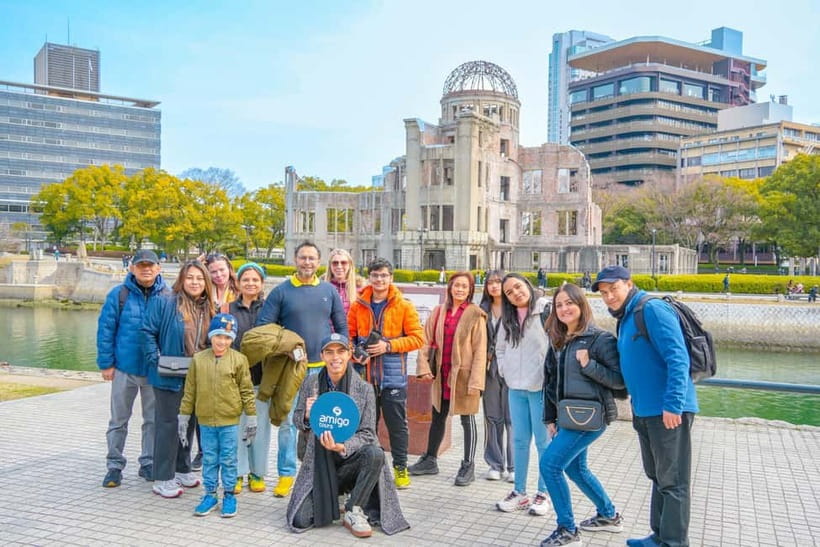
The meeting point depends on the option you book. For the combined Hiroshima and Miyajima trip, meet outside Hiroshima Station at the Shinkansenguchi Hiroba Bus Berth. Take the station’s North Exit, go down the stairs, and look between bus stops 8 and 9 for the guide holding an Amigo Tours sign.
The Miyajima-only option uses a different meeting point, outside Hiroshima Station Hiroden-Miyajimaguchi Station. Check your confirmation carefully, since arriving at the wrong station area could create a stressful start.
From the Hiroshima Station meeting point, the coach ride toward the coast takes about 50 minutes. This is useful transportation rather than dead time. You avoid sorting out local connections on your own, and the guide can begin setting the scene before you reach the island.
The bus ride may also be the first place you notice the practical advantage of a guided day. You do not need to work out the ferry terminal, shrine admission, or return timing while keeping an eye on the clock. That convenience is a large part of what makes the $39 fare attractive.
The ferry ride to Miyajima
The ferry is one of the best parts of the day, not just a way to get from shore to shore. The crossing takes about 30 minutes and gives you coastal views, fresh air, and an approach to Miyajima that feels more memorable than arriving by road.
Keep your camera ready as the island comes into view. The torii gate may be visible from the water, although its appearance depends on tide, weather, and your position on the ferry. The gate is famous for seeming to rise from the sea, but the effect is not identical at every hour.
The ferry can be busy, particularly during popular travel periods. Stay close enough to the group to hear instructions, but take a moment to look away from the crowd and out toward the coast. Comfortable shoes and water are important because the day combines boat travel, walking, and time outdoors.
Inside Itsukushima Shrine
Itsukushima Shrine is the heart of Miyajima. The site is associated with a long religious tradition dating back to the sixth century and is now protected as a UNESCO World Heritage site. Its wooden halls and corridors sit beside the water, creating the setting that makes the island so recognizable.
The guided portion lasts about 30 minutes, followed by free time. That split is sensible. A guide can point out the shrine’s main features and explain why the gate and waterfront setting matter, then you can move at your own pace for photographs and quiet observation.
Do not expect a long private visit. Thirty minutes passes quickly, especially if the shrine is crowded. A summer departure with temperatures around 35 degrees Celsius and high humidity felt particularly demanding, and busy conditions made it harder to see every museum exhibit later in Hiroshima. If you visit during a holiday weekend, build patience into your expectations.
The torii gate is the visual prize, but the shrine itself deserves attention. Look at the way the buildings frame the water and how the walkways guide you through the complex. The setting is not simply a photo stop. It explains why Miyajima has been admired as a sacred island for centuries.
More Temples and Shrines in Hiroshima
- Miyajima: Cultural Experience in Zen Temple
★ 5.0 · 258 reviews - Hiroshima & Miyajima 6.5h Guided Tour – Dome, Park & Shrine
★ 4.9 · 83 reviews - Miyajima: Private Rickshaw Tour to Itsukushima Shrine
★ 4.9 · 45 reviews - Miyajima Highlights: Itsukushima Shrine & Island Nature
★ 5.0 · 21 reviews
One hundred minutes to explore Miyajima
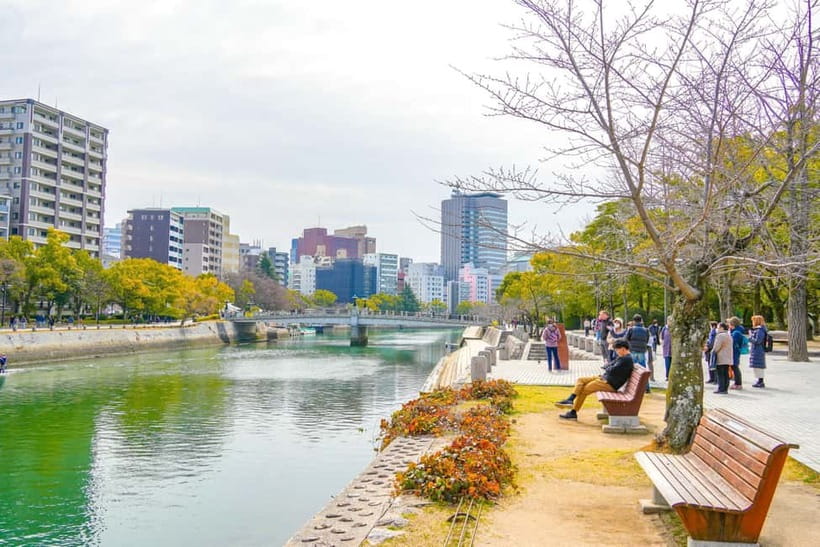
After the guided shrine visit, you get roughly 100 minutes of free time. This is enough for a focused wander, a snack, and a few extra sights, but you need to choose how to spend it.
You can stroll through the island’s attractive streets, look for the free-roaming deer, and sample local food. Miyajima oysters are a regional specialty, while momiji manju are maple-leaf shaped cakes that make an easy snack or souvenir. Lunch is not included, so this free period is also your chance to buy food.
Daisho-in Temple may be possible if you move efficiently. One half-day departure allowed time for the shrine, Miyajima, and a small uphill walk to Daisho-in. That detail is useful, but you should not assume every departure will leave enough time for the temple. The group’s pace, queues, tide, and your interest in food or shopping will all affect the decision.
I would not try to do everything. Choose one priority before you arrive:
- Spend time around the shrine and torii gate.
- Visit Daisho-in if you want a temple and short uphill walk.
- Eat oysters or momiji manju.
- Wander the streets and photograph the deer.
The island’s deer are charming, but keep your attention on where you are walking and on the guide’s meeting instructions. The free time is independent, so it is your job to return promptly.
Returning to Hiroshima by ferry and coach
The return ferry takes about 10 minutes, followed by about an hour by coach toward Hiroshima. The difference between the outward and return ferry times may reflect the route or operating conditions, so treat the stated duration as an estimate rather than a guarantee.
This transfer is where the group format saves effort. You can sit back after your island walk instead of checking train times and ferry connections. The tradeoff is that you follow the tour’s schedule. If you discover a quiet corner of Miyajima that you want to enjoy longer, you cannot simply extend your visit.
The combined tour then continues to Hiroshima Peace Memorial Park. The Miyajima-only option ends after the island portion, making it the better fit if you want a shorter outing or prefer to visit Hiroshima’s memorial sites separately.
Hiroshima Peace Memorial Park and the Atomic Bomb Dome
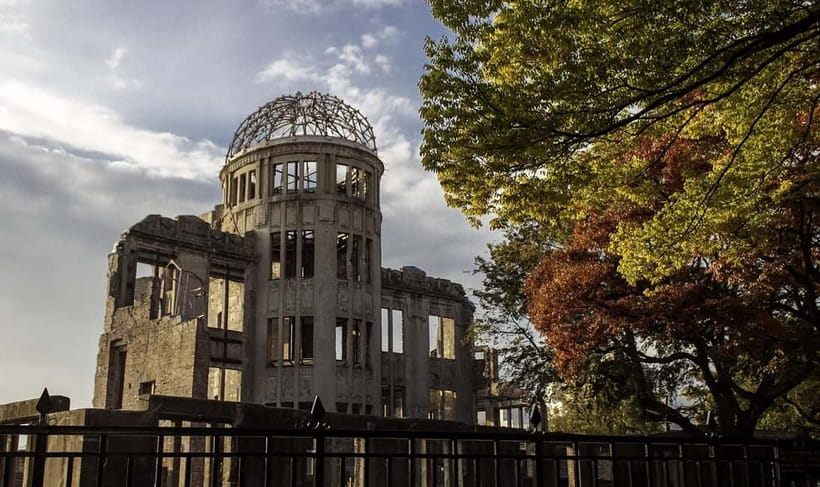
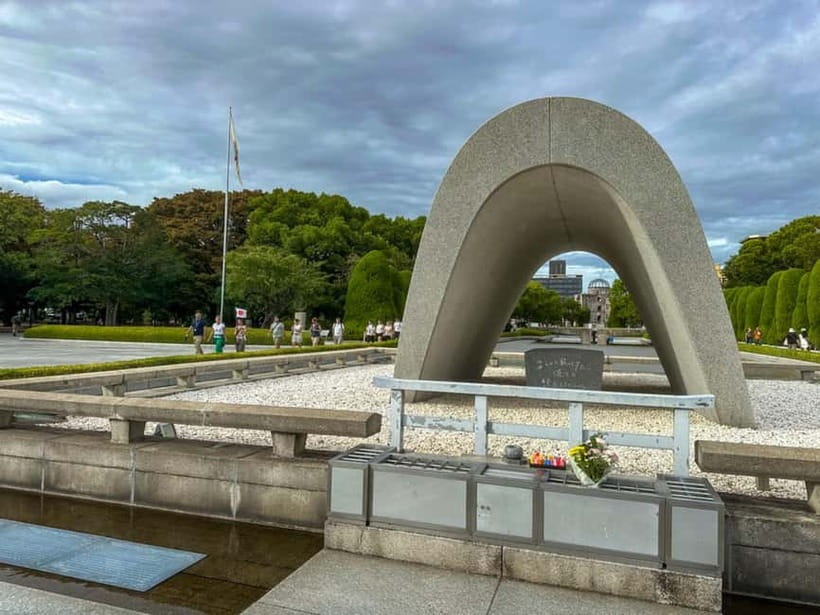
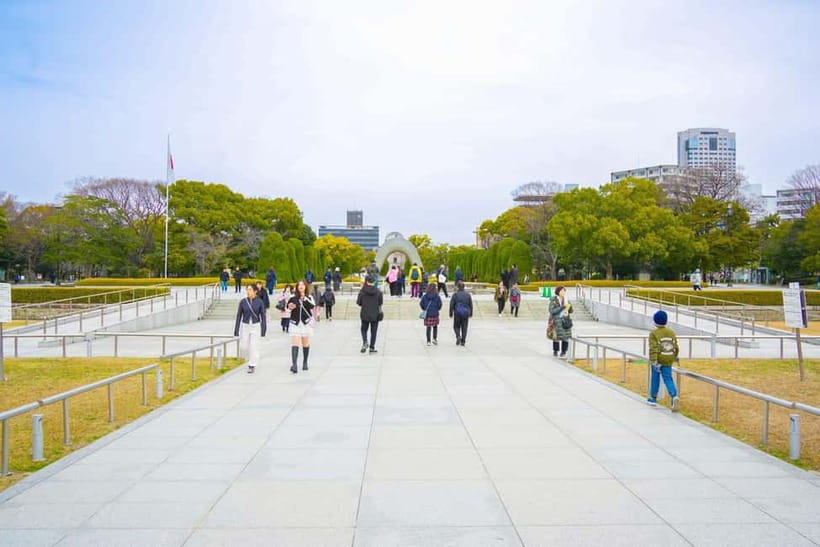
The Peace Memorial Park changes the tone of the day. It is a place for quiet thought, not quick sightseeing. The park includes the Hiroshima Peace Memorial, the Atomic Bomb Dome, and other monuments connected with the victims of the 1945 atomic bombing.
The guided visit lasts about two hours, with a mixture of explanation and independent time. In practice, some departures have included about one hour of guided walking followed by about one hour to explore the museum on your own. That arrangement gives you context before you face the exhibits, then space to process what you see.
The Atomic Bomb Dome is especially powerful because it remains as a physical reminder of the destruction. The surrounding memorials ask you to consider the lives lost and the city’s rebuilding. The experience can be painful, and that is part of its purpose. A guide who presents the subject with care can help you understand the events without turning the visit into a rushed lecture.
You should allow emotional energy as well as physical energy. Some people may want more time in the museum, while others may find two hours enough. On a crowded summer day, the museum was difficult to view fully, so do not assume that the scheduled time guarantees a quiet look at every display.
Several guides have been praised for explaining the bombing and wartime history clearly. Alan, Alex, and Alejandro were singled out for strong presentations and for answering questions in a helpful way. Guide assignments change, but the overall bilingual format means English and Spanish speakers can follow the main story.
Transport, language, and pace
The tour uses a bus or coach for the longer road sections, with the ferry connecting Hiroshima and Miyajima. Transport received a high score, with 89 percent of ratings giving it a perfect mark. That matters because this route involves several moving parts, and a missed connection could cost you valuable time.
The guides speak English and Spanish. On bilingual departures, the guide explains a subject in English and then repeats it in Spanish. That makes the tour accessible to both language groups, but it can also lengthen commentary and reduce the amount of unscheduled time.
The full combined experience can last up to eight hours. The Miyajima-only version is shorter, with the advertised duration ranging down to about 210 minutes. Check the exact option and start time before booking, since the meeting point, route, and total length change.
The walking is manageable for many people who are comfortable on their feet, but the tour is not suitable for wheelchair users. Bring comfortable shoes, water, and a camera. In hot weather, humidity and crowds can make the day feel harder than the timetable suggests.
Is $39 a good value?
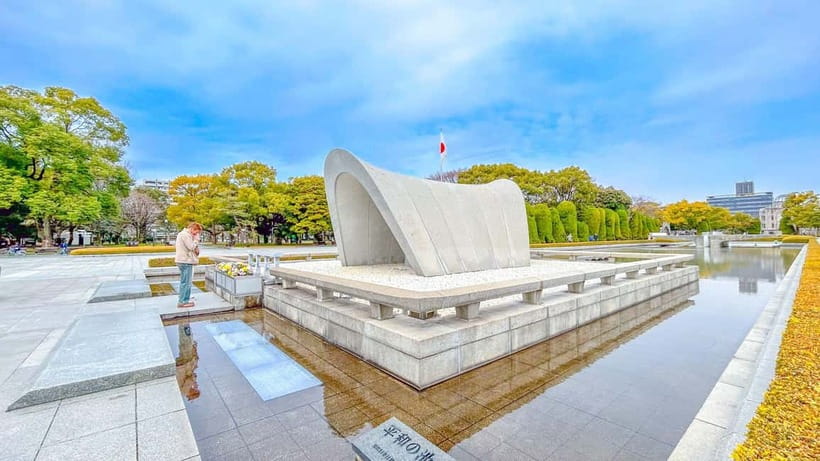
At $39 per person, this is an unusually practical way to connect two major sights. The fare includes transportation from the meeting point, the ferry, admission to Itsukushima Shrine, and a bilingual guide. Buying those pieces separately would require more planning, and you would lose the benefit of a guide connecting the island and memorial park.
Lunch is not included. That is not a serious weakness because Miyajima offers food during the free period, but you should budget for it and avoid spending all your free time in a long restaurant queue.
The strongest value comes from the combined option if you have only one day. You receive transport, cultural explanation, shrine admission, ferry travel, and a guided introduction to Hiroshima’s memorial sites without having to coordinate the route yourself.
The Miyajima-only option may be better value for a slower island visit. You will still see the shrine, ride the ferry, sample food, and wander the streets, but you will not feel pulled from one major sight to another as quickly.
Free cancellation up to 24 hours before departure and the option to reserve now and pay later add useful flexibility. Those terms are helpful when your Japan schedule depends on train reservations or changing weather.
Who should book this day trip?
I would recommend the combined tour if you are based in Hiroshima for a short stay, arriving from Osaka by Shinkansen, or trying to cover the region’s essential sights in one day. One departure even worked for people traveling from Osaka and returning by Shinkansen, though that makes for a long day and requires careful train planning.
It suits first-time visitors who want context rather than a purely self-guided visit. The guides have been praised for being approachable, safe, and prepared to answer questions. That can make a major difference at the Peace Park, where the subject deserves more than a quick photograph.
Families with young children should think about the pace and the emotional content. The deer and pastries may be a hit, but the Hiroshima portion can be difficult. Older visitors or anyone with limited mobility should note that wheelchair users cannot join and that the day includes walking, ferry boarding, and busy public areas.
If your priority is photography, tide timing matters. The torii may look most like its famous floating image at high tide, but this tour does not promise a specific tide schedule. If your priority is food, the 100-minute island period gives you a chance to try oysters or momiji manju, but lunch is self-funded and time is limited.
Should you book it?
Book this tour if you want an efficient, low-cost introduction to Miyajima and Hiroshima, and you appreciate having the transport and historical explanation handled for you. The strongest parts are the ferry approach, the shrine setting, the well-organized coach transfers, and the careful presentation of Hiroshima’s memorial sites.
Choose Miyajima only if you want a less intense day. Skip the tour if you need wheelchair access, dislike fixed schedules, or want several hours for Mount Misen, museums, and unhurried meals. For most first-time visitors with one open day, the combined option offers a lot for $39, as long as you accept a brisk pace and prepare for Hiroshima’s emotional weight.
FAQ
How much does the Hiroshima and Miyajima tour cost?
The listed price is $39 per person. Transportation, the ferry, Itsukushima Shrine admission, and a live bilingual guide are included. Lunch is not included.
How long does the experience last?
The available options range from about 210 minutes to eight hours. The combined Hiroshima and Miyajima option follows the longer schedule, while the Miyajima-only option is shorter. Check the selected option for the exact duration.
What languages does the guide speak?
Guides provide commentary in English and Spanish. On bilingual departures, the guide may explain each subject in English and then repeat it in Spanish.
Where does the combined tour meet?
Meet outside Hiroshima Station at the Shinkansenguchi Hiroba Bus Berth, between bus stops 8 and 9. Use the North Exit, go down the stairs, and look for the guide holding an Amigo Tours sign.
Where does the Miyajima-only option meet?
The Miyajima-only option meets outside Hiroshima Station Hiroden-Miyajimaguchi Station. The guide will be holding an Amigo Tours sign.
Is lunch included?
No. Lunch is not included, so you should plan to buy food during the free time on Miyajima.
What should I bring?
Bring comfortable shoes, water, and a camera. The day includes walking, ferry travel, and time outdoors.
Is the tour suitable for wheelchair users?
No. The experience is not suitable for wheelchair users.
Can I cancel the booking?
You can cancel up to 24 hours in advance for a full refund. The tour also offers a reserve-now-and-pay-later option.
Just added in Hiroshima
- Hiroshima Peace Memorial Museum Ticket★ 4.8 · 2,727 reviews
- Hiroshima Peace Memorial Museum Admission★ 4.6 · 1,308 reviews
- Private Full Day Hiroshima Tour★ 4.5 · 29 reviews
- The Peace Memorial to Miyajima : Icons of Peace and Beauty★ 4.5 · 31 reviews
- Shore Excursion from Hiroshima Port : Private Tour in Hiroshima★ 5.0 · 17 reviews
- Hiroshima & Miyajima All-Inclusive Tour w/Licensed guide Pancho★ 5.0 · 54 reviews
- Hiroshima Country Cycling: Explore Rural Life 1 HR from City★ 5.0 · 22 reviews
- Hiroshima Saijo Sake Tasting Tour with visit to 7 Breweries★ 5.0 · 104 reviews
Temples and Shrines, compared.
![[Kyoto & Nara Day Tour] Sagano Scenic Railway & Nara Park & Fushimi Inari Taisha Thousand Torii Gates & Togetsukyo Bridge & Bamboo Grove & Kimono Forest (Departing from Osaka)](https://media.japanvisits.com/wp-content/uploads/kyoto-nara-day-tour-sagano-scenic-railway-nara-park-fushimi-inari-taisha-thousand-torii-gates-togetsukyo-bridge-bamboo-grove-kimono-forest-departing-from-osaka-k110001-400x257.jpg)
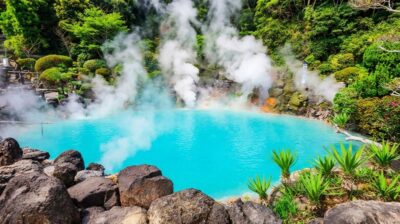
Kyushu One-Day Tour: Yufuin no Mori Train & Yufuin Town & Nyoirin-ji Temple & Dazaifu & Hell Hot Springs (Departing from Fukuoka)
Read our review →
Fushimi Inari, Kinkakuji, Bamboo Grove 1 Day Bus Tour
Read our review →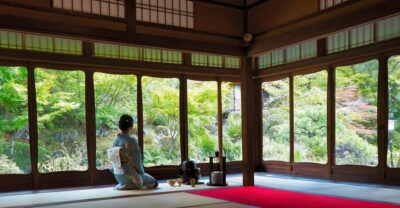
Tea Ceremony in a Traditional Tea House in Kiyomizu
Read our review →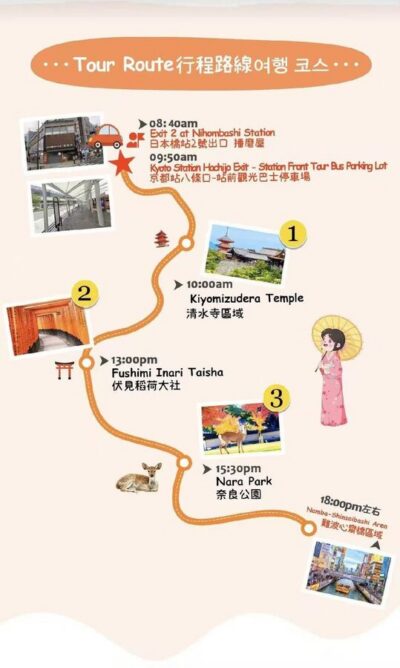
Kyoto Nara Day Trip │ Kiyomizu-dera Temple + Fushimi Inari-taisha Shrine + Nara Park (Departing from Osaka/Kyoto)
Read our review →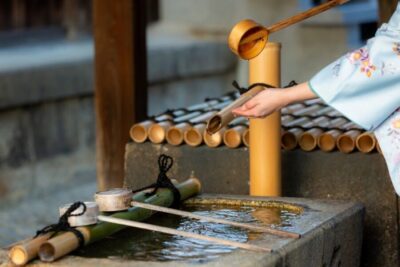
Browse the lists this tour appears in