
Reviewed · WALKING TOURS
Nagano: Tateyama-Kurobe Guided Walking Tour
Japan’s mountain day trip is a full-body experience. From Nagano, you ride buses, an electric trolley bus, a ropeway, and more to reach Murodo at 2,450 meters. I like the variety of mountain transport, which makes the journey feel like part of the adventure, and I like the guided walk beneath Mount Tate, where alpine flowers, autumn colour, and mountain worship come together.
The main drawback is the amount of time spent moving between stations. You have roughly two hours of free time at Murodo, but the day runs from an 8:15 meeting to a return between 18:00 and 19:00. At $232 per person, this is good value if you want the route handled for you, but less so if you prefer a slow, independent mountain day.
In This Review
- Key points to know before you book
- Why this route feels different from an ordinary day tour
- Ogizawa Station starts the climb
- Kurobe Dam combines engineering and scenery
- The Tateyama Ropeway is a highlight in its own right
- Murodo at 2,450 meters is the day’s main reward
- Flowers in summer, colour in autumn, snow later
- The guide can make a complicated day feel simple
- What to eat and what to pack
- Is $232 a fair price?
- Who will enjoy this most?
- Practical booking notes
- Should you book the Tateyama-Kurobe tour?
- FAQ
- Where does the tour meet?
- What time does the tour begin?
- How long does the tour last?
- What is included in the price?
- Is lunch included?
- How high does the tour go?
- What should I wear?
- Can I cancel the booking?
Key points to know before you book
- Four kinds of mountain transport: Reach the high plateau by coach, electric trolley bus, Tateyama Ropeway, and another trolley bus.
- Kurobe Dam is a major stop: Japan’s highest dam gives you time for views and a look at one of the country’s largest engineering projects.
- Murodo sits at 2,450 meters: This is Japan’s highest station and the starting point for the alpine walk.
- Season changes the experience: July and August bring alpine flowers, while September and October are best for autumn colour.
- Guides add real value: Guides such as Kieron, Orlando, Luki, and Jans have been praised for clear English, patience, timing, and regional insight.
Why this route feels different from an ordinary day tour
Many mountain trips are mainly about reaching a viewpoint. Here, getting there is half the pleasure. The Tateyama-Kurobe Alpine Route uses a chain of transport systems to cross the Northern Japan Alps, so you are constantly changing your angle, altitude, and view.
The route begins in Nagano City, with the main meeting point at 08:15 in front of the information board opposite the shinkansen ticket gates at JR Nagano Station. There is also a pickup at Hotel Kokusai 21 before the station stop. From there, the coach takes about 115 minutes to reach Ogizawa Station.
That first ride matters. You can settle in before the more active part of the day begins, but you should understand that this is not a quick hop into the mountains. The return journey is also long, with the coach reaching Nagano between 18:00 and 19:00.
The route is especially useful if you are staying in Nagano and do not want to arrange several separate tickets. Your tour price includes transport from Nagano, the return Alpine Route ticket, and an English-speaking guide. You still need to pay for lunch, drinks, snacks, and any shinkansen tickets needed to reach Nagano.
More Walking Tours in Nagano
- Food & Cultural Walking Tour around Zenkoji temple in Nagano
★ 5.0 · 58 reviews - Matsumoto Castle Town Walking Tour
★ 4.8 · 58 reviews - Matsumoto Discovery – Half Day Walking Tour
★ 5.0 · 43 reviews
Ogizawa Station starts the climb
The coach arrives at Ogizawa around 09:45. Your guide gives you time to prepare before the first mountain transport, the Kanden Tunnel trolley bus. This short pause is practical, since the rest of the morning follows a fixed sequence and you need to stay aware of departure times.
The guide-led format is useful here. There are several transfers, and the group must move together through the route. Guides including Kieron and Orlando have been praised for making sure everyone reaches the next transport on time, while still explaining what you are seeing.
This is one of the strongest reasons to book a tour rather than arrange the route alone. You are not simply handed a ticket and left to guess where to go next. Someone is watching the clock, explaining the next step, and helping keep the group together.
Kurobe Dam combines engineering and scenery
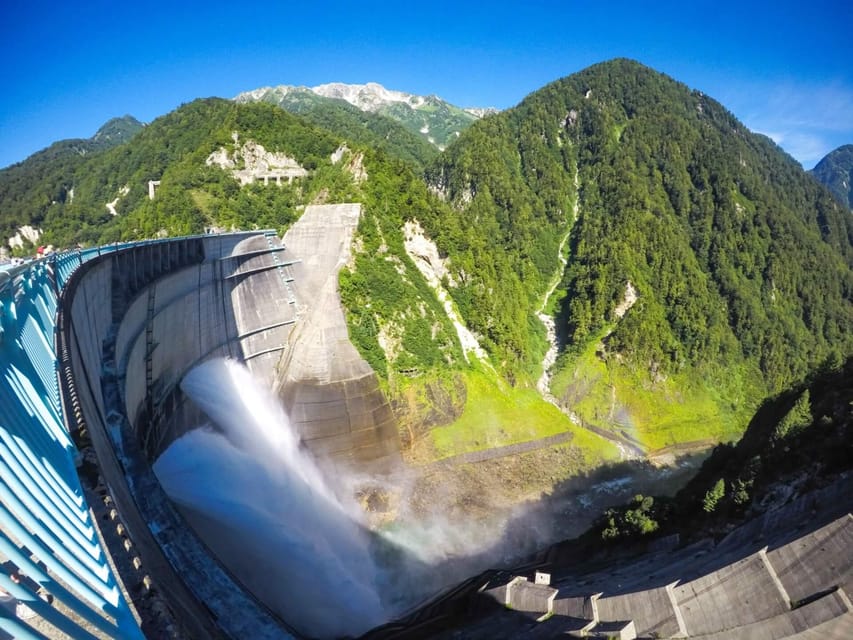
The first major stop is Kurobe Dam, Japan’s highest dam. It was built between 1956 and 1963, with up to 10 million people involved in the construction effort. That scale gives the stop more weight than a normal photo break.
You have about 30 minutes here for sightseeing and a short break. The surrounding mountains provide the visual reward, while the dam itself gives you a clear sense of the effort needed to build infrastructure in this difficult setting.
I would treat Kurobe Dam as a focused stop rather than a long visit. Thirty minutes is enough to see the main views and listen to your guide, but not enough for a leisurely exploration of every angle. If you enjoy large-scale engineering, this may be one of the most memorable parts of the day. If you only want alpine walking, the stop may feel brief.
The dam also provides a useful contrast. The route is often sold through its natural beauty, but this part shows how human construction has shaped access to the mountains.
The Tateyama Ropeway is a highlight in its own right
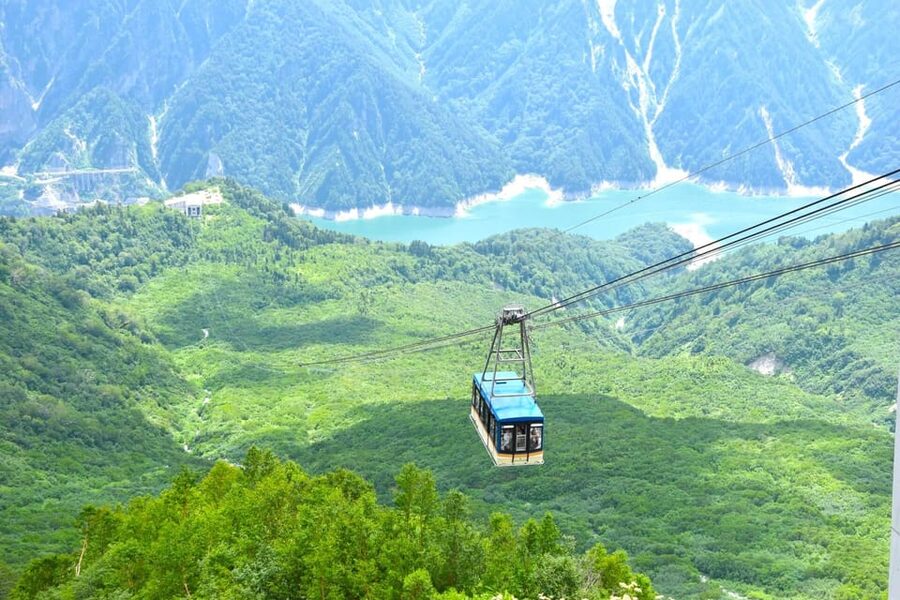
After Kurobe Dam, the route continues upward through a series of mountain transports. The Tateyama Ropeway covers about 1,700 meters and carries you toward Daikanbo.
This is one of the best moments for broad views. You can see the forests below from above, and the scenery changes as you gain height. In September and October, the forests are often coloured with reds, oranges, and browns, while the higher grasses and shrubs take on their own autumn tones.
The ropeway is also a good reminder that this is not a standard coach tour. You are not watching the mountains through the same window all day. You are walking through stations, riding underground or above the trees, and shifting from road transport to cable transport.
From Daikanbo, you take the final trolley bus to Murodo. The sequence sounds complicated on paper, but that is where an organized guide earns the fee. The transport is memorable, yet the transfers would be less relaxing if you had to manage every stage yourself.
A completely different kind of day out:
- 1-Day Snow Monkeys, Zenko-ji Temple & Sake in Nagano
★ 5.0 · 1,020 reviews - Nagano: Snow Monkeys, Zenkoji Temple & Sake Day Trip
★ 4.9 · 833 reviews - [Nagoya Kamikochi Hiking Tour] One-Day Nature Forest Hiking Tour of Kamikochi & Taisho Pond & Tashiro Pond & Kappa Bridge & Myojin Pond & Hotaka Mountain Range & Hotaka Shrine Okumiya (Departure from Nagoya)
★ 4.7 · 423 reviews - From Tokyo: Snow Monkey 1 Day Tour with Beef Sukiyaki Lunch
★ 4.6 · 295 reviews
Murodo at 2,450 meters is the day’s main reward
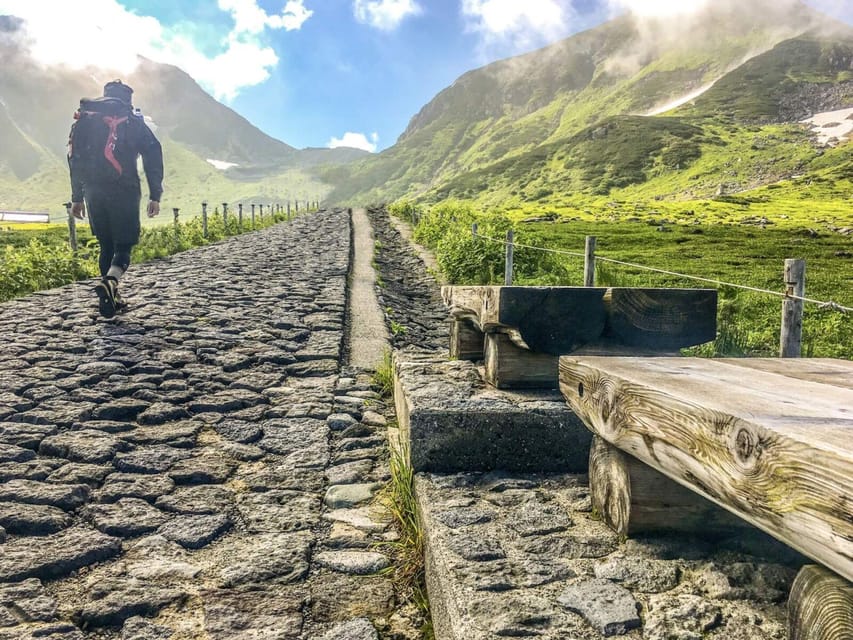
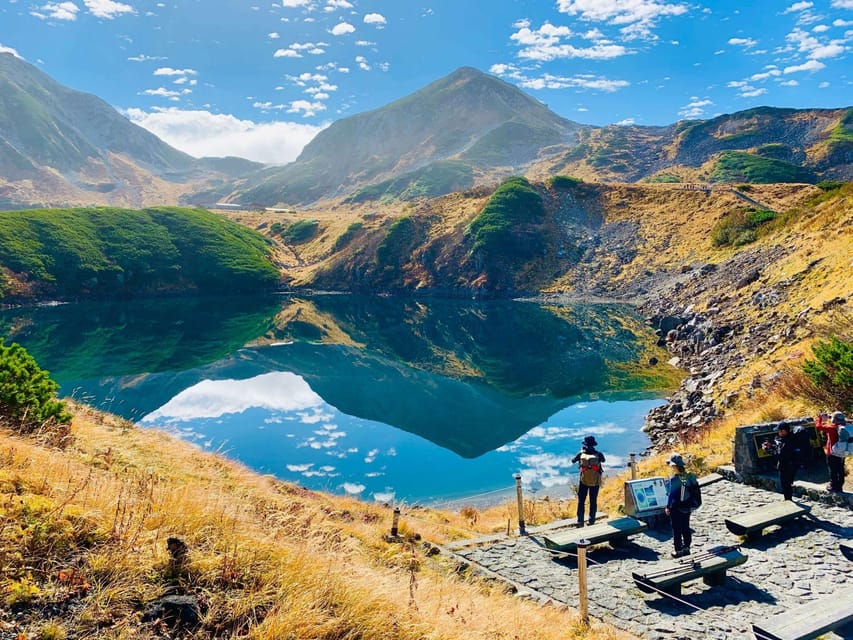
Murodo is Japan’s highest station, at 2,450 meters. It is your gateway to the high alpine plateau below Mount Tate’s summit, and the setting changes sharply from the lower sections of the route.
The tour allows about 2.5 hours for the guided visit and ropeway-related sightseeing, followed by about two hours of guided time and free time. The supplied schedule presents these as separate blocks, but the practical message is simple: you get a meaningful stay at Murodo, not just a quick photograph before turning around.
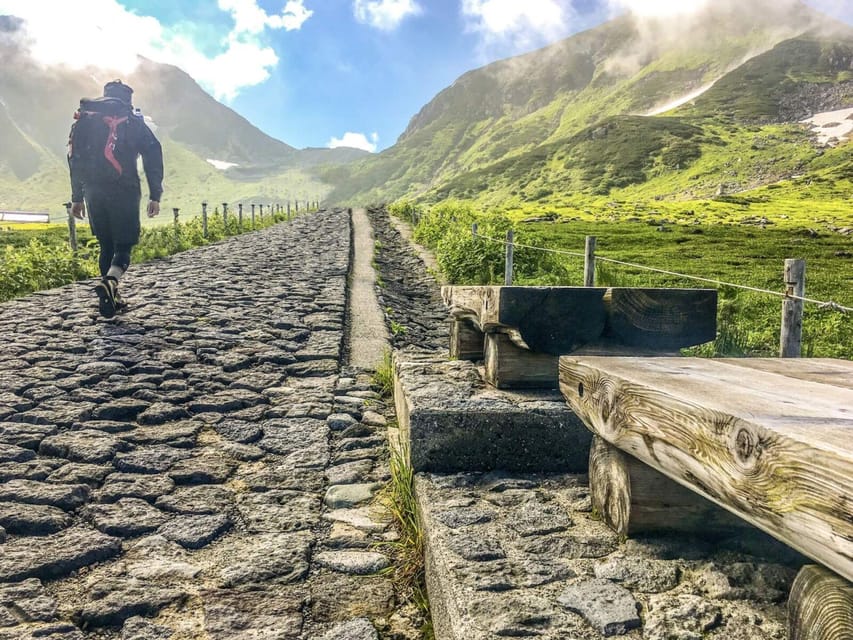
The guided walk lasts about one hour and is described as leisurely, suitable for anyone of reasonable fitness. Your guide explains the importance of the surrounding area and its connection to Japan’s tradition of mountain worship.
That cultural context gives the walk more purpose. You are not only looking at flowers or mountain ridges. You are learning why these peaks matter in Japanese religious tradition and why the route has long carried a sense of pilgrimage and respect for nature.
You can also spend some of the time exploring independently, then meet your guide again at the appointed time. That balance works well. You receive an introduction to the area, but you are not required to remain shoulder to shoulder with the guide for every minute.
Flowers in summer, colour in autumn, snow later
Timing is central to this tour. The high plateau does not offer the same experience throughout the operating season.
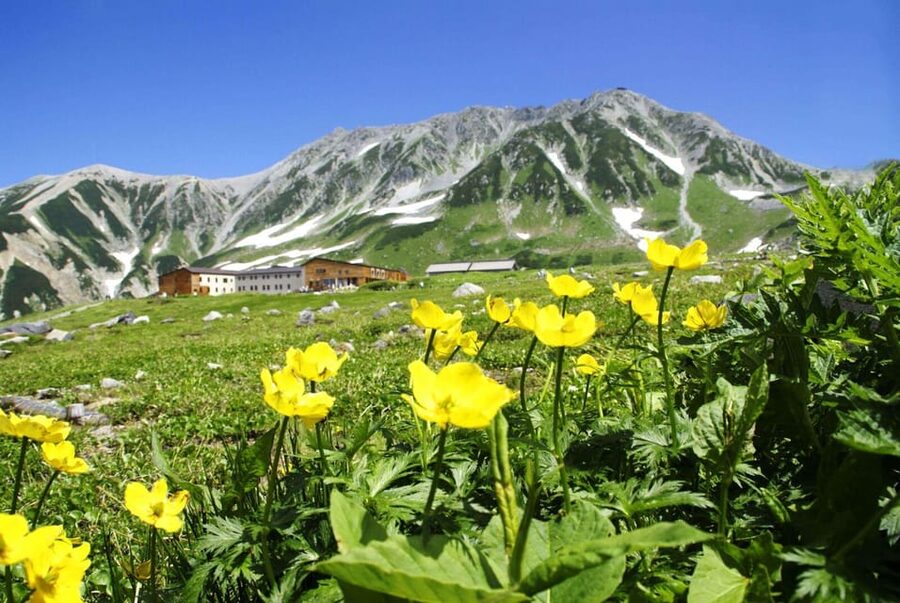
July and August are the best months for alpine flowers. Daytime temperatures at Murodo average about 11 to 16°C in July and 12 to 18°C in August, so the high point can feel cool even when Nagano City is warm. Pack layers rather than relying on a typical summer outfit.
September and October bring autumn colour. The alpine grasses and shrubs can turn red, orange, and brown, while the lower forests are visible from the ropeway during the ascent and descent. September averages about 9 to 15°C during the day, and October drops to roughly 3 to 10°C.
November is a very different proposition, with average daytime temperatures of about minus 5 to 2°C. Ice and snow may affect the walking paths. One visitor who went in November specifically wished they had brought spiked overshoes, even though they owned a pair at home. That is excellent practical advice: if you visit late in the season and already have traction gear, bring it.
Snow can also make the route feel especially striking. A November visit included snowy scenery and even monkeys along the road, but cold conditions can make the walking portion more demanding. Do not assume the word leisurely means warm, dry, or entirely easy underfoot.
The guide can make a complicated day feel simple
The guide is not just there to translate. The most useful role is managing the day’s rhythm.
You need to catch several forms of transport, stay with the group through stations, and return to Ogizawa in time for the coach. Guides named in the feedback include Kieron, Orlando, Luki, and Jans. Kieron was praised for being friendly, patient, polite, and attentive to all members of the group. Orlando was credited with keeping the day running well in good weather, while Luki was praised for her English, warmth, and regional information.
One guide was described as having an Australian background and speaking both English and Japanese fluently. That combination can be helpful when the group needs to follow Japanese signage or understand instructions quickly.
The tour is also suitable for solo visitors who want company without having to build their own group. A small group setting can make it easier to meet people, while the guide provides a common point of contact throughout the day.
The strongest praise focuses on timing and care. That matters more here than it would on a simple walking tour. Miss one transfer and the whole day could become stressful, so a guide who keeps everyone moving is part of the value.
What to eat and what to pack
Lunch is not included, and the schedule does not leave a large open block for a long restaurant meal. Bring snacks and drinks from Nagano or use available facilities along the route if time permits. The important point is not to arrive at the mountain section expecting lunch to be arranged for you.
Dress for Murodo, not for Nagano City. Temperatures can be much lower at 2,450 meters. Your basic packing list should include:
- Warm layers, even in July and August
- A waterproof outer layer
- Comfortable walking shoes
- Extra food and water
- Gloves and a hat for October or November
- Traction aids for icy late-season paths if you have them
The route is listed as wheelchair accessible, but the walking portion is described as suitable for people of reasonable fitness. Accessibility on a transport-heavy mountain route can depend on the exact conditions and activities available that day, so anyone needing specific assistance should confirm details before booking.
Is $232 a fair price?
At $232, this is not a cheap day out. It becomes easier to justify when you add up what is included: the return coach from Nagano, the full Tateyama-Kurobe Alpine Route return ticket, and an English-speaking guide.
The price also buys convenience. You avoid figuring out the transport chain, buying separate route tickets, and keeping track of each transfer. That is particularly valuable for solo visitors, first-time Alpine Route users, and anyone who wants to focus on the views rather than station procedures.
The value is weaker if you already understand the route and enjoy planning transport yourself. You also need to budget separately for your journey to Nagano, lunch, drinks, and accommodation.
I would think of the cost as a transportation-and-guidance package rather than a simple walking tour. The actual walk is only about an hour, but the full day gives you access to a much larger route that would be awkward to coordinate without help.
Who will enjoy this most?
I would recommend this tour if you want to see the Tateyama-Kurobe Alpine Route from Nagano in one organized day. It suits people who enjoy scenery, unusual transport, light walking, Japanese mountain culture, and a clear timetable.
It is particularly good for:
- Solo visitors who want an easy way to join a small group
- First-time visitors to the Alpine Route
- People who prefer English guidance
- Anyone visiting in autumn for mountain colour
- Visitors who do not want to arrange several transfers themselves
I would hesitate if you want a long, demanding hike, a completely independent day, or a relaxed lunch with no fixed schedule. The tour gives you a taste of the high mountains, not a full mountaineering experience.
The schedule is also long. You leave early, spend hours in transit, and return in the evening. That is the tradeoff for reaching Murodo in one day from Nagano.
Practical booking notes
The meeting point is at JR Nagano Station at 08:15, in front of the information board directly opposite the shinkansen ticket gates. Arrive early enough to find the spot without rushing.
Free cancellation is available up to 24 hours before departure for a full refund, and you can reserve now while paying later. Infants aged 0 to 5 are free, though they may need to sit on an adult’s lap.
The tour operates in English, and all listed activities remain subject to availability. If part of the route needs changing because a specific experience cannot operate, the provider says it will contact you about alternatives.
Should you book the Tateyama-Kurobe tour?
Book it if you want the Alpine Route without the stress of arranging its many moving parts. The best reasons are the striking ride to Murodo, the Kurobe Dam stop, the seasonal mountain scenery, and guides who appear to take timing and group care seriously.
Skip it if you want an inexpensive walk or several hours of independent hiking. At $232, the tour earns its price through access, transport, and organization rather than the length of the guided walk.
For the best match, choose July or August for flowers, September or October for autumn colour, and November only if you are ready for serious cold and possible ice. Pack lunch, wear layers, and bring traction gear late in the year. If those conditions suit you, this is one of the more memorable full-day mountain trips available from Nagano.
FAQ
Where does the tour meet?
The main meeting point is in front of the information board at JR Nagano Station, directly opposite the shinkansen ticket gates.
What time does the tour begin?
The meeting time at JR Nagano Station is 08:15. There is also a pickup point at Hotel Kokusai 21 before the Nagano Station stop.
How long does the tour last?
It is a full-day tour. You return to Nagano City between approximately 18:00 and 19:00.
What is included in the price?
The price includes transport from Nagano to the Tateyama-Kurobe Alpine Route via Ogizawa, a return Alpine Route ticket, and an English-speaking guide.
Is lunch included?
No. Lunch, snacks, and drinks are not included, so you should plan to bring or purchase your own food.
How high does the tour go?
The tour reaches Murodo at 2,450 meters. Murodo is Japan’s highest station and the starting point for the alpine walking section.
What should I wear?
Dress for cool mountain conditions. Average daytime temperatures range from 11 to 18°C in July and August, 9 to 15°C in September, 3 to 10°C in October, and minus 5 to 2°C in November.
Can I cancel the booking?
You can cancel up to 24 hours in advance for a full refund. The tour also offers a reserve-now-and-pay-later option.
Just added in Nagano
- [Nagoya Kamikochi Hiking Tour] One-Day Nature Forest Hiking Tour of Kamikochi & Taisho Pond & Tashiro Pond & Kappa Bridge & Myojin Pond & Hotaka Mountain Range & Hotaka Shrine Okumiya (Departure from Nagoya)★ 4.7 · 423 reviews
- Snow Monkey Park & Miso Production Day Tour from Nagano★ 5.0 · 18 reviews
- Snow Monkeys, Hokusai & Sake: A Perfect Day in Nagano★ 5.0 · 19 reviews
- Wasabi Farm Walking Tour & Lunch★ 4.5 · 20 reviews
- Ski or Snowboard Lesson in Shiga Kogen (4Hours)★ 5.0 · 34 reviews
- Snow Monkey & Shibu Onsen Afternoon Tour (Depart: Iiyama & Nozwa)★ 5.0 · 54 reviews
- 1-Day Tateyama-Kurobe Tour: Walking on the ‘Roof of Japan’★ 5.0 · 20 reviews
- Nagano Spring: 1-Day Cherry Blossoms & Snow Monkeys Guided Tour★ 5.0 · 31 reviews
Walking Tours, compared.
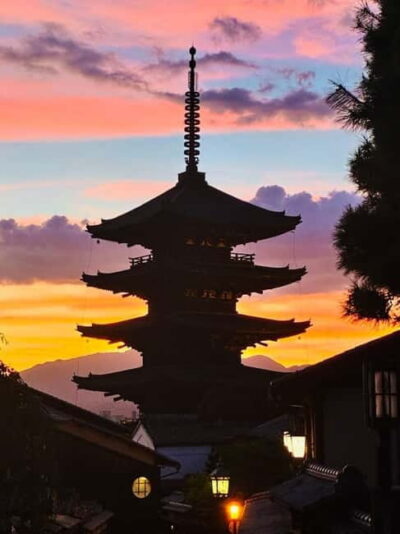
Kyoto Geisha Walking Tour: Gion District & Hidden Gems
Read our review →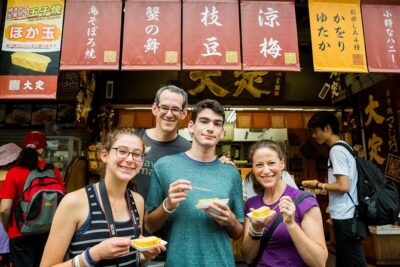
Tokyo Tsukiji Fish Market Food and Culture Walking Tour
Read our review →
Gion Magical Night Walking Tour with Geisha Trivia
Read our review →
Imperial Palace and Shogun Historical Walking Tour
Read our review →
Gion Geisha District Walking Tour – Stories of Geisha
Read our review →

Shinjuku Local Bar and Izakaya Guided Walking Tour
Read our review →
Browse the lists this tour appears in