
Reviewed · MULTI-DAY TOURS THAT VISIT SAPPORO
North Japan End Sapporo by Europamundo – 8-Day Tour: Itinerary & Reviews
Tokyo to Sapporo by way of Nikko, Matsushima Bay and Hakodate is a fine route for seeing Japan beyond the usual Tokyo-Kyoto circuit. The trip’s best feature is its range: sacred sites, a bay cruise, festival floats, a ferry crossing and Hokkaido’s volcanic scenery all fit into eight days.
I like two things in particular: you get local context from a guide while crossing a part of Japan that takes effort to arrange independently, and the itinerary makes room for distinctive rituals, including a Zen ceremony at Motsuji Temple and a Shinto prayer at Hokkaido Jingu. One consideration: the schedule is brisk, with long coach journeys and little time to linger in several stops.
In This Review
- What to know before you go
- A northbound route with more than city stops
- Tokyo: temples, a tower and a fast-moving first day
- Nikko and Sendai: sacred sites, then city life
- Matsushima and Hiraizumi: a bay cruise and temple gardens
- Aomori to Hakodate: festival floats and a ferry crossing
- Hakodate, Onuma and Noboribetsu: Hokkaido’s outdoors
- Sapporo and Otaru: a final full day
- Guides, group size and the real pace
- Is the $2,470 starting price good value?
- Should you book this Tokyo to Sapporo tour?
- FAQ
- Where does the tour start and end?
- Are flights included in the tour price?
- What meals are included?
- What hotels does the tour use?
- Is the tour conducted in English?
- How large can the group be?
- How much walking is involved?
What to know before you go
- Nikko’s Crying Dragon room and the Jizo statues at Kannanga Fuchi give the early part of the trip a strong cultural start.
- Matsushima Bay is seen by boat, with a 50-minute cruise and lunch on board, as well as a traditional tea stop overlooking the water.
- Hirosaki Castle is viewed from outside, while Aomori’s Nebuta Museum offers a closer look at the region’s illuminated festival floats.
- The Aomori to Hakodate ferry takes just over three and a half hours, a scenic break from the coach travel.
- Otaru and the Hill of Buddha fill much of the Sapporo day trip, leaving the afternoon free when the group returns around 3:30 p.m.
- English and Spanish may both be used on tour, and group size can range from 2 to 72. Confirm how guiding will work for your departure.
A northbound route with more than city stops
This eight-day group tour starts in Tokyo and ends in Sapporo, linking 11 destinations across northern Honshu and Hokkaido. It is a useful choice if you want the big transport and hotel pieces arranged for you, but still want to see places that are often skipped on a first trip to Japan.
The route is not a slow, stay-put holiday. You change hotels most nights, cover long distances by coach, and usually have a planned visit soon after arrival. In return, you see temple towns, coastal scenery, festival culture and a major city in Hokkaido without booking each connection yourself.
The stated starting price is from $2,470, based on the cheapest room option. That price includes hotel accommodation, an arrival transfer, listed transport and admissions, breakfast, four lunches, one dinner, and basic travel insurance. Flights before and after the tour are extra, so factor those into your total.
The hotel plan uses four-star properties, including Shinagawa Prince Hotel in Tokyo, Metropolitan Sendai East, Hotel Metropolitan Morioka New Wing, Four Points by Sheraton Hakodate and Sapporo Park. The operator notes that hotels are selected for quality, price and location, with public transport nearby, but they may not be in the center. Room size, bed size and facilities can vary by property.
A few more options to weigh up in Tokyo
- Tokyo Disney Resort – Tokyo Disneyland & Tokyo DisneySea Park Tickets
★ 4.8 · 99,488 reviews - SHIBUYA SKY Ticket
★ 4.7 · 46,509 reviews - JR Whole Japan Rail Pass
★ 4.8 · 29,150 reviews
Tokyo: temples, a tower and a fast-moving first day
Your first day is mostly for arrival and recovery. A shared shuttle takes you from Tokyo airport to the hotel, and the afternoon is free apart from receiving tour information. Flights are not included, so book your arrival to allow enough time for customs and the transfer.
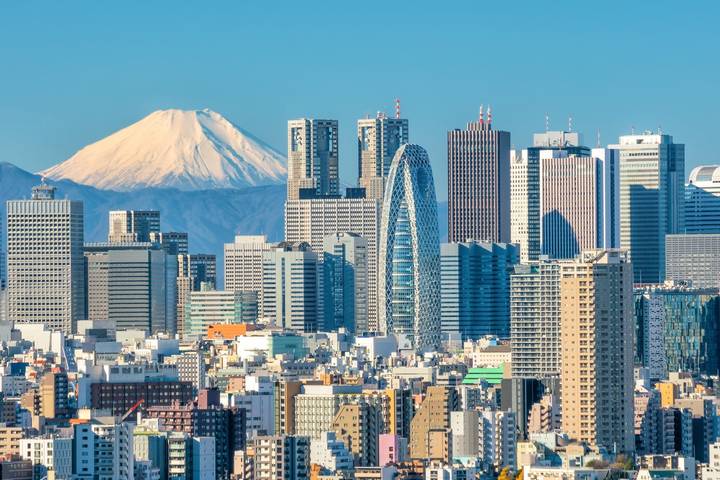
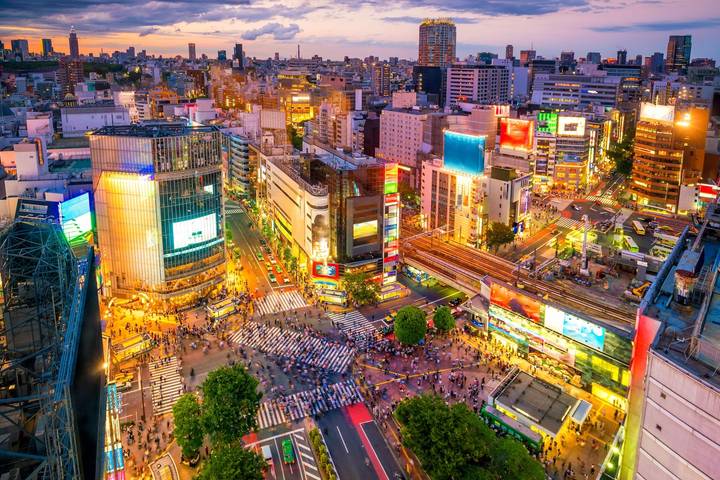
The next day packs in a broad sweep of Tokyo. At Zojoji Temple, you get a striking view of Tokyo Tower, while the rows of small Jizo figures offer a quieter detail amid the city’s scale. The tour also passes Shibuya Crossing by bus, so you’ll see the famous intersection but won’t have a dedicated walk across it.
Meiji Shrine brings a change of pace before Tokyo Skytree, where admission to the Tembo Deck at 350 meters is included. The panoramic view can help you grasp the size of the city, though access may be limited in poor weather or other exceptional circumstances. The operator says an alternative city viewpoint will be offered if Skytree access is restricted.
The afternoon ends in Asakusa, with time around Nakamise Street and its shops and street food. The return route passes Akihabara and Ginza, but these are not listed as guided stops. In the evening, you take the subway with your guide to Shinjuku, walk through the district and have dinner at a local restaurant before returning by subway.
That guided day is helpful if this is your first time in Tokyo, but it is a sampler rather than a deep look at each neighborhood. If you want more time for Akihabara, Ginza or another district, you’ll need to use the free time around the tour rather than expect the bus itinerary to provide it.
Nikko and Sendai: sacred sites, then city life
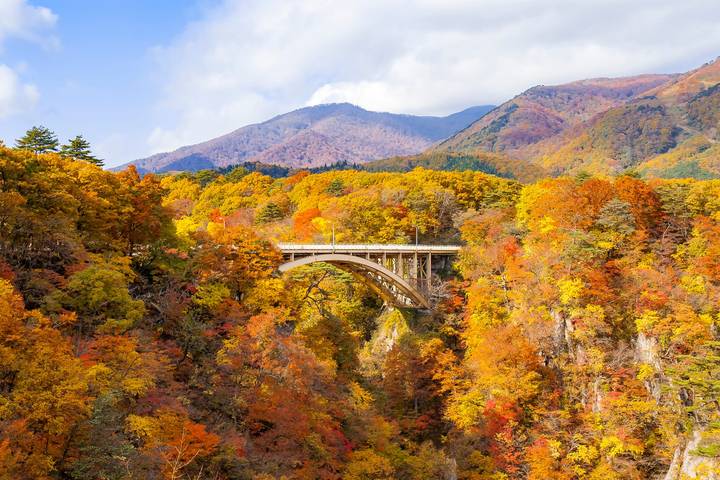
On day three, the coach leaves Tokyo for Nikko, arriving around 10:30 a.m. At Toshogu Shrine, the famous Crying Dragon room is a highlight; you also visit Taiyuinbyo Mausoleum and walk near the Kannanga Fuchi river, where hundreds of Jizo statues line the path.
You have some free time in Nikko’s center before the drive to Sendai. That pause is welcome, but the day includes both sightseeing and a substantial transfer, so it is not a leisurely temple visit. In Sendai, there is time to explore the downtown area. The itinerary mentions dinner in the city, although the included-meal details specifically list only one dinner, in Tokyo. Check your departure’s meal arrangements rather than assuming Sendai dinner is covered.
Sendai gives the route a modern urban counterpoint to Nikko’s historic sites. It is also a practical overnight stop on the way north, not a long city stay, so plan on a taste of its center rather than a full visit.
Matsushima and Hiraizumi: a bay cruise and temple gardens
Matsushima is one of the route’s most appealing changes of scene. Its island-dotted bay is best appreciated from the water, and the included 50-minute cruise gives you that perspective without requiring you to organize a boat trip yourself. Lunch is served on board.
Before the cruise, you visit a tea house overlooking the bay for traditional tea and an explanation of local history. Keep expectations in check: this is a tea stop, not necessarily a formal tea ceremony. That distinction matters if a ceremonial tea experience is one of your reasons for booking.
In Hiraizumi, the focus shifts inland to Buddhist sites. The visits include Chusonji Temple, a UNESCO World Heritage Site, and Motsuji Temple, where you can take part in a Zen ceremony in the gardens. Takkoku no Iwaya Temple is also listed among the included admissions. These planned visits add more than a quick photo stop, though the time at each site is still shaped by a full travel day.
You finish in Morioka, with free time in the evening. The break gives you a chance to settle in after several visits, but the itinerary does not specify a guided evening activity.
A completely different kind of day out:
- Mt Fuji and Hakone 1-Day Bus Tour Return by Bullet Train
★ 5.0 · 26,383 reviews - TOKYO SKYTREE® Ticket
★ 4.7 · 25,136 reviews - teamLab Borderless Tickets: MORI Building DIGITAL ART MUSEUM
★ 4.7 · 24,126 reviews - teamLab Planets TOKYO Ticket
★ 4.7 · 21,663 reviews
Aomori to Hakodate: festival floats and a ferry crossing
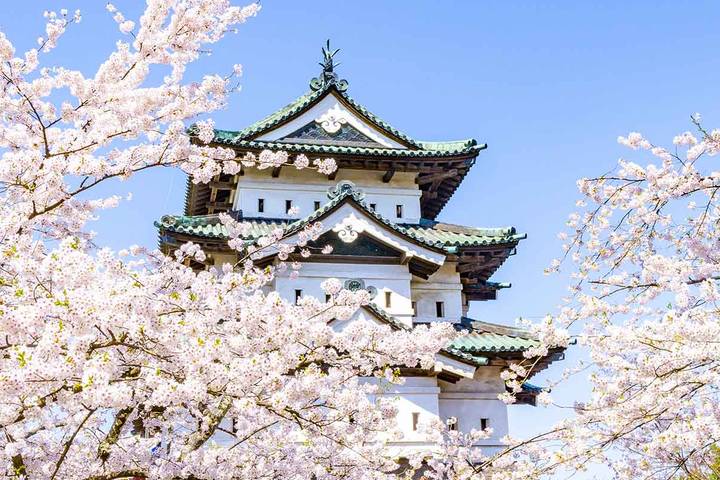
The route continues to Hirosaki, where you see the castle from outside in a park planted with more than 2,500 cherry trees. In spring, the blossoms can be a special feature, but the tour operates from April through October, and bloom conditions depend on timing. The castle itself is not listed as an interior visit.
In Aomori, the Nebuta Museum introduces the region’s festival traditions through large, painted and illuminated floats. It is a good way to understand the scale and craft behind a festival even when you are not visiting during festival dates. Lunch at a local restaurant is included.
Then comes the ferry from Aomori to Hakodate, a crossing of just over three and a half hours. It is a welcome shift from the coach, though it is still travel time rather than a separate sightseeing tour. Once in Hakodate, you have free time in the historic district, with its Russian Orthodox and Christian churches reflecting the city’s varied architectural influences.
Hakodate, Onuma and Noboribetsu: Hokkaido’s outdoors
Hakodate’s morning begins at the fish market, where you get a glimpse of local food culture. Goryokaku Tower gives you a clear view of the star-shaped fortress below, followed by time to explore the area. The tower visit is included; the free time lets you choose how closely to explore the surrounding site.
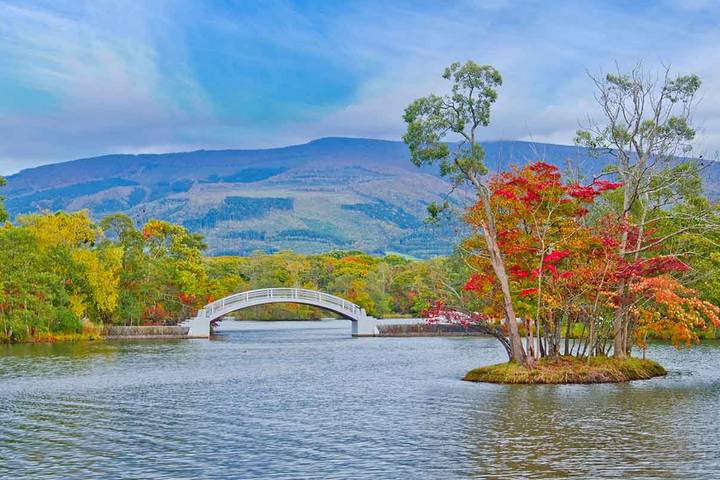
At Onuma, the pace softens. You can walk on scenic trails among the small islands or choose an optional boat ride. Lunch at a local restaurant is included. The stop offers a useful breather before the long coach journey onward, although the tour does not specify how much time you will have for walking or boating.
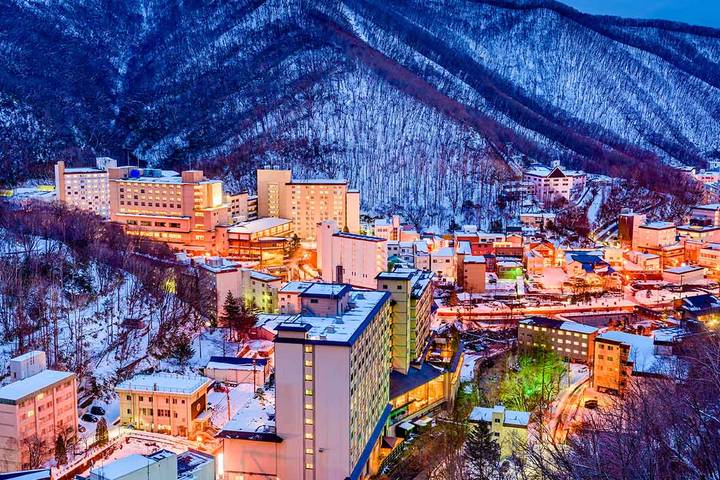
Noboribetsu brings a different kind of scenery. At Jigokudani, or Hell Valley, you walk among volcanic steam vents and see Lake Oyunuma. The route then continues to Sapporo, arriving in the evening. This is another full day, so expect to reach the hotel ready for a quiet night rather than a long outing.
Sapporo and Otaru: a final full day
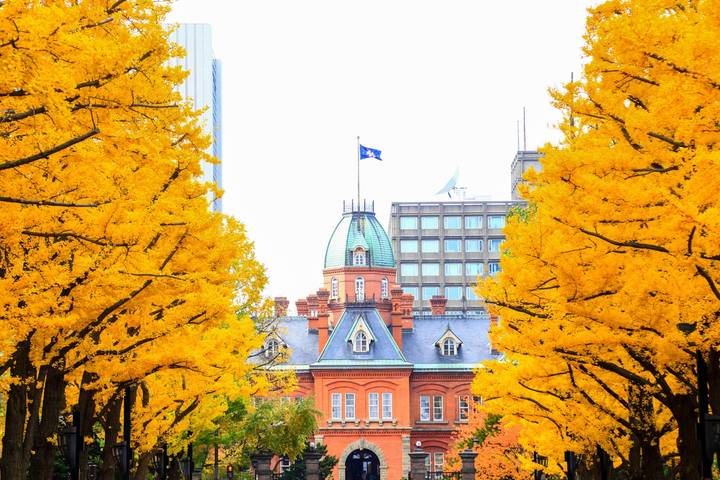
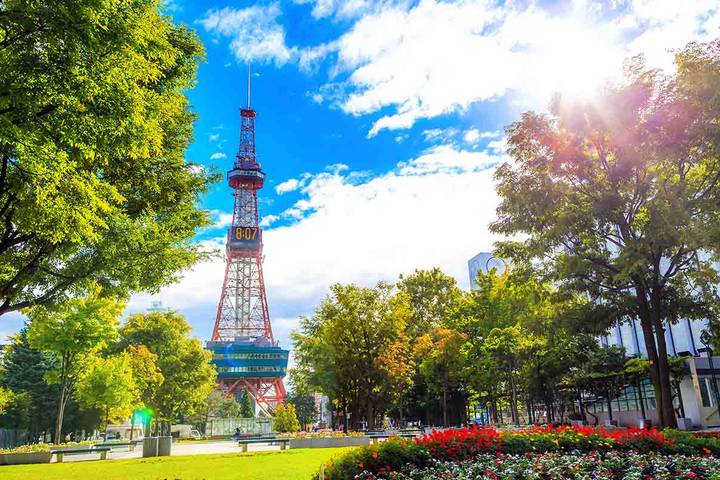
The final sightseeing day combines Sapporo landmarks with a trip to Otaru. In the city, you see the Clock Tower, Odori Koen and Sapporo TV Tower, then visit Hokkaido Jingu. The program includes a Kito, a traditional ceremonial prayer expressing gratitude for the journey.
At the Hill of Buddha, a large statue sits within a lavender-covered hill, alongside replicas of the Moai statues from Easter Island. It is an unusual stop, and a matter of taste: if you prefer traditional temples and historic streets, this modern site may feel less essential. Still, it offers a striking contrast with the shrines and temples earlier in the trip.
Otaru brings shopping streets, a historic canal and small museums, with lunch at a local restaurant. The group is due back in Sapporo around 3:30 p.m., leaving the rest of the afternoon open. That is a useful window for an independent walk or meal, though you’ll have only one full day in Sapporo and Otaru combined.
After breakfast on day eight, the tour ends. There is no departure transfer listed, so arrange your own onward transport from Sapporo.
Guides, group size and the real pace
The tour is described as fully guided, but language arrangements deserve attention. English is listed for tours in Tokyo and Sapporo, and the operator notes that some departures may be bilingual, usually English and Spanish. A single guide may explain in both languages, or separate tour leaders may be used. One guide named Ken has been praised for his preparation and local advice, but guides can change during a trip.
Group size ranges from 2 to 72. A past May departure used a 34-person bus, a size that still feels like a group tour but leaves more room than a full 72-person departure. Ask about the expected group and language setup for your dates if those points are important to you.
The physical rating is low intensity, with light activity such as temple visits, walking around towns and short nature walks. The tougher part is less about exertion than time spent moving between stops. One past participant described days that ran about 12 hours, and northern Japan’s distances mean you should expect substantial coach time.
Is the $2,470 starting price good value?
The fare makes most sense if you value convenience and coverage. You get a hotel every night, transport across a large region, a ferry crossing, several admissions, a guide, breakfast and selected meals. Planning the same route independently would mean coordinating rail or road links, ferry schedules, hotel changes and local transport in a short stretch.
It is less compelling if you want slow mornings or long stays in each town. Some stops are brief, Hirosaki Castle is an exterior visit, and there is little independent time in several places. The listed price is also a starting rate, not a full trip budget: flights are excluded, and some meals are not included.
Europamundo is a large coach operator, and the experience is built around moving a group efficiently. That has real value on a northbound itinerary with several overnight stops, but it can mean waiting for the group and hearing explanations in two languages. The itinerary may also change order or sites in exceptional situations such as weather, delays or major events.
Should you book this Tokyo to Sapporo tour?
Book it if you want a guided, high-coverage route through northern Japan and would rather leave transport and hotel changes to an operator. The combination of Nikko, Matsushima, Hiraizumi, Aomori, Hakodate and Hokkaido is the tour’s strongest argument, especially for a first visit beyond central Japan.
Think twice if your ideal trip is slow, highly independent or centered on extended time in one city. Before paying, confirm the language arrangement, expected group size, exact included meals and hotel details for your departure. If those fit your expectations, this is a practical way to reach Sapporo with plenty of worthwhile stops along the way.
FAQ
Where does the tour start and end?
The tour starts in Tokyo and ends in Sapporo. It lasts eight days, with the final morning free after breakfast.
Are flights included in the tour price?
No. Flights before and after the tour are not included, so you need to arrange them separately.
What meals are included?
Breakfast is included, along with four lunches and one dinner in Tokyo. The listed lunches are in Matsushima, Aomori, Onuma and Otaru.
What hotels does the tour use?
The listed hotels are Shinagawa Prince Hotel in Tokyo, Metropolitan Sendai East, Hotel Metropolitan Morioka New Wing, Four Points by Sheraton Hakodate and Sapporo Park. The operator says hotel standards and room sizes can vary.
Is the tour conducted in English?
English is listed as a tour language, including for Tokyo and Sapporo. Some departures may be bilingual in English and Spanish, so confirm the arrangement for your dates.
How large can the group be?
The stated group size is from 2 to 72 people. Group size may vary by departure.
How much walking is involved?
The tour is rated low intensity, with light physical activity. Expect walking at temples, city sites and natural areas such as Jigokudani and Onuma.
Just added in Tokyo
- Mt. Fuji & Hakone Cherry Blossom private One Day Tour★ 4.5 · 35 reviews
- Fish Market & Tokyo Skyline Private Walking Tour★ 5.0 · 14 reviews
- 25-Min Downtown Helicopter Tour : Tokyo Skytree and Tokyo Tower★ 5.0 · 19 reviews
- Private Tour with a Local Guide – Learn about daily life in Japan★ 5.0 · 22 reviews
- Tokyo: 3-Hour Bike/E-Bike Tour of the City’s Highlights★ 5.0 · 209 reviews
- Official Japan Go-Kart Through Tokyo Bay / Ginza (IDP Required)★ 4.5 · 71 reviews
- 30-Min Tokyo Central Private Heli Tour– Asakusa, Skytree, Shibuya★ 5.0 · 13 reviews
- Tokyo 2-Hour Genuine Samurai Experience: Kendo in Japan★ 5.0 · 112 reviews
Multi-Day Tours That Visit Sapporo, compared.
Japanese Scenes and Mount Fuji 19-Day Tour by Europamundo
Read our review →
Japan in Winter by Train (Plus Ski) 14-Day Tour with Contiki
Read our review →
Japan Sapporo Snow Festival by Explore! – 11-Day Tour
Read our review →
Discover Japan by Europamundo – 15-Day Tour from Tokyo
Read our review →
12 Days Summer Tokyo and Hokkaido Tour by UME Travel
Read our review →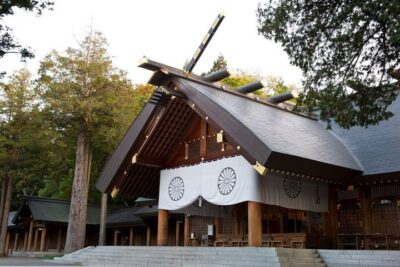
6 Days Hokkaido’s Floral Symphony Tour by UME Travel
Read our review →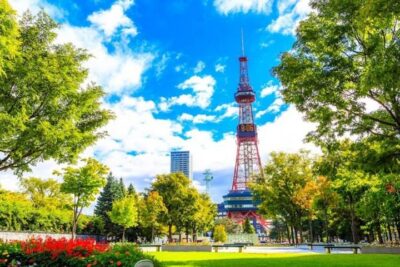
Hokkaido 7 Days Noboribetsu, Asahikawa, Biei by Delightful Travel
Read our review →Browse the lists this tour appears in