
Reviewed · WALKING TOURS
Osaka 4-Hour Walking Tour: Hotspots and Hidden Gems
Osaka hides its best stories in plain sight. This four-hour walk links a giant lion-head shrine, anime arcades, food stalls, and old temple lanes, giving you a quick but colorful introduction to the city. I especially like the unusual opening at Namba Yasaka Shrine and the sharp change of mood from quiet worship to the bright noise of Dōtonbori. The main consideration is that some stops are more about strolling and atmosphere than major sights.
The $40 price is fair if you want a guide to explain local customs, Osaka dialect, shrine rituals, and food rather than simply point out photo stops. I also like the maximum group size of 10, which should make it easier to hear the guide and ask questions. Still, a four-hour route covering several districts can feel brisk, and a poor guide connection or timing issue could affect the experience.
The tour starts at 2:00 pm and ends near Ebisubashi in Dōtonbori. Guide Ai receives especially warm praise for her humor, clear explanations, and easy way of connecting myths with daily life. The overall rating is 4.5 from 14 ratings, though one serious complaint reports that the guide did not arrive, so confirm the meeting details before setting out.
In This Review
- Key Points to Know Before You Book
- Why This Route Works for a First Look at Osaka
- Namba Yasaka Shrine and the Lion That Swallows Bad Luck
- Den-Den Town, Osaka’s Pop Culture District
- Kuromon Market, Osaka’s Food Corridor
- Dōtonbori, the Glico Sign, and Ebisubashi
- Hōzenji Temple and Old Osaka Atmosphere
- Ai’s Guiding Style and the Small Group
- Price, Timing, and Practical Value
- Who Will Like This Osaka Walking Tour?
- Should You Book It?
- FAQ
- How long is the Osaka walking tour?
- How much does the tour cost?
- What time does the tour start?
- Where does the tour begin?
- Where does the tour end?
- What places are included on the route?
- How many people can join the tour?
- What is the cancellation policy?
Key Points to Know Before You Book
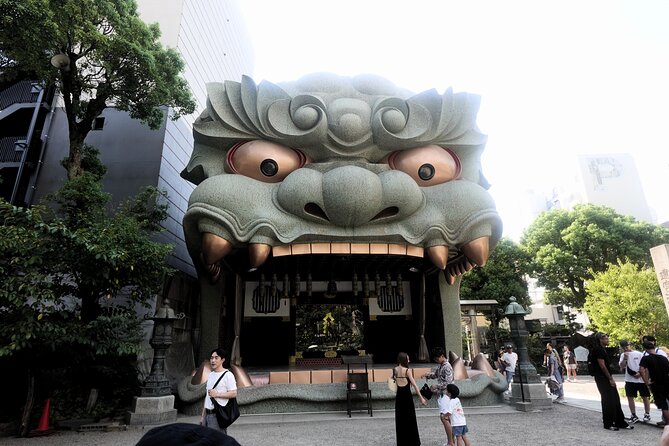
- The 12-meter lion at Namba Yasaka Shrine gives the tour an unusual start and a memorable photo.
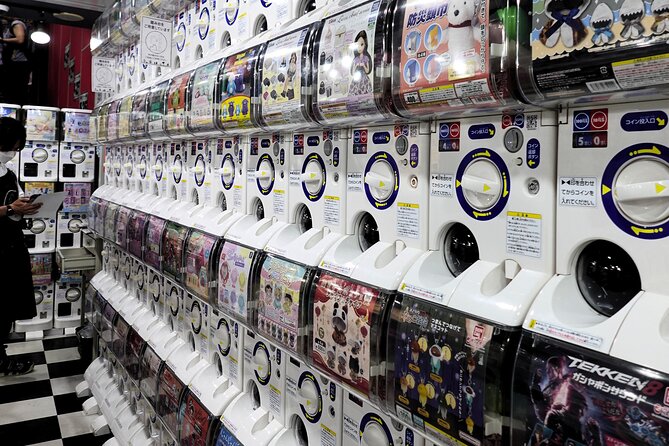
- Den-Den Town brings anime, manga, retro games, electronics, and gachapon capsule toys into the route.
- Kuromon Market offers a close look at Osaka’s food culture, with chances to try items such as takoyaki or wagyu skewers.
- Dōtonbori combines neon spectacle with quiet old Osaka, from the Glico sign and canal to Hōzenji Temple.
- A small group of up to 10 people should suit anyone who wants conversation without paying for a private tour.
- The route is strongest for culture and local stories, not for entering a long list of major attractions.
Why This Route Works for a First Look at Osaka

Osaka can seem like a city of big signs, crowded shopping streets, and endless food choices. This tour gives those sights a bit of context. You move through Namba, Nipponbashi, Kuromon, and Dōtonbori, but the guide also explains how people pray, what local legends mean, and why Osaka has such a playful public character.
I like the way the route changes tone as it goes. You begin in a backstreet shrine, pass through the comic-book energy of Den-Den Town, walk through a working food market, and finish beside one of Japan’s best-known neon districts. That variety keeps the afternoon moving.
The route is also useful early in an Osaka visit. By the end, you will know where Dōtonbori is, how Kuromon Market feels, and which streets around Namba deserve more time. Since the tour ends in the middle of a major food and shopping district, you can continue on your own without arranging another transfer.
This is a walking tour, so comfortable shoes matter. The supplied details do not give a precise walking distance, and the route passes through market and entertainment streets where stopping, taking photos, and moving with the group may not always be quick. Plan for an active afternoon rather than a seated sightseeing trip.
More Walking Tours in Osaka
- Osaka: Hotspots & Hidden Gems Walking Tour Private or Group
★ 4.9 · 1,300 reviews - Osaka Local Foodie Walking Tour in Dotonbori and Shinsekai
★ 5.0 · 985 reviews - Osaka Bar Hopping Night Walking Tour in Namba (3 bars, 6 tastes)
★ 5.0 · 958 reviews
Namba Yasaka Shrine and the Lion That Swallows Bad Luck
The first stop lasts about 40 minutes, and it is the clearest cultural anchor of the experience. Namba Yasaka Shrine sits in the backstreets of Namba, away from the largest signs and busiest shopping corridors. Its main attraction is a 12-meter lion-head stage, known as a symbol that swallows evil spirits and brings good fortune.
It is an excellent place to start because the shrine is easy to remember. Many Osaka sights compete for attention with huge lights and shop fronts. Here, one enormous lion head does the work. You get a strong photo, but the better part is hearing the story behind the design and learning why the lion has such a powerful role in local belief.
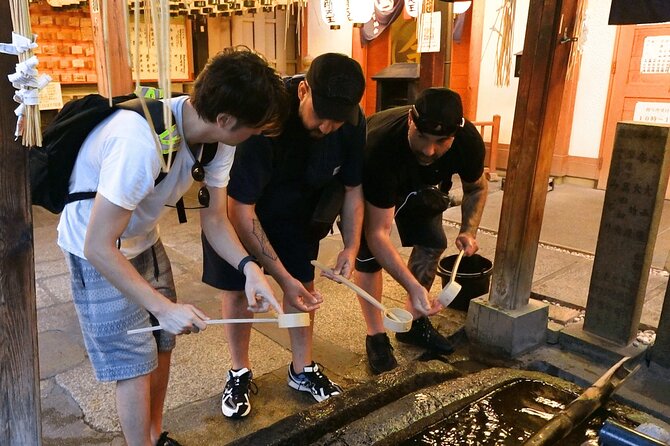
Ai is praised for explaining shrine customs, including how to pray properly. That kind of guidance can make a short visit feel more respectful and less like a quick photo stop. She also explains ancient myths and traditions in a simple way, which suits anyone who wants cultural background without a long lecture.
Timing can matter. Around New Year, the shrine may have a 30-minute queue, and that can take a large bite out of a 40-minute stop. If you book around that period, expect the schedule to be less flexible. The information provided does not promise priority access, so this is a normal public shrine visit, not a reserved entry.
The free admission is another plus. You are paying for the explanation and route planning, not for a ticket. If you enjoy places where a single unusual object carries a local story, this will likely be one of the strongest parts of the afternoon.
Den-Den Town, Osaka’s Pop Culture District
The next stop takes about 30 minutes in Nipponbashi, also called Den-Den Town. It is often compared with Tokyo’s Akihabara because of its focus on anime, manga, video games, electronics, and unusual collectibles.
This section changes the pace completely. Instead of shrine gates and prayer rituals, you get colorful shop fronts and shelves packed with pop culture goods. You might already know the major characters and game titles, or you might simply enjoy watching a different side of Japanese city life. Either way, the stop shows that Osaka culture is not only temples, castles, and food.
The tour includes a chance to try a gachapon capsule machine. You put in a coin, twist the knob, and receive a surprise toy. It is a small activity, but it gives the stop a hands-on quality and helps explain why these machines are such a familiar part of Japanese streets and shopping areas.
The main limitation is time. Thirty minutes is enough for a short walk and a capsule toy, but not enough for serious browsing across the district. If you collect anime goods, retro games, or electronics, you may want to return later. The guided visit is best treated as an introduction rather than a shopping session.
One lower-rated assessment described this portion as a drift through streets with limited interest beyond the shrine and temple. That is a useful warning. Den-Den Town will appeal most if you like Japanese pop culture or want to see a less traditional side of Osaka. If you are focused only on historic buildings, this could feel less rewarding.
Kuromon Market, Osaka’s Food Corridor
Kuromon Market is known as Osaka’s Kitchen, and it has served local shoppers for more than a century. The route takes you beneath its covered arcades, past stalls selling seafood, produce, and other ingredients used in everyday cooking.
This is where the tour becomes most sensory. You can expect vendor calls, colorful displays, and food being prepared close to the walkway. The market helps you see Osaka as a food city in a practical way. It is not just a collection of restaurants for visitors. It is also a place where ingredients and eating habits come into view.
The stop can be especially useful if you are unsure what to order in Osaka. Ai has helped participants try takoyaki, and food examples from the experience include juicy wagyu skewers. The available information does not state that tastings are included in the $40 price, so bring extra yen if you want to buy food. Treat any snack as an additional purchase.
Market conditions can change from day to day. Some stalls may be more appealing than others, and crowds can make the arcade feel tight. You also should not expect a formal seated meal during a walking tour. The value here is having someone explain what you are seeing and point you toward local flavors, not receiving a full food tour with a set menu.
I would give Kuromon extra weight when deciding if this experience suits you. If you enjoy food, markets, and small local observations, it adds a lot. If you prefer quiet historical sites, it may feel noisy and commercial. That contrast is part of Osaka, but it is not for everyone.
A completely different kind of day out:
- Osaka Go Karting Tour with Funny Costume
★ 5.0 · 2,658 reviews - Osaka Castle: Museum and Tower Entry Ticket
★ 4.5 · 2,380 reviews - Osaka: Shinsekai Food Tour with 13-15 Dishes at 5 Eateries
★ 4.8 · 2,204 reviews - Osaka Food Tour: 13 Dishes at 5 Local Eateries
★ 5.0 · 2,149 reviews
Dōtonbori, the Glico Sign, and Ebisubashi
The final main stop is Dōtonbori, where the tour spends about 50 minutes. This is Osaka at full volume: neon signs, a canal, restaurant displays, shopping streets, and the famous Glico running man sign.
You will have time for photos near the canal and the Ebisubashi area. The tour ends at Ebisubashi on the Dōtonbori side of Osaka’s food district, so you are well placed to continue eating, shopping, or exploring after the guide leaves.
The guide’s role matters here because Dōtonbori can be easy to experience only as a wall of advertisements. A good explanation helps you notice how the entertainment district developed and how it fits the city’s reputation for humor and food. The tour’s strongest praise centers on this balance between lively streets and cultural meaning.
Do not expect Dōtonbori to feel peaceful. It is loud, bright, and busy, especially around the best-known photo points. That energy is the attraction, but you may want extra time later if you prefer to photograph the canal without rushing. The tour gives you an orientation, then leaves you free to explore at your own pace.
Hōzenji Temple and Old Osaka Atmosphere
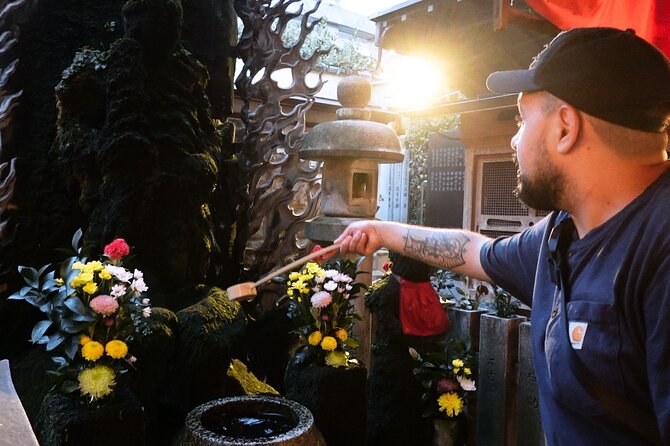
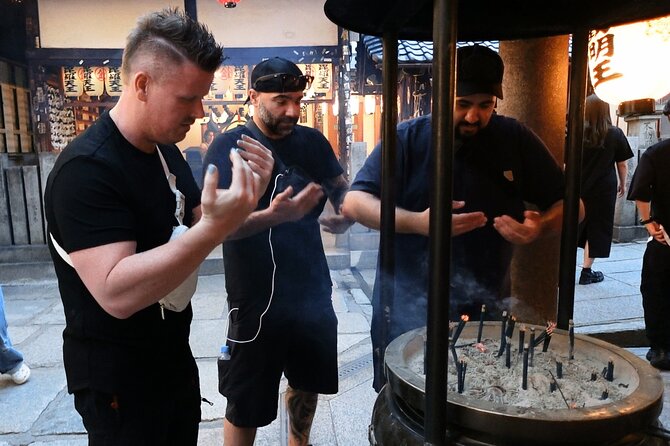
Near Dōtonbori, Hōzenji Temple offers a welcome change. Its moss-covered statue and lantern-lit lanes create a quieter, more nostalgic mood than the surrounding entertainment streets.
This is a small stop, but it helps explain why the route is more than a walk between tourist districts. You see how old religious spaces remain part of a modern neighborhood. The shift from the glowing Glico sign to the subdued temple lanes can happen within minutes, which is one of the most satisfying contrasts in the tour.
The temple also gives Ai another chance to discuss local beliefs and customs. The supplied information does not give a separate duration for Hōzenji, so it appears to fit into the Dōtonbori portion of the route. If you want a long temple visit, you should return independently after the tour.
Ai’s Guiding Style and the Small Group
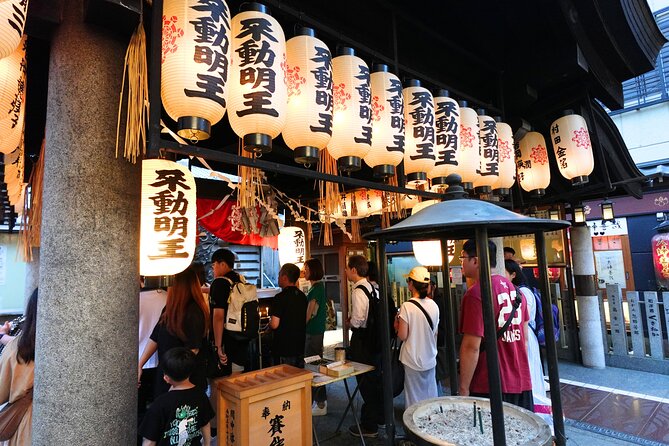
Ai receives repeated praise for warmth, patience, humor, and clear explanations. The strongest comments focus on her ability to connect stories with places: the lion swallowing evil spirits, shrine prayer customs, Osaka dialect words, and the meaning behind local traditions.
That style suits this route. None of the stops requires a long technical lecture. Instead, the guide needs to notice small details and explain them at the right moment. Ai is also described as helping with food choices and encouraging participation, including a first try of takoyaki.
The group limit is 10 people. That is not private-tour intimacy, but it is small enough to make questions practical and reduce the chance of being lost in a large crowd. It also matters at markets and busy crossings, where a very large group can slow down.
There is one important reliability concern. One rating reports that the guide never appeared for the 2:00 pm start. This is a single serious complaint against many positive ratings, but it should not be ignored. Use the mobile ticket, confirm the meeting address, and arrive early enough to identify the starting point at South Hills Namba Sanbankan in Naniwa Ward.
Price, Timing, and Practical Value
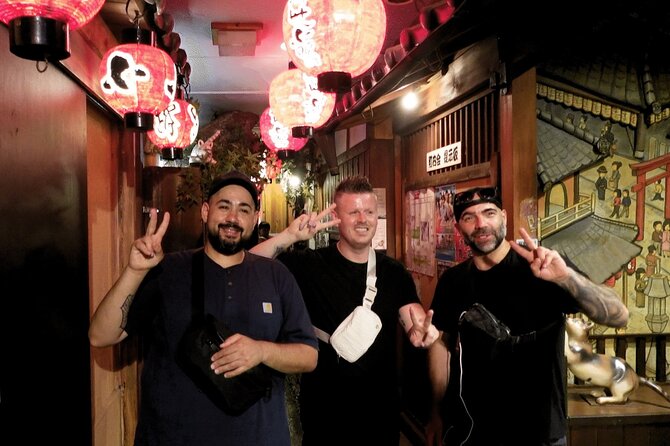
At $40 per person, the tour is reasonably priced for a four-hour guided walk with a small maximum group. The entrance stops are free, so the cost pays for the guide’s time, route design, cultural explanations, and help navigating a busy part of Osaka.
I would consider it good value if you want an overview and do not have four hours to plan yourself. A guide can turn a giant shrine, a capsule machine, a food market, and a neon sign into connected parts of Osaka rather than isolated photo stops.
The value is weaker if you mainly want unstructured shopping or eating. Thirty minutes in Den-Den Town is short for browsing, and Kuromon Market is not presented as a full meal with included tastings. You are buying orientation and context, not a package of admissions or food.
The listed start time is 2:00 pm, with the tour lasting about four hours. That puts the finish around early evening, though the actual end may vary with walking pace, crowds, and shrine conditions. The route starts in Namba and ends at Ebisubashi in Dōtonbori, making it convenient for an evening meal afterward.
Most people can participate, and the tour is near public transportation. No specific accessibility details are provided, so anyone who needs exact information about walking surfaces, rest stops, or mobility support should ask the provider before booking.
Free cancellation is available if you cancel at least 24 hours before the local start time. Cancellations or changes made within 24 hours are not accepted for a refund.
Who Will Like This Osaka Walking Tour?
I would recommend it to first-time visitors who want a clear introduction to southern Osaka. It suits you especially well if you like a mix of religion, street food, pop culture, and city photography.
It is also a good fit for families and mixed-age groups. The lion head is striking, gachapon is easy to enjoy, the market offers food choices, and Dōtonbori supplies the bright finish. Most people can participate, though you should be comfortable walking for much of the afternoon.
You may want a different plan if you prefer a slow historical tour with long visits inside temples. You may also find the route too general if you already know Namba, Nipponbashi, Kuromon, and Dōtonbori well. In that case, spending four hours at one district or booking a food-focused experience could offer more depth.
Should You Book It?
Book this tour if you want stories, orientation, and variety in one afternoon. The lion shrine, gachapon activity, Kuromon food stalls, Glico sign, and Hōzenji Temple create a memorable sequence, while Ai’s explanations appear to be the main reason the route feels personal rather than routine.
Skip it if you want extensive shopping time, a formal food itinerary, or guaranteed fast movement through New Year shrine crowds. Also take the isolated no-show complaint seriously and confirm the start details before you go.
For many first visits, $40 is a sensible price for learning how Osaka’s old beliefs, pop culture, food habits, and sense of humor fit together. The tour will not show you everything, but it can give you a useful map and several good reasons to keep exploring after 6:00 pm.
FAQ
How long is the Osaka walking tour?
The tour lasts approximately four hours.
How much does the tour cost?
The listed price is $40 per person.
What time does the tour start?
The tour starts at 2:00 pm.
Where does the tour begin?
The meeting point is South Hills Namba Sanbankan, 2-chōme 1 Shikitsunishi, Naniwa Ward, Osaka, postal code 556-0015.
Where does the tour end?
The tour ends at Ebisubashi in Dōtonbori, Osaka’s famous food district.
What places are included on the route?
The route includes Namba Yasaka Shrine, Nipponbashi or Den-Den Town, Kuromon Market, Dōtonbori, and Hōzenji Temple.
How many people can join the tour?
The maximum group size is 10 people.
What is the cancellation policy?
You can cancel for a full refund up to 24 hours before the experience start time. Cancellations or changes made less than 24 hours before the start are not accepted for a refund.
Just added in Osaka
- Osaka: PICCADILLY PREMIUM DINNER SHOW&NIGHTCLUB with Tasting★ 5.0 · 26 reviews
- Play with Snow Crab Buffet Lunch and Strawberry Picking Bus Tour★ 5.0 · 88 reviews
- Osaka Highlights: 4-Hour Walking Tour with Castle★ 5.0 · 152 reviews
- Osaka Soul : IZAKAYA Shinsekai to Dotonbori Food Paradise!★ 5.0 · 15 reviews
- Osaka Food Adventure Tour: Walking with a Local Guide★ 5.0 · 119 reviews
- Osaka’s Secret Adventures: Daruma Magic and Minoh Falls★ 5.0 · 12 reviews
- Osaka’s Best and Brightest: Private Full-Day Tour by Vehicle★ 5.0 · 147 reviews
- Kansai/KIX Airport to or from Osaka/Kyoto Private Transfer★ 5.0 · 20 reviews
Walking Tours, compared.
Kyoto Geisha Walking Tour: Gion District & Hidden Gems
Read our review →
Tokyo Tsukiji Fish Market Food and Culture Walking Tour
Read our review →
Gion Magical Night Walking Tour with Geisha Trivia
Read our review →
Imperial Palace and Shogun Historical Walking Tour
Read our review →
Gion Geisha District Walking Tour – Stories of Geisha
Read our review →
Shinjuku Local Bar and Izakaya Guided Walking Tour
Read our review →
Browse the lists this tour appears in