
Reviewed · WALKING TOURS
Osaka: Dark Side of Osaka Night Walking Tour
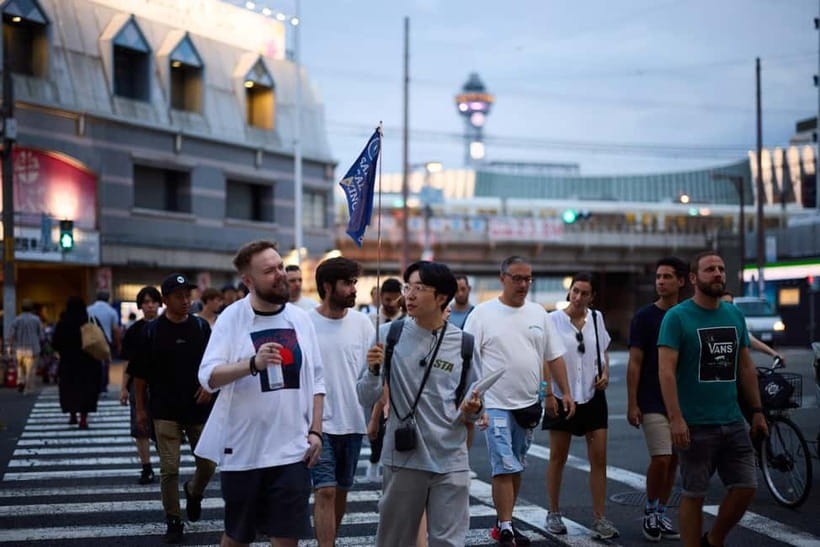
Osaka has more than neon and noodles. This two-hour night walk shows you the city’s less polished side, from nostalgic Shinsekai to Nishinari and Tobita Shinchi, where modern tourism meets difficult social history. I like the tour’s honest look at Japanese society, and I also like the way it connects old streets, working-class life, entertainment culture, and present-day Osaka. The main consideration is simple: some subjects and sights may feel confronting, so this is not a gentle sightseeing stroll.
The tour costs $25 per person, a fair price for two hours with an English-speaking guide and a focused route through several districts. Guides such as Jay, Rico, and Matt have been praised for explaining sensitive subjects with care, but English ability varies by person, and one past participant found Matt’s quick speaking pace challenging. Wear good shoes, expect outdoor walking in changing weather, and leave children under 18 at home.
In This Review
- Key points to know before you book
- Why this Osaka night walk feels different
- Meeting beneath the giant penguin
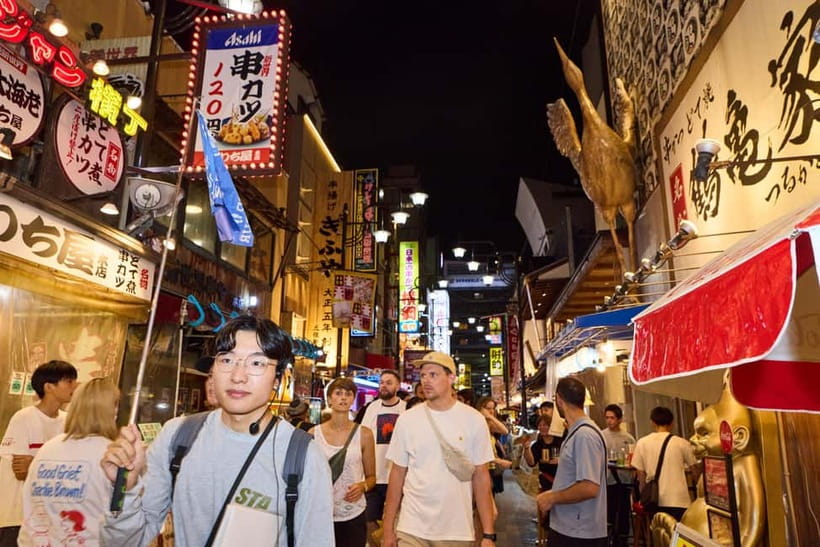
- Shinsekai and the strange story behind New World
- Nishinari, working-class Osaka beyond the postcard
- Jyanjyan Yokocho and the lighter side of the evening
- Tobita Shinchi and the need for discretion
- What the guides add to the experience
- Price, pace, and practical value
- Who should book this tour?
- Should you book the Dark Side of Osaka walk?
- FAQ
- Where does the Osaka Dark Side walking tour begin?
- Where does the tour finish?
- How long does the tour last?
- What language is the tour conducted in?
- How much does the tour cost?
- Are food and drinks included?
- Is the tour suitable for children?
- Is the tour suitable for wheelchair users?
- What should I wear?
Key points to know before you book
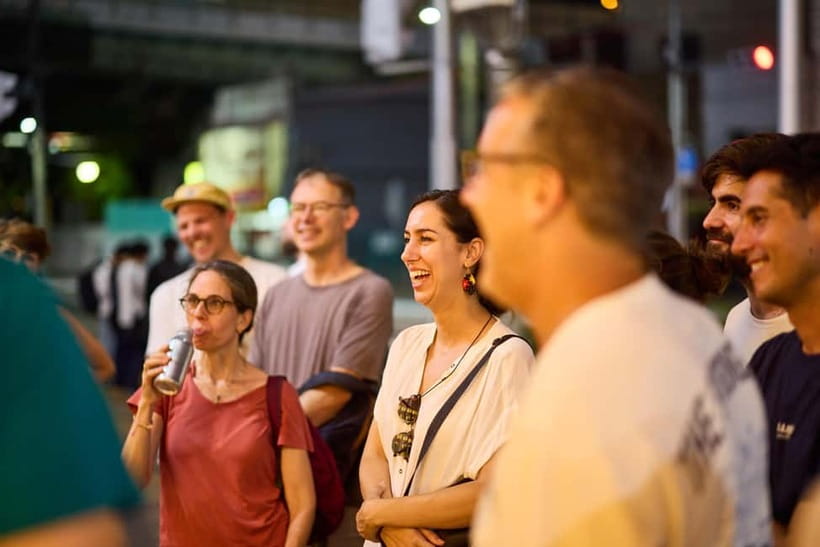
- Shinsekai mixes Paris, Coney Island, and old Osaka: The district was planned in 1912 with Western models, giving its streets an unusual blend of retro Japanese and imported design ideas.
- Tobita Shinchi is viewed from a respectful distance: This is Osaka’s largest and most famous red-light district, not a place for loud photos, jokes, or casual intrusion.
- The tour deals with difficult social subjects: Nishinari’s working-class past and the realities behind entertainment districts receive more attention than standard sightseeing tours provide.
- Jyanjyan Yokocho adds food and local atmosphere: The narrow lane near Tsutenkaku has old-style eateries, bars, and shops that help balance the heavier discussion.
- The route ends at Tsutenkaku Tower: You finish near one of Shinsekai’s best-known landmarks, with food options nearby.
- This is a walking tour, not a food tour: Food and drinks are not included, though you may get useful restaurant suggestions from your guide.
Why this Osaka night walk feels different
Osaka is often sold through bright signs, cheerful food streets, and easygoing nightlife. This tour asks you to look past that first layer. It introduces districts shaped by poverty, day labor, changing entertainment customs, and social boundaries that many short city tours skip.
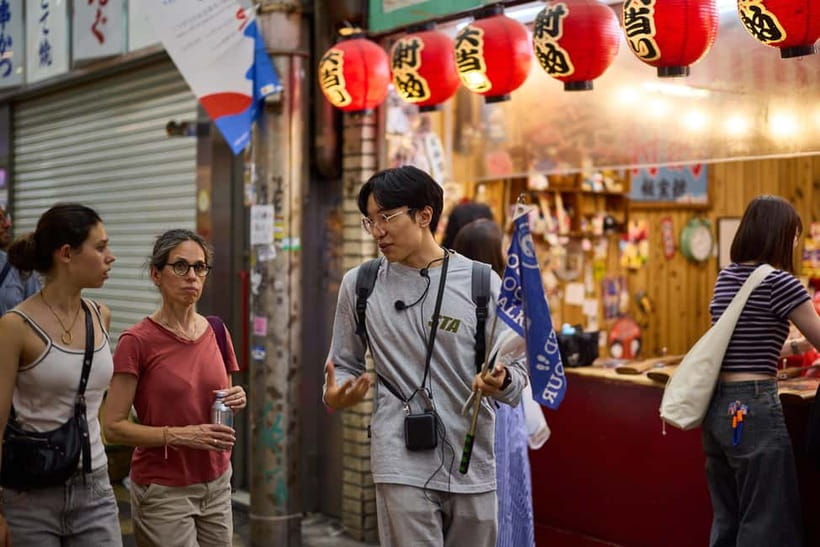
I appreciate that the experience does not treat these areas as a freak show. The strongest guide accounts describe careful explanations, personal observations, historical background, and a respectful tone toward the people who live and work here. That matters. A tour about poverty or the sex industry can become cheap entertainment very quickly if the guide relies on shock value.
The route is also useful because the areas are close enough to connect on foot. You do not spend the evening sitting on a bus while someone points out distant landmarks. You move through the streets, notice how the mood changes, and have time to ask questions.
Still, you should know what you are signing up for. The word dark is not just marketing. You may hear about difficult parts of Japanese society and see an adult entertainment district operating in plain sight. One participant described the experience as confronting and advised against bringing young people or booking it if you have a thin skin. That is sound advice.
More Walking Tours in Osaka
- Osaka: Hotspots & Hidden Gems Walking Tour Private or Group
★ 4.9 · 1,300 reviews - Osaka Local Foodie Walking Tour in Dotonbori and Shinsekai
★ 5.0 · 985 reviews - Osaka Bar Hopping Night Walking Tour in Namba (3 bars, 6 tastes)
★ 5.0 · 958 reviews
Meeting beneath the giant penguin
The meeting point is beneath the giant penguin outside MEGA Don Quijote Shinsekai. Your English-speaking guide will hold a sign marked GetYourGuide, making the spot fairly easy to identify.
This is a practical starting point. MEGA Don Quijote is a familiar landmark in Shinsekai, and beginning here places you right in the middle of the district rather than at a remote transport stop. Arrive ready to walk, since there is no hotel pickup or drop-off.
The full route lasts two hours. The listed stops break down into roughly 30 minutes in Shinsekai, 30 minutes around Nishinari, 10 minutes at one short sightseeing stop, 20 minutes in another area, and 20 minutes at the final district. Exact pacing can change with the group and the guide’s explanations.
The route finishes at Tsutenkaku. That is useful if you want to continue eating or exploring on your own. It also means you should not expect to be returned to your hotel.
Shinsekai and the strange story behind New World
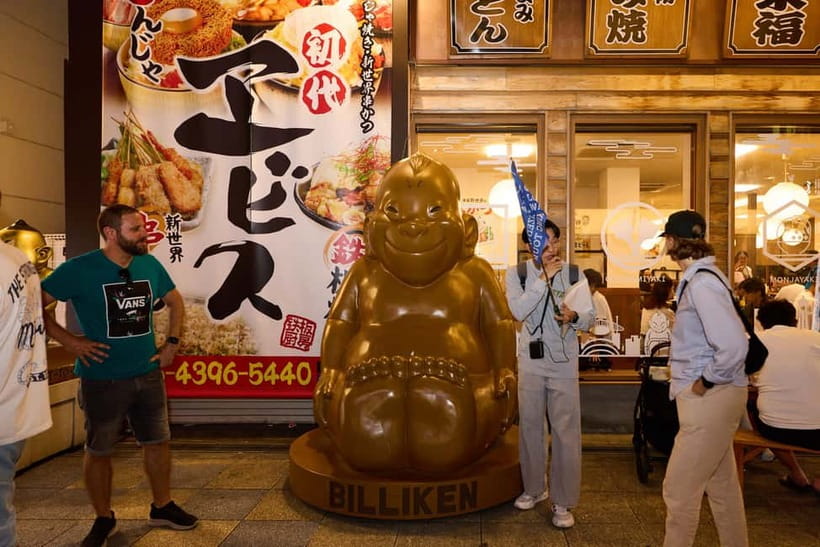
Shinsekai means New World, and the name tells you something about the district’s original ambition. Established in 1912, it was planned as a modern entertainment area influenced by Western cities. The southern section drew inspiration from Paris, while the northern section looked toward New York’s Coney Island.
Today, the result feels much more Japanese than European or American. The Western references survive as an odd historical layer, while the district’s retro signs, small restaurants, and Tsutenkaku Tower give it a distinctly Osaka personality.
This first section helps you understand why Shinsekai feels different from polished shopping areas elsewhere in the city. Its appeal is not perfect architecture or refined design. It is the contrast between grand early plans and the district’s later, more down-to-earth identity.
Your guide should also help you separate the tourist image from the local story. Shinsekai attracts visitors because it looks nostalgic and unusual, but it is still a living neighborhood. You will get more from it if you watch your volume, avoid blocking narrow paths, and treat people going about their business as part of the community rather than part of a show.
Tsutenkaku Tower is the visual anchor. You do not need to climb it for this experience, and the tour ends nearby. The tower gives the route a clear sense of place, especially after dark, when the area’s signs and entertainment frontage become more noticeable.
Nishinari, working-class Osaka beyond the postcard
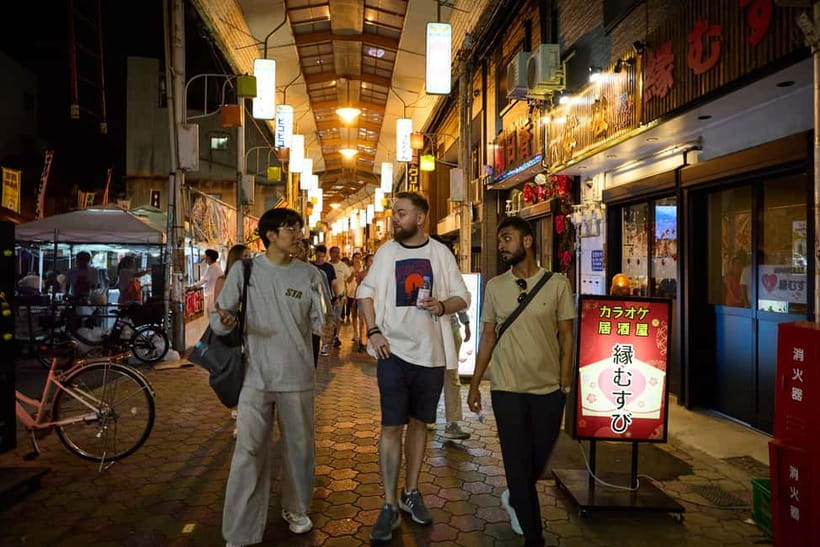
The walk continues into Nishinari, a southern Osaka district with a long connection to day laborers and working-class residents. Its past is central to the tour. You are not simply being shown old buildings or photogenic alleys. You are learning how work, housing, poverty, and public attitudes shaped this part of the city.
Nishinari has changed in recent years, with budget visitors and urban explorers taking an interest in its rougher reputation. That change creates an important tension. A district can become fashionable to outsiders while the people who made its identity are still dealing with the same economic pressures.
I find this section likely to be the most valuable part for anyone who wants context rather than scenery. Osaka’s food culture and friendly public image are real, but they do not explain the whole city. Nishinari gives you a more grounded view of how urban Japan can contain comfort, order, hardship, and social exclusion close together.
The guide’s approach makes a big difference here. Jay has been praised for warmth, clear explanations, and attention to questions. Rico has been credited with offering several viewpoints and useful advice about Osaka. Matt has been appreciated for his modern Osaka background and for speaking respectfully about people whose circumstances are the subject of the tour.
Those names do not guarantee which guide you will receive. They do show what to value in the experience: a guide who can explain sensitive issues without turning them into jokes or easy stereotypes.
More Walking Tours in Japan:
- Kyoto Geisha Walking Tour: Gion District & Hidden Gems
★ 4.7 · 3,273 reviews - Tokyo Tsukiji Fish Market Food and Culture Walking Tour
★ 5.0 · 3,184 reviews - Kyoto: Gion Magical Night Walking Tour with Geisha Trivia
★ 4.9 · 2,393 reviews - Tokyo: Imperial Palace and Shogun Historical Walking Tour
★ 5.0 · 2,251 reviews
Jyanjyan Yokocho and the lighter side of the evening

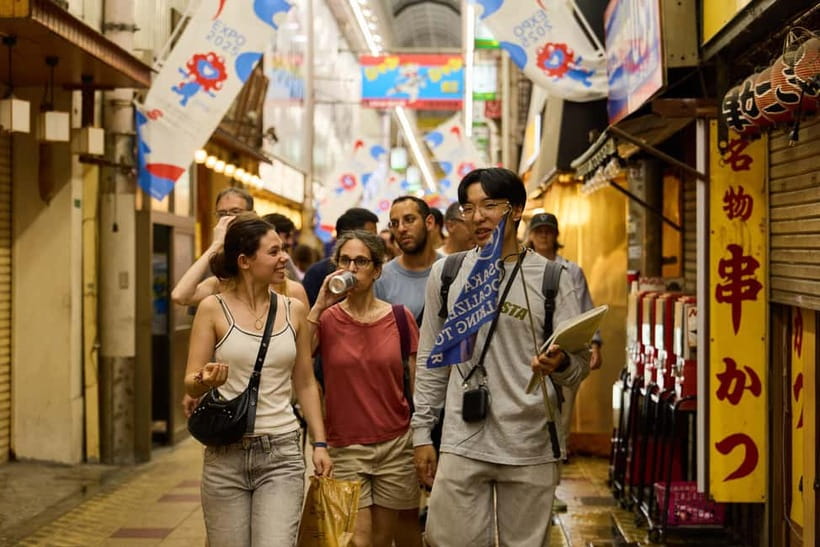
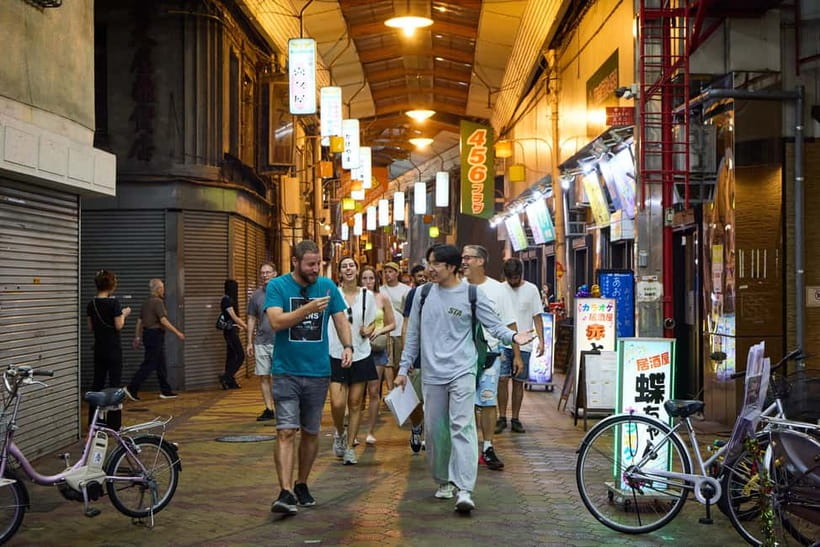
Jyanjyan Yokocho is a narrow shopping and dining street beside Tsutenkaku. Its old-fashioned eateries, bars, and small shops create a welcome change of pace after the more serious discussion in Nishinari.
The lane evokes mid-20th-century Japan, at least in its look and atmosphere. It is the sort of place where a short walk can reveal more character than a large modern complex. You may see signs of everyday commerce, old restaurant fronts, and the compact layout that makes this part of Osaka feel intimate.
Food is not included, so plan your budget accordingly. That is not a flaw for everyone. I prefer having the choice to decide what and when to eat, especially in a food-focused city like Osaka. The tour can also leave you with ideas for a meal afterward. One guide shared a restaurant recommendation that a participant found especially useful.
Do not expect a tasting tour, reserved table, or meal break. The point here is to see the street and understand its place in Shinsekai. If you want to eat, you will need to pay separately and fit it around the walking schedule.
Tobita Shinchi and the need for discretion
The final major area is Tobita Shinchi, Osaka’s best-known and largest red-light district. Its history reaches back more than a century, and its buildings and operating customs reflect a tightly controlled system shaped by tradition and discretion.
This is the section where good manners matter most. Keep your voice down, follow the guide’s instructions, and do not photograph people, doorways, or businesses unless you have clear permission. Even if the street looks unusual to you, it is not a theme park.
A responsible guide can explain how the district functions without encouraging visitors to interfere. That is why the tone of the tour matters so much. The best feedback about this experience centers on diplomacy, personal respect, and historical explanation, not sensational stories.
You should also understand the limits of a two-hour walk. You will receive an introduction to the district and its place in Osaka’s urban culture, but this is not an academic course or a full social study. If you want a careful first look at a subject rarely covered on standard tours, it offers real value. If you are looking for a carefree night of entertainment, choose another activity.
What the guides add to the experience
The guide is the heart of this tour. The route itself is accessible to anyone with a map, but the meaning behind the streets is not.
Jay is repeatedly described as engaging, friendly, and attentive to questions. His explanations have been useful for visitors interested in the connection between Osaka’s past and present. Rico has been praised for strong historical detail, an engaging manner, and practical restaurant tips. Matt has received particular praise for his respectful treatment of people and circumstances connected with the tour.
You may not receive one of these specific guides, and you should not book based on a promised personality. Still, the repeated praise for the guiding style points to the experience’s main strength: a human explanation of complicated places.
The tour is conducted in English. If you are not comfortable following fast spoken English, keep that in mind. One person found Matt’s pace quick, though they still considered the tour excellent. You can help yourself by staying close, asking the guide to repeat a point, and raising questions while there is time.
Price, pace, and practical value
At $25, this is inexpensive for a two-hour guided walk in central Osaka. You are paying for local interpretation, route planning, and access to background that is difficult to gather from signs or guidebooks. The cost is especially fair if you are curious about modern Japanese society rather than only landmarks.
The tour does not include food, drinks, transport, or hotel service. Those omissions keep the price low, but they also mean you should plan the rest of your evening. You might eat before the walk, or finish near Tsutenkaku and choose a restaurant yourself.
Wear comfortable walking shoes. The route passes through several districts, and the experience is entirely outdoors. Bring clothing for changing weather, since rain does not automatically make the tour impossible. A past participant specifically praised Rico for adapting well on a rainy day.
Smoking is not allowed, and alcoholic drinks are not permitted in a vehicle, although this is a walking experience. The activity is not suitable for wheelchair users because of the walking route and street conditions. It is also restricted to people aged 18 and over.
The booking terms are traveler-friendly: you can cancel up to 24 hours before the start for a full refund, and you can reserve now and pay later. Check the available start times when booking, since the exact departure time is not fixed in the information provided.
Who should book this tour?
I would choose this walk if you have already seen Osaka’s major sights and want a more serious look at the city. It suits adults interested in social history, urban change, working-class neighborhoods, and the parts of Japan that are usually left out of glossy brochures.
It also works well for curious first-time visitors who want a guide to connect the districts. You will see Shinsekai, Nishinari, Jyanjyan Yokocho, Tsutenkaku, and Tobita Shinchi in one compact evening, rather than trying to interpret each area separately.
I would not choose it for children, anyone uncomfortable with adult districts, or anyone seeking a purely cheerful nightlife walk. The subject matter can be uncomfortable, and some sights may not suit every person.
Should you book the Dark Side of Osaka walk?
Book it if you want context, candor, and a view of Osaka beyond food streets and bright signs. The $25 price, two-hour length, central meeting point, and strong guiding reputation make it a sensible addition to an Osaka visit.
Skip it if you dislike sensitive social subjects or prefer sightseeing without difficult questions. For the right audience, this is an unusually useful walk: respectful, direct, and grounded in places that reveal how complicated a city can be.
FAQ
Where does the Osaka Dark Side walking tour begin?
It begins beneath the giant penguin outside MEGA Don Quijote Shinsekai. The guide will be holding a sign marked GetYourGuide.
Where does the tour finish?
The walk finishes at Tsutenkaku Tower in Shinsekai.
How long does the tour last?
The tour lasts two hours.
What language is the tour conducted in?
The tour is conducted in English with a live guide.
How much does the tour cost?
The listed price is $25 per person.
Are food and drinks included?
No. Food and drinks are not included in the price.
Is the tour suitable for children?
No. The activity is not suitable for children under 18.
Is the tour suitable for wheelchair users?
No. The activity is not suitable for wheelchair users.
What should I wear?
Wear comfortable walking shoes and be prepared for different weather conditions. Respect local customs and regulations during the walk.
Just added in Japan
- A One-of-a-Kind Sushi Experience in a Special Place of Japan★ 5.0 · 15 reviews
- Tokyo Cute Bento Cooking Class – Make a Kawaii Character Lunchbox★ 5.0 · 126 reviews
- Japanese Home Cooking Class & Walk in Todoroki Temple Tokyo★ 5.0 · 88 reviews
- Japan Tokyo Tower Observatory Deck E-Ticket★ 4.0 · 34 reviews
- Catch a Baseball Game in Tokyo with a Local – Tickets Included★ 5.0 · 24 reviews
- JDM Experience with Fast&Furious RX-7 (English speaking Driver)★ 5.0 · 57 reviews
- Tokyo Private Day Tour by Car with English speaking Driver Guide★ 4.0 · 29 reviews
- Japan Classic 10 Day – One Life Adventures★ 5.0 · 129 reviews
Walking Tours, compared.
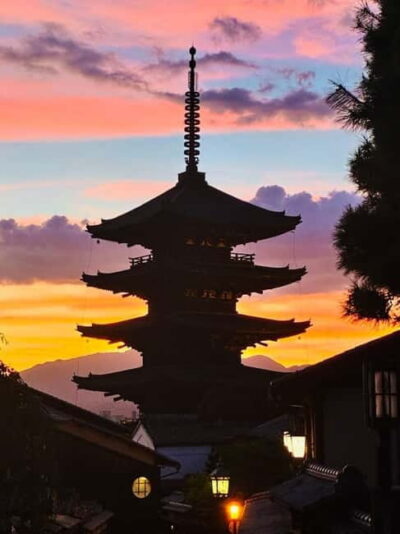
Kyoto Geisha Walking Tour: Gion District & Hidden Gems
Read our review →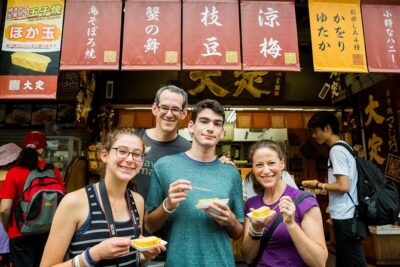
Tokyo Tsukiji Fish Market Food and Culture Walking Tour
Read our review →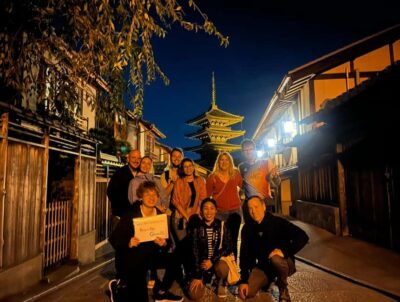
Gion Magical Night Walking Tour with Geisha Trivia
Read our review →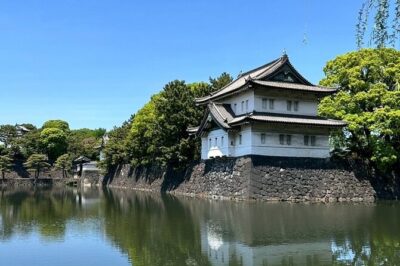
Imperial Palace and Shogun Historical Walking Tour
Read our review →
Gion Geisha District Walking Tour – Stories of Geisha
Read our review →
Shinjuku Local Bar and Izakaya Guided Walking Tour
Read our review →
Browse the lists this tour appears in