
Reviewed · WALKING TOURS
Osaka: Main Sights and Hidden Spots Guided Walking Tour
Osaka rewards the curious walker. This four-hour tour links the city’s grand castle, Korean quarter, food markets, high-rise views, and neon-lit entertainment streets in one efficient outing. I like the sharp contrast between old merchant Osaka and its modern food-and-shopping core, and I like that local guides add social and historical context rather than simply pointing at monuments. The main caution is pace: public transport and plenty of walking pack a lot into half a day.
At $59 per person, the tour can be good value if you are new to Osaka or have only one day here. Your guide may be the biggest part of that value. Guides such as Kevin, Ferdinand, Oisin, Bryan, and others have been praised for clear explanations, photo help, food suggestions, and patient adjustments. Transportation, food, and drinks cost extra, so budget for those separately.
In This Review
- Key things to know before you book
- Why this tour gives you a useful first look at Osaka
- Osaka Castle Park: history without the indoor visit
- Tsuruhashi and Korea Town: a different Osaka in narrow streets
- Abeno Harukas: Osaka from above, without a separate ticket
- Shinsekai: old entertainment district with rough edges
- Namba, Dotonbori, and Kuromon: Osaka turns up the volume
- Doguyasuji: the practical, playful side of Osaka food culture
- The guides are the real measure of value
- Price, transport, pace, and comfort
- Who should book this Osaka walking tour?
- Should you book it?
- FAQ
- How long does the Osaka walking tour last?
- Where does the tour begin?
- Does the tour enter Osaka Castle?
- Are transportation, food, and drinks included?
- Is hotel pickup available?
- What languages are offered?
Key things to know before you book
- Seven very different Osaka districts in four hours: You move from Osaka Castle Park to Korea Town, Harukas, Shinsekai, Namba, Dotonbori, and Doguyasuji.
- The castle visit is exterior only: You stroll through the park and learn about the castle’s role in Osaka’s past, but you do not enter the building.
- Public transport is part of the day: You are expected to buy a subway day pass and use it to reach the meeting point and during the tour.
- Expect a serious amount of walking: One past guest described the day as more than 10,000 steps, and comfortable shoes are essential.
- The food market is for looking and buying, not a set meal: There are no formal food stops, though you can purchase snacks along the way.
- The guide can shape the experience: Private and small-group options are available, and guides are praised for history, culture, recommendations, and taking family photos.
Why this tour gives you a useful first look at Osaka
Osaka is not just Tokyo with louder signs and better snacks. Its identity grew from trade, food, entertainment, and a famously direct local character. This tour works because it does not keep you in one polished sightseeing zone. Instead, it shows how the city changes from one stop to the next.
You begin at Tanimachiyonchome Station Exit 2, above ground. This detail matters. Osaka’s stations are large and layered, so do not wait underground or at another exit. If you arrive by taxi, the useful intersection name is Tanimachi 3-chome, written 谷3交差点.
From there, the day becomes a mix of guided walking and short public transport rides. That lets you cover more ground than a single neighborhood walk, though it also means you need to keep an eye on the group and be ready to board trains.
I especially like this as an arrival-day activity. You get a basic map of Osaka in your head, learn how the subway fits together, and finish in Namba, where you can continue eating or exploring after the guide says goodbye.
More Walking Tours in Osaka
- Osaka: Hotspots & Hidden Gems Walking Tour Private or Group
★ 4.9 · 1,300 reviews - Osaka Local Foodie Walking Tour in Dotonbori and Shinsekai
★ 5.0 · 985 reviews - Osaka Bar Hopping Night Walking Tour in Namba (3 bars, 6 tastes)
★ 5.0 · 958 reviews
Osaka Castle Park: history without the indoor visit
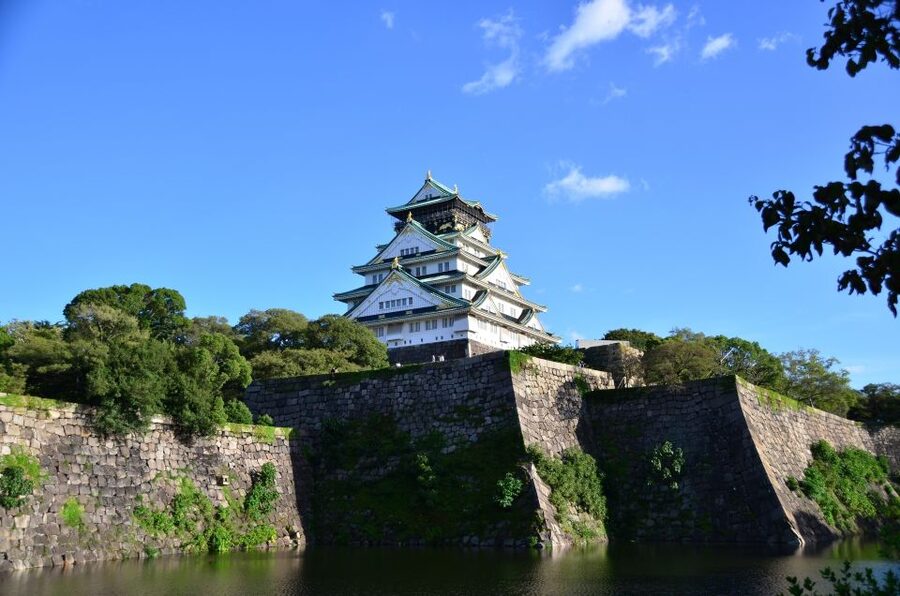
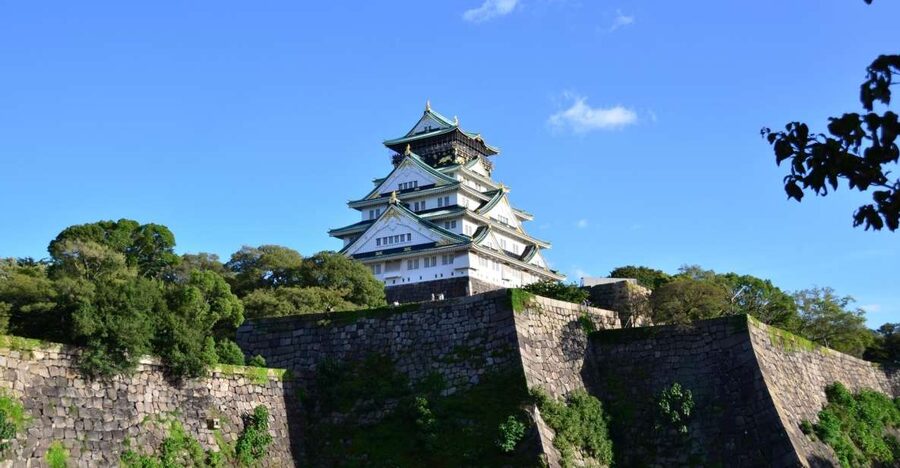
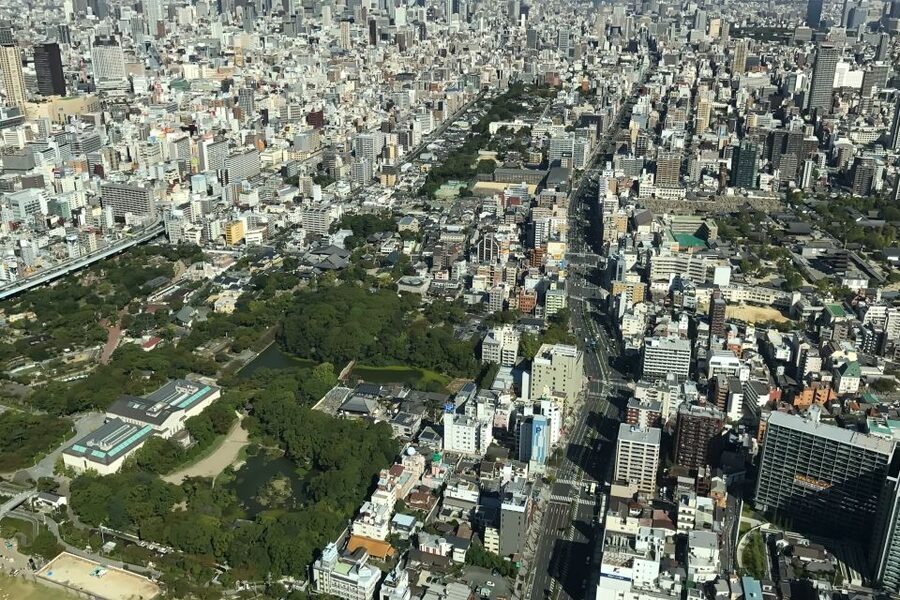
The opening 75 minutes are spent around Osaka Castle Park. The castle exterior is the visual headline, with its imposing form and wide grounds giving you the classic Osaka photograph. You do not go inside, so this is not the right tour if your main goal is the castle museum or interior displays.
The park visit is still worthwhile because the guide uses the setting to explain Osaka’s place in Japanese power struggles roughly 400 years ago. The story centers on how Osaka was nearly taken from the Japanese, with the castle serving as a doorway into the Shogun period and the city’s political importance.
A good guide can make this stop more than a photo break. Ferdinand, for example, has been praised for telling the castle story in a way that held attention, while other guides have connected the site to wider Japanese history and modern society. You can expect plenty of questions, and the best part of this tour seems to be the room for conversation.
The drawback is timing. Seventy-five minutes sounds generous, but the castle grounds are expansive. You will see only a portion of the park before moving on, and the tour does not offer the slower, museum-focused experience that some history lovers may want.
Tsuruhashi and Korea Town: a different Osaka in narrow streets
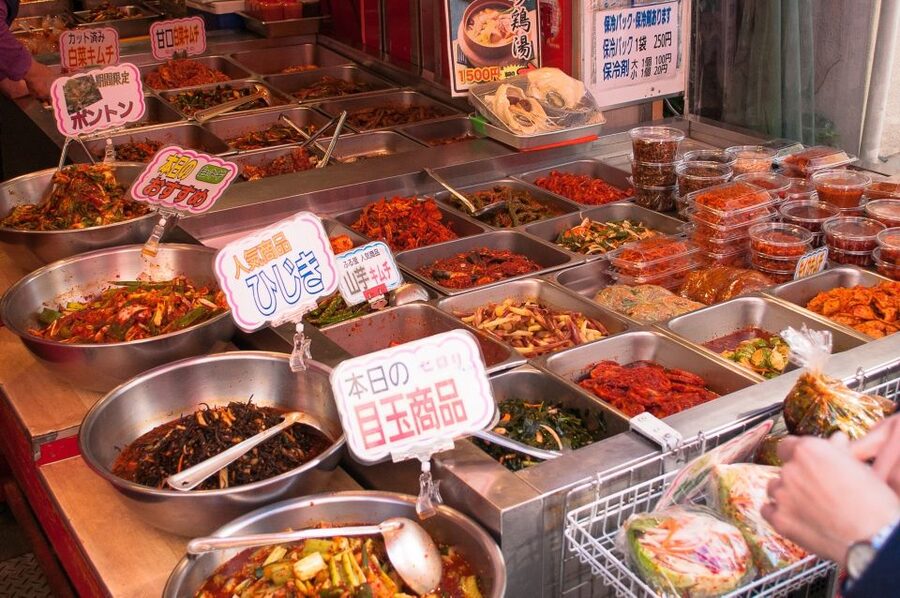
A short train ride takes you to Tsuruhashi for about 45 minutes. This is one of the tour’s more useful choices because it shifts the mood from castle history to neighborhood life.
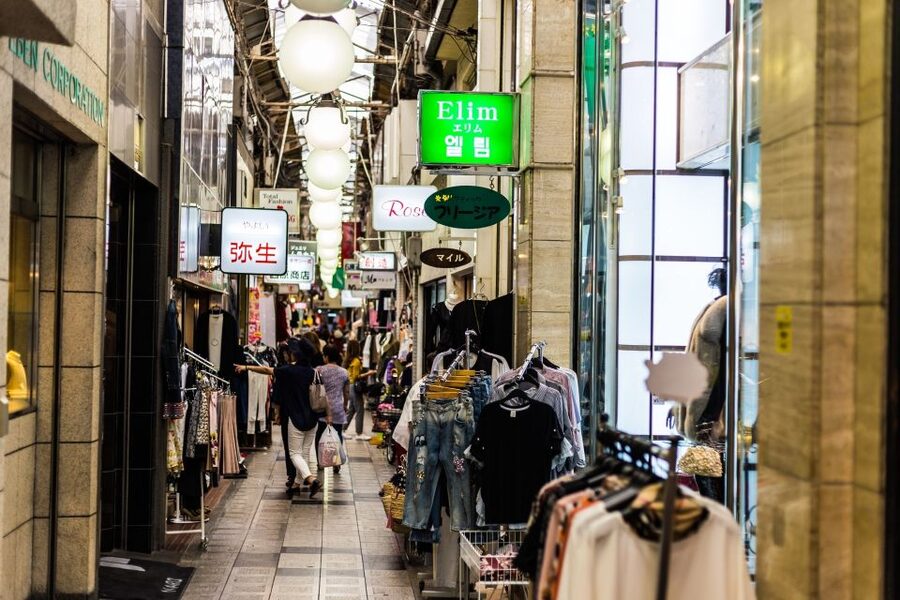
You walk through a maze of narrow streets and alleys in a pre-war commercial district associated with Osaka’s Korean community. The area gives you a look at the city’s cultural mix, food traditions, language differences, and social background. Several guides have been praised for explaining how cultures interact in Japan, which adds much more than a quick stroll past shops.
This stop also gives the tour its local character. The streets are not arranged as a grand sightseeing circuit. You are moving through a working commercial quarter, where the interest comes from the setting, the products, the signs, and the stories your guide can provide.
You may have a chance to buy a snack here, but do not count on a full meal. One guest especially enjoyed a kimchi pancake, yet food purchases are your responsibility and the tour does not include a planned dining stop. If you want lunch, eat before the tour or use one of the later neighborhoods after the walk.
Abeno Harukas: Osaka from above, without a separate ticket
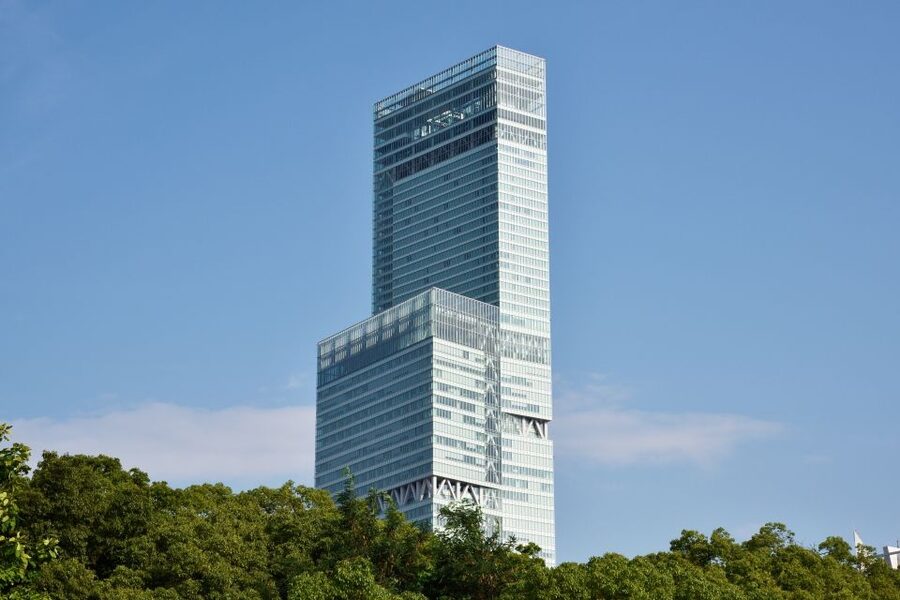
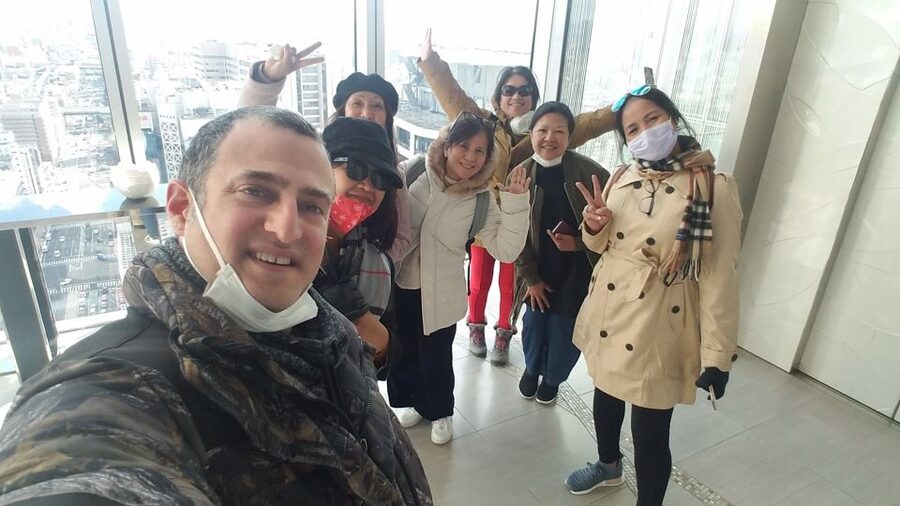
The next major change of scene is Abeno Harukas 300. You spend about 30 minutes at the Harukas building, taking in Osaka from one of the high floors before heading underground to the department store food hall.
The view gives you a useful sense of the city’s scale. After walking through a compact older district, you see Osaka spread out from a modern tower. The stop is brief, so think of it as a high-level orientation point rather than a long observatory visit.
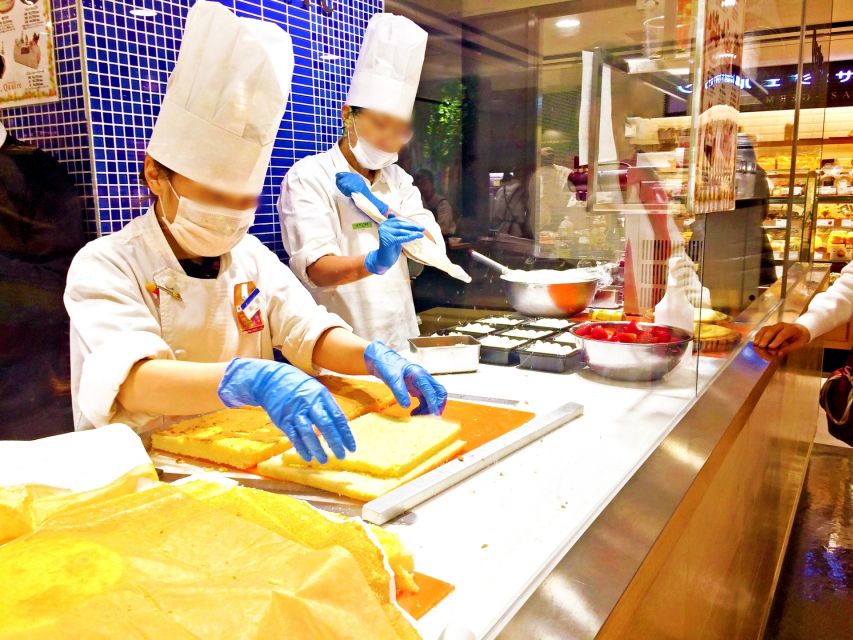
The food hall below is a fun counterpoint. You can look at high-quality Japanese products, including puffer fish and Kobe beef. These displays are a good introduction to Japan’s careful presentation of food, but the tour does not include tastings or purchases. Prices in a department store food hall can also be high, so browse first and buy only what suits your budget.
I like the rhythm here: traditional streets, then a modern tower, then a food market below. It keeps the tour from becoming a string of similar temples, castles, or shopping arcades.
More Walking Tours in Japan:
- Kyoto Geisha Walking Tour: Gion District & Hidden Gems
★ 4.7 · 3,273 reviews - Tokyo Tsukiji Fish Market Food and Culture Walking Tour
★ 5.0 · 3,184 reviews - Kyoto: Gion Magical Night Walking Tour with Geisha Trivia
★ 4.9 · 2,393 reviews - Tokyo: Imperial Palace and Shogun Historical Walking Tour
★ 5.0 · 2,251 reviews
Shinsekai: old entertainment district with rough edges
Not far from Harukas, Shinsekai offers another shift. The guided portion lasts about 30 minutes and focuses on a traditional district that feels slightly worn and frozen in another period.
This is not a spotless theme park version of old Osaka. Its appeal comes from the aging signs, local atmosphere, and traces of the area’s former leisure culture. One description of the route points to its connections with leisure, organized crime, and gay culture, giving you a more complicated picture than a standard sightseeing stop.
That context is important. Osaka’s past was not only castles and commerce. It also included entertainment quarters and neighborhoods shaped by communities that are often left out of polished city tours. Your guide’s explanation helps you understand why Shinsekai looks and feels different from the glossy parts of Namba.
Thirty minutes is enough for an introduction, not a full neighborhood study. You will likely leave with questions and a few photo opportunities rather than a complete understanding of the district. That is fine, since the tour’s purpose is to show range.
Namba, Dotonbori, and Kuromon: Osaka turns up the volume
The route then reaches Namba, the center of present-day shopping, dining, and entertainment. This is where Osaka’s famous appetite for spectacle becomes hard to miss.
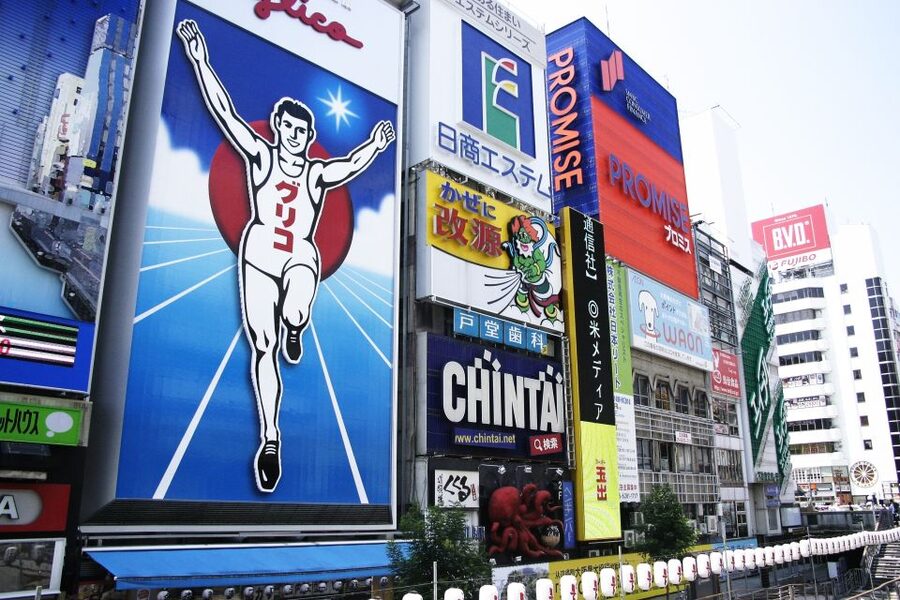
Dotonbori is the city’s giant billboard and neon zone, often compared with Times Square. You get the famous canal-side energy, oversized signs, dense restaurant fronts, and quirky back streets. The guide takes you beyond the main picture-taking area into lanes with their own character, where the surprises are smaller and more local.
The route ends at 1-chōme-4-2 Nanba, Chūō-ku, close to the Namba area. That is a practical finish because you are surrounded by places to eat, shop, and continue sightseeing. Ask your guide for recommendations before you separate. Kevin, in particular, has helped people order at ramen shops and offered food advice that proved useful after the tour.
Kuromon Ichiba is another major stop. This fresh fish market has served Osaka for more than 150 years and helps explain why the city earned its reputation for food. You can inspect seafood, prepared snacks, and other market products, but again, this is not a meal included in the tour.
The market can be crowded, and four hours does not allow for a leisurely tasting crawl. Bring a little cash and appetite if you want to sample something, but keep your purchases modest if you still have several stops ahead.
Doguyasuji: the practical, playful side of Osaka food culture
Doguyasuji is a kitchen and cooking district, and it gives the tour a charming final note. You look at wax food models, Japanese noren curtains, and very large pottery pieces. These objects connect the restaurants you have seen all day with the tools, signs, and displays behind them.
The wax food models are especially useful for visitors who cannot read Japanese menus. They show how restaurants advertise dishes visually, and they are also simply fun to photograph. The giant pottery makes the street feel different from Dotonbori’s bright signs and Kuromon’s seafood counters.
This part is easy to miss if you explore Namba without a plan. A guide makes a difference by explaining what the street sells and why it matters. It is less about a single landmark and more about seeing the trade behind Osaka’s dining culture.
The guides are the real measure of value
The tour’s subject matter is strong, but the guide determines how well the pieces fit together. The strongest guide feedback centers on clear storytelling, broad cultural knowledge, patience, and useful help beyond the scheduled stops.
Ferdinand has been praised for making Osaka Castle’s past easy to follow and for offering an engaging overview of Japanese culture. Kevin has received praise for explaining social context, helping with photographs, adjusting the pace for older people, and keeping children involved. Oisin has been noted for giving a broad picture without drowning people in small details. Bryan has helped families navigate the city and kept teenagers interested.
Those details matter because this is not just a walk beside famous places. You are changing districts several times, using trains, and moving through busy streets. A guide who can explain the route, answer questions, and notice when the group needs a short pause adds real value.
The language options are English, French, and Spanish. Private and small-group formats are available, though the exact group size is not provided. If you want more time for questions or need a pace built around your own group, a private option may be worth considering.
Price, transport, pace, and comfort
At $59 per person, the tour is fairly priced for four hours with a live guide and this much coverage. You are paying mainly for the route design and interpretation. The tour connects districts that would take planning to combine on your own, and the cultural explanations can save you from seeing Osaka as a collection of disconnected photo stops.
Transportation is not included. You are asked to buy a subway day pass and use it to reach the meeting point and during the tour. Add that cost before comparing the price with a self-guided day. Food and drinks are also separate, and there are no scheduled food stops.
Plan on a good pair of walking shoes. One guest described walking more than 10,000 steps, and the route includes stations, streets, markets, and large public areas. The tour operates rain or shine, so bring suitable weather protection.
The information says the activity is wheelchair accessible, but it also says it is not suitable for people with mobility impairments. That is a meaningful warning, not a footnote. Ask the provider about your exact needs before booking, especially given the walking and public transport connections.
Hotel pickup is not included. Central Osaka hotel pickup and pickup at the Tempozan Ferris wheel can be arranged for an extra 5,000 yen, payable in cash to the guide or through a secure payment link. For most people, meeting at Tanimachiyonchome Station is the simpler and cheaper choice.
The company tries not to charge more to solo participants, but a minimum of two people applies. If that minimum is not met, you may be offered another date, a 4,000-yen solo supplement, or a full refund. Check this point before you build your day around the tour.
Who should book this Osaka walking tour?
I would choose this tour for a first visit, a short stay, or a day when you want someone else to handle the route. It is particularly useful if you want history, food culture, neighborhood texture, and city views in the same half-day.
Families can benefit from the variety and guide support. The route has enough visual change to keep children and teenagers interested, and guides have helped with family photographs and questions from younger travelers. Older visitors should be honest about walking ability and heat, though guides may adjust the pace when possible.
You may want a different plan if your priority is entering Osaka Castle, eating a full series of dishes, or spending an entire day in one neighborhood. This tour gives you breadth, not long, quiet visits. It is an introduction to Osaka’s character, not a specialist tour of any one attraction.
Should you book it?
Book it if you want a fast but thoughtful introduction to Osaka, especially if you are staying near central Osaka or have only one free day. The mix of Osaka Castle Park, Tsuruhashi, Harukas, Shinsekai, Namba, Dotonbori, Kuromon, and Doguyasuji is unusually broad for four hours.
Skip it if you dislike group timing, public transport, or long walks. Also skip it if you need a food tour with included tastings or a detailed indoor visit to the castle. For everyone else, the $59 price buys a useful route, local explanations, and a much better sense of how Osaka’s old merchant culture connects with its modern food-and-entertainment life.
FAQ
How long does the Osaka walking tour last?
The tour lasts four hours.
Where does the tour begin?
Meet above ground at Exit 2 of Tanimachiyonchome Station. If arriving by taxi, use the Tanimachi 3-chome intersection name, written 谷3交差点.
Does the tour enter Osaka Castle?
No. You admire the castle exterior and explore the surrounding park, but the castle interior is not included.
Are transportation, food, and drinks included?
No. Transportation, food, and drinks are not included. You are asked to buy a subway day pass for the meeting point and the rides during the tour.
Is hotel pickup available?
Central Osaka hotel pickup and pickup at the Tempozan Ferris wheel are available for an extra 5,000 yen. Payment can be made in cash to the guide or through a secure payment link.
What languages are offered?
The tour is available with guides speaking English, French, or Spanish. Private and small-group options are available.
Just added in Japan
- A One-of-a-Kind Sushi Experience in a Special Place of Japan★ 5.0 · 15 reviews
- Tokyo Cute Bento Cooking Class – Make a Kawaii Character Lunchbox★ 5.0 · 126 reviews
- Japanese Home Cooking Class & Walk in Todoroki Temple Tokyo★ 5.0 · 88 reviews
- Japan Tokyo Tower Observatory Deck E-Ticket★ 4.0 · 34 reviews
- Catch a Baseball Game in Tokyo with a Local – Tickets Included★ 5.0 · 24 reviews
- JDM Experience with Fast&Furious RX-7 (English speaking Driver)★ 5.0 · 57 reviews
- Tokyo Private Day Tour by Car with English speaking Driver Guide★ 4.0 · 29 reviews
- Japan Classic 10 Day – One Life Adventures★ 5.0 · 129 reviews
Walking Tours, compared.
Kyoto Geisha Walking Tour: Gion District & Hidden Gems
Read our review →
Tokyo Tsukiji Fish Market Food and Culture Walking Tour
Read our review →
Gion Magical Night Walking Tour with Geisha Trivia
Read our review →
Imperial Palace and Shogun Historical Walking Tour
Read our review →
Gion Geisha District Walking Tour – Stories of Geisha
Read our review →
Shinjuku Local Bar and Izakaya Guided Walking Tour
Read our review →
Browse the lists this tour appears in