
Reviewed · WALKING TOURS
Osaka Walking Tour to Local Gems, Food & Culture
Osaka rewards curious walkers. This 2.5-hour tour links Shinsaibashi, Amemura, Dotonbori, Hozen-ji Temple, Kuromon Market, Nipponbashi, and Dōguya-suji in one lively route. I like the mix of famous sights and everyday Osaka culture, especially the look at local subcultures and the kitchenware street where chefs shop. I also like the small-group limit of 12 and the chance to book either morning or afternoon.
The main drawback is pace. You cover a lot of ground, with some stops lasting only 10 minutes. You will see the shape of several districts and collect useful tips, but this is not a slow food crawl or a detailed tour inside each attraction. Wear comfortable shoes, and budget extra for snacks because food is not included.
In This Review
- Key points to know before booking
- Why this route works as an Osaka introduction
- Horie Park starts the walk quietly
- Amemura brings Osaka’s youth culture into view
- Namba Hatch connects entertainment with the city’s modern side
- Dotonbori delivers the famous Osaka moment
- Hozen-ji Temple offers a quiet turn
- Kuromon Market is the food stop, with spending required
- Nipponbashi shows Osaka’s electronics and anime side
- Dōguya-suji finishes with tools, cookware, and useful souvenirs
- The guides make the difference
- Timing, comfort, and practical planning
- Who should book this Osaka walk?
- Should you book it?
- FAQ
- Where does the Osaka walking tour begin?
- Where does the tour end?
- How long does the tour last?
- How much does the experience cost?
- Is food included?
- Which places are included on the route?
- Can I choose a morning or afternoon tour?
- How large is the group?
- Is the tour led by a licensed guide?
- Is free cancellation available?
Key points to know before booking
- Eight Osaka districts and stops in 2.5 hours: The route moves from Horie Park and Amemura to Dotonbori, Hozen-ji, Kuromon Market, Nipponbashi, and Dōguya-suji.
- A useful first-day orientation: The tour helps you understand where to shop, eat, and return later on your own.
- Local culture beyond neon signs: Amemura and Nipponbashi add youth style, electronics, anime, and Japanese pop culture to the usual Osaka sightseeing route.
- A food-focused stop without an included meal: Kuromon Market is ideal for ideas and browsing, but you pay separately for anything you want to taste.
- Small groups and flexible timing: A maximum of 12 people keeps the walk more personal, while morning and afternoon departures suit different schedules.
- Strong guide feedback: Jay, Matt, Calvin, EJ, and other guides are praised for humor, local insight, organization, and helpful food suggestions.
Why this route works as an Osaka introduction
Osaka can feel like several cities stitched together. One street is all giant signs and restaurant fronts. The next is quiet and old-fashioned. Then you turn a corner and find anime shops, kitchen tools, or a canal-side concert venue.
This walk gives you that contrast quickly. It begins near Shinsaibashi, a central shopping area that is easy to reach by public transportation, then heads through neighborhoods with different personalities. You finish near Namba Grand Kagetsu, a practical location for continuing into Namba, shopping, dining, or taking public transit elsewhere.
I see the tour’s greatest value in orientation. If Osaka is new to you, the guide can help turn a confusing mass of streets into a usable map. You get place names, cultural context, food ideas, and a sense of which areas deserve a second visit.
The price is $25 per person. That is modest for a licensed guide and 2.5 hours of walking, particularly if you use the tour early in your stay. The guide’s advice can help you avoid spending your limited Osaka time wandering without a plan. Still, the fee covers guiding rather than food, so bring money for market snacks or other purchases.
More Walking Tours in Osaka
- Osaka: Hotspots & Hidden Gems Walking Tour Private or Group
★ 4.9 · 1,300 reviews - Osaka Local Foodie Walking Tour in Dotonbori and Shinsekai
★ 5.0 · 985 reviews - Osaka Bar Hopping Night Walking Tour in Namba (3 bars, 6 tastes)
★ 5.0 · 958 reviews
Horie Park starts the walk quietly
The first stop is Horie Park, with about 20 minutes set aside for a stroll. It provides a calm opening before the route enters the louder shopping and entertainment districts.
You can expect greenery, walking paths, and a more relaxed setting here. The park is not presented as a major sightseeing landmark, and that is part of its usefulness. It gives the guide room to introduce the neighborhood and lets you settle into the pace before the city closes in around you.
For you, the park may be more valuable as a breather than as a destination. If you are looking for a large historical site, this stop may feel light. If you appreciate seeing how urban Osaka mixes small green spaces with dense streets, it is a sensible beginning.
Amemura brings Osaka’s youth culture into view
The 20-minute stop in America-mura, usually shortened to Amemura, adds one of the tour’s most distinctive pieces. This Chūō ward district is known for its shops, cafés, restaurants, and youth-oriented style.
The area’s name reflects its American influences, but the tour uses it to show a Japanese take on imported trends and local subcultures. That makes Amemura more interesting than a simple shopping stop. You are not just looking at storefronts. You are seeing how Osaka’s younger culture expresses itself through fashion, food, music, and pop references.
The short time here is enough for an introduction, not a full shopping session. If you see a store you like, note its location and return later. The guide’s local perspective is especially useful in this part of the walk, since the appeal is less about one monument and more about the character of the streets.
Namba Hatch connects entertainment with the city’s modern side
Namba Hatch receives another 20 minutes. This event venue near Namba hosts concerts, performances, and other live events, with room for about 1,200 people.
It may seem unusual to include a concert venue on a sightseeing walk, but it helps show Osaka as a living city rather than a collection of old temples and famous signs. Namba is not only a place to take pictures. It is also where people gather for music and shows.
The stop is best understood as a neighborhood marker and cultural talking point. You should not expect a performance or an interior tour based on the information provided. Instead, the guide uses the venue to explain the area’s entertainment role before moving toward Dotonbori.
A completely different kind of day out:
- Osaka Go Karting Tour with Funny Costume
★ 5.0 · 2,658 reviews - Osaka Castle: Museum and Tower Entry Ticket
★ 4.5 · 2,380 reviews - Osaka: Shinsekai Food Tour with 13-15 Dishes at 5 Eateries
★ 4.8 · 2,204 reviews - Osaka Food Tour: 13 Dishes at 5 Local Eateries
★ 5.0 · 2,149 reviews
Dotonbori delivers the famous Osaka moment
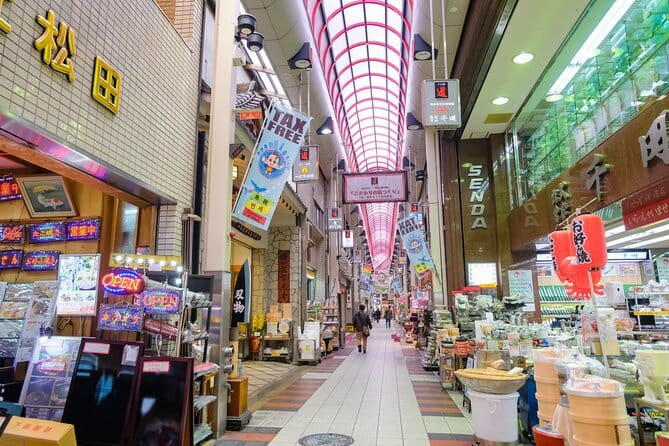
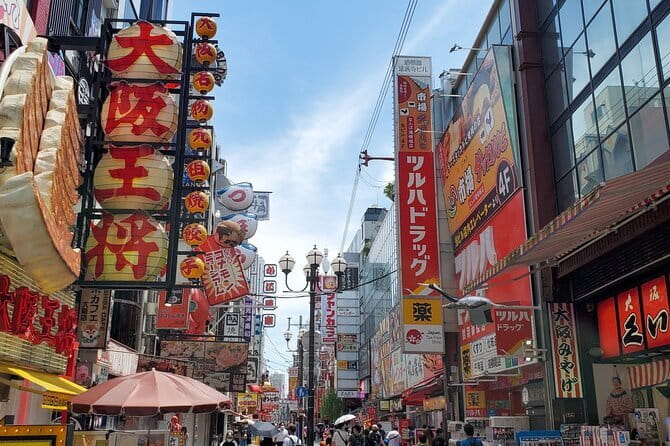
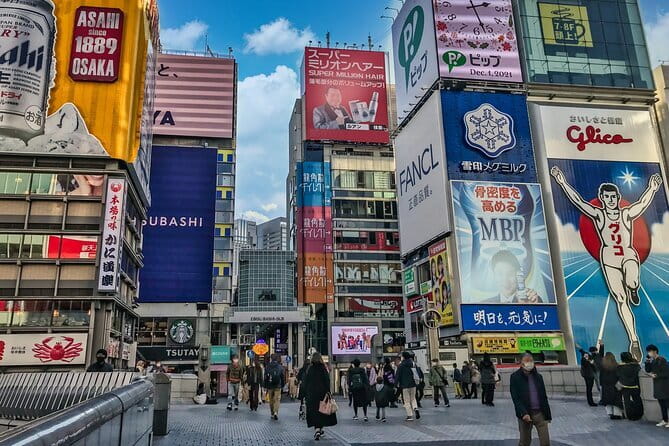
Dotonbori gets about 10 minutes, the briefest stop on the route. That may sound short for one of Osaka’s best-known districts, but it makes sense if the goal is to point out the area and keep the walk moving.
Here you find the canal, neon signs, restaurants, and the famous entertainment atmosphere associated with Osaka. It is the place many first-time visitors picture when they think of the city. The guide can help you understand the layout and identify areas worth returning to for a meal or evening stroll.
Do not treat these 10 minutes as enough time to explore Dotonbori. You will want to come back on your own, especially after dark or when you are ready to eat. The advantage of seeing it with a guide is that you get an introduction before facing the crowds and signs by yourself.
Hozen-ji Temple offers a quiet turn

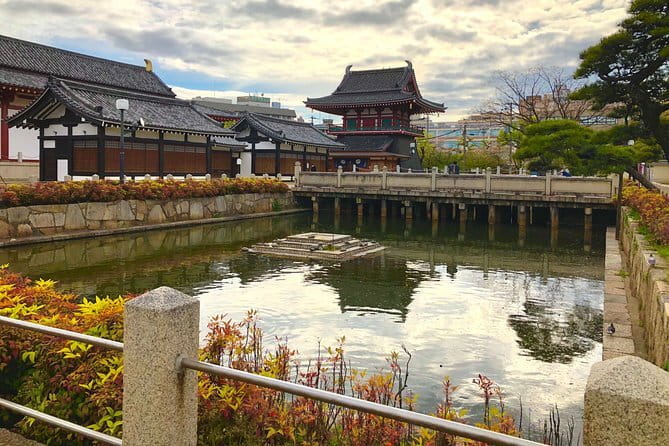
After Dotonbori, the route shifts sharply at Hozen-ji Temple. This Buddhist temple dates to 1637 and is known for its moss-covered statue of Fudō Myōō, a fierce Buddhist deity.
About 20 minutes here gives the guide time to explain the temple’s place near the entertainment district. The contrast is the point. Within a short walk of bright signs and restaurant noise, you find a small religious site with a much calmer feel.
The moss-covered statue is the visual focus, but the setting matters just as much. I like this stop because it keeps the tour from becoming a parade of commercial streets. You get a glimpse of older Osaka and a reminder that local religious sites can survive beside major nightlife areas.
Kuromon Market is the food stop, with spending required
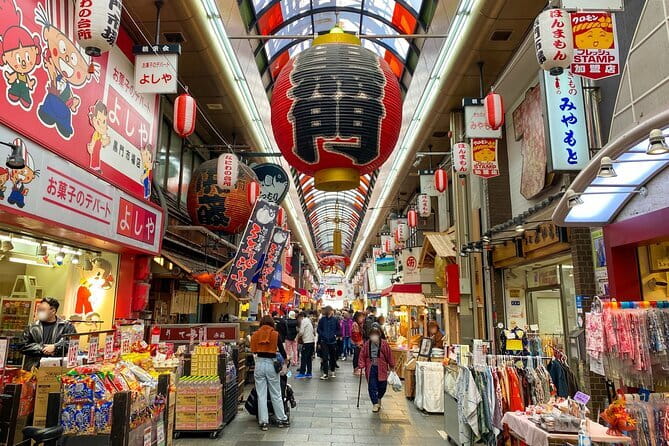
The tour allows 30 minutes at Kuromon Ichiba Market, the longest stop on the route. This is where the food theme becomes most practical.
The market is known for seafood, produce, and local specialties. You can browse stalls, see what looks good, and ask the guide for suggestions. One of the most useful points from the tour’s feedback is that guides offer food recommendations along the way, helping you make better choices later in your stay.
Food is not included, so plan for separate spending. That is both a limitation and a benefit. You choose what interests you instead of paying for a fixed tasting menu, but the final cost depends on what you buy. If you are hungry, 30 minutes may pass quickly. If you are only browsing, it is enough time to take in the market’s range and mark places for a return visit.
Keep in mind that this is still a walking tour, not a dedicated market tour. You will not have a long meal built into the schedule. I would treat Kuromon as a chance to sample one or two things, gather ideas, and continue.
Nipponbashi shows Osaka’s electronics and anime side
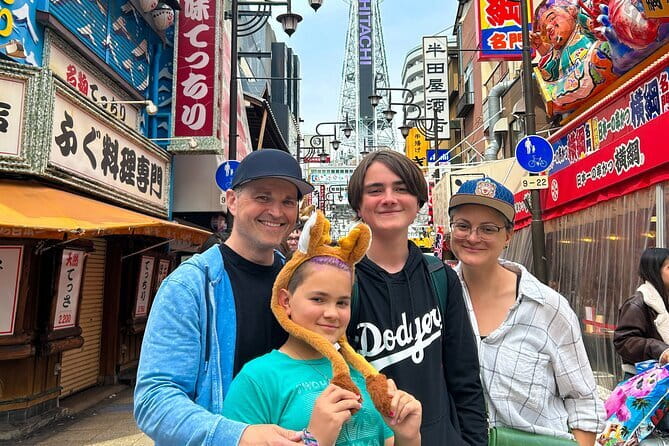
The 10-minute Nipponbashi stop introduces a different Osaka. The district is known for electronics, anime, and otaku culture, making it a useful counterpoint to the temple and market sections.
If you are interested in Japanese pop culture, this may be one of the most appealing parts of the route. The guide can point out the district’s role and explain how it fits into Osaka’s modern identity. If anime and electronics are not your interests, the stop is still helpful because it shows a side of the city that a standard sightseeing route can miss.
Again, the timing favors orientation over shopping. You will not have much time to compare products or browse every store. Write down places that catch your eye and return after the tour if you want a closer look.
Dōguya-suji finishes with tools, cookware, and useful souvenirs
The final stop is Dōguya-suji, also called Kitchenware Street, with about 20 minutes allotted. This shopping street is lined with stores selling kitchen tools, cookware, restaurant supplies, and household goods.
It is a fine place to finish because it ties together Osaka’s food reputation and its working commercial culture. You may see items aimed at professional cooks as well as practical goods for home kitchens. The tour specifically highlights this as the street where many of Osaka’s chefs shop for knives, which gives the stop a strong local connection.
You will need to control your shopping impulse. Kitchenware is not as easy to pack as a postcard, and a quality knife may require extra thought about purchase and transport. Even if you buy nothing, the street offers a useful look at the tools behind Osaka’s food culture.
The tour ends at Namba Grand Kagetsu, giving you a convenient base for more time in the Namba area. You are not left at the starting point, so check the end location before booking and plan the rest of your day from there.
The guides make the difference
The tour is led by a licensed guide, and the strongest praise centers on the people leading the walks. Jay is repeatedly singled out for humor, Osaka roots, cultural insight, and historical storytelling. Several accounts describe him as especially good at answering questions and making the first day in Osaka more enjoyable.
Matt is praised for being friendly, punctual, organized, and useful on shopping and dining choices. One important practical detail is that he has lived in Osaka for some time, giving him a perspective that goes beyond a basic script.
Calvin is noted for clear communication and thoughtful answers. EJ is described as a strong storyteller who kept the group informed and entertained. The guide assigned to your date may differ, but the pattern is clear: personality and explanation are central to the experience.
The small-group limit of 12 should help. It gives you a better chance to hear the guide and ask questions than you would on a large coach-style outing. One account also describes a group of four with two teenagers enjoying the walk, so the format can work for families when everyone is ready for steady walking.
Timing, comfort, and practical planning
You can choose a morning or afternoon tour. A morning departure may work well if you want to use the rest of the day for a return to Dotonbori, shopping in Nipponbashi, or a longer meal at Kuromon Market. An afternoon departure can serve as a useful orientation before an evening in Namba.
The route lasts about 2 hours and 30 minutes and includes multiple neighborhoods. Wear comfortable shoes. That advice comes directly from the nature of the route, with sidewalks, market streets, parks, and commercial areas all included.
The meeting point is Apple Shinsaibashi Japan at 1-chōme 5-5 Nishishinsaibashi, Chūō Ward, Osaka. It is near public transportation, but confirm the exact point in your booking details so you do not confuse the starting location with the finish at Namba Grand Kagetsu.
Service animals are allowed, and most people can participate. The experience is provided with a mobile ticket, and confirmation is issued at booking. Free cancellation is available when you cancel at least 24 hours before the start time. Changes or cancellations inside that window are not accepted for a refund.
Who should book this Osaka walk?
I would choose this tour for a first or second day in Osaka, especially if you want context before exploring alone. It suits solo visitors, couples, families with older children or teens, and anyone who wants a guide to connect the city’s food, shopping, entertainment, and religious sites.
It is also a good match if you prefer local districts to a long list of major monuments. Amemura, Nipponbashi, and Dōguya-suji give the route a more unusual shape than a basic Dotonbori photo stop.
I would look elsewhere if you want a formal food tasting with food included, extensive time at each location, or a tour focused on one subject. The route covers ground quickly, and snacks cost extra.
Should you book it?
Book it if you want an affordable, lively introduction to Osaka that helps you decide where to spend the rest of your trip. The $25 price is strong for a licensed guide, a maximum group of 12, and a route that includes famous areas plus less obvious cultural stops.
Go in with the right expectations. You are buying a guided orientation, not a full exploration of eight separate attractions. Take notes, ask questions, save your favorite places for later, and carry some extra money for Kuromon Market. For most first-time visitors, that approach makes this short walk a smart use of time.
FAQ
Where does the Osaka walking tour begin?
The tour begins at Apple Shinsaibashi Japan, 1-chōme 5-5 Nishishinsaibashi, Chūō Ward, Osaka, postal code 542-0086.
Where does the tour end?
The tour ends at Namba Grand Kagetsu, 11-6 Nanbasennichimae, Chūō Ward, Osaka, postal code 542-0075.
How long does the tour last?
The tour lasts approximately 2 hours and 30 minutes.
How much does the experience cost?
The listed price is $25 per person.
Is food included?
No. Snacks are not included, so you pay separately for anything you choose to buy at Kuromon Market or elsewhere.
Which places are included on the route?
The route includes Horie Park, America-mura, Namba Hatch, Dotonbori, Hozen-ji Temple, Kuromon Market, Nipponbashi, and Dōguya-suji Kitchenware Street.
Can I choose a morning or afternoon tour?
Yes. Morning and afternoon tours are available.
How large is the group?
The tour has a maximum of 12 participants.
Is the tour led by a licensed guide?
Yes. A licensed guide is included.
Is free cancellation available?
Yes. You can cancel for a full refund if you cancel at least 24 hours before the experience start time. Cancellations or changes made less than 24 hours before the start time are not accepted for a refund.
Just added in Osaka
- Osaka: PICCADILLY PREMIUM DINNER SHOW&NIGHTCLUB with Tasting★ 5.0 · 26 reviews
- Play with Snow Crab Buffet Lunch and Strawberry Picking Bus Tour★ 5.0 · 88 reviews
- Osaka 4-Hour Walking Tour: Hotspots and Hidden Gems★ 4.5 · 14 reviews
- Osaka Highlights: 4-Hour Walking Tour with Castle★ 5.0 · 152 reviews
- Osaka Soul : IZAKAYA Shinsekai to Dotonbori Food Paradise!★ 5.0 · 15 reviews
- Osaka Food Adventure Tour: Walking with a Local Guide★ 5.0 · 119 reviews
- Osaka’s Secret Adventures: Daruma Magic and Minoh Falls★ 5.0 · 12 reviews
- Osaka’s Best and Brightest: Private Full-Day Tour by Vehicle★ 5.0 · 147 reviews
Walking Tours, compared.
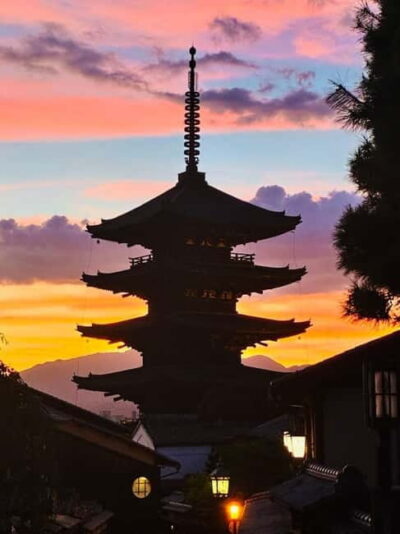
Kyoto Geisha Walking Tour: Gion District & Hidden Gems
Read our review →
Tokyo Tsukiji Fish Market Food and Culture Walking Tour
Read our review →
Gion Magical Night Walking Tour with Geisha Trivia
Read our review →
Imperial Palace and Shogun Historical Walking Tour
Read our review →
Gion Geisha District Walking Tour – Stories of Geisha
Read our review →
Shinjuku Local Bar and Izakaya Guided Walking Tour
Read our review →
Browse the lists this tour appears in