
Reviewed · COOKING CLASSES
Private Home-Style Cooking Class in Osaka with Local Mom Yoshiko
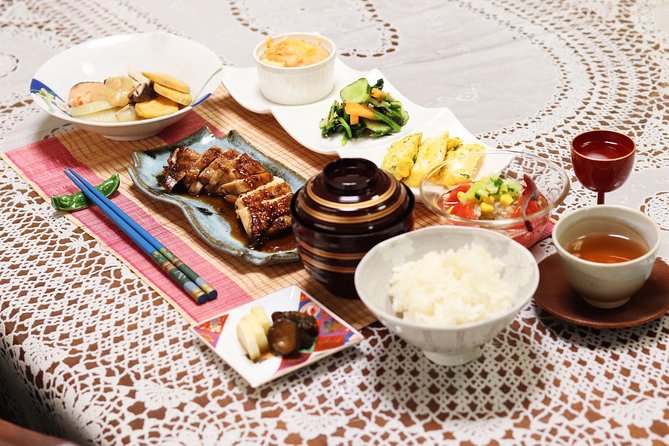
Good food opens the right doors. In Yoshiko’s private Osaka-area home, you learn to prepare four or five Japanese dishes, share the finished meal, and talk with a local resident in a relaxed setting. I especially like the focus on dashi, the stock that gives Japanese food its savory umami taste, and the chance to take home printed recipes rather than just a pleasant memory.
I also like the personal scale of this three-hour experience. It is private to your group, includes pickup from Kawanishi-Ikeda Station, and offers lunch or dinner. The main consideration is location: Yoshiko’s home is outside central Osaka, and one review estimates about an hour from Osaka Station to the meeting point and home.
- Dashi comes first: Learn why Japanese cooks use this stock in place of plain water.
- Four or five dishes: The menu changes, but examples include okonomiyaki and bento-style food.
- A real home setting: Yoshiko welcomes you into her own kitchen, not a commercial cooking school.
- Private and personal: Only your group participates, with group discounts available.
- Station pickup included: Yoshiko meets you at Kawanishi-Ikeda Station and drives about 10 minutes to her home.
- Recipes go home with you: Printed instructions make it possible to repeat the meal in your own kitchen.
In This Review
- Why This Class Feels Different From a Restaurant Meal
- From Kawanishi-Ikeda Station to Yoshiko’s Kitchen
- Learning Dashi, the Foundation of the Meal
- Four or Five Home-Style Dishes From Scratch
- Sitting Down to Eat What You Prepared
- What the $86 Price Really Buys
- Who Will Enjoy This Three-Hour Experience
- Planning Lunch, Dinner, and the Journey Home
- Recipes That Make the Experience Last
- Should You Book Yoshiko’s Home Cooking Class?
- FAQ
- Where does the cooking class meet?
- How do I get to Yoshiko’s home?
- How long does the experience last?
- Is the class private?
- What will I learn to cook?
- Can I choose the menu?
- Is alcohol included?
- How do I return after the class?
Why This Class Feels Different From a Restaurant Meal
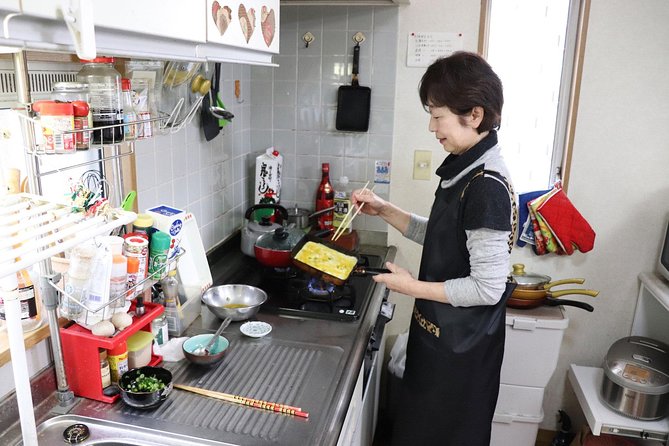
Osaka is famous for eating well, but a restaurant only shows you the finished plate. This class lets you see the steps behind it. You work with Yoshiko in her kitchen, learn how she uses basic Japanese seasonings, and then sit down to eat food you helped prepare.
That home setting matters. You are not simply watching a chef perform for a room full of students. You are spending time with a local mother in a private home, where conversation is part of the experience. Several people who booked the class describe Yoshiko as kind, patient, welcoming, and easy to learn from.
The atmosphere sounds especially good for couples and small groups. One couple enjoyed assembling their own bento boxes, while another found the chance to chat with Yoshiko after lunch as meaningful as the cooking itself. A group also booked the class as a birthday gift, and the recipients appreciated how personal it felt.
This is a cultural experience with food at its center. You learn what gets cooked in an ordinary Japanese home, rather than focusing only on famous restaurant dishes. That makes the class a good choice if you want a quieter afternoon or evening away from Osaka’s busiest sightseeing streets.
From Kawanishi-Ikeda Station to Yoshiko’s Kitchen
Your meeting point is Kawanishi-Ikeda Station on the JR Takarazuka Line, at 2 Chome-7 Sakane, Kawanishi, Hyogo 666-0021. Yoshiko picks you up there in her car and drives you roughly 10 minutes to her home.
Plan this part carefully. The class takes place in Hyogo Prefecture, not in central Osaka. The station is accessible by public transportation, but the total journey from central Osaka can take about an hour, depending on your starting point and train connections.
I would allow extra time for the trip. Arriving late could cut into the cooking period, and this is not the sort of activity you want to rush into while checking train directions. Keep the meeting point details handy, and make sure you know which station you are using before leaving your hotel.
If your group has more than four people, Yoshiko asks the extra participants to take a taxi and follow her car to the house. That adds a small cost and another step, so large groups should plan ahead rather than assume everyone will fit in her vehicle.
The provided details also contain a point worth clarifying before you book. The itinerary says the experience ends at Yoshiko’s home, while the meeting-point information says it ends back at the meeting point. The detailed instructions state that you must make your own way to a station afterward, and Yoshiko can help arrange a taxi for about ¥2,000, paid directly to the driver. Confirm the exact end point with Yoshiko before the day of your class.
More Cooking Classes in Japan:
- Sushi Making Tokyo Roll and Authentic Japanese Sushi Class
★ 5.0 · 3,971 reviews - Tokyo: Roll and Authentic Sushi Making Class in Asakusa
★ 4.9 · 1,957 reviews - Ramen Cooking Class at Ramen Factory in Kyoto
★ 5.0 · 1,937 reviews
Learning Dashi, the Foundation of the Meal
The cooking begins with dashi. This is one of the most useful parts of the class because it explains a flavor you may have enjoyed in Japan without knowing how it was created.
Dashi is used as the base for many Japanese dishes. Yoshiko shows you how to make it and explains why it can replace plain water in cooking. The result is a fuller umami taste, even when the other ingredients are simple.
This lesson gives the class practical value. You are not only copying a recipe. You are learning a basic principle that can improve soups, sauces, and other Japanese dishes at home. The printed recipes help you remember the method after you return from Japan.
You will also learn about Japanese seasonings and kitchen staples. One particularly praised part of the class is the clear explanation of these everyday ingredients. If Japanese cooking feels hard to reproduce because you are unsure which seasonings matter, this introduction can make the process less mysterious.
Four or Five Home-Style Dishes From Scratch
The cooking portion lasts about an hour. During that time, Yoshiko teaches you to prepare four or five Japanese home-style dishes from scratch.
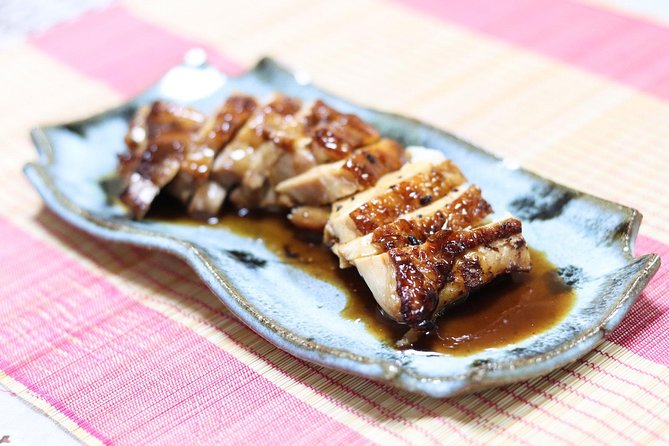
The exact menu depends on the option you choose and the season. Yoshiko offers four sample meal choices, including a Mother’s taste menu. You need to tell her your preference at least three days ahead so she has time to shop. If you do not choose, she prepares option one, the Mother’s taste menu.
Okonomiyaki is one of the dishes that appears in the class experience. This Osaka favorite is a savory pancake, and it gives you a direct connection to the city’s home cooking. One person specifically called the okonomiyaki a must, praising Yoshiko’s clear instructions and easy-to-follow steps.
Other sessions include assembling bento boxes. That part can be especially enjoyable because you are putting several foods together into a complete Japanese meal rather than making a single dish. The food is not presented as an elaborate restaurant performance. It is everyday cooking, carefully prepared and neatly served.
A small caution: the hands-on level may vary. One person found the class closer to a demonstration than a fully hands-on workshop, while other feedback describes plenty of participation and a small class size suited to learning. If you want to handle every knife, pan, and ingredient yourself, ask Yoshiko what the current format will be. If you are happy watching closely, helping where directed, and then eating a well-prepared meal, the format should suit you well.
Sitting Down to Eat What You Prepared
After about an hour of cooking, you sit down to enjoy the meal. This transition is one of the class’s strongest features. You have context for each dish, and you can ask about ingredients, methods, and daily life while eating.
The meal includes plum wine, or local beer if you request it in advance. You may also bring your own alcohol to enjoy with the food. If you want beer rather than plum wine, make that request before the experience rather than waiting until you arrive.
The food is consistently described as delicious, with special praise for the authentic flavors and the quality of the finished meal. One person compared Yoshiko’s completed spread with food from a five-star restaurant. That is enthusiastic praise, but the more useful point is this: the class combines food that tastes carefully made with techniques you can repeat yourself.
The meal also gives you time to talk. After lunch or dinner, you can get to know Yoshiko on a personal level and learn more about ordinary Japanese life. Conversation will depend on your group and language comfort, but the private format gives you more room for it than a large group class would.
A completely different kind of day out:
- Tokyo Disney Resort – Tokyo Disneyland & Tokyo DisneySea Park Tickets
★ 4.8 · 99,488 reviews - Universal Studios Japan Studio Pass
★ 4.8 · 89,883 reviews - Universal Studios Japan Express Pass
★ 4.7 · 53,138 reviews - SHIBUYA SKY Ticket
★ 4.7 · 46,509 reviews
What the $86 Price Really Buys
At $86 per person, this is not a cheap meal, but it is more than a meal. The price covers a private cooking class, the food you prepare and eat, station pickup, Yoshiko’s instruction, and printed recipes.
You are also paying for access to a private home and for a small, personal exchange that is difficult to arrange independently. A restaurant meal may cost less, but it will not include a local host explaining dashi, showing you home-style techniques, and sharing conversation around the table.
The value is strongest for people who care about food and personal contact. If you only want to taste Osaka specialties, spend the money on a restaurant crawl. If you want to understand how Japanese dishes are built and take useful recipes home, this class offers more.
Group discounts may improve the value for larger parties, though groups over four need to account for the taxi arrangement. The class is also private, so you are not sharing the experience with unrelated participants. That can make the price easier to justify for couples, families, or friends celebrating a special occasion.
Who Will Enjoy This Three-Hour Experience
I would recommend this class most strongly to:
- Couples who want a personal food experience
- Small groups looking for a private activity
- Families interested in Japanese food and home life
- First-time cooks who appreciate clear demonstrations
- Food lovers who want to understand dashi and everyday seasonings
- People who enjoy conversation as much as sightseeing
- Visitors with a lunch or dinner slot open for a trip outside central Osaka
It may be less suitable if you have limited time in Osaka or dislike long journeys from the city center. The class lasts about three hours, but you also need to add the train ride to Kawanishi-Ikeda and your return journey.
It may also disappoint you if you expect a formal culinary school with a workstation for every person. The format can be demonstration-led, and the amount of direct participation may differ. Ask in advance if that detail matters to you.
Dietary needs should be included in the Special Requirements box when booking. Since Yoshiko shops for the meal, give her as much notice as possible. The menu may also change with the season, so do not book expecting one fixed set of dishes unless your chosen option confirms it.
Planning Lunch, Dinner, and the Journey Home
You can choose a lunch or dinner session. Lunch gives you more daylight for the trip back, while dinner can fit neatly after sightseeing in Osaka if you are comfortable returning later. Either way, leave enough time for the train ride to the meeting point and the transfer to Yoshiko’s home.
The experience is confirmed within 48 hours of booking, subject to availability. It is often booked well ahead, with an average advance booking period of 88 days, so last-minute plans may not work.
You can cancel for a full refund if you do so at least two full days before the local start time. Changes or cancellations inside that window are not accepted and are not refunded.
For the return, do not assume that Yoshiko will drive you back to the station. The detailed instructions say the activity ends at her home and that you arrange your own onward transport. She can help call a taxi, estimated at about ¥2,000, paid directly to the driver. Since the supplied meeting information is not fully consistent, confirm the departure plan before booking.
Recipes That Make the Experience Last
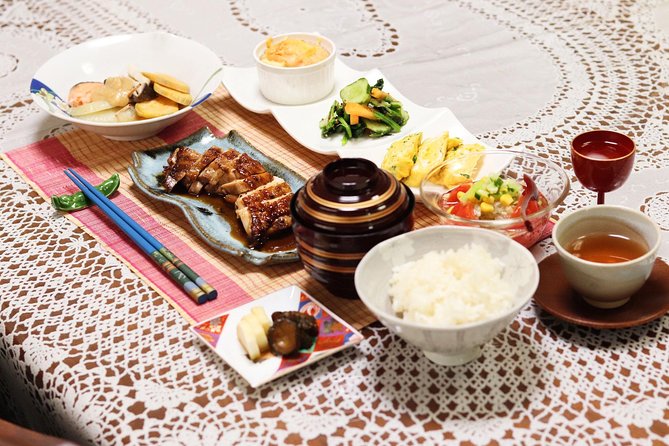
The printed recipe cards are one of the best practical touches. Many food experiences end when you leave the table. Here, you have a written guide for repeating the dishes at home.
The recipes are especially useful because the class teaches technique, not just ingredients. Knowing that dashi can replace water, for example, changes how you approach Japanese soups and sauces. Learning the role of common seasonings can help you shop and cook with more confidence.
You may not recreate every dish exactly. Some ingredients can be difficult to find outside Japan, and the seasonal menu may not match what you ate. Still, the recipes give you a starting point and a way to keep the memory active after your trip.
Should You Book Yoshiko’s Home Cooking Class?
Yes, if you want a personal Osaka food experience and have time for the trip to Kawanishi-Ikeda. Yoshiko’s warmth, clear teaching, dashi lesson, home setting, and recipe cards make this more useful than a simple cooking demonstration or restaurant meal.
Book it with realistic expectations. You may not spend the entire hour chopping and cooking yourself, and you need to plan the journey home from Yoshiko’s house. Tell her your menu choice and dietary needs at least three days ahead, request local beer in advance, and confirm the end point.
For couples, small groups, and anyone curious about everyday Japanese cooking, the $86 price is fair. You get food, instruction, transportation from the station, and a genuine chance to sit across the table from a local person. That is a worthwhile trade for an afternoon or evening outside central Osaka.
FAQ
Where does the cooking class meet?
The meeting point is Kawanishi-Ikeda Station on the JR Takarazuka Line, at 2 Chome-7 Sakane, Kawanishi, Hyogo 666-0021, Japan.
How do I get to Yoshiko’s home?
Yoshiko picks you up at Kawanishi-Ikeda Station and drives you about 10 minutes to her home.
How long does the experience last?
The experience lasts approximately three hours, including the cooking class and shared meal.
Is the class private?
Yes. Only your group participates in the activity.
What will I learn to cook?
You will learn to prepare four or five Japanese home-style dishes. The menu changes by season and includes options such as okonomiyaki and bento-style dishes.
Can I choose the menu?
Yes. Yoshiko offers four sample meal choices. Tell her your preference at least three days in advance. If you do not choose, she prepares the Mother’s taste menu.
Is alcohol included?
Plum wine is included. Local beer can be requested in advance, and you may bring your own alcohol to enjoy with the meal.
How do I return after the class?
The detailed instructions say the experience ends at Yoshiko’s home, and you make your own way to the station. Yoshiko can help arrange a taxi costing approximately ¥2,000, paid directly to the driver. Confirm the exact end point before your visit because the meeting information also describes the activity as ending at the meeting point.
Just added in Japan
- A One-of-a-Kind Sushi Experience in a Special Place of Japan★ 5.0 · 15 reviews
- Tokyo Cute Bento Cooking Class – Make a Kawaii Character Lunchbox★ 5.0 · 126 reviews
- Japanese Home Cooking Class & Walk in Todoroki Temple Tokyo★ 5.0 · 88 reviews
- Japan Tokyo Tower Observatory Deck E-Ticket★ 4.0 · 34 reviews
- Catch a Baseball Game in Tokyo with a Local – Tickets Included★ 5.0 · 24 reviews
- JDM Experience with Fast&Furious RX-7 (English speaking Driver)★ 5.0 · 57 reviews
- Tokyo Private Day Tour by Car with English speaking Driver Guide★ 4.0 · 29 reviews
- Japan Classic 10 Day – One Life Adventures★ 5.0 · 129 reviews
Cooking Classes, compared.
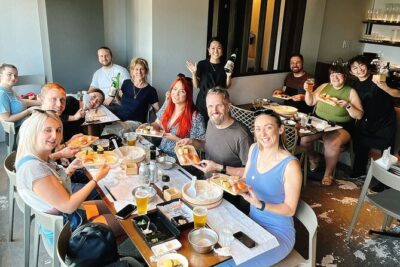
Sushi Making Tokyo Roll and Authentic Japanese Sushi Class
Read our review →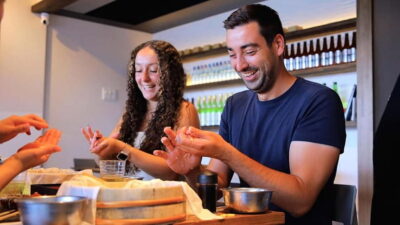
Roll and Authentic Sushi Making Class in Asakusa
Read our review →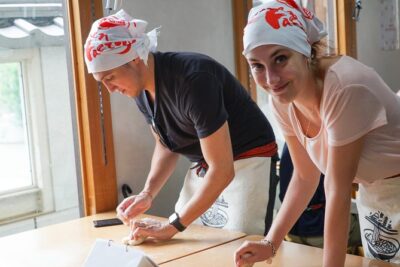
Ramen Cooking Class at Ramen Factory in Kyoto
Read our review →
Sushi Making Class in a Happi Coat near a Famous Spot
Read our review →
Sushi Making Osaka Roll and Authentic Japanese Sushi Class
Read our review →
Tokyo Sushi Making Class in Tsukiji with Professional Chef
Read our review →
Ramen & Gyoza Cooking Class in Tokyo with Local Supermarket Visit
Read our review →Browse the lists this tour appears in