Reviewed · MORNING
Private Kamakura Early Morning Tour (Tokyo Departure Available)
Quiet Kamakura feels worlds away. This six-hour outing brings you from Tokyo to four of the city’s best-known sights, with local student guides, a small maximum group of eight, and time to see more than one temple. I especially like the personal scale and the mix of hillside views, samurai-era landmarks, and bamboo shade.
I also like that you can choose to remain in Kamakura or return toward Tokyo with the guide after the visit. The main consideration is cost: at $54.87 per person, admission tickets, food, drinks, and the return journey to Tokyo are not included in the Tokyo departure option.
In This Review
- Four things to know before booking
- Why Kamakura makes a strong day trip from Tokyo
- Starting at Kamakura Station
- Hasedera Temple and the first coastal views
- Meeting the Great Buddha at Kotoku-in
- Houkokuji, Kamakura’s bamboo temple
- Tsurugaoka Hachimangu and Kamakura’s samurai story
- What the small-group format adds
- Is $54.87 a fair price?
- Who will enjoy this Kamakura tour most?
- Booking and cancellation details
- Should you book the Private Kamakura Early Morning Tour?
- FAQ
- Where does the tour start?
- How long does the tour last?
- Is transportation from Tokyo included?
- Is the return trip from Kamakura to Tokyo included?
- Which sights does the tour visit?
- How much time is spent at each stop?
- Are admission tickets included?
- Is food included?
- Is the tour private?
- What level of fitness is needed?
- Can I cancel for a refund?
Four things to know before booking
- The day covers four major Kamakura sights: Hasedera, the Great Buddha at Kotoku-in, Houkokuji, and Tsurugaoka Hachimangu Shrine.
- The small-group format matters: The group is limited to eight people, and private bookings include only your own party.
- Tokyo transport is one-way: The Tokyo Station departure option includes transportation to Kamakura, but the tour ends in Kamakura unless you choose to go back with the guide and handle the return arrangement.
- Each main stop receives about an hour: That gives the day a clear rhythm, though temple admission and movement between sites take part of the available time.
- Guides are local students: The tone is intended to be warm and engaging rather than formal or lecture-heavy.
- Hana is one guide to look for: One particularly positive account describes Hana meeting the group at Tokyo Station and quickly finding them when they were lost.
Why Kamakura makes a strong day trip from Tokyo
Kamakura was once the political heart of medieval Japan. Today, it offers a calmer change of pace from Tokyo, with Buddhist temples, a major Shinto shrine, the famous Great Buddha, and pockets of greenery. You get a sense of old Japan without needing a long journey from the capital.
I like this tour because it does not ask you to choose between Kamakura’s headline sights. In six hours, you visit four places that show different sides of the city: Buddhist devotion at Hasedera, monumental sculpture at Kotoku-in, Zen quiet at Houkokuji, and samurai-linked Shinto tradition at Tsurugaoka Hachimangu.
The early-morning timing is useful. Starting earlier can make the day feel less rushed, especially when you are fitting several important sites into one outing. It also gives you a guide at the beginning of the day, when getting from Tokyo to Kamakura and finding the first meeting point may otherwise require some confidence with Japanese train stations.
The pace is still fairly active. You should expect around an hour at each listed stop, along with transportation and walking between locations. A moderate level of fitness is recommended, and Hasedera’s hillside setting is worth keeping in mind if stairs or slopes are difficult for you.
A few more options to weigh up in Tokyo
- Tokyo Disney Resort – Tokyo Disneyland & Tokyo DisneySea Park Tickets
★ 4.8 · 99,488 reviews - SHIBUYA SKY Ticket
★ 4.7 · 46,509 reviews - JR Whole Japan Rail Pass
★ 4.8 · 29,150 reviews
Starting at Kamakura Station
The official meeting and ending point is Kamakura Station, at 1-chōme-1-15 Onarimachi. If you select the Tokyo Station departure option, transportation to Kamakura is included, so you do not have to organize that first leg on your own.
That detail is important because the tour information presents two ways to think about the day. You can begin from Tokyo Station, ride to Kamakura with the guide, and finish in Kamakura. Or you can meet at Kamakura Station if you are already in the area.
The tour ends at Kamakura Station, and you may choose to remain in Kamakura or return to Tokyo with the guide. The included transportation covers the trip from Tokyo to Kamakura, not the journey back. Confirm the return plan before you set any evening reservations in Tokyo.
One account describes Hana finding the group quickly at Tokyo Station after they became a little lost. That is a small detail, but it shows where a guide can be genuinely useful: not just explaining temples, but helping you get your bearings at the start.
Hasedera Temple and the first coastal views
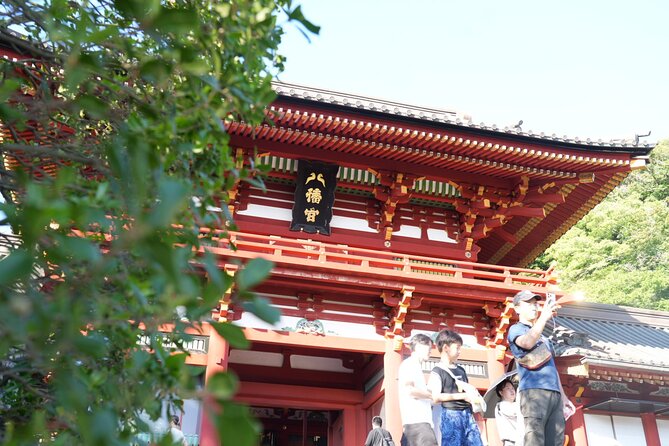
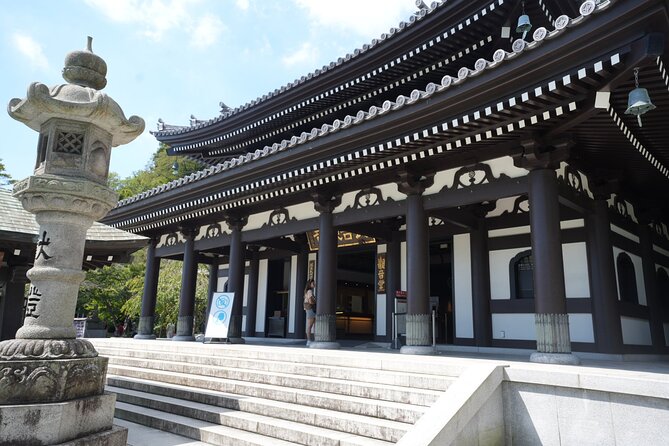
Hasedera is the first listed stop, with about an hour set aside for the temple. It sits on a hillside and is known for views toward the coastline, so this is the place where Kamakura’s natural setting becomes part of the visit.
The temple is also known for its 11-headed statue of Kannon, the Buddhist goddess of mercy. That gives your guide an excellent starting point for explaining the religious side of Kamakura, rather than reducing the city to a collection of photo stops.
The hillside setting adds atmosphere, but it also means you should expect some climbing or uneven movement. The tour asks for moderate physical fitness, and Hasedera is the stop most likely to make that advice relevant.
I would pay attention to how the guide frames the temple. With a local student leading the visit, you may get a more conversational experience than you would from a large coach tour. The group limit of eight also makes it easier to ask about the statue, the temple grounds, or the views without waiting for a crowd to move along.
One hour is enough for a meaningful visit, but not for an unhurried examination of every corner. If Hasedera is the place you most want to linger, you should understand that the tour has three more major stops ahead.
Meeting the Great Buddha at Kotoku-in
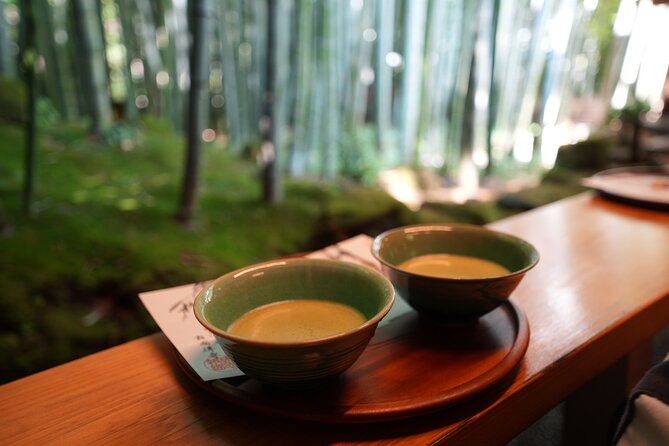
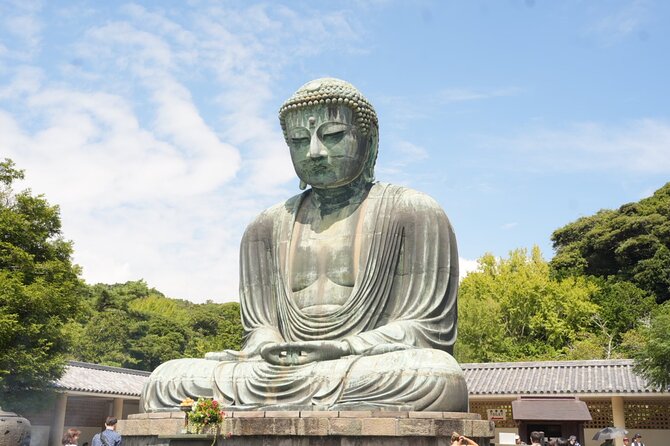
Next comes Kotoku-in, home to Kamakura’s Great Buddha, or Daibutsu. The bronze statue rises more than 11 meters and is the most instantly recognizable sight on the route.
The scale is impressive, but the mood is not loud or theatrical. The figure sits peacefully, and that calm presence is part of what makes the stop work. You are seeing a major symbol of Kamakura, yet the experience remains tied to a temple setting rather than a modern attraction built around spectacle.
The tour allows about an hour here. Admission is not included, so budget separately for entry to Hasedera, Kotoku-in, Houkokuji, and Tsurugaoka Hachimangu if charges apply on the day. The supplied details do not give the current admission prices, so check them before departure if you are working with a tight budget.
A guide adds value at this stop by placing the statue in context. Without some explanation, the Great Buddha can become a quick photograph and a short pause. With a guide, you can use the hour to understand why this bronze figure matters to Kamakura and how it fits into the city’s religious identity.
This is also a good example of the tour’s practical balance. You see a major attraction without spending half the day at one site. If your priority is an in-depth visit to the Great Buddha alone, a self-guided outing may give you more freedom. If your aim is to see the major Kamakura highlights in one organized day, the hour-long stop makes sense.
A completely different kind of day out:
- Mt Fuji and Hakone 1-Day Bus Tour Return by Bullet Train
★ 5.0 · 26,383 reviews - TOKYO SKYTREE® Ticket
★ 4.7 · 25,136 reviews - teamLab Borderless Tickets: MORI Building DIGITAL ART MUSEUM
★ 4.7 · 24,126 reviews - teamLab Planets TOKYO Ticket
★ 4.7 · 21,663 reviews
Houkokuji, Kamakura’s bamboo temple
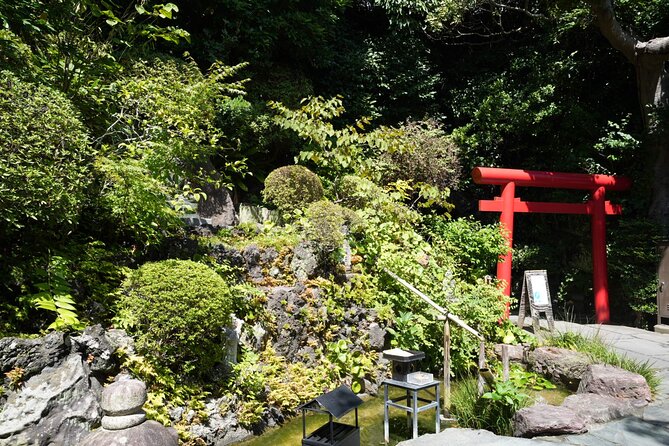
Houkokuji offers a change of mood. This Zen temple is known for its tall bamboo grove, where the atmosphere is quieter and more enclosed than at the Great Buddha or the city’s principal shrine.
The bamboo is the reason most people want to come here, but the Zen setting gives the stop more substance than a simple garden visit. The grove provides a peaceful pause in the middle of a busy sightseeing route. After two famous landmarks, Houkokuji can feel like a reset.
The planned visit lasts about an hour, and admission is not included. That time should work well for seeing the temple and bamboo area with guidance, although you should not expect a long period of silent wandering. The group still needs to continue to Tsurugaoka Hachimangu.
I like the inclusion of Houkokuji because it keeps the itinerary from becoming a greatest-hits parade. Hasedera and the Great Buddha are essential Kamakura sights, while Houkokuji gives you a more subdued view of the city. It is a good match for you if you prefer quiet temple grounds and visual variety.
The bamboo grove is also one place where a small group helps. A group of eight is easier to manage in a compact temple setting than a large tour party. You can stay close to the guide and ask questions without turning the visit into a public speech.
Tsurugaoka Hachimangu and Kamakura’s samurai story
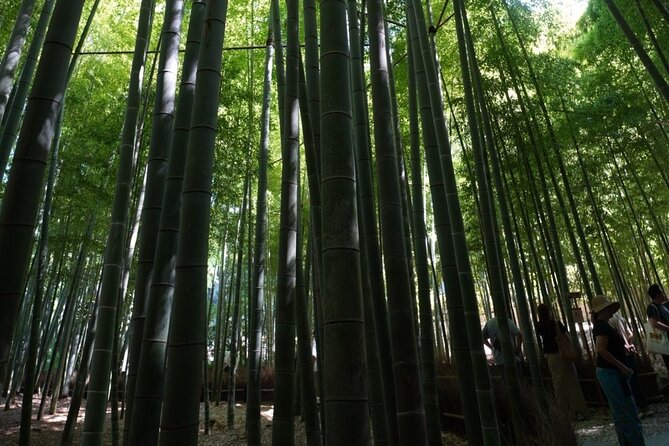
The final main stop is Tsurugaoka Hachimangu, Kamakura’s most important Shinto shrine. It is closely tied to the city’s samurai heritage and was founded by Minamoto no Yoritomo, identified here as Japan’s first shogun.
This stop broadens the day beyond Buddhism. After Hasedera, Kotoku-in, and Houkokuji, you finish with a major Shinto site connected to the political and military history that made Kamakura important.
The shrine stands at the heart of the city, and its importance is not only architectural. It helps explain why Kamakura became a center of power. A guide can connect the shrine to the story of the shogunate, giving you a clearer idea of how religion, government, and warrior culture overlapped in medieval Japan.
About an hour is scheduled here. That should give you time to take in the principal shrine area and hear the key background, but the stop may feel short if you want to explore every path or spend extra time observing ceremonies. The tour’s strength is breadth, not endless free time at each site.
Ending at Tsurugaoka Hachimangu also gives the day a sensible historical shape. You begin with hillside temple views, move through major Buddhist landmarks, pause in a Zen bamboo grove, and finish at the shrine most closely linked with Kamakura’s samurai past.
What the small-group format adds
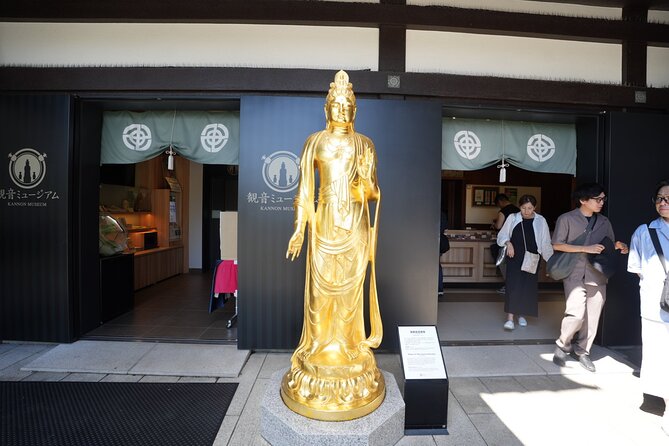
The experience is described as private, with only your own party participating, while the general group limit is eight people. Either way, this is not designed as a large sightseeing bus excursion.
That matters in Kamakura. Temples and shrines are better handled at a human pace, and a smaller party allows the guide to respond to your interests. You can ask for more detail about Kannon, the Great Buddha, Zen practice, or Minamoto no Yoritomo instead of simply following a flag through the grounds.
The guides are passionate local students. I would expect a friendly, informal style rather than a polished historical performance. That can be a strength if you value conversation and local perspective. It may be less suitable if you want a specialist historian or a highly formal lecture.
The strongest praise attached to the experience centers on the guide’s kindness, organization, and ability to make the day feel comfortable. Hana, in particular, is described as meeting the group at Tokyo Station and locating them quickly when they were unsure where to go. That kind of help can remove a lot of early-trip stress.
Is $54.87 a fair price?
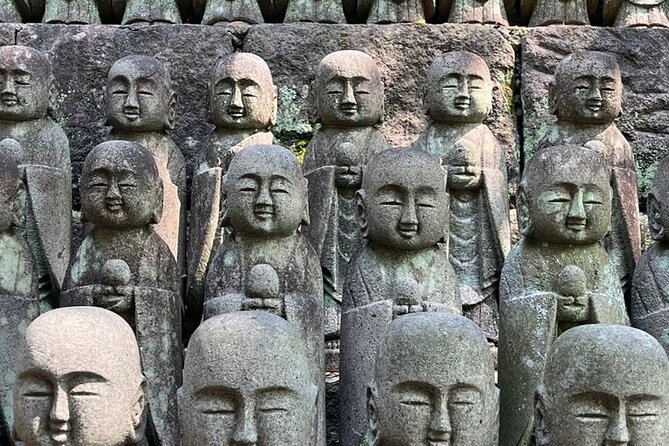
At $54.87 per person, the value depends on how much help you want with the day. The price includes an English-speaking guide and transportation from Tokyo to Kamakura when you choose that departure option. It does not include temple admissions, food, drinks, or the trip back to Tokyo.
For you, the price is easier to justify if you are visiting Japan for the first time, want to see several Kamakura sights, or would rather not build the route and transport plan yourself. The guide gives the day structure, and the small-group approach offers more personal attention than a large organized tour.
The value is less clear if you are already comfortable using Japanese trains, know which Kamakura sites you want, and prefer to set your own pace. In that case, the one-way transport arrangement and separate admission costs may make a self-guided day more flexible.
Group discounts are available, which may improve the price for a party. Since the tour is private, the exact value also changes with the number of people in your booking. A larger group can spread the guiding cost across more people, while a solo booking carries the full per-person rate.
Remember to keep money available for admissions and food. Meals are not provided, and the itinerary does not specify a restaurant stop. You should not assume that eating time is built into each one-hour visit.
Who will enjoy this Kamakura tour most?
I would recommend this experience to you if you want an organized introduction to Kamakura without giving up the feel of a small group. It suits first-time visitors, couples, families, and friends who want the major sights explained in English.
It is also a good choice if Tokyo is your base and you want a straightforward day outside the capital. The included Tokyo-to-Kamakura transportation removes one important planning task, while the guide helps with orientation at the start.
You should think twice if you need a slow, highly flexible day. Four substantial stops in six hours creates a fixed rhythm, and each site receives roughly an hour. You may also prefer another option if paying for the return to Tokyo separately is inconvenient.
The moderate fitness requirement matters. Hasedera is on a hillside, and the day includes several temple and shrine grounds. If you have difficulty with slopes, stairs, or extended walking, contact the provider before booking to confirm whether the route suits you.
Booking and cancellation details
Confirmation is provided when you book, and mobile tickets are available. Free cancellation applies if you cancel at least 24 hours before the experience begins. Cancellations or changes made inside that 24-hour window are not accepted for a refund, with cut-off times based on local time.
The meeting point is Kamakura Station, even though a Tokyo Station departure option is available. Read the selected departure choice carefully, and plan your return before the morning begins.
Should you book the Private Kamakura Early Morning Tour?
Book it if you want Kamakura’s four major sights in one well-organized half-day, with an English-speaking local guide and a group capped at eight. The best reasons are the friendly personal format, the mix of Buddhist and Shinto sites, and the chance to travel from Tokyo without arranging the outbound route yourself.
Skip it if you want to linger at one temple, keep every transport choice under your control, or avoid separate return and admission costs. For most first visits, though, $54.87 is a reasonable price for structure, local guidance, and a clear introduction to Kamakura. Just wear comfortable shoes, allow for the hillside at Hasedera, and treat Kamakura Station as your true finishing point.
FAQ
Where does the tour start?
The listed meeting point is Kamakura Station at 1-chōme-1-15 Onarimachi, Kamakura, Kanagawa 248-0012, Japan. A Tokyo Station departure option is also available.
How long does the tour last?
The tour lasts approximately six hours.
Is transportation from Tokyo included?
Transportation from Tokyo to Kamakura is included if you book the Tokyo Station departure option.
Is the return trip from Kamakura to Tokyo included?
No. The included transportation covers the trip to Kamakura, not the return. You can choose to remain in Kamakura or go back toward Tokyo with the guide.
Which sights does the tour visit?
The tour visits Hasedera Temple, Kotoku-in and the Great Buddha of Kamakura, Houkokuji Temple, and Tsurugaoka Hachimangu Shrine.
How much time is spent at each stop?
About one hour is scheduled at each of the four main stops.
Are admission tickets included?
No. Admission tickets for the listed sights are not included.
Is food included?
No. Food and drinks are not included.
Is the tour private?
Yes. Only your own group participates in the private activity. The stated maximum group size is eight people.
What level of fitness is needed?
A moderate level of physical fitness is recommended. Hasedera is on a hillside, and the tour includes movement through temple and shrine grounds.
Can I cancel for a refund?
Yes, if you cancel at least 24 hours before the experience start time. Cancellations or changes made less than 24 hours in advance are not accepted for a refund.
Just added in Tokyo
- Very popular in Harajuku♡Animal petting zoo★ 4.6 · 39 reviews
- Yokohama Port: Private Customizable Tour with Transfer★ 5.0 · 19 reviews
- Wagyu & Sake 8 Course Tasting Dinner in Shinjuku★ 4.9 · 20 reviews
- Warner Bros. Studio Tour Tokyo – The Making of Harry Potter★ 4.8 · 181 reviews
- Yanaka District: Historical Walking Tour in Tokyo’s Old Town★ 4.8 · 117 reviews
- Tokyo: Classic Tsukiji Food Tour★ 4.9 · 78 reviews
- Tokyo: Tsukiji Fish Market Tour with 6 Stops & Seafood Lunch★ 4.5 · 165 reviews
- Tokyo Wagyu & Sake Pairing Tasting Experience with Local Flavors★ 5.0 · 108 reviews
Morning, compared.
Kyoto Early Morning Tour with English-Speaking Guide
Read our review →Early Morning Tour with English-Speaking Guide
Read our review →
World Heritage Shirakawa-go Morning Guided Tour
Read our review →
Nara Early Morning Tour (Kyoto or Osaka Departure Available)
Read our review →
Hiroshima in a Nutshell: Morning Bike Adventure
Read our review →