
Reviewed · WALKING TOURS
Kamakura 8 hr Private Walking Tour with Licensed Guide from Tokyo
Kamakura rewards a slower look. This private day trip gives you a flexible way to see Japan’s former samurai capital from Tokyo, with a licensed English-speaking guide who can shape the day around your interests. I especially like the choice of four to six sites and the practical help with trains, buses, temple customs, lunch, and busy streets.
I also like the human touch. Guides such as Taka, Shinji, Andy, Makoto, and Yasuko have adjusted routes for shopping preferences, dietary needs, family pace, and specific temple requests. The main drawback is simple: transportation, admission fees, lunch, and personal expenses are extra, and eight hours can feel tight if you want both Kamakura and Enoshima.
In This Review
- Key points to know before booking
- Why Kamakura makes a strong day trip from Tokyo
- Starting the day with trains, buses, and a local guide
- Tsurugaoka Hachimangu, Kamakura’s grand starting point
- The Great Buddha, the day’s unforgettable centerpiece
- Hasedera for Kannon, gardens, and ocean views
- Hokoku-ji and the small bamboo grove
- Komachi Street, lunch, and the practical value of a guide
- Enoshima, ocean air, and the cost of adding distance
- Kamakura’s Zen temples and quieter choices
- Shrines, gardens, and short walking routes
- What the price means at $201.51 per person
- Who should book this Kamakura tour
- Final verdict: book it for structure and personal attention
- FAQ
- How long is the Kamakura private walking tour?
- Is hotel pickup provided?
- Are transportation and admission fees included?
- How many sites can I choose?
- Is this a private tour?
- What is the cancellation policy?
Key points to know before booking
- The day is built around your priorities: Choose major sights, quiet temples, bamboo, shopping, hiking, or a coastal stop.
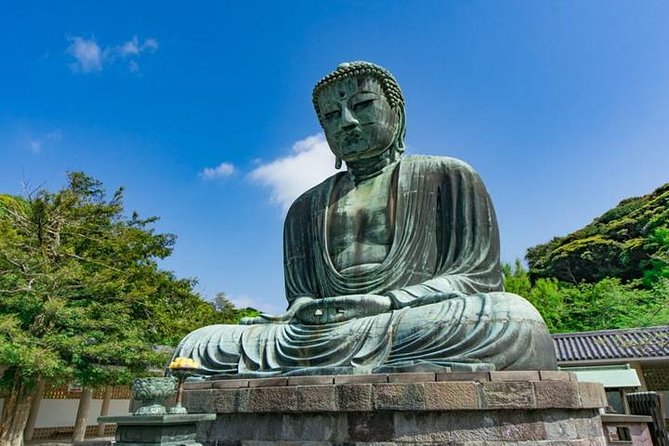
- The Great Buddha is the essential first choice: The 11.4-meter bronze Amida Buddha is the visual star of Kamakura.
- Public transportation is part of the tour: Your guide leads you through trains and buses, but travel time counts toward the eight hours.
- You can pair famous sights with quieter corners: Hokoku-ji, Zeniarai Benten, Jochi-ji, and smaller temples offer a calmer side of town.
- The tour suits families and first-time visitors: Guides have helped older parents, solo visitors, and groups with food restrictions.
- The price buys personal attention, not a private car: At $201.51 per person, the value depends on group size and how much help you want navigating independently.
Why Kamakura makes a strong day trip from Tokyo
Kamakura sits close enough to Tokyo for a full-day outing, yet it feels quite different from the capital. Instead of tall buildings and dense commercial streets, you get temple grounds, wooded hills, old shrines, a small coastal city, and the Pacific nearby.
The city was the center of Japan’s first warrior government from the late twelfth century. That background explains the mix of Zen temples, samurai-era shrines, Buddhist sculpture, and narrow routes through the hills. You are not simply checking off religious buildings. You are seeing how politics, faith, nature, and daily life have shared the same small area for centuries.
I would not try to visit every place listed for this experience. That would turn the day into a footrace with temple roofs. The private format works best when you select a clear theme, such as major landmarks, Zen temples, gardens, coastal views, or food and shopping.
Your guide can help match the route to your energy and interests. If you want the famous sights, focus on Tsurugaoka Hachimangu, the Great Buddha, Hasedera, and Komachi Street. If you have already seen major monuments, choose smaller temples and a short walk through the wooded hills.
More Private Tours in Tokyo
- Tokyo 6hr Private Tour with Government-Licensed Guide
★ 5.0 · 3,902 reviews - Private Tour to Mt. Fuji and Hakone (Fully Licenced Operator)
★ 5.0 · 1,910 reviews - Tokyo Customized Private Tour (Must See Places in 1 Day)
★ 5.0 · 1,499 reviews
Starting the day with trains, buses, and a local guide
This is a walking tour, not a chauffeured excursion. You meet your guide on foot within the designated Tokyo pickup area, and the route uses public transportation. Transportation costs are not included, so you should budget for train and local transit fares.
That arrangement has a real advantage. You move through Kamakura as residents do, and your guide handles the confusing parts of transfers, platforms, buses, and local routes. Several highly praised guides have contacted visitors before the tour to discuss priorities and explain the day’s plan.
The train ride can take a meaningful part of the schedule. One account describes a route from Shinjuku with three transfers, while another notes that the trip from Tokyo to Kamakura can take about an hour. Since travel time counts within the eight hours, a late start or ambitious wish list can reduce your sightseeing time.
I recommend sending your guide a short list before the day:
- The three places you most want to see
- Your preferred walking pace
- Any food restrictions
- Your interest in shopping, hiking, gardens, or the coast
- Whether Enoshima matters more than an additional temple
This small bit of planning helps prevent the classic day-trip problem: seeing many places but enjoying none of them properly.
Tsurugaoka Hachimangu, Kamakura’s grand starting point
Tsurugaoka Hachimangu is dedicated to Hachiman, the patron deity associated with the Minamoto family and samurai. It gives you a useful introduction to Kamakura because the shrine connects religious practice with the city’s warrior past.
The grounds are among the major sights, so this is a sensible choice for a first visit. Your guide can explain the shrine’s role and help you understand what you are seeing instead of leaving you with a quick photo and a name you will soon forget.
The planned visit is listed at about 15 minutes, but that is a brisk look. If you want time to notice the approach, shrine buildings, worshippers, and surrounding activity, tell your guide. Fifteen minutes works when you need to protect time for the Great Buddha or Hasedera. It is not enough for a leisurely visit.
Afterward, Komachi Street is close by. This old shopping street is useful for snacks and browsing, though you should expect plenty of tourist-oriented merchandise. Hatosabure, the famous dove-shaped biscuit, is a fun local treat and an easy edible souvenir.
The Great Buddha, the day’s unforgettable centerpiece
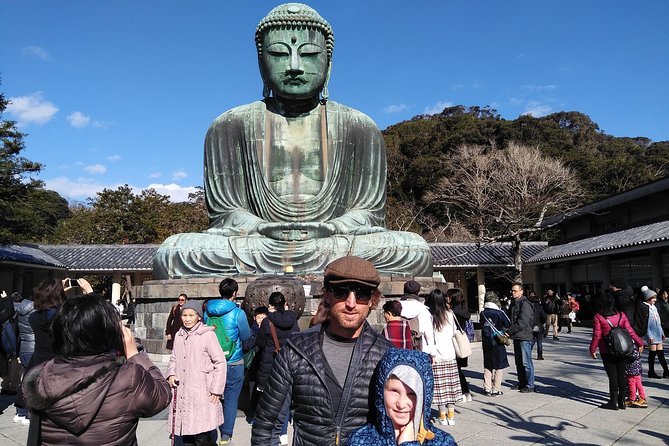
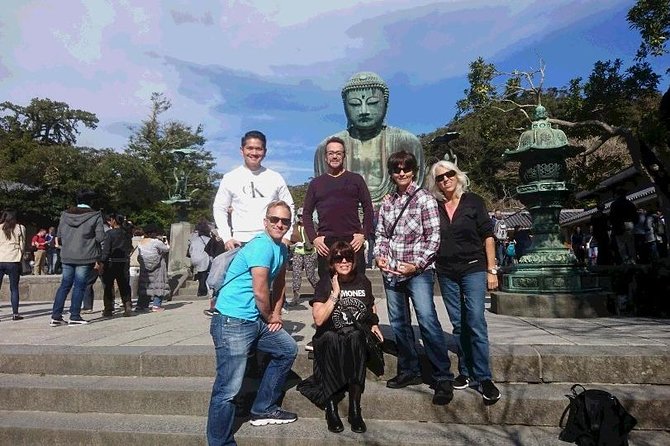
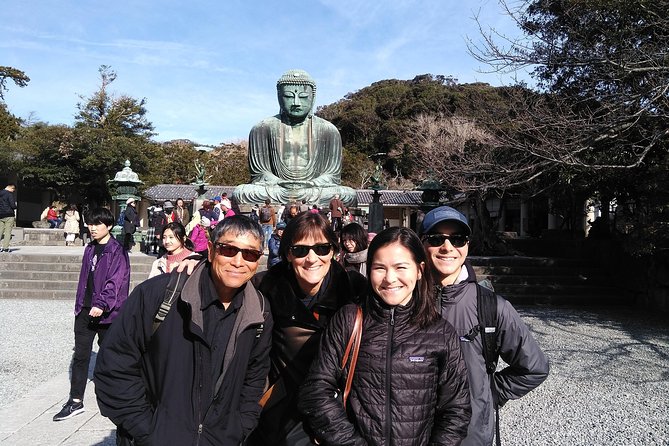
At Kotoku-in Temple, the Great Buddha of Kamakura is a bronze Amida Buddha measuring 11.4 meters high. The statue has long been Japan’s second-tallest monumental Buddha, and its size is even more striking when you see it in the open air.
The visit is listed at 15 minutes, which is enough for a look and photographs. I would ask for more time if you want to study the statue, absorb the setting, or enter the statue if that option is operating during your visit. Admission is not included.
The Great Buddha is the one stop I would not cut from a first Kamakura visit. It gives the day a clear visual anchor, and it is easy to understand even if you are new to Japanese Buddhist art.
A guide adds value here by explaining what the statue represents and placing it within Kamakura’s wider religious setting. Without that context, you may admire the bronze and move on. With a good explanation, the statue becomes part of the story of a city shaped by Buddhism and warrior rule.
More Walking Tours in Tokyo
- Tokyo Tsukiji Fish Market Food and Culture Walking Tour
★ 5.0 · 3,184 reviews - Tokyo: Imperial Palace and Shogun Historical Walking Tour
★ 5.0 · 2,251 reviews - Tokyo: Shinjuku Local Bar and Izakaya Guided Walking Tour
★ 4.9 · 1,794 reviews - Tokyo: Tsukiji Fish Market Food and Walking tour
★ 5.0 · 1,724 reviews
Hasedera for Kannon, gardens, and ocean views
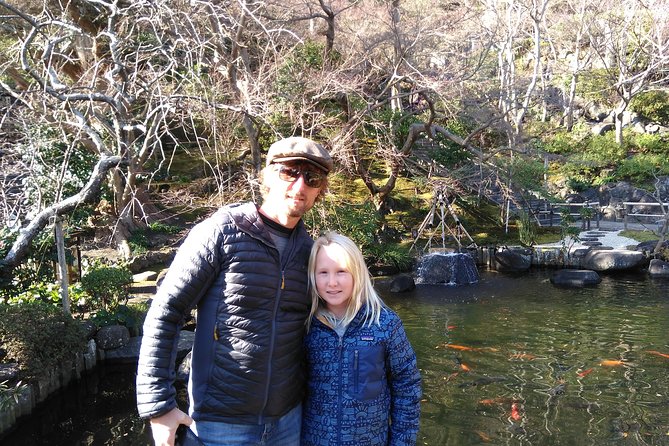
Hasedera is famous for its eleven-headed Kannon, the Buddhist figure associated with mercy. The gilded wooden statue is 9.18 meters tall, making the temple important for both its sculpture and its setting.
The temple also gives you one of Kamakura’s best elevated views toward the ocean. That combination makes Hasedera a strong choice for nearly any itinerary: art, worship, gardens, and a broad view in one stop.
Again, the listed 15-minute visit is short. Hasedera deserves more time if you want to pause at the view, walk through the grounds, and appreciate the temple’s details. If you visit during a crowded period, moving through the site will take longer.
The tour can pair Hasedera with the Great Buddha because both are in the Hase area. That is an efficient use of the day, though efficiency should not mean racing. Tell your guide which place matters more if time becomes tight.
Hokoku-ji and the small bamboo grove
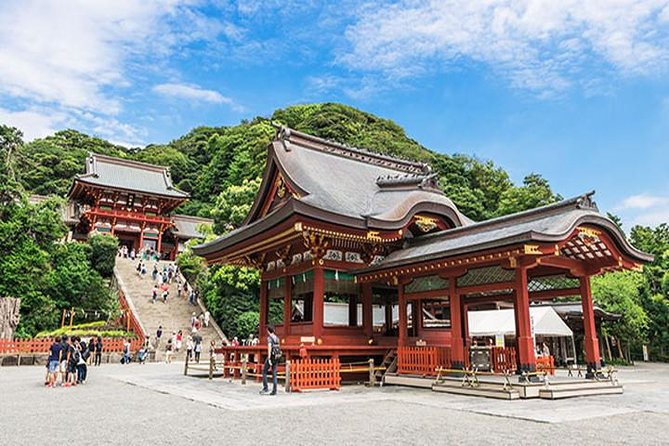
Hokoku-ji Temple is known for a compact bamboo grove with more than 2,000 dark green stalks. Narrow paths lead through the grove behind the main hall, creating a peaceful change from Kamakura’s better-known monuments.
The planned stop is about 30 minutes. That is a reasonable amount of time for the grove and temple, though the experience is not a long forest walk. If you expect an enormous bamboo valley, adjust your expectations. This is a small, carefully contained temple grove.
I like Hokoku-ji because it changes the rhythm of the day. The Great Buddha is monumental. Hasedera is layered and scenic. Hokoku-ji is quiet and intimate. The three together create a much better day than visiting only large attractions.
Admission is extra, and the temple’s eastern location means the route needs planning. It may not fit comfortably beside Enoshima and a long hiking route unless you are willing to move quickly.
Komachi Street, lunch, and the practical value of a guide
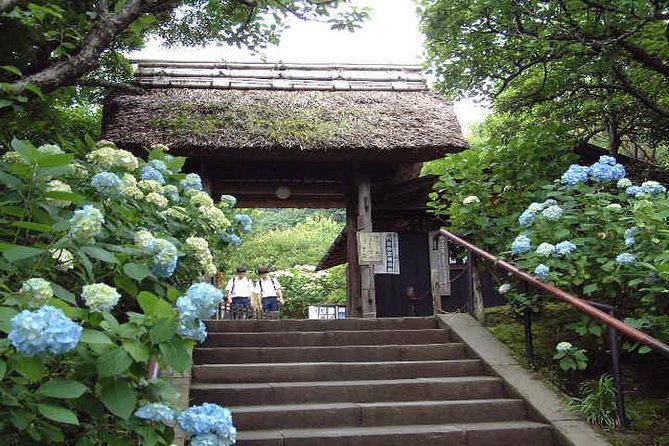
Komachi Street is a natural place for shopping and lunch near Tsurugaoka Hachimangu. The street is easy to browse, but the merchandise leans toward souvenirs and tourist goods. I would treat it as a lively break, not the most authentic part of the day.
The guide can make lunch much easier. Several guides have recommended restaurants, helped order meals, and adjusted plans for specific requests. One guide found a gluten-free dish for a visitor’s mother, while another arranged a memorable soba lunch and helped a group order tempura.
Lunch is not included, so the final cost depends on what you choose. The benefit is flexibility. You are not locked into a fixed restaurant or menu, and your guide can help you communicate when ordering feels difficult.
If food matters to you, mention it before the tour. The guide may be able to build the route around your preferred lunch area and avoid wasting time searching once everyone is hungry.
Enoshima, ocean air, and the cost of adding distance
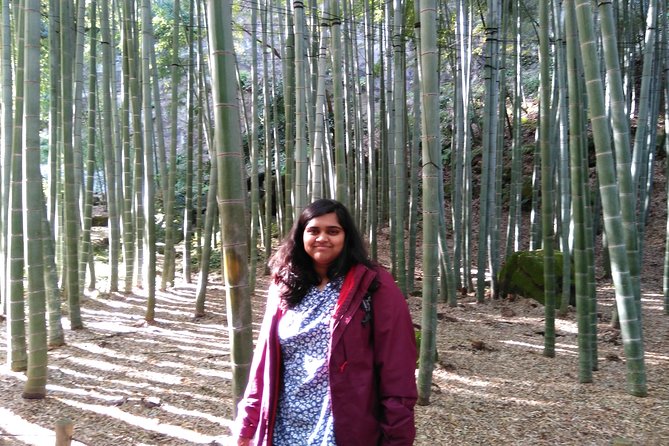
Enoshima is a small island just west of Kamakura, connected to the mainland by a bridge. It has a shrine, coastal scenery, and a more recreational feel than Kamakura’s temple districts.
A stop is listed at about 30 minutes, which makes Enoshima more of a quick taste than a full island visit. The extra train ride takes time, and the island can compete with major Kamakura sights for space in the schedule.
Choose Enoshima if the coast is a priority. It can also be a good substitute for another temple if your group needs a change of scenery. On a clear day, coastal viewpoints can offer impressive views, and one guide added an ocean stop at Inamuragasaki where Mount Fuji was visible.
You should not count on Mount Fuji appearing. The view depends on weather and visibility. Still, the coastal option gives the day a different ending and may suit you better than visiting one more temple.
Kamakura’s Zen temples and quieter choices
Kamakura has five great Zen temples, and several are available as alternatives to the headline attractions. Engaku-ji is ranked number two and was founded in 1282 by the regent Hojo Tokimune. Kencho-ji is ranked first and was founded in 1253, making it the oldest Zen temple in Kamakura.
Jochi-ji is number four, while Jomyo-ji is number five. These temples offer a way to focus on Zen architecture, gardens, and wooded settings rather than monumental statues.
The smaller stops can be rewarding, but they require a clear interest. If you want a broad first impression, do not replace the Great Buddha with several lesser-known temples. If you have already seen Tokyo’s major sights and prefer calm spaces, ask your guide to build the day around Engaku-ji, Kencho-ji, Jochi-ji, or Jomyo-ji.
Other choices include Tokei-ji, Jufuku-ji, Eisho-ji, and Zuisen-ji. Eisho-ji is especially distinctive because it is Kamakura’s only surviving nunnery. Zuisen-ji sits at the end of a narrow valley surrounded by wooded hills, while Jufuku-ji is one of the city’s five great Zen temples.
Most of these temples have extra admission fees. Visit times range from 15 to 30 minutes, so the guide will need to account for walking and transport between them.
Shrines, gardens, and short walking routes
Zeniarai Benten Shrine is known for coin washing. The name means money washing, and the custom gives you a simple, memorable activity at a shrine in western Kamakura.
Ankokuron-ji and Myohon-ji are Nichiren temples in the southeastern hills. They are useful choices if you want less emphasis on the central sightseeing circuit. Meigetsu-in, often called the Hydrangea Temple, is associated with the Rinzai Zen sect and is known for abundant hydrangeas when they are in bloom.
Season matters here. Meigetsu-in is most attractive when the hydrangeas are flowering, so ask about current conditions before making it the centerpiece of your route. The listed visit is only 10 minutes, which suggests a brief stop rather than an extended garden visit.
The Kamakura hiking trails connect temples through wooded hills. A one-hour hike is listed as an option, and it can be the best choice for you if you want movement and nature. The hills mean uneven ground and a more demanding day, so be honest about your walking ability.
This is where the private format earns its keep. You can trade a hike for a shrine, remove a temple if your legs are tired, or spend longer at a site that catches your attention.
What the price means at $201.51 per person
At $201.51 per person, this is not the cheapest way to reach Kamakura. You still pay for transportation, admissions, lunch, and personal purchases. If you are comfortable with Japanese trains and have already researched the city, an independent day may cost less.
The price makes more sense when you value time and confidence. Your guide can plan a route, explain the sites in English, manage transfers, help with food, take photographs, and change the schedule when your interests shift.
The value also improves for a private group. Only your party participates, and group discounts may be available. A family or small group can share the cost while receiving attention that a large coach tour cannot provide.
I would not book this mainly to avoid walking. There is no private vehicle, and public transportation is part of the experience. Book it for local guidance, flexibility, and a smoother day in a place with many possible routes.
Who should book this Kamakura tour
This tour suits you if:
- You are visiting Kamakura for the first time.
- You want the Great Buddha, Hasedera, and Tsurugaoka Hachimangu in one day.
- You are uneasy about trains, buses, or transfers.
- You want an English-speaking guide to explain customs and history.
- Your group has different interests or walking speeds.
- You need help finding suitable food.
- You want a private itinerary rather than a fixed group schedule.
It may not suit you if you want a slow, unplanned stay. Kamakura is large enough for several days, and an eight-hour route cannot give every temple the attention it deserves. A short tour can introduce the city, but it cannot replace lingering.
The tour is also less appealing if you want a private car. This experience is built around walking and public transportation, and the day’s travel time counts toward the total.
Final verdict: book it for structure and personal attention
I would book this tour if Kamakura is high on your list and you want to make one day count. The strongest plan is usually Tsurugaoka Hachimangu, Komachi Street, the Great Buddha, and Hasedera, with either Hokoku-ji, a short hike, or Enoshima added according to your interests.
I would be careful about squeezing in too many temples. The best guides, including Taka, Shinji, Makoto, Andy, and Yasuko, have been praised for listening, changing plans, helping with meals, and managing public transport. One weak experience also shows why guide quality matters, so send your priorities early and ask for a sensible pace.
Book this private day trip if you want Kamakura explained as well as seen. Skip it if you prefer to spend several quiet days in town or can confidently plan the trains, temples, meals, and route yourself.
FAQ
How long is the Kamakura private walking tour?
The experience lasts approximately eight hours. Travel by public transportation is included within those tour hours.
Is hotel pickup provided?
Meetup is offered on foot within a designated area of Tokyo. This is not private vehicle pickup.
Are transportation and admission fees included?
No. Transportation fees, entrance fees, lunch, and personal expenses are not included. Guide entry fees are covered only for sights listed under the experience details.
How many sites can I choose?
The tour is customizable, with a choice of four to six sites from the available options. The exact route should be planned around your interests and the time needed for transportation.
Is this a private tour?
Yes. Only your group participates, and multiple tour groups cannot be combined.
What is the cancellation policy?
You can cancel at least 24 hours before the experience start time for a full refund. Cancellations or changes made less than 24 hours before the start time are not accepted for a refund.
Just added in Tokyo
- Very popular in Harajuku♡Animal petting zoo★ 4.6 · 39 reviews
- Yokohama Port: Private Customizable Tour with Transfer★ 5.0 · 19 reviews
- Wagyu & Sake 8 Course Tasting Dinner in Shinjuku★ 4.9 · 20 reviews
- Warner Bros. Studio Tour Tokyo – The Making of Harry Potter★ 4.8 · 181 reviews
- Yanaka District: Historical Walking Tour in Tokyo’s Old Town★ 4.8 · 117 reviews
- Tokyo: Classic Tsukiji Food Tour★ 4.9 · 78 reviews
- Tokyo: Tsukiji Fish Market Tour with 6 Stops & Seafood Lunch★ 4.5 · 165 reviews
- Tokyo Wagyu & Sake Pairing Tasting Experience with Local Flavors★ 5.0 · 108 reviews
Walking Tours, compared.
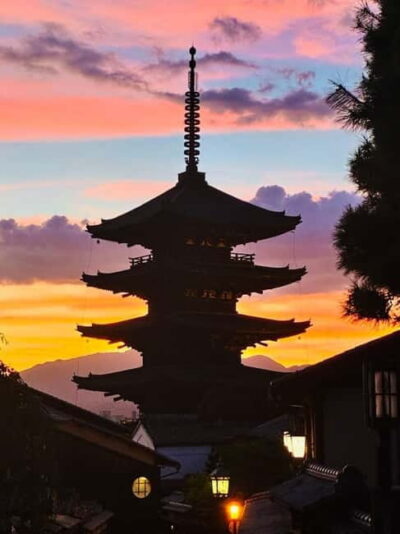
Kyoto Geisha Walking Tour: Gion District & Hidden Gems
Read our review →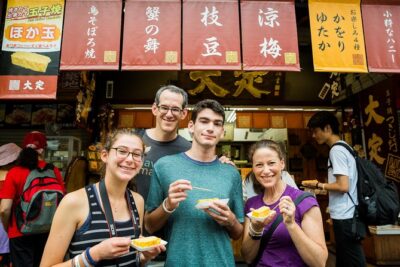
Tokyo Tsukiji Fish Market Food and Culture Walking Tour
Read our review →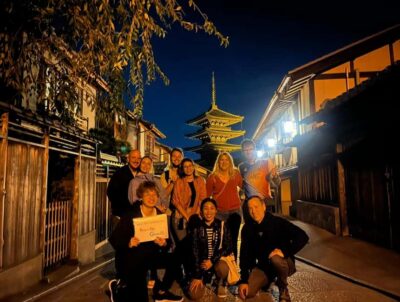
Gion Magical Night Walking Tour with Geisha Trivia
Read our review →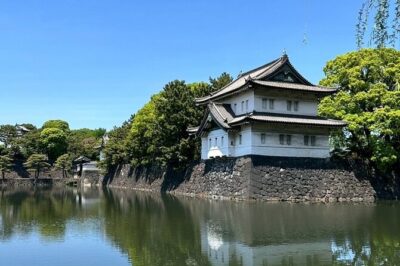
Imperial Palace and Shogun Historical Walking Tour
Read our review →
Gion Geisha District Walking Tour – Stories of Geisha
Read our review →
Shinjuku Local Bar and Izakaya Guided Walking Tour
Read our review →
Browse the lists this tour appears in