
Reviewed · WALKING TOURS
Private Osaka Walking Tour: Highlights & Hidden Gems
Osaka rewards curious walkers. This private tour makes the city personal, pairing famous sights with quiet lanes and local corners chosen around your interests. I like the advance questionnaire, which gives your host a useful starting point, and I like the freedom to focus on food, temples, shopping, history, or modern Osaka. The main catch is simple: this is a walking tour, and a four-hour outing can mean 15,000 to 20,000 steps.
The price is about $81.07 per person, a fair rate when you have a private guide rather than joining a large group. You can also ask for a shorter two-hour introduction or stretch the day to eight hours. Just remember that food, admission fees, trains, taxis, and drinks cost extra.
In This Review
- Key points to know before you book
- Why a private Osaka walk can work so well
- Namba begins with a lion and plenty of street life
- Hozenji brings a quiet pause near Dotonbori
- Dotonbori delivers the neon Osaka you expected
- Shitennoji connects Osaka to early Buddhism
- Amerikamura shows Osaka’s creative side
- Nak之之shima offers art, parks, and a slower pace
- Umeda mixes department stores with an underground maze
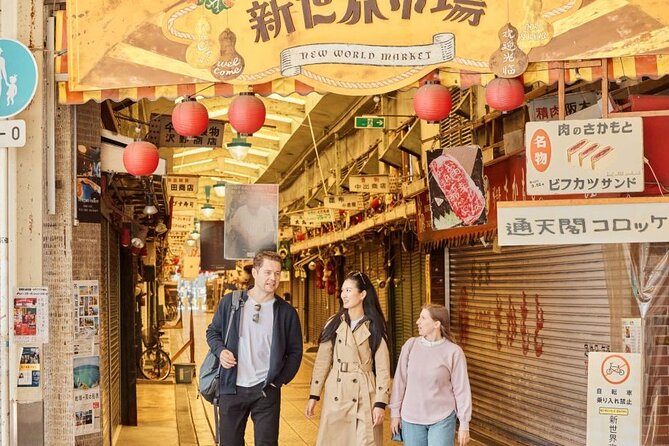
- Shopping arcades make souvenir hunting easy
- What the food guidance is really worth
- Four hours is the practical sweet spot
- Guides are the heart of the experience
- Who should book this Osaka tour?
- Should you book Private Osaka Walking Tour: Highlights & Hidden Gems?
- FAQ
- How long does the private Osaka walking tour last?
- Is hotel pickup included?
- Is transportation included?
- Are food and attraction tickets included?
- Is this a private group tour?
- What is the cancellation policy?
Key points to know before you book
- Your route is built around your interests: A pre-tour questionnaire helps your host plan around food, temples, shopping, history, or local neighborhoods.
- Osaka’s old and new sides meet: You may move from Shitennoji Temple and Hozenji to Amerikamura, department stores, arcades, and neon-lit Dotonbori.
- Private guiding makes the pace flexible: Your group alone takes part, so you can slow down, change focus, or ask for help using public transport.
- Four hours covers a lot: Several districts can fit into one outing, but comfortable shoes are essential.
- Food is part of the experience, not part of the price: Your host can suggest curry, kushikatsu, sukiyaki, drinks, and other local specialties, but you pay separately.
- Hotel pickup has limits: Pickup is offered from centrally located hotels, while the stated meeting point is near DAISO at 2-chome-2-17 Nanbanaka.
Why a private Osaka walk can work so well
Osaka is not a city that reveals itself in one grand postcard view. Its personality changes from district to district. One street may be lined with department stores and polished towers, while the next turns into a narrow lane with tiny bars, shrines, and old stonework.
That contrast is the real appeal here. You are not simply ticking off Osaka Castle, Namba, and Dotonbori. Your host can explain how the pieces fit together, then steer you toward places that suit your group. A family might want shopping and easy food stops. A first-time visitor might prefer temples and major sights. A repeat visitor could ask for back streets and local neighborhoods.
The private format matters. You do not need to wait for strangers, follow a fixed group pace, or spend half the morning at a place that does not interest you. The host can also adjust the day for comfort. One participant with sore knees used public transport and Uber when needed, showing the benefit of having a guide who can respond to real conditions.
Still, flexibility does not erase the physical demands. Osaka’s districts are spread out, and changing areas may involve trains or taxis. The tour price covers guiding, not transportation. Ask your host about the route and expected walking before you settle on a long six- or eight-hour day.
More Walking Tours in Osaka
- Osaka: Hotspots & Hidden Gems Walking Tour Private or Group
★ 4.9 · 1,300 reviews - Osaka Local Foodie Walking Tour in Dotonbori and Shinsekai
★ 5.0 · 985 reviews - Osaka Bar Hopping Night Walking Tour in Namba (3 bars, 6 tastes)
★ 5.0 · 958 reviews
Namba begins with a lion and plenty of street life
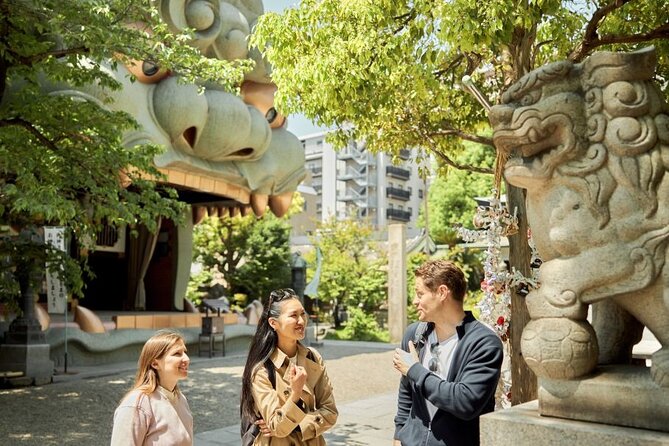
The suggested route can begin around Namba, a practical part of Osaka for shopping, food, and transport. A memorable first stop is Namba Yasaka Shrine, known for its huge lion-shaped structure. The lion is said to swallow evil spirits and bring good luck, making this an easy place to understand Osaka’s fondness for bold, playful religious art.
The shrine is compact, so it does not require a long visit. That is useful early in the day, when you are still getting your bearings. Your guide can give context, help with photos, and explain the customs without turning the stop into a lecture.
From there, the city quickly shifts into shopping and food territory. Namba is a good place to ask for recommendations because your host can point out options suited to your budget and appetite. Food and drinks are not included, but the guide can help you choose what to try and explain what is on the menu.
This is also one of the places where a private guide adds value. Osaka’s food districts can feel confusing when every sign competes for your attention. A local host can help you avoid choosing at random, though you should not expect the tour fee to cover a full food crawl.
Hozenji brings a quiet pause near Dotonbori
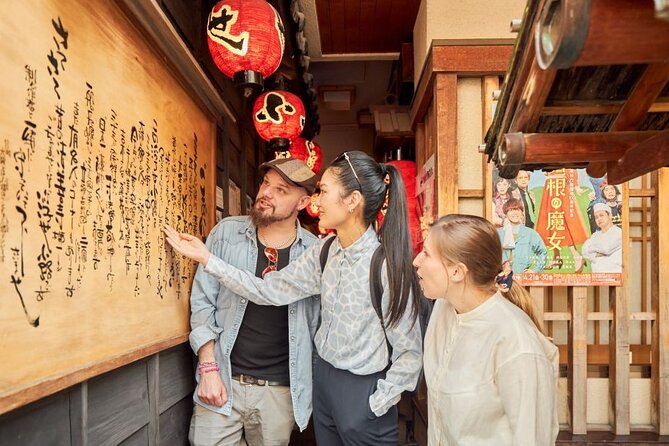
Hozenji Yokocho is one of the most atmospheric stops on the route. Its stone-paved alley is lined with more than 60 traditional Japanese restaurants and bars, creating a sharp contrast with the bright commercial streets nearby.
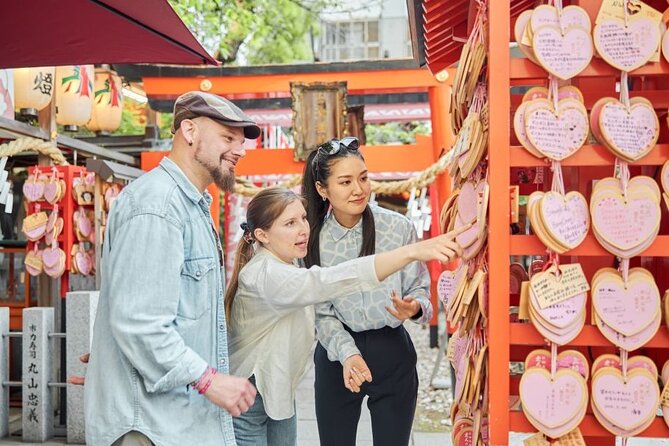
At Hozenji Temple, you will find a moss-covered statue of Fudomyoo. Visitors pour water over the figure as part of a blessing ritual. The damp moss gives the small temple an aged, almost secretive feel, though the lane is well known and can be busy.
I like this stop because it shows Osaka at human scale. You are not looking at a grand monument from a distance. You are standing in a narrow lane where food, faith, and neighborhood life overlap.
The tradeoff is space. Hozenji Yokocho is tight, and it may not feel peaceful at every hour. Your host can help you appreciate the details, but the visit will likely be brief if the lane is crowded or if the route includes several other districts.
Dotonbori delivers the neon Osaka you expected
Dotonbori is Osaka’s great theatrical street scene, with neon signs, canalside views, arcades, restaurants, and endless photo opportunities. It is the place many people picture before arriving in Osaka, and it deserves a look.
Your guide can help you see past the giant signs. Ask about side streets, small arcades, or food specialties rather than simply walking the main strip. The district has plenty of commercial attractions, but the surrounding lanes can reveal a more local rhythm.
Dotonbori is also a useful evening stop if your schedule allows. The canal lights and glowing signs give the area a different feel after dark. On the other hand, this is not the place for quiet reflection. Crowds, noise, and heavy foot traffic are part of the package.
If you have limited time in Osaka, combining Dotonbori with Namba and Hozenji makes practical sense. They sit close enough to form a strong southern Osaka section, though the exact route depends on your starting point and interests.
More Walking Tours in Japan:
- Kyoto Geisha Walking Tour: Gion District & Hidden Gems
★ 4.7 · 3,273 reviews - Tokyo Tsukiji Fish Market Food and Culture Walking Tour
★ 5.0 · 3,184 reviews - Kyoto: Gion Magical Night Walking Tour with Geisha Trivia
★ 4.9 · 2,393 reviews - Tokyo: Imperial Palace and Shogun Historical Walking Tour
★ 5.0 · 2,251 reviews
Shitennoji connects Osaka to early Buddhism
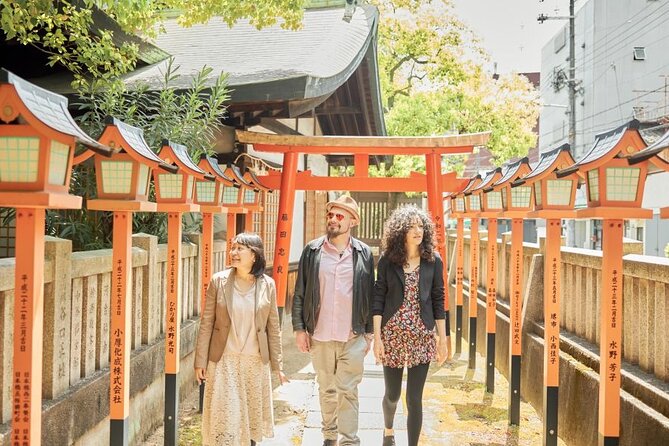
Shitennoji offers a calmer and more historic counterpoint to Namba. Founded in 593, it is regarded as Japan’s oldest official temple and is linked to the early introduction of Buddhism in the country.
The grounds give you room to slow down and shift attention from shopping signs to temple architecture and religious practice. A guide can explain why the site matters and help you notice details that might otherwise pass without meaning.
This is one of the best choices for a first visit if you want more than modern city scenes. It also suits anyone who needs a quieter stretch in the middle of a busy day.
You should confirm what you will see on your chosen route. The tour is customized, and attraction entry fees are not included. The supplied details do not promise entry into every paid area, so ask your host if a particular temple section is important to you.
Amerikamura shows Osaka’s creative side
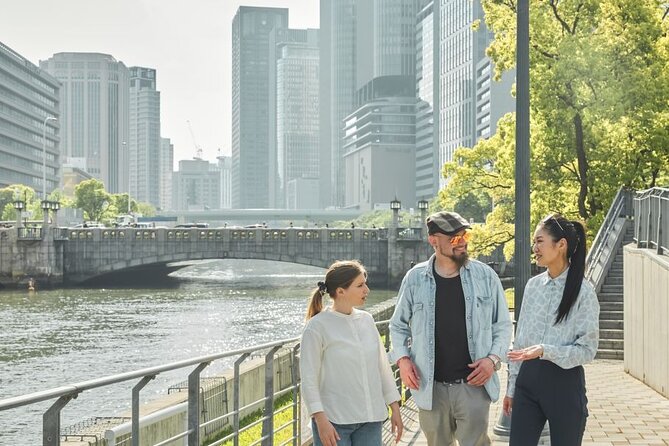
Amerikamura, often called Amemura, is the city’s center for American-influenced youth culture. Its streets bring together indie music, thrift shops, hip-hop style, galleries, and unusual fashion.
This district works especially well for younger visitors, shoppers, and anyone interested in present-day Osaka rather than only temples and monuments. It can also be a welcome change after a morning of older sites.
The value here is interpretation. A guide can explain how the area became associated with imported style and local creativity, rather than leaving you to see only shop windows. Ask for recommendations based on your interests, since the district includes many different kinds of stores and cafés.
Do not expect a polished historic quarter. Amerikamura is energetic, commercial, and constantly changing. That is precisely why it belongs on a city tour focused on how Osaka feels now.
Nak之之shima offers art, parks, and a slower pace
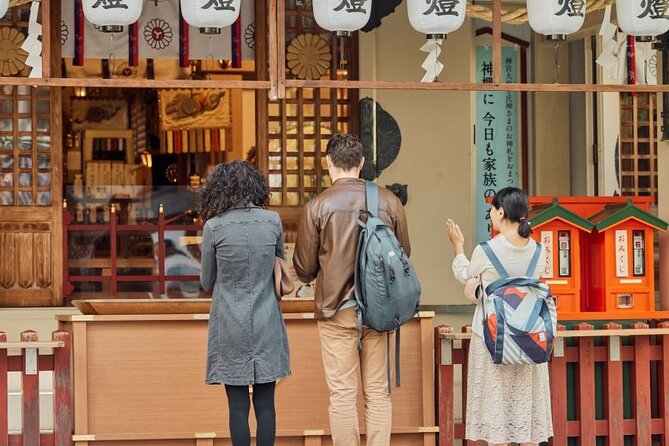
The route may include Nakanoshima, an island area between rivers with art museums, early twentieth-century buildings, and a picturesque park. It is a fine choice for a late-morning walk when you want a break from dense shopping streets.
The island helps you see another side of Osaka: formal architecture, open space, and cultural venues rather than signs and crowds. It is also a good place for conversation with your host because the pace is less hurried.
The drawback is that the stop may feel less dramatic if you want only major attractions. Museums and indoor sights can also involve separate admission fees. Treat Nakanoshima as a breathing space and a chance to understand the city’s varied design, not as a packed sightseeing checklist.
Umeda mixes department stores with an underground maze
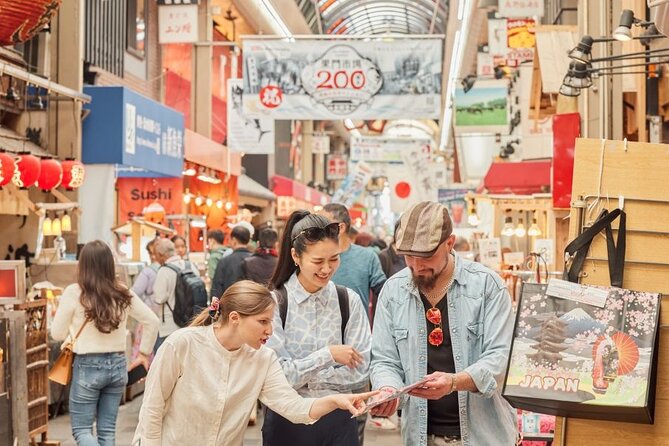
Umeda is the northern business and shopping center, and the route can include one of Osaka’s major department stores. These stores offer far more than clothing. You may find food halls, household goods, gifts, cosmetics, and surprising regional products.
The more unusual option is White Umeda, an underground shopping area described as labyrinthine. Underground malls are useful in bad weather and offer a look at how Osaka’s daily life works below street level. They can also be disorienting, which is where a local host earns their keep.
This section suits shoppers and anyone curious about ordinary city life. It is less rewarding if you are seeking old temples or scenic views. You may also spend more money than planned once the food floors and souvenir sections appear.
Shopping arcades make souvenir hunting easy
Osaka’s major shopping arcade offers cafés, restaurants, character goods, clothing, and local finds under one long commercial roof. It is a practical stop when you want souvenirs or need a meal with plenty of choice.
A private guide can make the arcade less random. Tell your host what you are looking for, and you may get better suggestions than simply entering the first shop you see. Families can also use this section to divide interests without splitting up completely.
Keep your expectations clear. This is retail Osaka, not an untouched old quarter. The value is convenience, variety, and local shopping culture. If you prefer small independent shops, ask your host to add side streets or a less commercial neighborhood.
What the food guidance is really worth
Food is one of Osaka’s strongest draws, but this tour does not include meals. That may seem like a weakness, yet it gives you control over what you spend and eat.
The guiding can still be useful. Past outings have included curry, hot chocolate, kushikatsu, fish-market visits, unusual local specialties, and restaurant recommendations. One host helped a couple reach a sukiyaki restaurant inside Osaka Station after the tour. Another helped a family find good shopping and food choices.
Kushikatsu is a particularly fitting suggestion in Osaka, but the supplied details do not promise a specific restaurant or tasting. You should tell your host about allergies, dislikes, and budget in advance. The questionnaire is the right place to raise those points.
If food is your main reason for booking, say so plainly. A history-focused route with one meal suggestion is different from a day built around markets, neighborhood eateries, and local specialties.
Four hours is the practical sweet spot
The experience can last from roughly two to eight hours. In my view, four hours is the most useful middle ground for many visitors.
Two hours gives you a taste of one compact area, such as Namba and Dotonbori. It is suitable for a short stopover or for anyone who wants orientation without committing to a long walk.
Four hours can cover several districts and a good mix of major sights and smaller streets. Be ready for serious walking. One four-hour outing reached about 15,000 steps, while another passed 20,000, especially when Osaka Castle and several shopping areas were included.
Six to eight hours makes sense if you want to combine temples, food, shopping, and distant districts. You may need public transport or taxis between sections. Those costs are extra, and the tour remains a walking experience rather than a private vehicle excursion.
Start times are flexible, which helps you work around trains, meals, jet lag, or a short Osaka visit. Pickup is available from centrally located hotels, but confirm this before booking because the listed meeting point is at DAISO in Nanbanaka and the activity returns there.
Guides are the heart of the experience
The strongest part of this tour is the host. Names praised in the supplied feedback include Maria, Max, Taku, Ryan, Kai, Karim, Khalid, Loys, and Mayura. The descriptions point to warm personalities, strong English, local insight, patience, and a willingness to adapt.
Maria received especially strong praise for contacting people in advance, shaping the day around their interests, adjusting for sore knees, and handling last-minute requests. Max helped with subway travel, family photos, food choices, and restaurant directions. Kai assisted with ICOCA cards, which can be useful if you are new to Osaka’s public transport.
These details show the kind of help you can reasonably hope for, but a specific guide cannot be guaranteed unless the provider allows a request. You should use the questionnaire well. Mention your walking limits, children’s needs, preferred pace, food interests, must-see sites, and anything you have already visited.
The published score is 4.8 from 569 ratings, with 96 percent recommending the experience. That is a strong record, but the quality depends heavily on the individual host and how clearly you describe what you want.
Who should book this Osaka tour?
I would choose this experience if you are visiting Osaka for the first time and want orientation without a rigid group schedule. It is also a good fit for couples, families, and small groups with different interests.
It suits you especially well if you want:
- A mix of major sights and lesser-known streets
- Help with Osaka’s food choices
- A local explanation of temples, neighborhoods, and customs
- Support using trains or taxis between areas
- A route adjusted to your pace
- A private outing with no strangers in the group
I would think twice if you want a fully guided food tasting with meals included, a private car, or guaranteed admission to every attraction. It may also be a poor match if long walks are difficult and you do not want to pay for transport. Ask for a compact route and state your limits before the day begins.
At $81.07 per person, the value is strongest for a group that will use the host’s local advice. For two or more people, you are paying for personal planning, practical help, and a flexible route rather than just transport or admission. You still need to budget for meals, tickets, trains, taxis, and gratuities.
Should you book Private Osaka Walking Tour: Highlights & Hidden Gems?
Book it if you want Osaka explained by a person, not simply viewed from a checklist. The best version of this tour links places such as Shitennoji, Hozenji, Amerikamura, Umeda, and Dotonbori according to your interests and energy.
For the best result, choose four hours, wear proper walking shoes, complete the questionnaire carefully, and ask your host to balance famous sights with neighborhood streets. If your knees, budget, or schedule are limited, request a shorter route and use public transport where needed.
Free cancellation is available up to 24 hours before the start time for a full refund. Canceling or changing the booking less than 24 hours ahead does not qualify for a refund.
FAQ
How long does the private Osaka walking tour last?
You can book a duration of roughly two to eight hours. A four-hour tour is a practical choice for seeing several districts without committing to a full day.
Is hotel pickup included?
Pickup is offered from centrally located hotels. The stated meeting point is near DAISO at 2-chome-2-17 Nanbanaka, Naniwa Ward, and the activity ends back at the meeting point.
Is transportation included?
No. This is primarily a walking experience. Public transportation or local taxis may be used if requested, but those costs are extra and should be discussed with your host.
Are food and attraction tickets included?
No. Food, drinks, and attraction entry fees are not included. Your host can recommend places to eat and help shape the route around your interests.
Is this a private group tour?
Yes. Only your group participates in the activity. The itinerary is personalized through an online questionnaire completed after booking.
What is the cancellation policy?
You can cancel at least 24 hours before the experience start time for a full refund. Cancellations or changes made less than 24 hours ahead are not accepted for a refund.
Just added in Japan
- A One-of-a-Kind Sushi Experience in a Special Place of Japan★ 5.0 · 15 reviews
- Tokyo Cute Bento Cooking Class – Make a Kawaii Character Lunchbox★ 5.0 · 126 reviews
- Japanese Home Cooking Class & Walk in Todoroki Temple Tokyo★ 5.0 · 88 reviews
- Japan Tokyo Tower Observatory Deck E-Ticket★ 4.0 · 34 reviews
- Catch a Baseball Game in Tokyo with a Local – Tickets Included★ 5.0 · 24 reviews
- JDM Experience with Fast&Furious RX-7 (English speaking Driver)★ 5.0 · 57 reviews
- Tokyo Private Day Tour by Car with English speaking Driver Guide★ 4.0 · 29 reviews
- Japan Classic 10 Day – One Life Adventures★ 5.0 · 129 reviews
Walking Tours, compared.
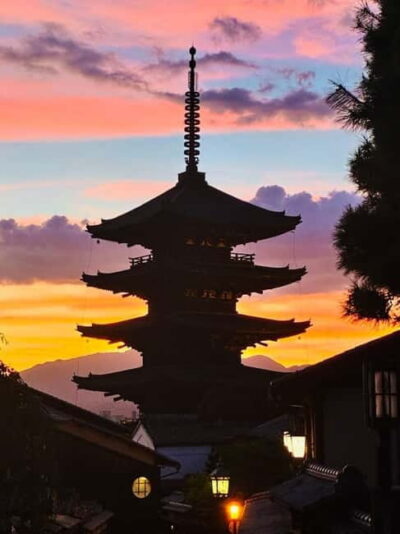
Kyoto Geisha Walking Tour: Gion District & Hidden Gems
Read our review →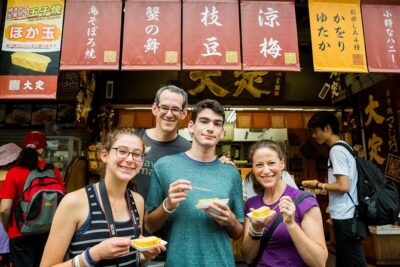
Tokyo Tsukiji Fish Market Food and Culture Walking Tour
Read our review →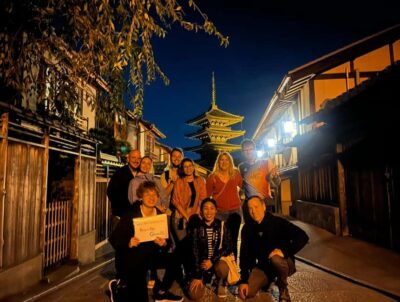
Gion Magical Night Walking Tour with Geisha Trivia
Read our review →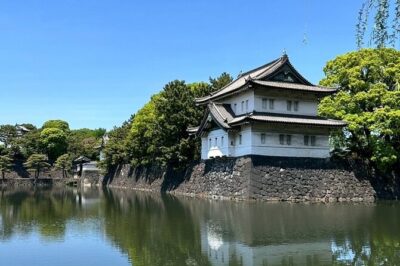
Imperial Palace and Shogun Historical Walking Tour
Read our review →
Gion Geisha District Walking Tour – Stories of Geisha
Read our review →
Shinjuku Local Bar and Izakaya Guided Walking Tour
Read our review →
Browse the lists this tour appears in