
Reviewed · FOOD TOURS
Private Tokyo Food Tour – A Journey Through Time Through Food
Tokyo tells its story through lunch. This private food tour links Nihonbashi, Ginza, Yurakucho, Tokyo Station, and Akihabara through 14 tastings that trace Japanese food from the Edo period to modern fusion. I especially like the clear past-present-future structure and the chance to eat in places tied to everyday city life, from century-old shops to small restaurants under the railway tracks.
I also like that your own guide can adjust the pace and explain customs along the way. Guides such as Yasu, Keiko, Miko, Paiva, Rohan, and Miko have earned strong praise for their humor, organization, cultural insight, and help with Tokyo’s train system. The main drawback is cost: at $327.75 per person, this is a serious food splurge, and two short subway rides cost extra.
In This Review
- Five things to know before booking
- Why the past-present-future theme works
- Nihonbashi: the cooking foundations of Japan
- Fukutoku Shrine: a short lesson in Japanese worship
- Ginza and Yurakucho: eating beneath the railway tracks
- Tokyo International Forum and Marunouchi: a change of pace
- Tokyo Station: food for the ride home
- Akihabara: traditional flavors with a modern twist
- What is included, and what costs extra
- The guides and the private format
- Timing, walking, and practical concerns
- Who should book this Tokyo food tour?
- Should you book it?
- FAQ
- How long does the private Tokyo food tour last?
- Where does the tour start and finish?
- How many food tastings are included?
- Is transportation included?
- Is this a private tour?
- Is hotel pickup available?
Five things to know before booking
- Fourteen tastings cover old and new Tokyo, including dashi ingredients, mochi, yakitori, soba, tamagoyaki, fruit sandwiches, and modern desserts.
- The route has a useful historical arc, moving from Edo-era ingredients in Nihonbashi to postwar salaryman food in Yurakucho and future-facing treats in Akihabara.
- This is a private experience, so only your party joins the guide. That matters for families, small groups, and anyone who wants plenty of questions answered.
- You start in Nihonbashi and finish at Akihabara Station, with pickup available from your Tokyo accommodation.
- You eat a full half-day’s worth of food, so arrive hungry and tell the operator about dietary needs before you go.
- The cancellation information needs checking, because the supplied details give both a tiered refund policy and a separate statement saying the experience is non-refundable.
Why the past-present-future theme works
Food tours can become a string of snacks with no real connection between them. This one has a stronger idea. Each district represents a different chapter in Tokyo’s development, and the food changes as the story moves forward.
Nihonbashi introduces the foundations of Japanese cooking. Ginza and Yurakucho show how postwar industry shaped eating habits. Tokyo Station focuses on food for the daily commute. Akihabara then looks toward novelty, technology, and fusion desserts.
I like this format because it gives you something to remember besides a long list of dishes. You learn why dashi matters, how railway-side drinking spots grew around office workers, and why modern Tokyo food often mixes familiar Japanese flavors with international forms.
The private setup adds value here. A guide can pause to explain a word, show you how to approach a shrine, or help you understand an ingredient without holding up a large group. Several guides receive praise for being funny and attentive, while Miko is noted for helping with a last-minute date change after a flight delay. That kind of personal care can make a long food walk much easier.
More Food Tours in Tokyo
- Tokyo: Shinjuku Food Tour (13 Dishes at 4 Local Eateries)
★ 5.0 · 6,603 reviews - Tokyo: Shinjuku Food Tour (15 Dishes and 4 Eateries)
★ 4.9 · 2,033 reviews - Best of Shinjuku: Izakaya Food Tour (4 Stops, 14+ Tastings)
★ 5.0 · 1,863 reviews
Nihonbashi: the cooking foundations of Japan
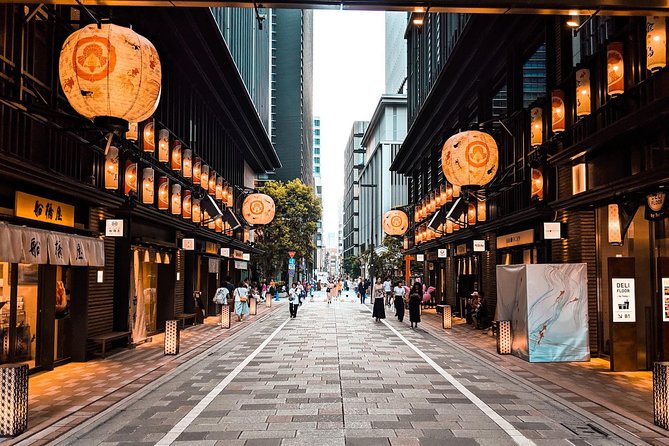
The tour begins at the Nihonbashi 1-chome Mitsui Building. From there, you explore one of Tokyo’s old commercial districts and begin with the ingredients behind many Japanese dishes.
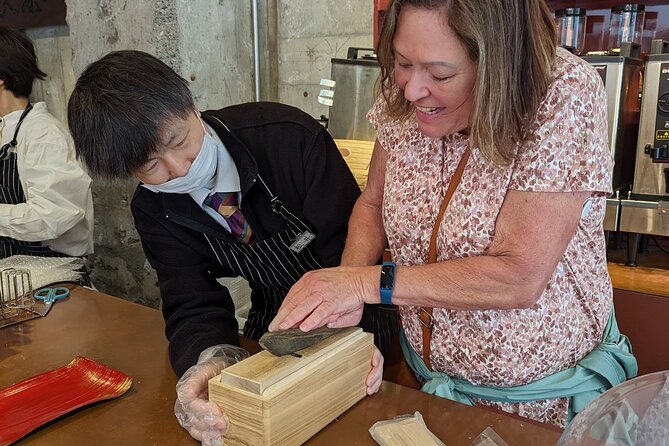
The key lesson is dashi, the stock used as a base in numerous Japanese foods. You focus on katsuobushi, dried and fermented bonito, and kombu, or kelp. These ingredients help explain the savory taste often associated with Japanese cooking. Even if you have eaten sushi, ramen, or miso soup before, knowing what creates that underlying flavor gives the rest of the tour more meaning.
The food here is traditional and snack-sized. You may try:
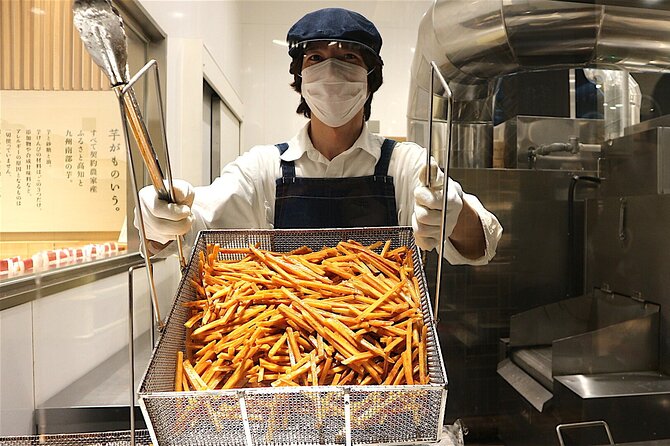
- Satsuma-age, a fried fish cake
- Amazake, a fermented rice drink
- Imo kenpi, sweet potato chips
- Daifuku or dorayaki, sweet treats made with Japanese-style fillings
The stops are selected for their age, with all of them operating for more than 100 years and some dating to the Edo period. That makes Nihonbashi more than a convenient starting point. You are tasting food from shops that have survived changes in fashion, technology, and city life.
This first section lasts about 90 minutes. It is a good length for learning the basics without rushing through the explanations. The drawback is that several tastings arrive early, so you should not eat a large breakfast. The tour promises 14 tastings across the day, and the opening snacks are only the beginning.
Fukutoku Shrine: a short lesson in Japanese worship
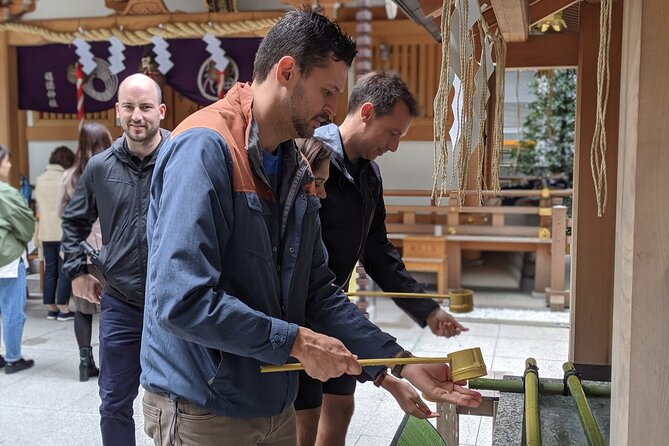
A ten-minute stop at Fukutoku Shrine breaks up the food with a small cultural lesson. You learn the difference between Shinto shrines and Buddhist temples, then practice the basic steps for cleansing yourself and praying at a shrine.
This is a brief visit, not a major sightseeing stop. Its value comes from practical knowledge. Tokyo has shrines and temples everywhere, and knowing how they differ helps you approach them with more confidence and respect.
I would treat this as a useful pause rather than a reason to book the tour on its own. The guide-led explanation makes the visit more helpful than simply walking past the shrine, but the stop is intentionally short.
Ginza and Yurakucho: eating beneath the railway tracks
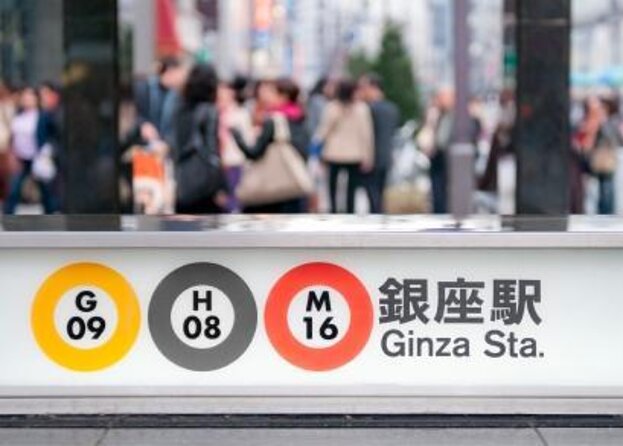
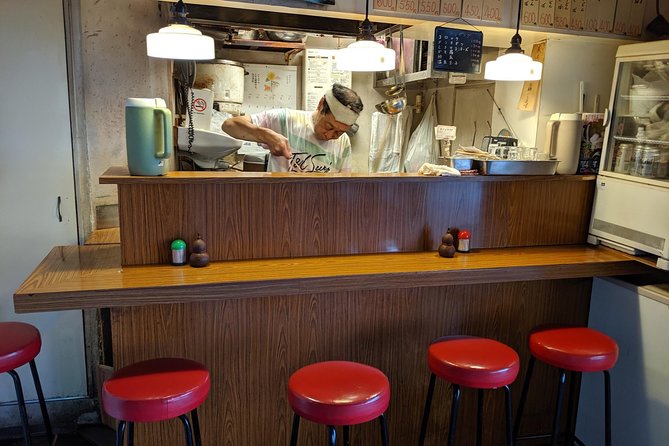
The middle section moves into Ginza and Yurakucho, where the theme shifts to Japan’s postwar industrial growth. The guide explains the rise of the salaryman and the small restaurants and bars built below the railway tracks, known as gado-shita.
This is one of the most appealing parts of the tour because it connects food with working life. These are not polished dining rooms designed mainly for special occasions. They developed to serve office workers before the trip home, creating a direct link between the railway, the workday, and the evening meal.
Your tastings include yakitori, a Japanese sour, and a choice of tempura soba or curry udon. Yakitori brings grilled meat on skewers, while the sour gives you a distinctly Japanese alcoholic drink. The noodle dish adds more substance, making this part feel like lunch rather than another sample.
The gado-shita setting also gives the tour a useful contrast with Ginza’s more formal image. You see how one district can contain expensive shopping streets and humble railway-side food within a short walk.
The listed time for this section is about 70 minutes. Alcohol is included, but you can ask your guide about the drink if you do not want it. The tour is private, yet the food stops are still working restaurants and stalls, so the experience has less control and ceremony than a sit-down tasting menu.
If you have a large appetite, the yakitori and noodles will be welcome. If you are sensitive to strong flavors or do not eat meat, check the available alternatives before booking. The supplied details do not promise substitutions.
A completely different kind of day out:
- Tokyo Disney Resort – Tokyo Disneyland & Tokyo DisneySea Park Tickets
★ 4.8 · 99,488 reviews - SHIBUYA SKY Ticket
★ 4.7 · 46,509 reviews - JR Whole Japan Rail Pass
★ 4.8 · 29,150 reviews - Mt Fuji and Hakone 1-Day Bus Tour Return by Bullet Train
★ 5.0 · 26,383 reviews
Tokyo International Forum and Marunouchi: a change of pace
After eating around the railway tracks, you walk toward Tokyo Station and stop at the Tokyo International Forum. The listed visit lasts about 15 minutes.
This section is mainly a transition, but it helps you see the change from older railway-side dining to the large civic and commercial spaces around Marunouchi. The tour does not present the building as a long architectural visit, so keep your expectations modest. You are passing through on the way to the next food stops.
A brief visit to the Kitte Marunouchi building follows, listed at about ten minutes. These stops give your meal a little breathing room and prevent the itinerary from becoming one continuous eating session.
Tokyo Station: food for the ride home
At Tokyo Station, the tour turns to foods associated with commuting and buying something convenient before heading home. This is a clever choice of location. Tokyo Station is not only a transport hub, but also a place where everyday meals, snacks, and gifts are bought at speed.
You try tamagoyaki, Japanese omelette, and a fruit sando. Tamagoyaki is a softly layered omelette with a slightly sweet profile. The fruit sandwich uses Japanese milk bread, fresh fruit, and whipped cream. It is a playful combination, and a good example of how Japanese food can be both familiar and unexpected.
The tasting is split between the Tokyo Station Marunouchi Ekimae Hiroba area and Daimaru Tokyo, with about 20 minutes listed for each stop. These foods are less old-fashioned than the Nihonbashi snacks and less bar-oriented than the Yurakucho meal. They show how city residents buy and eat food during a normal day.
This may be the point where you realize how much food you have already eaten. The portions are described as tastings, but the total includes snacks, a noodle dish, grilled food, sweets, and drinks. Come hungry, but do not assume every stop is a full restaurant meal.
Akihabara: traditional flavors with a modern twist
The final district is Akihabara, known for electronics, maid cafes, anime culture, and new subcultures. Here, the tour asks what the future of Japanese food might look like.
You try three fusion desserts that combine traditional Japanese flavors or ingredients with modern forms. The included items list Pokemon taiyaki and matcha bubble tea or matcha ice cream. The exact combination may vary, so you should see these as examples rather than a fixed dessert plate.
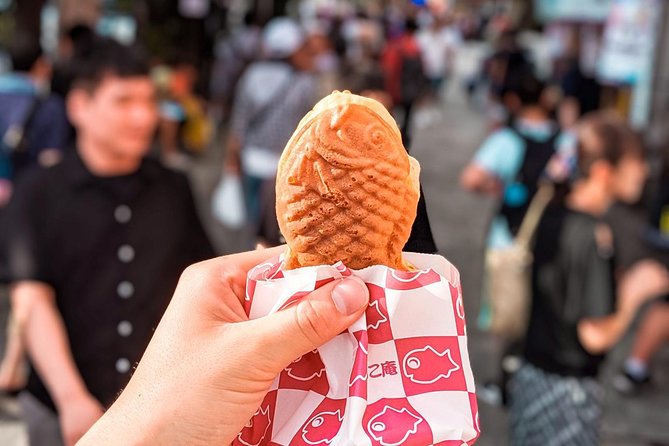
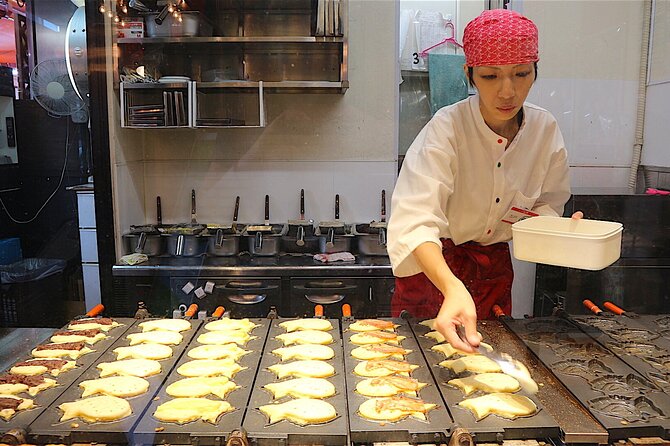
Taiyaki is traditionally a fish-shaped cake, often filled with a sweet paste. The Pokemon version adds a contemporary character design to a familiar snack. Matcha bubble tea and matcha ice cream use green tea in formats that feel more international and youth-oriented.
Akihabara is a fitting finish because food is only part of the conversation. Your guide also discusses technology, new ideas, and subcultures, all of which have helped shape the district. The food here is not meant to represent old Tokyo. It shows how established flavors can be repackaged for a new audience.
This final stop lasts about 45 minutes. It is shorter than Nihonbashi or Yurakucho, but the change in tone keeps the tour from ending with another traditional dish.
What is included, and what costs extra
The price is $327.75 per person, which places this tour well above a casual Tokyo food walk. The question is not simply how much food you receive. You are also paying for a private guide, pickup from your accommodation, cultural explanations, and a route that connects several districts without requiring you to plan the details yourself.
Included food and drink cover:
- Dashi ingredients, including katsuobushi and kombu
- Satsuma-age, amazake, imo kenpi, and daifuku or dorayaki
- Pokemon taiyaki
- Matcha bubble tea or matcha ice cream
- Yakitori
- Tempura soba or curry udon
- Tamagoyaki
- Fruit sando
- A lemon sour
Two short subway rides are not included, so you pay those transport costs yourself. This is a small extra compared with the tour price, but you should have a usable transit card or another way to pay.
For a solo visitor or couple on a tight budget, the price may be hard to justify. You could eat many excellent meals in Tokyo for less. For a family or group splitting the cost of a private guide, the value improves, especially if you care about personal attention and want help making sense of Tokyo’s food customs.
The average booking time is 41 days ahead. That suggests you should reserve early, particularly if your dates are fixed. Pickup is offered, but the stated meeting point is the Nihonbashi 1-chome Mitsui Building, so confirm the exact pickup arrangement after booking.
The guides and the private format
The strongest part of the experience is likely to be the person leading it. Yasu is praised for being interesting and funny, with a strong understanding of Japanese food and culture. Keiko receives praise for explaining history and helping make the tour feel special. Paiva is described as organized, prompt, professional, pleasant, and fun.
Rohan is praised for helping visitors get a feel for Tokyo’s customs and layout, which makes this tour useful at the beginning of a Japan trip. One family rated Miko especially highly after taking three private tours in Japan and found that she went out of her way to help when plans changed.
You should not assume you will receive a particular guide unless the company confirms it. Still, the range of positive comments points to a consistent strength: the experience depends on a guide who can connect food, history, and practical Tokyo advice.
The private format also suits families. An 11-year-old and a 9-year-old reportedly enjoyed trying different Japanese foods and used the tour as a way to handle jet lag on their first day. That does not mean every child will like every tasting, but the variety gives curious children plenty to discover.
Timing, walking, and practical concerns
The full tour lasts about five and a half hours. You move through several neighborhoods, stop often, and take two short subway rides. Comfortable shoes are sensible, even though no exact walking distance is provided.
The route begins in Nihonbashi and ends at Akihabara Station. That makes the tour useful as an introduction to Tokyo’s central districts, but less useful if you need to return to your hotel immediately afterward. Plan your next activity from Akihabara rather than assuming you will finish near your starting point.
Most people can participate, and the meeting points are near public transportation. Pickup is offered from Tokyo accommodations, which can remove some of the morning confusion. Confirmation arrives at booking, and the experience is available with a mobile ticket.
The food is varied, but the tour is not designed around dietary restrictions in the information provided. If you avoid fish, meat, alcohol, gluten, dairy, or particular ingredients, ask before paying. Do not wait until the first stop to raise the issue.
There is also a policy inconsistency worth taking seriously. One set of booking details says you can receive a full refund, minus booking and administration charges, for cancellation more than one week ahead, a 50 percent refund between seven and two days, and no refund within 48 hours. Another statement says the experience is non-refundable and cannot be changed for any reason. Confirm the current rule directly with Hello! Tokyo Tours before booking.
Who should book this Tokyo food tour?
I would choose this tour if you want a guided introduction to Tokyo food culture, not just a list of restaurants. It suits first-time visitors who want help with customs, neighborhoods, and the train system, as well as families who prefer a private pace.
It is also a strong choice for food lovers who enjoy context. The lesson on dashi, the old Nihonbashi shops, the railway-side izakaya, and the commuter foods at Tokyo Station give you a useful framework for later meals.
I would hesitate if your main goal is fine dining, large portions, or a low-cost food crawl. The tour uses everyday foods and small tastings rather than prestigious restaurants. Its appeal is the story and variety, not luxury.
Should you book it?
Book it if you value personal guidance, want to taste 14 different foods, and like the idea of following Tokyo from Edo-era traditions to Akihabara’s modern food culture. The best features are the private format, the thoughtful route, and the guides’ apparent skill at mixing humor with useful cultural advice.
Skip it if $327.75 feels too high for tasting portions, or if you prefer to choose every restaurant yourself. Before paying, confirm the guide, pickup details, dietary options, subway costs, and cancellation terms. For a small group beginning a Tokyo trip, this is a costly but well-organized way to get your bearings through food.
FAQ
How long does the private Tokyo food tour last?
The tour lasts approximately five hours and 30 minutes.
Where does the tour start and finish?
It starts at the Nihonbashi 1-chome Mitsui Building in Nihonbashi and ends at Akihabara Station.
How many food tastings are included?
The experience includes 14 tastings, covering traditional snacks, lunch dishes, commuter foods, drinks, and modern desserts.
Is transportation included?
No. You take two short subway rides during the tour, and those transport costs are payable by you.
Is this a private tour?
Yes. Only your party participates in the activity.
Is hotel pickup available?
Yes. Pickup is offered from your Tokyo accommodation, although you should confirm the exact arrangement after booking.
Just added in Tokyo
- Very popular in Harajuku♡Animal petting zoo★ 4.6 · 39 reviews
- Yokohama Port: Private Customizable Tour with Transfer★ 5.0 · 19 reviews
- Wagyu & Sake 8 Course Tasting Dinner in Shinjuku★ 4.9 · 20 reviews
- Warner Bros. Studio Tour Tokyo – The Making of Harry Potter★ 4.8 · 181 reviews
- Yanaka District: Historical Walking Tour in Tokyo’s Old Town★ 4.8 · 117 reviews
- Tokyo: Classic Tsukiji Food Tour★ 4.9 · 78 reviews
- Tokyo: Tsukiji Fish Market Tour with 6 Stops & Seafood Lunch★ 4.5 · 165 reviews
- Tokyo Wagyu & Sake Pairing Tasting Experience with Local Flavors★ 5.0 · 108 reviews
Food Tours, compared.
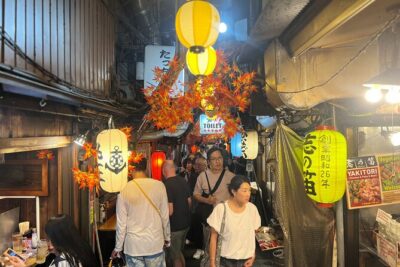
Shinjuku Food Tour (13 Dishes at 4 Local Eateries)
Read our review →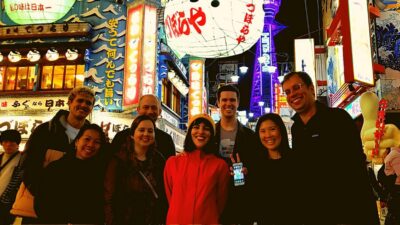
Shinsekai Food Tour with 13-15 Dishes at 5 Eateries
Read our review →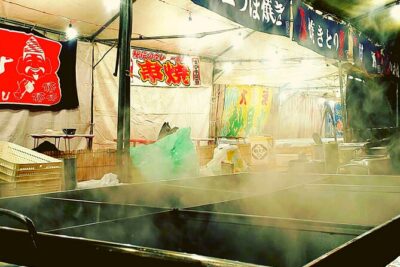
Osaka Food Tour: 13 Dishes at 5 Local Eateries
Read our review →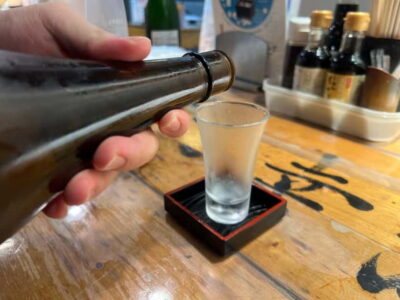
Shinjuku Food Tour (15 Dishes and 4 Eateries)
Read our review →
Best of Shinjuku: Izakaya Food Tour (4 Stops, 14+ Tastings)
Read our review →
Kyoto Night Foodie Tour in Gion (9+ dishes + 6 Sake tastings)
Read our review →
Hungry Osaka Street Food Tour:15 Tastings & 3 Drinks with a Local
Read our review →
Tokyo Night Foodie Tour in Shinjuku – Seasonal Sushi, Wagyu Beef
Read our review →Browse the lists this tour appears in