
Reviewed · MARKETS AND FOOD HALLS
Tokyo Tsukiji Food & Culture 4hr Private Tour with Licensed Guide
Tokyo eats best before you know what to order. This private, four-hour outing links fish markets, food stalls, temples, shopping streets, and kitchenware shops with a licensed English-speaking guide. I like the custom itinerary, which lets you focus on food, temples, shopping, or a mix. I also like the hotel pickup on foot, especially if Tokyo’s train system still feels like a bowl of noodles.
The main catch is time. You can choose two, or at most three, places, not all eight stops listed in the sightseeing menu. I would also be careful with the start time if Toyosu’s auction matters to you. One morning booking began at 8:00, after the auction and many shops had closed.
In This Review
- Key points before you book
- What this private Tokyo food tour is really like
- Tsukiji Outer Market, where the food decisions begin
- Toyosu Market and the timing problem
- Asakusa, Senso-ji, and Nakamise Street
- Ameyoko, Ueno’s bargain shopping street
- Kappabashi, Tokyo’s kitchenware wonderland
- Tsukishima and the monjayaki lesson
- Yanaka Ginza and old Tokyo atmosphere
- The guides make the difference
- Price, transport, and what you pay for
- Who should book this experience?
- Should you book the Tsukiji food and culture tour?
- FAQ
- How long is the Tokyo Tsukiji food and culture tour?
- Is the tour private?
- How many places can I visit during the tour?
- Does the tour include hotel pickup?
- Are food, lunch, and train fares included?
- Is Toyosu Market open every day?
- Can I cancel for a full refund?
Key points before you book
- Tsukiji is the food heart of the tour: Your guide can help you choose sushi, seafood, egg rolls, crab, wagyu beef, rice bowls, and other market treats.
- You choose two or three sites: The menu includes Toyosu, Tsukiji, Asakusa, Ueno, Kappabashi, Tsukishima, and Yanaka, but four hours disappears quickly on Tokyo trains.
- Toyosu has strict closure days: It is closed Wednesdays, Sundays, and sometimes on irregular dates. Many Tsukiji shops may also close when Toyosu is closed.
- Guides are the biggest strength: Guides such as Hiromi, Nori, Maki, Koji, Koba, Hideki, and Masa have helped with food choices, local customs, train navigation, and itinerary changes.
- Food and transport cost extra: The $109.01 price pays for a private licensed guide, not lunch, tastings, train fares, or a private car.
- This is a walking tour: Pickup means meeting your guide on foot within a designated Tokyo area, not riding from your hotel in a tour vehicle.
What this private Tokyo food tour is really like
This is not a fixed bus tour with a guide waving a flag. Your group meets a licensed local English-speaking guide, then walks and uses Tokyo’s public transport to reach the places you choose. Only your party takes part, so the pace can suit a family, a couple, or a small group with very specific interests.
That private format matters in a food market. You can pause over a strange-looking snack, ask how a fish is prepared, or skip a shop that does not interest you. Guides have helped families with teenagers, shown people how to use the subway, and adapted plans to include shrines, gardens, Tokyo Station, Ginza, Shibuya Crossing, or Tokyo Tower when the chosen schedule allowed.
Still, do not confuse flexibility with unlimited sightseeing. Each listed stop is shown as roughly 30 minutes, but that does not include walking, ordering food, waiting in line, or changing trains. A four-hour tour realistically fits two sites, and possibly three if they are close together. A plan such as Tsukiji plus Asakusa makes sense. Toyosu, Yanaka, Kappabashi, and Tsukishima in the same morning does not.
More Markets and Food Halls in Tokyo
- Tokyo Tsukiji Fish Market Food and Culture Walking Tour
★ 5.0 · 3,184 reviews - Tokyo: Tsukiji Fish Market Food and Walking tour
★ 5.0 · 1,724 reviews - Senkyaku Banrai Toyosu Manyo Club Onsen Experience in Tokyo
★ 4.7 · 1,690 reviews
Tsukiji Outer Market, where the food decisions begin
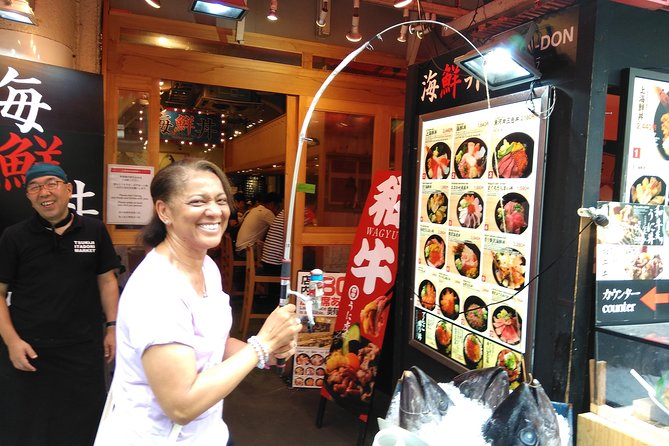
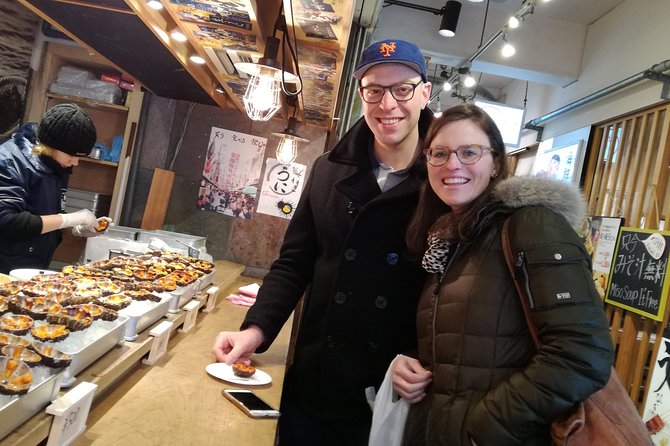
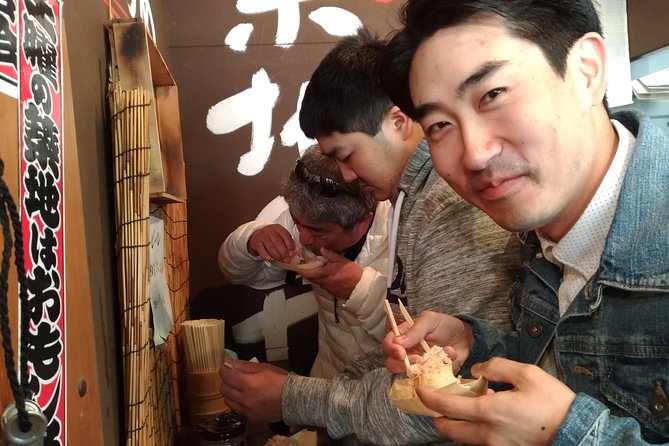
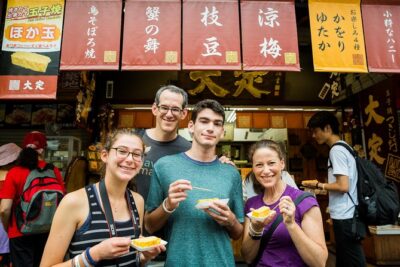
Tsukiji is the best choice if your main goal is eating. The wholesale market moved to Toyosu, but Tsukiji’s outer market remains a dense food district with shops and stalls selling seafood, prepared foods, kitchen ingredients, and Japanese snacks.
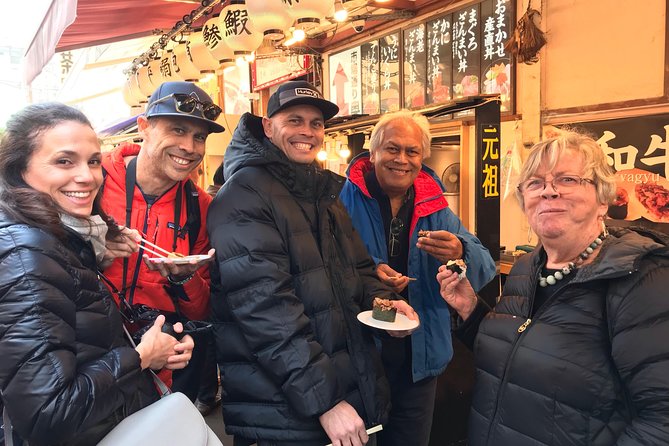
This is where a guide can save you time and uncertainty. At Tsukiji, you might see sushi, sea urchin, wagyu beef, beef bowls, tamagoyaki, crab, and fresh oysters among the choices. One guide, Toru Higaki, led a couple to 13 recommended stalls, though that kind of food marathon went beyond the basic four-hour sightseeing rhythm and continued after the tour.
I like the way this stop can be shaped around your appetite. Maki helped one family identify foods, understand how they were used and prepared, and pick stalls with shorter lines. Hiromi made sampling sushi and other treats feel easy, while another guide arranged a nearby garden and a tonkatsu lunch.
The bill is yours, so keep some cash or payment capacity available for food. Lunch and personal expenses are not included. Also, Tsukiji is not only about eating. It is a good place to ask about Japanese ingredients, market customs, and the connection between professional cooking and everyday meals.
Toyosu Market and the timing problem
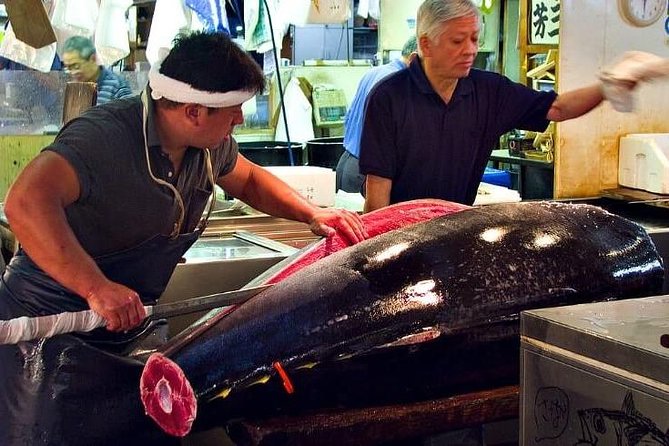
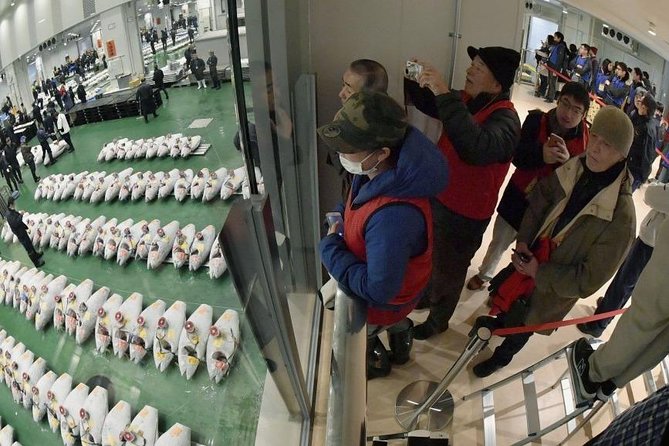
Toyosu Market is the newer fish market and a very different stop from Tsukiji. The market opened on October 11, 2018, and the public experience here is more structured than the old outer market. It is best for people who want to understand Tokyo’s modern wholesale fish system or see the setting associated with the famous tuna auction.
Timing is crucial. Toyosu is closed Wednesdays, Sundays, and occasionally on other irregular days. Many shops in Tsukiji also close because of the Toyosu closure schedule, so check the operating day before you commit to a market-focused itinerary.
You also need to ask exactly what your start time allows. An 8:00 start may be too late for the auction, and one booking turned into a disappointing visit because the auction was already finished and many retailers had closed. If the auction is your priority, confirm the start time and access details with the provider before booking. Do not assume that a tour mentioning Toyosu automatically includes the auction.
Toyosu can still be worthwhile later in the morning, but the experience will center more on the market setting and available shops than on the early wholesale action. Since admission tickets are not included, ask your guide what, if anything, you need to pay at the time.
Asakusa, Senso-ji, and Nakamise Street
Asakusa gives the tour a welcome change of pace. Senso-ji is one of Tokyo’s best-known temples, with a history reaching back about 1,300 years. The huge red lantern at Kaminarimon Gate is the familiar entrance marker, and Nakamise Street leads about 250 meters toward the temple.
Nakamise is lined with shops selling traditional souvenirs, snacks, and small gifts. You can browse while your guide explains customs and points out what may be useful or simply fun. The shopping street can feel busy, so a private guide is helpful when you want to keep moving without losing your bearings.
The temple and market pairing works well for first-time visitors. You get a major cultural sight, a traditional shopping street, and a chance to taste something along the way. Sally received special praise for arranging an Asakusa visit around her party’s wishes, while Kay led a warm and informative Tsukiji and Asakusa outing.
The drawback is that Asakusa is not a food market in the same way Tsukiji is. If your top goal is seafood, spending half the tour around Senso-ji means less time for market sampling. If you want a balanced first look at Tokyo, though, Tsukiji plus Asakusa is one of the strongest combinations.
More Private Tours in Tokyo
- Tokyo 6hr Private Tour with Government-Licensed Guide
★ 5.0 · 3,902 reviews - Private Tour to Mt. Fuji and Hakone (Fully Licenced Operator)
★ 5.0 · 1,910 reviews - Tokyo Customized Private Tour (Must See Places in 1 Day)
★ 5.0 · 1,499 reviews - Mount Fuji Full-Day Private Tour from Tokyo (Customizable)
★ 4.9 · 1,470 reviews
Ameyoko, Ueno’s bargain shopping street
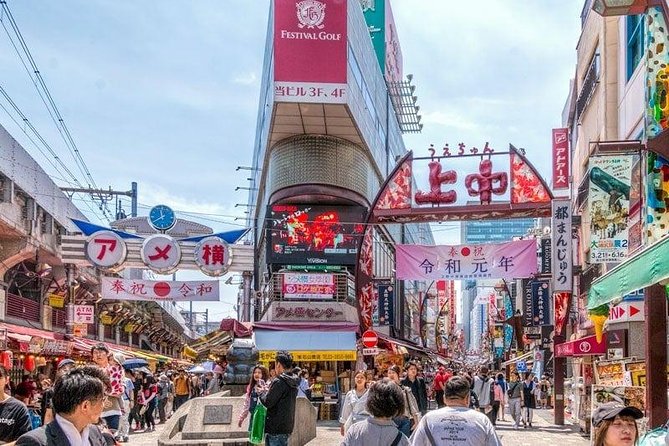
Ameyoko Shopping Street is the choice for a more local-feeling shopping stop, with food shops, inexpensive goods, and souvenir possibilities. It sits in Ueno, a useful area to combine with nearby Yanaka or Kappabashi if your priorities lean toward shopping rather than temples.
The tour information also frames Ameyoko as a place for souvenir hunting, especially if you want deals instead of high-end fashion. I would choose it if you want edible gifts, everyday items, or the fun of browsing a crowded commercial street.
Do not pair Ameyoko with distant stops just to collect names from the menu. Train time can eat up a large part of the four hours. A guide can make the route easier, but Tokyo’s distances do not shrink because the tour is private.
Kappabashi, Tokyo’s kitchenware wonderland
Kappabashi Street is between Ueno and Asakusa and is lined with stores serving restaurant operators. You can find the tools, dishes, utensils, and other supplies used by professional kitchens.
This is one of the most distinctive choices on the tour. It suits cooks, serious food lovers, and anyone looking for a souvenir connected to Japanese food rather than another keychain. You might find something practical for your own kitchen, though the tour does not include purchases or shipping.
Kappabashi also gives useful context to the market visits. Tsukiji shows ingredients and prepared food. Kappabashi shows the equipment and presentation behind that food. Choose both if you want a cooking-centered morning, but remember that tasting time at Tsukiji and shopping time at Kappabashi can easily fill the entire tour.
Tsukishima and the monjayaki lesson
Tsukishima is associated with monjayaki, a thin, runny dish made with flour and dashi. It is not the prettiest meal in Tokyo, but appearance is a poor guide here. The appeal is the hot, savory texture and the chance to try a specialty strongly linked with the neighborhood.
This stop is best for an adventurous eater who wants more than sushi. Your guide can explain what you are seeing and help make the dish less mysterious. Food is not included, so budget separately for lunch or a tasting.
Tsukishima is also a planning choice. It is not an obvious companion to Yanaka or Toyosu if you want a relaxed pace. Pick Tsukishima when the dish itself is a priority, not as an afterthought squeezed between several far-flung neighborhoods.
Yanaka Ginza and old Tokyo atmosphere
Yanaka Ginza offers a quieter shopping experience and a look at Tokyo’s old-town Shitamachi character. The neighborhood is described as having a well-preserved nostalgic feel, with a calmer mood than the major market and temple districts.
This is a good pick if you want local shopping and atmosphere instead of a headline sight. Koba guided a couple through Yanaka Ginza after a slightly late arrival at Tsukiji, and they bought several daily-use items. That is a useful clue about the stop: it can be more satisfying for practical browsing than for landmark photography.
Yanaka works especially well for repeat visitors or anyone who wants to see a less polished side of Tokyo. It is not the right choice if your only day in the city must include the fish market, Senso-ji, and major central sights.
The guides make the difference
The strongest part of this experience is the human help. Hiromi assisted with metro navigation and food sampling. Masa explained the fish auction system and took a couple through the public market. Hideki added historical context and practical Tokyo tips. Shuji helped a family customize a day for two adults and two teenagers.
Guides have also handled small but important travel problems. Koba carried wet wipes, chopsticks, and maps. One guide helped locate a lost phone. Others adjusted plans to include Hama Rikyu Garden, a shrine, the Kabuki Theatre, Tokyo Station, Ginza, Shibuya Crossing, or Tokyo Tower.
That does not mean every guide will offer the same personality or exact route. You should send your priorities before the tour and ask the provider to confirm the plan. Tell them if you care most about sushi, the auction, temples, kitchenware, shopping, or train instruction.
There was also one serious service failure, when a guide did not arrive and communication was delayed. The provider said the guide had suffered an accident and processed a refund, but the incident shows why you should keep your phone available and know how to contact the operator on the day.
Price, transport, and what you pay for
At $109.01 per person, the tour is not a cheap way to grab lunch. You still pay for transportation, food, admission fees, and personal purchases. There is no private vehicle, and hotel pickup means meeting the guide on foot within the designated Tokyo area.
The value comes from private attention. If you are anxious about Tokyo’s trains, unsure how to order at Tsukiji, or traveling with family members who need a flexible pace, the guide can be worth more than a group tour. The cost is also easier to justify when two or three people share the benefit of one customized route, though the exact group discount is not stated.
I would not book it simply to cover the entire sightseeing menu. You would spend too much time in transit and rush the places that make the tour worthwhile. Book it for help making good choices in one or two connected areas.
The experience has a 4.8 rating from 79 reviews and a 95 percent recommendation rate, which points to strong overall satisfaction. The lower ratings focus on two clear problems: a poor start time for the auction and a missed meeting caused by an emergency. Those are not minor details, so confirm both the meeting arrangement and market hours.
Who should book this experience?
I would choose this tour for a first visit to Tokyo, especially if food is central to your plans but you also want a temple or shopping street. It suits couples, families, and small private groups that prefer conversation and flexibility over a fixed script.
It is also a smart choice for anyone nervous about public transport. Several guides have taught visitors how to use the metro, and that skill can help you long after the four hours end.
I would be cautious if you want a guaranteed tuna auction, a full day of sightseeing, or an included lunch. You need to confirm the timing, narrow the route, and plan to pay extra for food and trains.
Should you book the Tsukiji food and culture tour?
Book it if you want a personal guide to turn Tsukiji’s food maze into a manageable, tasty morning, then add Asakusa, Kappabashi, or another nearby priority. The private format, strong guide record, and ability to adjust the pace make it useful.
Skip it if you prefer to explore markets alone, need an all-inclusive price, or expect to visit every listed neighborhood in four hours. For the best result, request two sites, confirm Toyosu’s opening day, and ask directly if your chosen start time can include the auction.
FAQ
How long is the Tokyo Tsukiji food and culture tour?
The tour lasts approximately four hours.
Is the tour private?
Yes. Only your group participates in the private activity.
How many places can I visit during the tour?
The included format allows you to choose two or three sites from the available list. Four hours is generally not enough to visit all eight listed stops.
Does the tour include hotel pickup?
Pickup is offered on foot within a designated area of Tokyo. There is no private vehicle.
Are food, lunch, and train fares included?
No. Transportation fees, lunch, entrance fees, food purchases, and other personal expenses are not included.
Is Toyosu Market open every day?
No. Toyosu is closed on Wednesdays, Sundays, and sometimes on other irregular dates. Many Tsukiji shops may also close due to the Toyosu schedule.
Can I cancel for a full refund?
Yes, if you cancel at least 24 hours before the experience start time. Cancellations or changes made less than 24 hours before the start time are not accepted for a refund.
Just added in Tokyo
- Very popular in Harajuku♡Animal petting zoo★ 4.6 · 39 reviews
- Yokohama Port: Private Customizable Tour with Transfer★ 5.0 · 19 reviews
- Wagyu & Sake 8 Course Tasting Dinner in Shinjuku★ 4.9 · 20 reviews
- Warner Bros. Studio Tour Tokyo – The Making of Harry Potter★ 4.8 · 181 reviews
- Yanaka District: Historical Walking Tour in Tokyo’s Old Town★ 4.8 · 117 reviews
- Tokyo: Classic Tsukiji Food Tour★ 4.9 · 78 reviews
- Tokyo: Tsukiji Fish Market Tour with 6 Stops & Seafood Lunch★ 4.5 · 165 reviews
- Tokyo Wagyu & Sake Pairing Tasting Experience with Local Flavors★ 5.0 · 108 reviews
Markets and Food Halls, compared.
Tokyo Tsukiji Fish Market Food and Culture Walking Tour
Read our review →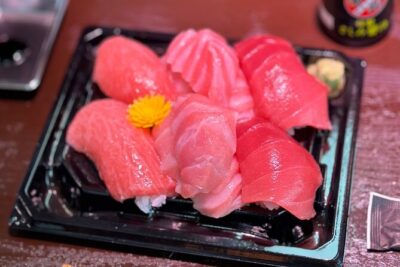
Senkyaku Banrai Toyosu Manyo Club Onsen Experience in Tokyo
Read our review →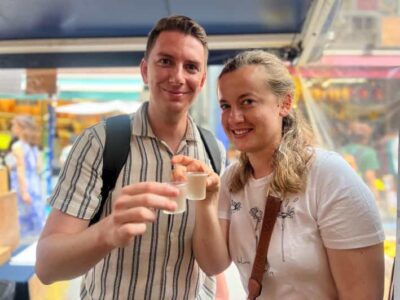
Nishiki Market Brunch Walking Tour (7 Tastings + Brunch)
Read our review →
Tokyo Sushi Making Class in Tsukiji with Professional Chef
Read our review →
Tsukiji Fish Market Guided Tour and Sushi Making with Pro Chef
Read our review →Browse the lists this tour appears in