
Reviewed · MARKETS AND FOOD HALLS
Tokyo Tsukiji Food & Culture 6hr Private Tour with Licensed Guide
Tokyo rewards curiosity, but its streets can be confusing. This private six-hour tour links Tsukiji, Asakusa, and local shopping streets with a licensed English-speaking guide who shapes the day around your interests. I like the personal format, which gives your group the guide’s full attention, and I like the choice of food, temple, and shopping stops rather than a fixed sightseeing script. The main catch is cost: at $154.84 per person, transportation, lunch, entrance fees, and personal purchases are extra.
You choose three or four sites from a broad list, so you can focus on seafood and snacks, traditional Tokyo, cooking tools, or old neighborhood streets. The tour is on foot, and the guide meets you within a designated area of Tokyo. That makes the experience flexible, but you should be ready for a full day of walking and navigating public transportation on your own dime.
In This Review
- Key points to know before booking
- Why a private guide helps at Tsukiji
- Toyosu Market offers a modern contrast
- Tsukiji gives you food, movement, and choices
- Asakusa brings in Tokyo’s traditional side
- Kappabashi Street is a treat for cooks
- Ameyoko and Yanaka offer different kinds of shopping
- Tsukishima Monjayaki adds a local food specialty
- The six-hour format and walking demands
- What the $154.84 price really buys
- Who will get the most from this tour
- Should you book the Tokyo Tsukiji tour?
- FAQ
- How long is the Tokyo Tsukiji Food and Culture tour?
- Is the tour private?
- How many places will I visit?
- Is Toyosu Market included?
- Where does the tour meet?
- Is transportation included?
- Is lunch included?
- Is the tour conducted in English?
- Are entrance fees included?
- Can I cancel for a refund?
Key points to know before booking
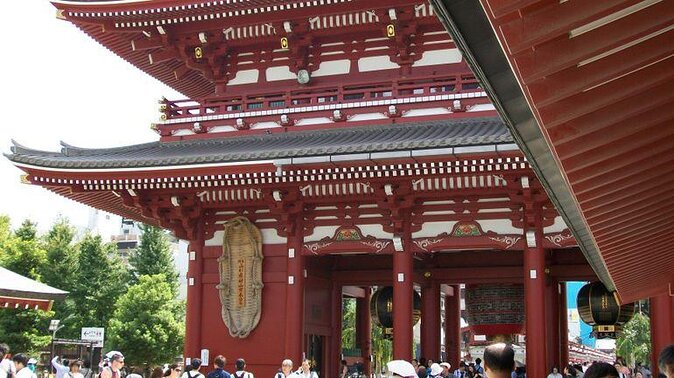
- Tsukiji is the food heart of the day: Expect seafood shops, market lanes, snacks, and plenty of local color.
- Toyosu replaced Tsukiji’s wholesale market: Its modern facilities offer a different look at Tokyo’s fish trade.
- You select only three or four stops: The long list of possible locations is a menu, not a promise that you will see them all.
- The guide keeps the day personal: This is a private activity for your group only, with no combining of separate parties.
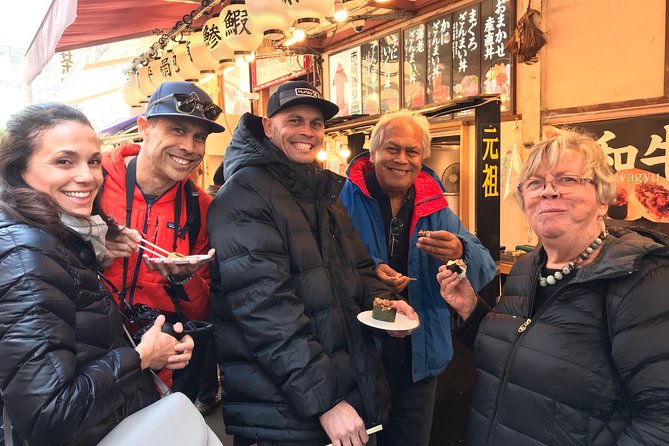
- Taka has earned special praise: One account highlights Taka’s professional manner, his help with sushi, and his patience during chopstick practice.
- Costs add up beyond the tour fee: Food, transportation, entrance charges, and shopping are not included.
Why a private guide helps at Tsukiji
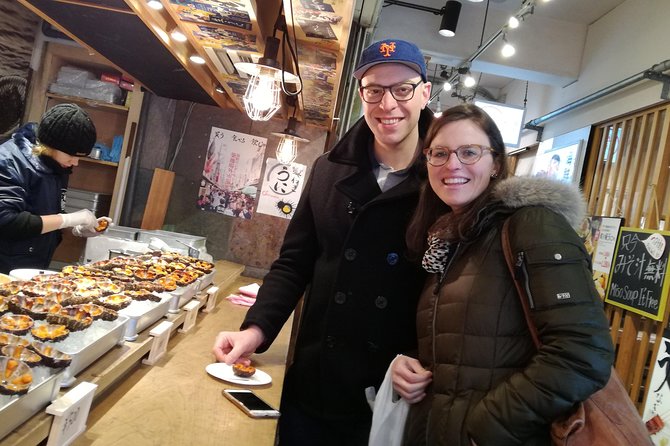
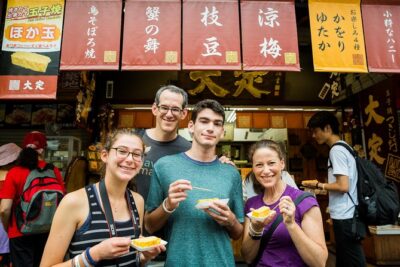
Tsukiji is easier to enjoy when someone else handles the direction-finding. The market area is filled with food shops and narrow passages, and a guide can help you understand what you are seeing instead of leaving you to simply walk past rows of unfamiliar seafood.
The meeting point is Tsukiji Honganji Temple, outside the market’s main gate, in the morning. That is a sensible start. You can find the guide at a clear landmark, then move into the food area together.
The market itself is not only about buying fish. It is a place to look at Japanese food culture up close. You might see seafood products, prepared foods, cooking ingredients, and small shops aimed at both professionals and ordinary shoppers. If you are unsure what to order, the guide can help explain choices and local customs.
This is also where the private format earns its keep. With only your group, you can ask basic questions without slowing down a larger party. You can spend more time on sushi if that matters to you, or move on if raw seafood is not your main interest.
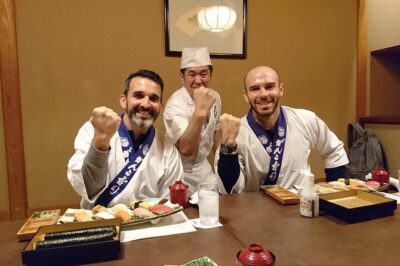
One especially positive account names Taka as an excellent guide and praises his professional approach. The same account describes enjoying sushi and receiving patient help with chopsticks. That small detail says something useful about the tone you may want from this tour: not a rushed march between landmarks, but a guide who can make room for practical help and a little humor.
More Markets and Food Halls in Tokyo
- Tokyo Tsukiji Fish Market Food and Culture Walking Tour
★ 5.0 · 3,184 reviews - Tokyo: Tsukiji Fish Market Food and Walking tour
★ 5.0 · 1,724 reviews - Senkyaku Banrai Toyosu Manyo Club Onsen Experience in Tokyo
★ 4.7 · 1,690 reviews
Toyosu Market offers a modern contrast
Toyosu Market opened on October 11, 2018, on a man-made island in Tokyo Bay. It took over the wholesale business from the older Tsukiji market, so it gives you a different view of Tokyo’s seafood trade.
The suggested time here is two hours, making it the longest single stop on the possible route. That tells you to expect a substantial visit rather than a quick photo stop. Toyosu is the better choice if you want the modern, organized side of the market system and more context about the change from old Tsukiji to new Toyosu.
Admission is not included. The tour information does not specify a separate admission price, so check the current arrangements when booking. The guide’s entry costs are covered only for sights included in the stated itinerary, and general transportation costs remain yours.
Toyosu may appeal less if your ideal market is a maze of old lanes and tiny storefronts. For that feeling, Tsukiji is the stronger pick. The two locations work well together if you want to compare them, but choosing both will use a large part of your six hours.
Tsukiji gives you food, movement, and choices
The Tsukiji stop is listed at about one hour, shorter than Toyosu but likely more focused on browsing and eating. You begin near the temple and enter the market area with your guide.
I would make this a priority for most people booking the tour. Tsukiji lets you sample Tokyo through food rather than only viewing it from the outside. The guide can help you choose what to try, explain market customs, and point out details that are easy to miss when you are on your own.
Lunch is not included, which is both a drawback and a benefit. You pay directly for what you eat, but you also control the budget and the menu. If you want sushi, plan for that expense. If you prefer small snacks or a lighter meal, you can keep spending lower.
Be clear about food preferences before the tour begins. The available information emphasizes seafood and sushi, but it does not promise a particular restaurant or tasting menu. A private guide can adjust the pace, though the exact food choices depend on what you request and what is available that day.
Asakusa brings in Tokyo’s traditional side
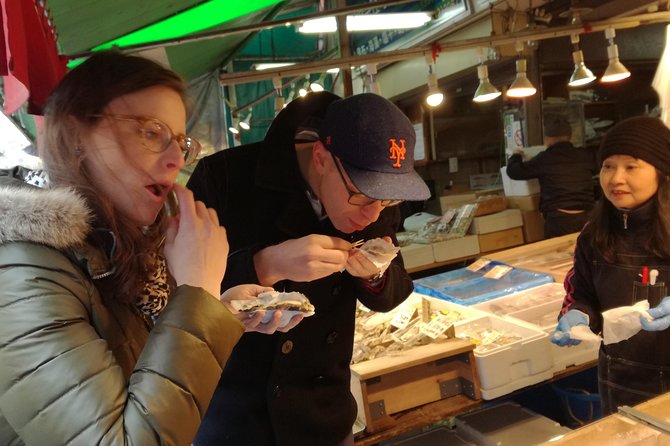
Senso-ji Temple is one of Tokyo’s best-known religious sites, with a history reaching back about 1,300 years. Its large red lantern at Kaminarimon, the entrance gate, gives you an immediate visual marker and a strong introduction to Asakusa.
The temple stop is listed at 30 minutes. That is enough for a first look, a few questions, and time to appreciate the approach, but it is not a long temple study. If you care deeply about Buddhist architecture or religious customs, tell the guide early so the time can be used well.
The nearby Nakamise Shopping Street runs for about 250 meters toward Senso-ji. Shops sell traditional souvenirs, snacks, and small gifts. This is a useful place to buy something connected to Japan rather than a generic department-store purchase.
One amusing detail from the tour experience is the story of a guest who bought three sets of chopsticks at Asakusa Nakamise after practicing with them during the food tour. That is a good reminder to leave room in your budget and luggage for practical souvenirs, not only decorative ones.
The drawback is crowding. Senso-ji and Nakamise are famous, so this area can feel busy. The tour gives you an organized route through it, but no private guide can make a major Tokyo landmark empty.
More Private Tours in Tokyo
- Tokyo 6hr Private Tour with Government-Licensed Guide
★ 5.0 · 3,902 reviews - Private Tour to Mt. Fuji and Hakone (Fully Licenced Operator)
★ 5.0 · 1,910 reviews - Tokyo Customized Private Tour (Must See Places in 1 Day)
★ 5.0 · 1,499 reviews - Mount Fuji Full-Day Private Tour from Tokyo (Customizable)
★ 4.9 · 1,470 reviews
Kappabashi Street is a treat for cooks
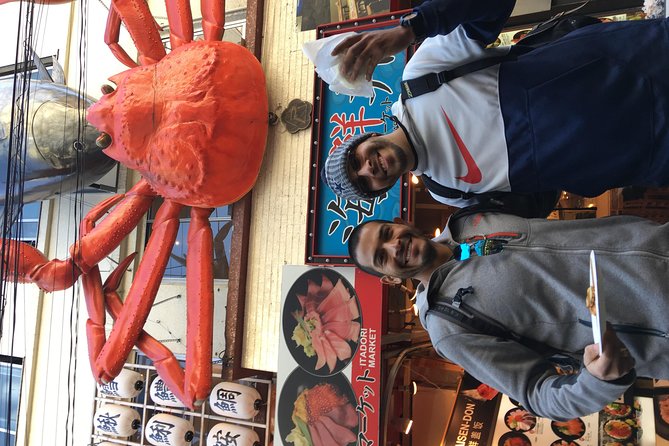
Kappabashi Street, also called Kappabashi Dogugai, runs between Ueno and Asakusa. Its stores sell the tools used by restaurant operators, making it one of the most unusual options on the list.
This is the stop I would choose if you enjoy cooking, food design, or useful souvenirs. You might find kitchen equipment, restaurant supplies, and the kind of specialized items that are hard to understand without some explanation. The information provided does not list specific shops or guaranteed purchases, so treat the area as a browsing stop rather than a promised shopping haul.
At 30 minutes, the scheduled time is short. You can get a taste of the street, but serious shoppers may want to ask the guide whether another stop should be shortened or removed. Since the itinerary is customizable, this is exactly the kind of adjustment the private format allows.
Kappabashi also pairs nicely with Tsukiji. One shows food as a market product, while the other shows the tools behind Japanese kitchens and restaurants.
Ameyoko and Yanaka offer different kinds of shopping
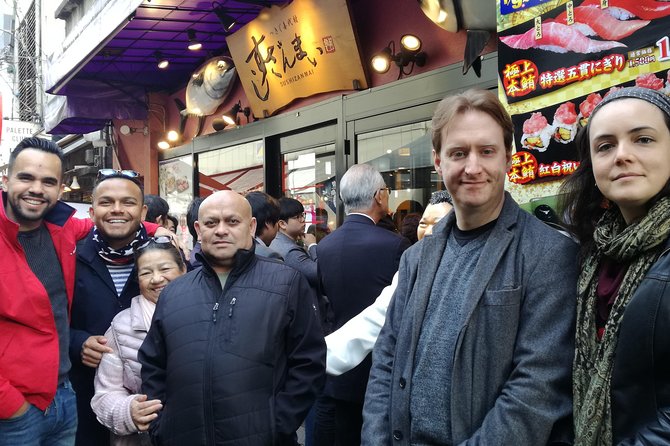
Ameyoko Shopping Street is another possible 30-minute stop. It is described as a place for souvenir shopping and deals, with a different feel from high-end shopping in Ginza. Choose it if you want a lively shopping street and practical gifts at varied prices.
Thirty minutes will give you a quick look rather than a relaxed shopping session. If you plan to buy several items, make that clear when deciding on your stops. Shopping takes time, especially when you are comparing prices or asking about what you can bring home.
Yanaka Ginza Shopping Street offers a quieter contrast. It is associated with Tokyo’s old Shitamachi atmosphere, and Yanaka is described as a calm neighborhood with a nostalgic feel. Pick this option if you want to see a less polished, more residential side of the city.
Yanaka and Asakusa are not interchangeable. Asakusa gives you a famous temple and a well-known approach lined with shops. Yanaka offers old-town character and a slower mood. With only three or four stops available, your choice should reflect the kind of Tokyo you want to remember.
Tsukishima Monjayaki adds a local food specialty
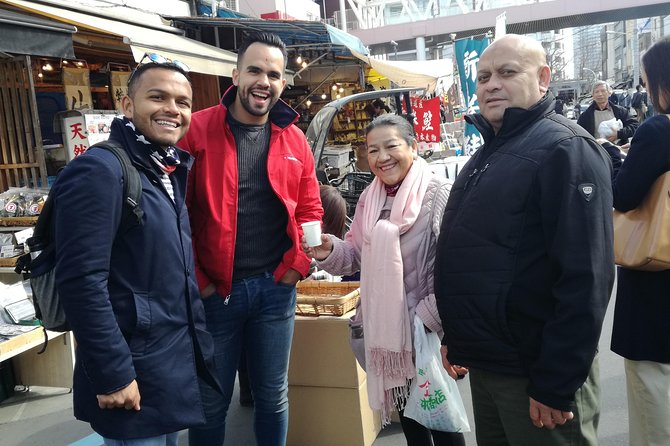
Tsukishima Monjayaki Street is for people willing to try a dish that may look unusual at first. Monjayaki uses a thin batter made from flour and dashi, or Japanese stock, producing a soft, liquid-style dish cooked hot.
The suggested stop is 30 minutes, and admission is free, but food is not included. This is not a sightseeing landmark. It is a chance to try a local specialty and ask your guide how it fits into Tokyo food culture.
Monjayaki may not suit every palate or every diner. Its soft appearance can be a hurdle, especially if you expect a firm pancake. Still, this is the sort of food experience that makes a tour more personal than simply photographing a market.
Ask about Tsukishima if food is your main reason for booking. The tour description presents it as one possible stop, not a guaranteed meal. Your guide can help shape the route, but your final selection determines how much of the day is food-focused.
The six-hour format and walking demands
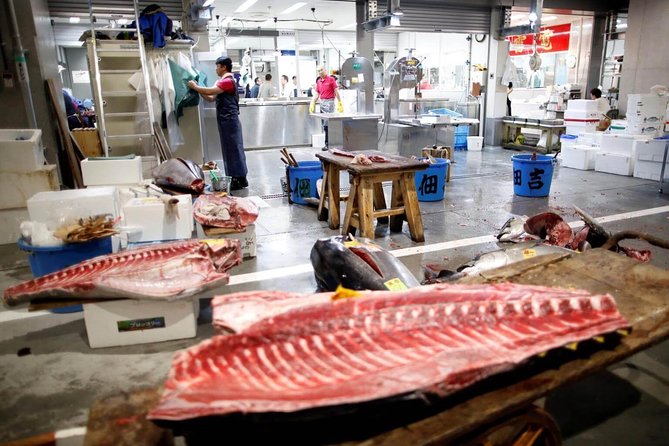
Six hours gives this tour enough time for a meaningful mix of places, but not enough to see every listed stop in depth. The itinerary offers eight possibilities, while the included service covers a customized choice of three or four. That distinction matters.
You should decide your priorities before the morning begins. A food-centered plan might include Tsukiji, Toyosu, and Tsukishima. A culture and shopping plan could combine Senso-ji, Nakamise, Kappabashi, and either Ameyoko or Yanaka, though the guide will need to manage travel time.
Transportation fees are not included, and there is no private vehicle. The pickup is on foot within a designated area of Tokyo. This means you should expect to use public transportation or walk between areas, with the exact cost depending on the route.
The tour is suitable for most people according to the supplied information, and service animals are allowed. Still, six hours on foot can feel demanding, especially if you choose several market and shopping districts. Wear comfortable shoes and tell the guide if you need a slower pace.
What the $154.84 price really buys
At $154.84 per person, this is not a bargain in the simple sense. You are paying for a private licensed English-speaking guide, a flexible plan, and direct attention for your own group. The value improves if you want help choosing food, understanding market customs, or fitting several Tokyo districts into one day.
The price is harder to justify if you only want to visit Senso-ji or walk through Tsukiji independently. Those areas do not require a private tour for basic access, and most listed stops have no admission charge.
Remember the extra costs:
- Transportation fees are separate.
- Lunch and food purchases are separate.
- Personal shopping is separate.
- Entrance fees are separate when required.
- No private vehicle is provided.
The group discount feature may improve the per-person value for a larger private party, but the supplied information does not give the discount amount. Check the final price for your group before deciding.
Who will get the most from this tour
I would recommend this experience to first-time Tokyo visitors who want a food and culture day without planning every train, street, and market stop. It also suits couples, families, or friends who have different interests and want one guide to balance them.
Food-focused visitors should prioritize Tsukiji, Toyosu, and Tsukishima. Cooks and design fans should consider Kappabashi. History and temple fans will prefer Senso-ji and Nakamise, while people looking for old neighborhood character may enjoy Yanaka Ginza.
I would be more cautious if you dislike walking, want a private car, or expect all meals and admissions to be covered. The tour is flexible, but it is not an all-inclusive package.
Booking around 70 days in advance is common, so plan ahead if your Tokyo dates are fixed. Free cancellation is available until 24 hours before the start time. Changes or cancellations inside that period are not accepted for a refund.
Should you book the Tokyo Tsukiji tour?
Book it if you want a private, adjustable day built around food and local neighborhoods, and you value a guide’s help more than a low-cost independent visit. The strongest reasons are the market access, the choice of three or four stops, and the chance to ask questions at your own pace.
I would choose Tsukiji, Senso-ji, and either Kappabashi or Tsukishima for a well-balanced first visit. Add Toyosu instead of one of those if modern market operations interest you. If sushi and personal guidance are your priorities, the positive experience associated with Taka is a useful sign, though guide availability should be confirmed.
Skip it if you want to cover every listed attraction, travel by private car, or keep spending tightly controlled. For the right group, though, the tour turns several complicated Tokyo districts into one manageable day, with enough room for food, shopping, and real questions.
FAQ
How long is the Tokyo Tsukiji Food and Culture tour?
The experience lasts approximately six hours.
Is the tour private?
Yes. Only your group participates, and separate tour groups cannot be combined.
How many places will I visit?
You choose a customized route covering three or four sites from the available options.
Is Toyosu Market included?
Toyosu Market is one of the possible stops. Its admission ticket is not included.
Where does the tour meet?
The guide meets you on foot within a designated area of Tokyo. The Tsukiji meeting point is outside Tsukiji Honganji Temple, near the market’s main gate.
Is transportation included?
No. Transportation fees are not included, and the tour does not provide a private vehicle.
Is lunch included?
No. Lunch, food purchases, and other personal expenses are separate.
Is the tour conducted in English?
Yes. A licensed local English-speaking guide is included.
Are entrance fees included?
Entrance fees are generally not included. Guide entry fees are covered only for sights listed among the tour’s stated itinerary options.
Can I cancel for a refund?
You can cancel at least 24 hours before the experience start time for a full refund. Cancellations or changes made less than 24 hours before the start time are not accepted for a refund.
Just added in Tokyo
- Very popular in Harajuku♡Animal petting zoo★ 4.6 · 39 reviews
- Yokohama Port: Private Customizable Tour with Transfer★ 5.0 · 19 reviews
- Wagyu & Sake 8 Course Tasting Dinner in Shinjuku★ 4.9 · 20 reviews
- Warner Bros. Studio Tour Tokyo – The Making of Harry Potter★ 4.8 · 181 reviews
- Yanaka District: Historical Walking Tour in Tokyo’s Old Town★ 4.8 · 117 reviews
- Tokyo: Classic Tsukiji Food Tour★ 4.9 · 78 reviews
- Tokyo: Tsukiji Fish Market Tour with 6 Stops & Seafood Lunch★ 4.5 · 165 reviews
- Tokyo Wagyu & Sake Pairing Tasting Experience with Local Flavors★ 5.0 · 108 reviews
Markets and Food Halls, compared.
Tokyo Tsukiji Fish Market Food and Culture Walking Tour
Read our review →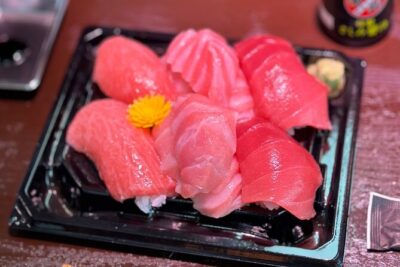
Senkyaku Banrai Toyosu Manyo Club Onsen Experience in Tokyo
Read our review →
Nishiki Market Brunch Walking Tour (7 Tastings + Brunch)
Read our review →
Tokyo Sushi Making Class in Tsukiji with Professional Chef
Read our review →
Tsukiji Fish Market Guided Tour and Sushi Making with Pro Chef
Read our review →Browse the lists this tour appears in