
Reviewed · PRIVATE TOURS IN TOKYO
Tokyo 8hr Private Tour with Government-Licensed Guide
Tokyo is easier with a local beside you. This private eight-hour tour lets you choose four to six places, with a government-licensed English-speaking guide shaping the day around your interests. I like the one-to-one attention and the chance to combine famous sights with quieter neighborhoods such as Nezu or Yanaka. I also like that your guide can teach you how to use Tokyo’s trains while moving between districts. The main drawback is simple: this is a walking and public-transport tour, so eight hours can mean a very large step count.
You meet your guide at your hotel or another agreed point within the designated Tokyo area, then set out on foot. You pay $201.51 per person, with group discounts offered, but transportation, meals, admissions, and a private vehicle are not included. That price can be good value for a first day in Tokyo, especially if you want help organizing a huge city rather than spending precious hours studying subway maps.
In This Review
- Key points to know before booking
- Why a private Tokyo day can be worth the cost
- Building the right four to six stops
- Asakusa and Senso-ji, the best traditional opening
- The Imperial Palace area and Tokyo’s former castle
- Gardens for a slower side of Tokyo
- Meiji Jingu, Yoyogi Park, and Takeshita Street
- Shibuya Crossing and the modern city
- Tsukiji, Akihabara, and Shinjuku Golden Gai
- The Tokyo National Museum and quieter neighborhoods
- Tokyo Tower, Odaiba, and Shibamata
- What the guides add to the day
- Walking, weather, and practical limits
- Cancellation, group size, and who should book
- FAQ
- How long is the Tokyo private tour?
- Is hotel pickup included?
- Can I choose the places I visit?
- Are transportation and entrance fees included?
- Does the tour enter the Imperial Palace?
- What is the cancellation policy?
Key points to know before booking
- Choose four to six Tokyo sights: Build your day around temples, gardens, shopping districts, museums, or modern city views.
- Meet your guide on foot: Hotel pickup is convenient, but this is not a car tour and no private vehicle is provided.
- Expect a serious amount of walking: Past guests have logged about 22,000 steps in a day.
- Learn the train system as you go: Guides such as Taka, Koba, Nori, and An have helped visitors handle stations, trains, and transit cards.
- Mix old and new Tokyo: A single day can include Senso-ji, the Imperial Palace, Shibuya Crossing, Akihabara, and Harajuku.
- Pay attention to admission fees: Several gardens and museums cost extra, and Imperial Palace interiors are not included.
Why a private Tokyo day can be worth the cost
Tokyo is not difficult because its trains are poorly run. Quite the opposite. It is difficult because the city is enormous, the stations can be sprawling, and its best-known sights are spread across very different districts.
A private guide gives you a useful framework. Instead of losing half a morning deciding between Asakusa and Shibuya, you can discuss what matters to you and start moving. If you care about Edo-period culture, your guide can favor temples, shrines, gardens, and museums. If your group wants fashion, electronics, food, or anime, the day can shift in that direction.
At $201.51 per person, the price depends heavily on group size. For one person, it is a costly day. For a family or small group, the private format becomes easier to justify because the fee buys a full day of personal planning and attention rather than a fixed route shared with strangers.
I also see value in the local instruction. Several guides have helped with train navigation, restaurant choices, souvenir shopping, and basic Japanese customs. One guide took photographs throughout the day and transferred them to the couple’s phones, which is a small but thoughtful service when you want pictures of everyone together.
The tradeoff is that your guide is not driving you. You will walk to stations, ride public transportation, change districts, and walk again. That is useful for learning Tokyo, but it can be tiring in heat, rain, or winter if you are not prepared.
More Private Tours in Tokyo
- Tokyo 6hr Private Tour with Government-Licensed Guide
★ 5.0 · 3,902 reviews - Private Tour to Mt. Fuji and Hakone (Fully Licenced Operator)
★ 5.0 · 1,910 reviews - Tokyo Customized Private Tour (Must See Places in 1 Day)
★ 5.0 · 1,499 reviews
Building the right four to six stops
The tour suggests choosing four to six locations, although the exact pace depends on the places you select and how much time you spend at each one. Tokyo’s districts are far apart, so the best plan groups nearby sights rather than trying to collect every famous name.
A traditional eastern route might include Asakusa, the Tokyo National Museum, Akihabara, and a garden. A central and western route could combine the Imperial Palace area, Meiji Jingu, Takeshita Street, Shibuya Crossing, and Shinjuku.
You can also ask for a theme. A history-focused day could use Senso-ji, Imperial Palace East Gardens, Nezu, Yanaka, and the Tokyo National Museum. A family day might favor Asakusa, Tokyo Tower, Shibuya, Harajuku, and a Pokémon shop, as one guide did for a family with children.
Contact with the guide before the tour matters. Guides such as Kazu and Koba have discussed interests in advance and adjusted the route to match them. I would decide on two or three priorities before arrival, then keep one or two spaces open for changes caused by weather, energy, or a district that proves more interesting than expected.
Asakusa and Senso-ji, the best traditional opening
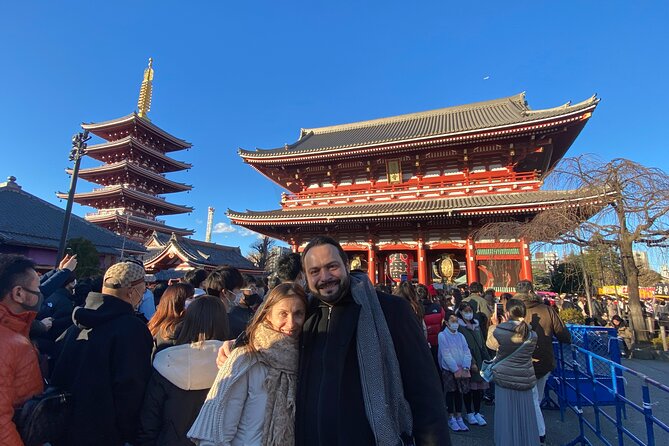
Asakusa is the natural choice if you want an immediate sense of old Tokyo. Senso-ji, Tokyo’s famous Buddhist temple, is colorful, busy, and easy to pair with nearby streets and views toward Tokyo Skytree.
The temple’s origin story begins in 628, when two fishermen found a statue of Kannon in the Sumida River. A guide can explain the meaning behind the gate, incense, worship practices, and surrounding buildings instead of leaving you to see the site as a series of photo stops.
The supplied schedule gives Asakusa about an hour and Senso-ji only a short listed visit, but the actual timing can change with your plan. That flexibility is important. You might want a quick look at the temple, or you might prefer time for shopping and lunch in the neighborhood.
Asakusa pairs well with the Tokyo National Museum, Ueno, or Akihabara. It is less sensible to combine it with every western Tokyo district unless you accept a rushed day.
The Imperial Palace area and Tokyo’s former castle
The Imperial Palace occupies the former site of Edo Castle, with broad grounds, moats, and large stone walls. The tour does not include entry to the inside of the Imperial Palace, so you should book this experience for the surrounding views and historical setting, not for an interior palace visit.
The East Gardens can be a rewarding choice for visitors who want quiet paths and reminders of the Tokugawa shogunate. They also provide a useful change of pace after crowded streets. One guide added the Imperial Palace East Gardens to a history-focused route that also included shrines and the Yanaka area.
The listed visit is about 30 minutes for the palace area. That is enough for an introduction, but not a long garden visit. If the gardens are a top priority, tell your guide before the day begins and confirm which section you will see.
A completely different kind of day out:
- Tokyo Disney Resort – Tokyo Disneyland & Tokyo DisneySea Park Tickets
★ 4.8 · 99,488 reviews - SHIBUYA SKY Ticket
★ 4.7 · 46,509 reviews - JR Whole Japan Rail Pass
★ 4.8 · 29,150 reviews - Mt Fuji and Hakone 1-Day Bus Tour Return by Bullet Train
★ 5.0 · 26,383 reviews
Gardens for a slower side of Tokyo
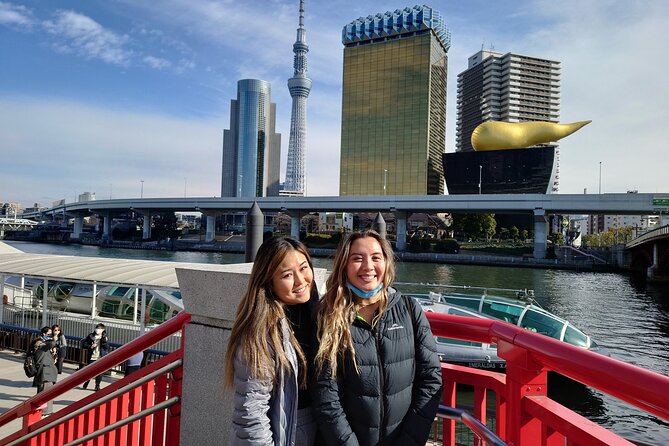
Tokyo’s gardens are among the best ways to break up a full day of city streets. Shinjuku Gyoen National Garden has wide lawns, winding paths, and a calmer feel close to Shinjuku Station. Admission is not included.
Koishikawa Korakuen is one of Tokyo’s oldest Japanese gardens. It dates from the early Edo period and was connected with the Mito branch of the Tokugawa family. The garden is known for carefully arranged ponds, bridges, and borrowed scenery, though you should allow more time if you enjoy strolling rather than simply looking around.
Hama Rikyu Gardens sits beside Tokyo Bay and is known for seawater ponds that change with the tides. Its teahouse and formal design make it different from Shinjuku Gyoen. Admission is extra.
Rikugien, created around 1700 for the fifth Tokugawa shogun, is another strong choice for garden lovers. Its name refers to six types of Chinese poetry, and the garden is designed around poetic scenes. Admission is not included here either.
The practical point is that gardens cost both time and money. The suggested visits range from about 30 to 35 minutes, which is a quick introduction. You will get more from them if you choose one or two rather than trying to squeeze in all four.
Meiji Jingu, Yoyogi Park, and Takeshita Street
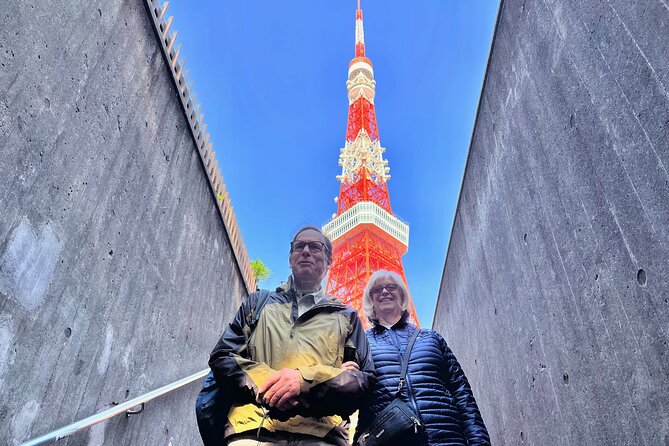
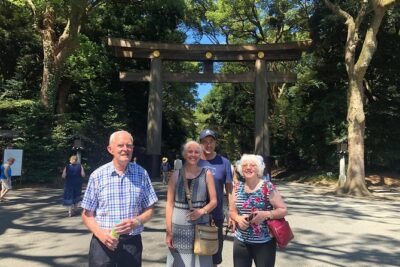
Meiji Jingu is dedicated to the deified spirits of Emperor Meiji and Empress Shoken. Its location beside Harajuku Station makes it easy to combine with Takeshita Street and Yoyogi Park.
The shrine offers a lesson in Shinto customs, including purification before entering sacred areas. A guide can explain how to behave at a shrine, what the gates signify, and how Japanese religious traditions differ from a typical temple visit.
Yoyogi Park has broad lawns, ponds, and wooded sections. It is a free stop and a useful place to slow your pace. Takeshita Street then shifts the mood completely, with youth fashion, specialty shops, and the modern Harajuku scene.
The listed duration for Meiji Jingu is only five minutes, which is barely enough to enter and orient yourself. I would not choose the shrine if you want a proper visit unless you arrange more time. The same applies to Yoyogi Park and Takeshita Street: each deserves room to breathe, especially if you want shopping.
Shibuya Crossing and the modern city
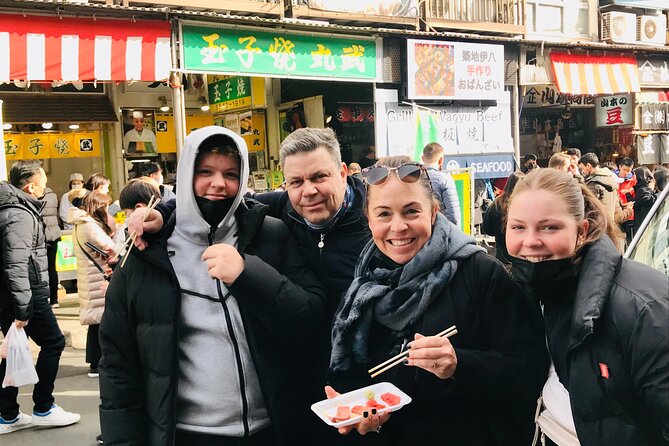
Shibuya Crossing is one of Tokyo’s signature sights. The famous pedestrian intersection is free to view, and a guide can help you find a good overhead viewpoint before or after crossing.
This is a strong final stop because it gives you a dramatic picture of present-day Tokyo after a day of temples, gardens, and older neighborhoods. It is also easy to combine with Harajuku, Meiji Jingu, or Shinjuku.
The drawback is that Shibuya is not a single attraction with a fixed entrance. Your experience depends on where you view it, the crowd level, and how much time you want for the surrounding shops and streets. If you want an extended look at the district, say so when planning the route.
Tsukiji, Akihabara, and Shinjuku Golden Gai
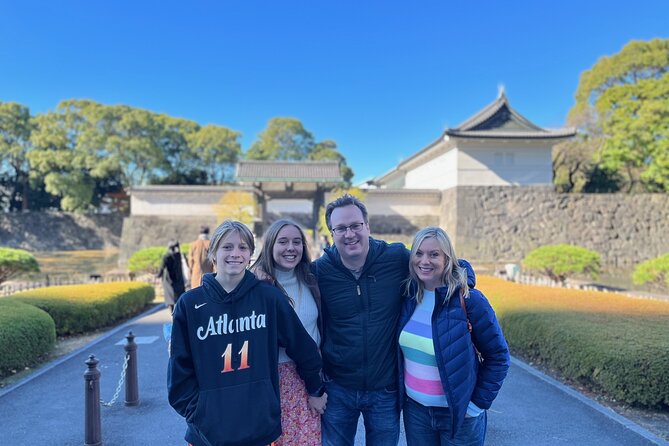
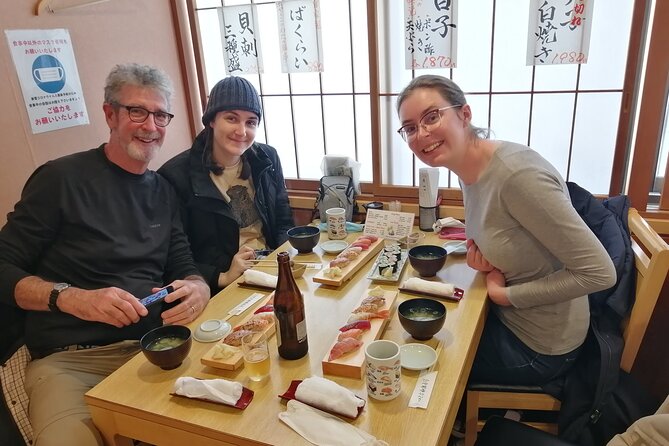
Tsukiji Fish Market is a practical choice for food lovers. The old market area offers a chance to browse food shops and consider a sushi lunch, but lunch is not part of the tour and any food purchases are your responsibility.
Akihabara is known for electronics shops and, in more recent years, anime, manga, and related pop culture. It works well for families, collectors, and anyone curious about modern Japanese entertainment. The listed visit is only five minutes, so you need to request more time if shopping is the point.
Shinjuku Golden Gai grew from postwar black-market roots into a compact area of small eating and drinking establishments. Its narrow lanes give you a different view of Tokyo nightlife, but the five-minute suggested visit is only a look, not a full evening out.
These three stops show why advance planning matters. Tsukiji, Akihabara, and Golden Gai each call for different amounts of time. A rushed stop may be enough for photographs, but not for eating or shopping.
The Tokyo National Museum and quieter neighborhoods
The Tokyo National Museum in Ueno is Japan’s oldest and largest national museum. Admission is extra, and the listed visit is about 35 minutes, so you will see only a small portion of its collection in that time.
I would choose it if you want art, archaeology, and Japanese history more than shopping. One visitor with a strong interest in the Edo period worked with a guide to create a route around cultural sites, while another visited the museum early in the morning before continuing to Yanaka.
Nezu and nearby Yanaka offer an older side of Tokyo that escaped major damage from wars and disasters. Their low-rise streets, shrines, and local character provide a contrast to the high-rise districts.
These areas are especially good for repeat visitors who have already seen Senso-ji and Shibuya. They also suit anyone who wants a slower day with more conversation and fewer headline attractions.
Tokyo Tower, Odaiba, and Shibamata
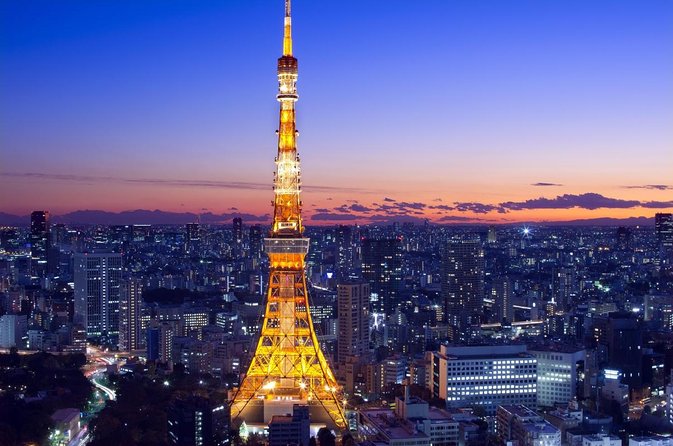
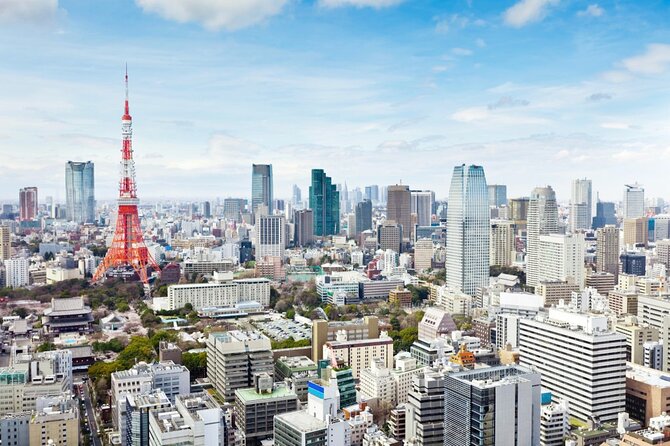
Tokyo Tower is a useful choice if you want a city view and an instantly recognizable symbol. The tour includes only access up to the main deck, not the top deck, and the admission fee is not included.
Odaiba is a shopping and entertainment district on a man-made island in Tokyo Bay. It began as a group of defensive forts, and today it is more modern and leisure-focused. The listed stop is five minutes, so a proper visit requires a specific request.
Shibamata sits on Tokyo’s eastern edge near the Edogawa River. Its older character makes it a good alternative to central Tokyo if you want a neighborhood with a more local, old-fashioned feel.
These three places are geographically different from the central highlights. I would not combine all of them with Asakusa, Shibuya, and Shinjuku in one day unless you are comfortable spending much of the tour in transit.
What the guides add to the day
The strongest part of this experience is the human guidance. The guides are licensed local English speakers, and the individual examples show a wide range of useful help.
Julie explained history at both traditional and modern sites despite rainy weather. Kenji adjusted the plan for extra stops. Taka helped a family understand the subway and took photographs. Koba handled route changes caused by heat and made room for a Pokémon stop.
An received praise for clear English, cultural explanations, restaurant choices, shopping help, and attention to pace. Nori carefully managed trains and buses while guiding a family that included an older parent. Yoshi adapted the route during heavy rain and helped with bullet train tickets.
Those details matter more than a polished sightseeing script. You are paying for judgment during the day: when to change the route, how to connect districts, and how to make the experience fit your group.
Walking, weather, and practical limits
Prepare for a long day on your feet. One full-day outing reached about 22,000 steps, and another visitor specifically warned that the walking was greater than expected for a family member with bad knees.
You should wear comfortable shoes, carry water, and tell the guide about mobility concerns before starting. Most participants can take part, and service animals are allowed, but this is not presented as a vehicle-based or low-walking tour.
Weather can change the experience. Guides have adjusted plans during rain and extreme heat, and one visitor felt the eight-hour format worked particularly well in cool winter conditions. In hot weather, two separate half-day tours may be easier for some groups.
The pickup wording also deserves attention. Hotel pickup is offered, but it is an on-foot meeting, not a car collection. Transportation fees are extra, and your guide may use trains, buses, and walking routes throughout the day.
Cancellation, group size, and who should book
You receive confirmation at booking. Dates can be changed up to two days before the tour, although a new date may mean a different guide or no availability. Free cancellation is available up to 24 hours before the start time, but changes or cancellations inside that window are not accepted.
Only your group participates, and separate tour groups cannot be combined. Group discounts may make the per-person cost more appealing for families or friends.
I would book this tour if you are visiting Tokyo for the first time, want help with public transportation, or have a clear list of interests but do not want a rigid group itinerary. It is also a good choice for families who need a guide to adjust the pace and keep everyone moving in the same direction.
I would hesitate if you prefer a slow museum day, dislike public transportation, need a vehicle, or want every admission and meal covered. The experience works best when you accept that Tokyo will be seen through walking, trains, short visits, and smart choices.
FAQ
How long is the Tokyo private tour?
The tour lasts approximately eight hours. The suggested plan allows you to visit about four to six selected sites, depending on the route and pace.
Is hotel pickup included?
Yes, pickup is offered, but the guide meets you on foot. No private vehicle is included.
Can I choose the places I visit?
Yes. The tour is customizable, and you can select four to six sites from the available Tokyo attractions.
Are transportation and entrance fees included?
No. Transportation fees and entrance fees are not included. Lunch and personal expenses are also extra.
Does the tour enter the Imperial Palace?
No. The tour does not include access inside the Imperial Palace. The Imperial Palace area and East Gardens may be included, subject to your chosen plan.
What is the cancellation policy?
You can cancel up to 24 hours before the start time for a full refund. Cancellations or changes made less than 24 hours before the tour are not accepted and are not refunded.
Just added in Tokyo
- Very popular in Harajuku♡Animal petting zoo★ 4.6 · 39 reviews
- Yokohama Port: Private Customizable Tour with Transfer★ 5.0 · 19 reviews
- Wagyu & Sake 8 Course Tasting Dinner in Shinjuku★ 4.9 · 20 reviews
- Warner Bros. Studio Tour Tokyo – The Making of Harry Potter★ 4.8 · 181 reviews
- Yanaka District: Historical Walking Tour in Tokyo’s Old Town★ 4.8 · 117 reviews
- Tokyo: Classic Tsukiji Food Tour★ 4.9 · 78 reviews
- Tokyo: Tsukiji Fish Market Tour with 6 Stops & Seafood Lunch★ 4.5 · 165 reviews
- Tokyo Wagyu & Sake Pairing Tasting Experience with Local Flavors★ 5.0 · 108 reviews
Private Tours in Tokyo, compared.
Tokyo 6hr Private Tour with Government-Licensed Guide
Read our review →
Private Tour to Mt. Fuji and Hakone (Fully Licenced Operator)
Read our review →
Tokyo Customized Private Tour (Must See Places in 1 Day)
Read our review →
Mount Fuji Full-Day Private Tour from Tokyo (Customizable)
Read our review →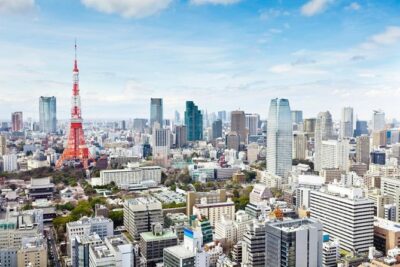
Tokyo 4hr Private Tour with Government-Licensed Guide
Read our review →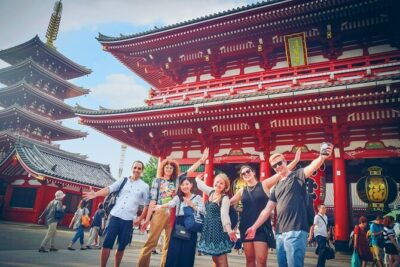
Tokyo Customized Private Tour: See Top Attractions in 1 Day
Read our review →
Mt Fuji Private Tour with English Speaking Driver
Read our review →
Mt. Fuji & Hakone Private Day Tour with English-Speaking Driver
Read our review →Browse the lists this tour appears in