
Reviewed · WALKING TOURS
Tokyo: Private Custom Walking Tour with Local Guide
Tokyo gets easier with a local beside you. This private walking tour is interesting because it lets you set the pace and choose the parts of the city that matter most to you. I especially like the custom itinerary and the practical help with Tokyo’s trains, subway, food spots, temples, and everyday customs. The main consideration is that a long day can mean a lot of walking, transfers, and planning, while attraction tickets and meals cost extra.
I also like that your guide contacts you before the tour, rather than meeting you with a fixed route and a stopwatch. Guides such as Francine, Karl, Enrique, Albert, Cristiano, and Shaban have helped visitors connect several districts in one day, learn how to use public transport, and find places they might have missed alone. The trade-off is simple: the experience depends on the guide assigned to you, and an eight-hour city tour can cover a great deal of ground.
In This Review
- Five useful things to know before you book
- Why a private Tokyo tour can be worth the money
- Before the first step, shape the day
- Asakusa and Senso-ji: the best traditional starting point
- Tokyo Skytree and the eastern city
- Imperial Palace Gardens and Marunouchi
- Shibuya and Shinjuku: modern Tokyo with room to breathe
- Odaiba, Akihabara, and other special interests
- Tokyo by train: the practical lesson you will keep
- How much walking should you expect?
- Guide quality and language choice
- Families, solo visitors, and first days in Tokyo
- What is included, and what should you budget for?
- Should you book the Tokyo custom walking tour?
- FAQ
- How long does the private Tokyo walking tour last?
- What languages can the guide speak?
- Is hotel pickup included?
- Can I choose where the tour starts?
- Does the tour include public transport?
- Are attraction tickets included?
- Can the tour include a museum visit?
- Is the tour wheelchair accessible?
Five useful things to know before you book
- You choose the focus: Ask for temples, shopping, food, modern Tokyo, family stops, transport practice, or a mix.
- Public transport is part of the experience: Guides can help with trains, subway routes, Suica cards, tickets, and finding your way around.
- The tour works for short visits: A two-hour introduction can cover a small area, while four to eight hours can link several wards.
- Hotel pickup is included in central Tokyo: If your accommodation is outside the city center, you will be given a convenient central meeting point.
- Tickets and meals are extra: The guide can help arrange attraction tickets, but you pay admission, food, and drinks separately.
- It is private and wheelchair accessible: You can travel with your own group and discuss mobility needs before setting the route.
Why a private Tokyo tour can be worth the money
The starting price is $53 per person, which is good value if you are a couple, family, or small private group and want help during your first hours in Tokyo. The exact cost can depend on the option and duration, so check the available choice for your date.
A two-hour tour is not a full survey of Tokyo. It is better thought of as a useful orientation. You can learn how to move through a district, understand a temple visit, and get advice for the rest of your stay.
Four hours gives you more room. You might combine Asakusa with Tokyo Skytree, or Shibuya with a quieter part of Shinjuku. An eight-hour tour can connect several parts of the city, but you should expect a full day on foot with train rides between stops.
I see the strongest value in the practical instruction. Tokyo’s rail system is efficient, but the stations can feel like underground towns, with multiple exits and different rail operators. Guides such as Enrique and Karl have helped people gain confidence with the Metro and trains. Cristiano helped one couple collect their JR rail passes while also showing them well-known sights.
That kind of help can save time every day afterward. It also removes the stress of standing in a station, holding a phone map, and trying to work out which of several signs points to the exit you need.
More Walking Tours in Tokyo
- Tokyo Tsukiji Fish Market Food and Culture Walking Tour
★ 5.0 · 3,184 reviews - Tokyo: Imperial Palace and Shogun Historical Walking Tour
★ 5.0 · 2,251 reviews - Tokyo: Shinjuku Local Bar and Izakaya Guided Walking Tour
★ 4.9 · 1,794 reviews
Before the first step, shape the day
Your guide contacts you before the tour to ask what you want to see. Use this chance well. Do not simply say the main sights. Tokyo has too many of them, and they are scattered across a huge city.
Tell the guide if you care most about:
- Traditional temples and shrines
- Food markets and local places to eat
- Shopping and pop culture
- Modern architecture and city views
- Japanese history and daily life
- Family-friendly stops
- Photography
- Learning the train and subway system
- A slower pace because of mobility needs
You can also say what you do not want. If you have already visited Shibuya, ask for old Tokyo neighborhoods or a different side of the city. If you are traveling with teenagers, mention interests such as Pokémon, electronics, or unusual shops. One family combined a fish market visit, dietary help for celiac disease, a view over Senso-ji, and a Pokémon Mega Center.
This early conversation matters because the tour is not a standard bus route. It is a private day built around your priorities. Guides can also adjust the plan as you go. Several visitors found that they could stay longer at a place they liked or add an unexpected stop without turning the day into a race.
Asakusa and Senso-ji: the best traditional starting point
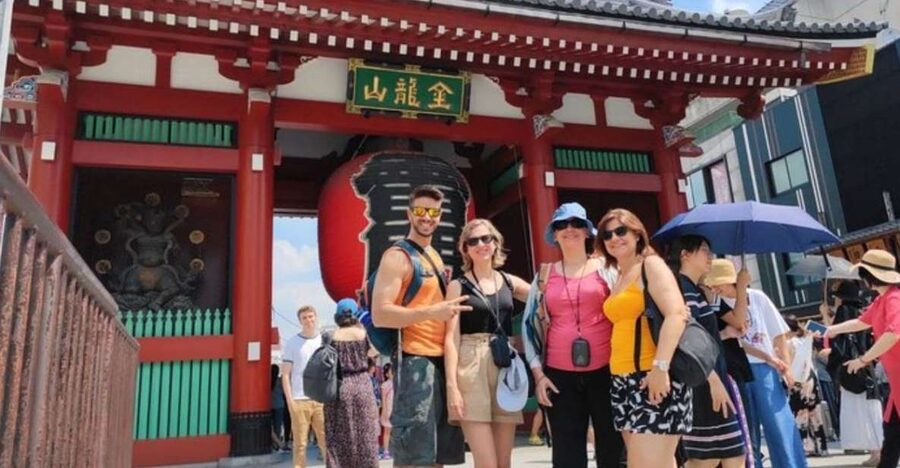
Asakusa is one of the clearest introductions to old Tokyo. The area around Senso-ji gives you temple architecture, traditional streets, small shops, and snack stops in one compact district.
A guide can explain how to enter shrines and temples respectfully, which made a major difference for one parent traveling with a son. You can ask about customs as they arise instead of trying to decode every ritual from a guidebook.
Senso-ji is also a good place to learn how Tokyo handles tourism. The central approach can be crowded, but your guide may take you to nearby streets or a viewing point above the temple. One guide brought a visitor to the top of a building for a view over Senso-ji and the streets below.
The food side of Asakusa is part of its appeal. You may stop for local treats, depending on your interests and timing. Food is not included, so you should budget separately, but a guide can make ordering and choosing easier.
Asakusa works well for a two-hour tour. It also pairs naturally with Tokyo Skytree. The drawback is distance: if you add several far-flung districts after Asakusa, much of the day will be spent on trains.
Tokyo Skytree and the eastern city
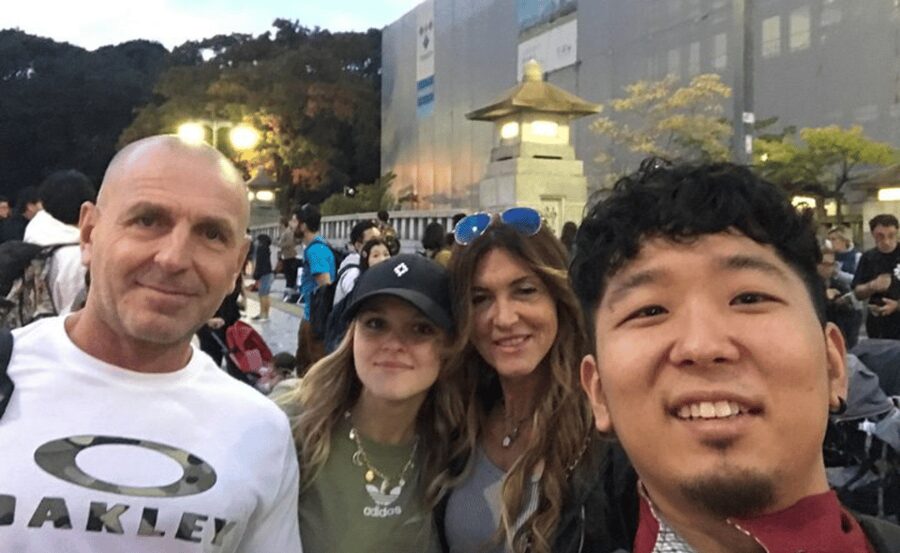
Tokyo Skytree gives you a different view of the city from the temple streets below. Simon’s four-hour route with Enrique included Skytree, Senso-ji, and the Asakusa area, a practical combination of landmark, culture, and neighborhood walking.
The tour does not automatically include attraction admission. If you want to go inside a tower, museum, or other paid site, tell the team in advance. They can help book desired visits, but the ticket price remains yours to pay.
If you prefer to keep costs down, you can ask to see monuments and museums from the outside and spend more time walking through the surrounding districts. That can be the better choice if you want local context rather than a list of paid attractions.
A completely different kind of day out:
- Tokyo Disney Resort – Tokyo Disneyland & Tokyo DisneySea Park Tickets
★ 4.8 · 99,488 reviews - SHIBUYA SKY Ticket
★ 4.7 · 46,509 reviews - JR Whole Japan Rail Pass
★ 4.8 · 29,150 reviews - Mt Fuji and Hakone 1-Day Bus Tour Return by Bullet Train
★ 5.0 · 26,383 reviews
Imperial Palace Gardens and Marunouchi
The Imperial Palace Gardens and Marunouchi show Tokyo in a different key. Here you get broad open spaces, formal city architecture, and the contrast between imperial grounds and the business district.
Sarah’s winter route included the gardens and Marunouchi after Asakusa. That mix worked because the day moved from temple streets to central Tokyo without losing its historical thread.
This area is not a substitute for a palace interior visit. The experience described here centers on outdoor sights and explanations. If you want a museum or paid attraction, arrange it beforehand so the guide can allow for admission time.
Marunouchi can also be a useful place to understand Tokyo’s business core. Ask your guide to explain how the district fits into city life, rather than treating it as just another photo stop.
Shibuya and Shinjuku: modern Tokyo with room to breathe
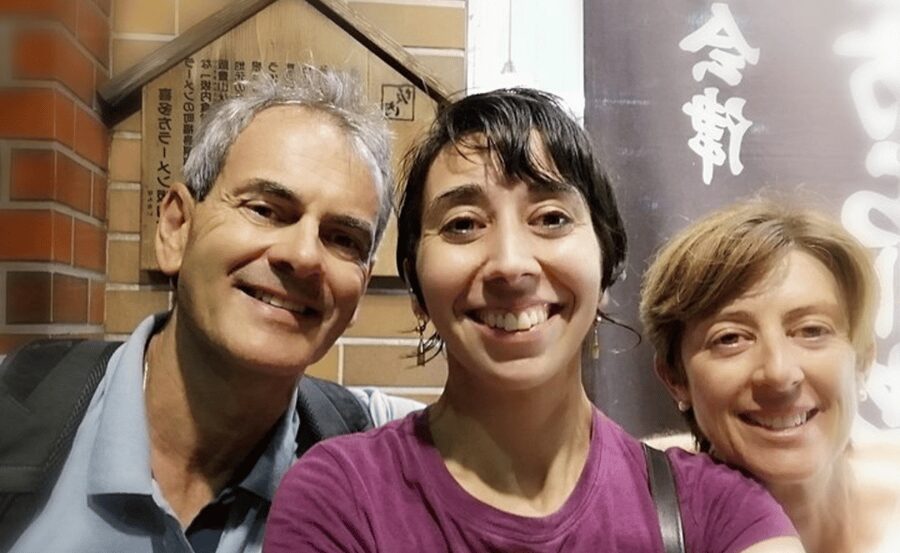
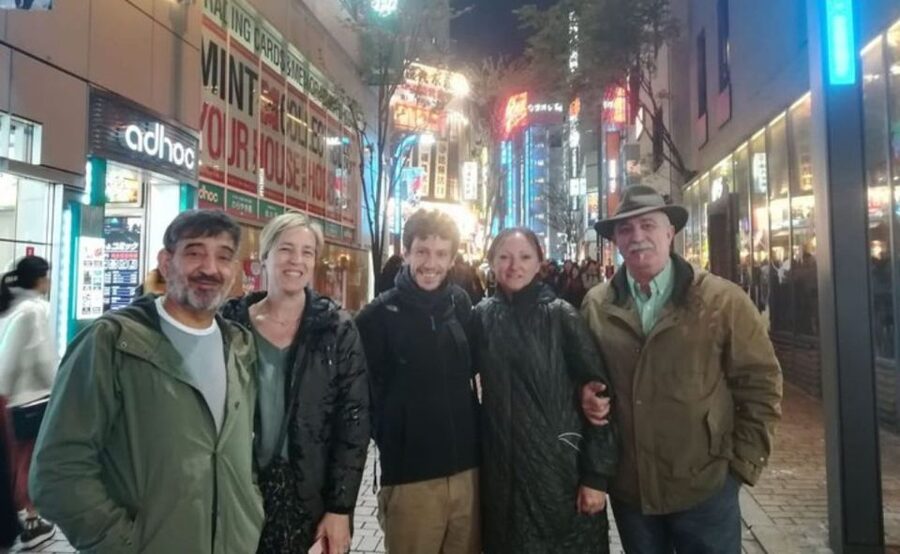
Shibuya is an obvious choice for first-time visitors, but a private guide can help keep it from becoming only a crossing and a quick photograph. You can ask for modern buildings, shopping, city views, or a quieter neighborhood nearby.
Himena took one visitor through diverse parts of Shinjuku and Shibuya, including temples, iconic buildings, and less hectic streets. That is the strength of a local route: you see the headline sights, then get a sense of how the area changes a few streets away.
Shinjuku can also be useful for nightlife advice. Himena shared suggestions for bars, restaurants, and karaoke. These recommendations are not part of the tour price, but they can help you plan your evening with more confidence.
The limitation is time. Shibuya and Shinjuku each deserve attention, and adding Asakusa or the Imperial Palace may create a rushed schedule in two or three hours. If these districts are your main interest, keep the route local rather than trying to collect every famous name in Tokyo.
Odaiba, Akihabara, and other special interests
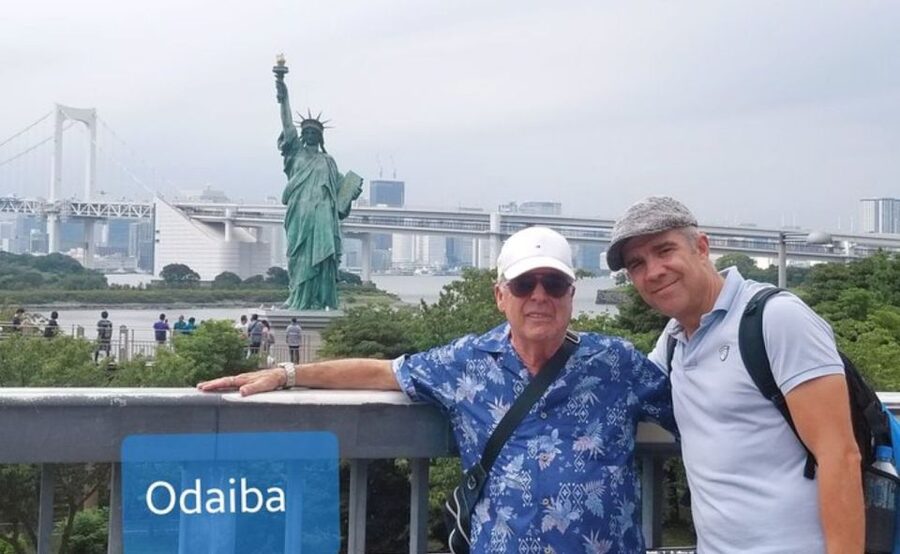
The custom format is most useful when your interests do not fit a basic sightseeing route. Francine took one visitor to Odaiba Marina, a calmer waterfront setting that offered a very different side of Tokyo.
Akihabara is a natural request for electronics, games, and anime interests. One solo visitor used the tour to explore Akihabara and Asakusa while also learning about Japanese etiquette and culture.
Families can ask for stops that hold children’s attention. A guide helped one group balance traditional sights with Pokémon shopping and regular breaks. That kind of adjustment is hard to achieve on a fixed group tour.
You can also ask for food help. One guide assisted a visitor with celiac disease in finding suitable food. This does not mean every guide or restaurant can guarantee a dietary requirement, so explain your needs clearly before the day begins.
Tokyo by train: the practical lesson you will keep
For many people, the best part of the tour is not a monument. It is the first successful journey across Tokyo.
The guide can show you how to use local trains and public transport during the tour. You may learn how to buy or use a Suica card, purchase tickets, transfer between lines, locate bathrooms, and choose useful station exits. These small lessons can change the rest of your trip.
The tour includes walking and public transport unless you select an option that says otherwise. Your guide may therefore spend part of the day on trains. That is not wasted sightseeing time. It is how Tokyo works, and learning the system while someone is beside you can save repeated mistakes later.
Keep your expectations realistic. Tokyo stations can still feel confusing after one lesson. But you should finish with a clearer sense of how to read the signs and ask for help.
The route may end somewhere different from where it began. That is useful if you want to finish near dinner, shopping, or a planned attraction. If you need to return to your hotel or starting point, request that in advance.
How much walking should you expect?
This is a walking tour, even though trains are included. One eight-hour day reached 23,000 steps. That is a serious distance, especially in hot weather or after a long flight.
You can request a gentler pace. A guide adjusted the route for a visitor with medical issues, while another was patient with mobility limitations. The tour is wheelchair accessible, but you should discuss access needs before the day so the route can be planned sensibly.
For families, the private format helps. Children can take breaks, and the guide can make quick detours without holding up a large group. Albert was praised for adapting around children’s needs, including regular pauses.
Wear comfortable shoes and avoid packing the schedule too tightly. Tokyo rewards slower observation, and you will enjoy the day more if you leave room for a snack, a station delay, or an extra few minutes at a temple.
Guide quality and language choice
The available guide languages are English, French, Italian, Japanese, Spanish, and Portuguese. You should confirm the language option when booking.
The strongest guide feedback centers on warmth, flexibility, city knowledge, and practical support. Francine was praised for preparing plans and answering questions. Karl helped people learn the Metro and explained modern Tokyo life. Enrique was repeatedly valued for navigation and local knowledge. Shaban handled train tickets, attraction bookings, meal orders, photos, and schedule changes during a long private day.
Guide assignments can vary. You may be paired with someone else, so it is wise to describe your interests and pace clearly rather than booking only for a particular name. If a preferred guide is available, you can ask, but it should not be treated as guaranteed unless the provider confirms it.
The overall rating is 4.8 from 533 ratings, which supports the idea that this service is consistently well received. Still, the experience is personal by nature. A strong match between your interests and your guide will matter more than any star number.
Families, solo visitors, and first days in Tokyo
I see this tour working especially well on your first full day. A hotel pickup can remove early stress, and the guide can help you shake off jet lag while teaching you the basics of getting around.
Solo visitors also gain a lot. You can build the route around your own interests without waiting for a group. One solo guest used the time to ask questions about etiquette and culture, then received suggestions for independent exploring afterward.
Families benefit from the private pace. Couples can ask for a balanced day of major sights, food, and quieter corners. Visitors with mobility concerns should mention this before the tour and ask for realistic distances.
It is less useful if you already know Tokyo’s transport system and have a strict list of paid attractions. In that case, a ticket-focused sightseeing plan may suit you better. This experience is strongest when you want context, local advice, and help making choices.
What is included, and what should you budget for?
The $53 starting price includes a private walking tour, customization, city hotel pickup when available, walking, public transport, and help booking desired tickets.
You still pay for food, drinks, and attraction admission. Transport is covered as described, except when you select a different option, so check the precise choice before booking.
Because this is a private group, the per-person price can be attractive for several people sharing the experience. For a solo visitor, the value depends on how much you want help with navigation, culture, and planning. If the tour prevents one or two expensive wrong turns, missed bookings, or stressful transfers, it may earn its keep quickly.
Free cancellation is available up to 24 hours before the tour for a full refund, and you can reserve now and pay later. That gives you useful flexibility when Tokyo plans are still changing.
Should you book the Tokyo custom walking tour?
Book it if you want a private introduction to Tokyo, especially during your first visit. It is a strong choice for families, solo visitors, couples, and anyone nervous about trains or unsure how to build a sensible day.
Choose two hours for a local orientation. Choose four hours for a balanced district-to-district outing. Choose up to eight hours if you want several neighborhoods, transport practice, food advice, and a fuller introduction, but be ready for a long day on your feet.
Before booking, send a clear wish list with your must-see places, walking limits, food needs, and preferred pace. Ask for one or two areas that fit naturally together instead of trying to cover all of Tokyo.
I would book this tour when I wanted Tokyo to feel easier from day one. I would skip it only if I preferred planning every detail myself or wanted a fixed attraction package with tickets included.
FAQ
How long does the private Tokyo walking tour last?
The tour lasts from 2 to 8 hours. Starting times depend on availability for your selected date.
What languages can the guide speak?
Guides are available in English, French, Italian, Japanese, Spanish, and Portuguese.
Is hotel pickup included?
Pickup is included from accommodation located in Tokyo. If your hotel is outside the city center, a convenient central meeting point will be selected.
Can I choose where the tour starts?
Yes. You can request a start from any centrally located hotel. Discuss other preferred meeting points with the provider before the tour.
Does the tour include public transport?
Walking and public transport are included unless you select an option that states otherwise.
Are attraction tickets included?
No. Tickets to attractions, museums, food, and drinks are not included. The team can help you book desired visits if you arrange them in advance.
Can the tour include a museum visit?
Yes, the guide can adjust the itinerary for a museum visit if you request it beforehand. Museum admission is not included.
Is the tour wheelchair accessible?
Yes, the activity is wheelchair accessible. Share your mobility needs before the tour so the route can be planned appropriately.
Just added in Tokyo
- A One-of-a-Kind Sushi Experience in a Special Place of Japan★ 5.0 · 15 reviews
- Tokyo Cute Bento Cooking Class – Make a Kawaii Character Lunchbox★ 5.0 · 126 reviews
- Japanese Home Cooking Class & Walk in Todoroki Temple Tokyo★ 5.0 · 88 reviews
- Japan Tokyo Tower Observatory Deck E-Ticket★ 4.0 · 34 reviews
- Catch a Baseball Game in Tokyo with a Local – Tickets Included★ 5.0 · 24 reviews
- JDM Experience with Fast&Furious RX-7 (English speaking Driver)★ 5.0 · 57 reviews
- Tokyo Private Day Tour by Car with English speaking Driver Guide★ 4.0 · 29 reviews
- Japan Classic 10 Day – One Life Adventures★ 5.0 · 129 reviews
Walking Tours, compared.
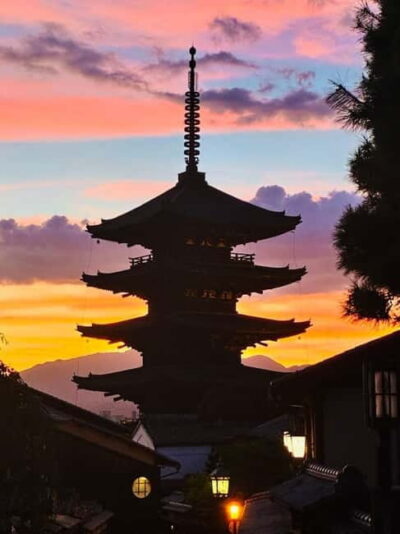
Kyoto Geisha Walking Tour: Gion District & Hidden Gems
Read our review →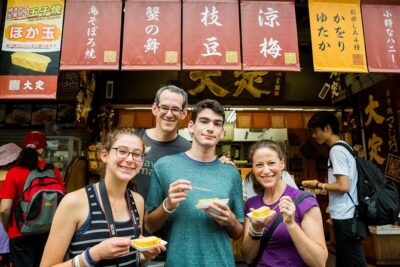
Tokyo Tsukiji Fish Market Food and Culture Walking Tour
Read our review →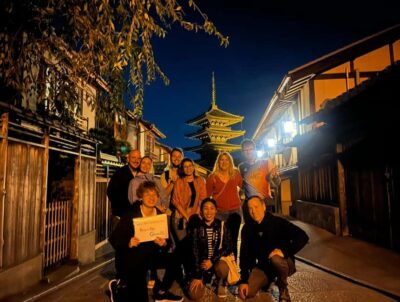
Gion Magical Night Walking Tour with Geisha Trivia
Read our review →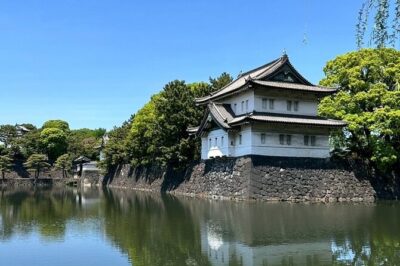
Imperial Palace and Shogun Historical Walking Tour
Read our review →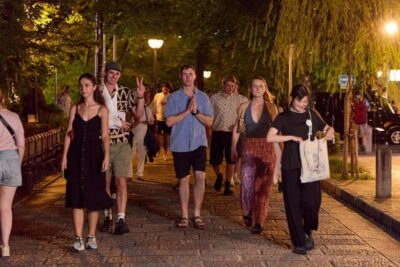
Gion Geisha District Walking Tour – Stories of Geisha
Read our review →
Shinjuku Local Bar and Izakaya Guided Walking Tour
Read our review →
Browse the lists this tour appears in