
Reviewed · PRIVATE TOURS IN TOKYO
Private Tour – Thousands of lucky cats! Go by tram, Gotokuji Tour
Quiet Tokyo has plenty to say. This private 3.5-hour outing takes you from Sangenjaya through peaceful Setagaya streets to Gotokuji Temple, famous for its remarkable collection of maneki neko, the raised-paw cats linked with good fortune. I like the unusual route and the personal attention of an English-speaking guide. You get temples, a shopping street, a historic mansion, a museum, and local transport in one compact trip.
I also like that the tour ends at Gotokuji Station instead of returning you to the starting point, making it useful as part of a larger day in western Tokyo. The main caution is that the museum can close unexpectedly, as happened during one booking, and bad weather may change the route or transport. Bring cash, too, since some stops do not accept cards.
In This Review
- Key points to know before booking
- Why this private Setagaya tour feels different
- Starting at Shoin Shrine
- Browsing the Shoin Shrine shopping street
- Stepping into the Setagaya Daikan residence
- Putting the neighborhood in context at the local history museum
- Meeting the famous cats at Gotokuji Temple
- What the tram and one-way route add
- Price, group size, and what you actually receive
- How the timing works in real life
- Who will enjoy this tour most
- Booking advice and final verdict
- FAQ
- How long does the Gotokuji private tour last?
- Where does the tour begin and end?
- Is transportation included in the tour price?
- Are admission fees included?
- Is lunch included?
- What happens if the weather is bad or a stop is closed?
Key points to know before booking
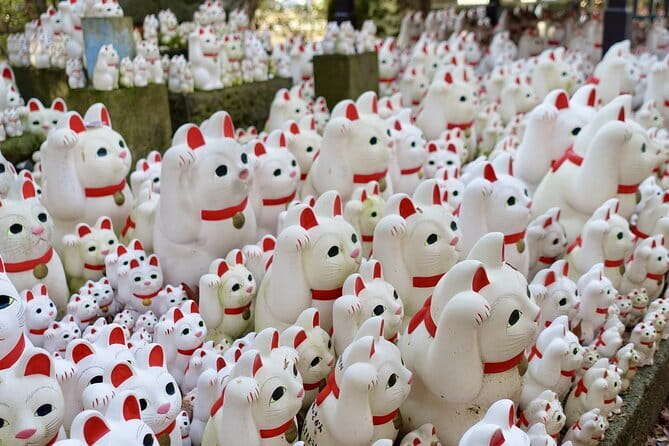
- The lucky-cat finale: Gotokuji Temple is the tour’s main draw, with a large display of maneki neko figures connected to Japanese good-luck culture.
- A quieter side of Tokyo: The route leaves the neon center behind for shrines, old shops, local streets, and Setagaya history.
- Private pacing: Only your group joins, so you can ask questions, move at a comfortable speed, and request a different finishing point.
- A useful one-way route: You begin at Sangenjaya Station and finish at Gotokuji Station, with about 380 yen in transport costs paid separately.
- Good for families: The guide kept a ten-year-old interested throughout one tour, a strong sign that the explanations are accessible.
- Plan for closures and weather: The museum may be unavailable, and destinations or routes can change if conditions are poor.
Why this private Setagaya tour feels different
Tokyo is often presented through Shibuya crossings, department stores, shrines surrounded by crowds, and tall towers. This experience takes another route. You begin at Sangenjaya Station and travel through Setagaya, an area where the pace is gentler and the attractions are woven into ordinary neighborhood life.
I like this change of scale. You are not racing between famous landmarks or trying to decode a large group tour. Instead, the guide gives you context as you walk, ride, and stop at places that many first-time visitors skip.
The tour lasts about three hours and 30 minutes. That is long enough to create a connected story, but short enough to fit beside another Tokyo plan. Since the starting and finishing points differ, you can continue from Gotokuji Station after the tour rather than retracing your route.
The private format is important here. A neighborhood tour works best when you can pause at a shrine, ask why a custom matters, or spend less time at a stop that does not suit your group. The itinerary can also be adjusted to your needs, although temporary closures and weather may limit those choices.
More Private Tours in Tokyo
- Tokyo 6hr Private Tour with Government-Licensed Guide
★ 5.0 · 3,902 reviews - Private Tour to Mt. Fuji and Hakone (Fully Licenced Operator)
★ 5.0 · 1,910 reviews - Tokyo Customized Private Tour (Must See Places in 1 Day)
★ 5.0 · 1,499 reviews
Starting at Shoin Shrine
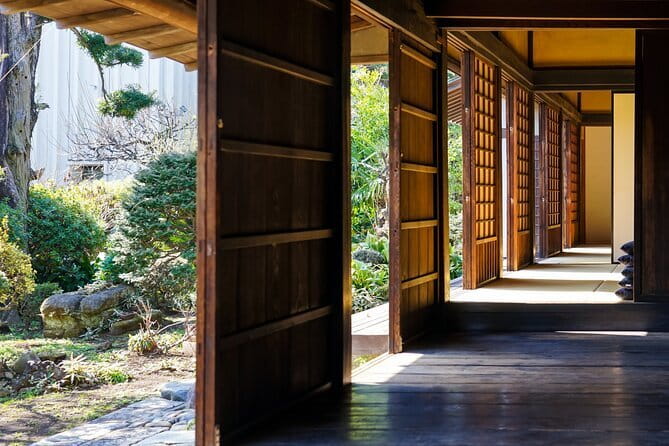
The first stop is Shoin Shrine, dedicated to Shoin Yoshida, a nineteenth-century educator and philosopher. You can expect a quieter introduction than the grand shrine complexes found in central Tokyo, with stone lanterns and a stage used for music offered to the gods.
The planned visit lasts about 25 minutes, and there is no admission fee. That makes it a low-pressure opening stop. Your guide can explain the shrine’s connection to Yoshida and help you notice details that are easy to pass without context.
I like beginning here because it establishes the tour’s tone. This is not a greatest-hits tour built around one photograph. It is a walk through a district where religious sites, local memory, and daily life share the same streets.
The shrine is also a good place to settle into the walking pace. You will want comfortable shoes, since the tour includes several stops on foot and moves between different parts of Setagaya.
Browsing the Shoin Shrine shopping street
Next comes the Shoin Shrine Street shopping district, visited for about 30 minutes. The area includes long-established shops and places with unusual items, giving you a chance to see a local commercial street rather than a major shopping destination designed for international tourism.
This part of the tour benefits from having a guide beside you. A small shop or an unfamiliar product can be easy to ignore when you are alone. With a private guide, you can ask what catches your eye and decide how much time to spend looking around.
Do not expect a formal shopping excursion with planned purchases. The value is in seeing how a neighborhood serves its residents. The street helps connect the shrine to the surrounding community, showing that the area is more than a collection of historic sights.
The admission cost is free, but purchases are your responsibility. Since some places on the route may not accept credit cards, cash is a sensible addition to your wallet.
Stepping into the Setagaya Daikan residence
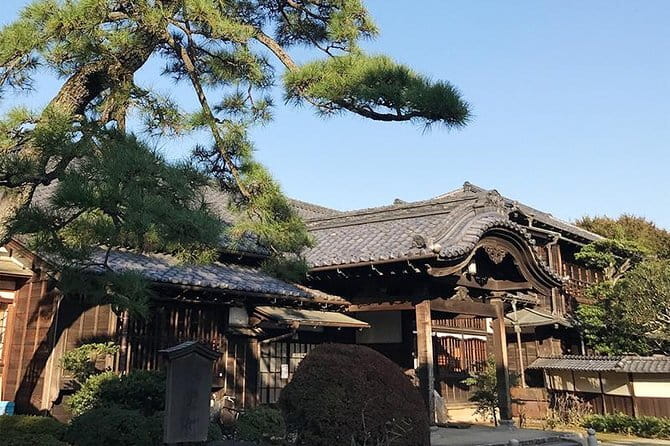
The site of the Setagaya Daikan residence offers a look at a traditional Japanese mansion associated with the clan that ruled the area during the Edo era, described here as roughly 1700 to 1900.
The visit lasts about 20 minutes. That may sound brief, but it gives the tour a useful change of pace after the shrine and shopping street. Instead of only looking at religious buildings, you get a sense of domestic and local authority in an older Japanese setting.
The appeal is atmospheric as much as visual. The residence is presented as a place where you can feel as if you have stepped into a Japanese home from an earlier period. Your guide can help you understand how the site fits into Setagaya’s past.
I would keep expectations practical. This is not a full palace visit, and the stop is relatively short. Its strength is that it adds texture to the day. You are not only seeing a temple associated with lucky cats. You are also learning how the district was governed and lived in before modern Tokyo took shape.
A completely different kind of day out:
- Tokyo Disney Resort – Tokyo Disneyland & Tokyo DisneySea Park Tickets
★ 4.8 · 99,488 reviews - SHIBUYA SKY Ticket
★ 4.7 · 46,509 reviews - JR Whole Japan Rail Pass
★ 4.8 · 29,150 reviews - Mt Fuji and Hakone 1-Day Bus Tour Return by Bullet Train
★ 5.0 · 26,383 reviews
Putting the neighborhood in context at the local history museum
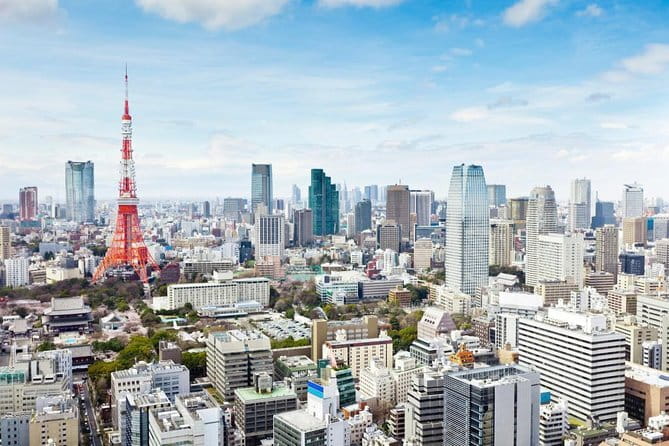
The Setagaya Local History Museum sits next to the historic residence and gives you a more direct explanation of the area’s past. The planned visit is about 20 minutes, with no admission fee listed.
The museum covers Setagaya history as well as literature and paintings from the Edo era. That makes it a useful companion to the residence. First you see a preserved setting, then you get material that can explain the people, objects, and events connected with the wider district.
This stop may be especially helpful if you enjoy understanding how a place developed rather than simply collecting photographs. It gives the guide a chance to connect the earlier shrine and residence with local history.
There is one practical warning: the museum may be closed on a holiday or for another temporary reason. On one occasion, the group walked to the museum only to find it shut, and the guide had not been informed in advance. That sort of problem is frustrating, especially on a short tour when every 20-minute stop matters.
If the museum is unavailable, the tour may substitute another location. Ask your guide at the beginning what is open that day so you know how the plan may change.
Meeting the famous cats at Gotokuji Temple
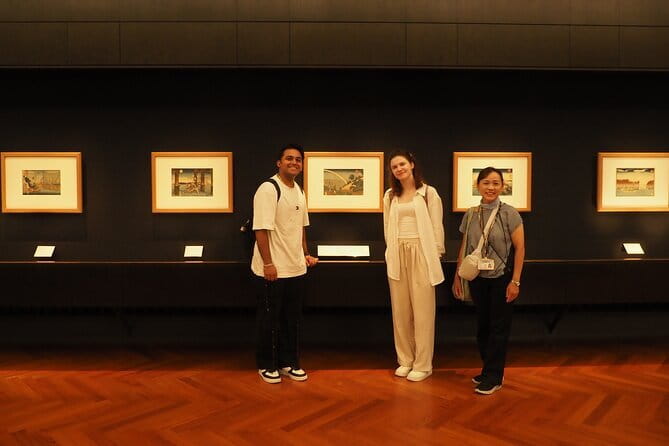
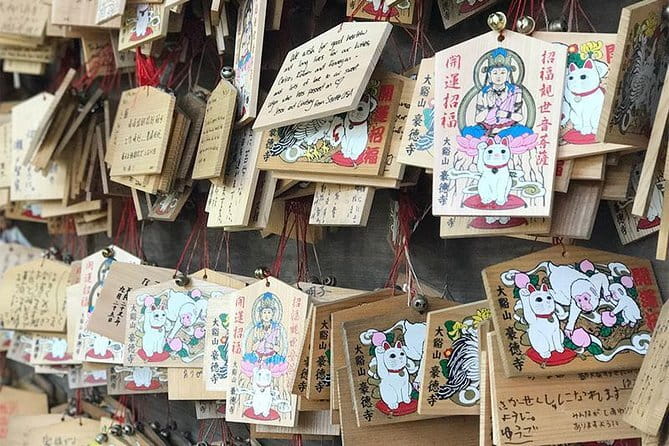
Gotokuji Temple is the emotional high point of the tour. This Zen temple has a history of about 600 years and is closely associated with the maneki neko, the raised-paw cat figurine thought to bring good luck and success in business.
The visit is scheduled for around 30 minutes. The number of cat figures is what makes the temple memorable. You will see why the tour is built around the image of thousands of lucky cats rather than around a standard temple visit.
The cats are not just decorative souvenirs. They connect a familiar Japanese symbol with a specific place and local tradition. Your guide can explain the cultural meaning, helping you understand why the figures appear here and why people associate them with fortune.
I like the fact that Gotokuji arrives after several quieter stops. If you went directly to the temple, you might treat it as a quick photo opportunity. After walking through the neighborhood, seeing the shrine, and learning about Setagaya’s past, the temple feels like the day’s payoff.
The temple itself is free to enter according to the tour information. You should still carry cash for any optional purchases or expenses at visited sites, since card acceptance is not guaranteed.
What the tram and one-way route add
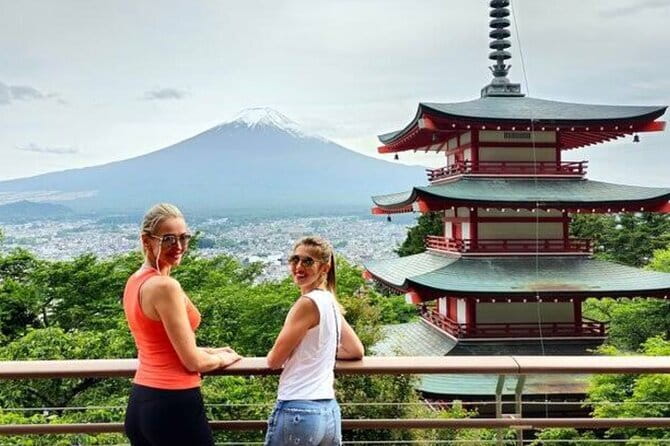
The experience is promoted as a tram tour, and transportation is part of the route from Sangenjaya to the Gotokuji area. The estimated transportation cost is 380 yen per person, paid separately from the tour price.
That modest extra cost is worth considering in the right way. You are not paying only to be transported between attractions. The ride helps you see how this part of Tokyo connects, and it keeps the experience from becoming a long, tiring walk across several neighborhoods.
The route begins at Sangenjaya Station, located at 2 Chome-15 Taishido, Setagaya City, and finishes at Gotokuji Station, at 1 Chome-43 Gotokuji. Since the endpoints differ, plan your next activity from Gotokuji rather than assuming you will return to Sangenjaya.
You can ask the guide to change the finishing point if needed. That flexibility is useful, but confirm it early. The route may also change in bad weather, including the transport method, destinations, and walking sections.
Price, group size, and what you actually receive
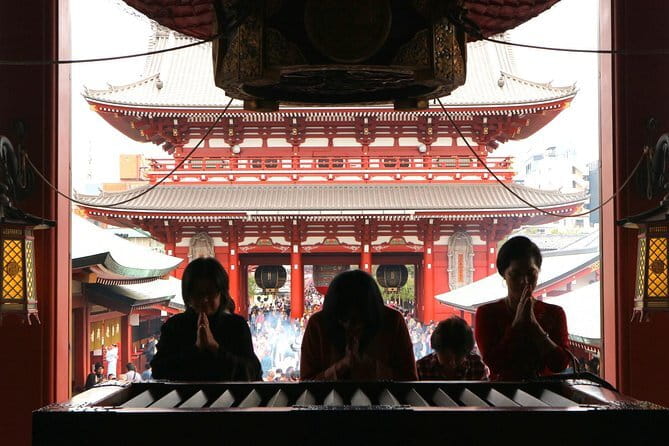
The listed price is $68.64 per person. For a private tour in Tokyo, the value depends heavily on your group size and how much you want personal guidance.
The price includes the guide, the private format, and the guide’s necessary tour expenses. It does not include your own transportation, food, drinks, or other costs at the stops. The estimated extra cost is 380 yen per person for transportation, while admission fees are listed as zero.
For one or two people, this is not the cheapest way to see Gotokuji. You are paying for an English-speaking guide, a planned route, and the ability to shape the pace. If you are traveling with family or a small group, the cost becomes easier to justify because everyone receives the same guide rather than joining a large party.
The private setting is also useful for families. One ten-year-old stayed interested throughout the tour, which suggests the guide can explain the sights in a way that works for younger visitors. That does not guarantee every child will love each museum or shrine, but the mix of cats, transport, shops, and short stops gives the day variety.
No lunch is included. The tour also does not promise a planned meal stop, so eat beforehand or arrange food after the tour. If you want to browse the shopping street, set aside money for anything you choose to buy.
How the timing works in real life
The official stop times add up to about two hours and five minutes, leaving part of the three-and-a-half-hour duration for walking, transportation, explanations, and transitions.
That balance is sensible. You are not rushed through five locations in a few minutes, but you are also not spending a full day on a single neighborhood. The 20-minute stops at the residence and museum are enough for an introduction, while the shrine and shopping street allow slightly more time.
The private format should help if your group has different energy levels. You can ask questions without holding up strangers, and the guide can adjust the pace within reason. Still, this is a walking tour with public transportation, not a vehicle-based sightseeing trip. Wear practical shoes and expect to be on your feet.
A bad-weather plan is less certain. The transport, route, or destinations may change, so do not schedule an important fixed event immediately afterward. The different ending station is another reason to leave some breathing room.
Who will enjoy this tour most
I would recommend this experience to you if you want to see a quieter part of Tokyo and prefer local history to a list of famous central sights. It suits visitors who like asking questions, looking beyond the main attraction, and moving at a personal pace.
Families may find the variety helpful. The lucky cats give children a clear focus, while the shrine, old residence, shopping street, and museum offer adults more depth. The private format also avoids the strain of keeping up with a large group.
It is a good fit for repeat visitors who have already seen Tokyo’s central districts. It can also work on a first visit if you want one day that feels separate from the usual neon and shopping routes.
I would be more cautious if your main goal is extensive temple architecture, a long shopping session, or a full museum visit. Each stop is fairly short, and the route is designed as a broad neighborhood introduction. The museum closure issue also means you should accept some flexibility.
The tour is recommended by all recorded participants and holds a 4.9 rating from 16 reviews. The strongest praise centers on the guide’s ability to make the route enjoyable and hold a child’s attention, along with the pleasure of exploring neighborhoods beyond the usual Tokyo circuit.
Booking advice and final verdict
Book this tour if the idea of seeing thousands of maneki neko appeals to you, but you also want the temple placed in a wider local setting. Gotokuji alone may take less than half a day, while this route gives you a reason to explore the surrounding Setagaya district.
The $68.64 price is fairest for a couple, family, or small group that values a private English-speaking guide. Add about 380 yen per person for transport, bring cash, and remember that meals are not included.
I would also confirm the day’s museum status and tell the guide about any preferred ending point. Canceling is free up to 24 hours before the start time, but changes or cancellations inside that window are not accepted.
My call: book it if you want a calm, personal, slightly off-center Tokyo experience with a memorable cat-filled finish. Skip it if you need a guaranteed museum visit or prefer major landmarks packed into one fast-moving day.
FAQ
How long does the Gotokuji private tour last?
The tour lasts approximately three hours and 30 minutes.
Where does the tour begin and end?
It begins at Sangenjaya Station in Setagaya and ends at Gotokuji Station. You can ask the guide about changing the finishing point.
Is transportation included in the tour price?
The guide and the guide’s necessary tour expenses are included. Your transportation is not included, and the estimated transportation cost is 380 yen per person.
Are admission fees included?
Admission fees are listed as zero yen for the planned stops. You must still pay for any personal purchases, food, drinks, or other costs incurred at the visited locations.
Is lunch included?
No. Lunch and other food and drink costs are not included.
What happens if the weather is bad or a stop is closed?
The route, transportation, and destinations may change in bad weather. A planned location may also be replaced if it is temporarily closed, and the local history museum has previously been closed unexpectedly.
Just added in Tokyo
- Ramen and Gyoza Cooking Class in Tokyo★ 5.0 · 21 reviews
- Ramen Tasting – Mini Bowl Ramen Tour★ 5.0 · 127 reviews
- REAL, All-Inclusive Tokyo Food and Drink Adventure (leave the tourists behind)★ 5.0 · 25 reviews
- Ramen Making from Scratch with Tokyo Mom(Vegan Option Available)★ 5.0 · 39 reviews
- Japanese Katsu Curry Cooking Class–near YANAKA, Tokyo!★ 5.0 · 18 reviews
- Haneda Airport: One Way Private Transfer to Tokyo|Yokohama Hotels★ 4.0 · 28 reviews
- Professional Cosplay Photography Experience with English Guide★ 5.0 · 16 reviews
- Get Unique Insights into Tokyo – Private Tour with local Guide★ 5.0 · 195 reviews
Private Tours in Tokyo, compared.
Tokyo 6hr Private Tour with Government-Licensed Guide
Read our review →
Private Tour to Mt. Fuji and Hakone (Fully Licenced Operator)
Read our review →
Tokyo Customized Private Tour (Must See Places in 1 Day)
Read our review →
Mount Fuji Full-Day Private Tour from Tokyo (Customizable)
Read our review →
Tokyo 4hr Private Tour with Government-Licensed Guide
Read our review →
Tokyo Customized Private Tour: See Top Attractions in 1 Day
Read our review →
Mt Fuji Private Tour with English Speaking Driver
Read our review →
Mt. Fuji & Hakone Private Day Tour with English-Speaking Driver
Read our review →Browse the lists this tour appears in