
Reviewed · MUSEUMS AND GALLERIES
Private Tour Through the Tokyo National Museum & Ukiyo-e
Ueno tells Japan’s story in a few city blocks. I like the private English guide, which lets you ask questions and shape the museum visit, and I like the mix of quiet temple grounds, shrine history, and samurai objects. The main consideration is pace: 150 minutes is enough for a useful introduction, not every room in the Tokyo National Museum.
This tour also earns points for its human touch. Guides including Shigeru, Mieko, Masahito, and Hattori Yutaka have been praised for clear explanations, patience, photos, and helpful food suggestions. If you want a broad museum visit with detailed attention to several chosen objects, you may need to tell your guide that early.
In This Review
- Key details that make this Ueno tour useful
- Why Ueno is an unusually good place to begin
- Meeting at Family Mart, not inside the park
- Kiyomizu Kannondo and the Ueno Park view
- Ueno Toshogu and the Tokugawa connection
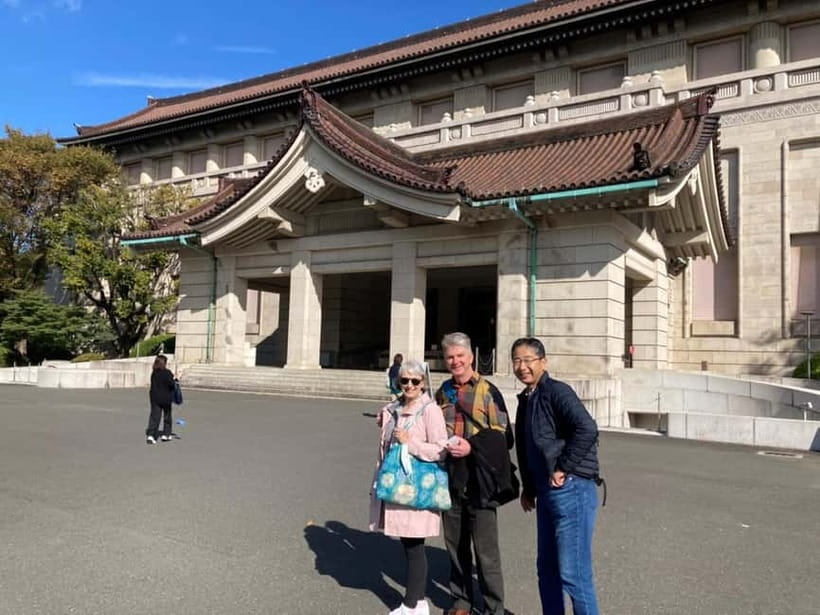
- Entering the Tokyo National Museum
- Ukiyo-e, samurai armor, and choosing your focus
- What the private format really adds
- Is $74 a fair price?
- Practical preparation for a smoother visit
- Who should book this Ueno experience?
- FAQ
- How long does the tour last?
- Where does the tour begin?
- Where does the tour finish?
- Is museum admission included?
- What language is the tour in?
- Is the tour suitable for wheelchair users?
- Should you book it?
Key details that make this Ueno tour useful
- Kiyomizu Kannondo comes first, offering a peaceful temple stop and a wooden-stage view over Ueno Park.
- Ueno Toshogu connects the park to the Tokugawa Shogunate, giving the walk a strong political and historical thread.
- The Tokyo National Museum adds samurai armor and ukiyo-e, so you see both military culture and popular art.
- A private group means more room for questions, family needs, and a personal pace than a large scheduled group.
- The $74 price includes museum admission, making the value strongest if you want context rather than simply entry.
- The meeting point is easy to misunderstand: Family Mart Ueno Park Branch is beside the street, not inside Ueno Park.
Why Ueno is an unusually good place to begin
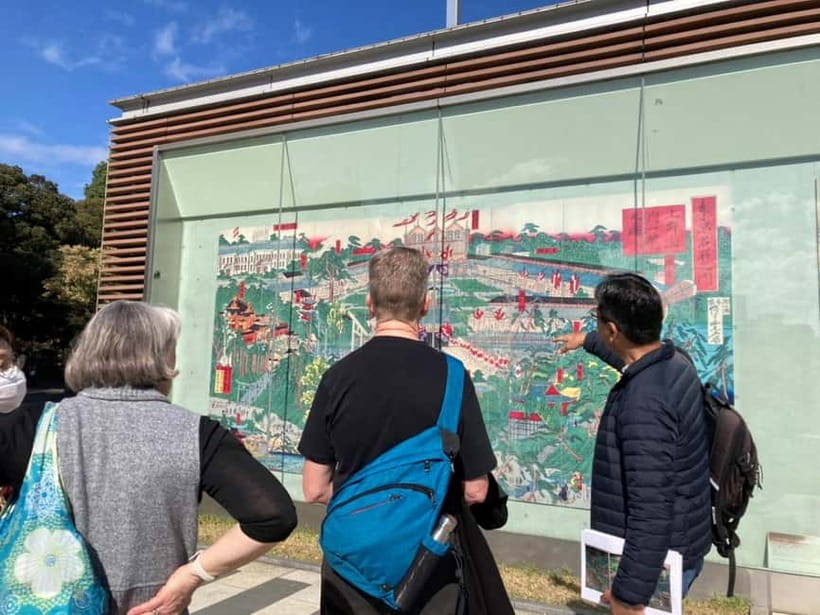
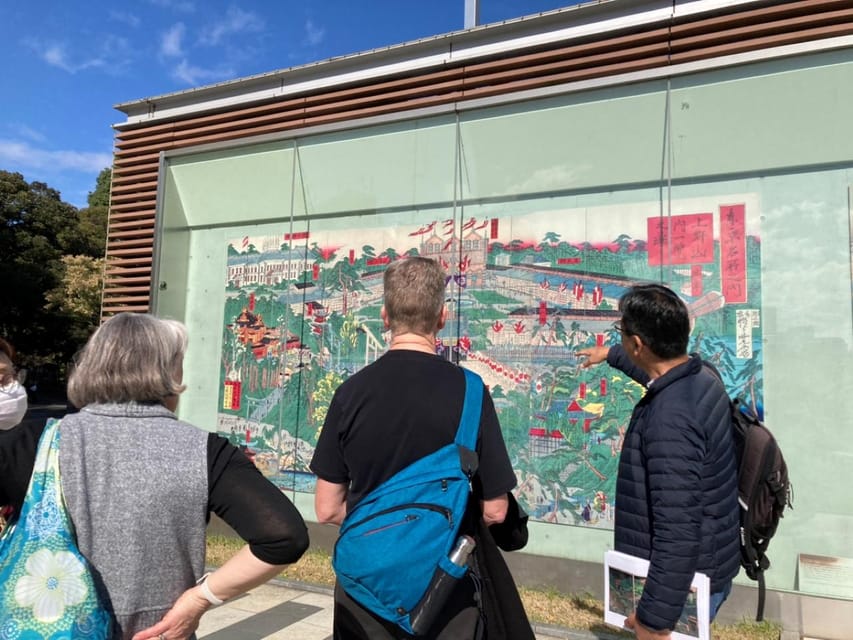
Ueno is not just a park with a major museum dropped into it. The area once formed part of the extensive grounds of Kaneiji Temple, a powerful Buddhist temple closely linked with the Tokugawa rulers during the Edo period.
The tour uses that past as its connecting thread. You move through religious sites, political memory, and national art collections while seeing how Ueno changed during the Meiji Restoration and after the Battle of Ueno.
That context matters. Without it, Kiyomizu Kannondo can look like a pretty old temple, Ueno Toshogu can seem like an ornate shrine, and the museum can feel like a long list of objects. With a guide, the three stops become parts of one story about power, religion, war, art, and public life.
I especially like this approach for a first visit to Tokyo. You get an introduction to Japan without spending half a day inside a single gallery or relying on labels that may feel too brief.
More Museums and Galleries in Tokyo
- teamLab Borderless Tickets: MORI Building DIGITAL ART MUSEUM
★ 4.7 · 24,126 reviews - teamLab Planets TOKYO Ticket
★ 4.7 · 21,663 reviews - Tokyo: teamLab Planets TOKYO Digital Art Museum Entry Ticket
★ 4.6 · 9,779 reviews
Meeting at Family Mart, not inside the park
The tour begins in front of Family Mart Ueno Park Branch. The store faces the street, and the meeting point is not inside Ueno Park.
That distinction is important in Ueno, where several entrances, paths, and large cultural buildings can make a first meeting confusing. Give yourself enough time to identify the correct convenience store before the starting time, and look for your English-speaking guide outside.
The tour finishes at the Tokyo National Museum. This makes practical sense because the museum is the final major stop, but it also means you should plan your onward route from there rather than expecting to return to the original meeting point.
The total duration is 150 minutes. That is a comfortable length for the outdoor stops and a focused museum visit, though it is not designed for a complete examination of the museum’s many collections.
Kiyomizu Kannondo and the Ueno Park view
The first stop is Kiyomizu Kannondo, where you receive a guided visit and time for photographs. The temple is described as a quiet place surrounded by nature, a useful contrast to Tokyo’s dense streets and crowded transport hubs.
The wooden stage is the visual highlight. From here, you get a broad view of Ueno Park, making this an appealing early stop for photographs and orientation.
A guide can also explain why the temple belongs in the larger story of Ueno. The point is not only to admire the building. It is to understand how this hill once functioned as part of Kaneiji Temple’s grounds and later became a public space.
That change gives the stop extra meaning. You are looking at a surviving religious site in an area that has passed through political upheaval, modernization, and changes in how Tokyo residents use public space.
The outdoor section is also where comfortable shoes matter most. Bring water, sunscreen, and a hat, especially in warm weather. The tour information says the activity is not suitable for people with mobility impairments or wheelchair users, so anyone concerned about walking conditions should consider that before booking.
Ueno Toshogu and the Tokugawa connection
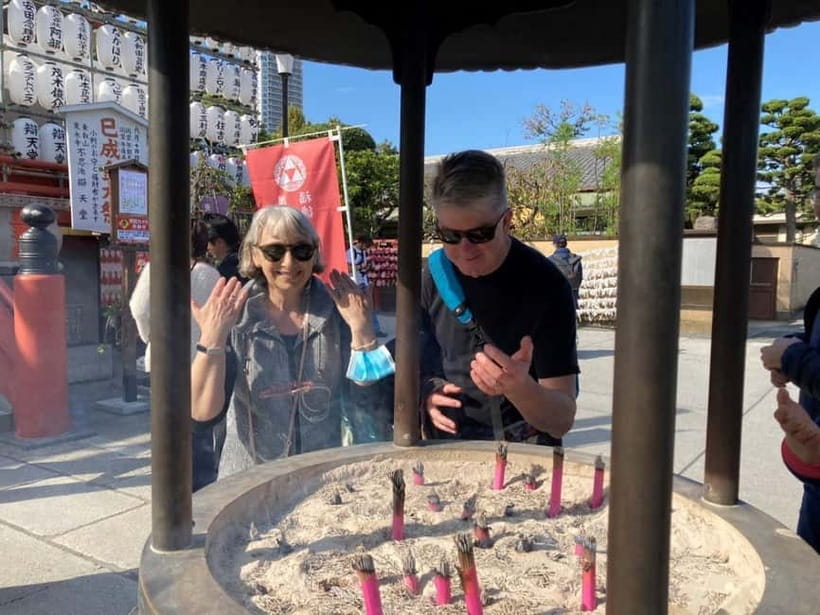
Next comes Ueno Toshogu Shrine, with guided sightseeing and a photo stop. Its importance comes from its connection to the Tokugawa Shogunate, the military government that ruled Japan for much of the Edo period.
This is a valuable stop for visitors who want more than decorative architecture. The shrine gives your guide a place to explain the relationship between religious practice, political power, and memorial buildings in early modern Japan.
I would pay close attention to the story of Ueno itself here. The district was not chosen at random as a site for temples and shrines. Its religious institutions had close ties to the ruling order, which helps explain why the Battle of Ueno and the changes of the Meiji period had such an effect on the area.
The stop is relatively short compared with a full shrine visit, since the museum is the main destination. Still, it gives you a solid framework before you begin looking at objects from Japan’s past.
Photos are welcome at the designated stops, but flash photography is not allowed. That rule becomes especially important once you enter the museum.
More Private Tours in Tokyo
- Tokyo 6hr Private Tour with Government-Licensed Guide
★ 5.0 · 3,902 reviews - Private Tour to Mt. Fuji and Hakone (Fully Licenced Operator)
★ 5.0 · 1,910 reviews - Tokyo Customized Private Tour (Must See Places in 1 Day)
★ 5.0 · 1,499 reviews - Mount Fuji Full-Day Private Tour from Tokyo (Customizable)
★ 4.9 · 1,470 reviews
Entering the Tokyo National Museum
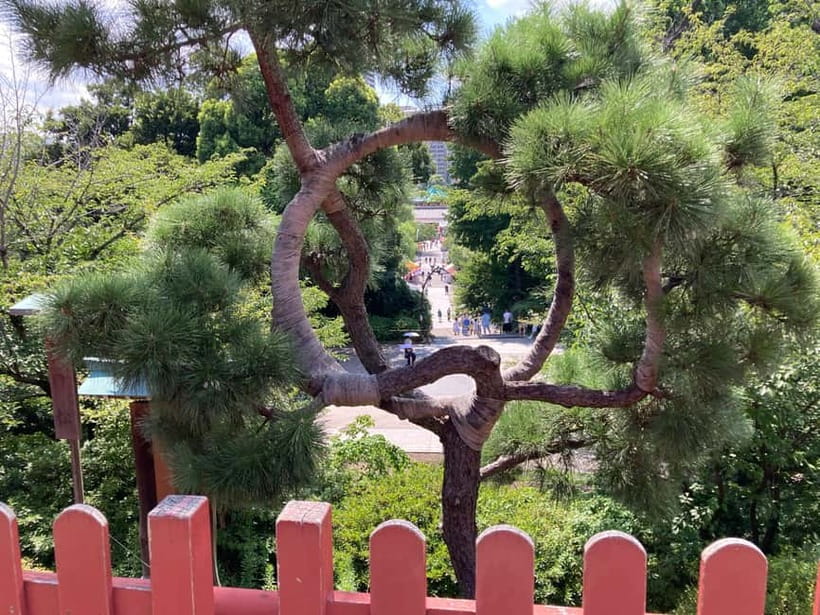
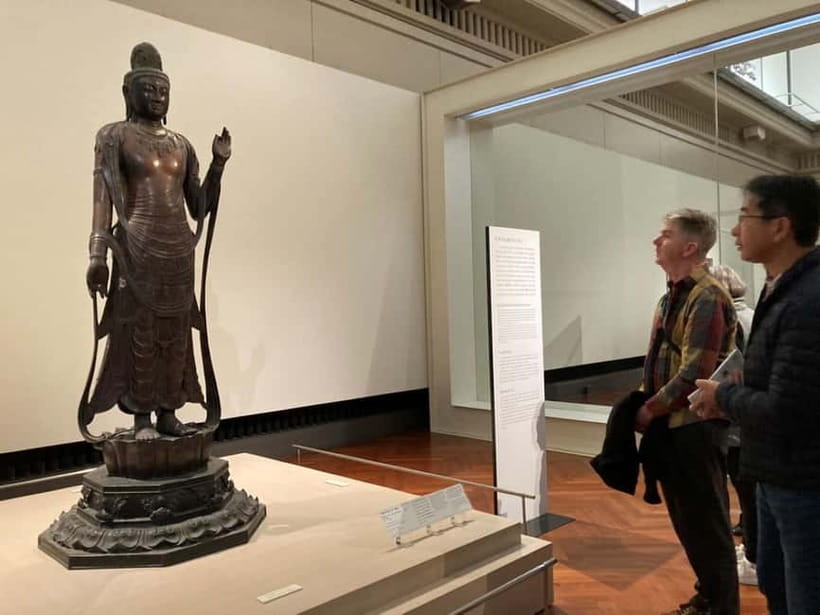
Admission to the Tokyo National Museum is included in the $74 price. The museum is the heart of the experience, and the guide leads you through selected material rather than leaving you to navigate the institution alone.
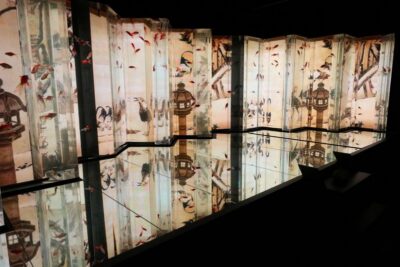
You can expect to see objects such as samurai armor and colorful ukiyo-e woodblock prints. Those two subjects make a useful pair: armor opens a window onto warrior culture, while ukiyo-e shows how artists pictured actors, landscapes, daily life, and popular entertainment.
The museum’s scale is both its strength and its challenge. A short guided visit can help you understand what you are seeing, but it cannot cover everything. One guide, Masahito, made sure there was enough time for two areas that his guests especially wanted to see. That is a good lesson: tell your guide your priorities early.
Another guide, Mieko, was praised for explaining the history of the grounds before moving into the museum. That order is effective because you arrive with a sense of place rather than treating the museum as an isolated building.
The museum portion will suit you best if you prefer explanation to speed. You may not see every major gallery, but you can ask why an object matters and how it fits into Japanese history.
Ukiyo-e, samurai armor, and choosing your focus
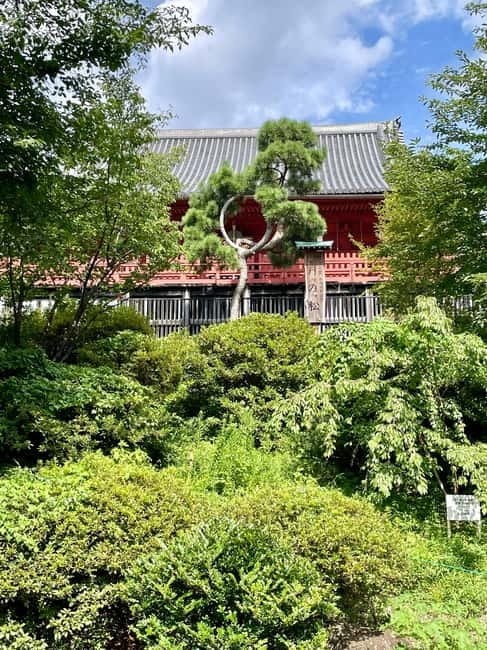
Ukiyo-e is one of the tour’s most appealing subjects for first-time visitors. The prints are colorful and immediately engaging, but a guide can help you see beyond the surface. Their value lies not only in the pigments and line work, but also in what they reveal about popular culture and changing tastes.
Samurai armor offers a different kind of evidence. It points to status, warfare, craftsmanship, and the visual language of the warrior class.
You should not expect a specialist art seminar lasting several hours. Instead, think of this as a guided introduction with time to ask questions. The strongest experience will come from naming one or two interests at the beginning: ukiyo-e, samurai objects, religious art, or a particular museum area.
One four-star assessment specifically wished for more targeted guidance and more information about individual objects inside the museum. That is the fairest criticism of the format. The outdoor history appears to receive strong attention, while the museum experience can vary depending on your guide, your questions, and how much time remains.
If individual artworks matter most to you, be direct. Ask to slow down at selected pieces instead of trying to cover too many rooms.
What the private format really adds
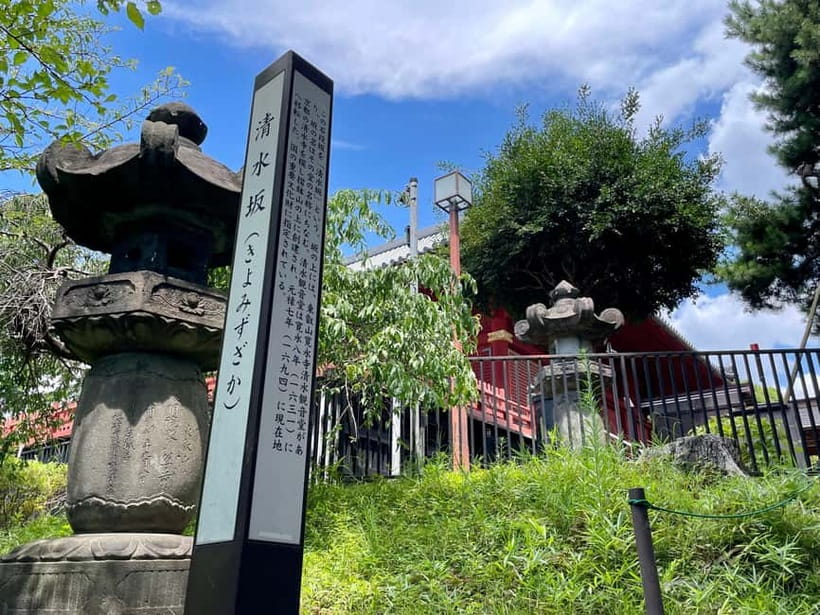
The private-group arrangement is more than a label. It changes how the 150 minutes can work.
A large group often requires a guide to keep moving, repeat information, and protect a fixed route. In a private group, you can ask follow-up questions, pause for photos, and request more time in a museum section that interests you.
This flexibility helped one family with children, whose guide was described as patient, gentle, and easy to understand. Another group appreciated a planned rest break. Those details suggest that the experience can be adjusted for family needs, at least within the limits of the schedule.
The guides also seem to bring different strengths. Shigeru was praised for explaining Japanese history and suggesting a tasty lunch venue. Hattori Yutaka took photos and worked to make the group comfortable. Mieko focused on the history of Ueno’s grounds, while Masahito gave extra time to specific museum sections.
Those examples do not mean every tour follows the same script. They do show why a private guide can be useful: you are not simply following a fixed audio track.
Is $74 a fair price?
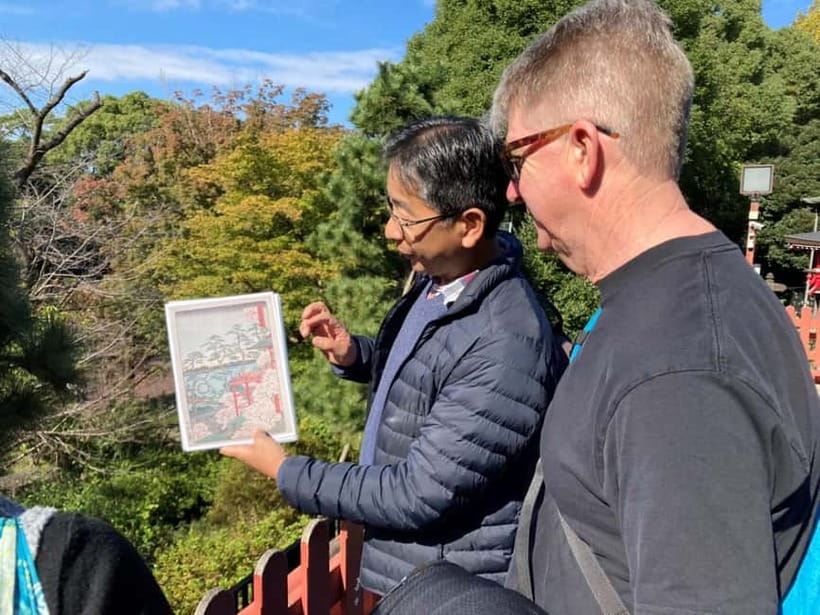
At $74 per person, the tour is not the cheapest way to enter the Tokyo National Museum. You are paying for more than admission, though. The price includes the museum ticket, access to Kiyomizu Kannondo, a 150-minute private tour, and an English-speaking guide.
The value is strongest if you want historical connections explained as you walk. You are paying to understand why these sites belong together, not just to check three Ueno locations off a list.
The price may feel less worthwhile if you already know Ueno’s history, prefer exploring museums alone, or want several uninterrupted hours with the collection. The museum is large, and this tour gives you an introduction rather than unlimited viewing time.
For a first visit, I think the cost is reasonable if you value personal attention. A private group can also make the price easier to justify for families or friends who want to ask their own questions instead of staying with a general group.
The free cancellation policy allows cancellation up to 24 hours in advance for a full refund. You can also reserve now and pay later, which helps if your Tokyo plans are still moving around.
Practical preparation for a smoother visit
Wear comfortable shoes. The tour combines outdoor sightseeing with museum walking, and the schedule works better when you are not worrying about sore feet.
Bring water, sunscreen, a hat, and a camera. The view from Kiyomizu Kannondo and the shrine stop give you good reasons to carry one, though flash photography is not allowed.
Smoking is not permitted during the activity. The only listed tour language is English, and the experience is designed for a private group.
The meeting location deserves one last reminder: find the Family Mart Ueno Park Branch facing the street. Do not wait inside Ueno Park and assume the guide will locate you there.
The tour is not suitable for wheelchair users or people with mobility impairments. That limitation should be treated as a basic booking decision, not a minor footnote.
Who should book this Ueno experience?
I would recommend it to first-time visitors who want an easy introduction to Japanese history, families who appreciate patient explanations, and anyone who finds museums more meaningful with a person to provide context.
It also suits you if you have a particular interest in samurai culture, ukiyo-e, temples, shrines, or the Tokugawa period. Tell the guide what matters most, and the private format gives you a better chance of spending time where you care most.
I would be more cautious if your main goal is a long, highly specialized art tour. The museum section may feel too brief, and one assessment specifically wanted more object-by-object explanation. You might prefer a museum-only specialist visit if detailed art analysis is your top priority.
The overall rating is 4.7 from 17 reviews, with especially strong praise for guide manner, historical explanations, patience, and personal attention. The small amount of criticism is useful because it points to the tour’s real tradeoff: excellent orientation and human guidance, but limited time for the museum’s full collection.
FAQ
How long does the tour last?
The tour lasts 150 minutes.
Where does the tour begin?
It begins in front of Family Mart Ueno Park Branch, facing the street. The meeting point is not inside Ueno Park.
Where does the tour finish?
The tour finishes at the Tokyo National Museum.
Is museum admission included?
Yes. Admission to the Tokyo National Museum is included, along with access to Kiyomizu Kannondo.
What language is the tour in?
The tour is conducted in English by a live guide.
Is the tour suitable for wheelchair users?
No. The activity is listed as unsuitable for wheelchair users and people with mobility impairments.
Should you book it?
Book this tour if you want Ueno’s temples, shrine, and museum to make sense as one story. The strongest parts are the private format, the clear historical focus, and the chance to ask questions of guides such as Shigeru, Mieko, Masahito, or Hattori Yutaka.
Before you go, decide what you most want from the museum and tell your guide at the start. Do that, wear good shoes, and arrive at the correct Family Mart, and the $74 price buys a thoughtful introduction to one of Tokyo’s most rewarding historic areas.
Just added in Tokyo
- Japanese Home Cooking Class & Walk in Todoroki Temple Tokyo★ 5.0 · 88 reviews
- A One-of-a-Kind Sushi Experience in a Special Place of Japan★ 5.0 · 15 reviews
- Tokyo Cute Bento Cooking Class – Make a Kawaii Character Lunchbox★ 5.0 · 126 reviews
- Japan Tokyo Tower Observatory Deck E-Ticket★ 4.0 · 34 reviews
- Catch a Baseball Game in Tokyo with a Local – Tickets Included★ 5.0 · 24 reviews
- JDM Experience with Fast&Furious RX-7 (English speaking Driver)★ 5.0 · 57 reviews
- Tokyo Private Day Tour by Car with English speaking Driver Guide★ 4.0 · 29 reviews
- Japan Classic 10 Day – One Life Adventures★ 5.0 · 129 reviews
Museums and Galleries, compared.

teamLab Borderless Tickets: MORI Building DIGITAL ART MUSEUM
Read our review →
teamLab Planets TOKYO Digital Art Museum Entry Ticket
Read our review →


Browse the lists this tour appears in