
Reviewed · TEA CEREMONIES
Sencha-do the Japanese Tea Ceremony Workshop
Tea tastes different when your hands brew it. This 90-minute Sencha-do workshop in Kawasaki lets you handle the utensils, prepare green tea from loose leaves, and taste the result with Japanese sweets. I like the small group size, limited to four people, and the chance to learn directly from a master of the Higashi Abe school. The main drawback is finding the meeting point, since the directions may not be clear enough for every visitor.
I also like that this is not a matcha lesson dressed up as a tea ceremony. Sencha-do uses carefully infused tea leaves, giving you a look at a less familiar part of Japanese tea culture. At $65.69 per person, it is not the cheapest short activity, but the personal instruction and hands-on practice make the price reasonable for anyone who wants more than a quick demonstration.
In This Review
- Key points to know before booking
- Sencha-do is more than a matcha demonstration
- Watching the ceremony before you take part
- Brewing your own green tea
- Japanese sweets complete the tasting
- A small class with personal instruction
- The Kawasaki meeting point and practical route advice
- Is $65.69 a fair price for 90 minutes?
- What the experience does especially well
- Cancellation and weather considerations
- FAQ
- Where does the Sencha-do workshop take place?
- How long does the experience last?
- What kind of tea is used?
- Can I make tea myself?
- Are Japanese sweets included?
- How many people can join?
- Can I cancel for a refund?
- Should you book this Kawasaki tea workshop?
Key points to know before booking
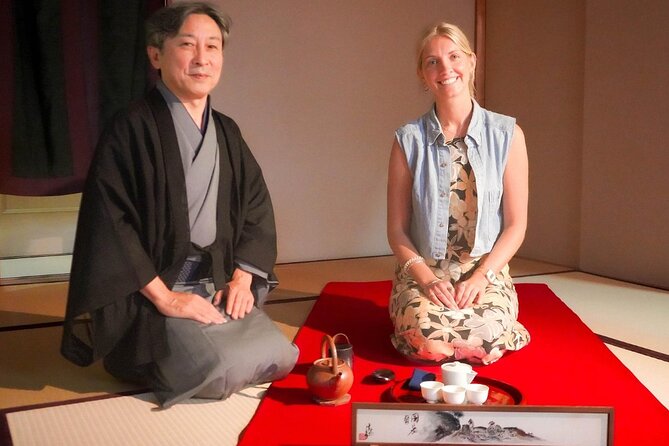
- You brew the tea yourself: Unlike many formal tea demonstrations, this class lets you touch and use the tea utensils.
- It focuses on Sencha-do: The tea is brewed from green tea leaves, not whisked from powdered matcha.
- The group is very small: A maximum of four people allows for patient instruction and personal questions.
- A master teaches the tradition: The instructor belongs to the Higashi Abe school and has taught many students.
- Japanese sweets are included: Sweets are served during the ceremony and make the tasting more complete.
- Allow time to find the address: The workshop is near public transportation, but the directions have caused confusion for some people.
Sencha-do is more than a matcha demonstration
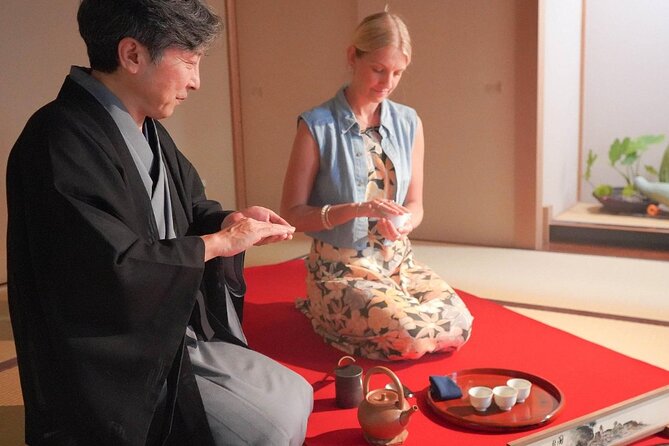
Many visitors arrive in Japan expecting every tea ceremony to center on matcha. This workshop offers a useful correction. Sencha-do uses loose green tea leaves, which are infused in hot water rather than ground into powder and whisked into a thick drink.
That difference affects both the method and the taste. You are not simply watching someone prepare a beautiful bowl of matcha. You are learning how water, tea leaves, utensils, timing, and careful movement work together to produce a cup of brewed green tea.
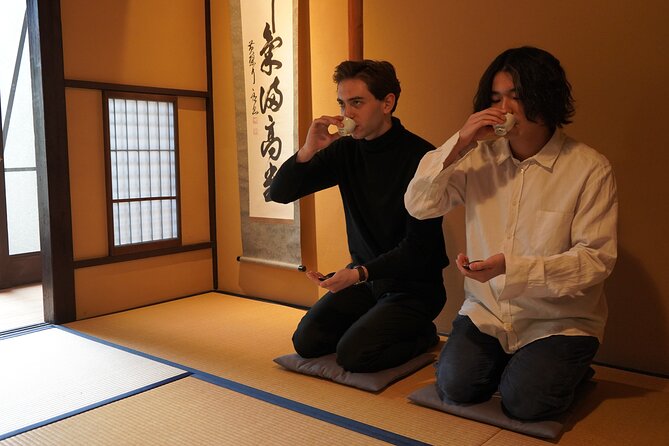
The workshop begins with observation. This matters because the ceremony can feel unfamiliar at first. By watching before you handle the equipment, you get a sense of the order, pace, and meaning behind each step.
The demonstration also gives the instructor a chance to explain the background of Sencha-do and the Higashi Abe school. Several people who took the class found the history especially worthwhile, including the fact that Japanese tea culture includes many different ceremony traditions and that learning one can take years.
You do not need to know anything about tea before arriving. The class is designed to explain the process gently, and the instructor can answer questions as the ceremony unfolds.
More Tea Ceremonies in Japan:
- Kyoto: Tea Ceremony in a Traditional Tea House in Kiyomizu
★ 4.9 · 3,519 reviews - Kyoto: Tea Ceremony Ju-An at Jotokuji Temple
★ 4.9 · 3,207 reviews - Kyoto: 45-Minute Tea Ceremony Lesson Experience
★ 4.3 · 2,378 reviews
Watching the ceremony before you take part
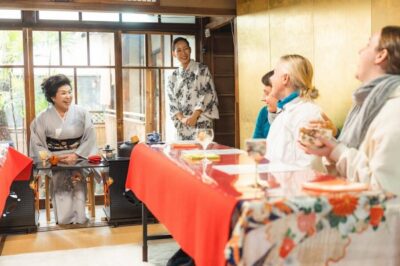
The opening demonstration sets the tone. Instead of rushing straight into instructions, the teacher shows you how the ceremony works and explains what is happening. That first stage helps you notice the small details that might otherwise pass by.
The Higashi Abe school is presented as its own tradition, distinct from other tea practices associated with Japan. This is one of the strongest reasons to choose the workshop. You get a short introduction to a specific school rather than a broad, simplified presentation of Japanese culture.
The teacher’s manner is another major strength. Kyo is named in the feedback as a patient and respectful instructor, and the class is also taught by a master of the school. The exact teacher may vary, but you can expect instruction shaped by a long family and school tradition.
The teaching style appears welcoming rather than stiff. That is useful if you are worried about making a mistake. Tea ceremonies have formal rules, but this workshop is meant to help you understand them, not make you feel as if you are taking an examination.
Take advantage of the explanation period and ask about anything that catches your attention. You might ask why a particular utensil is used, how the tea differs from matcha, or how the school’s customs developed. The experience becomes much more valuable when you treat it as a conversation, not only a photo opportunity.
Brewing your own green tea
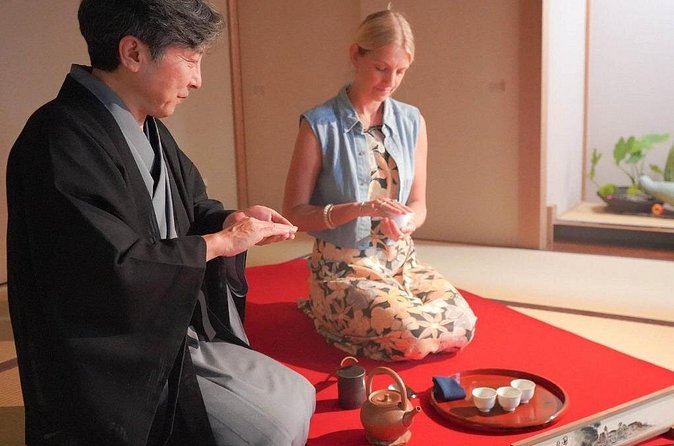
After the demonstration, you get to handle the utensils and make tea yourself. This is the part that separates the workshop from a standard ceremony performance.
You are guided through the process from the beginning. The teacher shows you how to work with the leaves and equipment, then gives you the chance to repeat the method. The instruction is careful and supportive, which makes the activity suitable for families, couples, and solo visitors.
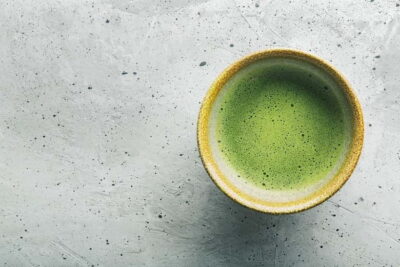
The most interesting moment comes when you taste the tea you prepared. You may notice a different flavor from the green tea you usually drink, since the final cup depends on how the leaves are brewed. The workshop encourages you to pay attention to that difference rather than simply accepting tea as a familiar background drink.
If you attend with friends or family, compare your cups. The activity specifically invites you to notice how each person’s tea tastes. That simple comparison turns a formal cultural lesson into a shared experiment.
You should not expect to master the ceremony in 90 minutes. One useful lesson from the experience is how much practice lies behind the graceful movements of a trained tea practitioner. You will learn the basic process and gain respect for the discipline, but this is an introduction rather than professional training.
The hands-on format is especially good for children who can participate in a focused activity. The small group keeps the lesson personal, and families have found that younger participants enjoy being allowed to do more than sit quietly and watch.
Japanese sweets complete the tasting
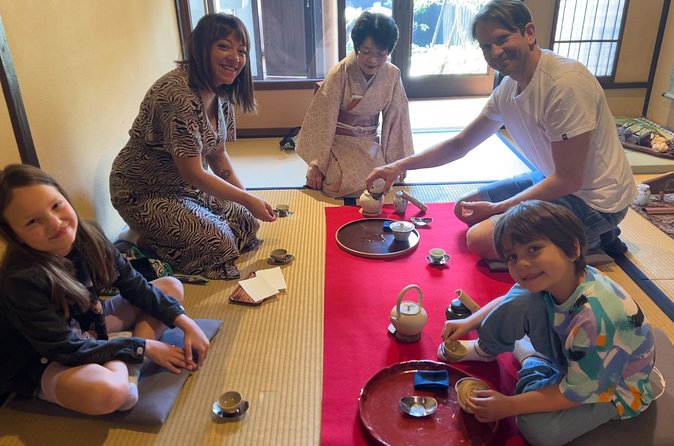
Japanese sweets are included in the price and served during the experience. They are not just an extra snack. Sweets are traditionally connected with tea, and their flavor gives you a useful contrast to the drink.
The sweetness can make the tea taste more balanced, while the tea provides a clean counterpoint afterward. Even if you are not deeply interested in ceremony etiquette, this pairing gives the session a pleasant rhythm.
The sweets also create a natural pause in the workshop. You can take in the setting, listen to the explanations, and enjoy the moment without feeling that every minute is filled with instructions.
You are welcome to take photographs during the experience. That is a practical advantage for visitors who want a record of the ceremony, the utensils, or their own brewing attempt. Still, use the camera with care. The workshop is built around attention and conversation, and you will get more from it if you do not spend the whole session looking through a screen.
A completely different kind of day out:
- Tokyo Disney Resort – Tokyo Disneyland & Tokyo DisneySea Park Tickets
★ 4.8 · 99,488 reviews - Universal Studios Japan Studio Pass
★ 4.8 · 89,883 reviews - Universal Studios Japan Express Pass
★ 4.7 · 53,138 reviews - SHIBUYA SKY Ticket
★ 4.7 · 46,509 reviews
A small class with personal instruction
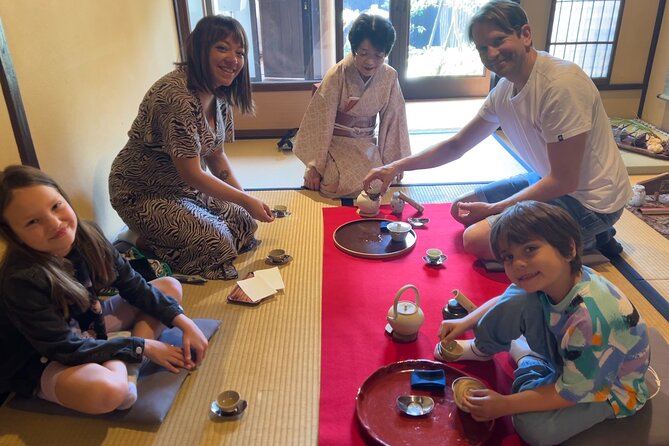
The maximum group size is four people. That is a meaningful feature, not just a booking detail.
In a large class, you might watch from the back and receive only a quick turn with the equipment. Here, the teacher has more time to guide each person and respond to questions. If you are shy about participating, a small group can also make the process less intimidating.
The format suits several kinds of visitors:
- First-time visitors to Japan: You get cultural context without needing prior knowledge.
- Tea enthusiasts: You can learn about brewed green tea instead of focusing only on matcha.
- Families: Children can take part rather than only observe.
- Couples and friends: You can compare the tea each person prepares.
- Solo visitors: The small group gives you a better chance to speak with the instructor.
The tradeoff is that a four-person limit can mean fewer available places. The experience is booked, on average, 13 days ahead, so I would not leave it until the last day of a short Kawasaki stay. Group discounts are available, which may help if you are booking for several people.
The Kawasaki meeting point and practical route advice
The workshop begins and ends at the same location:
一般財団法人 煎茶道東阿部流
1-chōme-7-2 Totehonmachi
Saiwai Ward, Kawasaki, Kanagawa 212-0023, Japan
The venue is near public transportation, and private transportation is not included. You will need to make your own way there and return independently after the class.
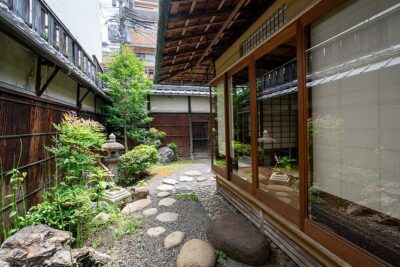
The address is important because finding the place may take more effort than expected. One person had difficulty using the online directions and needed local help. I would allow extra time, keep the full Japanese address available on your phone, and avoid arriving at the last minute.
A mobile ticket is provided, and confirmation arrives when you book. Service animals are allowed, and most people can participate. The supplied information does not give detailed instructions about seating, stairs, or specific mobility equipment, so contact the provider first if you have accessibility needs beyond the stated policy.
The activity finishes back at the meeting point. That makes it easy to plan a nearby meal or another Kawasaki visit afterward, but you should not count on included transportation to your next stop.
Is $65.69 a fair price for 90 minutes?
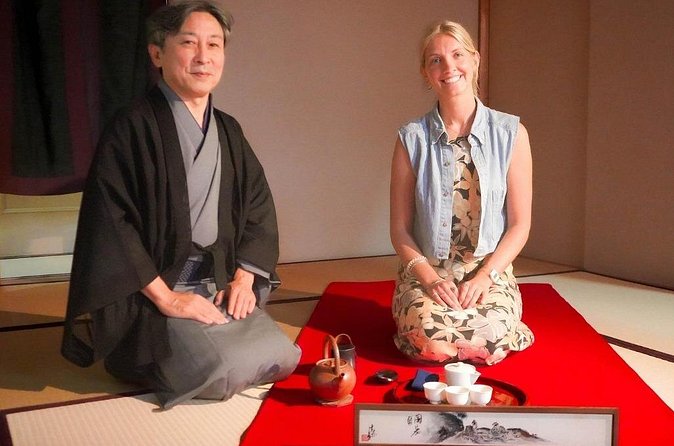
At $65.69 per person, this workshop costs more than a casual cup of tea and a quick cultural demonstration. The value comes from the personal teaching, the very small group, and the opportunity to use the utensils yourself.
You are also paying for access to a specific tea school and its traditions. The instructor does not simply explain how to make a drink. You observe a formal ceremony, hear about the school’s background, brew the tea, taste Japanese sweets, and compare your result with others.
For a family or group, the group discount may improve the price. For a solo visitor who only wants a photograph in traditional surroundings, it may feel expensive. In that case, the workshop is probably not the best match.
I think the fee makes the most sense if you value participation and cultural explanation. The class gives you something to do, something to taste, and a new way to understand Japanese tea. It is less compelling if you want a long ceremony, a full meal, or extensive sightseeing in the same booking.
What the experience does especially well
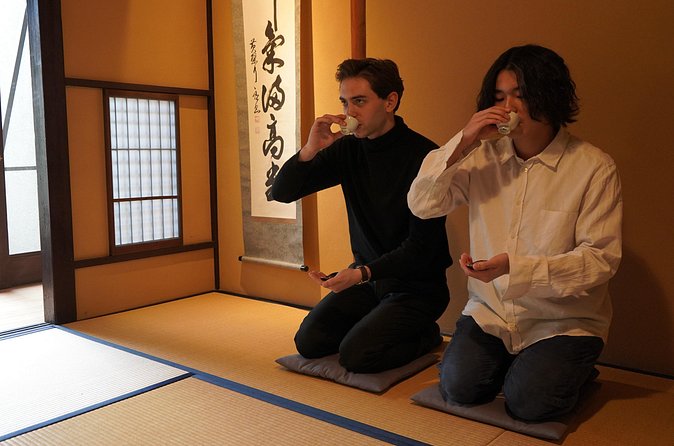
The strongest feature is the instructor’s approach. The teacher is described as patient, polite, respectful, and willing to explain the tradition in detail. That combination matters because formal tea customs can seem mysterious when no one explains the reasons behind them.
The second strength is the chance to brew tea yourself. Many ceremonies keep visitors at a distance from the utensils. Here, you learn by doing, which makes the lesson easier to remember.
The third is the focus on Sencha-do rather than the better-known matcha ceremony. You leave with a broader idea of Japanese tea culture and an appreciation for brewed green tea.
The fourth is the personal scale. With no more than four people, the class feels suited to questions and individual practice. Families have also found the experience welcoming for children.
The main weakness is not the teaching but the arrival process. If you rely only on unclear online directions, you might lose time or arrive stressed. Plan carefully, use the Japanese address, and give yourself a cushion before the scheduled start.
Cancellation and weather considerations
You can cancel for a full refund if you do so at least 24 hours before the start time. Cancellations made within 24 hours are not refunded, and changes during that period are not accepted.
The cutoff uses local time. The activity can also be canceled if poor weather affects operation or if the minimum number of participants is not reached. In those cases, you are offered another date or experience, or a full refund.
The weather rule is worth noting even though tea takes place indoors. Do not assume every scheduled session will operate regardless of conditions.
FAQ
Where does the Sencha-do workshop take place?
The meeting point is 一般財団法人 煎茶道東阿部流, 1-chōme-7-2 Totehonmachi, Saiwai Ward, Kawasaki, Kanagawa 212-0023, Japan.
How long does the experience last?
The workshop lasts approximately 1 hour and 30 minutes.
What kind of tea is used?
Sencha-do uses green tea leaves that are carefully infused. It does not use powdered green tea.
Can I make tea myself?
Yes. After watching the ceremony, you can handle the tea utensils and brew tea yourself with guidance from the instructor.
Are Japanese sweets included?
Yes. Green tea and Japanese sweets are included.
How many people can join?
The activity has a maximum of four participants.
Can I cancel for a refund?
You can receive a full refund if you cancel at least 24 hours before the experience begins. Cancellations made less than 24 hours in advance are not refunded.
Should you book this Kawasaki tea workshop?
Book it if you want an active cultural lesson, not just a staged performance. The small group, careful teaching, loose-leaf tea, Japanese sweets, and hands-on brewing give you a clear introduction to Sencha-do and the Higashi Abe school.
I would especially recommend it to families, couples, solo visitors with an interest in Japanese culture, and anyone who already knows matcha but wants to understand another tea tradition. I would skip it if your schedule is too tight to allow extra time for finding the address, or if you want a longer ceremony with little audience participation.
At $65.69, the experience earns its price through personal attention. Prepare for the meeting point, arrive early, and take part fully. You may leave with more than a pleasant cup of tea: you may finally understand why making one can take a lifetime to perfect.
Just added in Japan
- Tokyo Cute Bento Cooking Class – Make a Kawaii Character Lunchbox★ 5.0 · 126 reviews
- Japanese Home Cooking Class & Walk in Todoroki Temple Tokyo★ 5.0 · 88 reviews
- A One-of-a-Kind Sushi Experience in a Special Place of Japan★ 5.0 · 15 reviews
- Japan Tokyo Tower Observatory Deck E-Ticket★ 4.0 · 34 reviews
- Catch a Baseball Game in Tokyo with a Local – Tickets Included★ 5.0 · 24 reviews
- JDM Experience with Fast&Furious RX-7 (English speaking Driver)★ 5.0 · 57 reviews
- Tokyo Private Day Tour by Car with English speaking Driver Guide★ 4.0 · 29 reviews
- Japan Classic 10 Day – One Life Adventures★ 5.0 · 129 reviews
Tea Ceremonies, compared.
Tea Ceremony in a Traditional Tea House in Kiyomizu
Read our review →
World Heritage Kyoto & Nara Uji Authentic Matcha Experience
Read our review →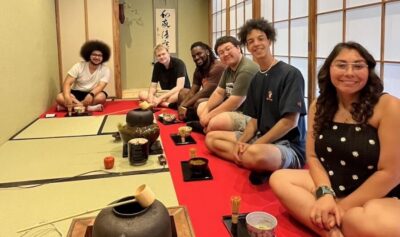
Browse the lists this tour appears in